Understanding 2x4 Welded Wire Panels: A Practical Guide
You know, I’ve been working with wire mesh products for… well, let’s just say a while. And 2x4 welded wire panels, they're a workhorse. Not glamorous, certainly, but absolutely essential across so many industries. From agriculture and construction to security and even specialized manufacturing, they just get the job done. Frankly, they're often overlooked until something needs fixing, and then suddenly everyone needs them. I suppose that’s the sign of a really good, reliable product, isn’t it? They just fade into the background, quietly providing structure and security. It's amazing how much load-bearing capacity is packed into such a simple design.
Product Specifications & Design Considerations
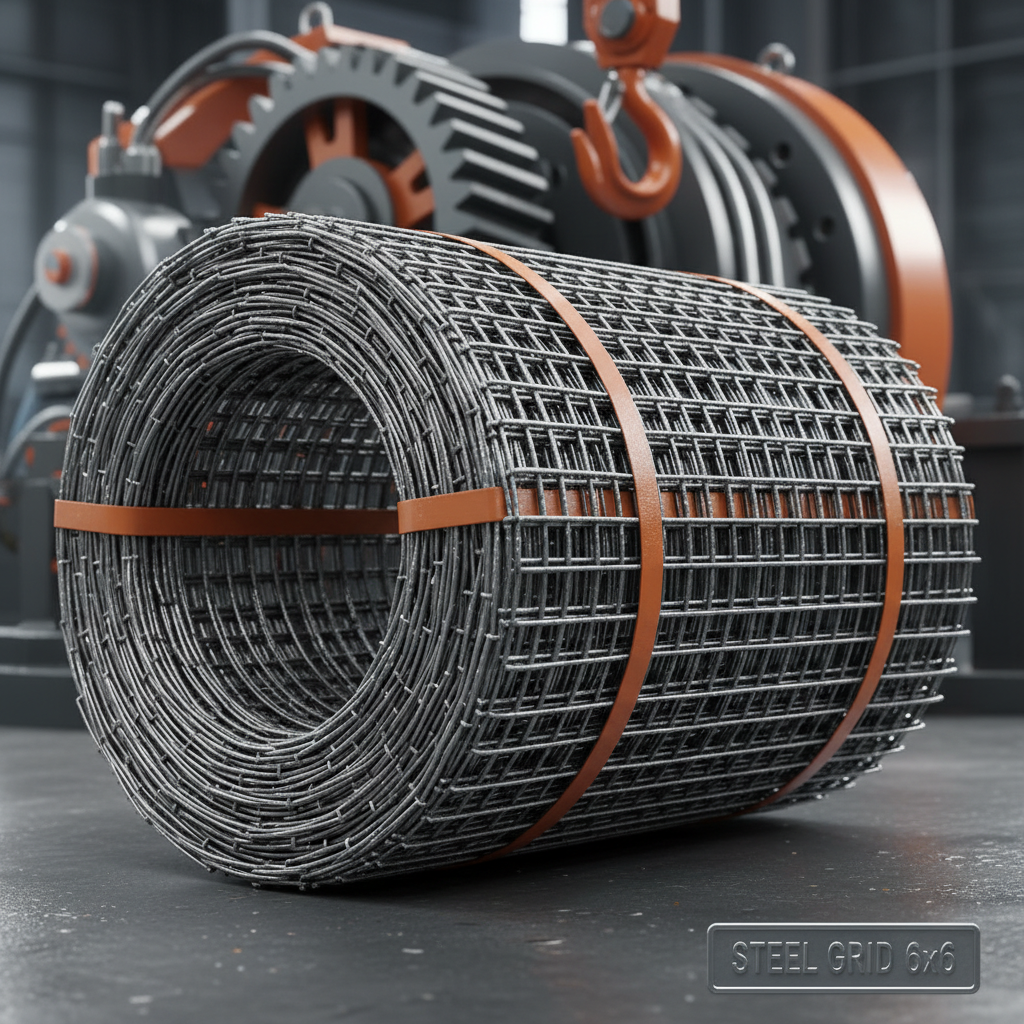
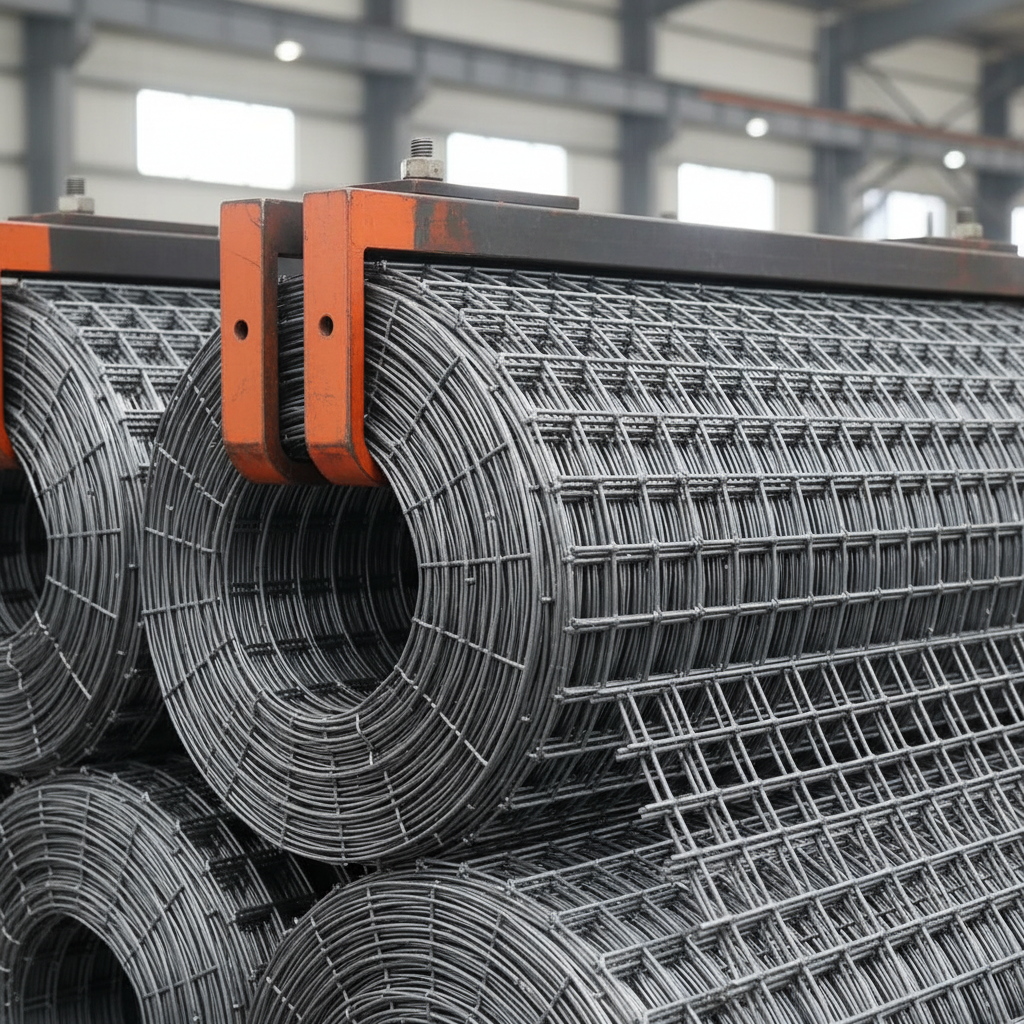
These panels – the 2x4 designation refers to the 2-inch by 4-inch mesh opening – are typically fabricated from low-carbon steel wire, but you’ll also find them in stainless steel, galvanized steel, and even powder-coated finishes depending on the environment. The wire gauge is critical; thicker wire means more strength, but also more cost. Oddly enough, I've noticed a trend towards lighter gauge, high-tensile wire alloys; they offer comparable strength with a weight reduction, which is a win for shipping costs and installation. The welding process itself is important – consistent, strong welds are key to preventing failures. We've seen issues with inconsistent welds in lower-cost imports, unfortunately. Here's a quick spec breakdown:
| Specification |
Typical Value |
Notes |
| Mesh Opening |
2" x 4" (50.8mm x 101.6mm) |
Standard, customizable |
| Wire Gauge |
9 Gauge (3.56mm) - 6 Gauge (4.03mm) |
Dependent on application |
| Material |
Low Carbon Steel, Stainless Steel |
Galvanized or powder-coated options available |
| Panel Width |
Typically 36" - 72" (914mm - 1829mm) |
Customizable to project needs |
Vendor Landscape & What to Look For
Choosing the right vendor is… complicated. There's a huge range in quality and pricing. I've worked with companies offering panels for pennies on the inch, and frankly, the performance was reflected in the price. It’s not always about finding the cheapest option, you know? I suppose a lot of it comes down to understanding your specific application and building a relationship with a supplier who can consistently deliver on quality. Here’s a quick comparison of a few key players:
| Vendor |
Price Point |
Quality |
Lead Time |
| Lanye Wire Mesh https://www.lanyewiremesh.com |
Mid-Range |
Very Good |
2-3 Weeks |
| XYZ Metal Products |
High |
Excellent |
4+ Weeks |
| CheapMesh Imports |
Low |
Variable, often poor |
1-2 Weeks |
Final Thoughts & Applications
I remember one client, a local farmer, who used these panels to create temporary livestock pens. He'd been using wood before, which was constantly rotting and needing repair. These panels, galvanized and sturdy, lasted him years with minimal maintenance. That’s the beauty of it, really. They're adaptable, durable, and often surprisingly cost-effective in the long run. It's a simple product, but a really solid solution.