The Rise of Installing Razor Wire on Top of Fence: Safety Meets Practicality
Razor wire on top of fences — it’s quite the unsung hero of global security. Whether you’re securing an industrial site, a humanitarian camp, or national borders, this simple yet effective layer adds clear value worldwide. Why do so many institutions rely on it? Mostly because it’s a cost-effective, physical deterrent that combines deterrence with psychological impact. Understanding its nuances means potentially improving everything from asset protection to migrant safety, often in places where resources are tight and stakes are high.
Let me be frank — razor wire might not be anyone’s favorite conversation starter, but its role in global security infrastructure is anything but trivial. Thanks to a push from organizations like the United Nations and increasing concerns about perimeters in conflict zones, its usage keeps growing sustainably and thoughtfully.
Global Context: Why Razor Wire on Top of Fence Matters
On a broad scale, fences topped with razor wire aren’t merely about keeping people out — they’re about defining controlled entry points, reducing illegal crossings, and securing sensitive environments. According to UN reports, fencing combined with security enhancements has reduced unauthorized border crossings by upwards of 30% in some areas since the 2000s.
The problem it addresses is simple but critical: preventing unauthorized access while minimizing harm. Around industrial sites, razor wire mitigates theft risks; near refugee camps, it helps manage crowd flow and protect vulnerable populations. Its physical sharpness delivers a warning that’s hard to miss. Despite the harsh image, razor wire tops fences precisely because it’s a visible, deterrent-based security solution.
What Exactly Is Razor Wire on Top of Fence?
In plain terms, razor wire is a mesh of sharp-edged metal strips designed to inflict serious discomfort upon attempted crossing. Placed on top of fences, it acts as an aggressive barrier — think of it as a modern-day moat but with sharper teeth.
But razor wire isn’t just about defense. It’s a response to modern needs, where rapid deployment and scalable security solutions matter. Industries like correctional facilities, construction sites, and even agricultural zones use it to protect property while minimizing manpower.
Key Factors That Make Razor Wire Effective
1. Durability
Razor wire is usually galvanized or coated steel. This means it resists rust, corrosion, and weather damage — crucial when fences stay outside year-round. I noticed that coastal facilities especially prefer higher-grade galvanization, which can last up to 15 years without major wear.
2. Installation Scalability
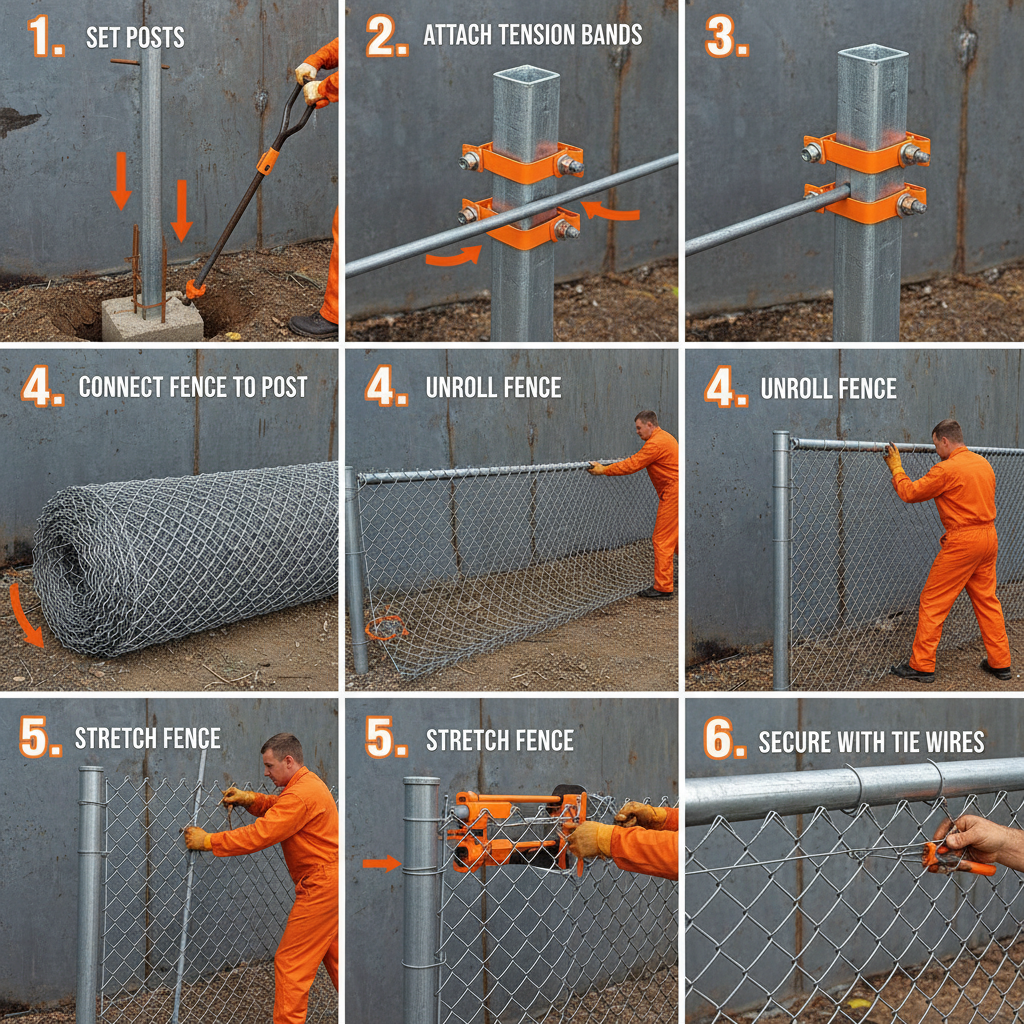
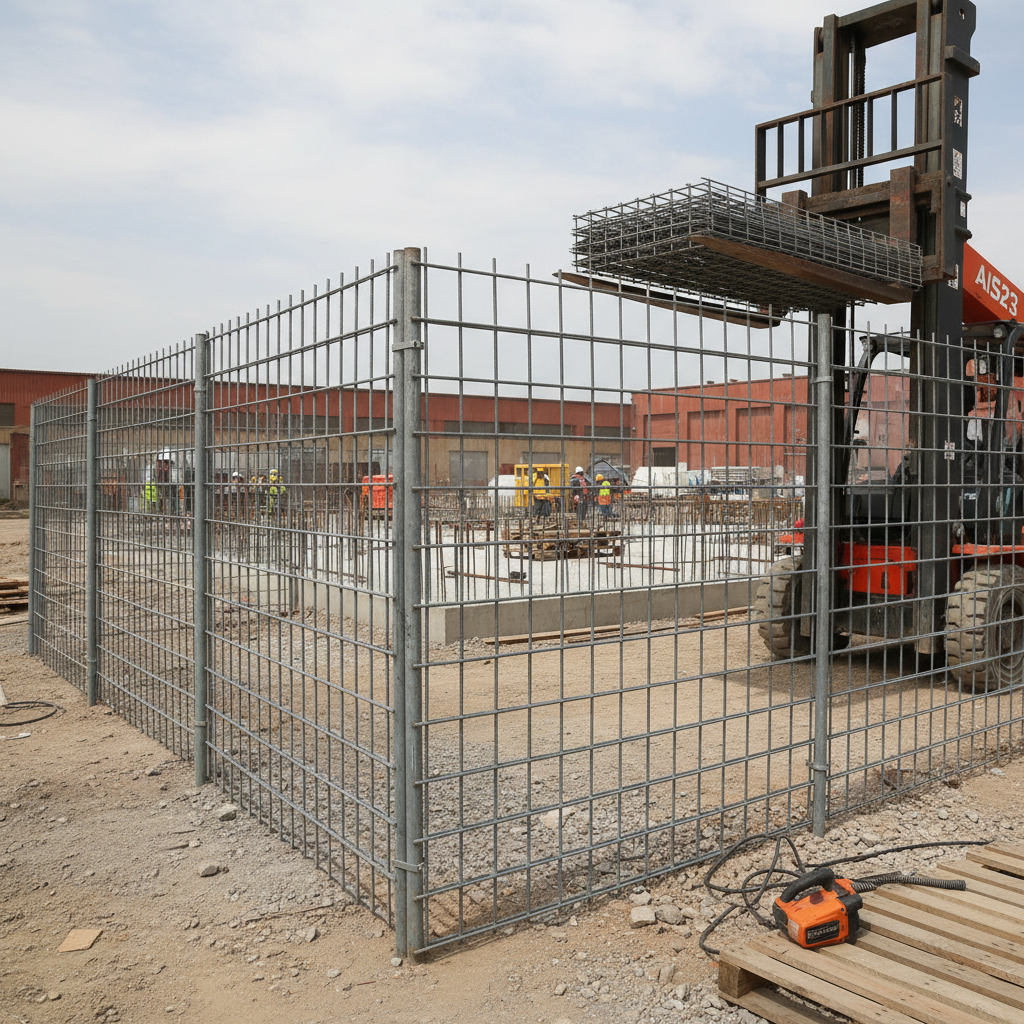
You can add razor wire to nearly any fence style — chain-link, palisade, steel mesh — which means it scales easily for different site sizes and budgets. Often, security managers opt for modular installation kits, speeding up deployment from days to hours.
3. Cost Efficiency
Compared to electronic perimeter systems or frequent patrols, razor wire is surprisingly affordable. It’s a one-time investment that requires minimal maintenance but provides long-term deterrent effects.
4. Safety and Compliance
Many vendors now provide options that meet ISO safety certifications, balancing deterrence with humane concerns. This is vital for areas that must show adherence to humanitarian standards.
Typical Specifications of Razor Wire on Top of Fence
| Feature | Specification | Notes |
|---|---|---|
| Material | Galvanized Steel / Stainless Steel | Depends on corrosion resistance needed |
| Blade Length | 20-30mm | Standard for most deterrent needs |
| Coating | PVC or Galvanization | PVC adds extra weather resistance |
| Height Options | 300mm to 600mm rolls | Customization possible |
| Installation Type | Clip-on, barbed bands, or coil | Depends on fence design |
Global Applications: Where Razor Wire Tops the Fence
It’s interesting how razor wire on top of fences pops up in so many corners of the world, with uses as varied as their settings. For example:
- In Europe’s border zones, razor wire helps manage migration flows while authorities provide humane passage options.
- In Australian remote mining sites, it’s a frontline defense against theft and wildlife intrusion.
- Africa’s humanitarian relief camps commonly use it around supply depots to guard against looting.
- Correctional facilities globally often retrofit existing fences with razor wire for layered security.
Oddly enough, while the visual message might feel aggressive, the presence of razor wire often prevents worse conflicts — diseases spread in refugee camps due to chaotic movements, or accidents from hurried border crossings.
Advantages and Long-Term Value of Razor Wire on Top of Fence
There’s a genuine logic behind choosing razor wire. It’s not just “because it looks tough.” The benefits are multi-layered:
- Cost Savings: Minimal upkeep means fewer operational costs over fence lifetimes.
- Sustainability: Long-lasting materials reduce waste and lessen environmental impact.
- Safety: Acts as a strong deterrent to reduce the risk of intrusions and unintended injuries by stopping attempted climbs early.
- Emotional Impact: The mere sight commands respect and caution, reinforcing trust in site protection among employees and residents alike.
Many engineers tell me that while razor wire is inherently “rough,” its role in innovative security setups balances ethics and efficiency better than alternatives like electric fences or armed patrols, especially in sensitive or developing areas.
Future Trends & Emerging Innovations
The future of razor wire on top of fences looks promising and surprisingly high-tech. Here are some things to watch:
- Smart Razor Wire: Embedded sensors to detect breaches and alert security in real-time.
- Sustainable Materials: Biodegradable or recycled metals that maintain strength while reducing environmental footprint.
- Automated Installation: Drones and robotic arms enabling rapid, safe deployment in challenging terrain.
- Integration with Digital Systems: Combining razor wire with CCTV, motion detectors, and AI for optimized security.
These developments aim to retain razor wire’s proven physical deterrent while addressing social and ethical concerns with data-driven insights.
Challenges & Practical Solutions
Of course, razor wire isn’t perfect. One common complaint is the potential for injury, which leads to liability concerns in civilian areas. Plus, installation on old fences can be tricky without proper mounting points.
Some solutions experts recommend:
- Using tamper-resistant fasteners and appropriate signposting to warn strangers.
- Balancing razor wire height and blade sharpness with situational risk analysis.
- Regular maintenance checks to prevent rust and ensure integrity, especially in humid or saline environments.
Ultimately, it’s about blending razor wire with thoughtful fence design and community awareness.
FAQ: Frequently Asked Questions About Razor Wire on Top of Fence
1. Is razor wire on top of fence legal in residential areas?
Laws vary by country and sometimes by local ordinances. Usually, razor wire is restricted near residential zones due to safety risks. Industrial and commercial usage is far more common and accepted. Checking local regulations before installation is always best.
2. How long does razor wire typically last before replacement?
With good galvanization and minimal physical damage, razor wire can last 10–15 years outdoors. PVC-coated variants may extend life a bit more, especially in harsh climates.
3. Can razor wire be installed on existing fences without complete replacement?
Absolutely. Most manufacturers offer clip-on or banding methods that secure razor wire safely on top of chain-link or palisade fences, speeding up installation and cutting costs.
4. Is razor wire effective against modern intrusions?
Yes, it remains a solid physical deterrent — especially when combined with surveillance and patrols. It may not stop determined intruders but adds a significant delay and risk factor.
5. How does razor wire compare environmentally to electronic fences?
Razor wire doesn’t consume electricity or require batteries, making it a lower environmental footprint solution. However, it needs physical materials and eventual disposal, so recyclability is key.
Leading Vendors and How They Stack Up
| Vendor | Material Quality | Customization | Lead Time | Price Range |
|---|---|---|---|---|
| Lanye Wire Mesh | Premium galvanized and stainless steel | Full range of blade sizes & coatings | 2 weeks | Mid to High |
| SecureFence Co. | Galvanized steel standard | Limited blade configurations | 1 week | Budget-friendly |
| BorderGuard Solutions | High-grade stainless steel | Custom projects available | 3-4 weeks | Premium pricing |
To sum up, razor wire on top of fence remains a surprisingly elegant answer to many security puzzles worldwide — balancing effectiveness, affordability, and rising ethical standards all in one coil. If you’re curious to explore options or gear up your next project, you should definitely visit razor wire on top of fence for a closer look.
Reflections & References
After digging into how razor wire functions globally, I find it fascinating that this seemingly rough tool can align with humanitarian efforts when thoughtfully applied. It’s a reminder that technology isn’t black-and-white; context, deployment, and intent make all the difference.
For anyone interested in more detailed standards or global statistics around border security and fencing, consider checking: