Understanding wire mesh netting: An insider’s perspective
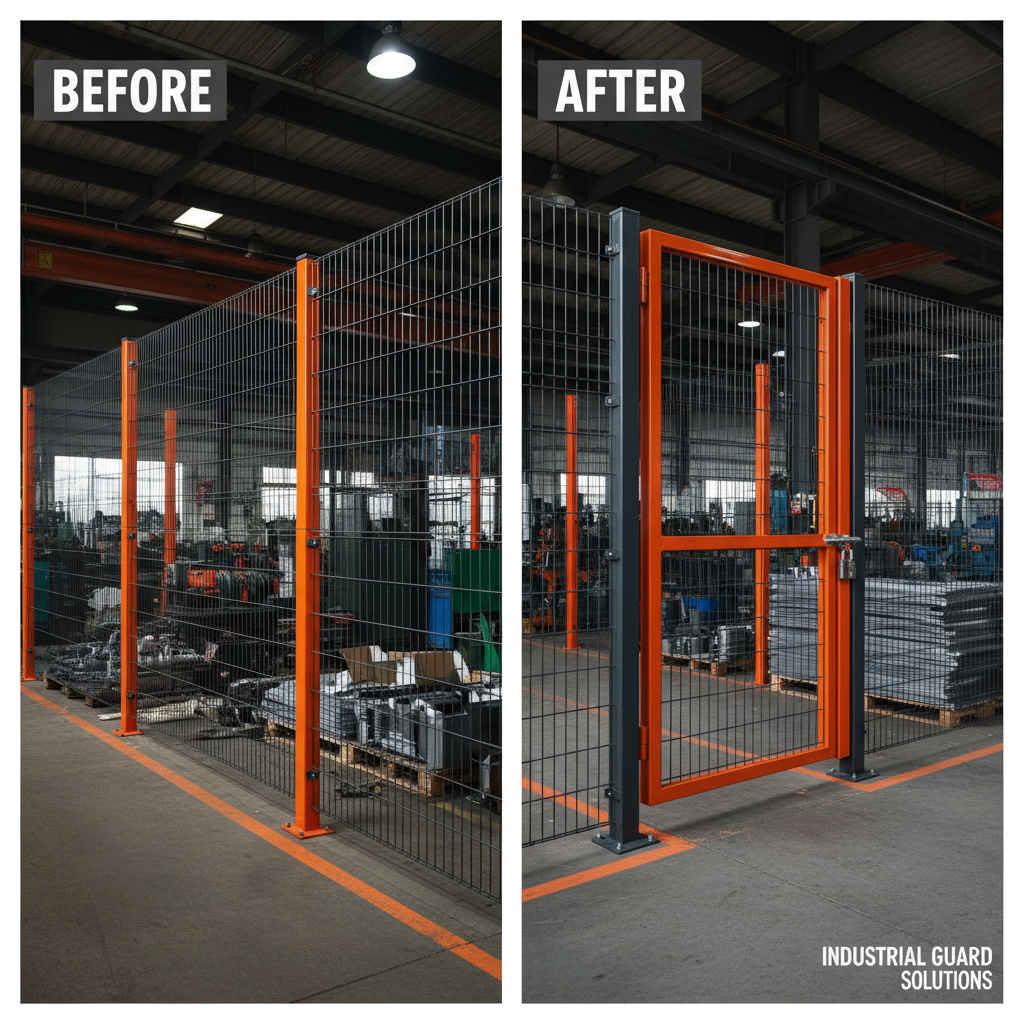
Having worked closely with industrial equipment suppliers and fabricators for over a decade, I can say that wire mesh netting is often an unsung hero in many projects. You don’t quite notice it until it’s missing or inadequate… then it’s suddenly critical. Whether you’re securing a construction site, filtering materials, or reinforcing concrete, these wire meshes quietly do their job, day in and day out.
What I’ve seen is that choosing the right type of wire mesh isn’t just about ticking a box; it’s a proper balancing act. Depending on the application, factors like wire diameter, mesh weave, and material finish can make all the difference. Frankly, there’s a lot more variety than most folks expect— stainless steel, galvanized, PVC-coated, and even specialty alloys depending on environmental conditions.
For instance, I recall a customer—a manufacturer of food processing equipment—who needed a mesh that complied with strict hygiene standards but also stood up to abrasive cleaning processes. We ended up specifying a stainless steel woven mesh with a smooth finish that could handle both. It was one of those moments when product knowledge and real-world demands intersected perfectly.
Common types & materials
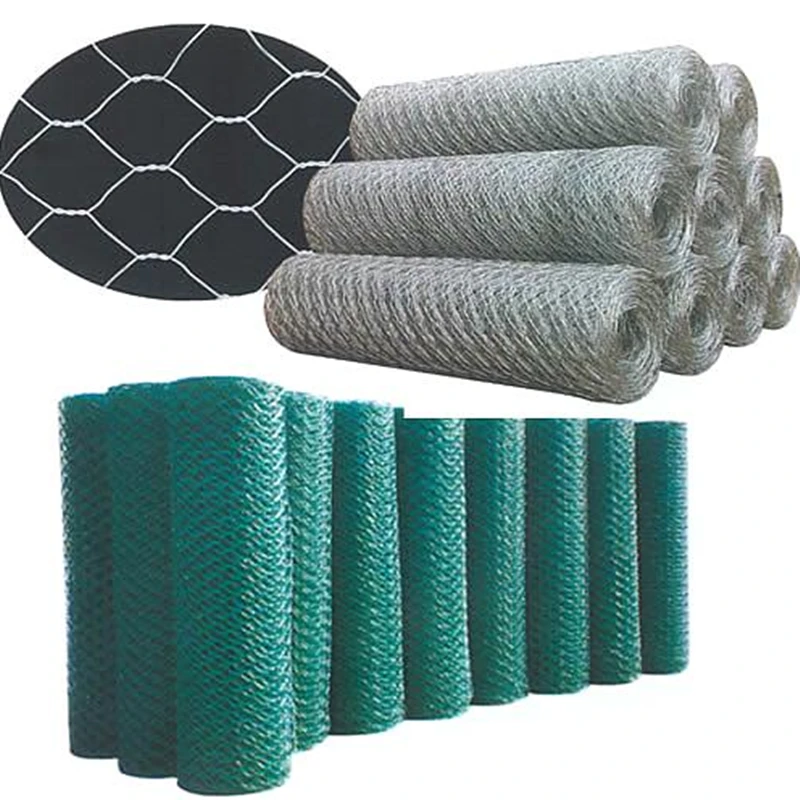
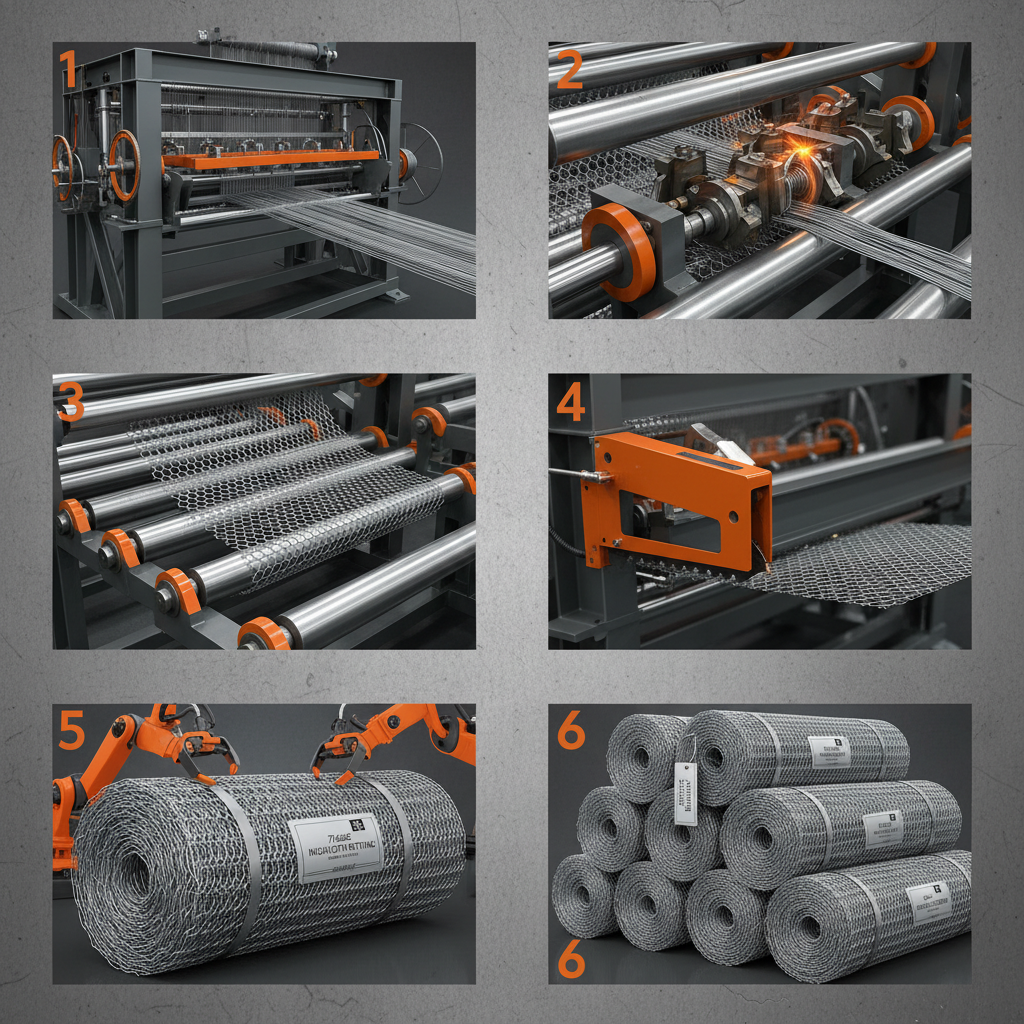
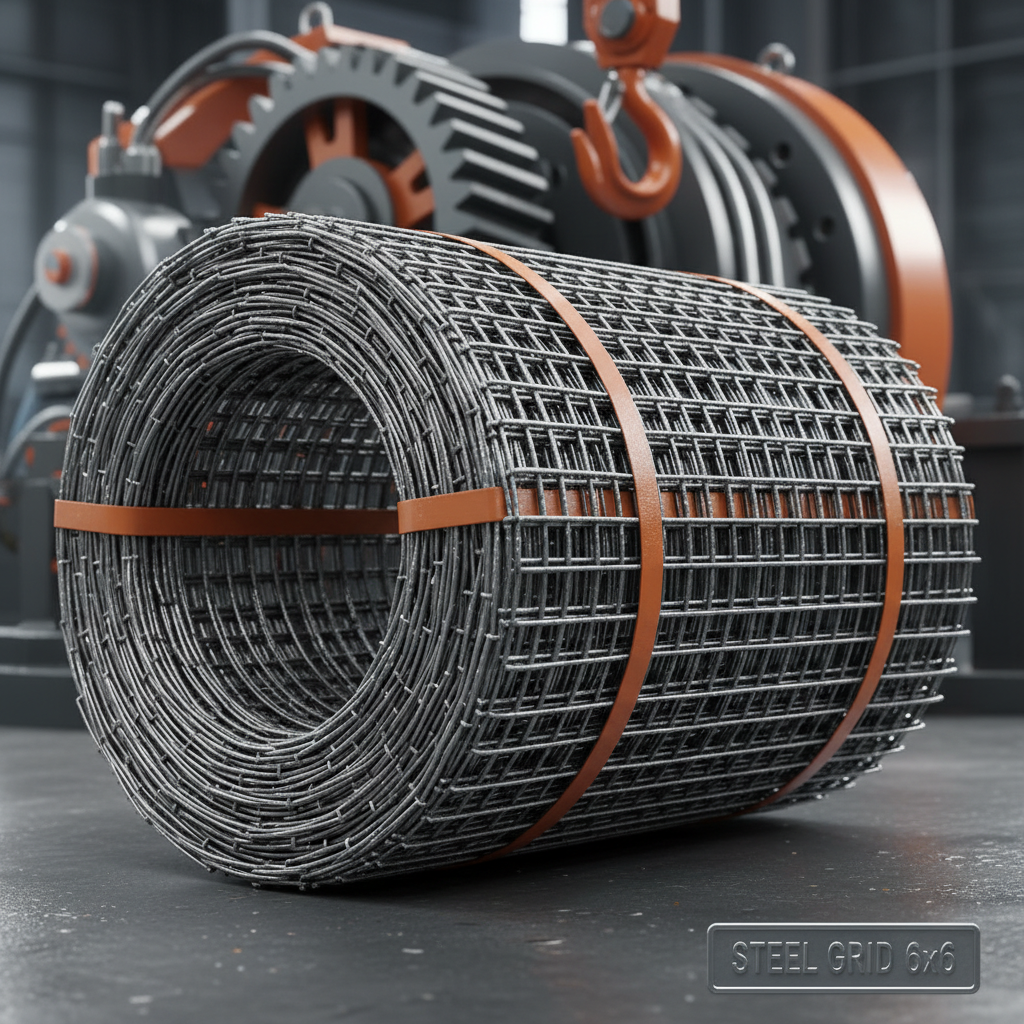
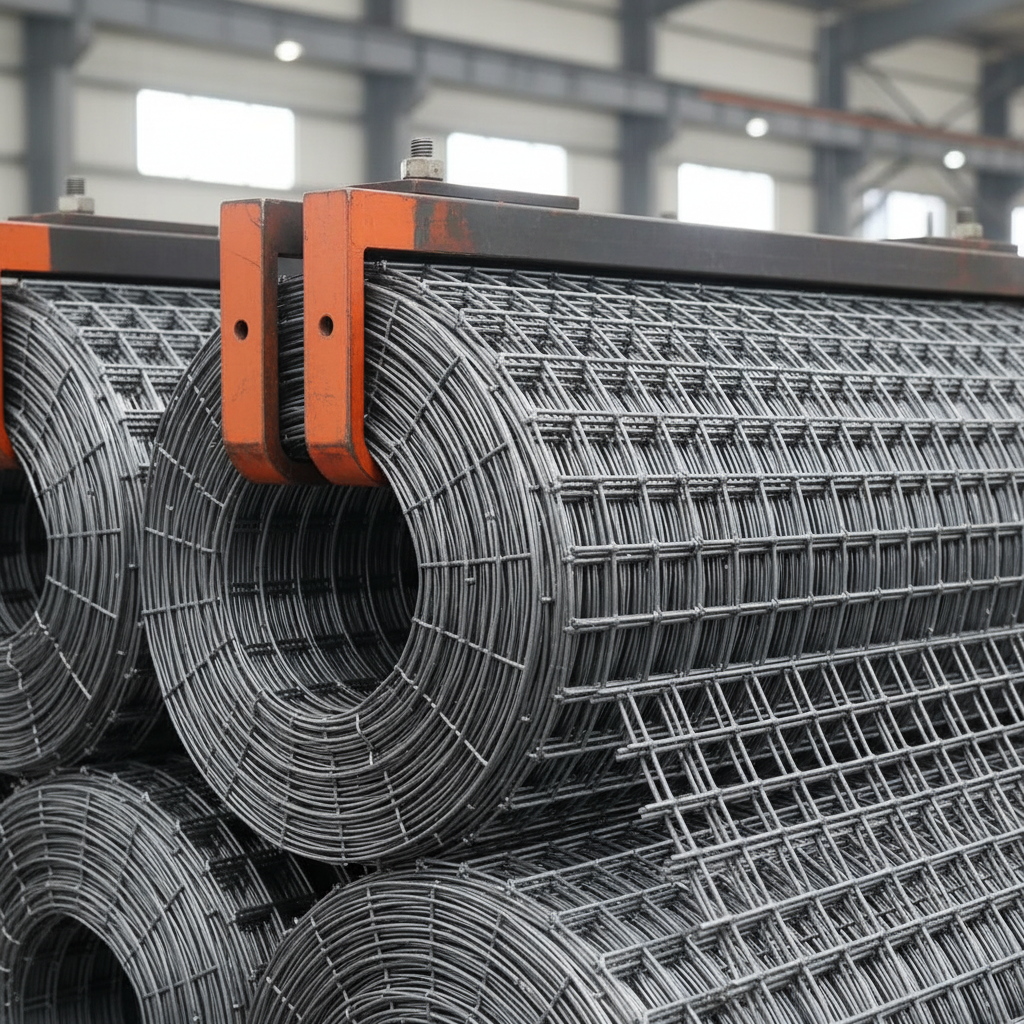
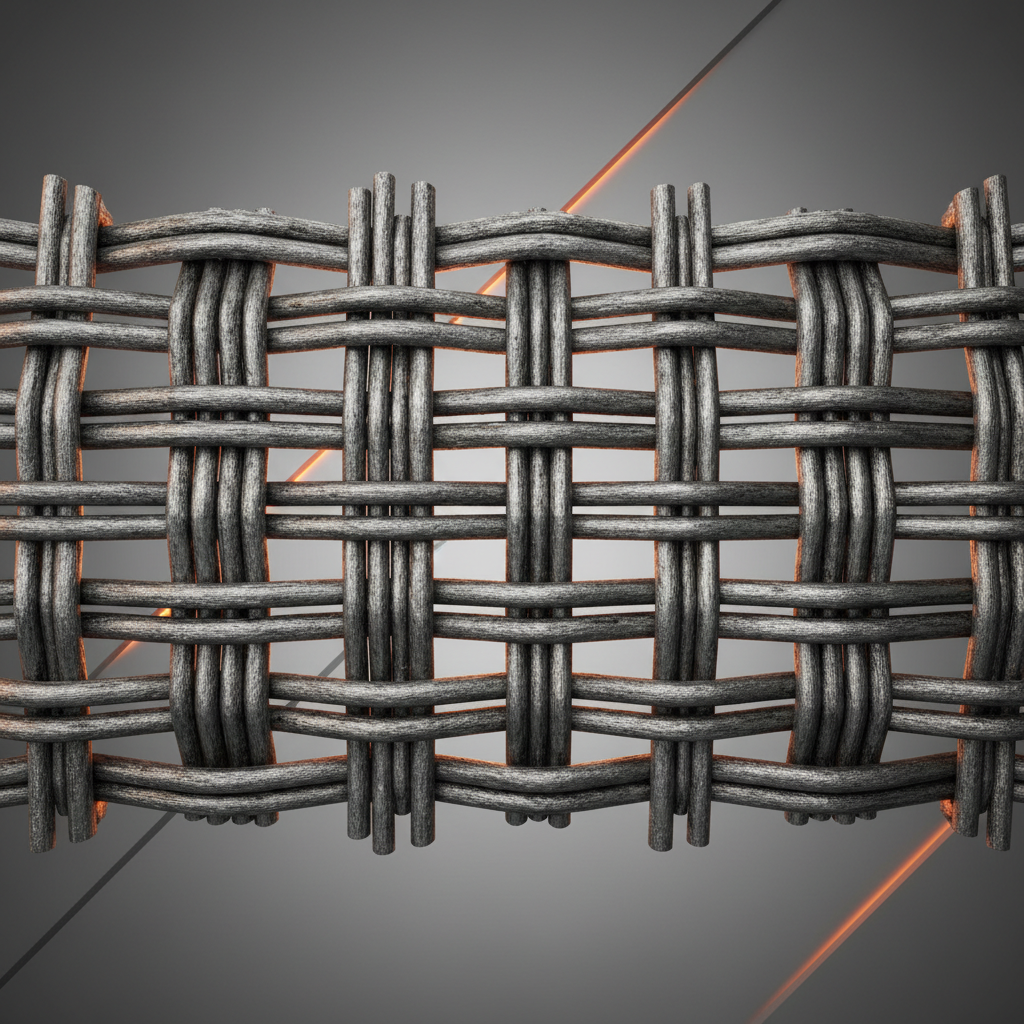
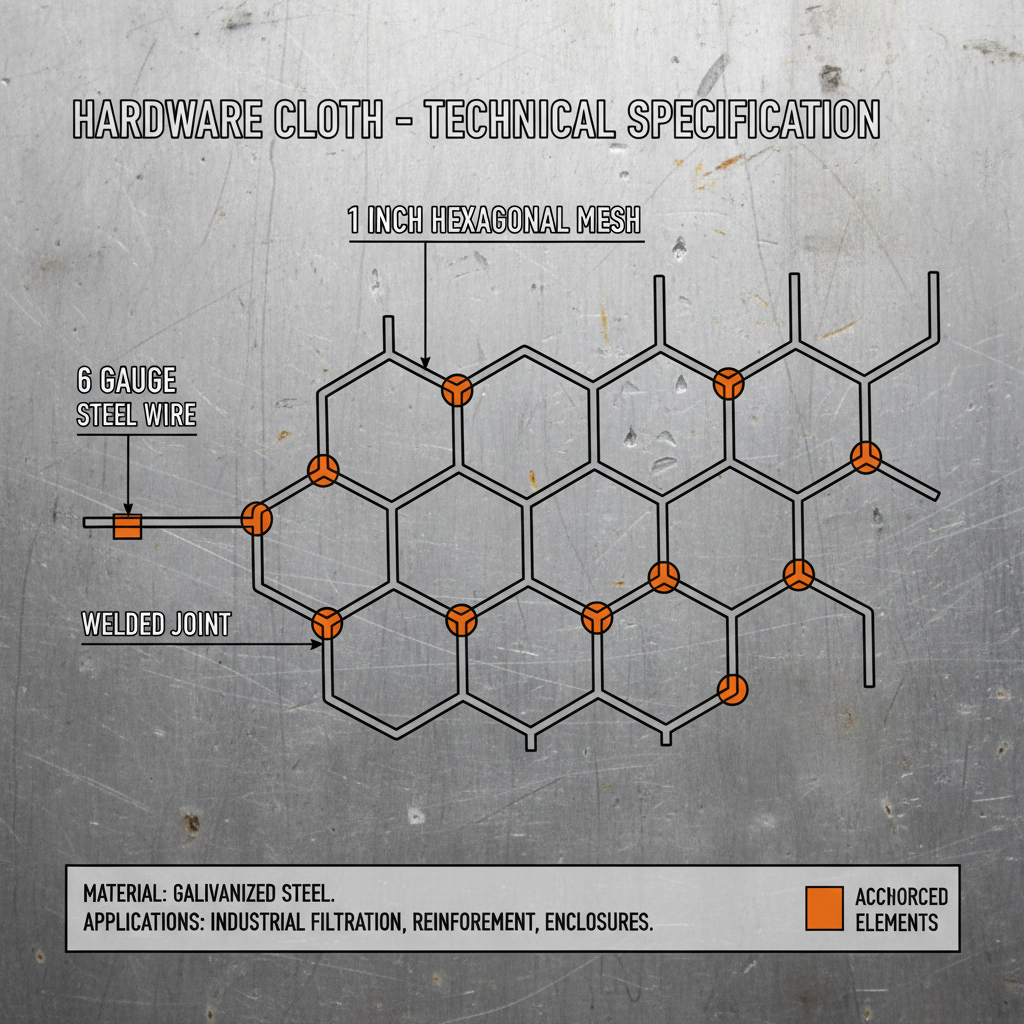
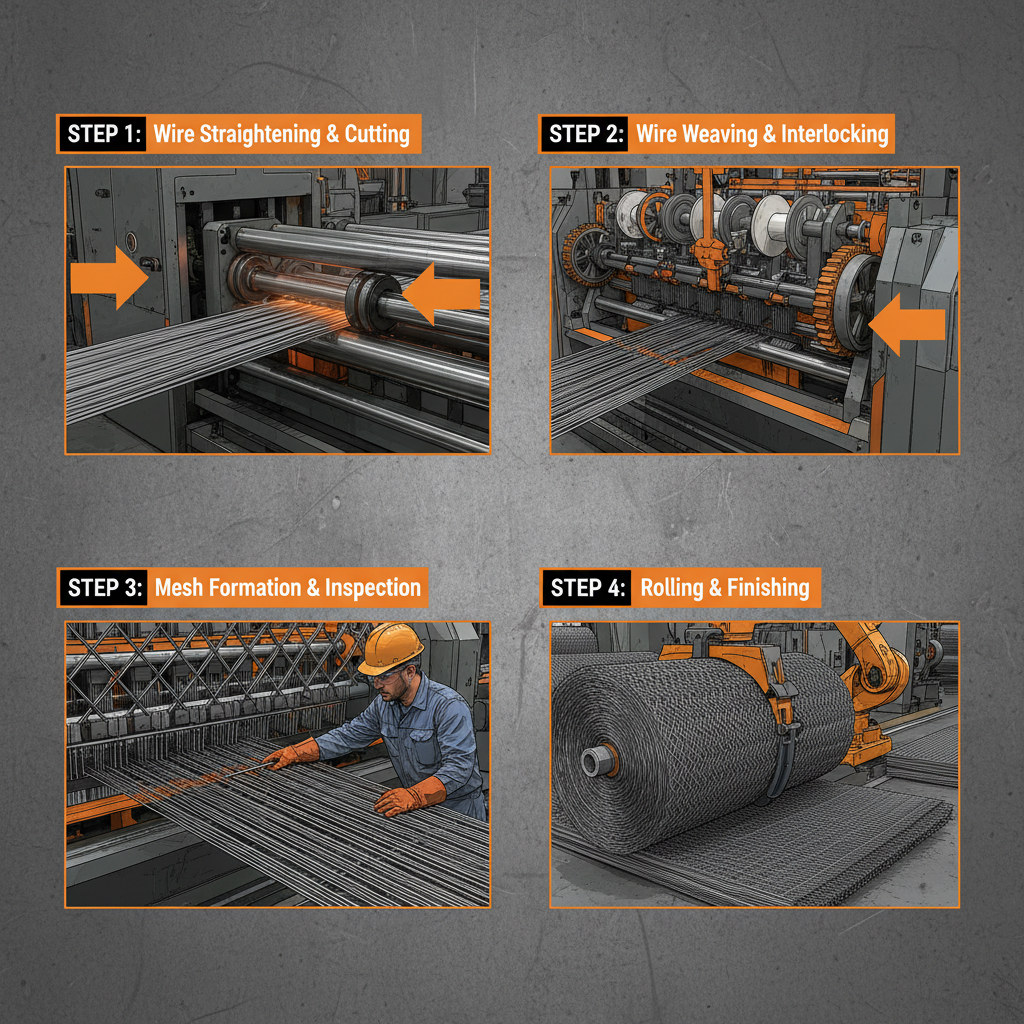
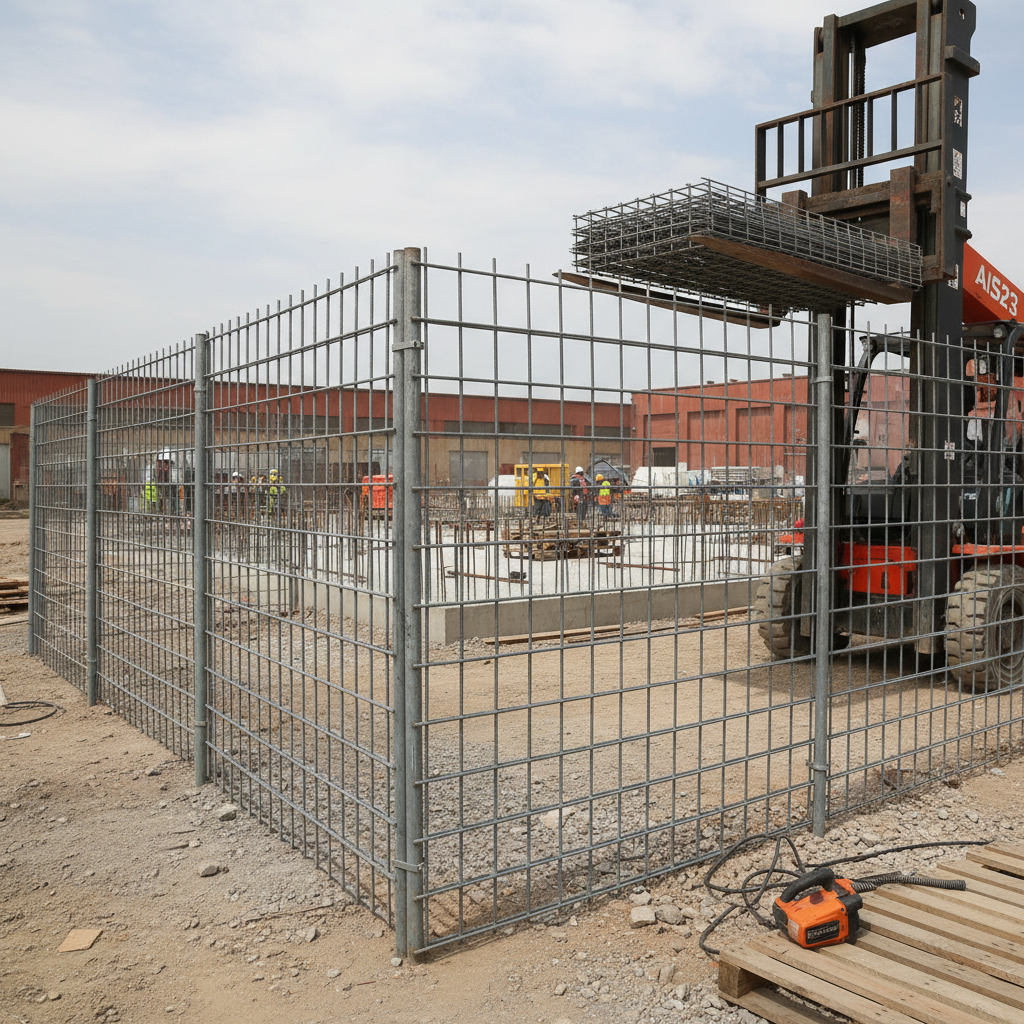
Generally, most wire mesh netting falls into two weave categories: woven or welded. Woven mesh is made by interlacing the wires like fabric, offering flexibility and a variety of mesh sizes. Welded wire mesh involves intersecting wires spot-welded at each junction for rigidity. Choosing one over the other often comes down to how directly the mesh will bear loads or encounter pressures.
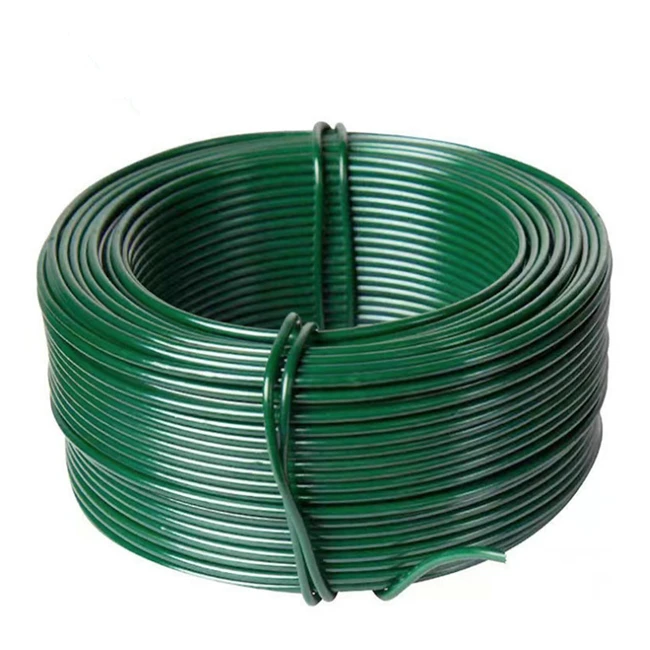
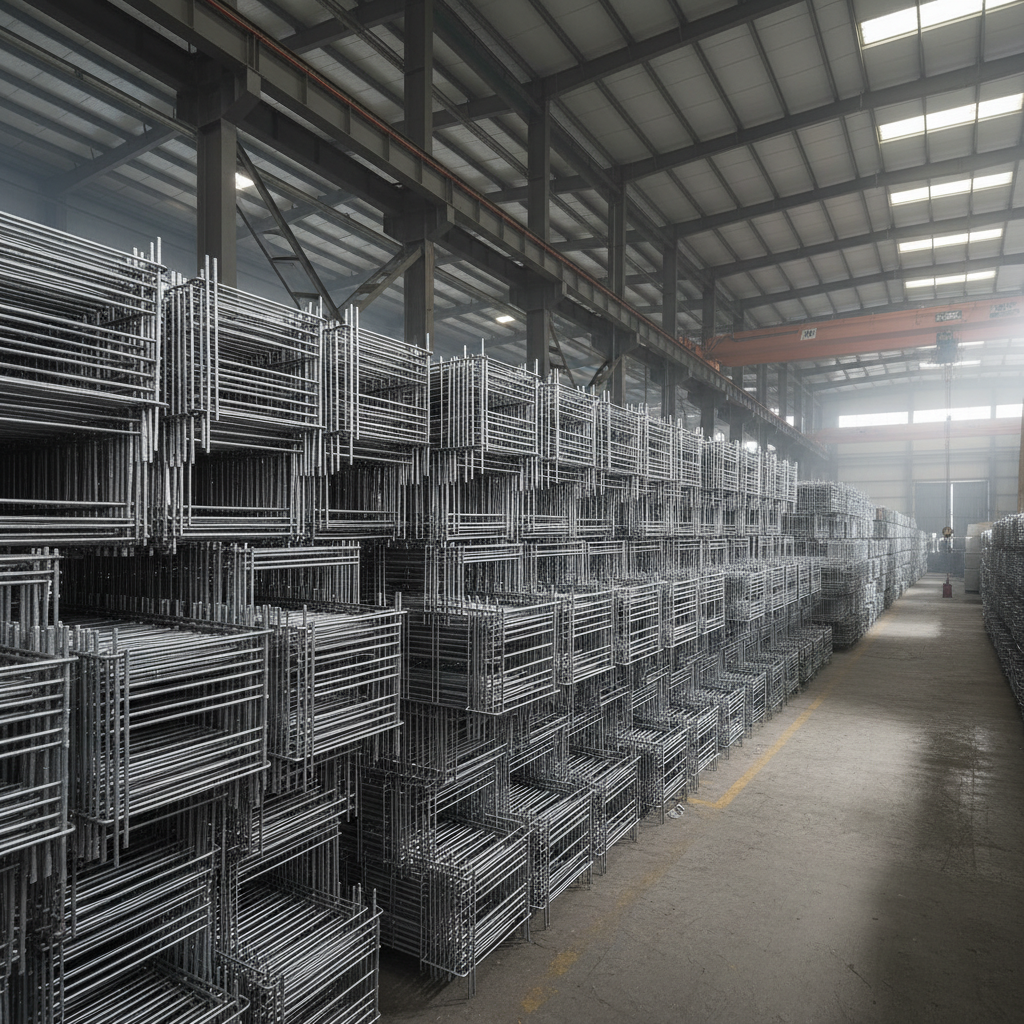
Material-wise, galvanized steel is common for outdoor uses because of its corrosion resistance, but it tends to lose that protective layer over time if scratched. Stainless steel takes the trophy in terms of durability and corrosion resistance, though it’s pricier. PVC-coated wire mesh can offer additional weather protection and aesthetic appeal, making it a favorite in landscaping or animal enclosures.
Product specs at a glance
| Specification | Typical Range | Common Use |
|---|---|---|
| Wire Diameter | 0.5 – 5 mm | Filter, security fences |
| Mesh Opening Size | 1 – 50 mm | Material separation, screening |
| Material | Galvanized, Stainless Steel, PVC-coated | Outdoor, heavy duty, aesthetic uses |
| Mesh Type | Woven or Welded | Varies by strength and flexibility |
Supplier choices: Why it matters
I suppose that many engineers and project managers overlook the vendor side when selecting wire mesh. Oddly enough, quality can vary even for specs that look identical on paper. Factories have different tolerances, inspection processes, and material sourcing that impact final performance.
| Vendor | Material Offerings | Customization | Lead Time | Typical Pricing |
|---|---|---|---|---|
| Lanye Wiremesh | Galvanized, Stainless, PVC-coated | Wide range, custom sizes & finishes | 2-4 weeks | Mid-range |
| Generic Local Vendor | Mostly galvanized only | Limited sizes, no coatings | 1 week | Lower |
| Premium Steel Supplier | High-grade stainless steel only | Custom engineered solutions | 4-6 weeks | High |
Final thoughts
Overall, when you’re specifying wire mesh netting for industrial or commercial use, don’t just glance at the specs. Dig a bit deeper—ask about the weave, the coating process, and how the mesh performs under stress in similar conditions. It feels like a minor detail—until it isn’t.
And if you want a solid blend of quality, variety, and reasonable lead times, Lanye Wiremesh is a vendor I’ve come to trust over time. That’s partly because of their consistency and partly their willingness to work through the occasional unusual request.
Honestly, the right wire mesh can save headaches and keep your project on track—so it’s worth that extra attention upfront.
References:
- Industry standards on wire mesh materials and testing, ASTM reports, 2022
- Customer case studies in food processing hygiene, Wire Mesh World, 2021
- Corrosion resistance studies of coated wire mesh, Materials Research Journal, 2023