What Is Coiled Barbed Wire Fencing and Why Does It Matter Today?
When you hear the term coiled barbed wire fencing, you might instantly picture the rugged barriers wrapping around farms or military zones. But the truth is, it’s far more than just a security measure. Globally, coiled barbed wire fencing has become a critical tool for safety, land management, and humanitarian efforts. Understanding its nuances can help industries—from agriculture to emergency relief—deploy it more effectively and responsibly.
Global Context: A Barrier with Worldwide Reach
Across continents, over 30 million kilometers of barbed wire fencing snarl landscapes—sometimes dividing properties, other times safeguarding resources or people.[1] Organizations like the UN and the World Bank increasingly highlight fencing in border control, refugee camp safety, and rural livestock management. With rising global population pressures, land scarcity, and conflict zones expanding, the demand for adaptable fencing solutions — including coiled barbed wire — only intensifies.
But here’s the rub: while fencing solves one problem, it sometimes creates another—like habitat fragmentation or social tensions. So learning about the right types, their installation, and sustainable use becomes kind of essential.
What Does Coiled Barbed Wire Fencing Actually Mean?
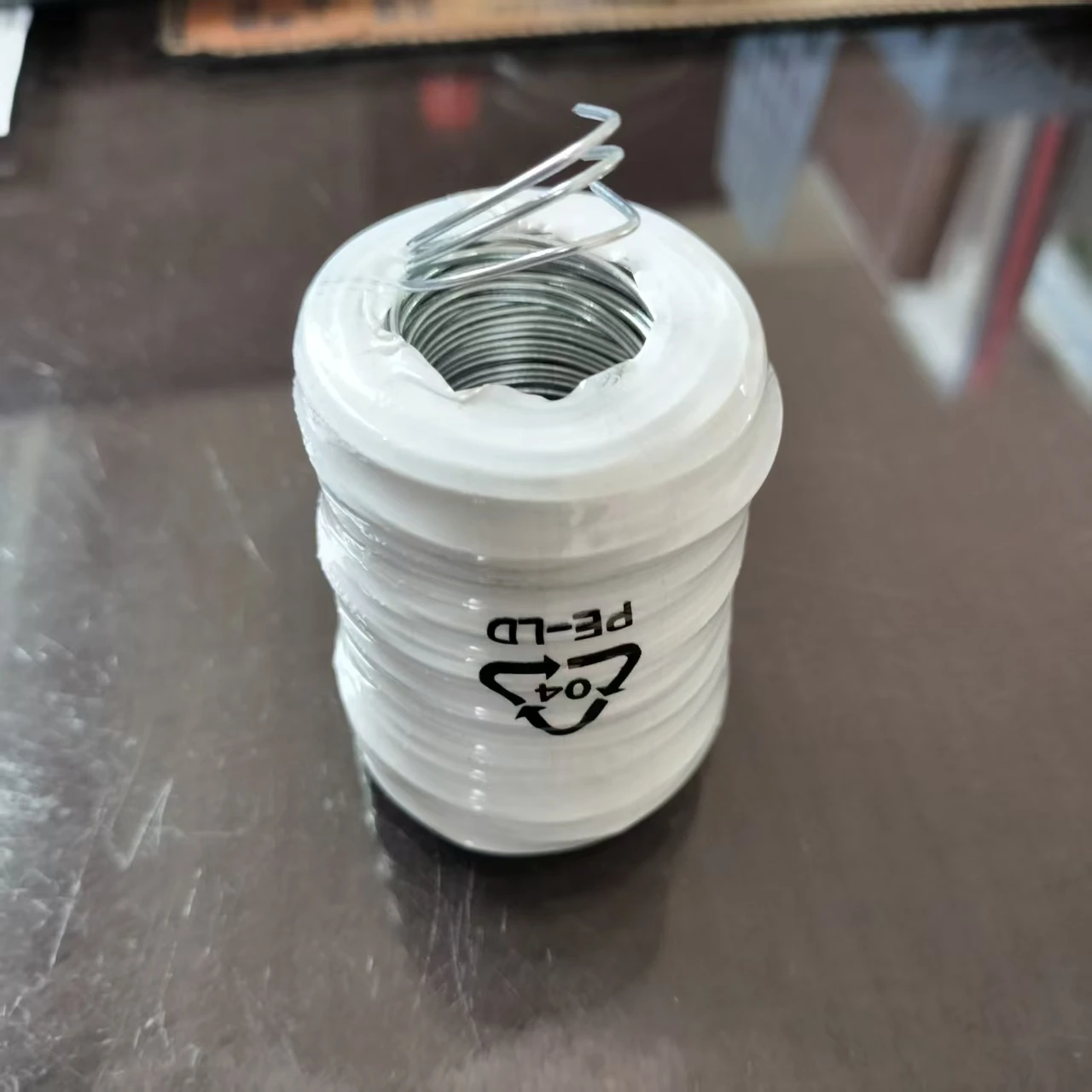
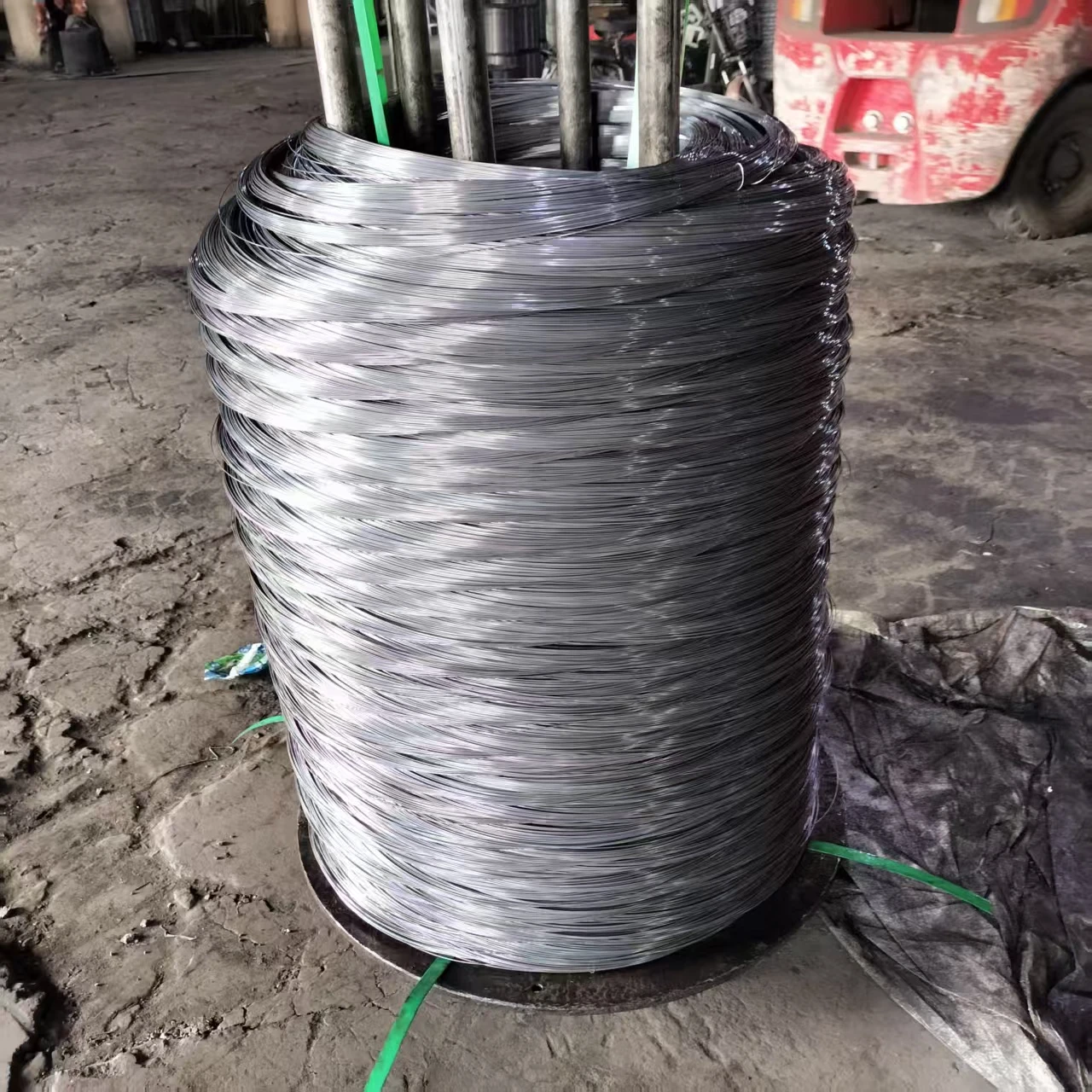
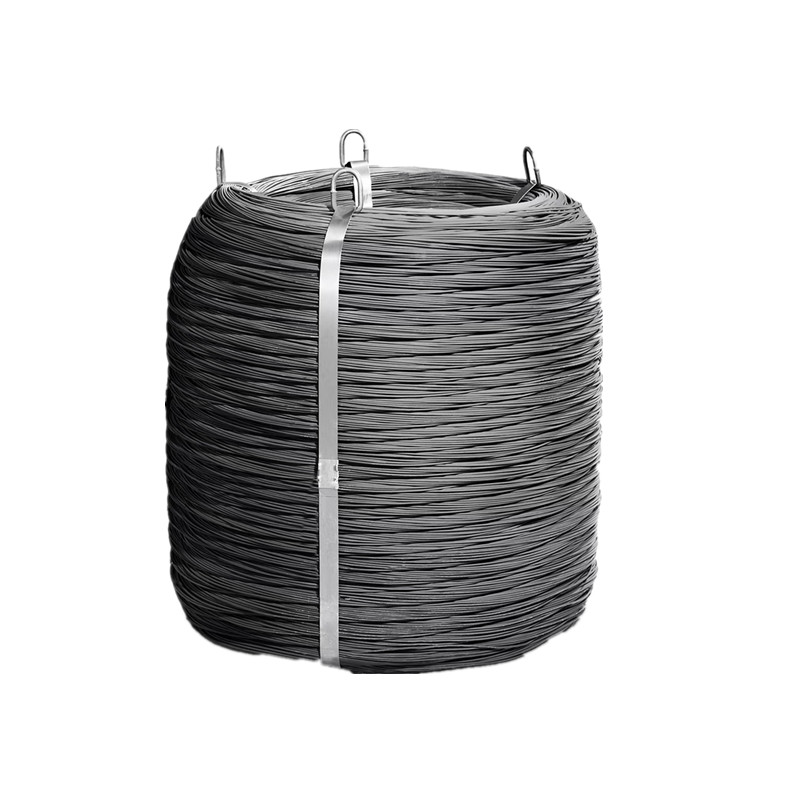
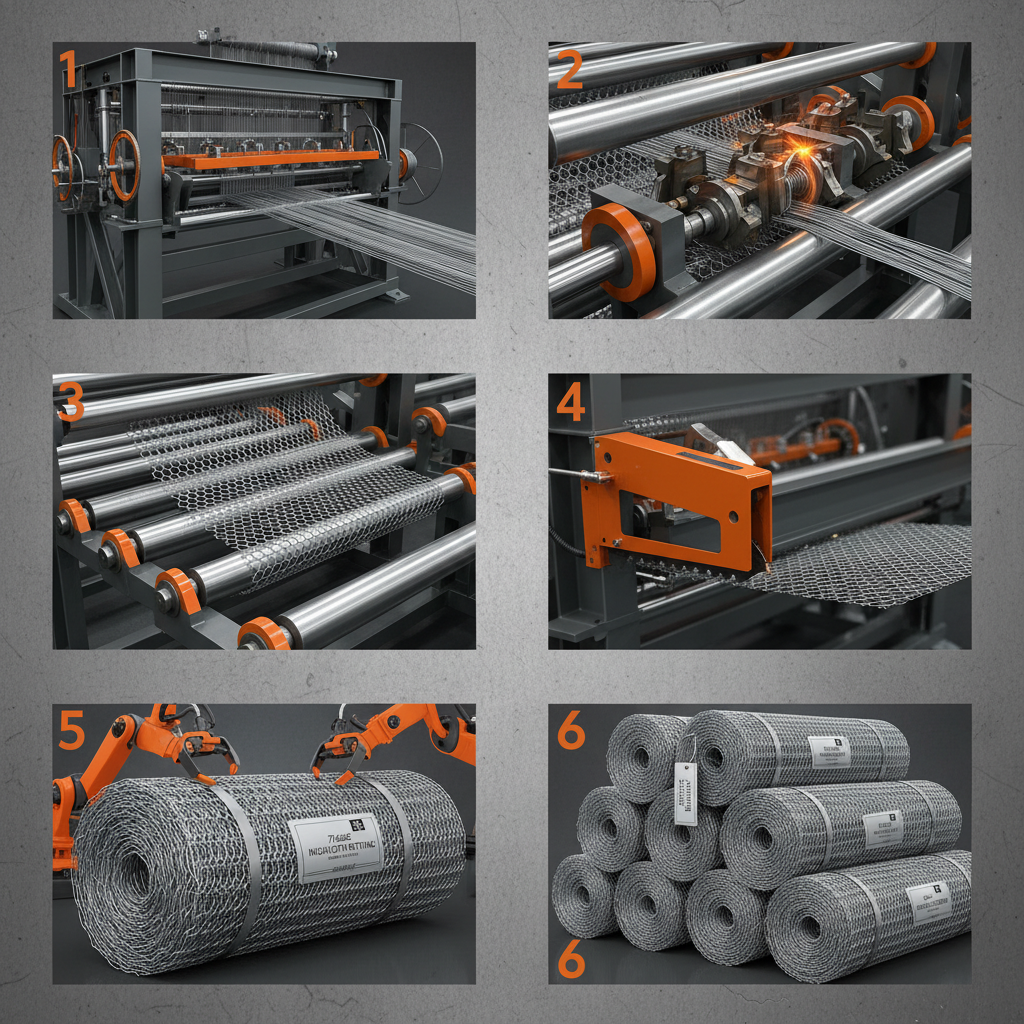
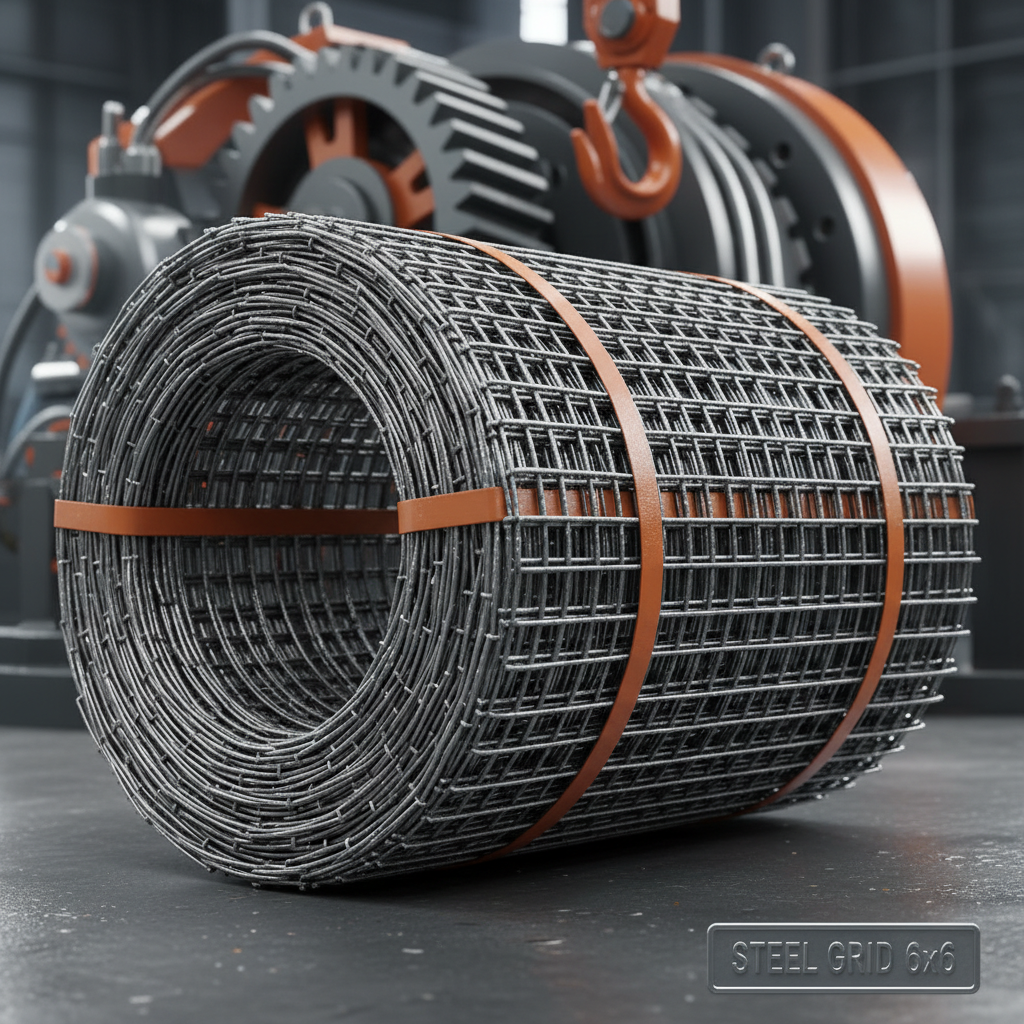
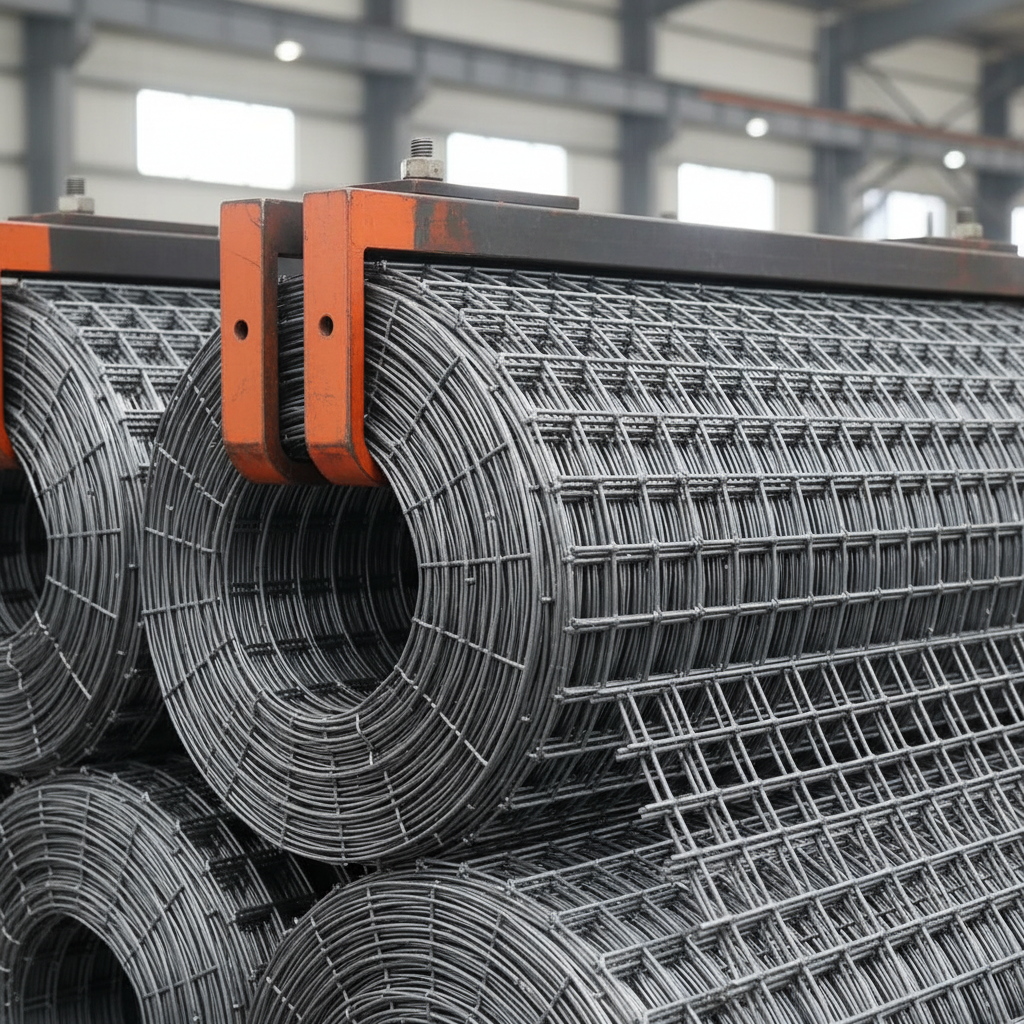
Simply put, coiled barbed wire fencing is a rolls-and-unfold system of wire with sharp barbs spaced along it. This wire is coiled for easy transport, deployment, and flexibility compared with straight fence lines. Here's what sets it apart:
- Coiled Design: Rolls of wire that expand like springs or serpents along a designated area.
- Barbed Elements: Small twisted wires with pointed edges designed to deter trespassers or animals.
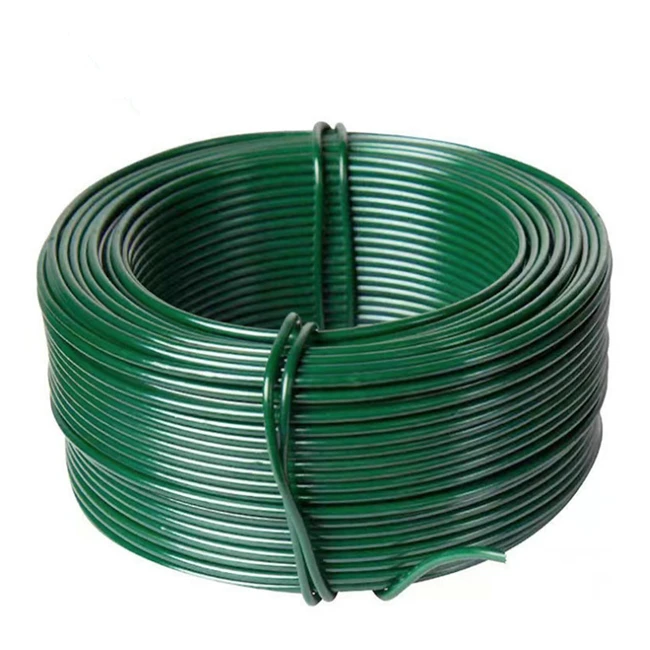
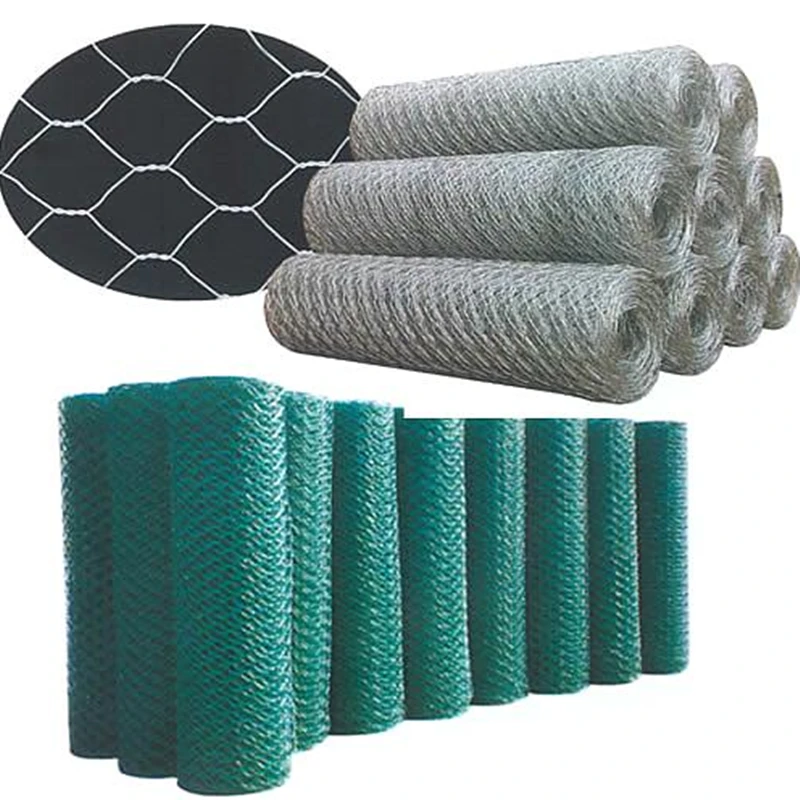
- Material: Usually galvanized steel, often with PVC coating for corrosion resistance.
Industrially, companies use coiled barbed wire because it’s transportable in challenging terrains and offers rapid setup. Humanitarian agencies rely on it too, for example in refugee camps to safely segment spaces without permanent infrastructure.
Key Features of Coiled Barbed Wire Fencing
Durability
Most rolls are zinc-galvanized or PVC-coated, lending them impressive resilience against rust and weathering. Engineers I’ve talked to say these coatings can prolong fence life up to 15 years in harsh climates.
Scalability and Flexibility
Because it’s coiled, you don’t need heavy equipment to quickly fence off large areas. It’s expandable and can contour to uneven or rough topography, which traditional rigid fencing just can’t manage as well.
Cost Efficiency
Aside from the upfront material costs being modest (compared to electric fencing, for example), the speed of installation cuts labor expenses dramatically. In emergency setups, this is crucial.
Security Effectiveness
Barbed wire's deterrent effect taps both psychological and physical layers. It’s not foolproof but discourages casual intrusion effectively. Plus, coiled wire can be doubled or tripled in height for added protection.
Low Maintenance
Unlike wooden fences or mesh that may degrade or require repainting, galvanized coiled barbed wire fencing needs minimum upkeep. Once installed properly, it mostly just does the job quietly for years.
Mini Takeaway:
Coiled barbed wire fencing offers a balance of ruggedness, flexibility, and cost value that few other fencing types can match, which explains its wide usage globally.
Global Applications & Use Cases
Where do we see coiled barbed wire fencing in action? Here’s an overview:
- Agriculture: Protecting livestock, marking boundaries in vast ranches, especially in Africa, Australia, and parts of the Americas.
- Military and Security: Border controls between countries, perimeters around sensitive installations, like military bases in Eastern Europe and the Middle East.
- Humanitarian Relief: Camps for displaced people in conflict zones, for example in Syria or South Sudan, to manage safe zones.
- Industrial and Remote Zones: Mining operations, construction sites, or remote power plants often use coiled fencing due to transport challenges.
Oddly enough, this fencing often balances a fine line between protection and creating barriers to natural wildlife movement, which calls for thoughtful deployment.
Advantages & Long-Term Value of Coiled Barbed Wire Fencing
Beyond the obvious, the advantages dig deeper:
- Economic Value: Durable fencing reduces need for replacement, thus saving money long-term.
- Social Impact: Helps secure homes and farms, promoting local stability and safety.
- Environmental Responsibility: With proper planning, it limits land degradation and reduces dependence on electrical fencing's energy usage.
- Trust & Innovation: Companies investing in better coatings and biodegradable wire blends are pushing the envelope.
Product Specifications of Typical Coiled Barbed Wire Fencing
| Specification | Typical Value | Notes |
|---|---|---|
| Wire Diameter | 2.2 mm – 2.5 mm | Thicker for heavy-duty fencing |
| Barb Length | 15 mm – 25 mm | Sharper barbs for security zones |
| Roll Length | 30 meters – 45 meters | Depends on manufacturer |
| Material | Galvanized Steel | Often PVC coated for extra rust resistance |
| Weight per Roll | 10 kg – 18 kg | Easier for manual handling |
Vendor Comparison: Leading Coiled Barbed Wire Suppliers
| Vendor | Product Range | Price Range (per roll) | Delivery Time | Sustainability Initiatives |
|---|---|---|---|---|
| Lanye Wire Mesh | Standard, PVC-coated, Heavy-Duty | $30 – $45 | 1–2 weeks | Recycling program & eco coating options |
| SteelGuard Inc. | Premium galvanized, anti-rust, stainless | $40 – $55 | 2–3 weeks | Focus on low-carbon manufacturing |
| Global Fencing Co. | Heavy duty, wildlife safe designs | $35 – $50 | 3–4 weeks | Supports local community sourcing |
Emerging Trends and Future Innovations
Looking ahead, coiled barbed wire fencing isn’t standing still. A few interesting trends to watch:
- Eco-Friendly Materials: Biodegradable coatings and lower-carbon steel production methods.
- Digital Integration: Sensors embedded into fencing for intrusion detection or livestock monitoring.
- Automation: Robot-assisted deployment — some companies experiment with drones and land robots to roll out fences in rough terrains.
- Policy Pushes: New regulations emphasize wildlife corridors and minimizing environmental fragmentation.
Challenges and How the Industry Addresses Them
Of course, no solution is perfect. Barbed wire fencing faces some issues:
- Risk to Wildlife: Animals can get injured, so designs are being adapted with wildlife-safe modifications.
- Installation Hazards: Safety gear and training are vital—handling sharp wire is no joke.
- Vandalism and Theft: In some regions, these wires are stolen for scrap metal. Surveillance and community buy-in help reduce losses.
- Corrosion in Extreme Environments: Even galvanized wire can rust over many years. New PVC and polymer coatings are promising solutions.
FAQ: Practical Questions about Coiled Barbed Wire Fencing
1. How quickly can coiled barbed wire fencing be installed?
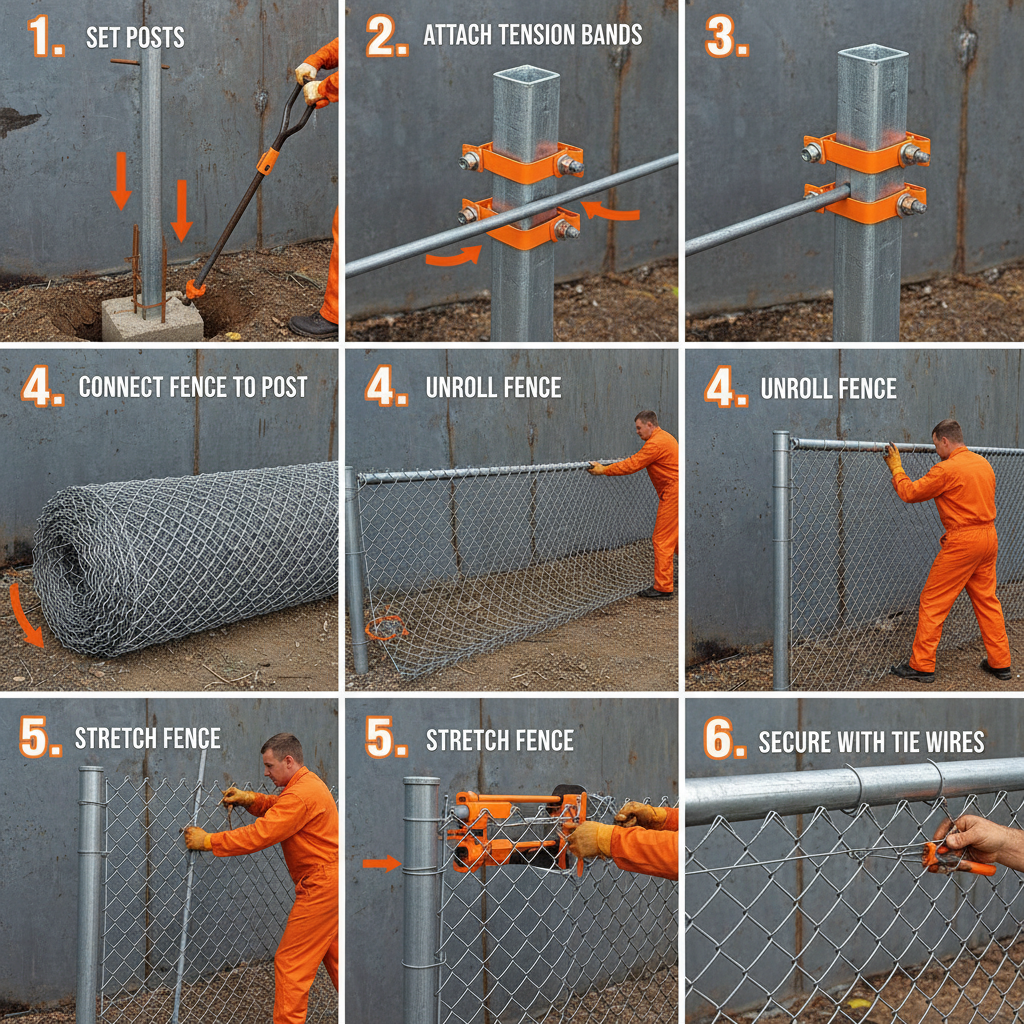
Depending on terrain and crew size, a single roll (~30m) can be unrolled and fixed in under an hour. For larger projects, crews typically deploy multiple rolls daily, especially if posts are pre-installed.
2. Is coiled barbed wire fencing suitable for uneven ground?
Absolutely. Its coiled nature lets it flex and contour over hills, dips, and rocky soil much easier than rigid metal or wooden fences.
3. What safety precautions should installers consider?
Wear heavy gloves, eye protection, and long-sleeved clothing. Because barbs can cause cuts or punctures, careful handling and steady work tooling are essential.
4. Can coiled barbed wire fences deter human intruders effectively?
It helps deter casual intrusion but isn’t impenetrable against motivated trespassers. Combining with CCTV or alarms increases security.
5. How to import coiled barbed wire fencing for humanitarian projects?
Partnering with reliable suppliers like Lanye Wire Mesh streamlines logistics. Understanding customs regulations and shipping requirements early on is critical for smooth delivery.
Conclusion: Why Coiled Barbed Wire Fencing Remains a Go-To Solution
Coiled barbed wire fencing is more than just a primitive security tool—it’s a smart, adaptable, and globally relevant product bridging industrial needs and humanitarian solutions. Its longevity, low cost, and versatility make it a staple that undoubtedly will evolve with environmental and technological demands.
For anyone looking to explore or upgrade their fencing solutions, I suggest visiting Lanye Wire Mesh for a broad range of quality options—because, frankly, the right materials make all the difference.
Mini Takeaway
Whether you’re managing livestock, securing borders, or helping displaced communities, coiled barbed wire fencing delivers a reliable baseline solution ready to meet today’s challenges—and tomorrow’s innovations.