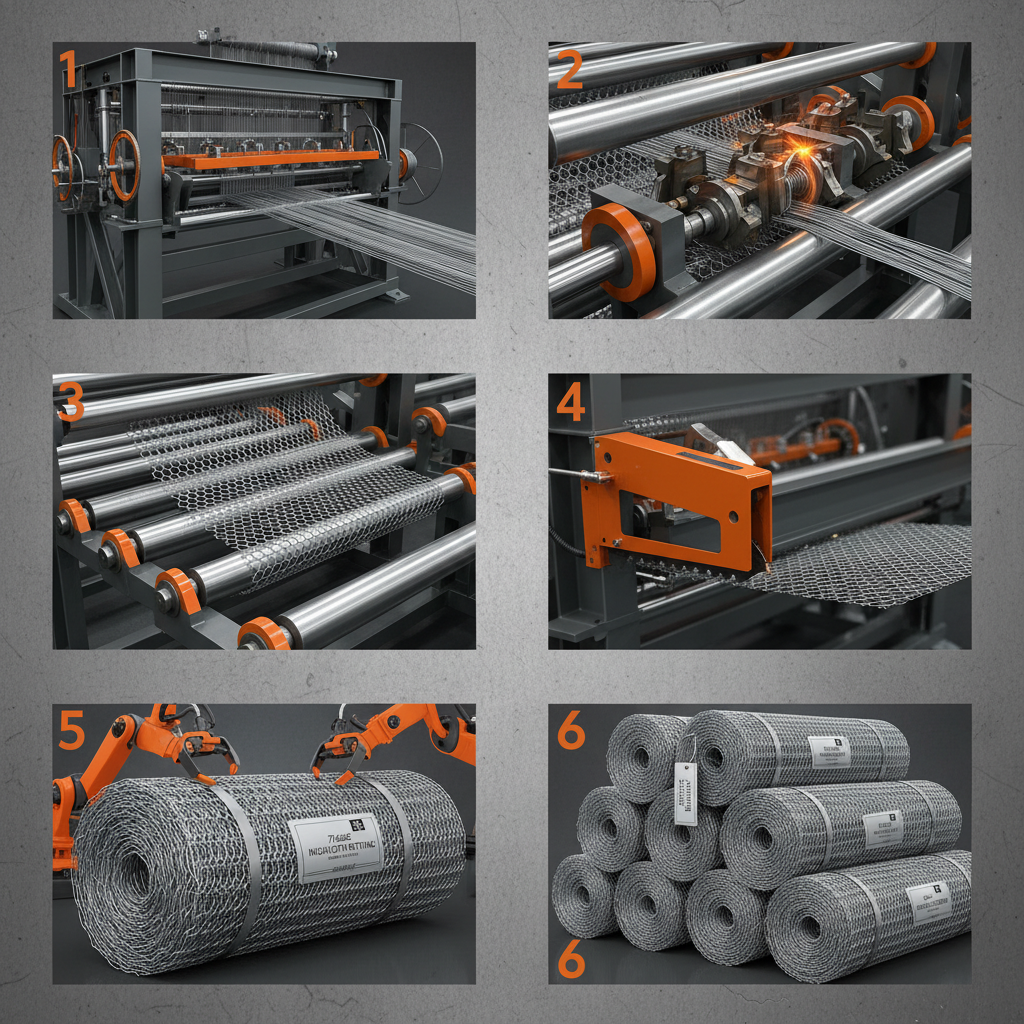
Understanding Flat Razor Wire Fence: A Crucial Barrier in Modern Security
In a world where security concerns frequently intersect with humanitarian needs and industrial challenges, the flat razor wire fence emerges as an essential tool. You might think of barbed wire or fencing in simple terms, but flat razor wire fence technology is more than just a perimeter barrier; it’s a blend of design, functionality, and practicality that matters globally. From securing remote industrial facilities to protecting sensitive borders or even aiding post-disaster relief zones, understanding the ins and outs of this fencing can unlock a lot of benefits — be it safety, cost efficiency, or durability.
Global Context: Why Does Flat Razor Wire Fence Matter So Much?
Security fencing is an industry that’s only been growing — the World Bank estimates global security infrastructure investments to exceed $100 billion by 2028, much of it focused on physical barriers like razor wire fences. Flat razor wire fencing, in particular, answers a unique set of challenges: it provides a high-security solution that’s relatively low-profile compared to traditional barbed wire spirals. In places stretching from large-scale industrial zones in Southeast Asia to refugee camps in Africa, the ability to rapidly deploy, maintain, and scale such fencing is crucial.
Moreover, the United Nations’ guidance on refugee camp safety often highlights perimeter security as key to protecting vulnerable populations without creating fortress-like environments. That’s where flat razor wire fence solutions come into play.
Mini takeaway: Flat razor wire fencing is more than steel and blades; it’s a key player in balancing security, humanitarian, and industrial needs worldwide.
What Is a Flat Razor Wire Fence?
Simply put, a flat razor wire fence is a security barrier composed of metal strips embedded with sharp, blade-like edges, designed flat — unlike the coiled razor wire popularly known from movies. This flat design allows for easier installation against flat surfaces or fences, minimizing bulk and increasing tamper resistance.
Unlike twisted barbed wire, the flat razor wire gives more coverage with fewer materials and less weight, all while maintaining a high deterrent effect. For humanitarian operations, it provides a way to securely enclose areas without the intimidating spirals of concertina wire, blending safety with a more approachable aesthetic. Industries, on the other hand, prize its ease of deployment and ruggedness.
Core Components and Key Factors of Flat Razor Wire Fence
Durability and Material Quality
Typically made from galvanized steel or stainless steel, flat razor wire fence components resist corrosion and mechanical damage. This is especially vital in coastal zones or harsh industrial environments where rust can undermine security rapidly.
Ease of Installation and Maintenance
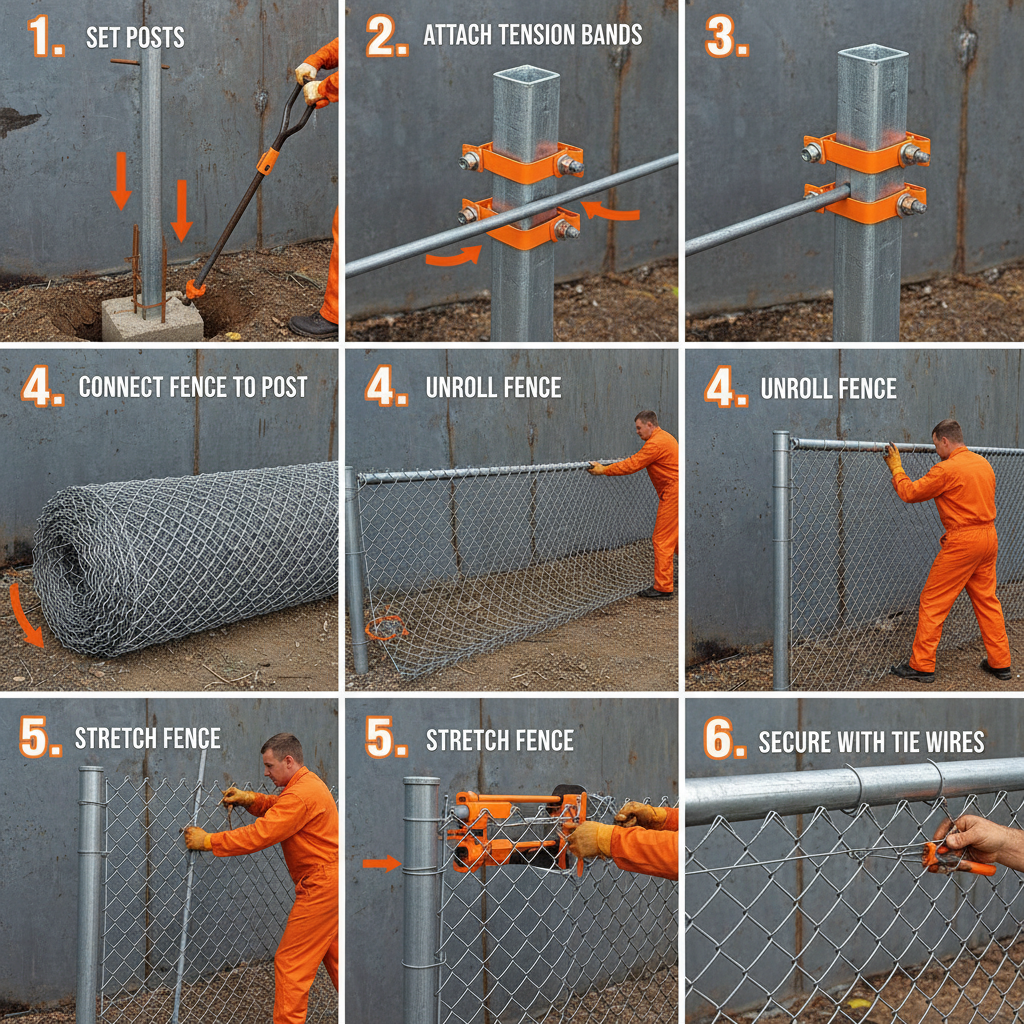
The flat structure enables simpler attachment to existing fences or wall tops without requiring bulky supports. Maintenance crews find it easier to repair or replace damaged segments, reducing downtime.
Cost Efficiency
Compared to other razor wire types or electric fencing, flat razor wire fences tend to have a lower total cost of ownership, thanks to less material usage and lower labor requirements during installation.
Safety and Regulatory Compliance
For facilities near civilian zones or humanitarian camps, it’s essential the fencing complies with international safety and human rights guidelines. Flat razor wire fences balance deterrence with minimizing injury risks, a thoughtful aspect that many engineers appreciate.
Scalability and Customization
These fences can be custom-cut and fitted with different blade lengths or wire gauges depending on security requirements. For example, sensitive military sites may require denser arrangements than a warehouse perimeter.
Mini takeaway: Flat razor wire fence design hinges on balancing strength, safety, and cost — striking a versatility that suits a wide variety of users.
Real-World Applications Around the Globe
- Post-Disaster Relief: In refugee settlements across Syria and Bangladesh, flat razor wire fence defines safe zones while allowing easier monitoring.
- Industrial Security: Remote oil fields in Nigeria and mining operations in Australia rely on these fences to protect assets from theft or sabotage.
- Border Control: Several countries in Europe and South America use flat razor wire fences as discrete yet effective border fortifications.
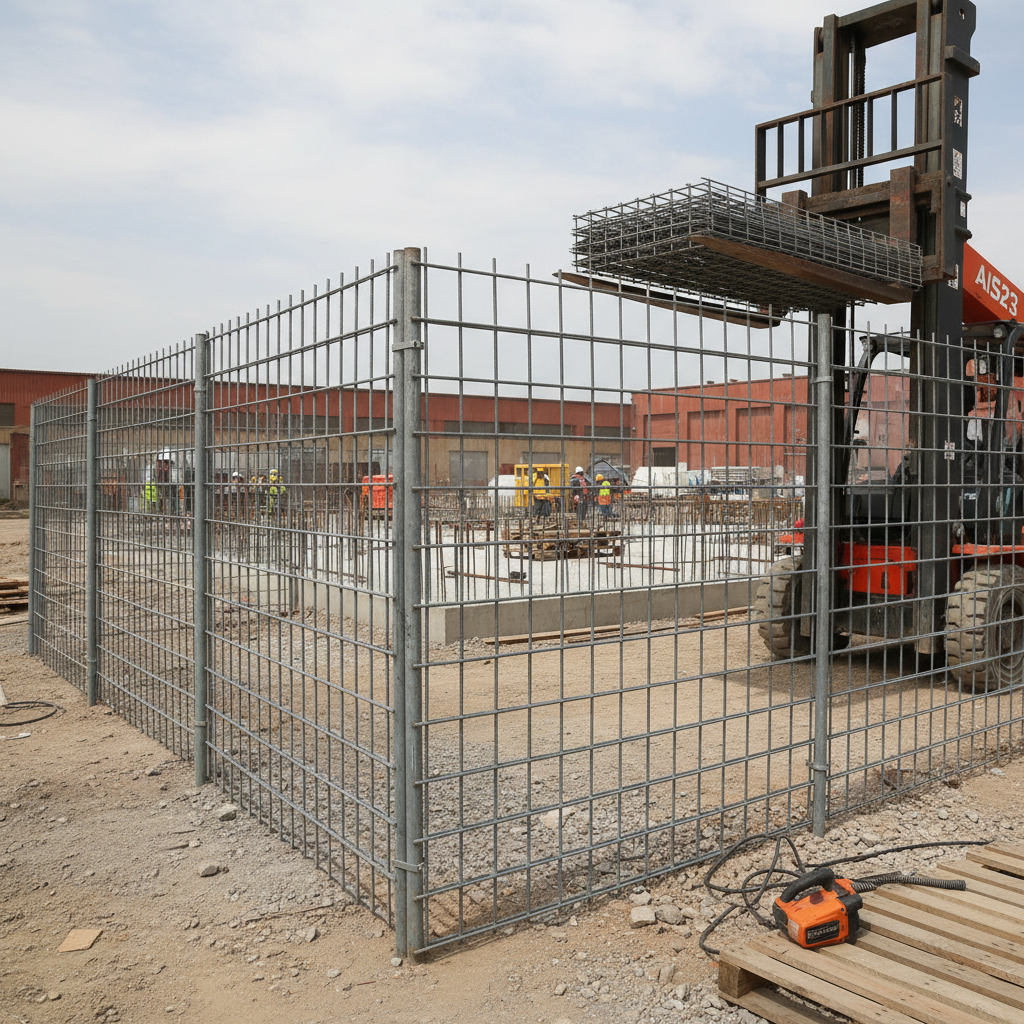
- Transport and Infrastructure: Airports and rail lines employ these fences to restrict unauthorized access without obstructing visibility.
Product Specification Table
| Specification | Typical Value | Notes |
|---|---|---|
| Material | Galvanized Steel / Stainless Steel | Corrosion-resistant coating optional |
| Blade Length | 20 mm – 30 mm | Varies by security level |
| Wire Gauge | 10 – 12 gauge (approx. 2.5 mm diameter) | Thicker wire for high-security zones |
| Coating Type | PVC Coated / Galvanized | PVC for enhanced weather resistance |
| Roll Length | 10 – 50 meters | Depends on packaging |
Vendor Comparison for Flat Razor Wire Fencing Solutions
| Vendor | Material Quality | Customization Options | Price Range | Lead Time |
|---|---|---|---|---|
| Lanye Wire Mesh | High-grade galvanized & stainless steel | Blade size, wire gauge, coating colors | Mid-range | 2-4 weeks |
| SecureBarriers Inc. | Premium stainless steel only | Limited customization | High-end | 4-6 weeks |
| FenceTech Solutions | Standard galvanized steel | Basic options only | Budget | 1-2 weeks |
Advantages and Long-Term Benefits of Flat Razor Wire Fencing
When you step back and compare flat razor wire fencing to traditional options, it really stands out in a few areas. The emotional peace of mind isn’t superficial — knowing there's a robust, reliable barrier protecting your site, employees, or community means a lot. At the same time, logically, the durable materials translate to years of maintenance-free operation.
Unlike rust-prone alternatives, these fences hold up nicely against weather extremes and human interference. Cost-wise, the ease of installation reduces labor charges and minimizes downtime — critical if you’re trying to secure a large site quickly.
Beyond this, the subtle design can foster trust rather than fear — NGOs and housing authorities often prefer flat razor wire fences because they don’t scream “danger” as loudly but still provide solid protection.
Looking Ahead: Innovations Shaping the Future of Flat Razor Wire Fence
Interestingly enough, the industry isn’t standing still. Advanced galvanization technology and eco-coatings have boosted corrosion resistance far beyond what we saw a decade ago.
Some manufacturers are integrating smart sensors capable of detecting wire tampering, merging physical security with digital monitoring. This trend toward “smart fences” promises better response times and less false alarms.
Also, the push for sustainable materials is expected to introduce recycled steel variants — cutting EPA footprints without compromising strength.
Challenges and How Industry Experts Are Addressing Them
Of course, flat razor wire fences aren’t perfect. They can sometimes suffer from installation errors, making sections vulnerable. Another challenge lies in balancing security and humanitarian concerns, where overly aggressive fencing may cause unintended social effects.
Experts advise thorough site assessments before installation and continuous engagement with the local community to ensure that the max security does not come at the cost of mistrust. Modular fencing systems that can be quickly removed or rearranged also help adapt to changing security demands.
Frequently Asked Questions About Flat Razor Wire Fence
- What makes flat razor wire fence better than traditional concertina wire?
- Flat razor wire fencing offers a slimmer profile, easier installation on flat surfaces, and generally a more discreet appearance, while maintaining a comparable deterrent effect. It reduces bulk and can be customized to meet various security needs, making it suitable for both industrial and humanitarian applications.
- How long does a typical flat razor wire fence last outdoors?
- Depending on material and coating, a flat razor wire fence can last between 7 to 15 years in typical outdoor conditions. Galvanized or stainless steel options combined with protective coatings significantly increase lifespan, even in harsh environments.
- Is it possible to install flat razor wire fence on existing chain link fences?
- Absolutely. Flat razor wire fencing is designed to be compatible with many existing fence types, including chain link. Its flat design makes it easy to attach securely without bulky supports, enabling quick upgrades to security.
- Can flat razor wire fence be safely used near public areas without causing injury?
- Yes, when installed following international safety guidelines and regulations, flat razor wire fence can deter unauthorized access while minimizing severe injuries. This careful installation approach is often applied in humanitarian settings, blending protection with safety.
Conclusion: A Smart Investment in Security for the Long Haul
A flat razor wire fence is an elegant yet tough security solution, carefully balancing durability, cost, and humane design. Whether for industrial sites, border safeguards, or humanitarian needs, it delivers trust and long-term value. As new technologies and environmentally aware materials develop, we’ll likely see even better performance and greater adaptability from these fences.
Interested in exploring flat razor wire fence options tailored for your security needs? Visit our website: flat razor wire fence for detailed product ranges and expert advice.