Railing Tangga Wiremesh: An Essential Component in Modern Safety and Design
If you've ever paused to admire a sleek staircase or a secure balcony, odds are you've encountered railing tangga wiremesh without even realizing it. This often-overlooked material plays a crucial role not just in architecture, but across multiple industries worldwide. Why, you ask? Because it merges safety with style, strength with adaptability. Globally, industries that integrate wire mesh railings are witnessing enhanced durability and compliance, essential for safety standards that protect millions every day.
Understanding railing tangga wiremesh unlocks insights into how simple innovations support complex infrastructure and humanitarian projects alike. So, let's unpack what makes this material increasingly vital in today's fast-changing world.
Introduction: The Global Relevance of Railing Tangga Wiremesh
According to ISO safety standards (ISO 14122-3, specifically), railing systems are mandated to prevent falls and accidents in both industrial and residential environments. Across the globe, urbanization rates soar — the United Nations estimates that by 2050, nearly 68% of humanity will live in cities (1). This surge demands resilient, modular safety solutions like wire mesh railings for staircases (tangga in Indonesian/Malay languages means "stairs") in homes, offices, and public transport hubs.
But there’s a catch: traditional railing materials sometimes lack flexibility, corrosion resistance, or affordability. Here, railing tangga wiremesh addresses the challenge head-on — offering a durable yet adaptable safety solution.
Definition & Meaning
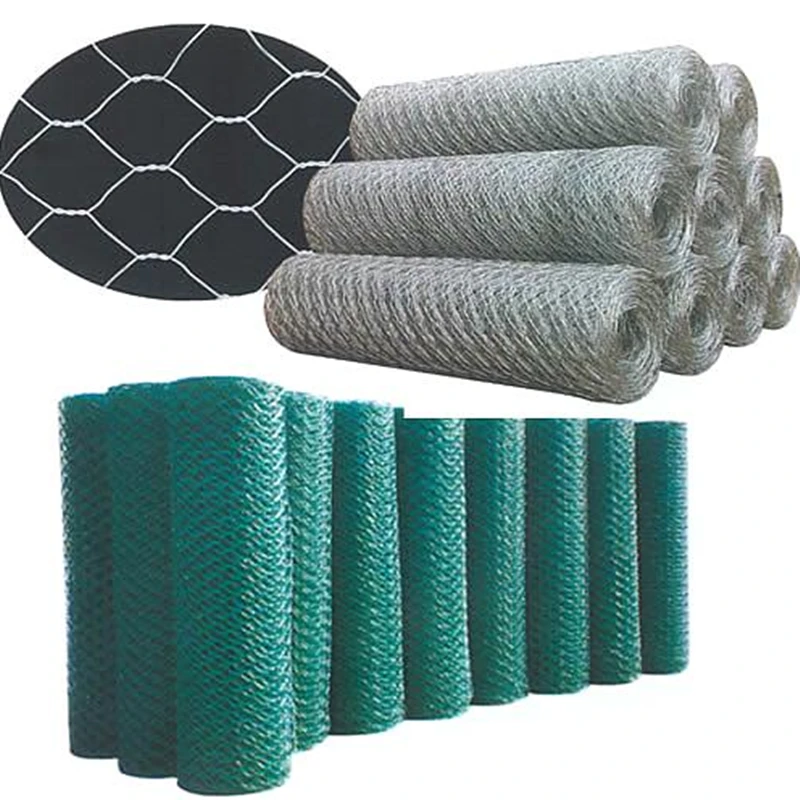
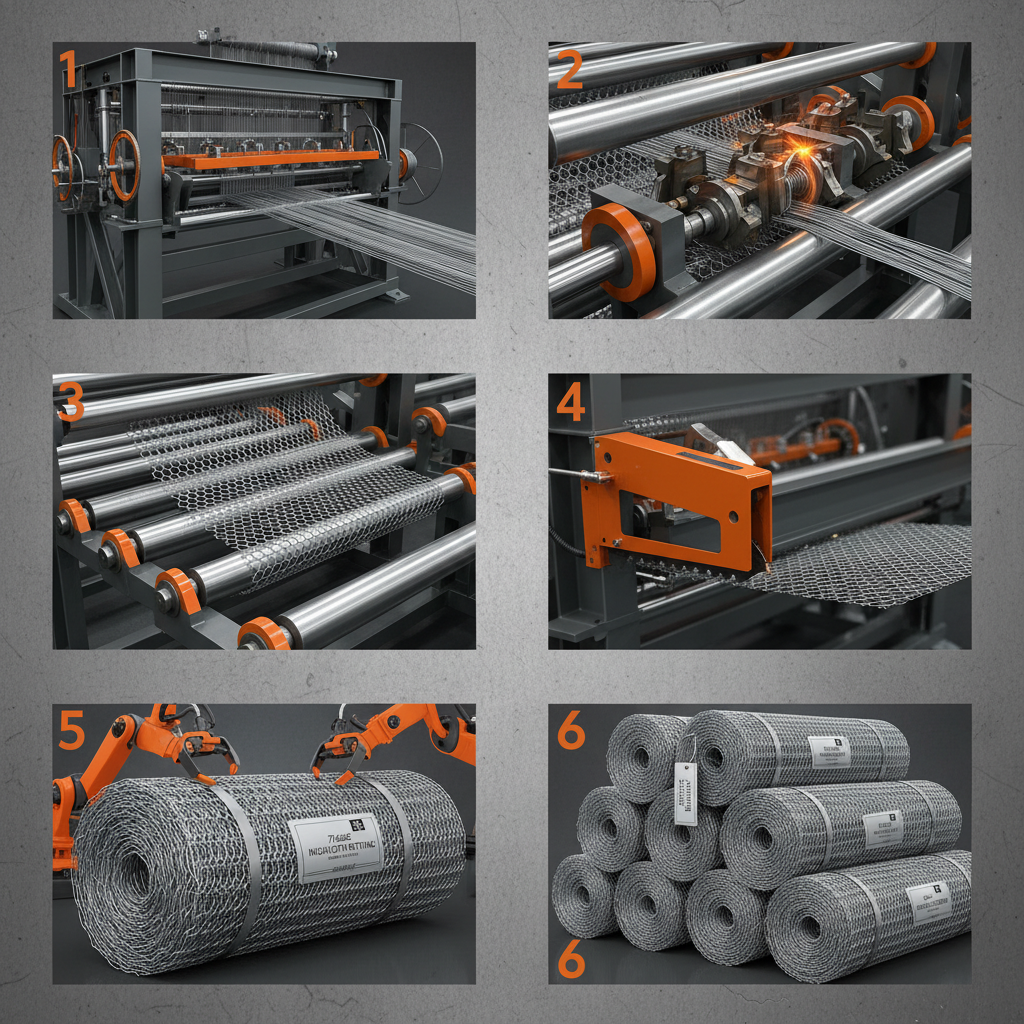
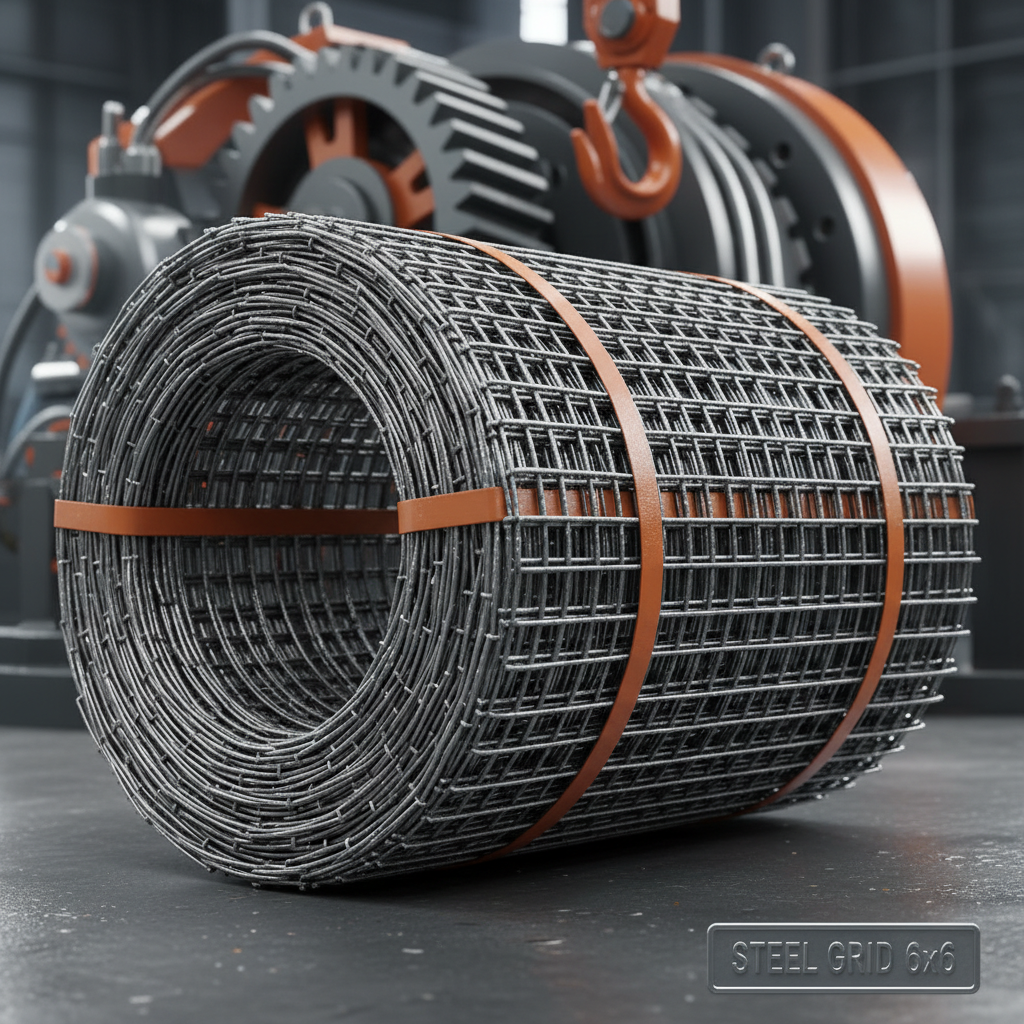
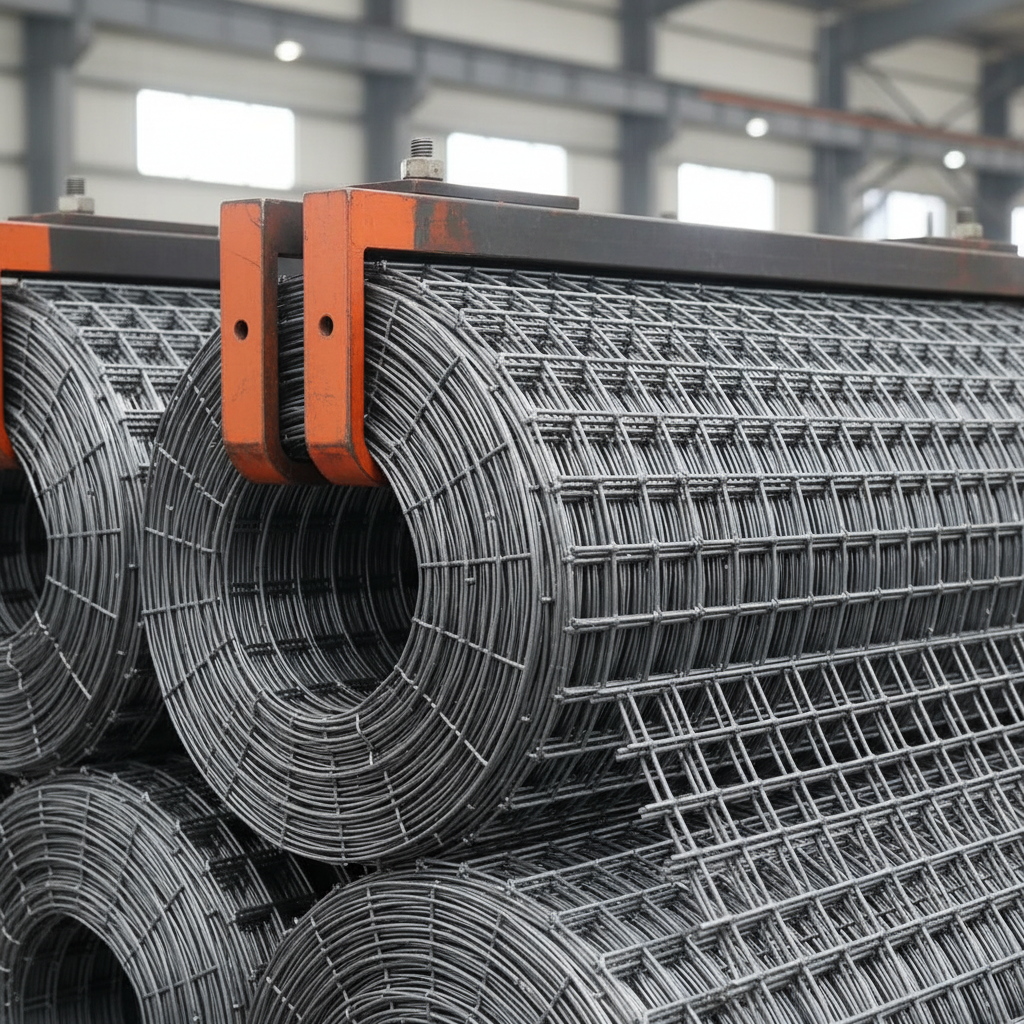
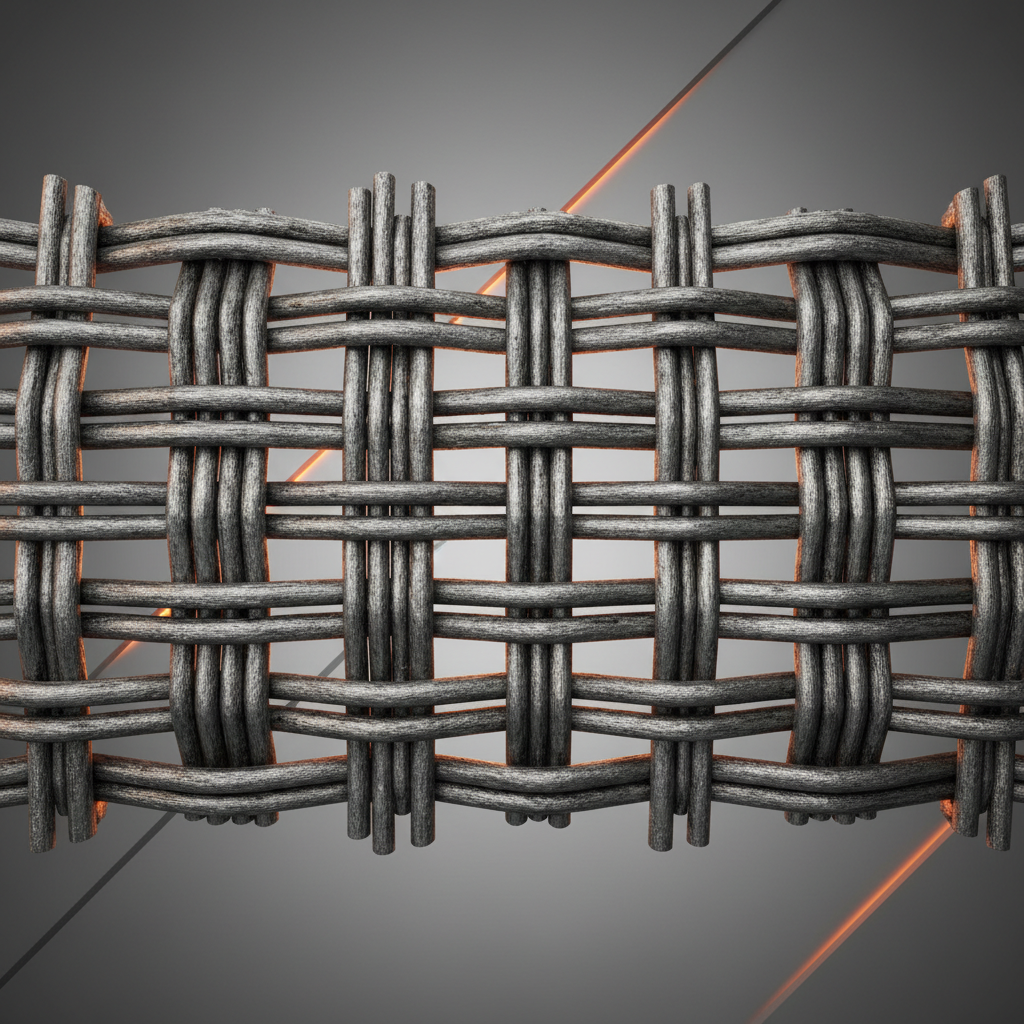
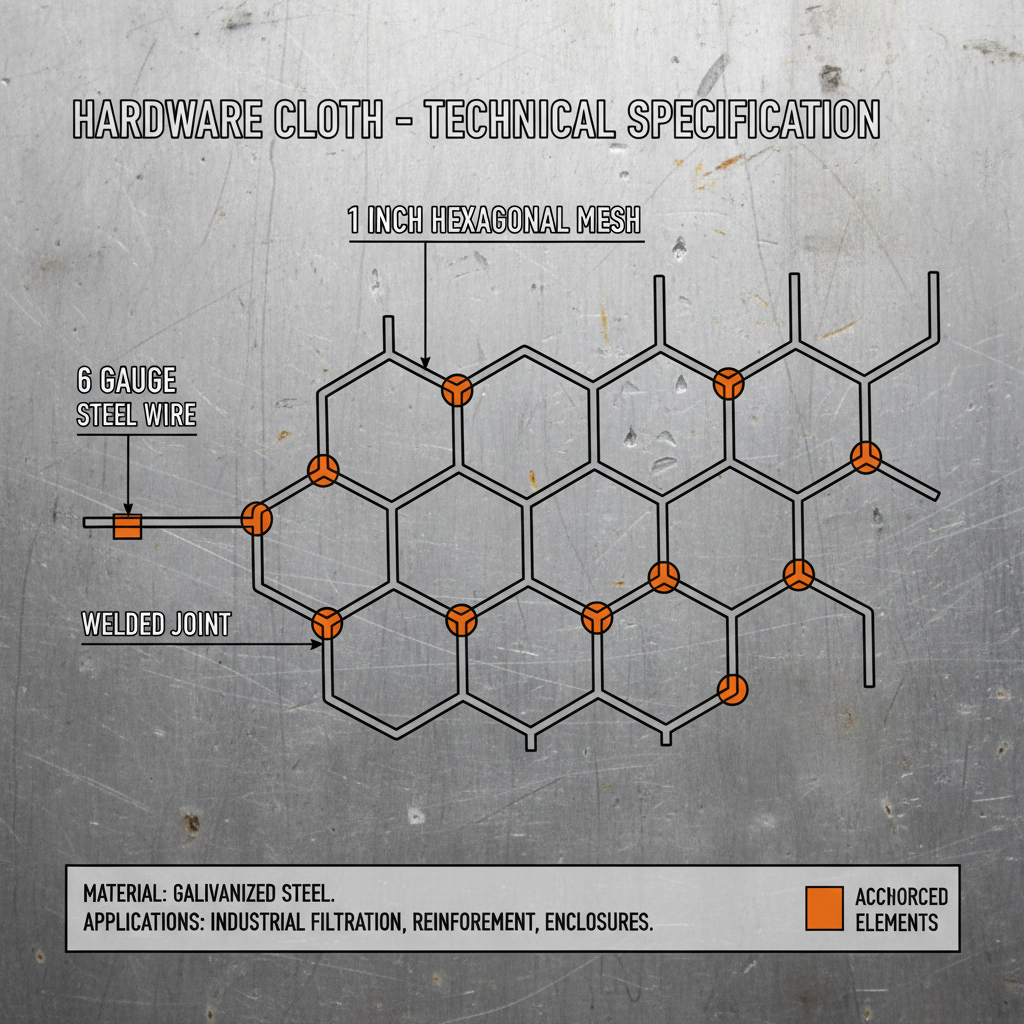
Simply put, railing tangga wiremesh refers to safety railings for stairs made using woven or welded wire mesh panels set within frames or posts. Wire mesh is a grid made from metal wires arranged in a pattern, often galvanized or stainless steel, to resist rust and weathering.
It's more than an architectural detail — it embodies flexibility and strength. These railings meet diverse humanitarian needs, such as emergency housing or quickly constructible platforms, where durable barriers are vital to prevent accidents under tough conditions.
Key Factors or Core Components
1. Durability
Wire mesh used in stair railings is typically galvanized or stainless steel, allowing it to endure harsh weather and physical strain. It resists corrosion, a major plus in coastal or industrial environments.
2. Safety and Compliance
The mesh size is designed to prevent small objects or limbs from slipping through, vital for child safety in residential applications. Standards ensure these railings meet prescribed heights and strength criteria.
3. Cost Efficiency
Compared to glass or intricate wood, wiremesh railings are generally cheaper, easier to produce, and install — which explains their widespread use in commercial and industrial buildings.
4. Aesthetic Versatility
Wire mesh railings come in various finishes and designs, making them suitable for modern architectural aesthetics, balancing transparency and security.
5. Scalability
Because panels can be manufactured modularly, railings adapt well to different stair configurations — curved, zigzag, or straight stairs.
Product Specifications: Typical Railing Tangga Wiremesh Setup
| Feature | Specification |
|---|---|
| Material | Galvanized Steel / Stainless Steel |
| Mesh Opening Size | 10 mm to 50 mm (varies per safety norms) |
| Frame Thickness | 30-50 mm tubular steel |
| Height | Typically 900 mm to 1200 mm |
| Coating | Powder coating or paint, optional |
| Installation Type | Fixed or modular mounting on stairs |
Global Applications & Use Cases
Building authorities and construction firms in Southeast Asia, Europe, and the Americas often turn to railing tangga wiremesh for both strict compliance and ease of installation. For example:
- Post-disaster rebuilds: Rapidly installed mesh railings provide quick safety barriers in damaged urban centers.
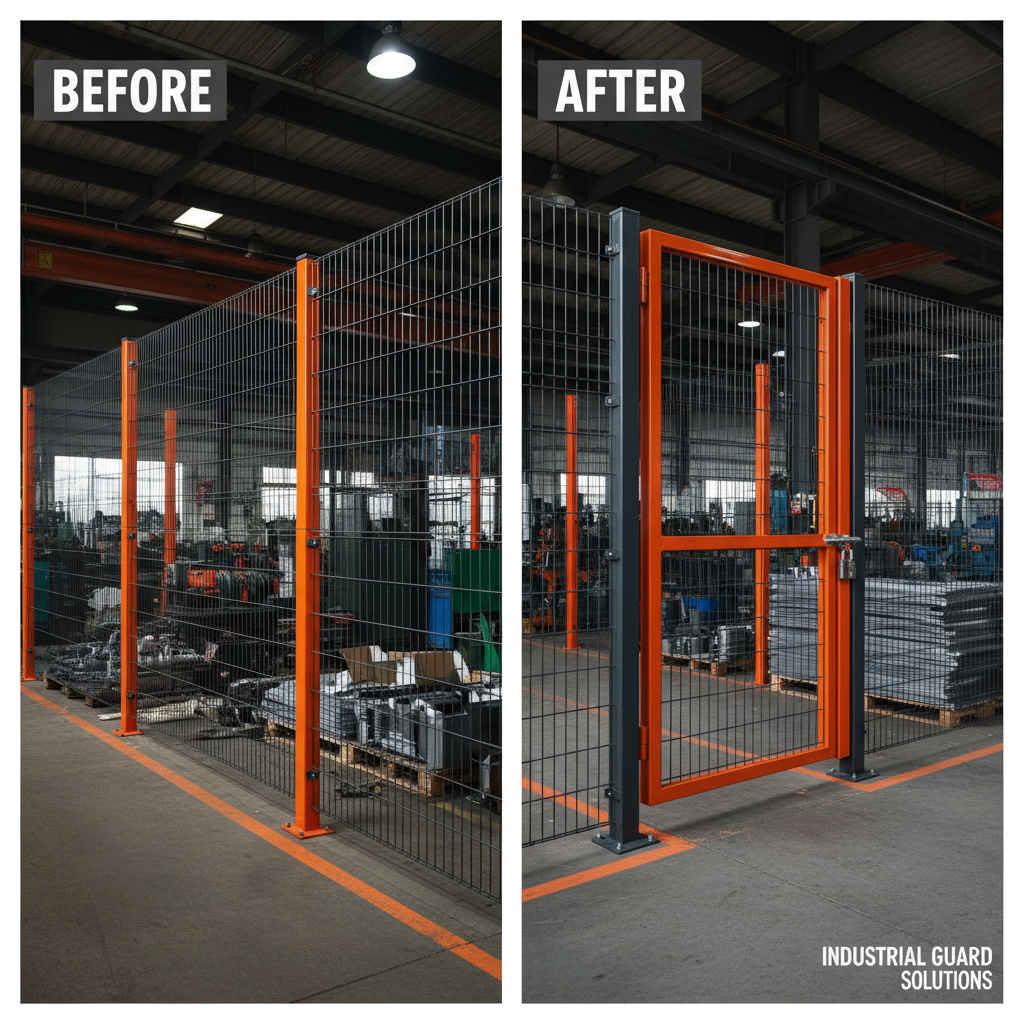
- Industrial platforms: Wire mesh lets wind and light pass through while offering fall prevention around machinery or high places.
- Residential and commercial buildings: Transparent yet strong, these railings enable urban architects to play with open-plan designs without compromising safety.
- Public transport: Metro stations around Asia utilize wire mesh to separate platforms safely.
This flexible usage is why many recognize it as a truly global safety solution — adaptable everywhere from Hong Kong's high rises to remote industrial zones in Canada.
Advantages & Long-Term Value
Frankly, the real charm of railing tangga wiremesh lies in its blend of practical benefits and intangible trust it inspires:
- Cost savings: Lower maintenance and replacement costs over time compared to wood or glass.
- Longevity: Resistant to weather damage and wear, wire mesh railings remain stable for decades.
- Sustainability: Often recyclable and sometimes made from recycled metal, it fits current green building trends.
- Safety and dignity: These barriers offer peace of mind, helping occupants feel secure, whether on a busy office stairwell or a family home.
- Design harmony and innovation: Supporting architects' visions while complying with ever-evolving safety codes.
Future Trends & Innovations
In the near future, we can expect to see railing tangga wiremesh integrated with smart technology — sensors embedded in mesh for monitoring structural integrity or detecting impacts. Green coatings with self-healing properties may help extend service life even further.
There's also a push towards eco-friendly production, incorporating more recycled metals and sustainable finishes. Digital fabrication allows for increasingly complex patterns, marrying aesthetic appeal with rigid safety requirements.
Challenges & Solutions
However, even this stalwart has its limitations. Sometimes, rust can creep in if coatings are damaged, and improper installation risks reducing overall safety. To mitigate these issues, industry experts recommend:
- Routine inspections and maintenance plans
- Using high-grade stainless steel in corrosive environments
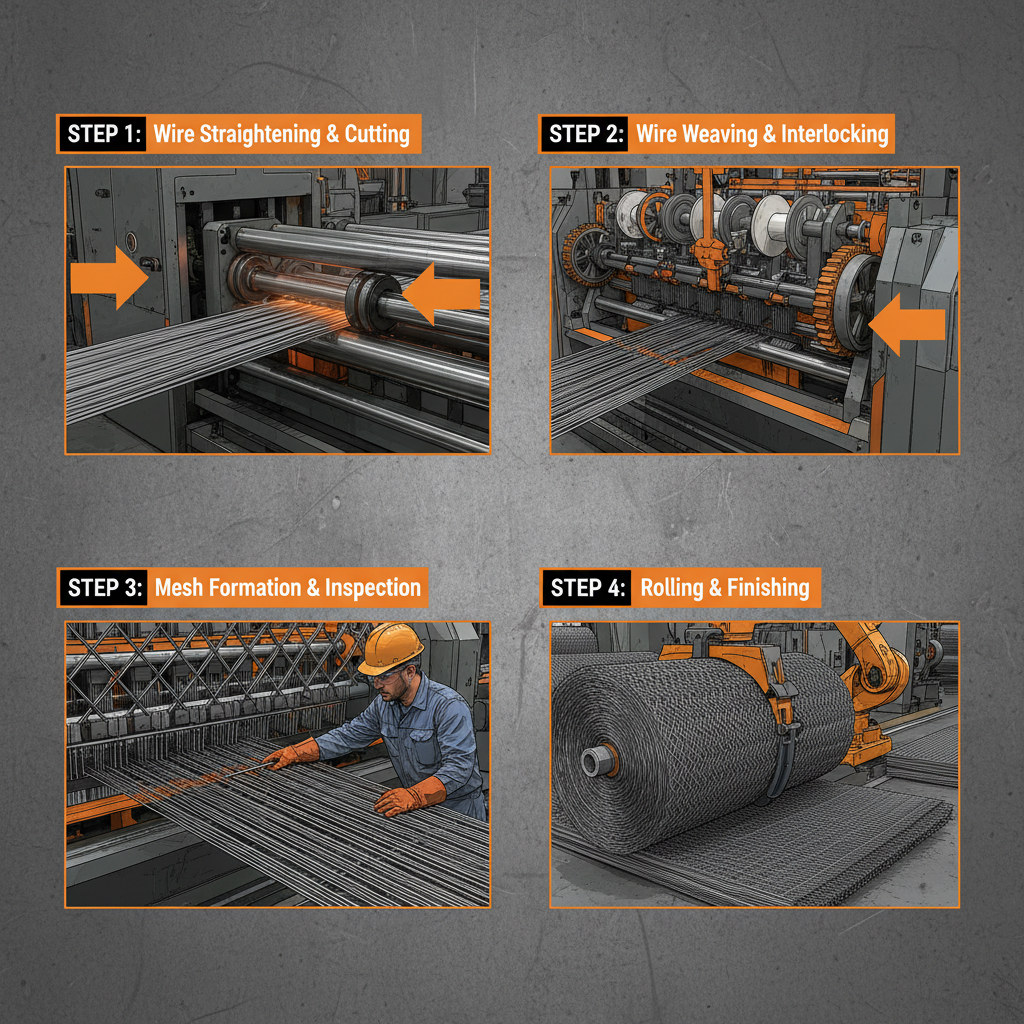
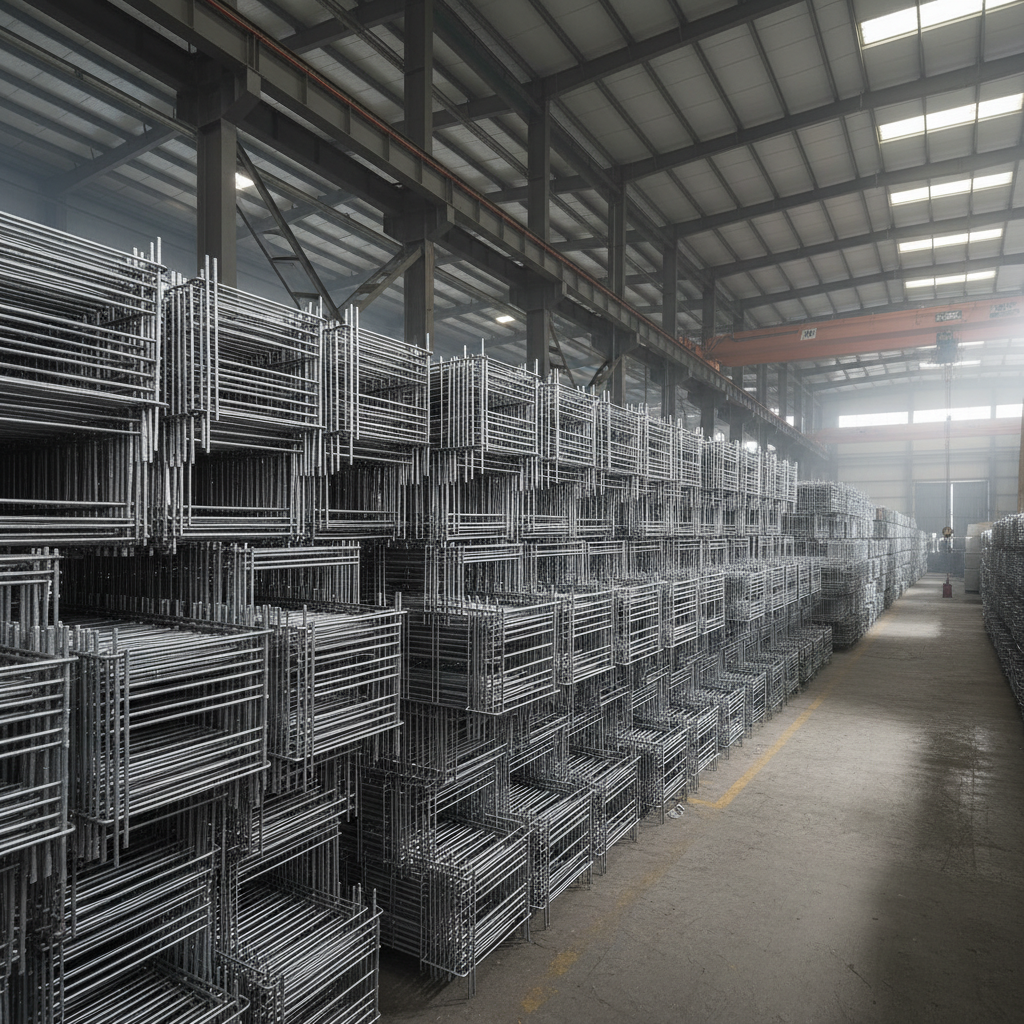
- Leveraging prefabricated modular systems that ensure quality control
Where bespoke designs are needed, partnering with experienced vendors becomes key.
Vendor Comparison: Leading Suppliers of Railing Tangga Wiremesh
| Supplier | Material Options | Custom Design | Price Range | Global Shipping |
|---|---|---|---|---|
| Lanye Wiremesh | Galvanized & Stainless | Yes | $$ | Yes |
| Global Mesh Co. | Stainless Steel Only | Limited | $$$ | Yes |
| EcoRail Systems | Recycled Steel | Yes | $ | Regional |
FAQ: Frequently Asked Questions About Railing Tangga Wiremesh
- Q1: What makes railing tangga wiremesh safer than traditional wooden railings?
- Wire mesh railings are typically metal with tighter mesh spacing, which prevents small limbs or objects from slipping through — a major safety upgrade, especially for children. Additionally, metals like galvanized steel resist wear and avoid splinter hazards common to wood.
- Q2: How long does a galvanized wire mesh railing typically last outdoors?
- When properly installed and coated, galvanized wire mesh railings can last 20-30 years. The protective zinc coating slows corrosion even in humid or coastal environments. Regular maintenance extends their lifespan.
- Q3: Are railing tangga wiremesh solutions cost-effective for large construction projects?
- Absolutely. Compared to materials like glass or elaborate woodwork, wire mesh railings reduce both material and labor costs. Their modularity also speeds up assembly, saving project downtime and labor expenses.
- Q4: Can the designs of wire mesh railings be customized for aesthetic projects?
- Yes. Many manufacturers offer laser-cut patterns, different mesh sizes, and colored coatings, allowing architects to match specific design themes while maintaining safety standards.
- Q5: How can international buyers import railing tangga wiremesh products?
- Reputable suppliers like Lanye Wiremesh provide global shipping options and handle export documentation, making it easier for NGOs, contractors, or architects worldwide to source these essential safety products.
Conclusion: Long-term Benefits of Railing Tangga Wiremesh
In the end, the advantages of railing tangga wiremesh are tangible and varied — from affordability and durability to safety and style. They anchor a world increasingly demanding smart, sustainable safety solutions. Whether you’re building a high-rise in a bustling city or assembling a community center in a remote village, they offer a level of reliability and peace of mind that few alternatives can match.
Looking to explore more or source quality materials? Visit our website: https://www.lanyewiremesh.com for comprehensive solutions tailored to your project’s needs.
Mini takeaway: Railing tangga wiremesh is much more than a safety barrier—it’s an evolving, globally recognized solution marrying innovation with practicality, and frankly, it’s worth knowing about.
References: