Understanding Razor Wire Fence Cost: What You Need to Know
Razor wire fences—those sharp, spiraled coils we often see protecting sensitive sites—play a vital role in security worldwide. But beyond their intimidating appearance lies an interesting question that often gets overlooked: how much do razor wire fence costs actually impact industries, humanitarian efforts, and global security initiatives? It’s not just about price tags, but the value, durability, and real-world practicality that these fences bring to the table. In this article, we’ll unpack the nuances around razor wire fence cost, why it matters globally, and how the evolving market shapes what you pay and what you get.
Global Context: Why Razor Wire Fence Pricing Matters
Oddly enough, fences like razor wire have a surprisingly widespread global relevance. According to security market analyses and United Nations data, demand for enhanced perimeter security—especially in conflict zones, borders, prisons, and industrial sites—has surged over recent decades. The UN’s Office for Disarmament Affairs notes that stable borders and secure facilities are a foundation for peace and development.
Given this demand, understanding razor wire fence cost isn’t just a budgeting concern for private companies; it impacts governments and NGOs ensuring humanitarian access and safety. For example, in high-risk zones, a razor wire fence’s pricing affects timely deployment and maintenance decisions, which can turn into sheer matters of life and property.
Mini takeaway: Razor wire fencing is more than a security expense; it’s a strategic investment in stability and safety globally.
Defining Razor Wire Fence Cost
So, what does razor wire fence cost really mean? Simply put, it’s the total expense involved in procuring, installing, and maintaining razor wire fencing systems. This includes material costs (steel coils, galvanized or stainless steel wire), labor, ancillary installation components (posts, connectors), and potential long-term upkeep.
It connects closely with modern security needs—whether preventing intrusion in industrial zones or protecting vulnerable refugee camps. Precise pricing varies greatly, reflecting material quality, fence length, and geographic factors, but underlying it all is the principle of balancing cost efficiency with effective deterrence.
Key Factors Affecting Razor Wire Fence Cost
Material Quality & Durability
The steel gauge and coating type (galvanized vs. stainless) hugely influence cost. Stainless steel, while pricier, resists corrosion better, reducing maintenance expenses over time. Durability translates directly into fewer replacements.
Installation Complexity
Terrain type and fence height can escalate installation time and cost. Rocky or uneven landscapes often require more labor and specialized equipment.
Security Level & Design
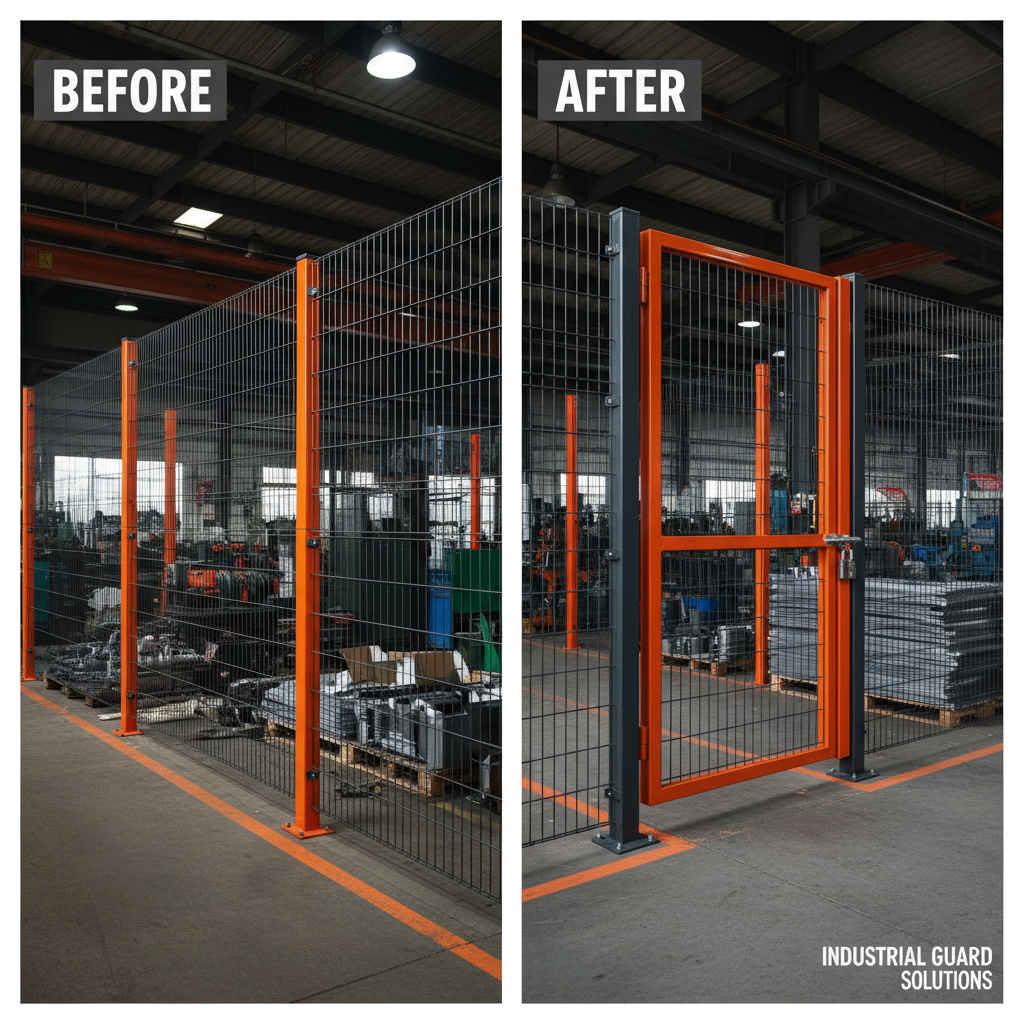
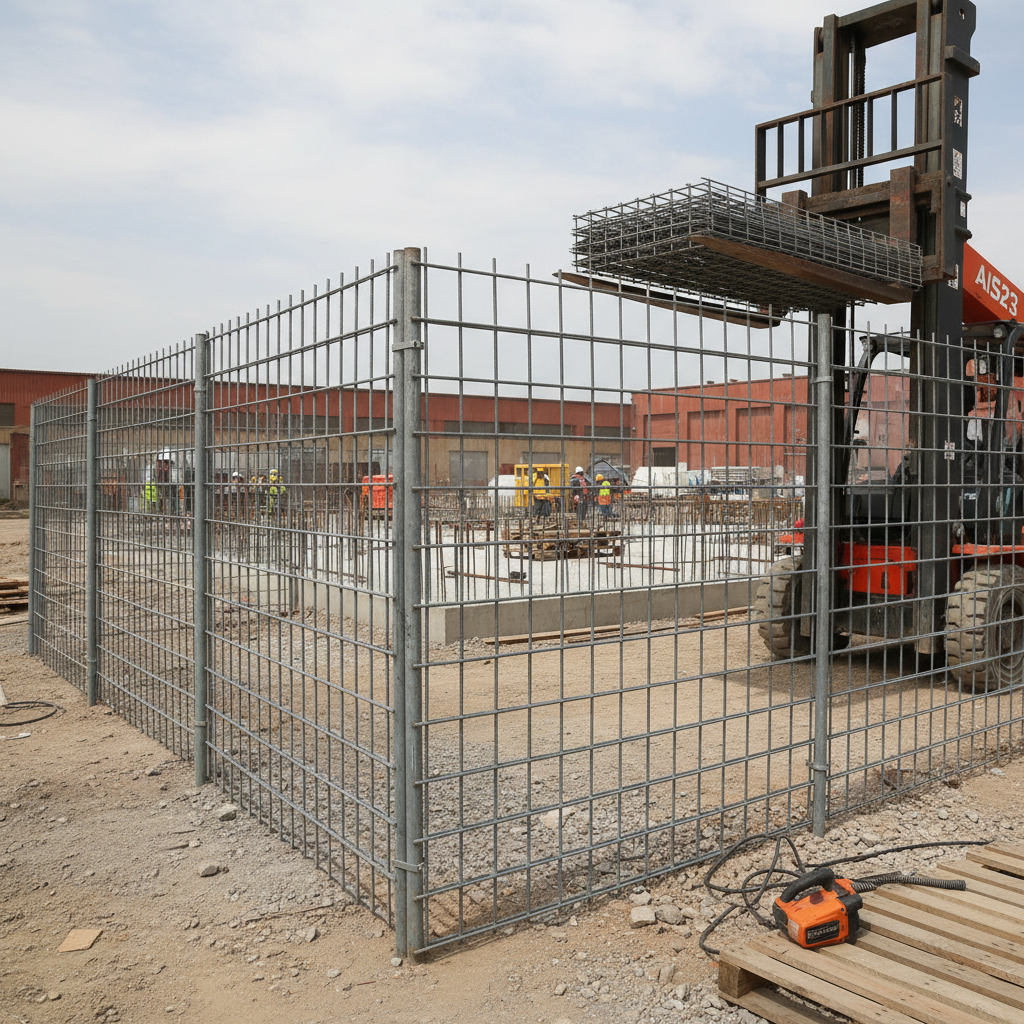
Double or concertina (spiral) razor wire coils add layers of deterrence—and cost. Sometimes fences combine razor wire with mesh panels for enhanced security, affecting overall pricing.
Scalability and Customization
Larger projects benefit from economies of scale, but highly customized fences (e.g., with integrated sensors or barriers) increase costs. Most buyers weigh these tradeoffs carefully.
Maintenance & Longevity
The upfront cost is only part of the picture. Higher-quality installations typically incur less frequent repairs, yielding better lifetime value.
| Specification | Range / Description |
|---|---|
| Wire Gauge | 10 to 14 gauge |
| Coating | Galvanized, PVC-coated, Stainless Steel |
| Coil Diameter | 450 mm to 800 mm (approx.) |
| Height of Fence | 1 m up to 3 m typically |
| Installation Time | Varies by terrain and project size |
Mini takeaway: A razor wire fence’s cost hinges on materials, design complexity, and maintenance needs.
Global Applications of Razor Wire Fence
The use cases are surprisingly diverse. In post-disaster relief operations across South Asia, these fences secure temporary camps. Remote industrial mines in Australia use razor wire fences to prevent unauthorized access and protect costly equipment. European border authorities rely on razor wire for rapid, secure perimeter setups during migration surges.
Interestingly, many African NGOs depend on cost-effective razor wire fencing to secure water points and clinics—places where protection often means health and safety for vulnerable populations. The geopolitical context underscores how razor wire fencing costs directly influence operational capacities in sensitive regions.
Advantages & Long-Term Value
Beyond the upfront price, razor wire fences offer key benefits:
- Cost-effective deterrence: They’re cheaper than high-tech surveillance but still discourage trespassers effectively.
- Durability: Quality fencing withstands harsh environments, limiting frequent replacements.
- Adaptability: Modular designs allow quick scaling depending on security needs.
- Social impact: Securing critical infrastructure fosters community trust and economic stability.
Frankly, it feels like you’re buying peace of mind more than just metal coils. And for facility managers, that trust is invaluable.
Vendor Comparison: Razor Wire Fence Costs and Offerings
| Vendor | Material Options | Price per Meter | Customization | Warranty |
|---|---|---|---|---|
| SecureCo | Galvanized, PVC-coated | $12 - $18 | Basic to premium | 5 years |
| SteelGuard | Stainless steel | $20 - $28 | High-level customization | 10 years |
| Global WireTech | Galvanized, stainless steel | $15 - $22 | Moderate | 7 years |
Future Trends & Innovations
Green energy and sustainability are creeping into fencing technology. Imagine solar-powered electric fences enhanced with razor wire rolls—still costly today but promising for high-security sites with sustainability goals. Automation and digital monitoring integrate with fences to provide instant breach alerts, blending physical and digital defense.
Materials science is pushing toward biodegradable or recyclable wire alternatives, though these are in early stages. Regulatory shifts, especially in border security policy, also influence what fencing solutions become cost-effective at scale. It’s an evolving mix that keeps the razor wire fence cost landscape dynamic.
Challenges & Expert Solutions
High upfront costs can be a barrier in low-resource settings. Maintenance in corrosive environments challenges longevity. To counter these, fiber optic sensors embedded in fences provide damage alerts, enabling targeted maintenance rather than costly blanket repairs. NGOs sometimes opt for modular fencing kits to cut installation time and costs.
Material upgrades, smart integration, and scalable deployment models—these are the tools engineering experts lean on to balance cost with performance.
FAQ: Frequently Asked Questions About Razor Wire Fence Cost
- Q: What factors most influence the price of razor wire fencing?
A: Primarily material quality, fence design, length, and installation complexity. Higher-grade steel and specialized designs increase cost, while site terrain affects installation expenses. - Q: How long does a typical razor wire fence last?
A: With proper installation and maintenance, a galvanized razor wire fence can last 8 to 12 years; stainless steel variants may exceed 15 years. - Q: Are there eco-friendly options in razor wire fencing?
A: Emerging materials and coatings aim to reduce environmental impact, but widespread eco-friendly razor wire fencing remains limited and usually costlier. - Q: Can razor wire fences be installed quickly for emergency situations?
A: Yes, modular concertina coils facilitate rapid deployment, making them popular for emergency or temporary security needs. - Q: How does maintenance affect total ownership cost?
A: Regular inspections and timely repairs extend fence life, significantly lowering overall expenses compared to neglecting maintenance.
Conclusion: The True Value Behind Razor Wire Fence Cost
All things considered, razor wire fence cost encompasses more than a simple price point. It’s a complex blend of material science, labor, smart design, and practical use cases. Investing wisely means understanding your security needs in depth and balancing upfront costs against long-term durability and maintenance savings. For those looking to explore cost-effective, reliable razor wire fencing solutions, I’d definitely recommend starting your search at https://www.lanyewiremesh.com, where a range of quality options awaits.
In the end, it feels like buyers aren’t just securing property—they’re investing in peace of mind, sustainability, and innovation for years to come.
Mini takeaway: Razor wire fencing represents a strategic, long-term security investment balancing cost with critical performance.
References:
1. United Nations Office for Disarmament Affairs – un.org/disarmament
2. ISO Standards on Perimeter Security – iso.org
3. World Bank Reports on Security Investments (2019) – worldbank.org