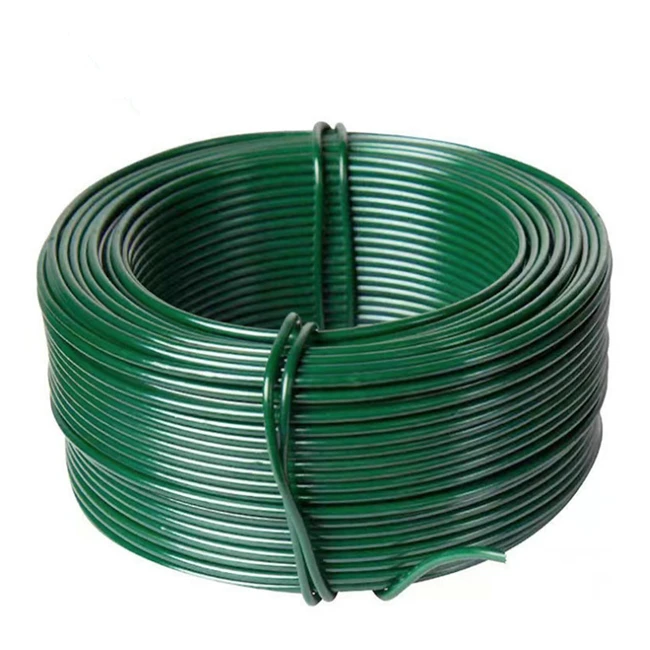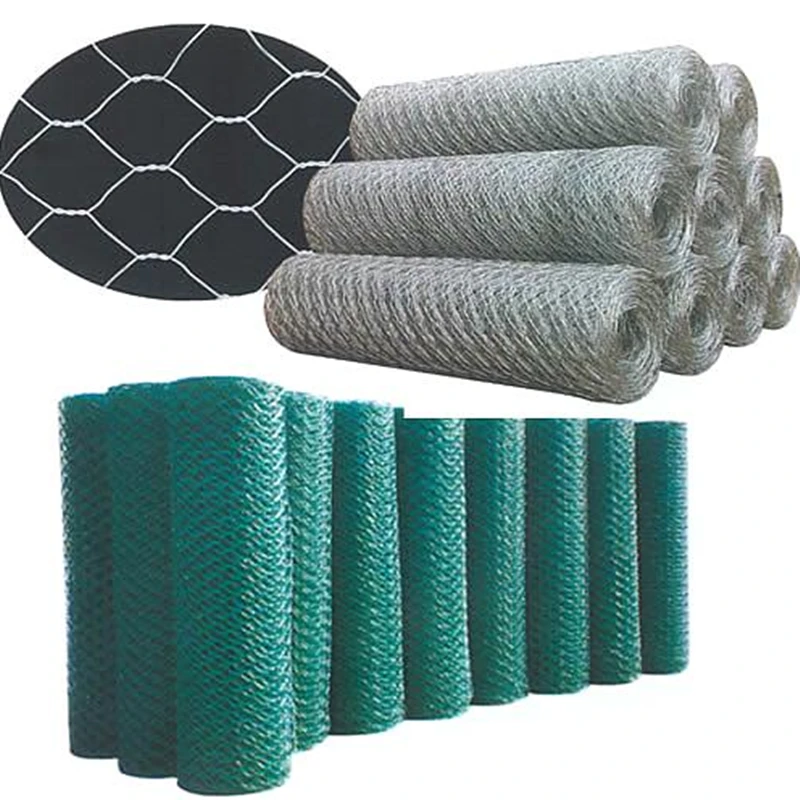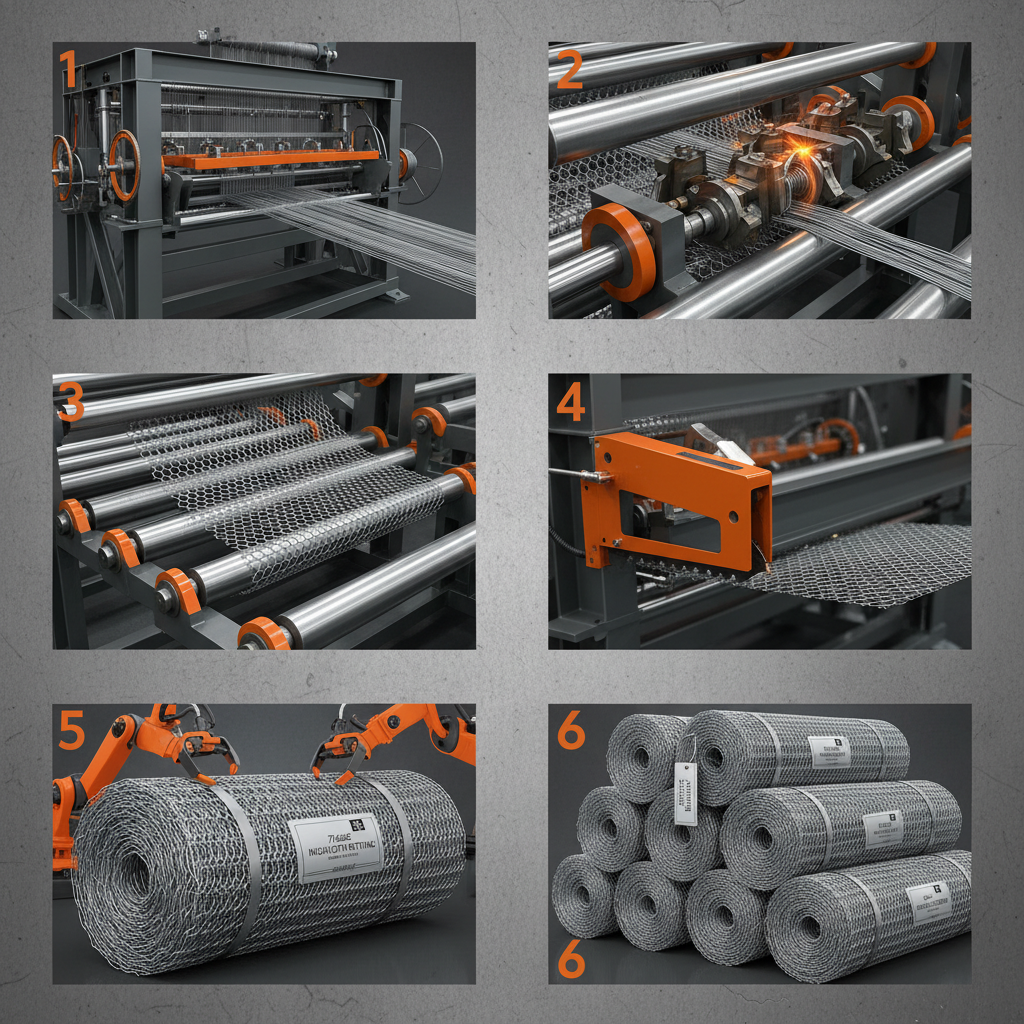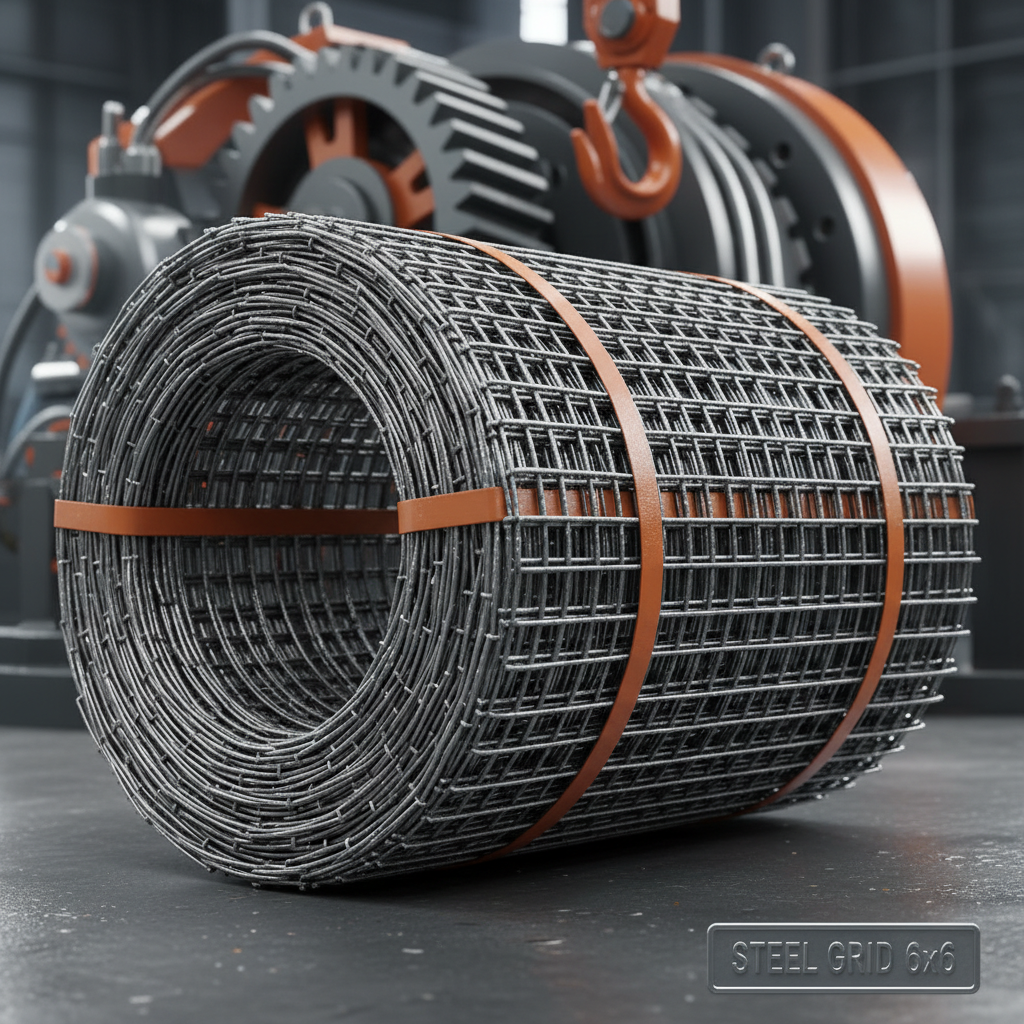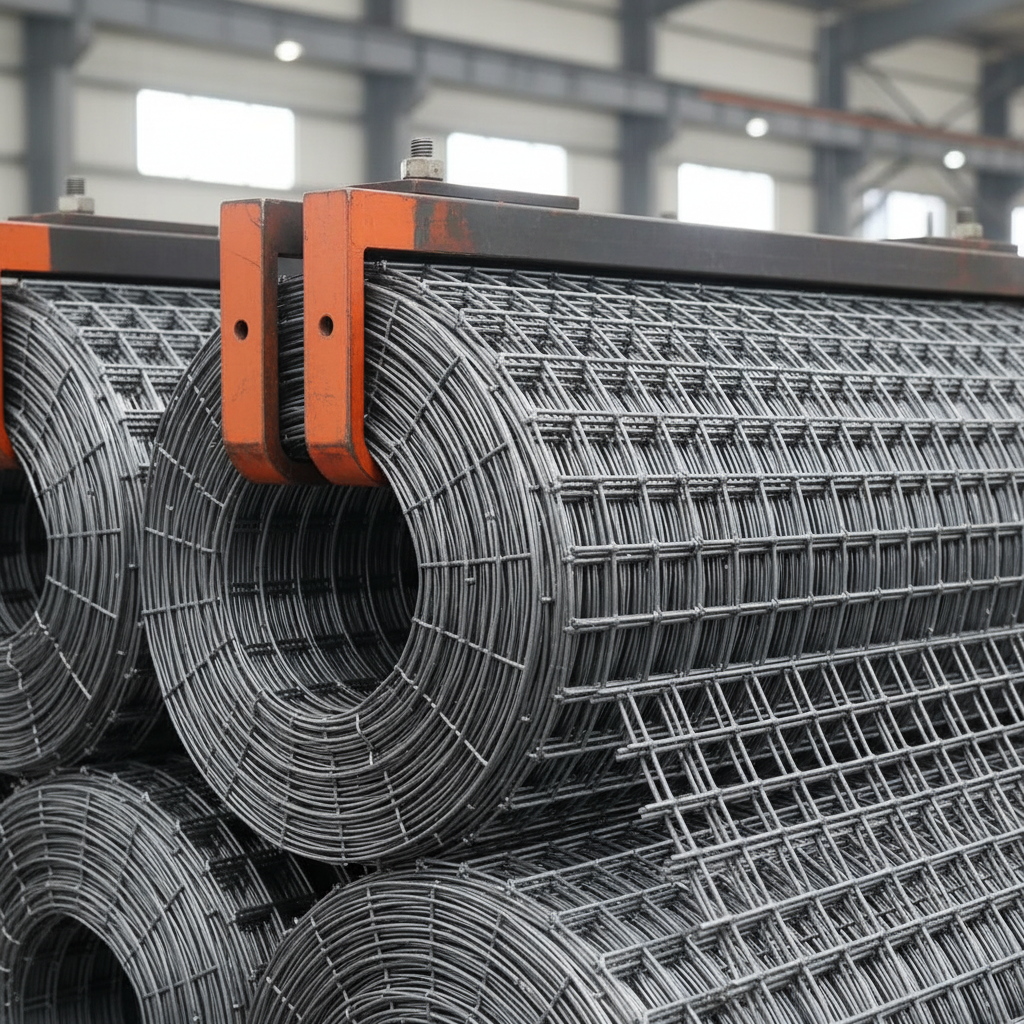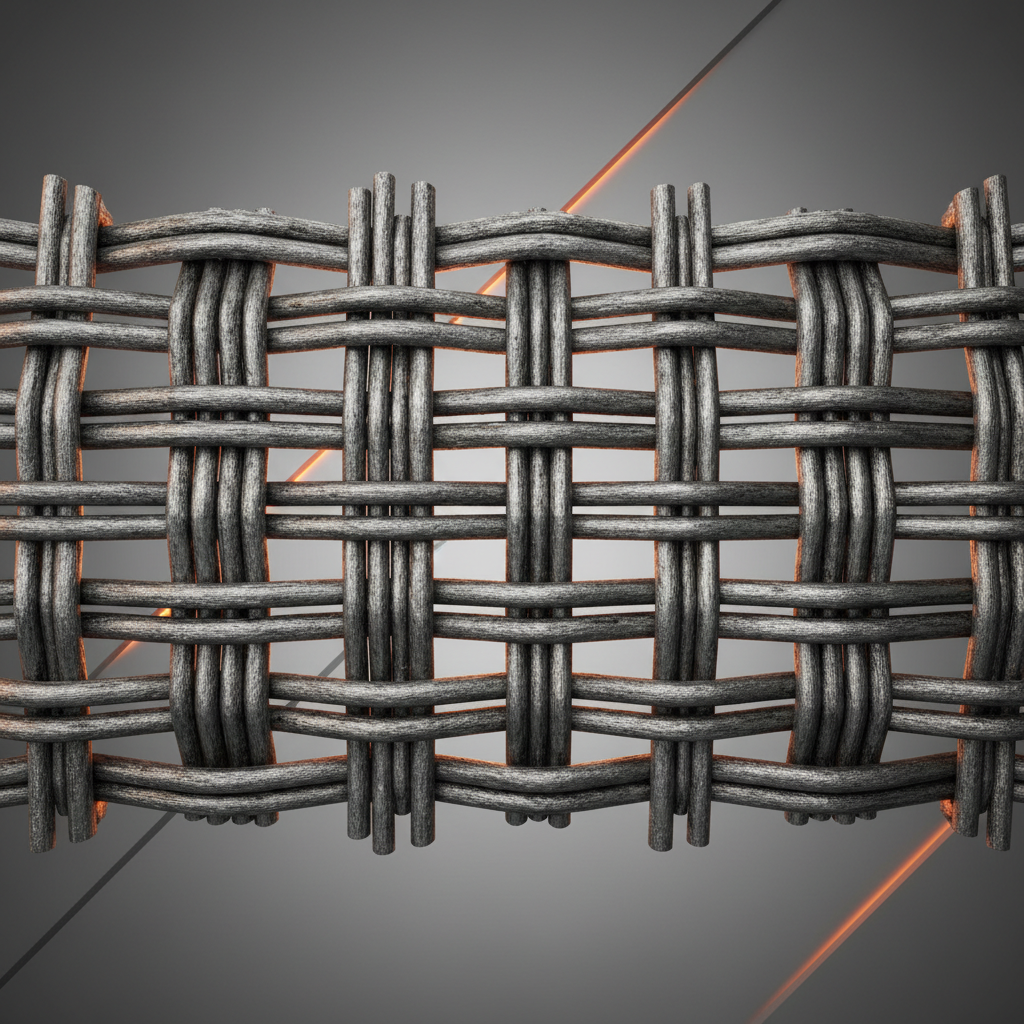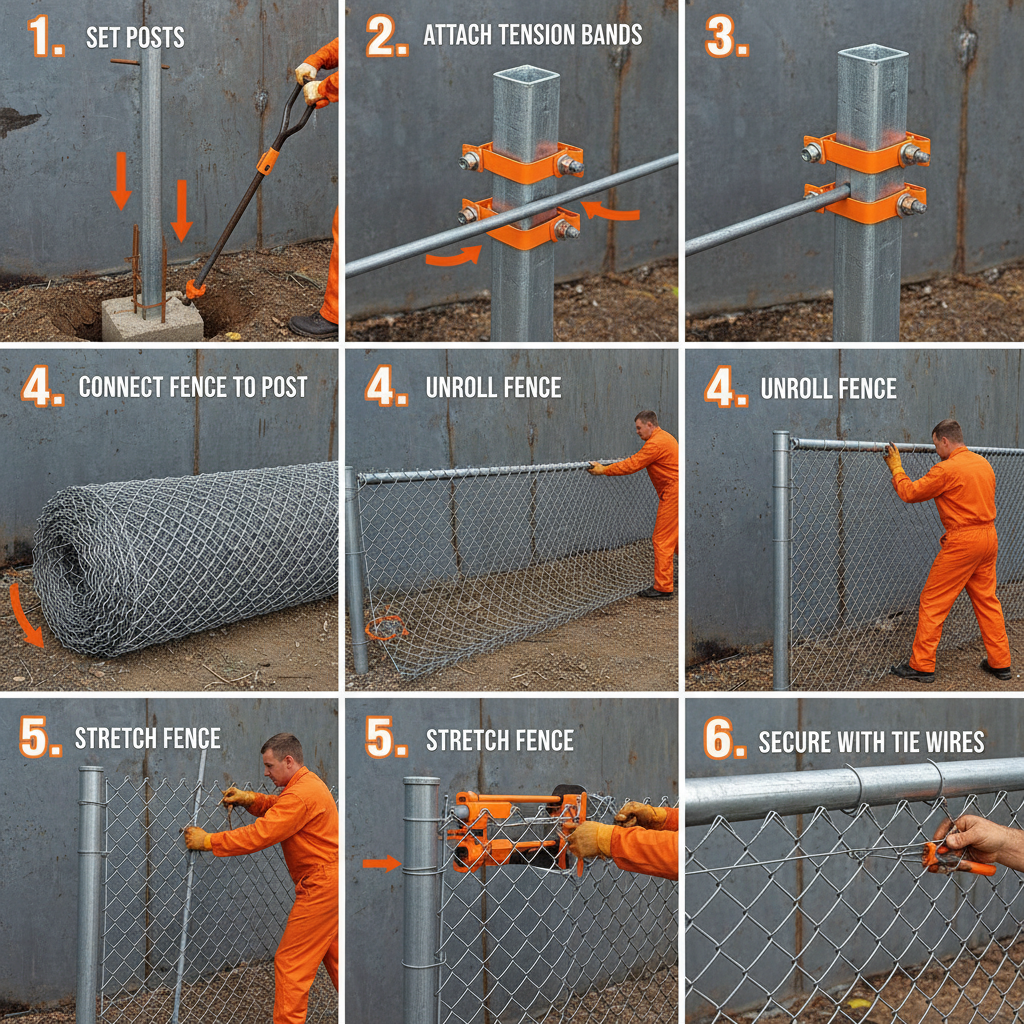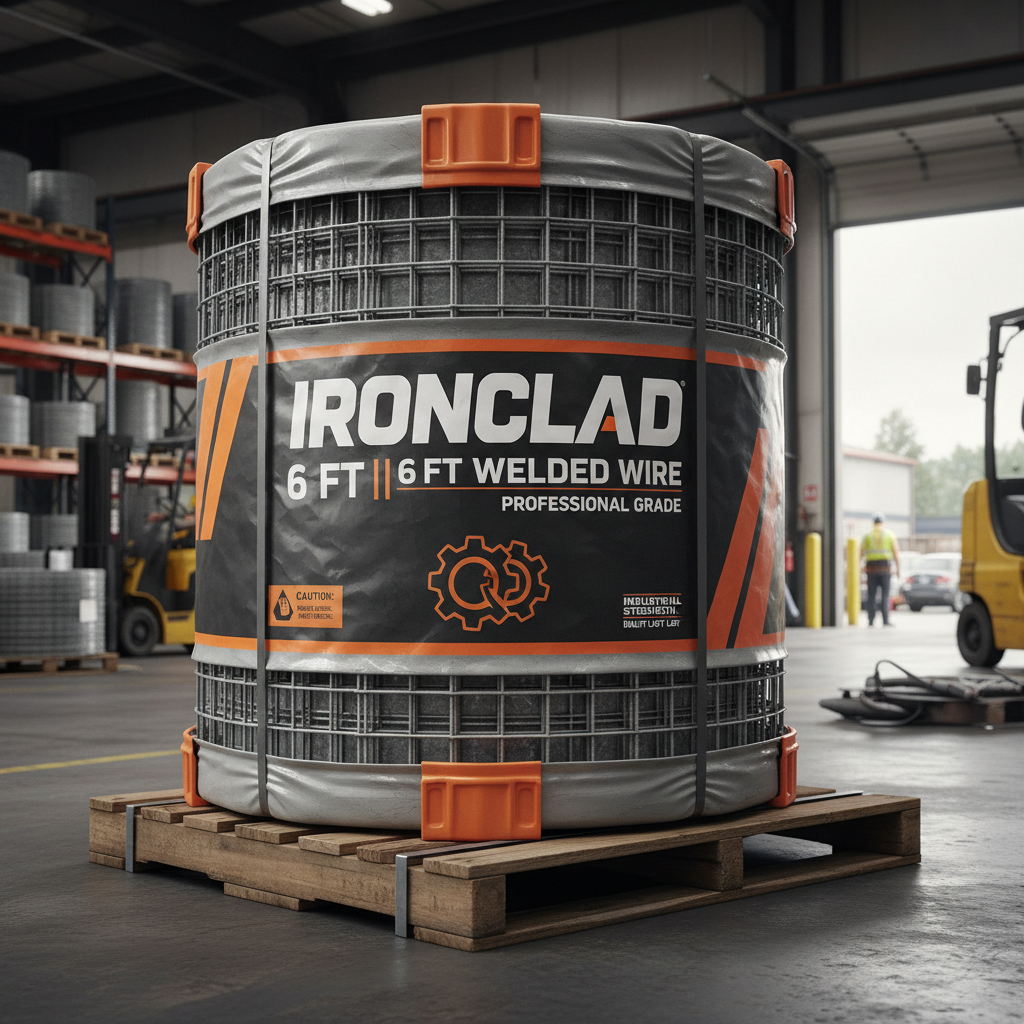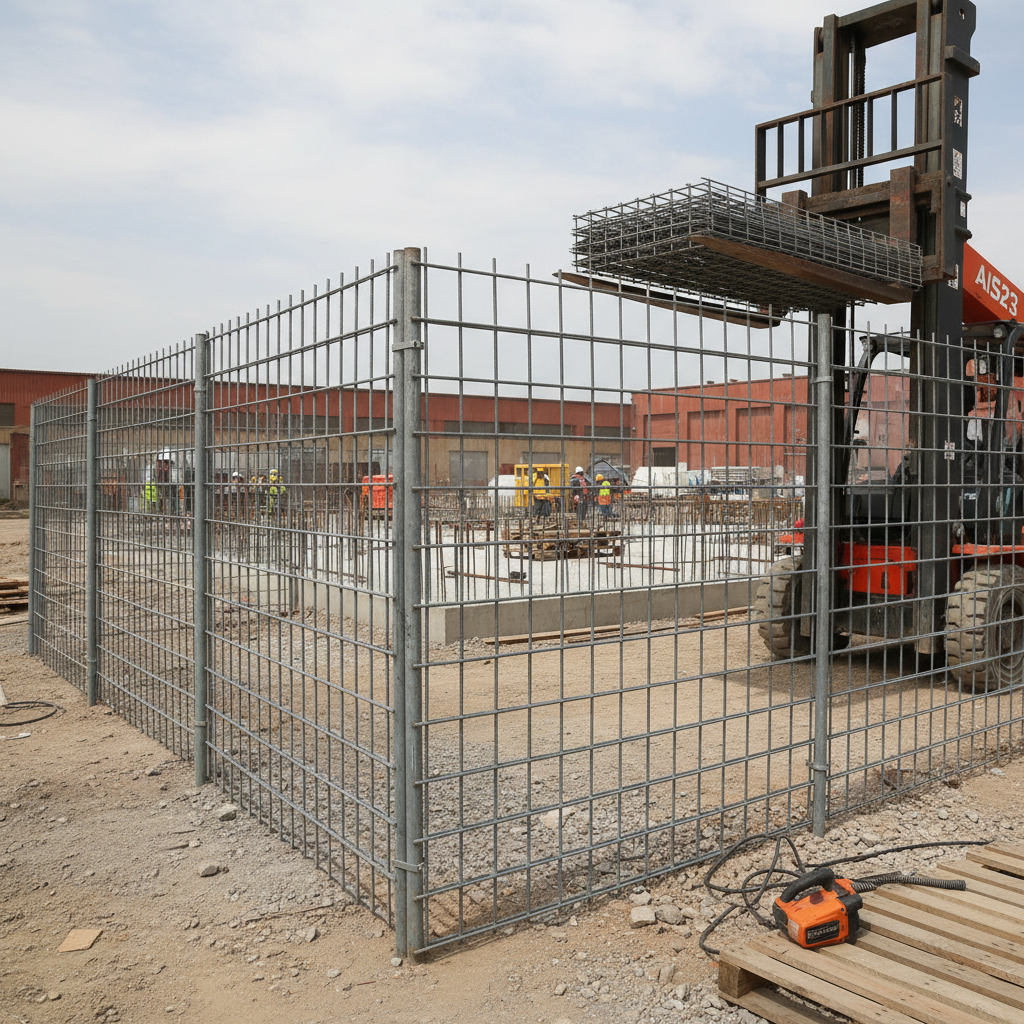
Wire Mesh Ceiling Panels are a quiet workhorse in industrial and commercial spaces. Oddly enough, while they might not grab much spotlight, they serve a key role in environments where durability, airflow, and aesthetics intersect. This article explores how Lanyewiremesh supports professionals with durable, high-performance panels and why this product often emerges as the ideal choice for businesses across sectors like manufacturing, retail, and institutional buildings.
Table of Contents
- Wire Mesh Ceiling Panels Overview
- Benefits & Use Cases of Wire Mesh Ceiling Panels
- Cost, Maintenance & User Experience
- Sustainability & Market Trends
Wire Mesh Ceiling Panels Overview
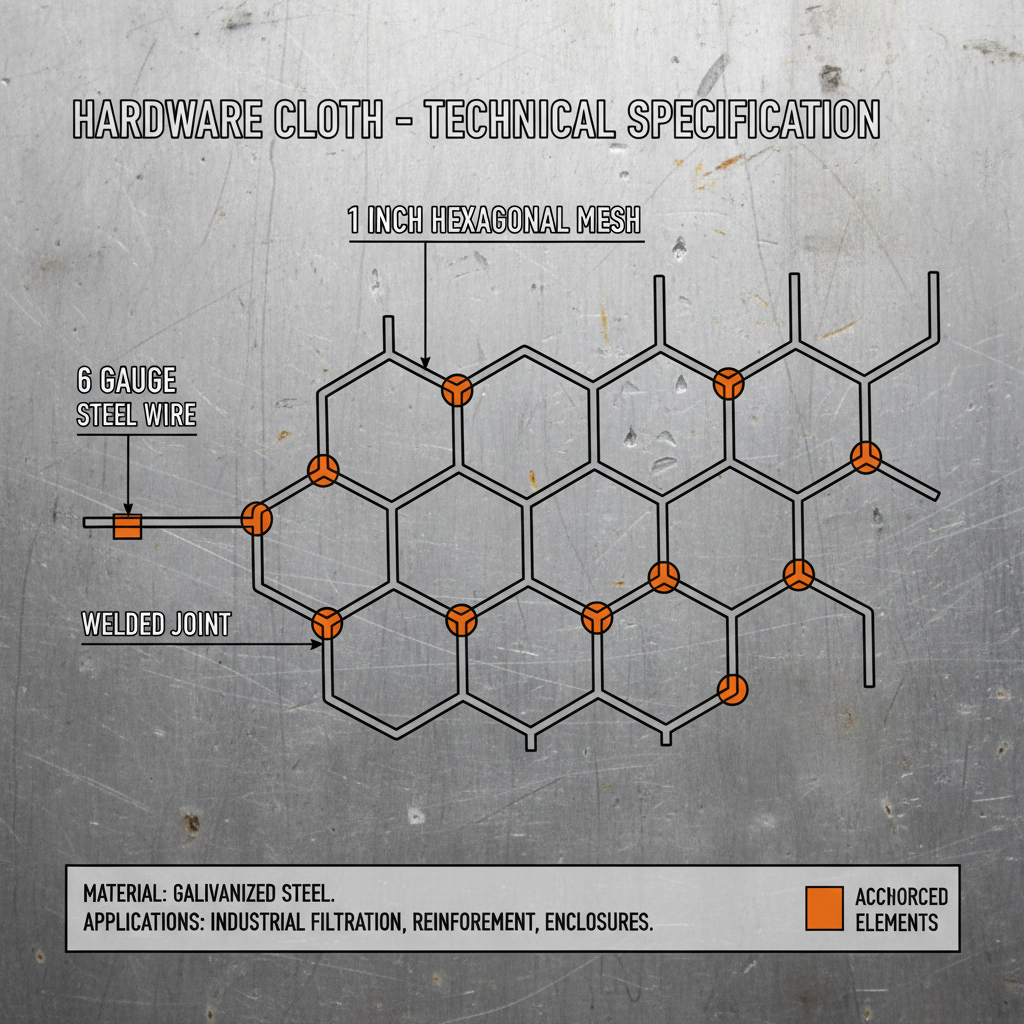
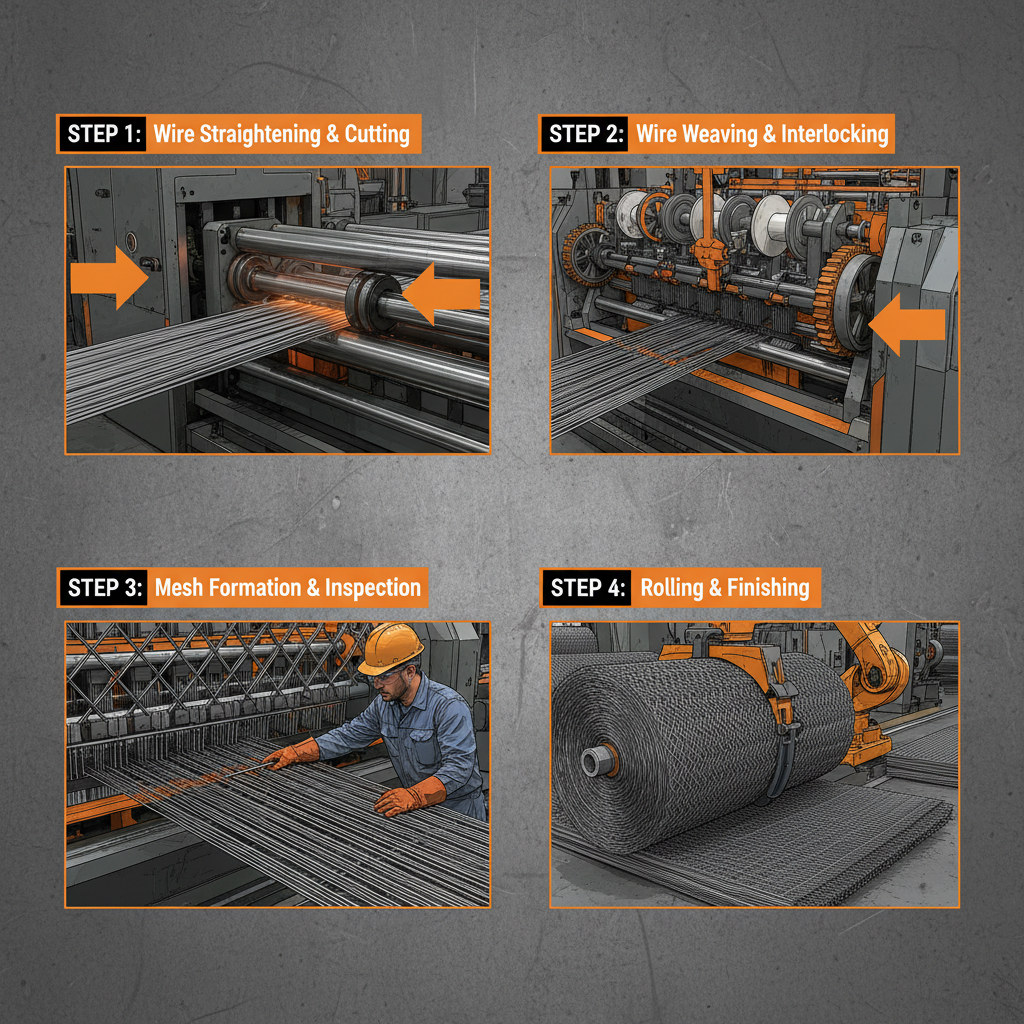
Essentially, wire mesh ceiling panels consist of tightly woven or welded metal strands shaped into panels designed to cover ceilings. They’re crafted mostly from stainless steel or galvanized steel, lending them strength and corrosion resistance, which frankly, is critical in industrial or humid environments. You know, the panels create a kind of breathable ceiling grid allowing air and lighting to pass through while providing a robust, secure cover that's much harder to damage than traditional drywall or tile ceilings.
- Wire Mesh Ceiling Panels are recognized for combining strength with a lightweight structure, making them easy to install and maintain.
- Typical specs include panel thickness ranging from 1.0mm to 3.0mm and mesh opening sizes varying between 10mm to 50mm depending on airflow or visibility requirements.
| Specification | Details |
|---|---|
| Material | Stainless Steel / Galvanized Steel |
| Panel Thickness | 1.0mm - 3.0mm |
| Mesh Size | 10mm - 50mm Opening |
| Panel Size | Customizable up to 1200mm x 1200mm |
| Finish Options | Powder Coated, Anodized, Raw |
Benefits & Use Cases of Wire Mesh Ceiling Panels
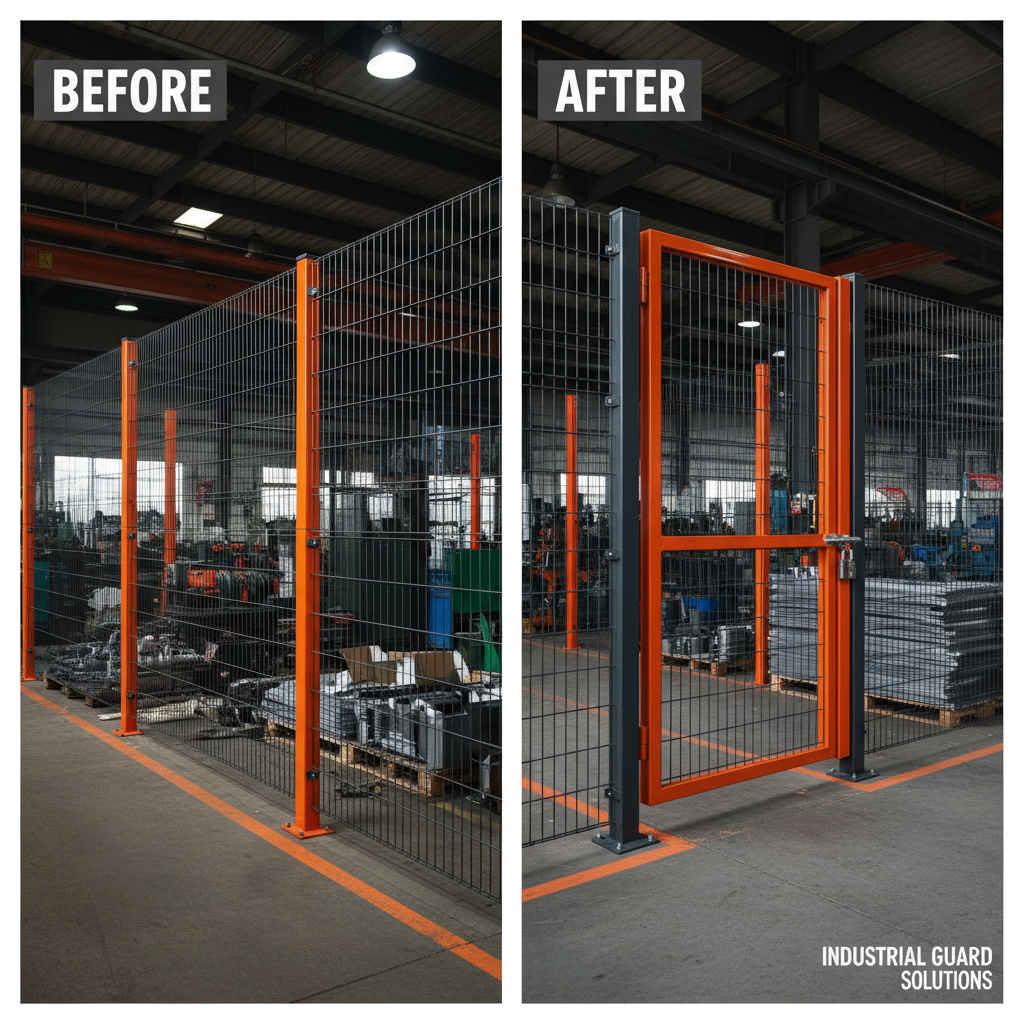
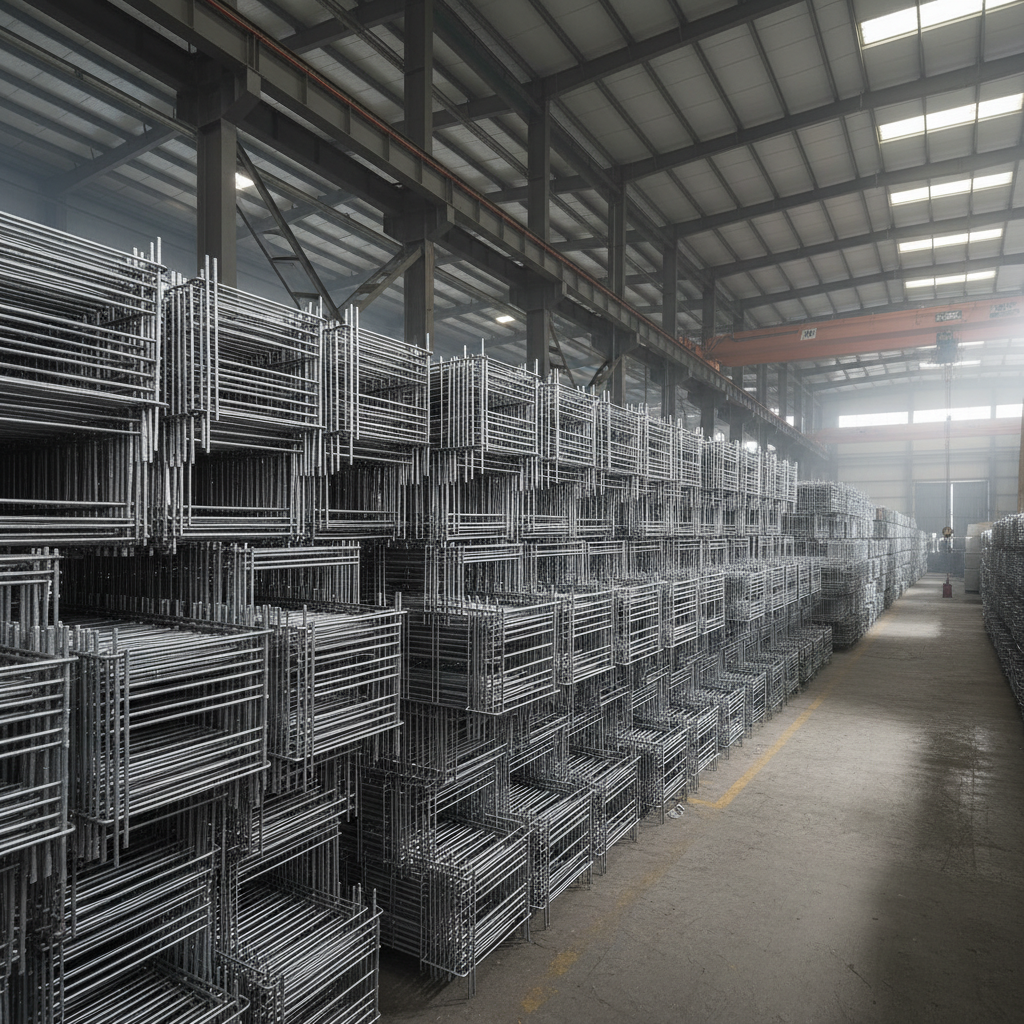
In real terms, these panels shine in places where airflow and visibility matter—a warehouse, for example, needs ventilation, but also protection against dust or debris falling from above. Wire mesh ceiling panels facilitate both. Many facility managers I’ve talked to also appreciate their fire resistance. Unlike traditional acoustic tiles that can deteriorate quickly, mesh panels don’t degrade under heat or humidity, making them a huge win in manufacturing plants or commercial kitchens.
- Used widely in industrial plants, retail stores, gyms, and airports for their durability and ease of customization.
- Features like various mesh sizes, finishes, and panel dimensions provide flexibility tailored to specific projects.
| Vendor | Material Quality | Customization | Pricing | Lead Time |
|---|---|---|---|---|
| Lanyewiremesh | High-grade stainless steel | Wide range options, OEM capable | Competitive | 4-6 weeks |
| Vendor B | Standard galvanized steel | Limited | Lower | 6-8 weeks |
| Vendor C | Mid-grade stainless | Moderate | Higher | 3-5 weeks |
Cost, Maintenance & User Experience
Frankly, the upfront cost of wire mesh ceiling panels might feel a bit higher compared to conventional ceiling tiles, but when you factor in lifespan and minimal maintenance, the ROI is convincing. Customers I spoke with often mention how easy it is to keep these panels clean—just a quick wipe or compressed air spray—and no worries about water damage or sagging. One client in the food processing industry shared how switching to mesh panels cut their replacement costs by over 30% in under two years. Such benefits often tip the scales for decision makers juggling durability and upkeep budgets.
- Total cost of ownership favors wire mesh due to longevity and low maintenance.
- User feedback highlights ease of cleaning and superior structural integrity.
Sustainability & Market Trends
Sustainability is increasingly critical in today's market. Wire mesh ceiling panels made of recyclable metals align perfectly with efforts to greenify commercial construction. Plus, since these panels last a long time and resist damage, they reduce waste over time—a big plus for companies aiming to meet stricter environmental regulations. Market research shows a growing tilt toward mesh ceilings especially in sectors prioritizing healthy work environments and energy efficiency, as their open structure improves air circulation and lighting distribution.
- Use of recyclable metals reduces environmental impact.
- Growing demand fueled by green building standards.
Frequently Asked Questions about Wire Mesh Ceiling Panels
- What is Wire Mesh Ceiling Panels and how does it work?
- They are metal panels made by weaving or welding thin metal wires into grids that form ceiling coverings. This mesh allows air and light to circulate freely while providing sturdy protection compared to traditional solid ceilings.
- What are the main benefits of using Wire Mesh Ceiling Panels in industrial applications?
- Durability, fire resistance, better airflow, ease of maintenance, and aesthetic customization are key benefits that improve safety and reduce operating costs in industrial settings.
- How does Wire Mesh Ceiling Panels compare to traditional alternatives?
- Compared to traditional drywall or acoustic tiles, wire mesh lasts longer, resists moisture and heat, and supports better ventilation, although initial cost might be higher.
- What industries can benefit most from Wire Mesh Ceiling Panels implementation?
- Manufacturing plants, warehouses, retail stores, commercial kitchens, gyms, and institutional facilities commonly find these panels ideal due to durability and functional design.
Conclusion on Wire Mesh Ceiling Panels from china
To wrap it up, wire mesh ceiling panels skillfully merge practicality and durability with an eye toward sustainability. They’re a solid investment for businesses seeking robust ceiling solutions that stand the test of time and environmental challenges. For anyone weighing options, do visit Lanyewiremesh, where quality and customization come together nicely.
- Reliable durability coupled with design flexibility make Wire Mesh Ceiling Panels invaluable.
- - Visit our website: https://www.lanyewiremesh.com
References:
1. Industry reports on ceiling materials (2023).
2. Client testimonials from Lanyewiremesh projects.
3. Green building standards and material sustainability guides.