Wire Fence Privacy Screen: A Practical Solution for Industrial and Residential Needs
Having been around industrial equipment and materials for more than a decade, I’ve seen how something as simple as a wire fence privacy screen transforms the whole game for site management and aesthetics alike. Oddly enough, privacy screens might sound like an “extra” — but in real terms, they’re often essential for both functionality and visual appeal.
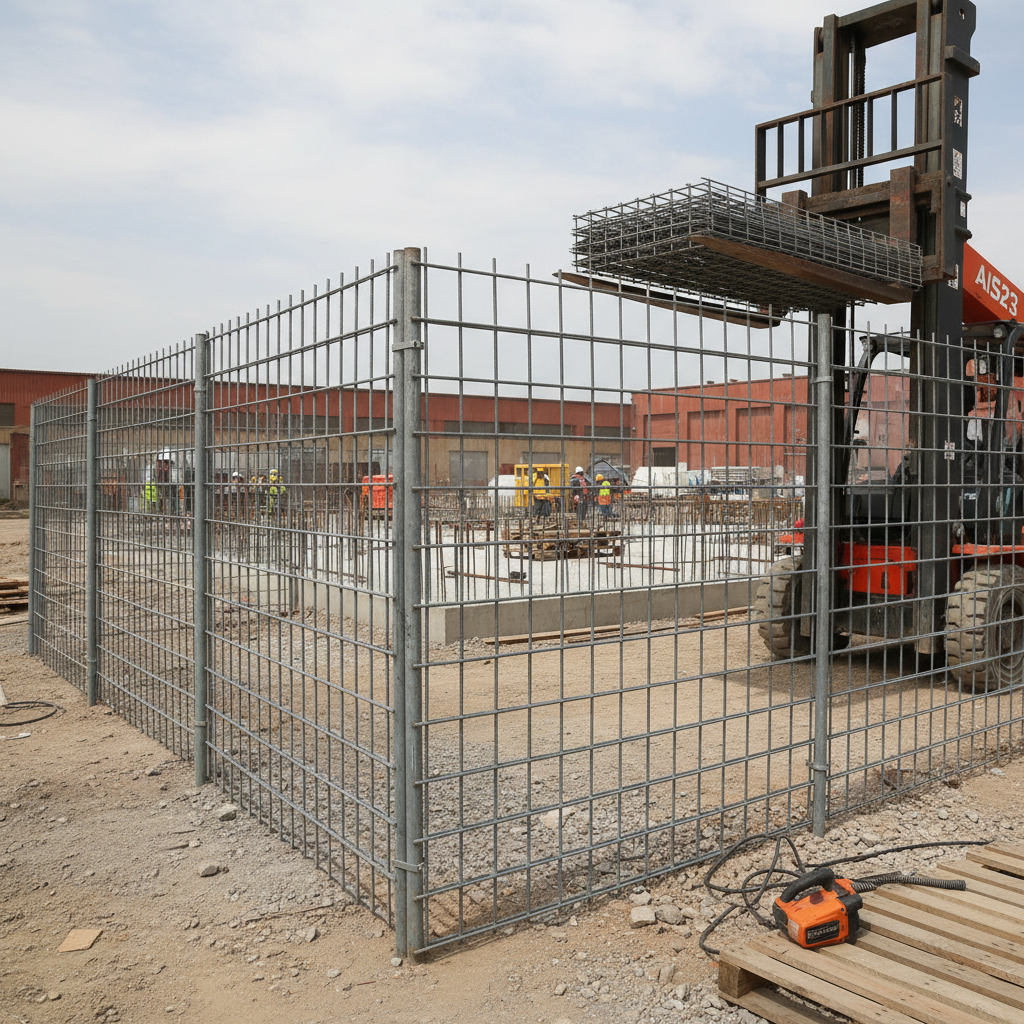
Let’s start with the basics. A wire fence privacy screen essentially adds an opaque or semi-opaque layer to your standard fence, usually a wire mesh. You know that plain wire mesh fencing is great for security and boundary marking, but if you want to block wind, reduce noise, or just limit visibility, a privacy screen is a game-changer. Frankly, many engineers and site managers I’ve talked to swear by them, especially when working on noisy or busy sites.
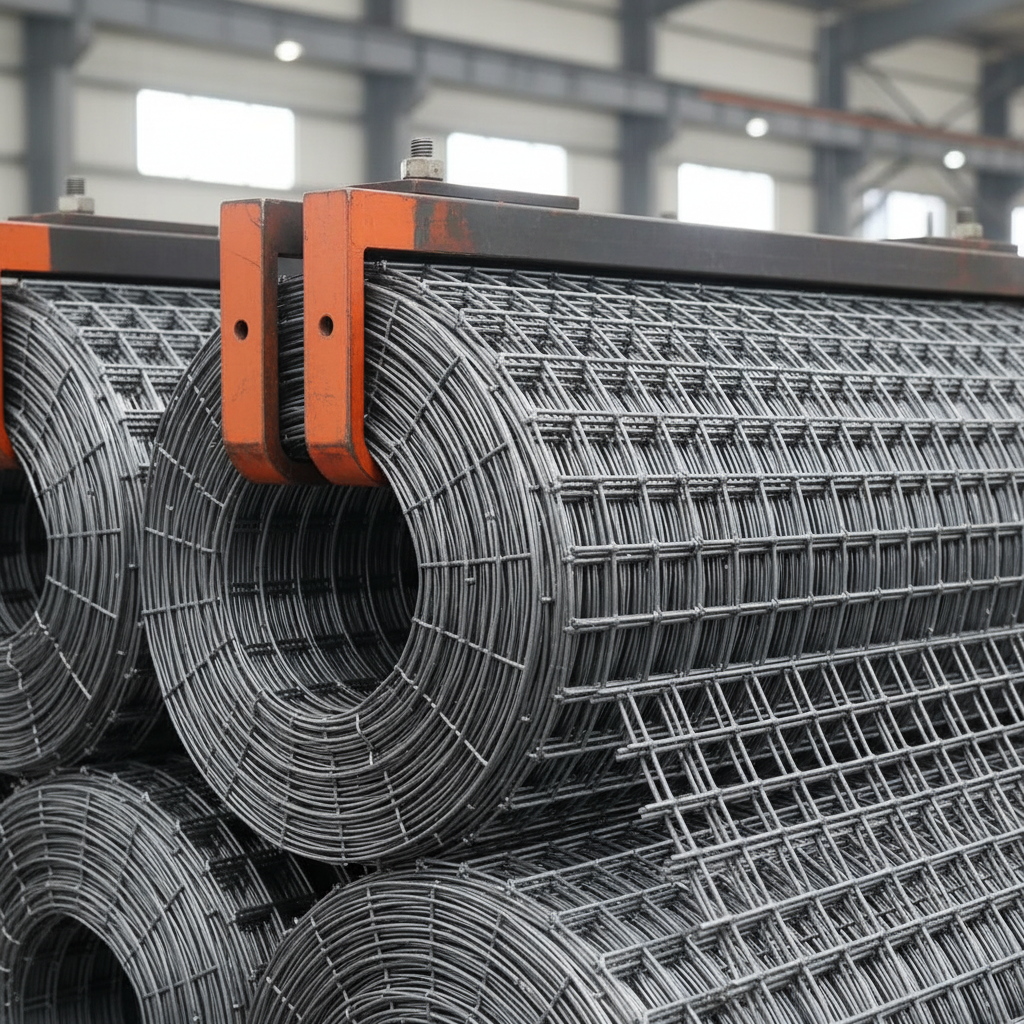
The construction of these screens is usually quite straightforward but critical. They typically involve woven or welded wire mesh paired with a synthetic fabric or specialized privacy material attached to it. The choice of materials matters — from polyethylene panels that can withstand heavy UV exposure to PVC coatings that add durability and weather resistance. I’ve noticed that in harsher climates, the better-coated and temperature-resilient options last considerably longer, which means less downtime replacing torn screens.
One of my favorite aspects here is customization. You’ll find that vendors like wire fence privacy screen suppliers offer a range of colors, mesh sizes, and attachment types. You can get your privacy screen to match branding or meet specific visibility needs. For example, a 70% opacity screen lets light in while keeping prying eyes out — a popular choice for construction sites near residential areas.
| Feature | Specification |
|---|---|
| Material | Polyethylene mesh / PVC coated polyester |
| Opacity levels | 50%, 70%, 90% |
| Color options | Green, black, blue, custom |
| Attachment types | Zip ties, velcro straps, button snaps |
| Wind resistance | Up to 120 km/h (depending on installation) |
| Durability | 5+ years typical under normal conditions |
Now, not all providers are created equal — and that’s something to keep in mind if you want your investment to last. I once worked on a project where a low-cost fence screen vendor's product tore during the first storm. Lesson learned: weigh price against specs, not just upfront savings.
| Feature | Lanye Wire Mesh | Generic Vendor A | Generic Vendor B |
|---|---|---|---|
| Material Quality | Premium PE & PVC coatings | Standard synthetic mesh | Basic mesh, less resilient |
| Customization | Custom colors, sizes, and opacity | Limited | None |
| Wind Resistance | Up to 120 km/h | Up to 90 km/h | Up to 60 km/h |
| Warranty / Service | 3-year warranty + support | 1-year limited warranty | No official warranty |
| Price Level | Mid to premium | Budget-friendly | Low end |
Why do all these details matter? Well, when I was overseeing a large commercial build a few years ago, the client insisted on using a trusted supplier. At first, it felt like spending a bit more — but in the end, the screens stayed intact through a windy season with zero complaints. That kind of peace of mind? Priceless.
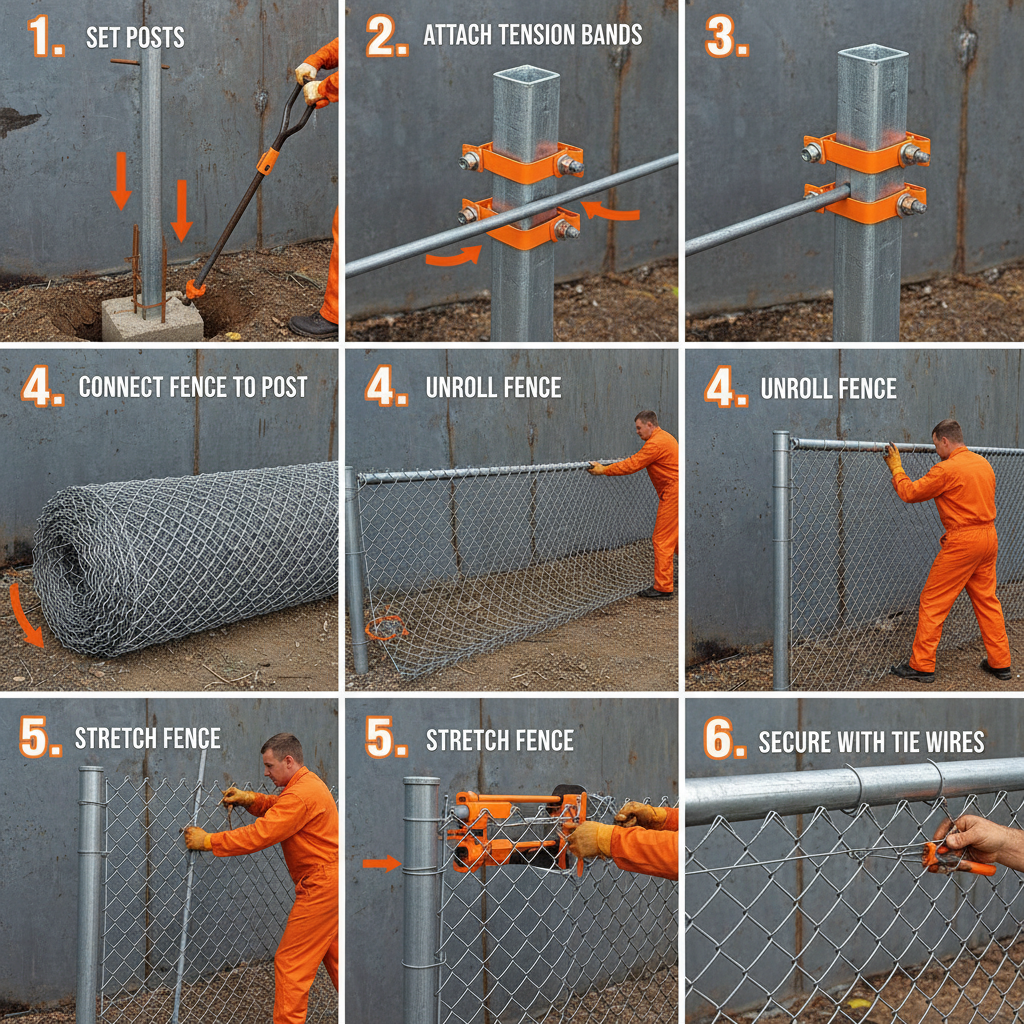
In terms of installation, it’s also encouraging to see how most wire fence privacy screens can be installed by a modestly skilled team without complicated tools. Zip ties or button snaps, the usual fasteners, are straightforward — and replacements or repairs don’t usually require tearing down entire sections.
In summary, whether you’re securing an industrial yard, a construction site, or simply trying to add privacy to your backyard, a wire fence privacy screen is probably worth the consideration. It balances durability, aesthetics, and practicality in a way few other accessories can.
My takeaway? Don’t skimp on quality or ignore the small print of materials and warranties. It feels like one of those small things that can quietly save you hassle down the line.