Wire Mesh for Mice Control: A Practical Guide
Having spent a good chunk of my career in the industrial equipment sector, I’ve seen my share of pest control solutions — but wire mesh for mice control? Now, that’s a classic that simply won’t go out of style. Oddly enough, it’s one of those underrated heroes in warehouse and facility maintenance.
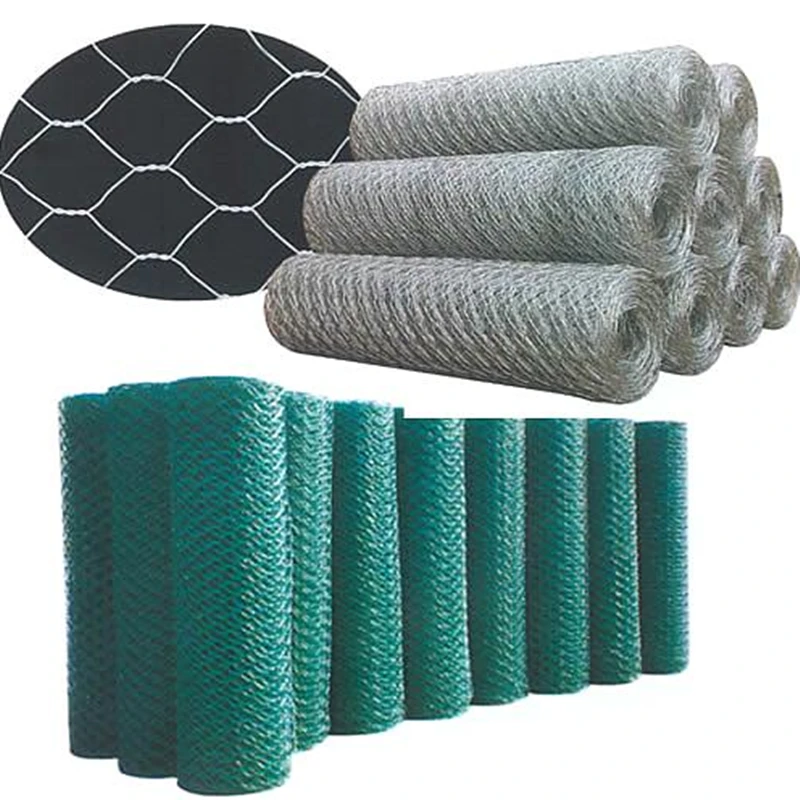
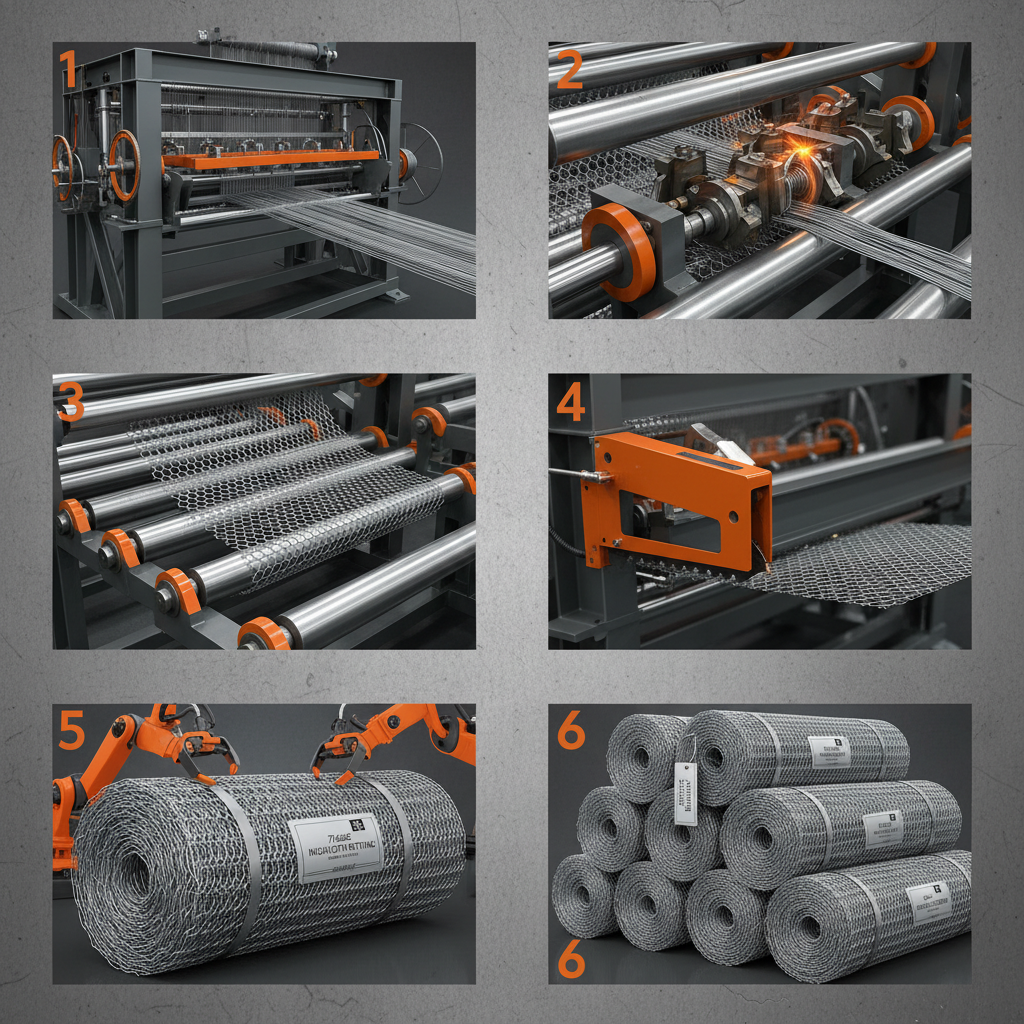
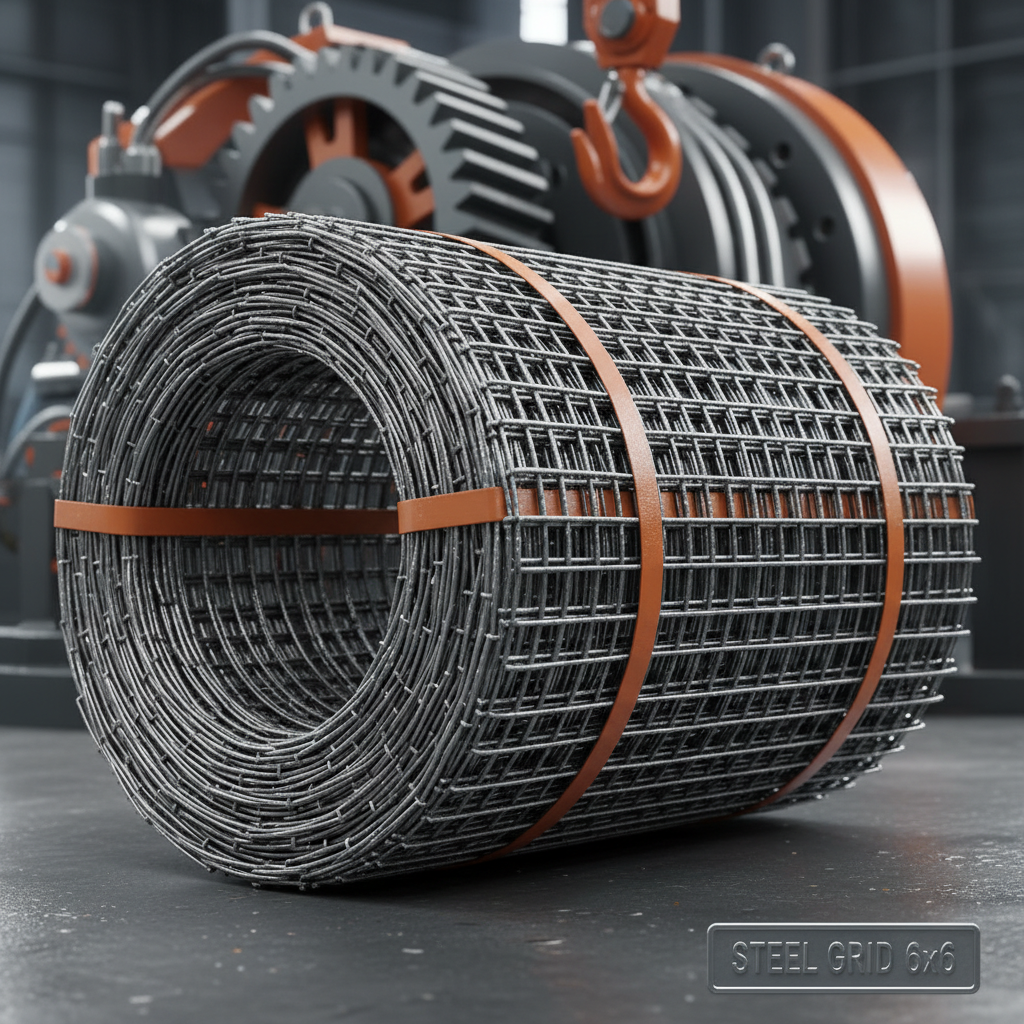
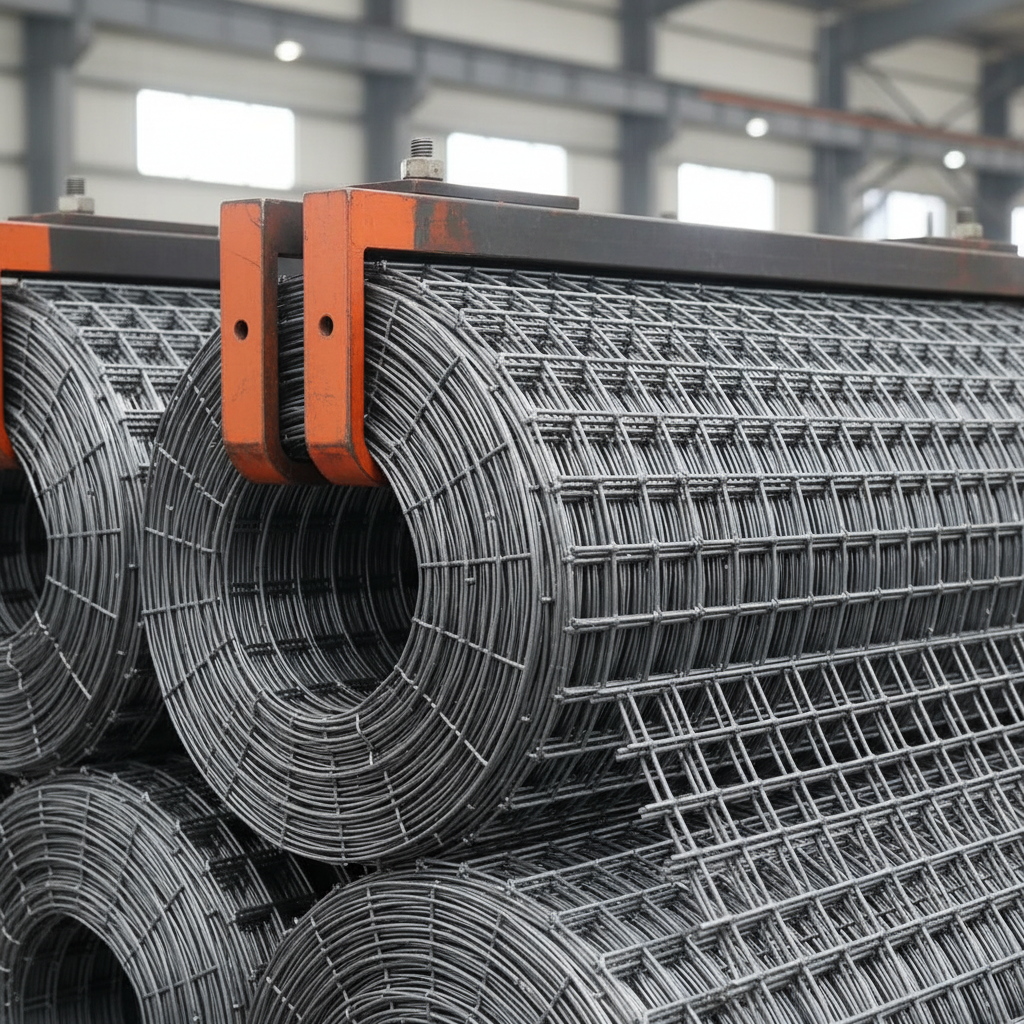
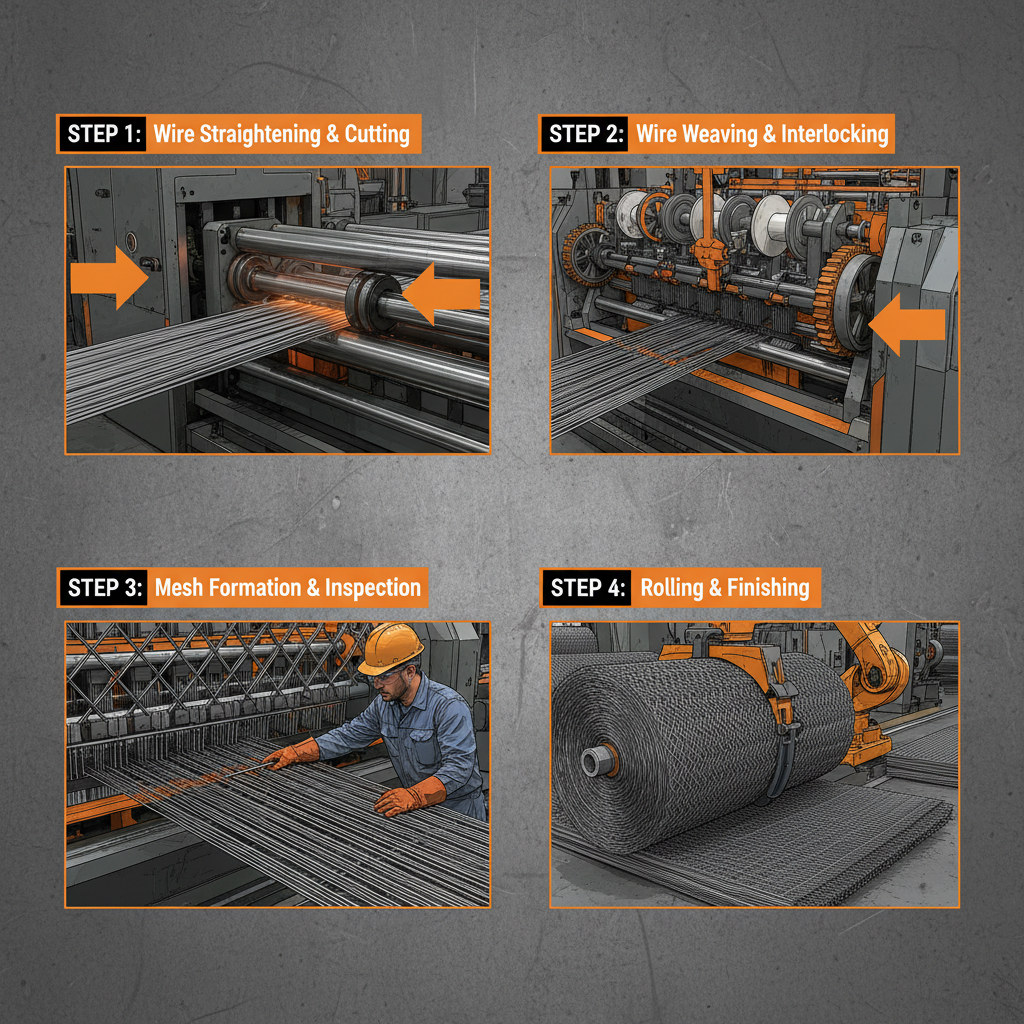
First off, wire mesh for mice control is more than just a screen — it’s a finely engineered barrier that keeps those pesky little critters out without chemicals or traps. It feels like a simple enough concept, but decades of testing have gone into optimizing materials, mesh size, and strength to actually make a difference in real-world conditions.
In real terms, mice can squeeze through a hole the size of a dime (around 6mm), so mesh must be precise. Many engineers I spoke with swear by stainless steel wire mesh as the go-to choice. It holds up to weather, doesn’t rust, and resists gnawing better than most metals. For indoor use, galvanized steel is common, but frankly, if you’re outdoors or near moisture, don’t skimp on quality. I once witnessed an entire mesh panel corrode within a year just because it was the cheapest option available — lesson learned.
Here’s a quick highlight of what makes good wire mesh for mice control tick:
| Specification | Details |
|---|---|
| Material | Stainless Steel (304 or 316) / Galvanized Steel |
| Mesh Opening Size | Less than 6mm (1/4 inch) |
| Wire Diameter | 0.4 - 1.0 mm (Varies by strength needs) |
| Finish | Electro-polished, Galvanized, or Powder Coated |
| Panel Size | Customized, typically 1x1 m or 2x3 m sheets |
| Durability | Corrosion resistant, chew-proof under standard conditions |
Customization is absolutely key. Many vendors offer tailored mesh sizes, panel configurations, and coatings. If you’ve ever tried fitting a “standard” mesh panel around unusual pipe runs or tricky wall junctions, you’ll know how frustrating it can be. That’s why I always recommend working with manufacturers who really get wire mesh applications—they’re often happy to help with mockups or even samples.
Speaking of vendors, the market has a decent range, but the differences can be quite stark. Let me share a quick comparison of three well-known manufacturers I've encountered through field visits and projects. It’s simplified, but it might save someone a headache or two:
| Vendor | Material Quality | Customization Options | Lead Time | Price Range |
|---|---|---|---|---|
| Lanye Wire Mesh | Premium Stainless Steel 304/316 | High – bespoke sizes & finishes | 2-3 weeks | Mid to High |
| Generic Industrial Supplier | Galvanized steel only | Limited sizes | 1 week | Low |
| Premium Mesh Co. | Stainless Steel 316 + Marine Grade Coatings | Moderate; mostly standard options | 3-4 weeks | High |
Once, a client from a food processing plant told me how switching to the right wire mesh cut their mouse problems noticeably without pest control chemicals. That stuck with me because it underscores the balance of durability, safety, and ease of maintenance that wire mesh solutions provide.
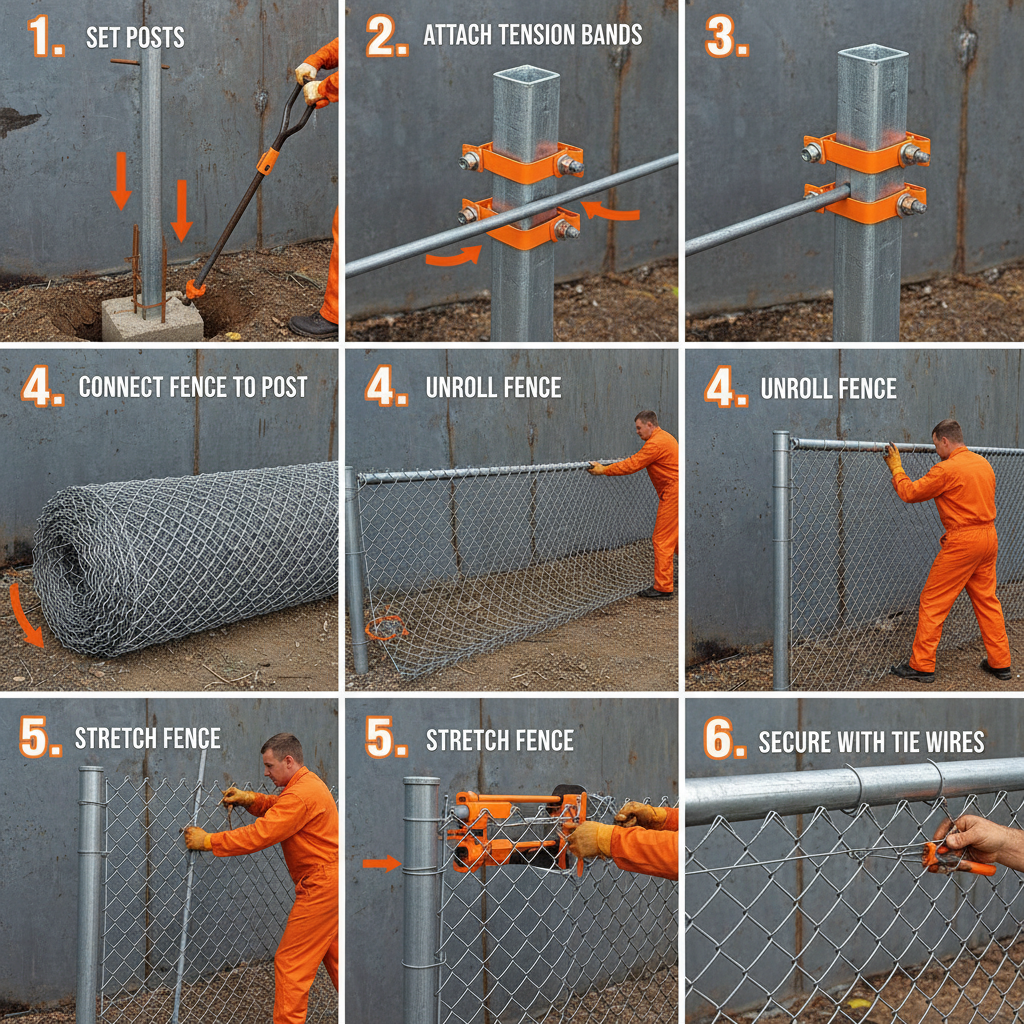
One last thing: remember it’s not just about plugging holes. Proper installation is often where many projects falter — mesh needs to be secured tightly, overlapping edges sealed, and inspections scheduled. It’s one of those jobs where “good enough” means “invite the mice back.”
All things considered, wire mesh for mice control remains a reliable, low-maintenance option that respects both your facilities and the environment. It feels like a smart investment for long-term peace of mind, you know?
So, if you’re tackling mice in industrial or commercial settings, consider wire mesh not just a barrier but an engineered solution — it might be simpler than you think.
References:
1. Pest Management Science Journal, “Mesh Size and Effectiveness in Rodent Control” (2021)
2. Industry Interview with Lead Engineer at Lanye Wire Mesh, 2023
3. Practical Guide: Industrial Pest Control, 5th Edition, 2022