Wire Mesh Railing: Durable Safety Meets Modern Industrial Design
Having spent a fair chunk of my career around industrial equipment and safety solutions, I’ve seen my fair share of railing systems. But honestly, wire mesh railing always unlocks a certain kind of appreciation. It’s not just a safety barrier — it’s a versatile, no-nonsense solution that withstands heavy traffic, outdoor elements, and still looks clean and professional.
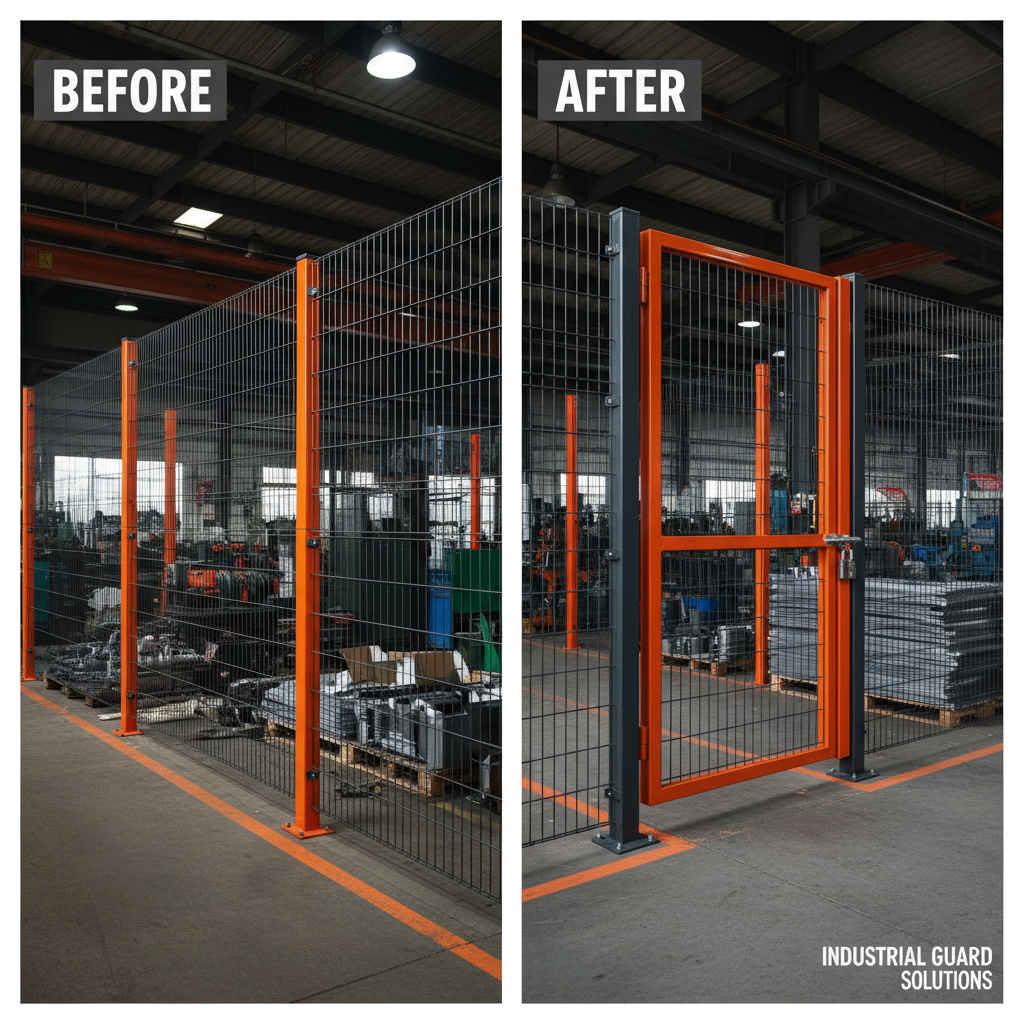
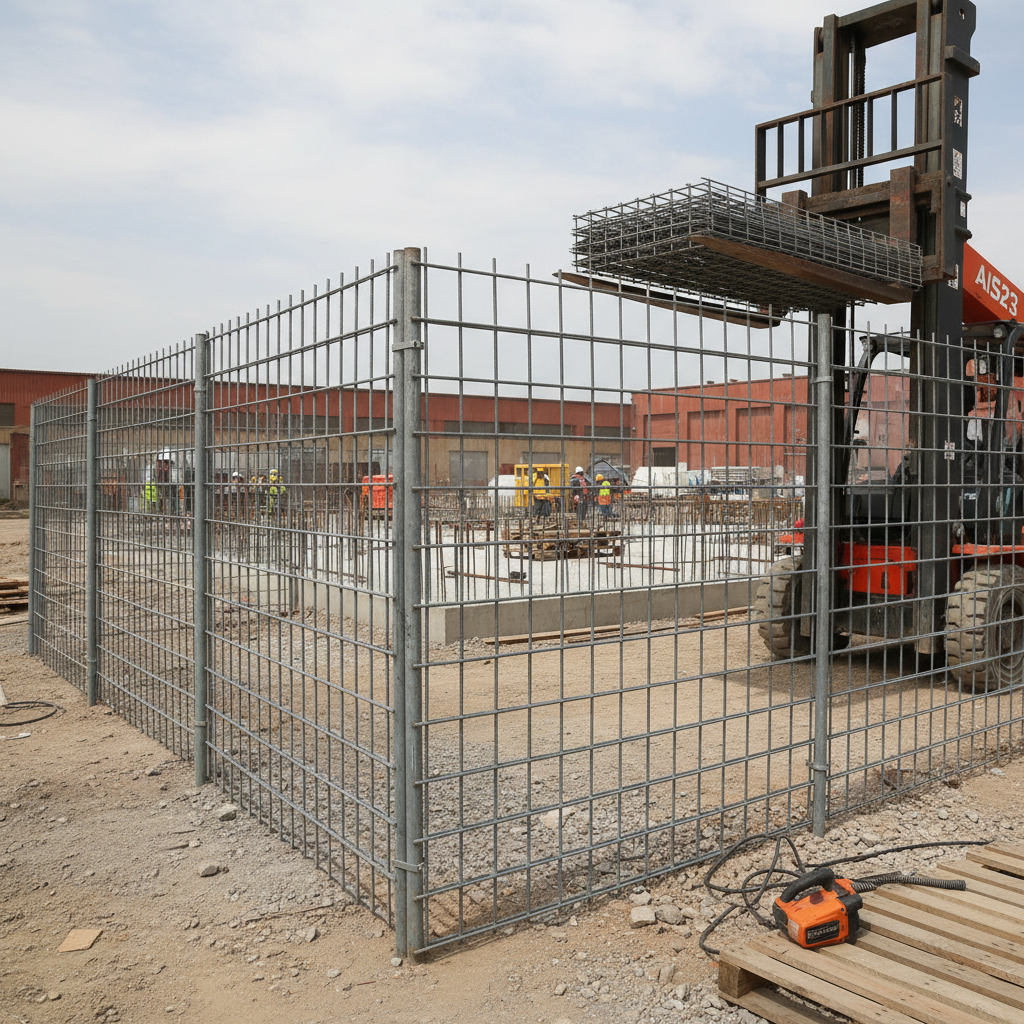
Wire mesh railings are everywhere—in factories, warehouses, pedestrian bridges, and even modern architectural projects. The appeal? They blend transparency with security. I remember one facility upgrade where switching to wire mesh railings dramatically improved visibility for forklift operators while keeping workers safely behind barriers. The difference was clear, literally and figuratively.
Materials & Design: What’s Under the Surface?
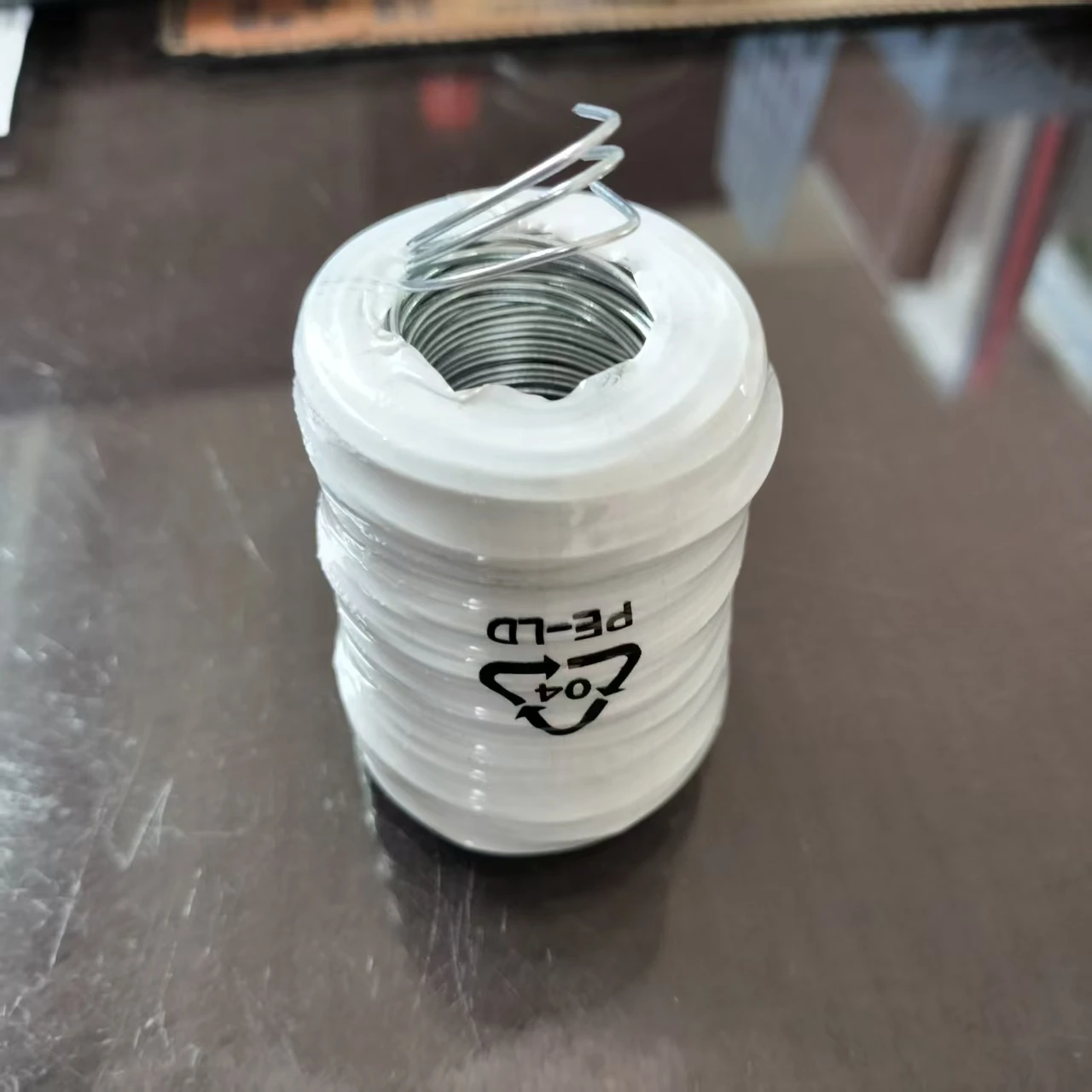
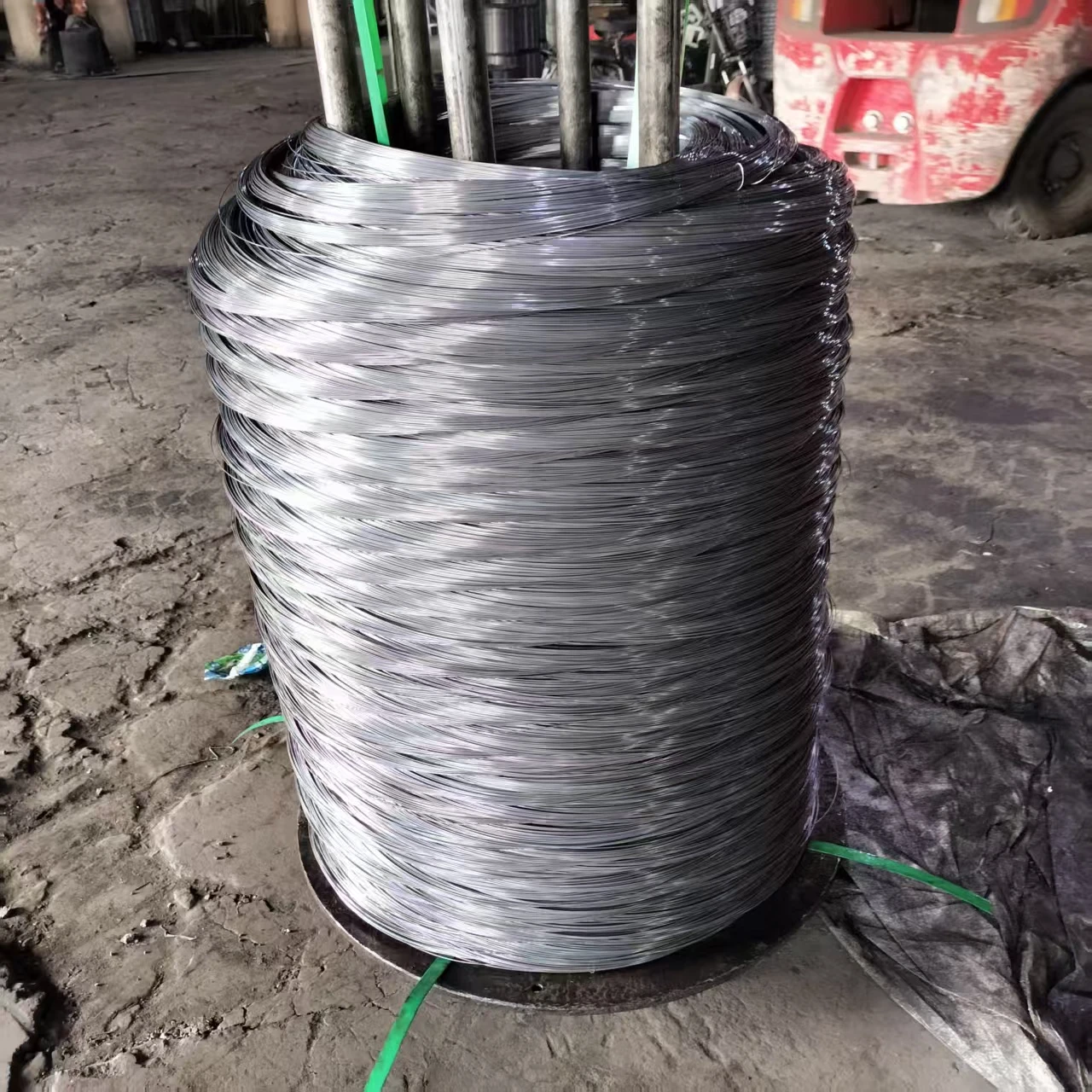
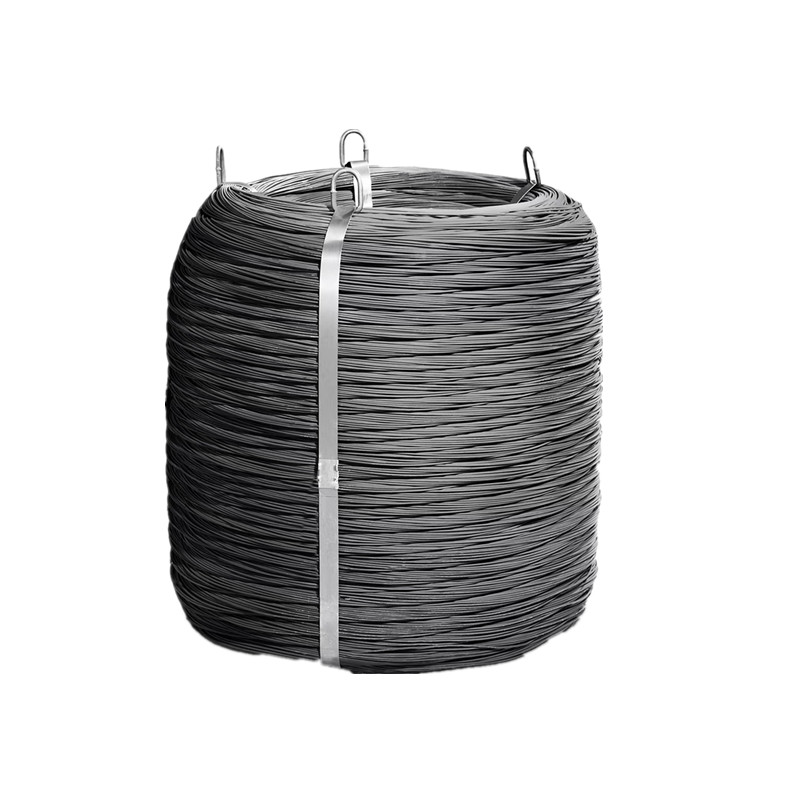
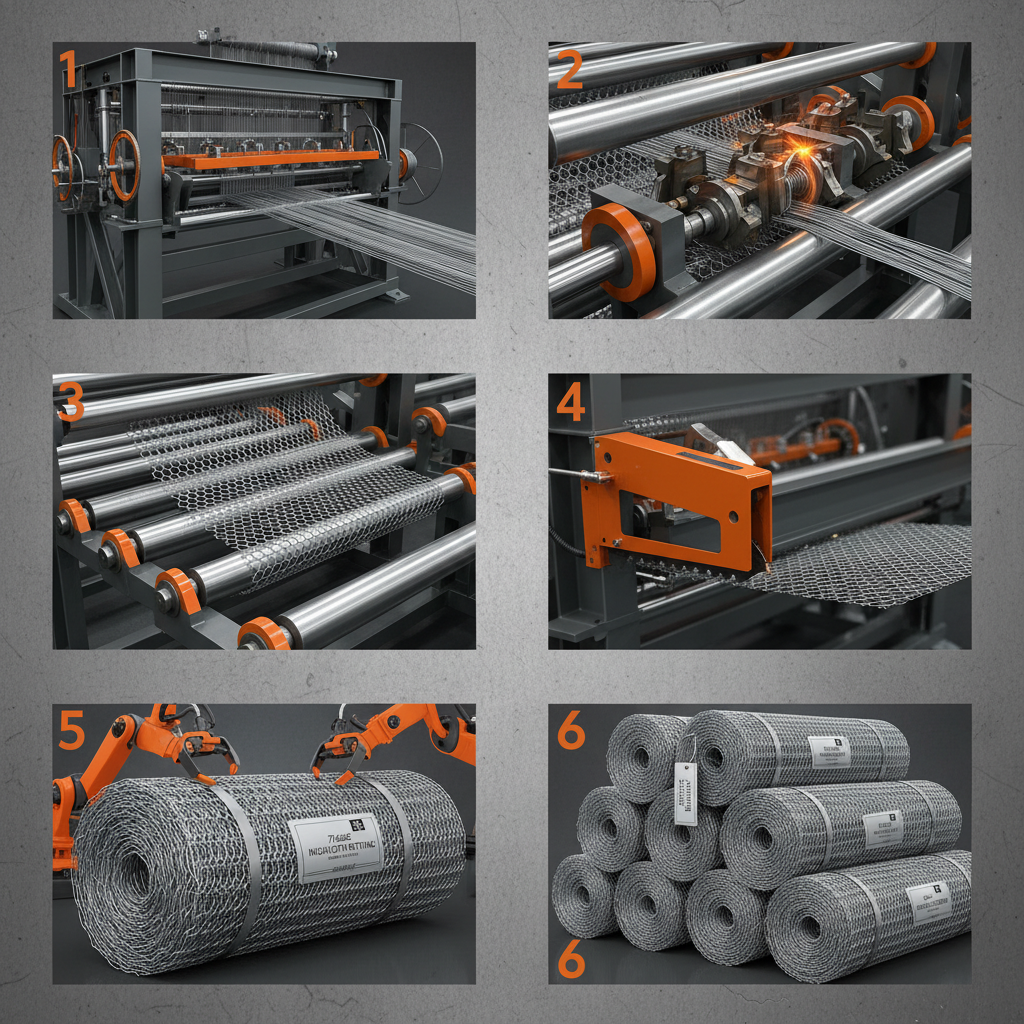
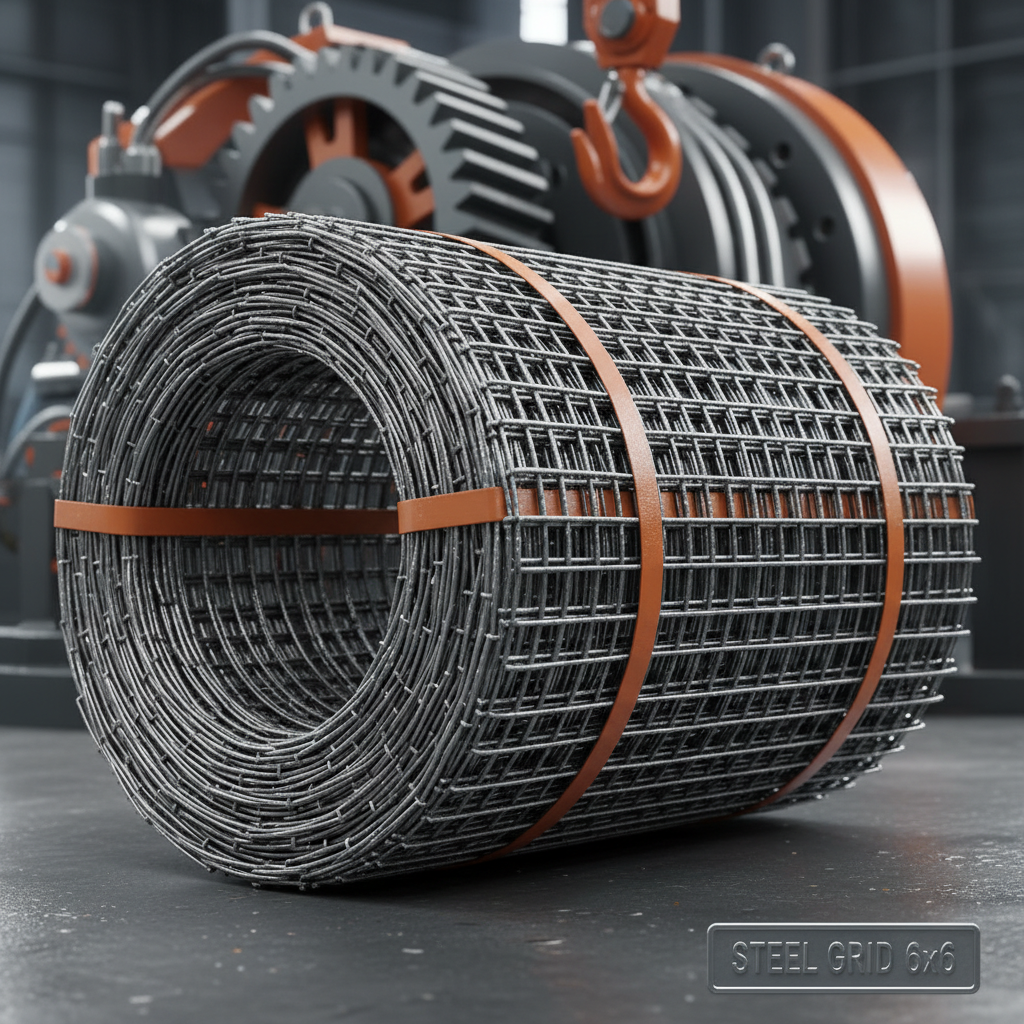
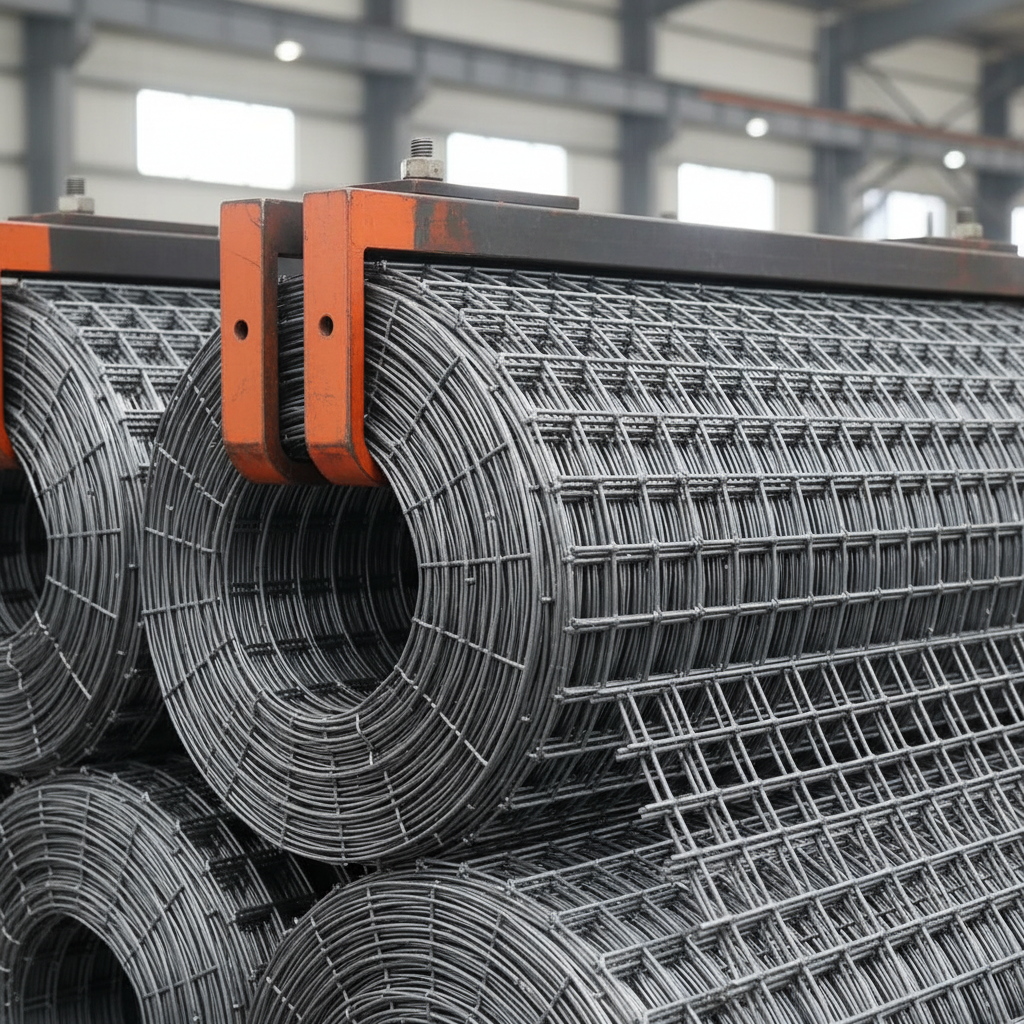
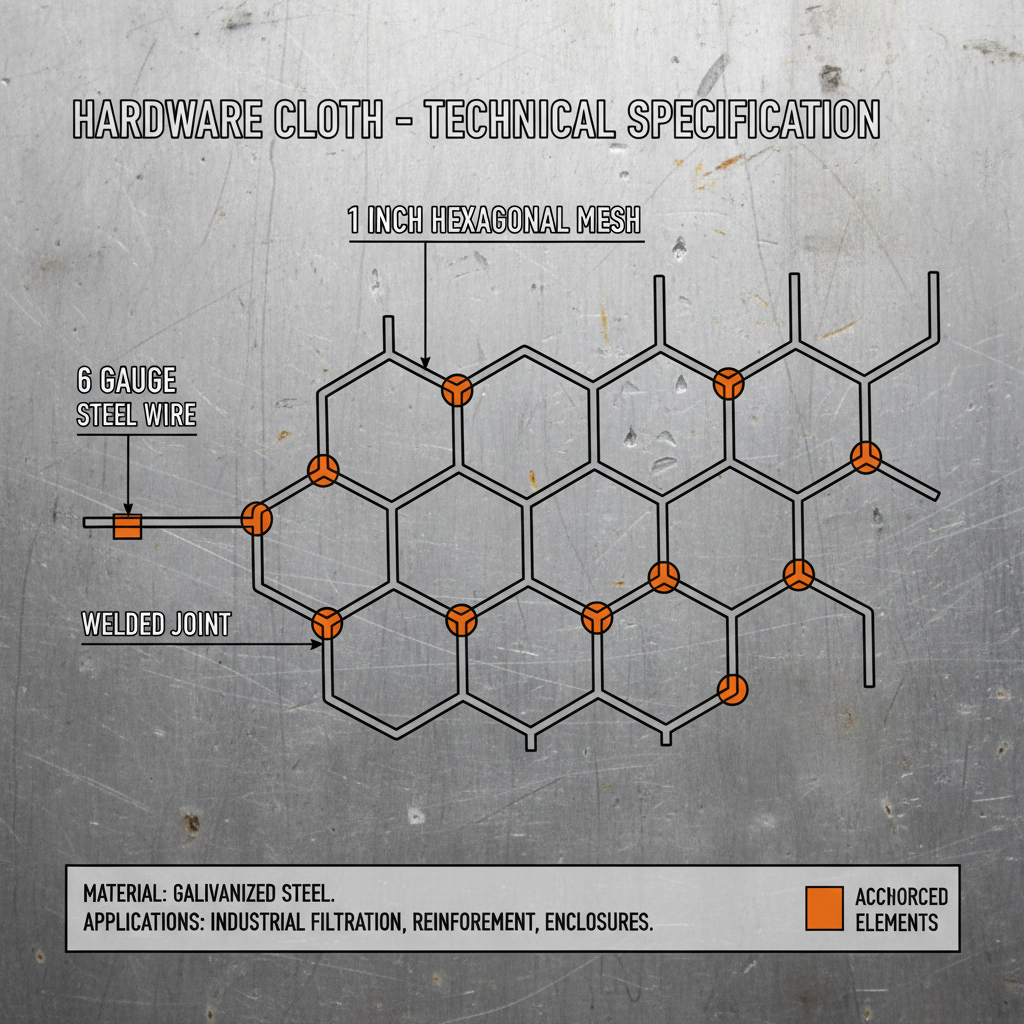
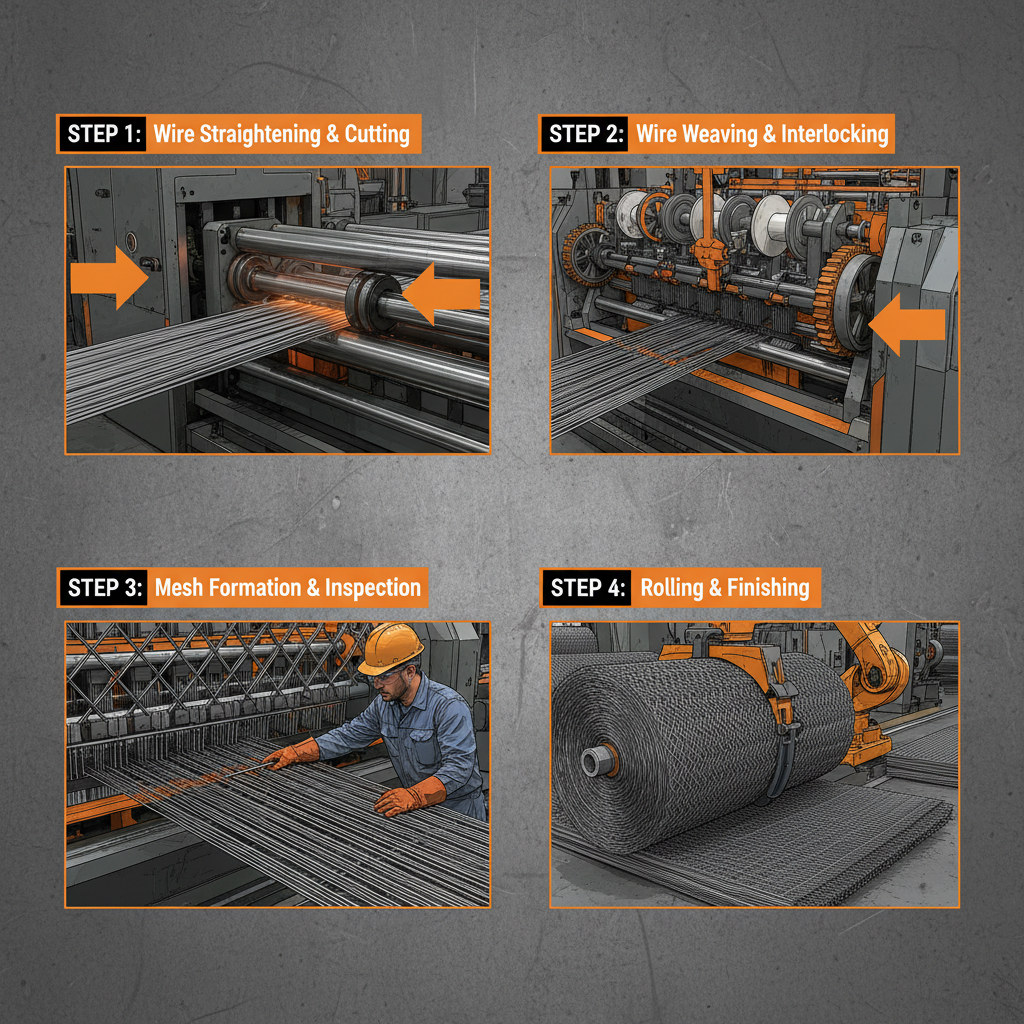
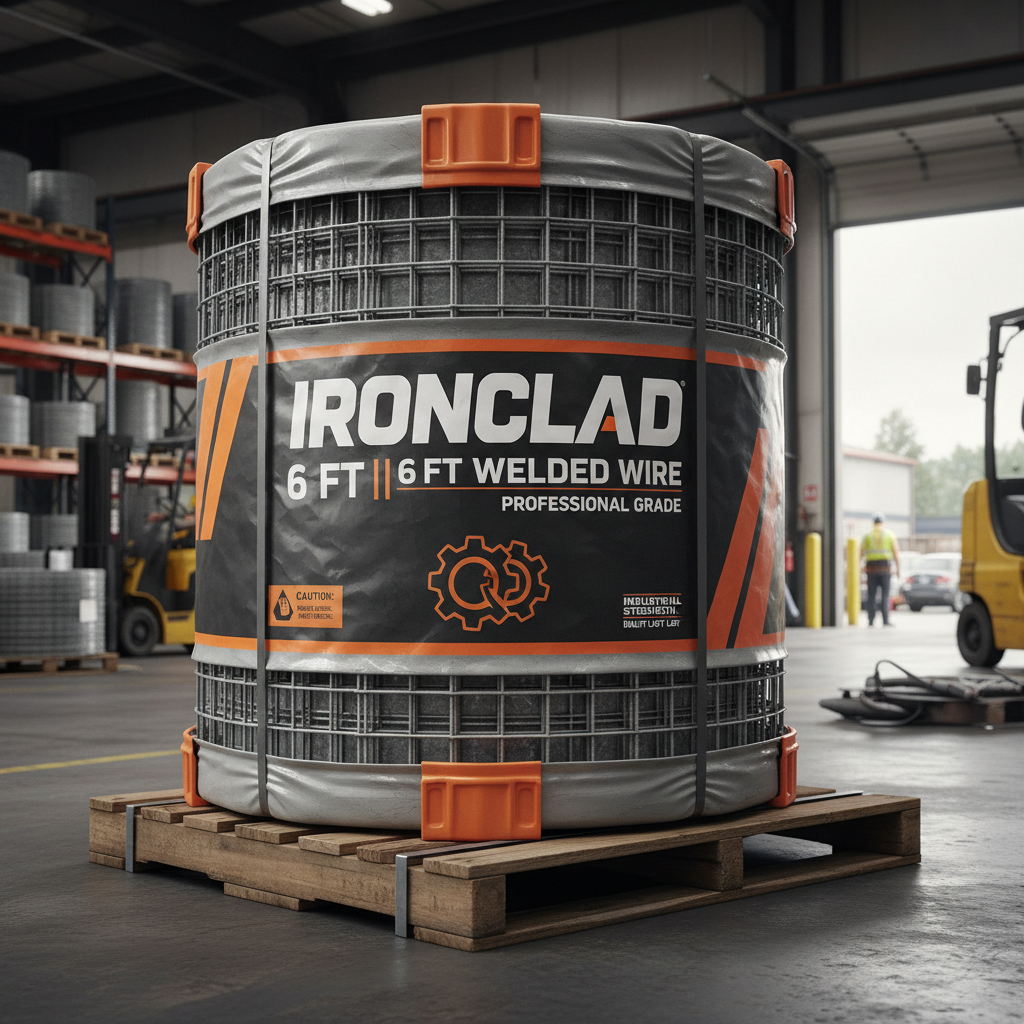
Typically, wire mesh railings are constructed from stainless steel or galvanized steel wire. This isn’t just a random material choice—it’s about preventing corrosion and extending lifespan, especially important in industrial or coastal environments. The mesh size and wire thickness vary depending on the load requirements and the level of visibility desired. The most common weave tends to be welded wire mesh, providing a rigid, stable structure.
I’ve noticed manufacturers sometimes offer options for powder coating, which adds a splash of color and an additional weatherproof layer. A small but important detail: make sure the coating process is done evenly; uneven coatings can wear quickly in high-traffic zones.
Advantages & Testing: Why Choose Wire Mesh?
From a practical standpoint, wire mesh railings are low maintenance. They don’t trap dirt like solid panels and can be easily cleaned with simple sprays or wipes. They’re also incredibly strong despite their relatively lightweight design, which I guess is why many engineers prefer them over traditional handrails or fencing panels.
Most respected vendors put these railings through rigorous load testing. For instance, to meet OSHA and ANSI safety standards, the railing structure must withstand forces of 200 pounds applied in any direction. In real terms, that means these railings won’t buckle or bend with everyday wear and tear—and that’s reassuring if you’re responsible for workplace safety.
Customization & Applications
Nowadays, there’s a pretty broad customization palette. From custom panel sizes to mesh patterns, and even integration with lighting or wiring for industrial purposes. I recall a client who wanted a wire mesh railing with integrated LED strips for a plant walkway. It wasn’t off-the-shelf, but the customization proved worth it in adding that extra layer of visibility—and safety—at night.
Wire mesh is also advantageous in architectural design, especially in mixed-use spaces. It creates a feeling of openness without compromising safety, which frankly, can be harder to achieve than it sounds.
| Feature | Specification |
|---|---|
| Material | 304 or 316 Stainless Steel, Galvanized Steel |
| Wire Thickness | 3mm to 6mm |
| Mesh Opening Size | 25mm x 25mm up to 50mm x 50mm |
| Height Options | 1m to 1.2m standard; custom available |
| Finish Options | Polished, Powder Coated, Galvanized |
Vendor Comparison: A Quick Look at Common Wire Mesh Railing Providers
Picking a supplier isn’t always straightforward. While many companies claim to offer “industrial-grade” wire mesh railings, the devil’s often in the details, like lead time, customization, and post-sale service.
| Vendor | Material Quality | Customization | Lead Time | Pricing |
|---|---|---|---|---|
| Lanye Wire Mesh | High-grade stainless steel | Flexible sizes and finishes | 4-6 weeks | Competitive |
| Supplier A | Standard galvanized steel | Limited options | 6-8 weeks | Moderate |
| Supplier B | Mixed steel grades | Custom but expensive | 5-7 weeks | High |
Oddly enough, what stood out to me with Lanye Wire Mesh was their blend of quality and willingness to work on custom requests without dramatically hiking prices. That’s usually rare to see in the industry.
To wrap this up, if you're looking for a wire mesh railing solution that balances strength, safety, and style—and frankly doesn’t complicate installation too much—it’s worth giving these systems a good look. They just keep proving themselves in environments that demand durability and clear sightlines.
References:
- OSHA Guidelines on Guardrails and Handrails, OSHA.gov
- ANSI Standards for Industrial Safety Barriers, ANSI.org
- “Corrosion Resistance of Stainless Steel,” Stainless Steel World, 2023