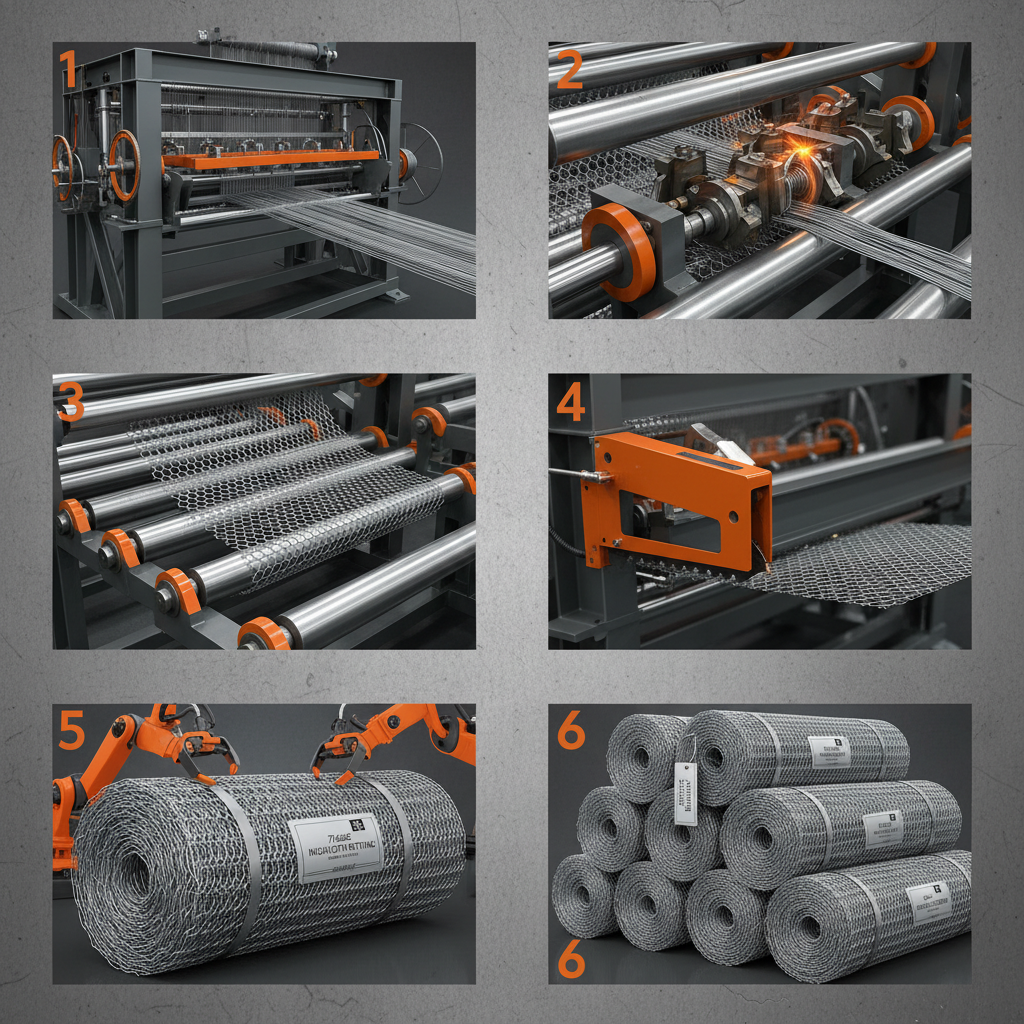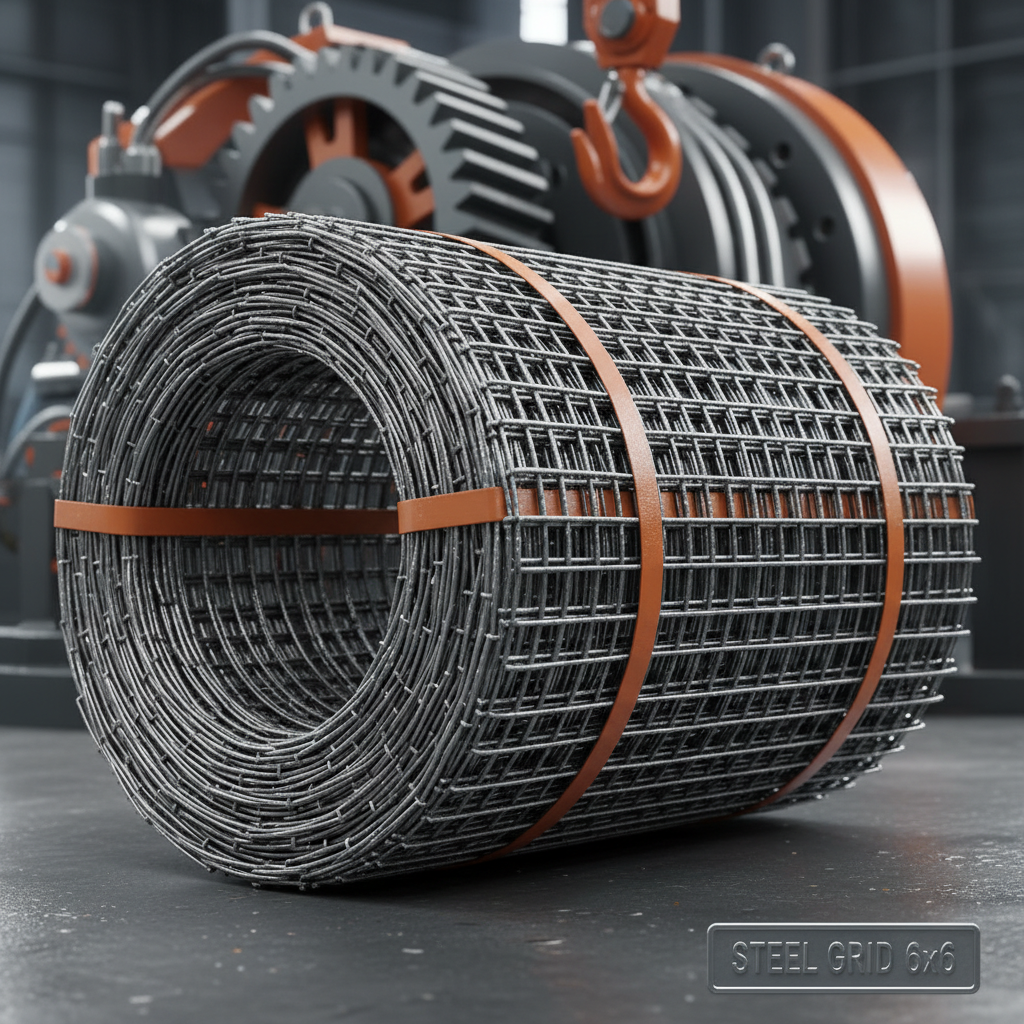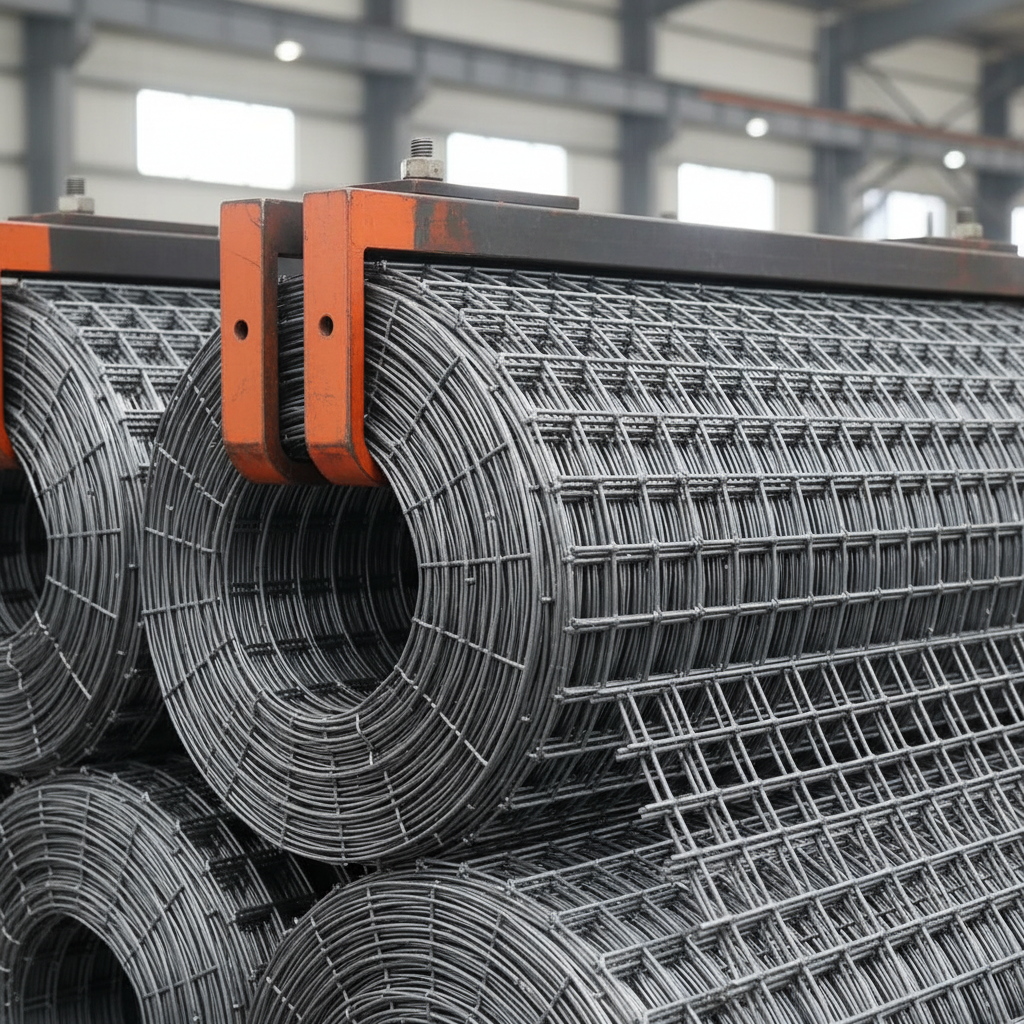
Wire Net Fencing: Durable Solutions for Industrial Security
Having spent quite a few years in the industrial equipment sector, I’ve come across my fair share of fencing solutions. Wire net fencing, in particular, stands out as one of those quietly reliable products — the kind that doesn’t demand much fanfare but consistently delivers, especially when robust security and flexibility are non-negotiable.
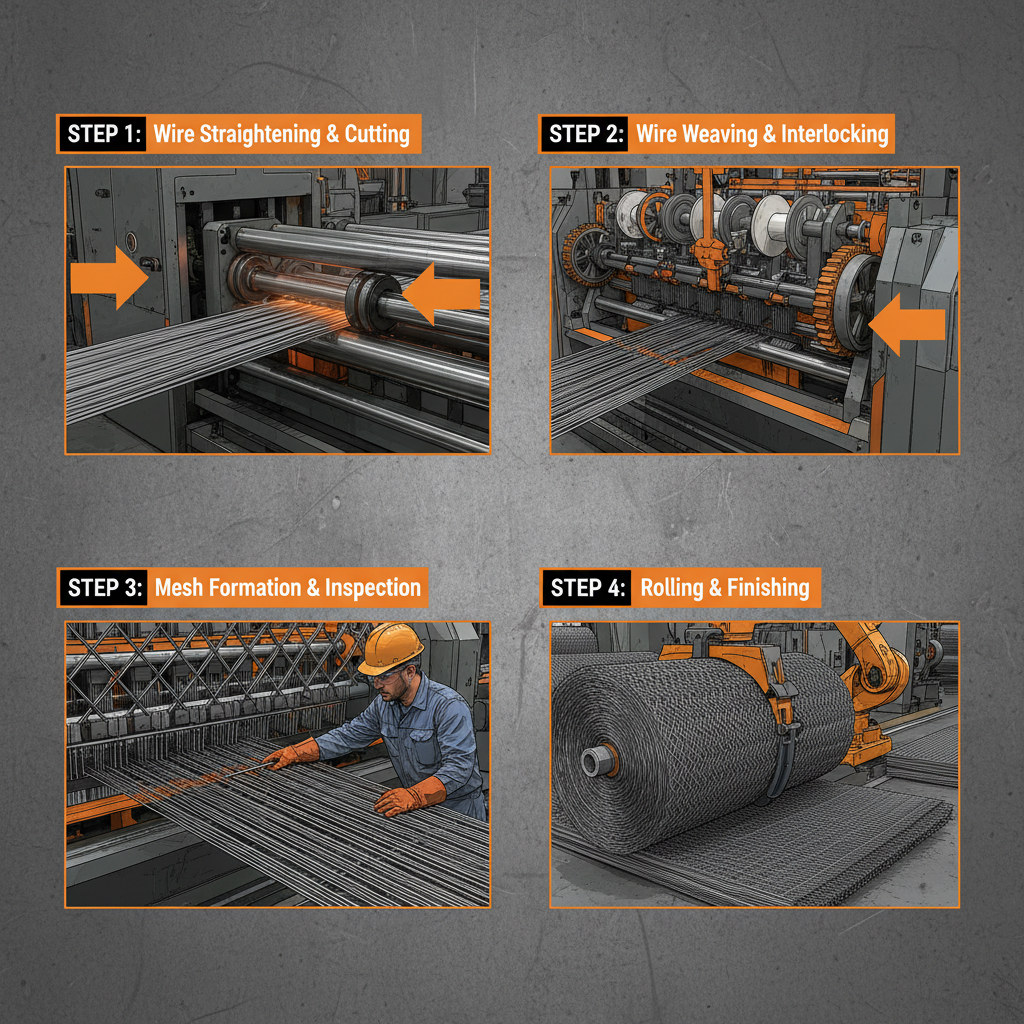
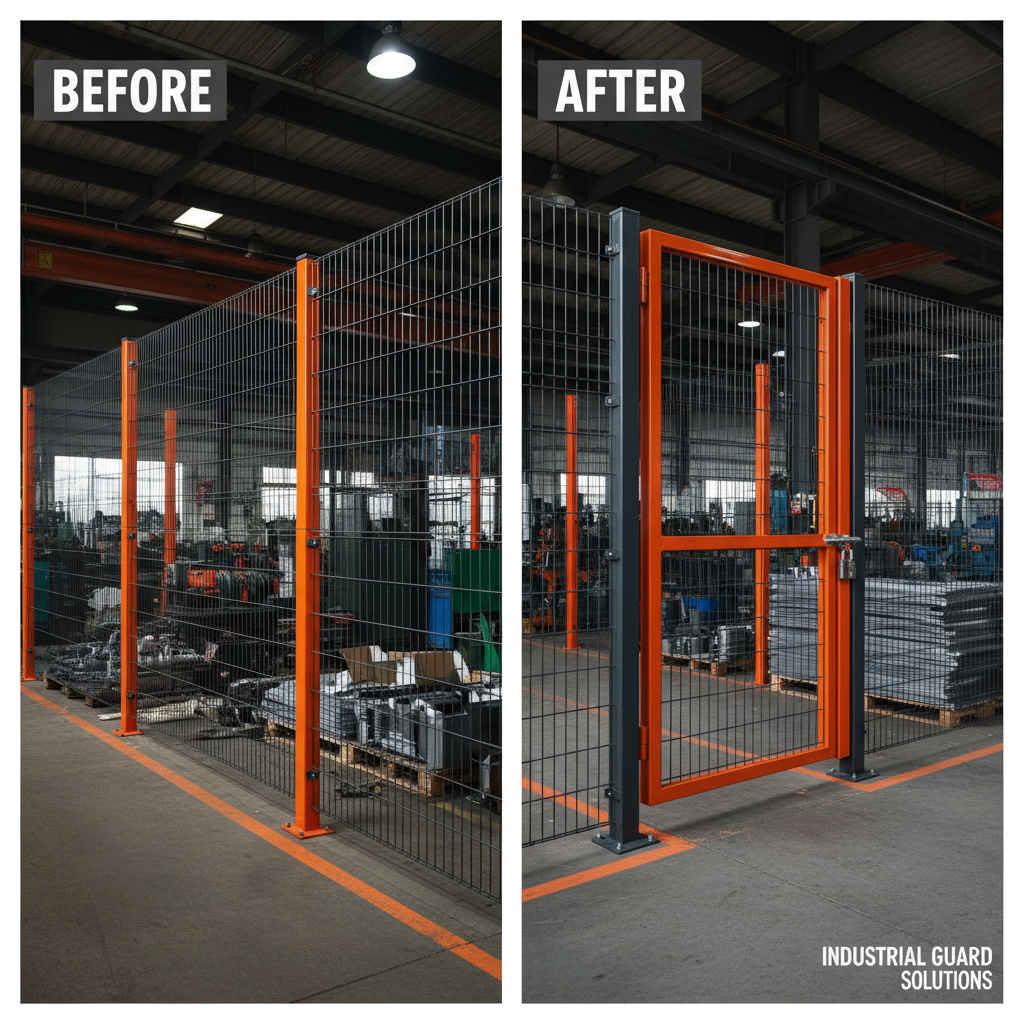
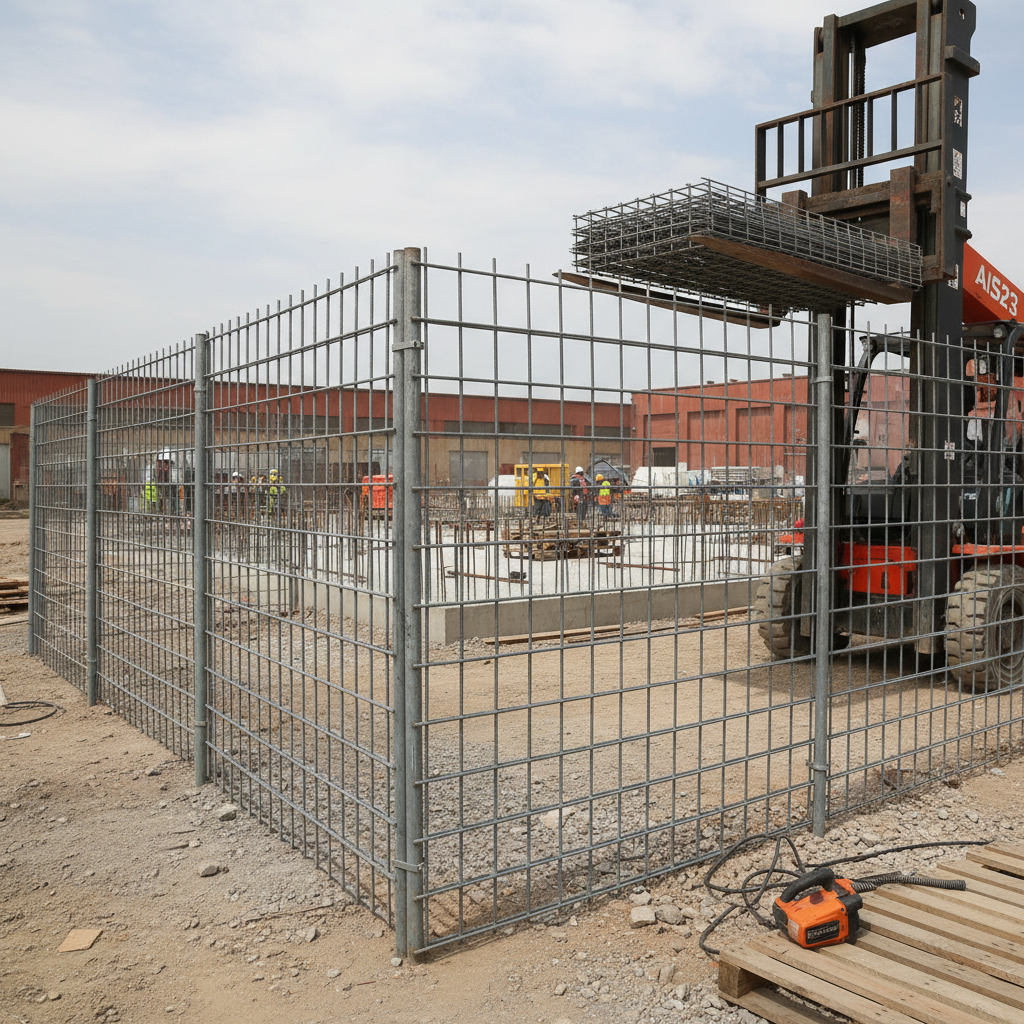
Oddly enough, while some might dismiss wire net fencing as “just wire,” it actually represents a thoughtfully engineered system, combining materials and craftsmanship that can withstand harsh industrial environments. Whether it’s protecting a factory perimeter, securing material yards, or even controlling livestock in some cases, this fencing style remains a go-to. You might say it’s the “workhorse” of industrial fencing.
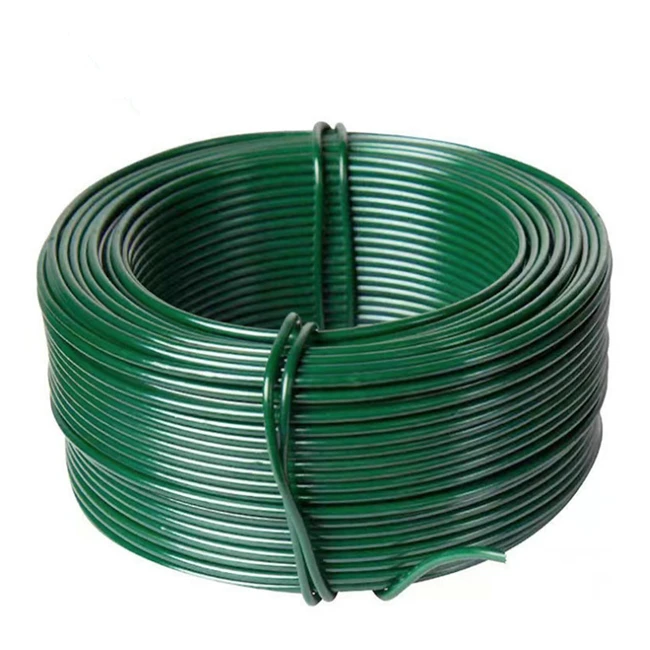
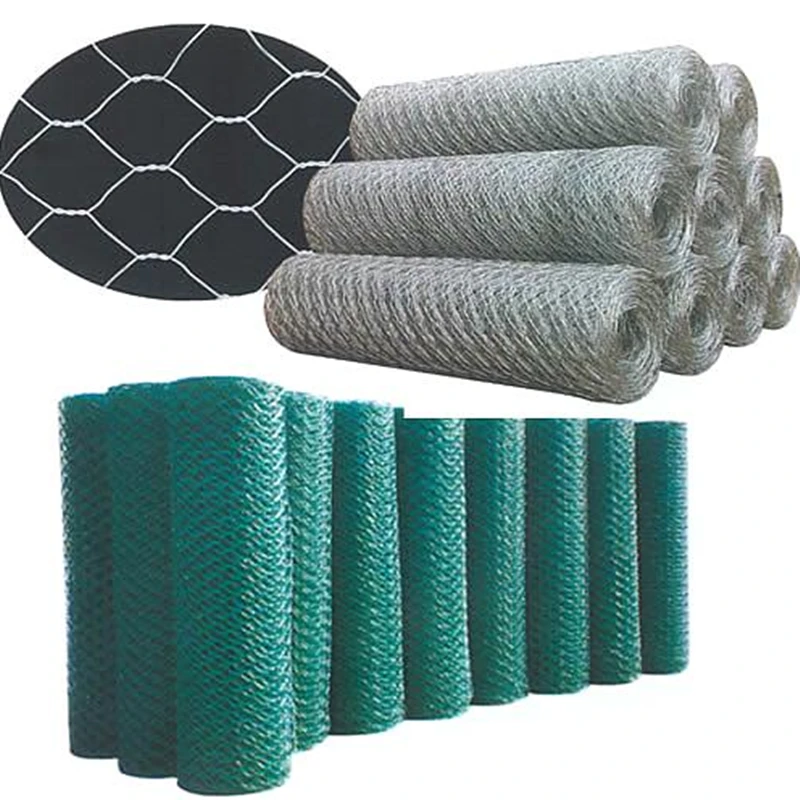
Now, if you’re searching for strong, adaptable fencing, wire net fencing is worth considering. The mesh size, wire thickness, and coating options can all be customized to fit specific site requirements. Not every project needs the same specs — I remember a client who needed ultra-corrosion resistance for a salty coastal site; the galvanized and PVC-coated option saved the day.
Here’s a quick rundown of typical wire net fencing product specifications that I often see in the field:
| Specification | Details |
|---|---|
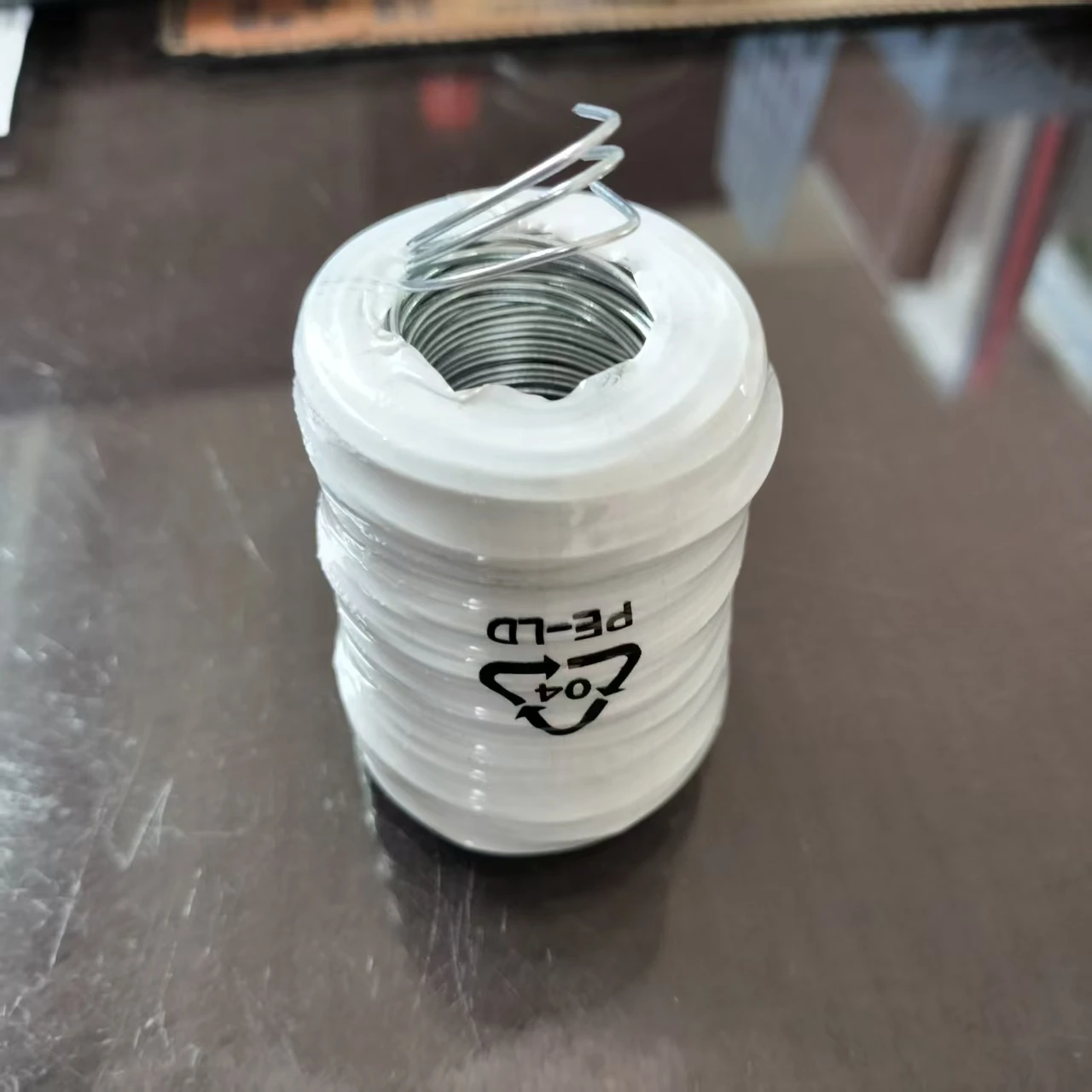
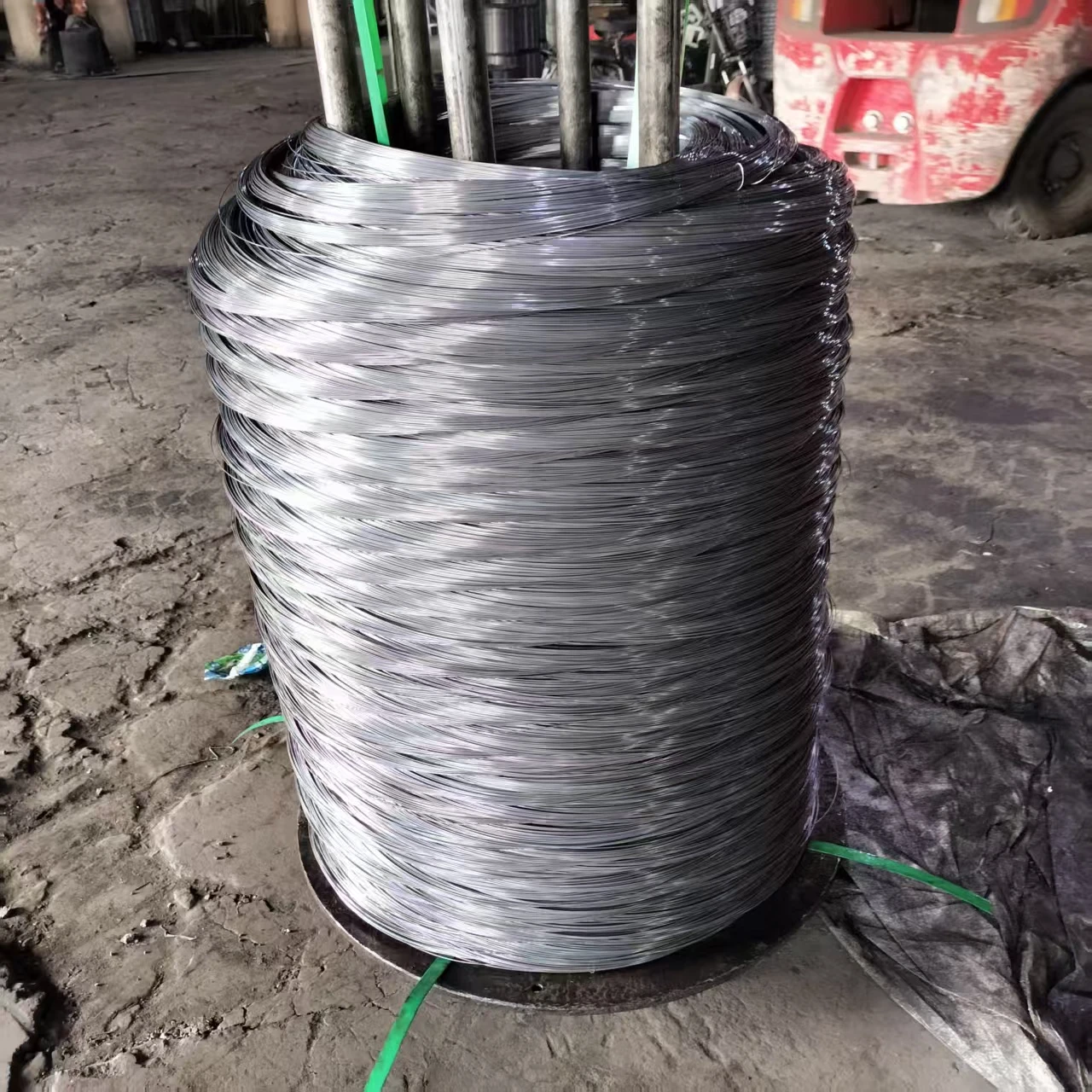
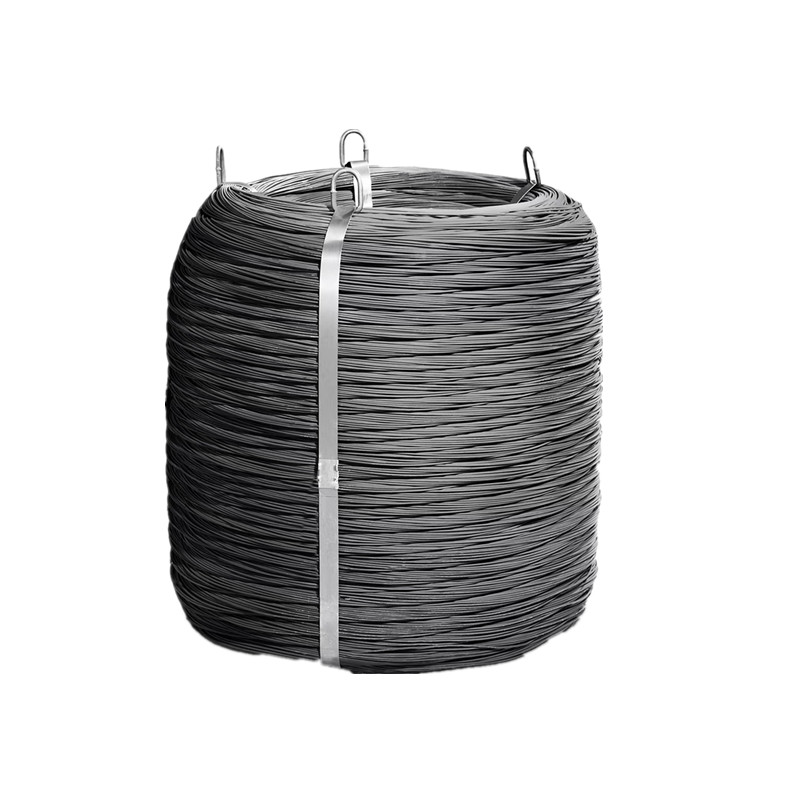
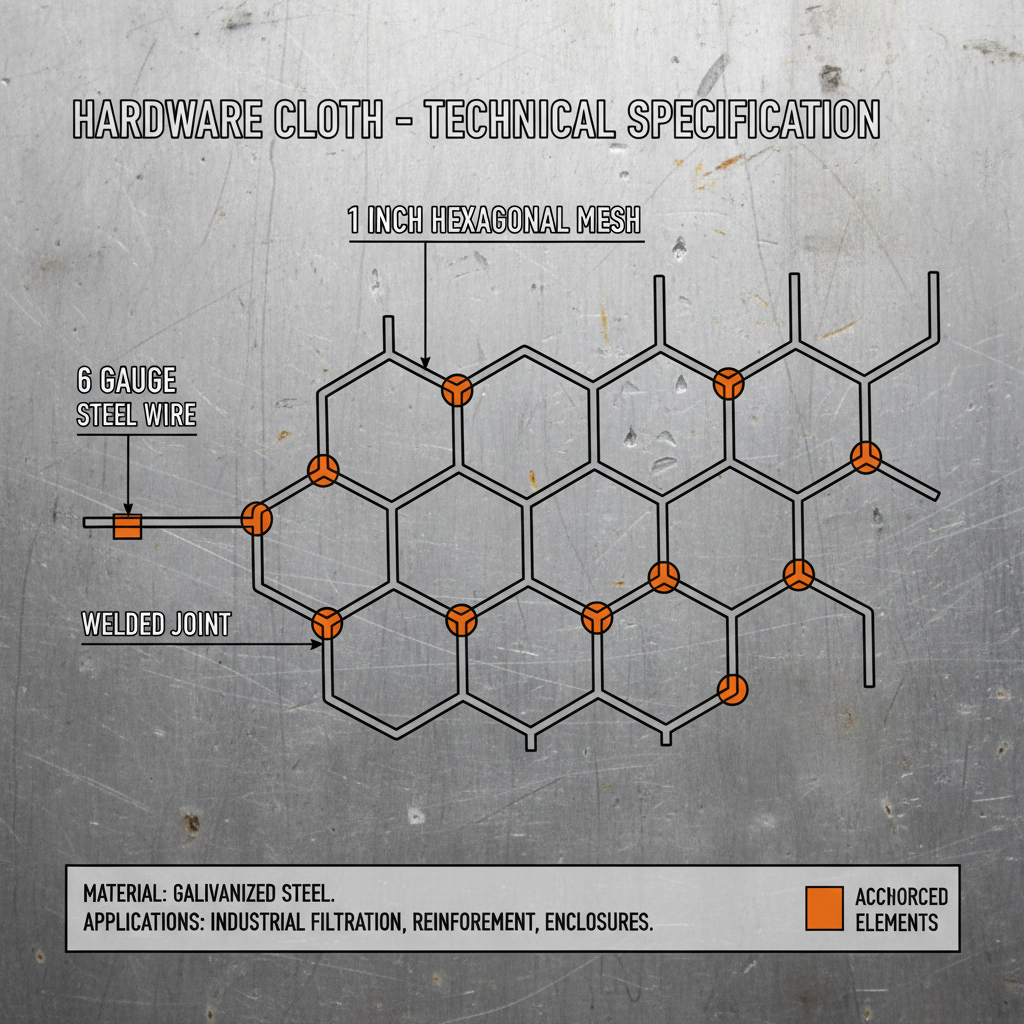
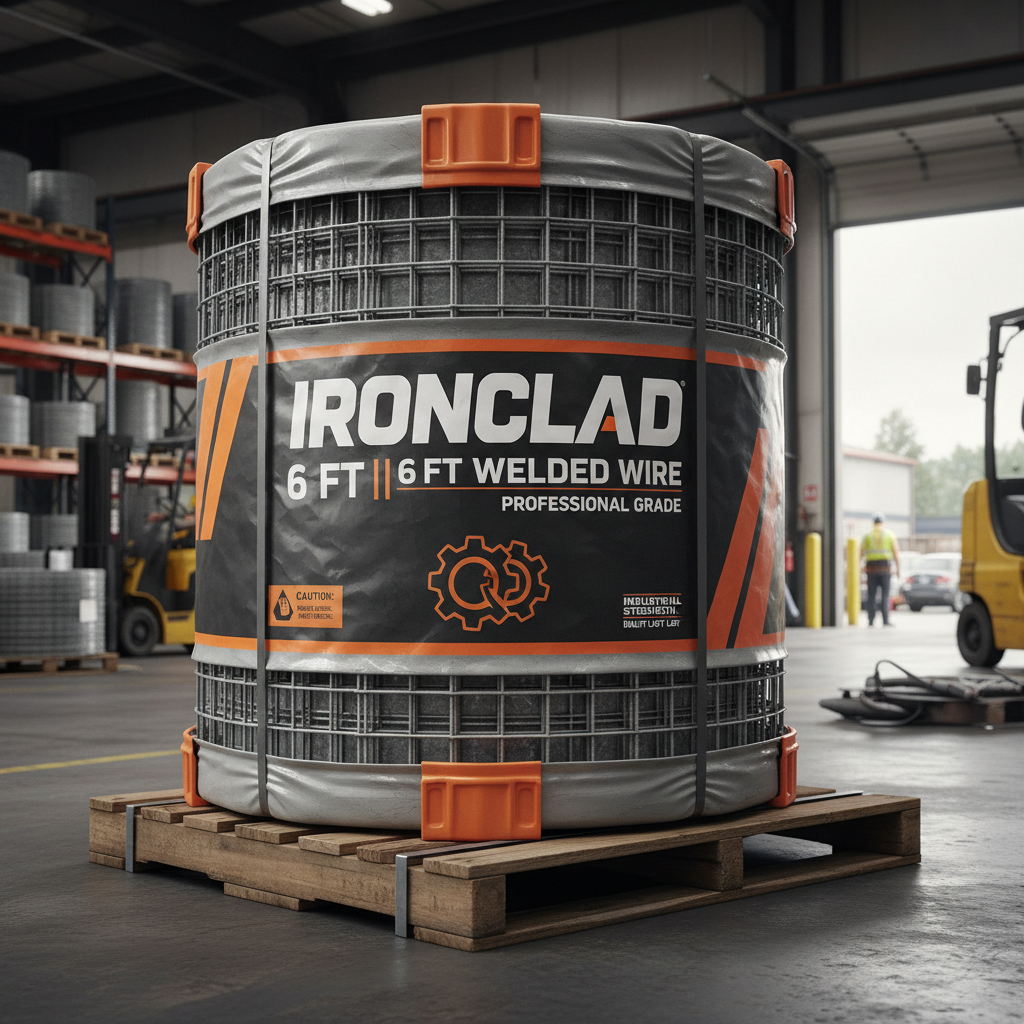
| Material | High tensile steel wire (galvanized or PVC-coated) |
| Mesh Size | Typically 50mm to 100mm openings |
| Wire Diameter | From 1.6mm to 4.0mm depending on strength needs |
| Height Range | 1.2m to 3.0m or custom |
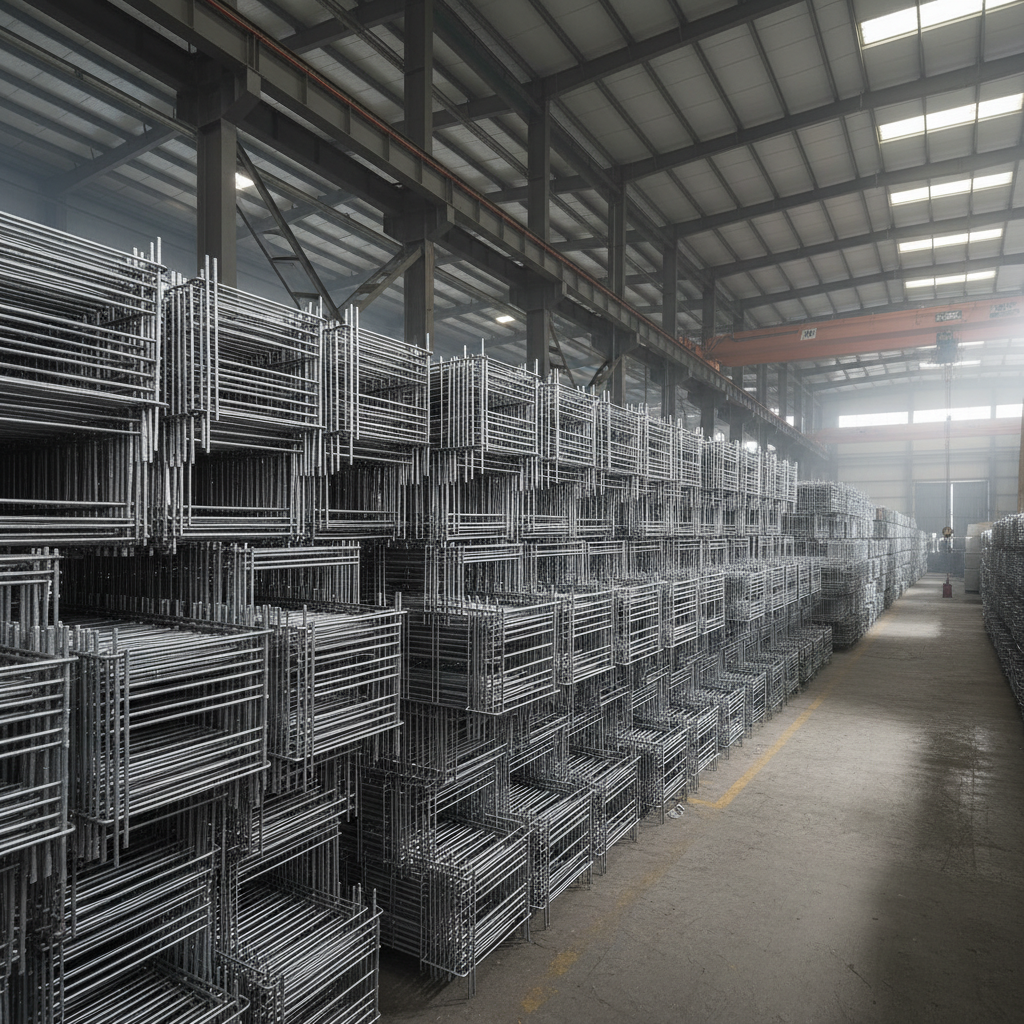
| Finish | Hot-dip galvanized, PVC coated, or both |
From hands-on inspection, the galvanized finish truly helps against rust—something you notice especially on sites near water or where occasional chemical exposure happens. Frankly, it’s saved many a fence from early replacement in my experience.
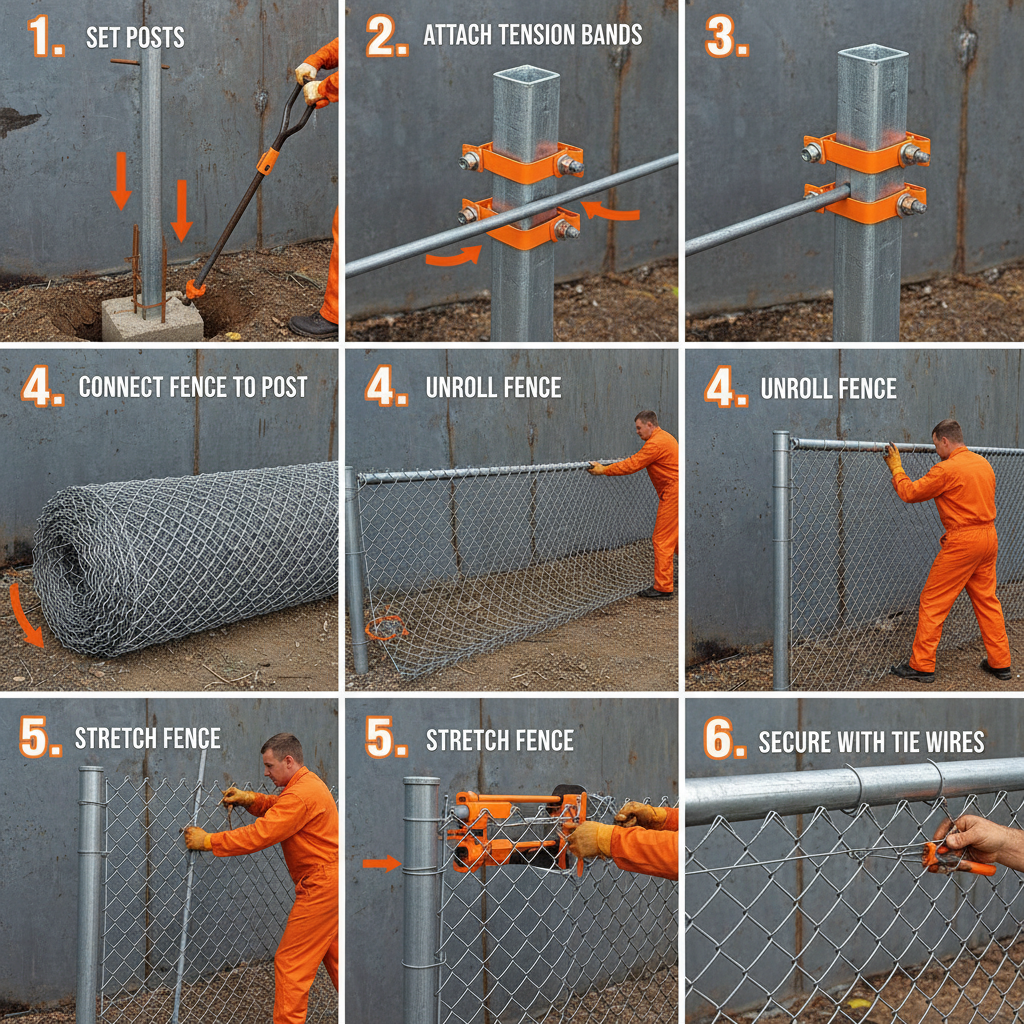
Many engineers I've worked with also value how wire net fencing is surprisingly easy to install compared to heavier panel systems — it requires fewer heavy tools and can adapt to varied terrain and curved perimeters due to its flexible mesh.
To help you get a better sense of the market, here’s a brief comparison of three typical vendors I’ve seen over the years. This is not exhaustive but should give a fair indicator of what to expect.
| Vendor | Material Quality | Customization | Typical Price Range | Lead Time |
|---|---|---|---|---|
| Lanye Wire Mesh | High tensile, triple zinc galvanized | Full customization available | Moderate | 2–3 weeks |
| Generic Industrial Fencing | Standard galvanized wire | Limited mesh and height options | Lower | 1–2 weeks |
| Premium Mesh Solutions | Galvanized + heavy PVC coating | Custom designs, plus additional security features | High | 3–4 weeks |
In real terms, if you need a balance between quality, customization, and fair pricing, wire net fencing from a reputable vendor like Lanye Wire Mesh can provide that sweet spot. I recall a recent project where the client praised how the fence was tailored exactly to their site’s unusual slope without additional heavy groundwork.
All that said, while wire net fencing works well for security and containment, it’s not always the best choice if aesthetics or privacy are your top priorities. You could supplement it with landscaping or privacy slats, but those do require more maintenance.
Ultimately, in the industrial fence game, reliability matters the most. Wire net fencing has stood the test of time for a reason, and frankly, it still feels like one of the most pragmatic choices on the market.
Quick takeaway: If you want a trustworthy, customizable barrier that balances strength with versatility, wire net fencing should be on your shortlist.
References:
1. Industry installation guides and standards
2. Field experience and client feedback over 10+ years
3. Supplier specifications and material datasheets