Understanding PVC Wire Mesh Fencing: A Global Perspective
In a world that’s increasingly conscious about sustainability, security, and cost-efficiency, pvc wire mesh fencing quietly plays a vital role. It’s one of those simple yet versatile solutions that keeps crops protected, construction sites safe, and even communities more secure at scale. Globally, with growing urbanization and infrastructural expansion, wire mesh fencing coated with PVC has gained traction because it balances durability with eco-conscious design. Learning what it is, why it matters, and where it’s heading gives a fresh appreciation of an often overlooked product.
Introduction: Why PVC Wire Mesh Fencing Matters Worldwide
At first glance, fencing might seem mundane, but it’s instrumental in tackling several pressing challenges worldwide. According to the World Bank, urban populations are expected to increase by 2.5 billion people by 2050, driving demand for secure boundaries and land management solutions. In developing and developed regions alike, pvc wire mesh fencing offers an affordable and resilient way to protect assets and define spaces.
Furthermore, the United Nations has emphasized safe infrastructure as part of its Sustainable Development Goals (SDGs), indirectly supporting the use of fencing solutions that sustain durability and environmental considerations. The harsh truth is, traditional fencing materials often succumb to rust or damage quickly, resulting in recurring expenses and risks. This is precisely where PVC-coated wire mesh shines — it’s engineered to meet modern needs for longevity and safety without breaking budgets.
What is PVC Wire Mesh Fencing?
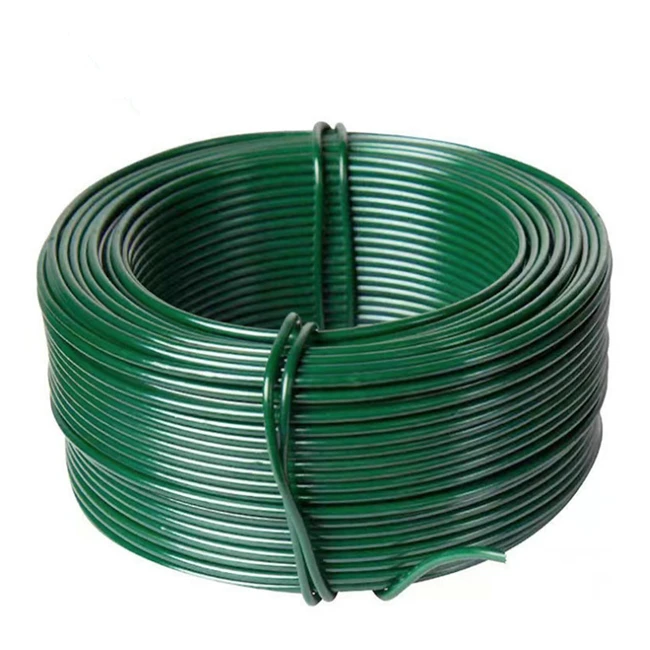
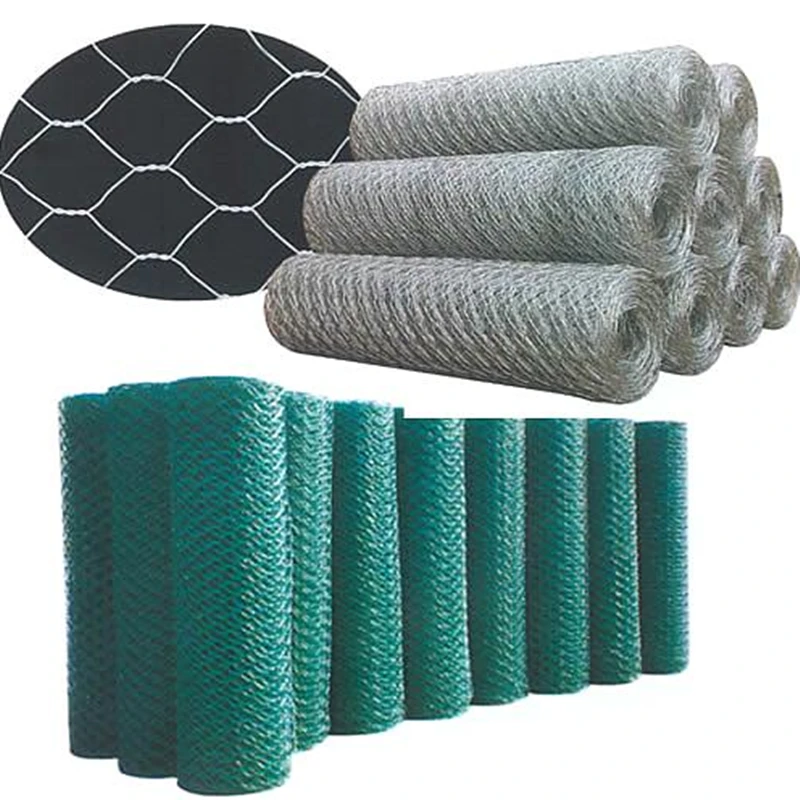
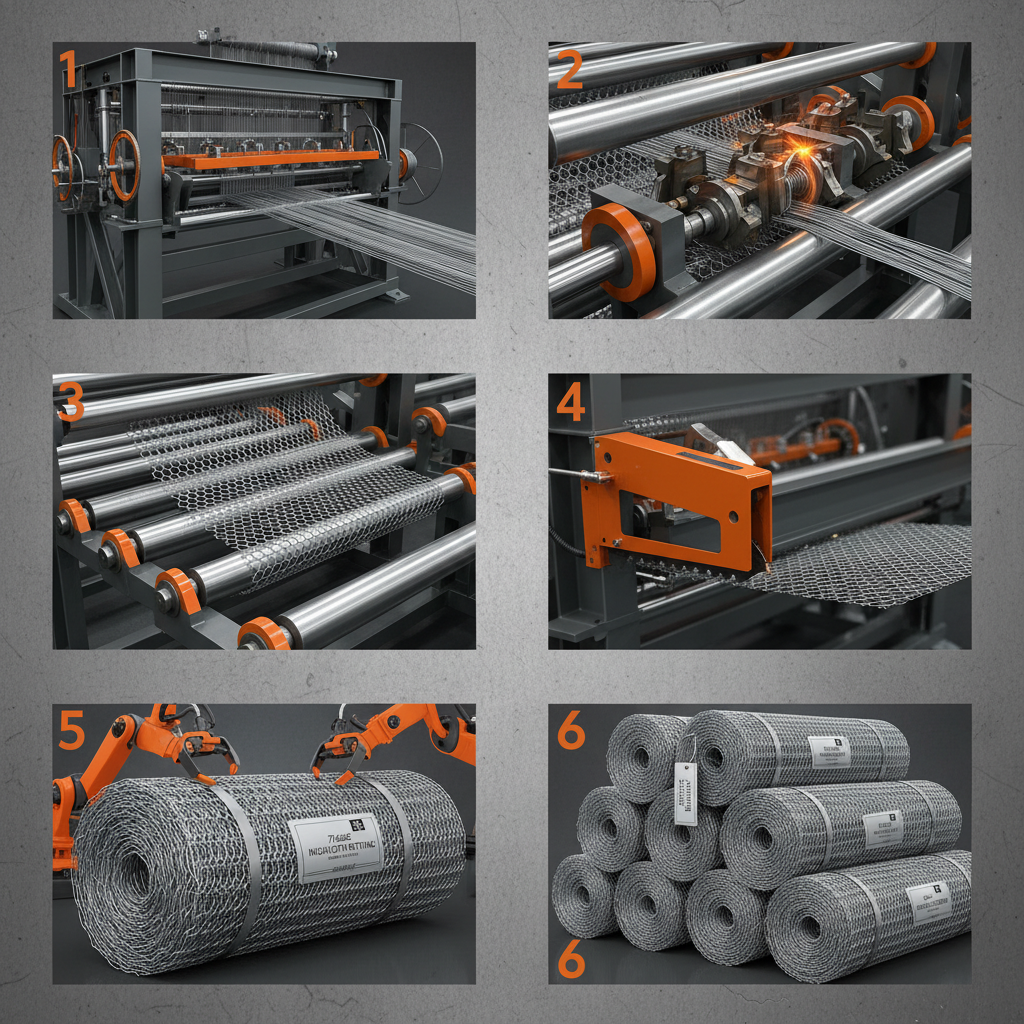
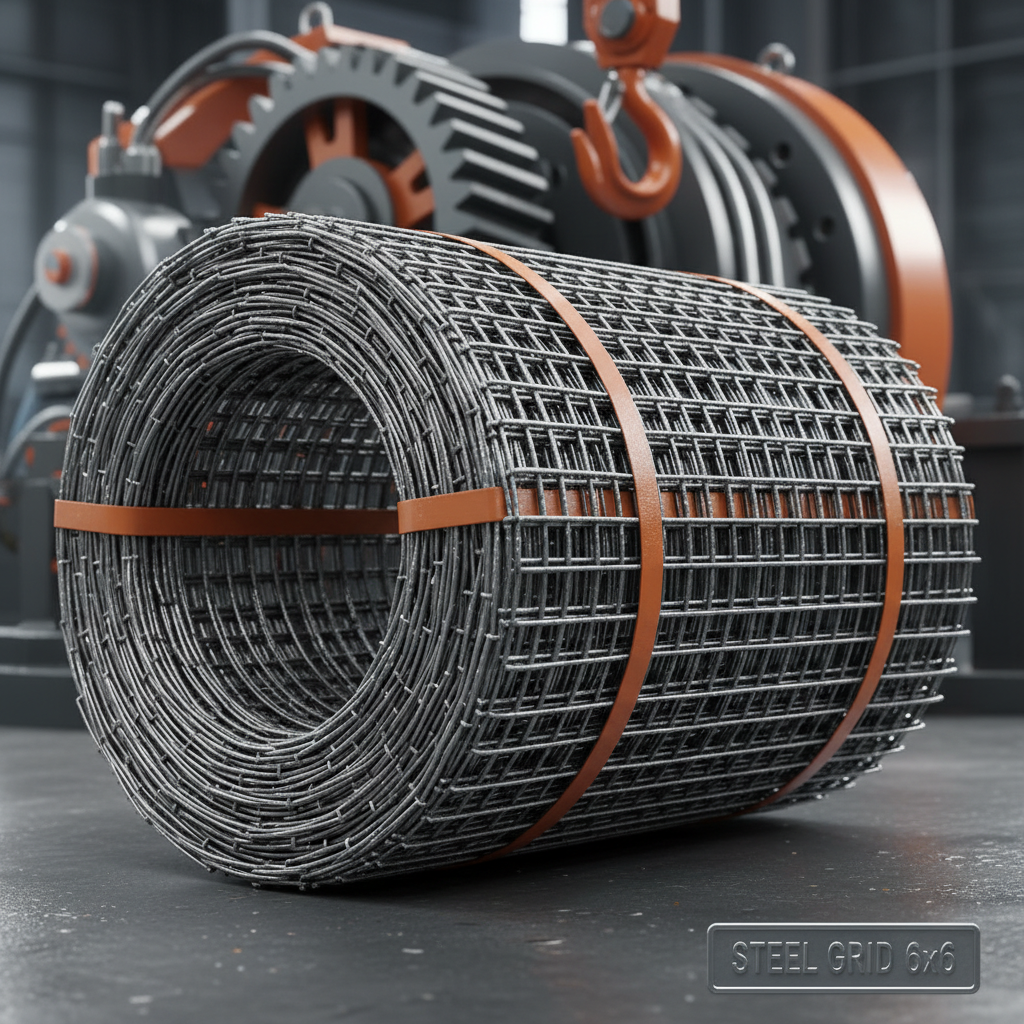
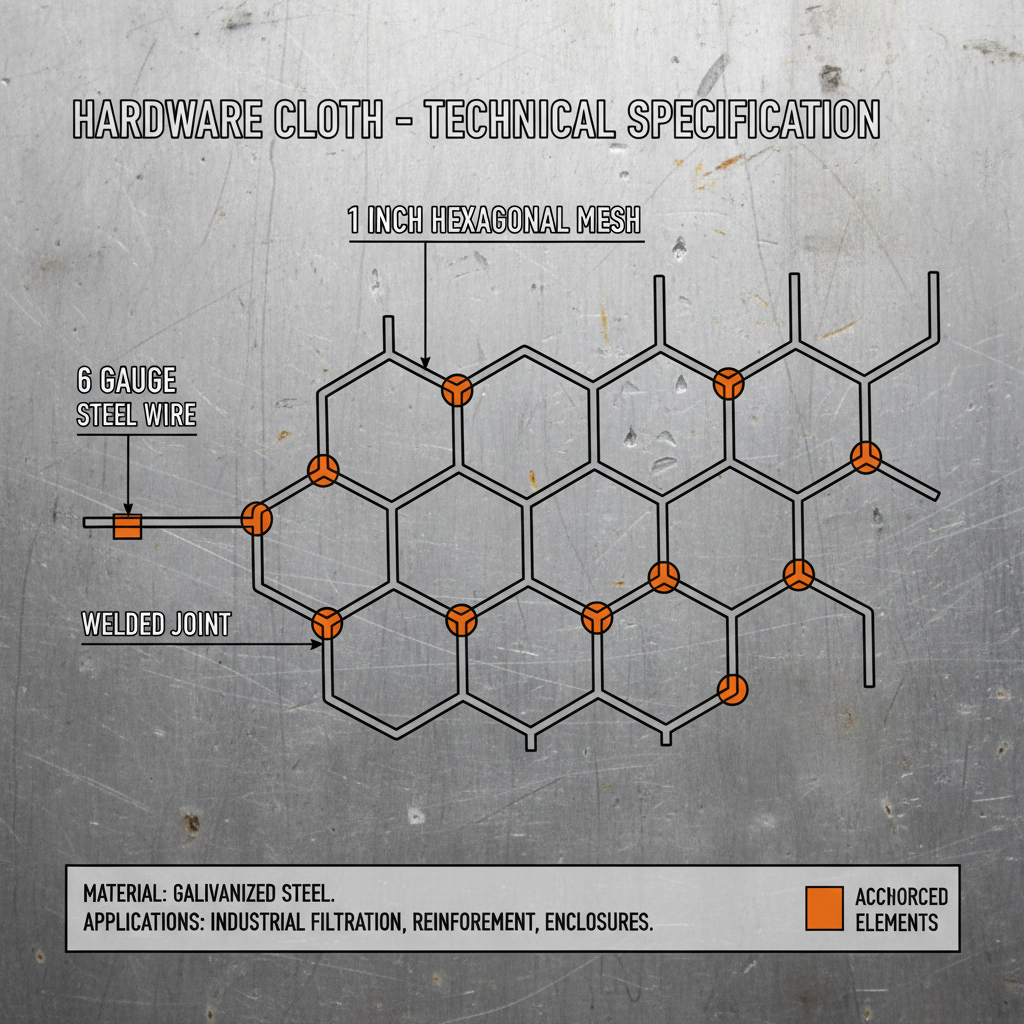
At its core, pvc wire mesh fencing consists of metal wire welded or woven into a mesh pattern, then coated with a layer of polyvinyl chloride (PVC). This plastic coating forms a protective shield that prevents corrosion, enhances weather resistance, and often contributes to an aesthetically pleasing finish — usually green or black, depending on the environmental conditions it's designed to resist.
Industrially, it’s a synergy between the strength of metal and the flexibility of plastic. From agricultural projects aiming to keep livestock in check, to disaster zones needing rapid yet sturdy enclosure, these fences offer an easy-to-install, low-maintenance option. Oddly enough, they’ve become something of a quiet staple in humanitarian aid for temporary camps or protective perimeters.
Key Components & Factors in PVC Wire Mesh Fencing
1. Durability
The PVC layer essentially acts as a barrier against rust and other environmental wear — meaning the fencing lasts well beyond uncoated options, especially in humid or coastal areas. I've noticed many engineers prefer PVC-coated mesh where longevity matters most.
2. Scalability
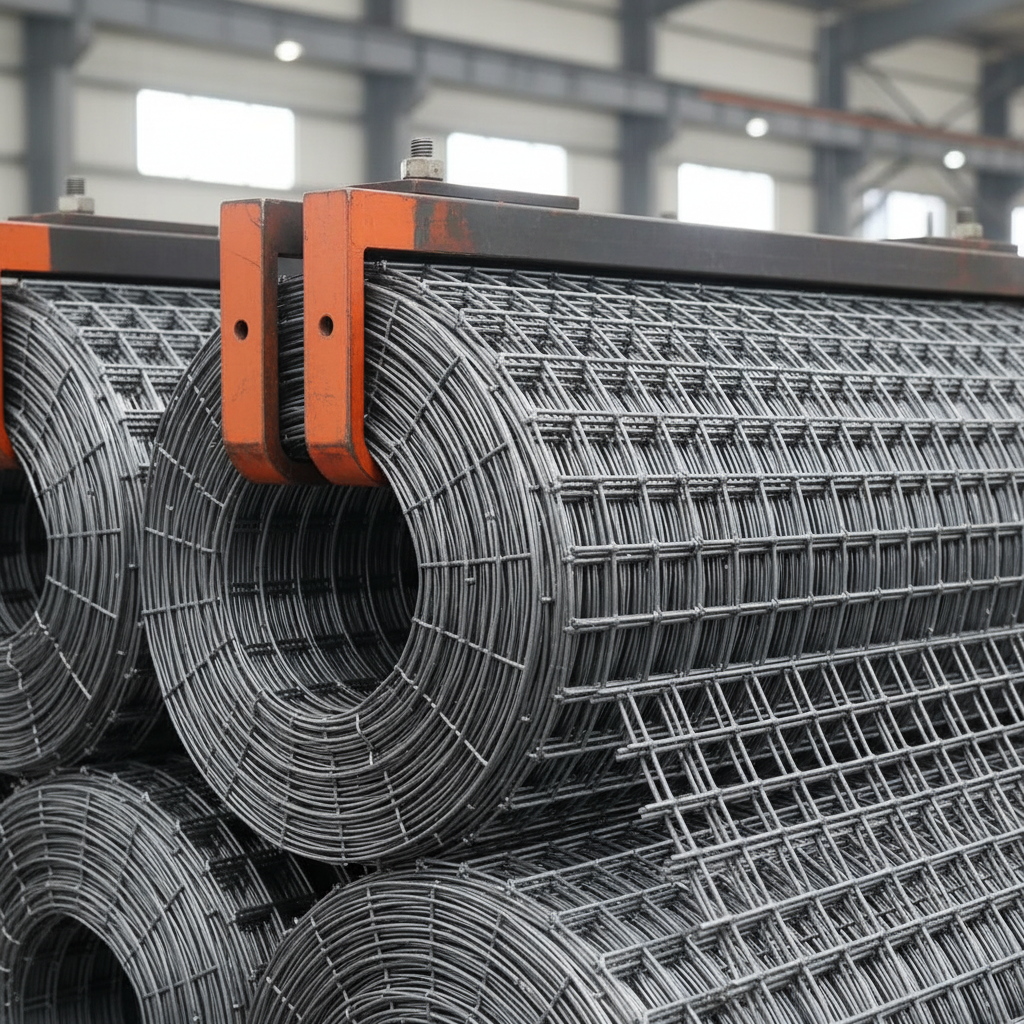
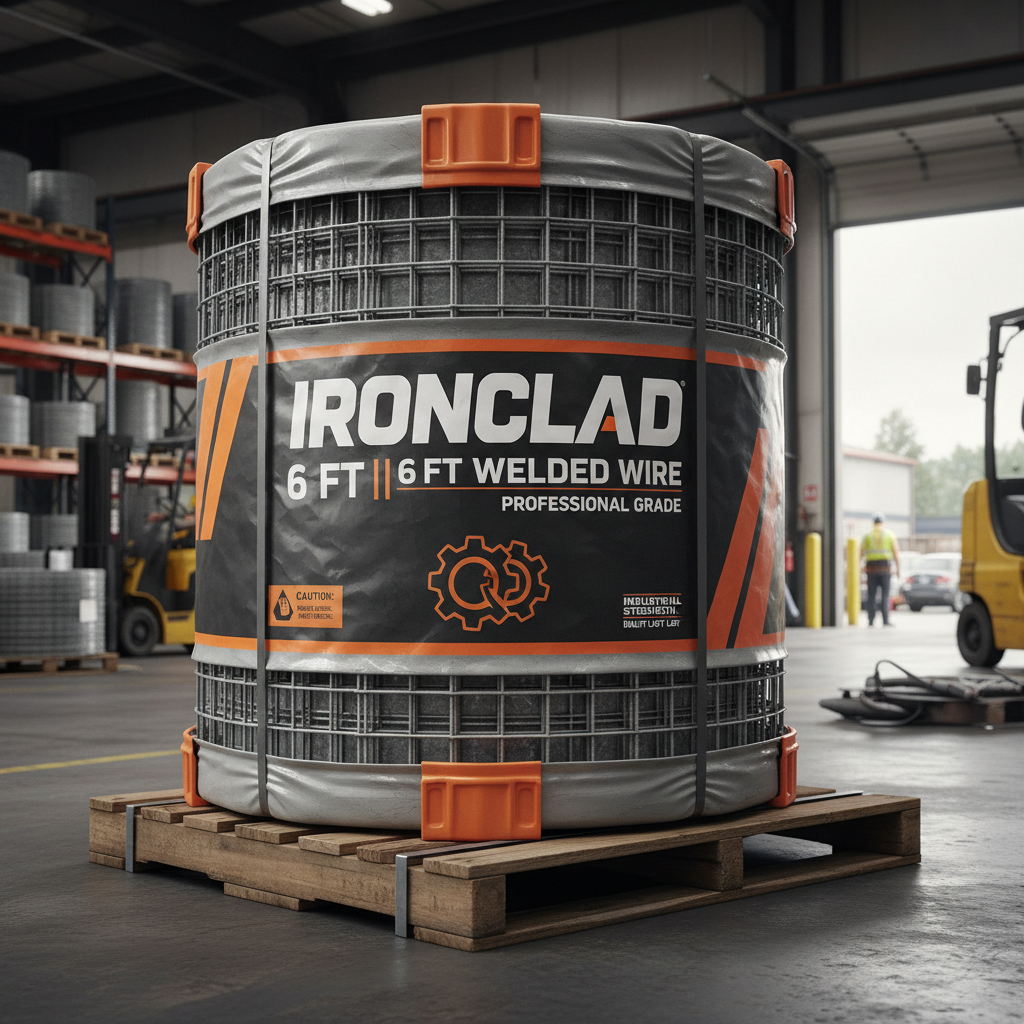
One neat thing about pvc wire mesh fencing is how easily it can be tailored to different sizes and specifications. Whether enclosing a tiny garden or sprawling industrial yard, panels can be joined seamlessly, allowing scalability without losing strength.
3. Cost Efficiency
Because it reduces the need for frequent replacements and maintenance, the upfront cost balances out over time. Plus, installation is generally faster compared to concrete or brick fencing, saving labor costs.
4. Aesthetic Flexibility
PVC coatings don’t just protect - they add color and smoothness that blend nicely with natural landscapes or urban environments. It feels like a small touch but really affects people's comfort and perceptions of security.
5. Environmental Resistance
The coating offers protection from UV light, chemical exposure, and temperature swings. This is crucial for outdoor installations in extreme climates — think of mining operations in frozen tundras or tropical agricultural zones.
Specifications of a Typical PVC Wire Mesh Fencing Panel
| Specification | Details |
|---|---|
| Material | Galvanized steel wire with PVC coating |
| Mesh Size | Typically 50mm x 50mm (varies) |
| Wire Diameter | 2.0–4.0 mm |
| Coating Thickness | 0.5–1.0 mm |
| Panel Dimensions | 2m x 2.5m (standard) |
| Color Options | Green, black, custom on request |
Global Applications & Use Cases
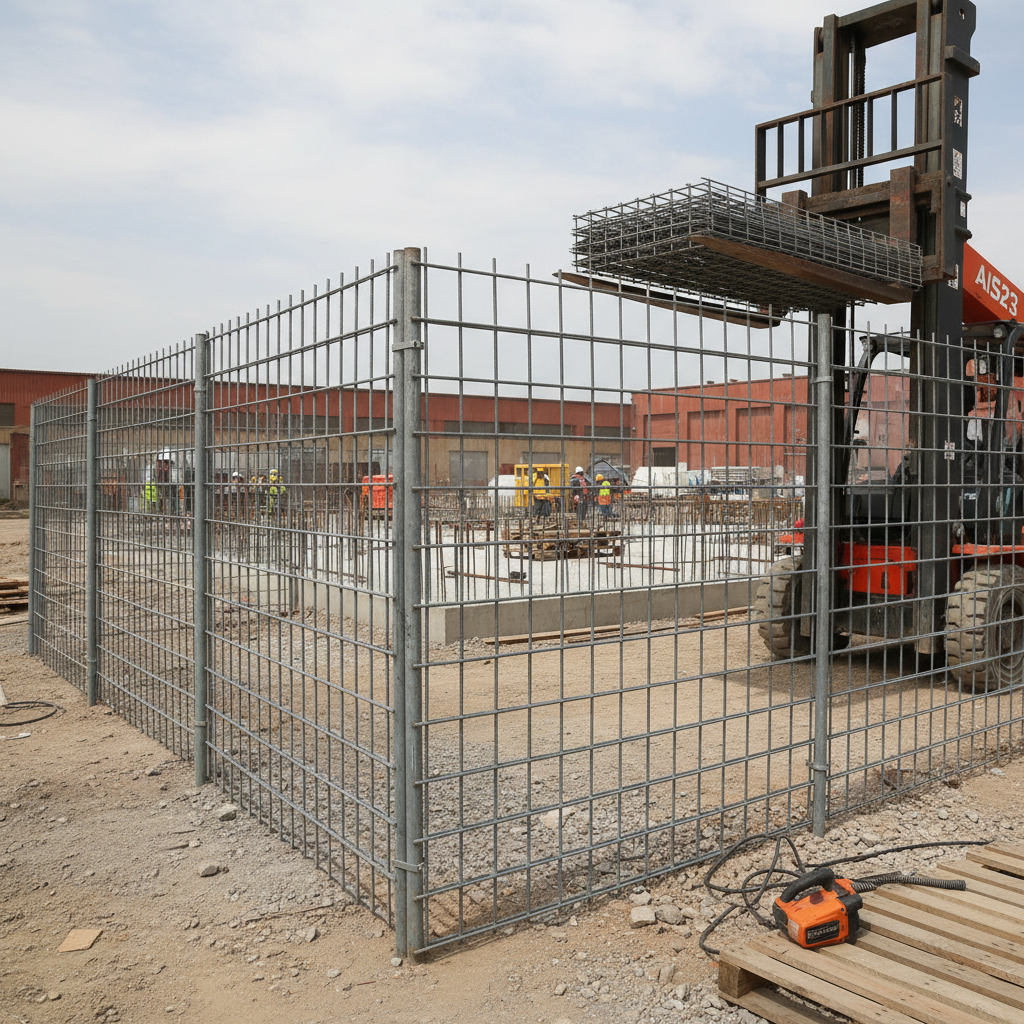
In real terms, the applications of pvc wire mesh fencing span from the mundane to the critical. Agricultural sectors in countries like Brazil and India use these fences to safeguard crops and livestock against wildlife or trespassers. Meanwhile, in the European Union and North America, construction firms rely on it for temporary site security that doesn’t tip the environmental scales.
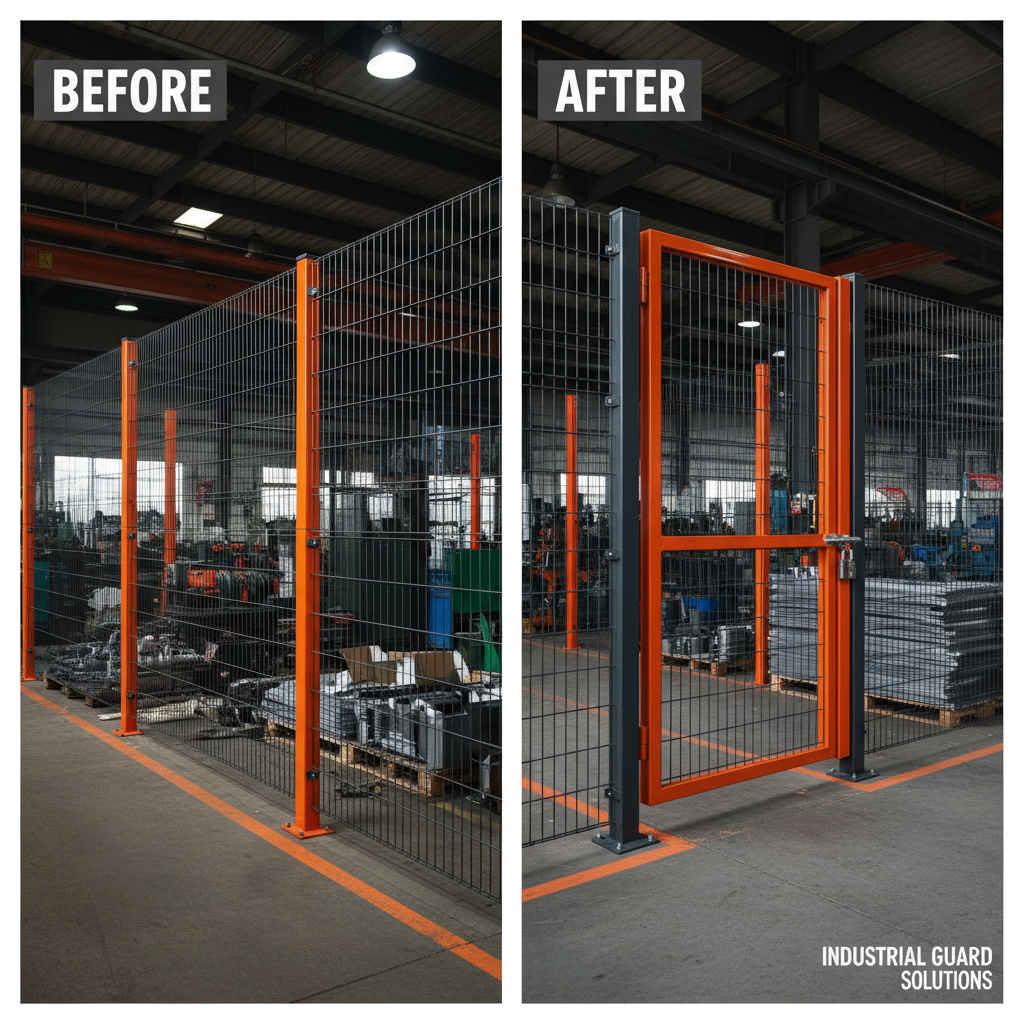
Humanitarian organizations often deploy these fences in temporary refugee camps in the Middle East and Africa, creating secure but humane perimeters that respect privacy and community dignity. Oddly enough, in East Asia’s industrial zones, it simultaneously serves as a safety barrier and a way to visually organize sprawling factory complexes.
Advantages & Long-Term Value of PVC Wire Mesh Fencing
- Cost Savings: Longevity and low maintenance reduce life-cycle costs.
- Environmental Impact: The reduction in repeated material replacement lowers waste.
- Safety and Security: Strong yet visible fencing fosters a feeling of trust and protection.
- Aesthetic Satisfaction: Tailored colors and neat finishes improve visual integration with surroundings.
- Social Impact: Durable fencing supports safe spaces whether for industry, disaster relief, or community use.
Vendor Comparison: PVC Wire Mesh Fencing Providers
| Provider | Material Quality | Customization | Lead Time | Price Range |
|---|---|---|---|---|
| LANYE Wire Mesh | High-grade galvanized steel + thick PVC | Fully customizable sizes and colors | 2–4 weeks | $$$ |
| Standard Fencing Co. | Moderate quality galvanized wire | Limited standard sizes | 1–3 weeks | $$ |
| EcoMesh Solutions | Eco-friendly PVC blend but thinner gauge | Custom color on volume | 3–5 weeks | $$$ |
Challenges & Innovative Solutions
While pvc wire mesh fencing is versatile, it’s not without its hurdles. PVC coatings can degrade over extremely long exposure to UV light, especially in very sunny regions. Installation on uneven terrain can pose difficulties aligning panels neatly, and cheap wire variants risk compromising integrity early.
The good news is that material scientists are exploring UV-stabilized coatings and recycling programs that lower the plastic footprint. Manufacturers now also offer modular clip systems that accommodate terrain variance easily without sacrificing structural strength.
Future Trends & Innovations Shaping PVC Wire Mesh Fencing
Looking forward, sustainability is a huge driver. Expect more bio-based PVC coatings that reduce environmental impact and better integration with smart fencing technologies — for instance, mesh embedded with low-power sensors monitoring breaches or stress.
Digital transformation is reaching this sector too: smarter supply chains and customization through AI-enabled platforms mean clients can get tailored fencing designs quicker and cheaper. The increasingly automated construction sector may see prefab fence modules, reducing labor requirements further.
FAQ: Your Questions on PVC Wire Mesh Fencing Answered
- Q: How does pvc wire mesh fencing compare to traditional metal fencing in lifespan?
A: Typically, PVC coated fencing lasts 2–3 times longer than uncoated wire, thanks to its protection against rust and weathering. Expect 10–15 years with proper maintenance. - Q: Can these fences be used in coastal zones prone to salty air?
A: Yes, PVC coatings provide an excellent barrier against salt corrosion, making them suitable for coastal and marine applications. - Q: Is pvc wire mesh fencing recyclable?
A: The steel core is fully recyclable. PVC is more complex but advances in recycling technologies allow some recovery; inquire with your vendor about take-back programs. - Q: What installation expertise is required?
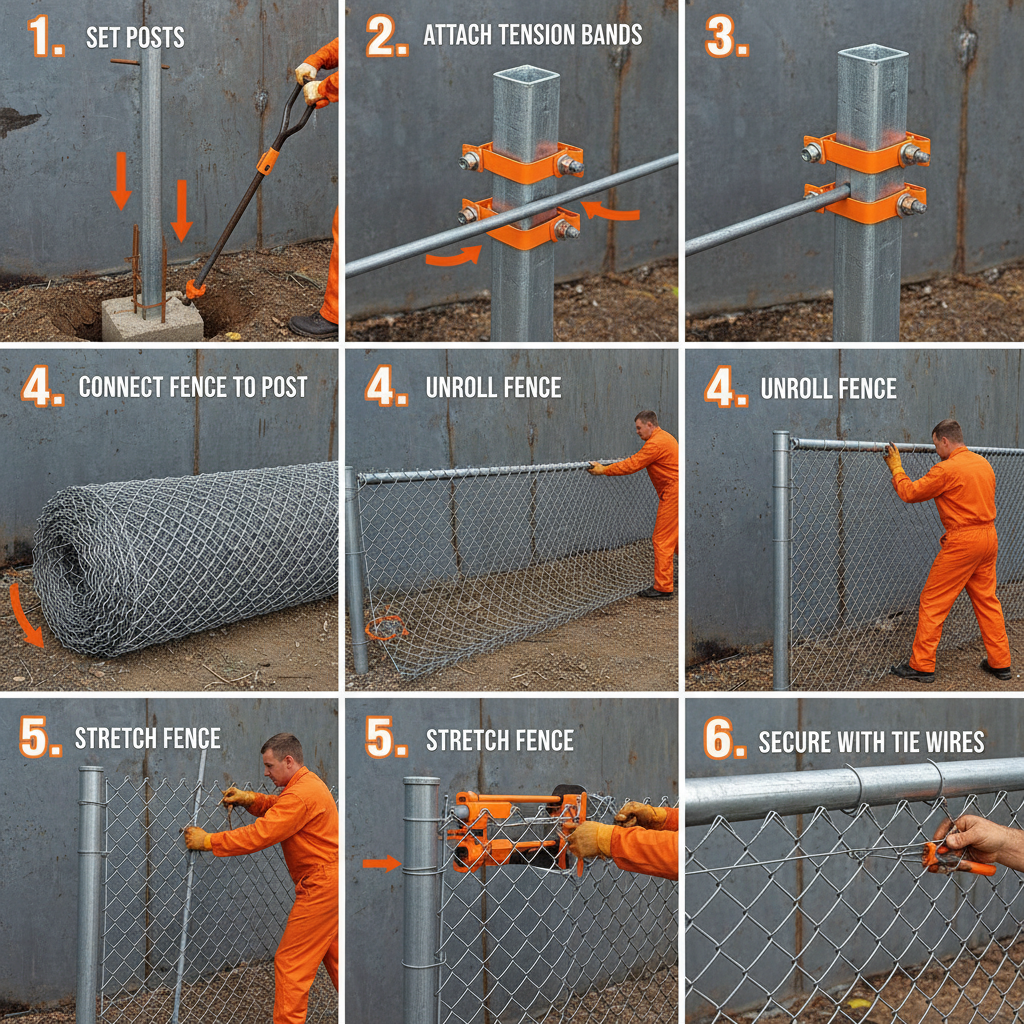
A: Installation is generally straightforward and supported by modular panels—however, skilled installers improve speed and durability, especially on irregular terrain.
Conclusion
All in all, pvc wire mesh fencing represents a blend of practical innovation and adaptable design that meets the demands of a changing global landscape. It manages to be cost-effective, durable, and sustainable—no small feat for something as “simple” as fencing. For anyone involved in agriculture, construction, or humanitarian projects, it’s a solution worth keeping on radar.
If you’re curious about options, customization, or need expert advice, visit our website to explore a range of products and get tailored support—because sometimes the best security is built with smart choices and quality materials.
Mini takeaway: PVC wire mesh fencing is more than just a boundary; it’s a cost-effective, durable solution helping communities and industries worldwide build safer, longer-lasting environments.
References:
1. United Nations Sustainable Development Goals, Infrastructure Safety.
2. World Bank Urban Development Statistics.
3. Wikipedia - Wire Mesh