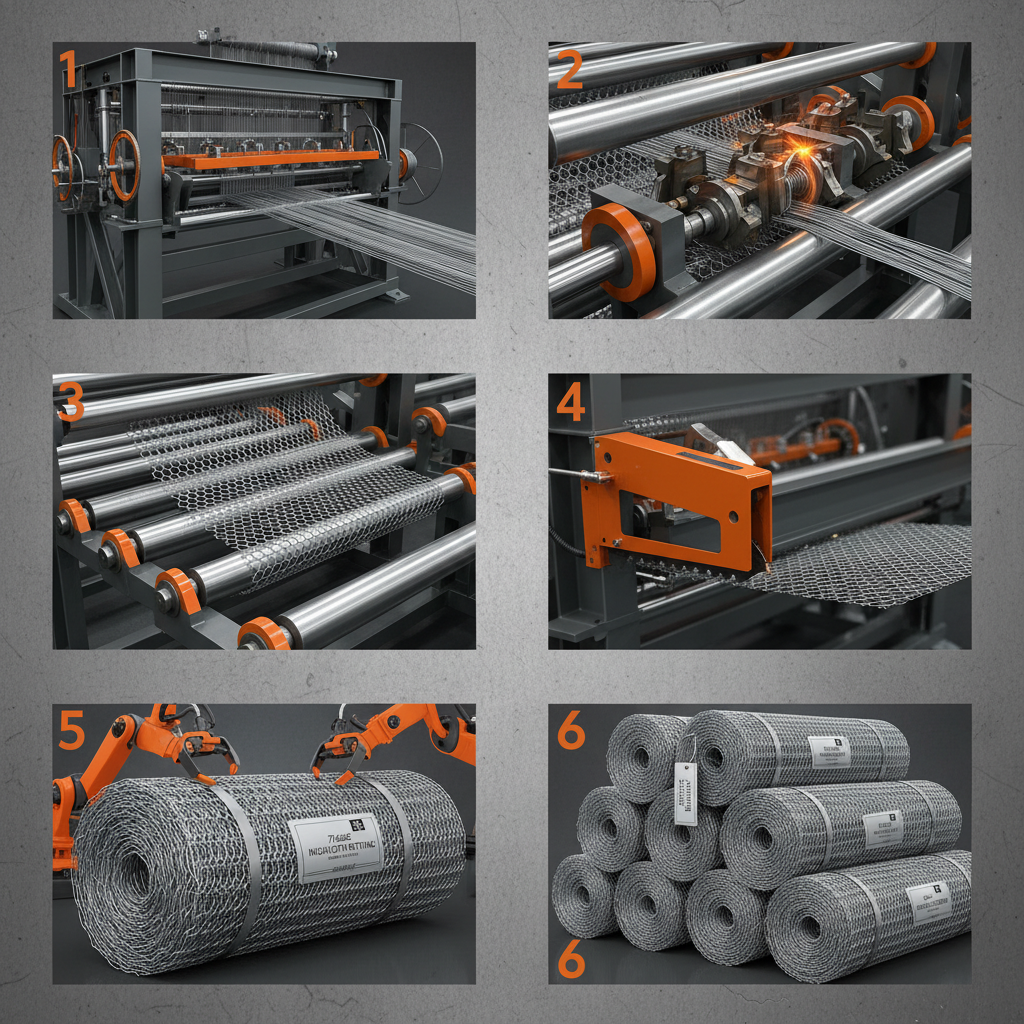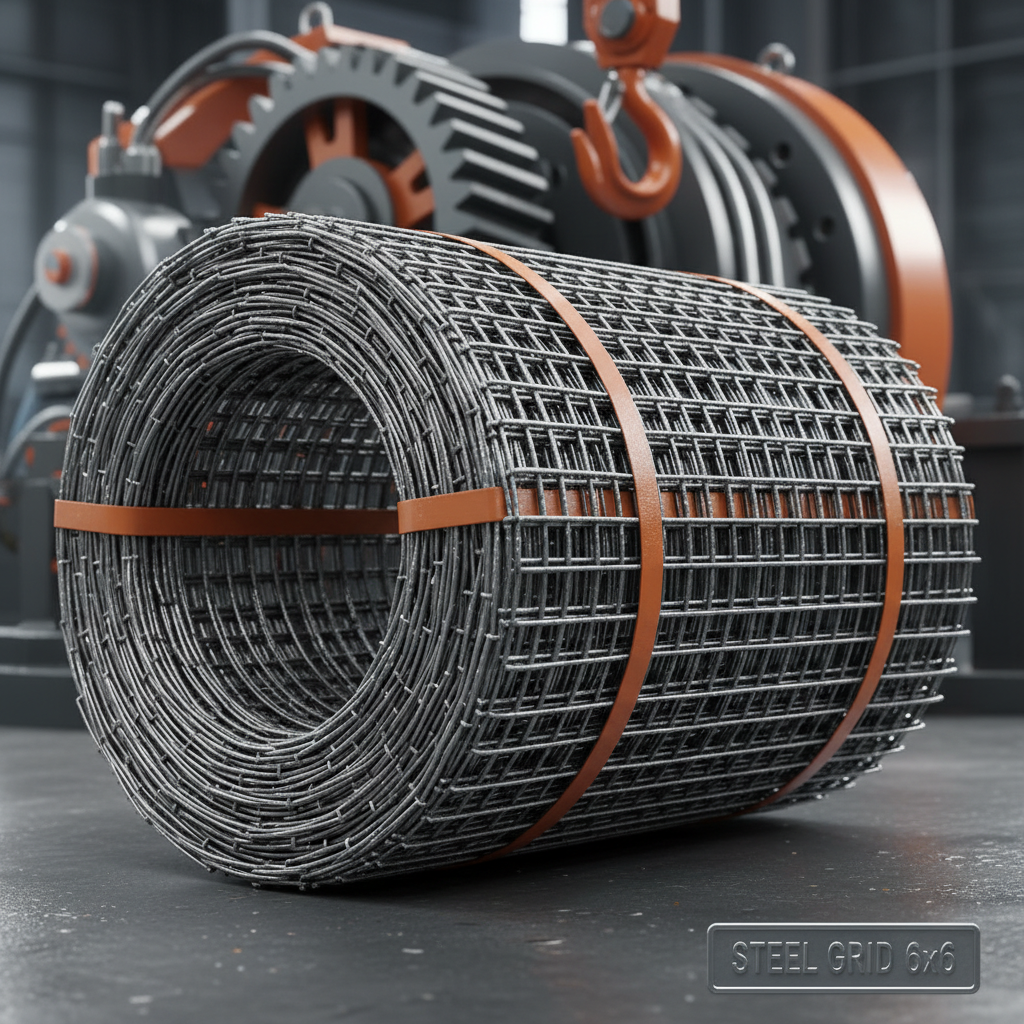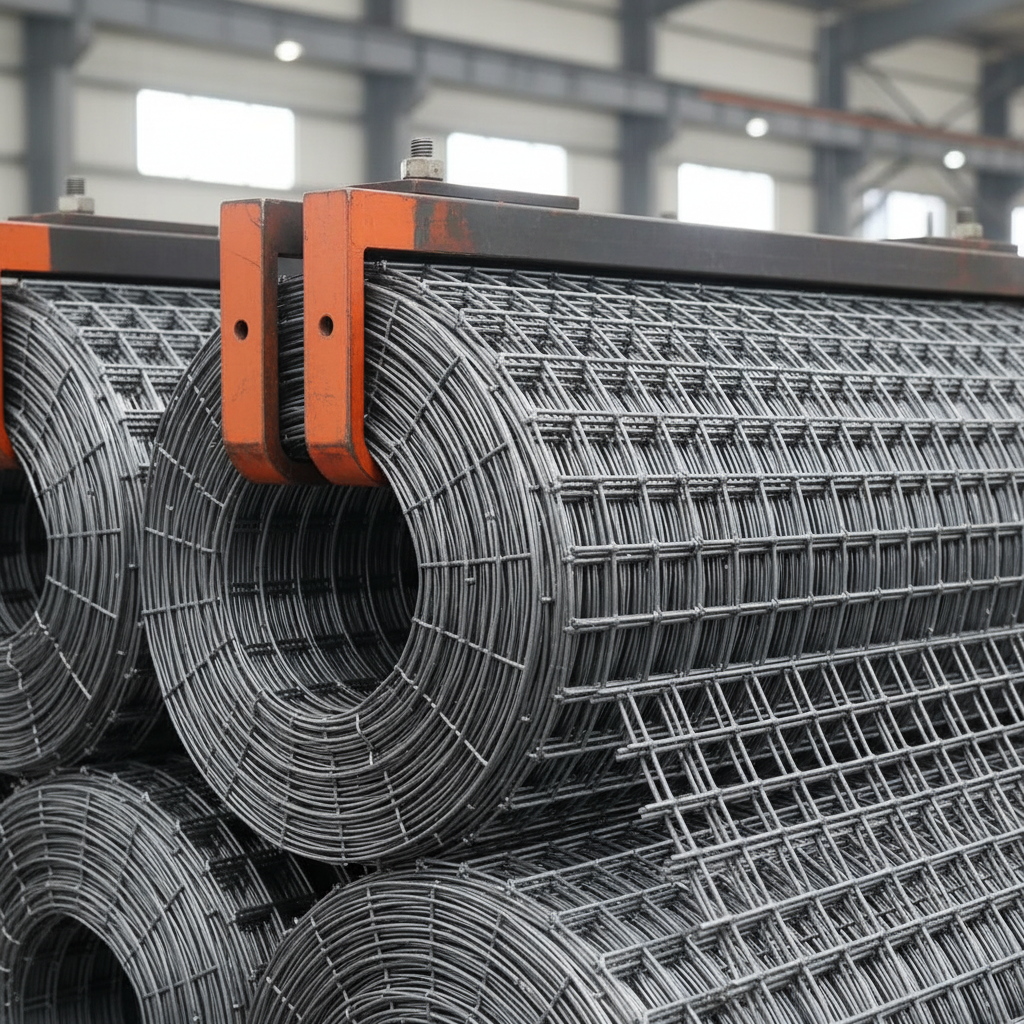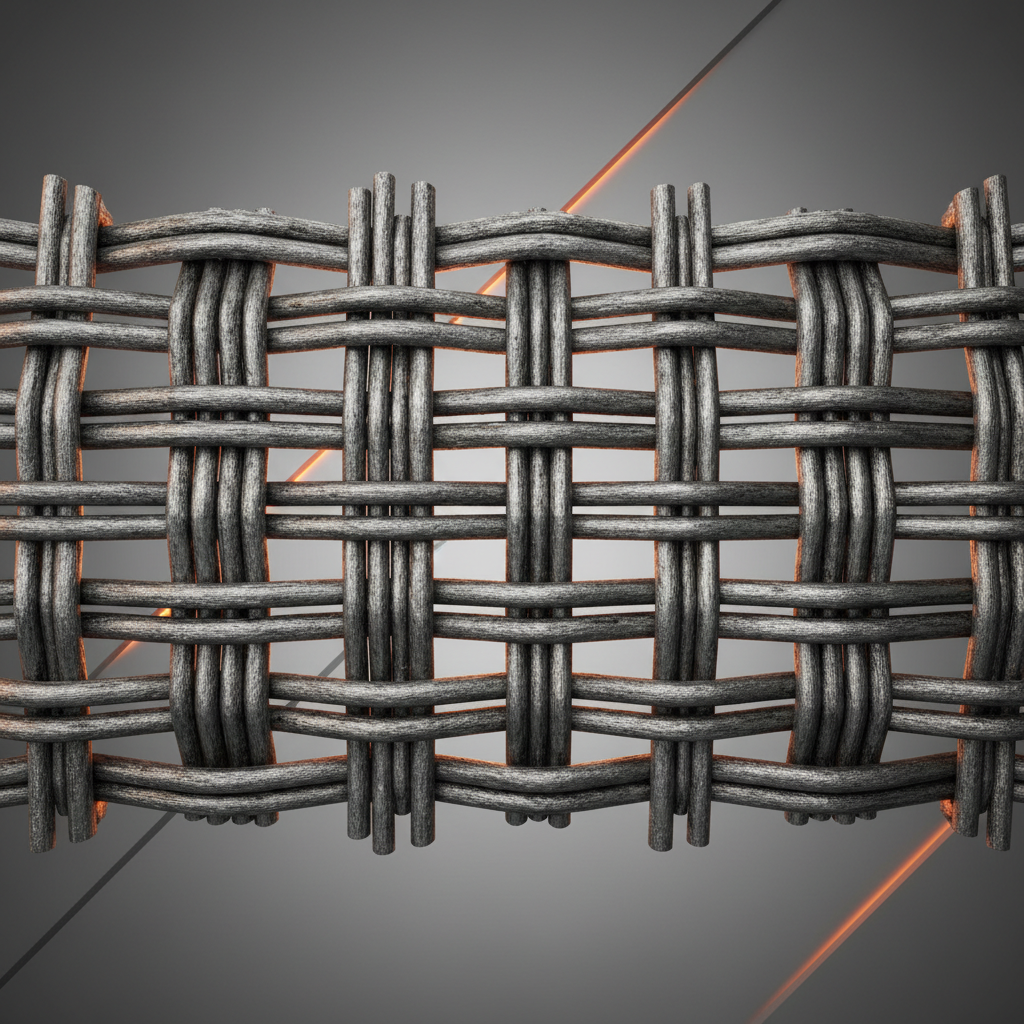
Quarter Inch Wire Mesh is a key solution in the industry, specifically within manufacturing, construction, and filtration sectors. This article explores how Lanye Wire Mesh supports professionals with durable, high-performance products, and explains why this product is an ideal choice for businesses in these sectors.
Table of Contents
- Quarter Inch Wire Mesh Overview
- Benefits & Use Cases of Quarter Inch Wire Mesh
- Cost, Maintenance & User Experience
- Sustainability & Market Trends
Quarter Inch Wire Mesh Overview
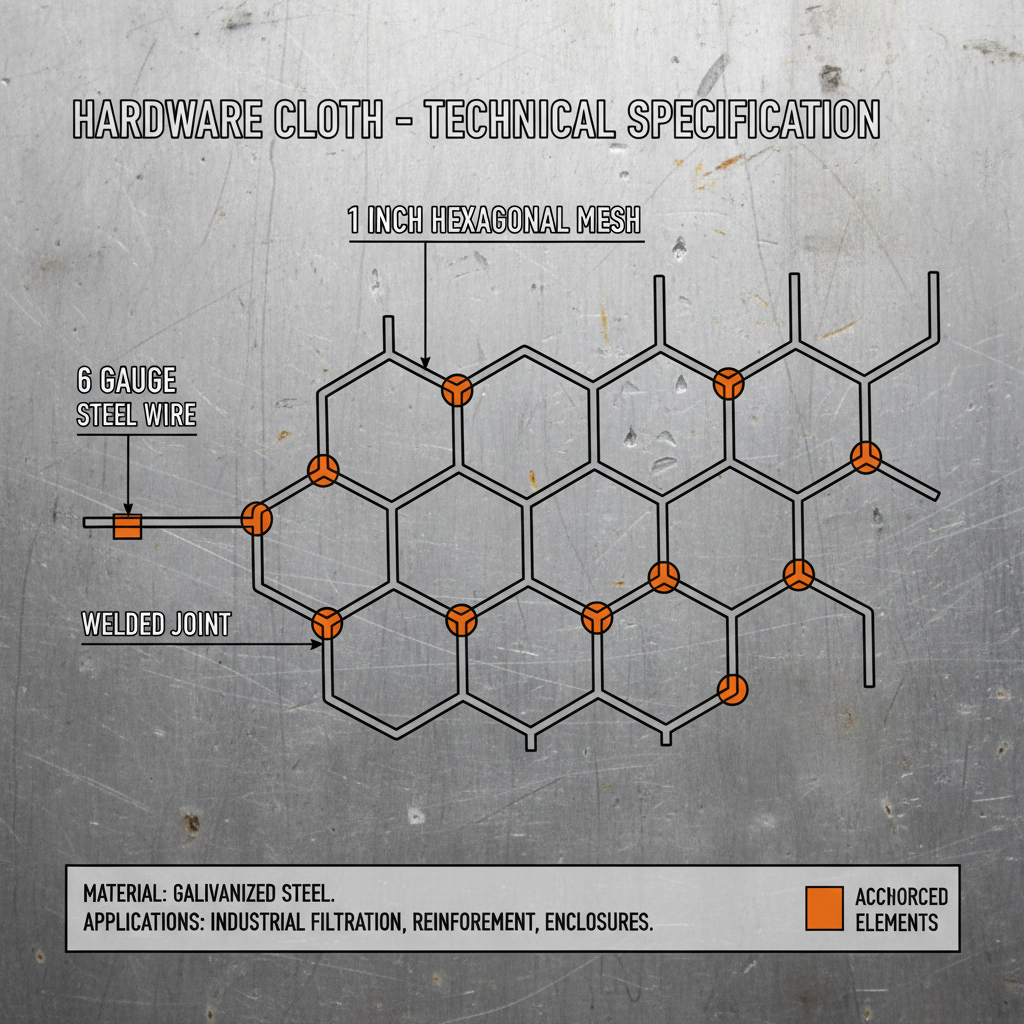
So, what exactly is quarter inch wire mesh? Frankly, it’s a form of woven or welded metal mesh with openings measuring a quarter of an inch (around 6.35 mm) square. It’s a versatile industrial staple used for screening, filtration, and protective barriers. Oddly enough, its precision and reliability make it ideal for a wide array of sectors, from agriculture to aerospace.
- Quarter inch mesh size balances strength and permeability perfectly.
- Commonly made from stainless steel, galvanized steel, or specialty alloys.
- Standard wire diameters often range from 0.8mm to 1.6mm, based on application needs.
To give you some technical perspective, many customers rely on 304 or 316 stainless steel varieties for corrosion resistance and durability. As one case study from a filtration plant showed, switching to quarter inch mesh from larger gauge screens decreased maintenance downtime by 30%—a tidy efficiency gain you don’t want to overlook.
Benefits & Use Cases of Quarter Inch Wire Mesh
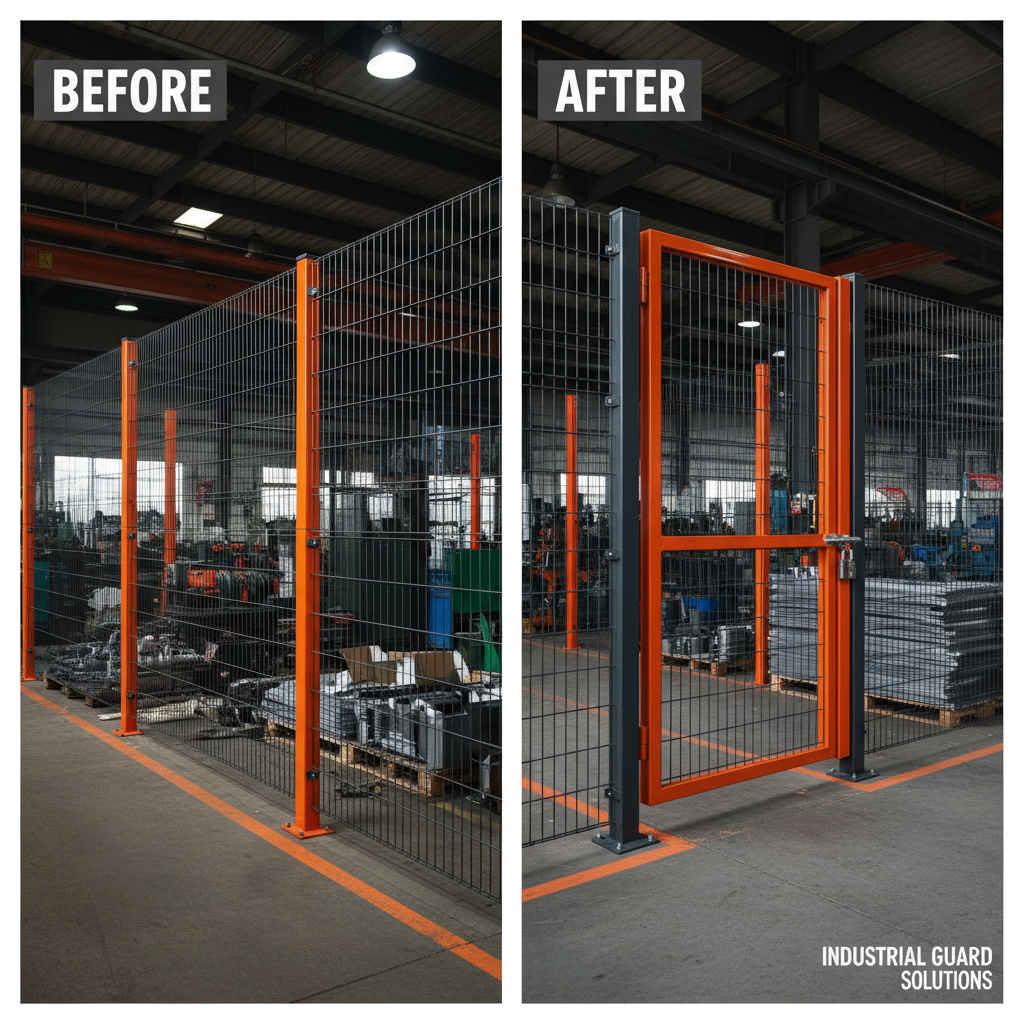
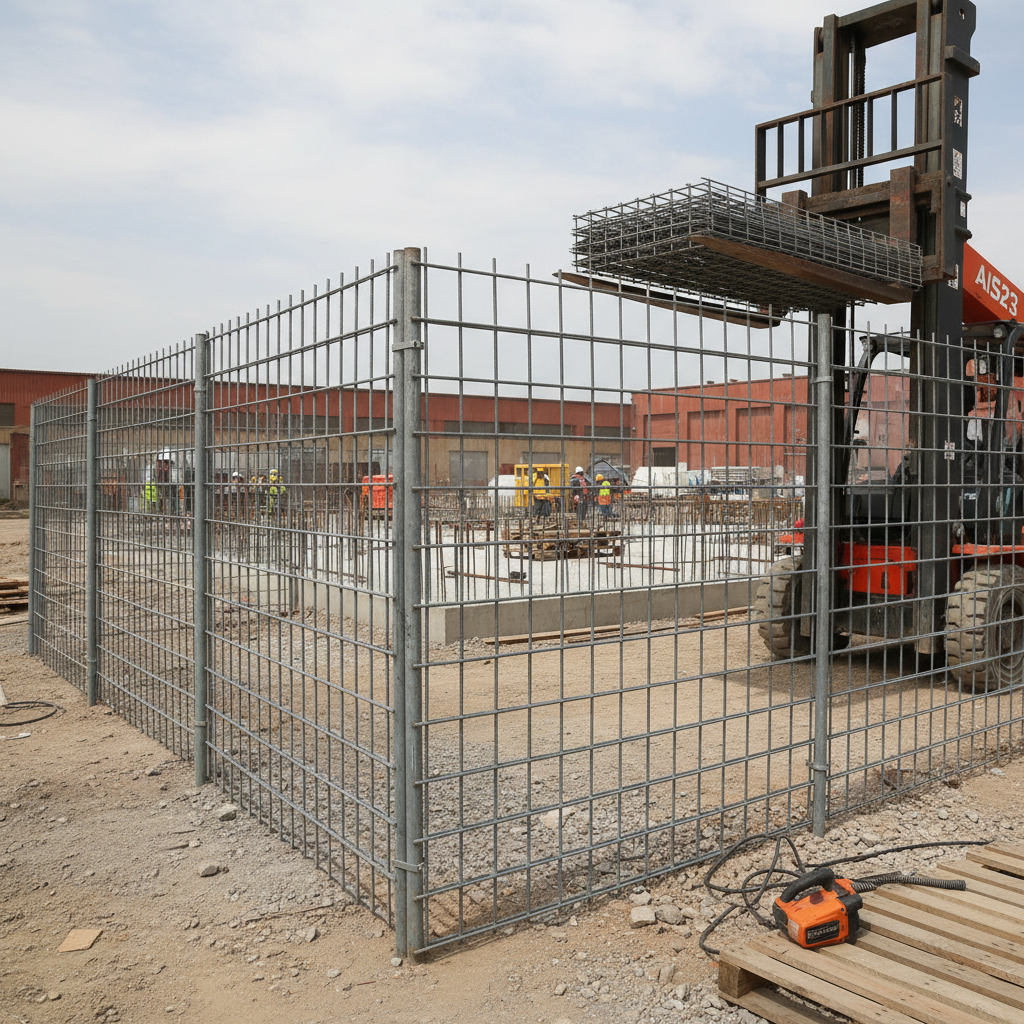
What makes quarter inch wire mesh a serious contender for your next project? Well, for starters, it’s the unbeatable combination of durability and versatility. You can find it in concrete reinforcement, insect screens, sieve detergents, or even security fencing. Its fine mesh spacing keeps smaller particles out without sacrificing structural rigidity.
- Widely used in mining and construction for debris control.
- In food processing, it prevents contamination while allowing air flow.
- Its corrosion resistance means longer service life in harsh environments.
- Easily customizable—sizes and thicknesses can be tailored per order.
| Parameter | Value / Options |
|---|---|
| Mesh Opening | 0.25 inch (6.35 mm) |
| Material | 304/316 Stainless Steel, Galvanized Steel |
| Wire Diameter | 0.8 - 1.6 mm |
| Weave Type | Plain or Welded |
| Max Roll Width | 1.5 meters |
| Available Finishes | Powder Coated, Galvanized, Raw |
Cost, Maintenance & User Experience
Now, speaking about cost and maintenance — which are often the big questions — quarter inch wire mesh is pretty economical over its lifetime. The upfront cost might seem higher than cheaper plastics or coarse mesh, but the durability means fewer replacements and less downtime. From what I’ve heard from engineers in the field, this mesh withstands abrasion and external stress remarkably well, bringing solid return on investment (ROI).
- Long lifespan with minimal corrosion, especially stainless steel options.
- Requires only basic cleaning for maintenance, saving operational hours.
- User reports highlight easy installation and customization as key pluses.
- Bulk ordering through suppliers like Lanye Wire Mesh cuts per-unit cost.
Sustainability & Market Trends
It may seem a bit “technical,” but sustainability has been gaining traction even in industrial materials. Quarter inch wire mesh is in many ways sustainable: stainless steel is highly recyclable, and its durability means less waste. Plus, regulatory bodies are increasingly mandating more eco-conscious sourcing and waste management in industries relying on mesh products.
- Growing demand for recyclable materials makes stainless steel mesh a strong choice.
- Technological advances are improving production efficiency and reducing emissions.
- Market analysts expect steady growth for fine mesh products through 2028.
Frequently Asked Questions about Quarter Inch Wire Mesh
- What is Quarter Inch Wire Mesh and how does it work?
- Simply put, quarter inch wire mesh is a metal grid where each opening is a quarter inch square. It acts like a barrier that blocks larger particles while letting air or liquid through, perfect for filtering, screening, or protection.
- What are the main benefits of using Quarter Inch Wire Mesh in industrial applications?
- Durability, corrosion resistance, and versatility top the list. It’s cost-effective upfront and long-lasting. Plus, it can be tailored to specific projects, making it popular across diverse industries.
- How does Quarter Inch Wire Mesh compare to traditional alternatives?
- Compared to older solutions like wooden screens or plastic meshes, quarter inch wire mesh offers superior strength, heat resistance, and longevity. It can handle harsher environments without compromising structure.
- What industries can benefit most from Quarter Inch Wire Mesh implementation?
- Manufacturing, agriculture, construction, and food processing are front-runners. For example, it’s widely used in sieving raw materials, security fencing around sites, and filtering liquids.
Conclusion on Quarter Inch Wire Mesh from china
To wrap things up, quarter inch wire mesh is a quietly indispensable product that offers unmatched reliability and adaptability for B2B decision makers. When sourcing from reliable vendors like Lanye Wire Mesh, you combine quality with affordability and great service — a triple win, really. Visit our website: https://www.lanyewiremesh.com to learn more.
- Quarter inch mesh balances size and strength for broad industrial appeal.
- It promises lasting performance with minimal upkeep and good ROI.
| Feature | Lanye Wire Mesh | Competitor A | Competitor B |
|---|---|---|---|
| Material Quality | Premium 304/316 SS | Standard 304 SS | Galvanized Steel |
| Customization Options | Full range: sizes, finishes | Limited sizes, no finishes | Only standard rolls |
| Lead Time | 2-3 weeks | 4-6 weeks | 3-4 weeks |
| Pricing | Competitive bulk rates | Higher price | Lowest price, lower quality |
| Customer Support | Dedicated B2B support team | General support | Minimal support |
Reflection: In the end, quarter inch wire mesh feels like one of those “unsung hero” materials — simple, reliable, and quietly crucial across many industries. Choosing the right vendor, though, makes all the difference.