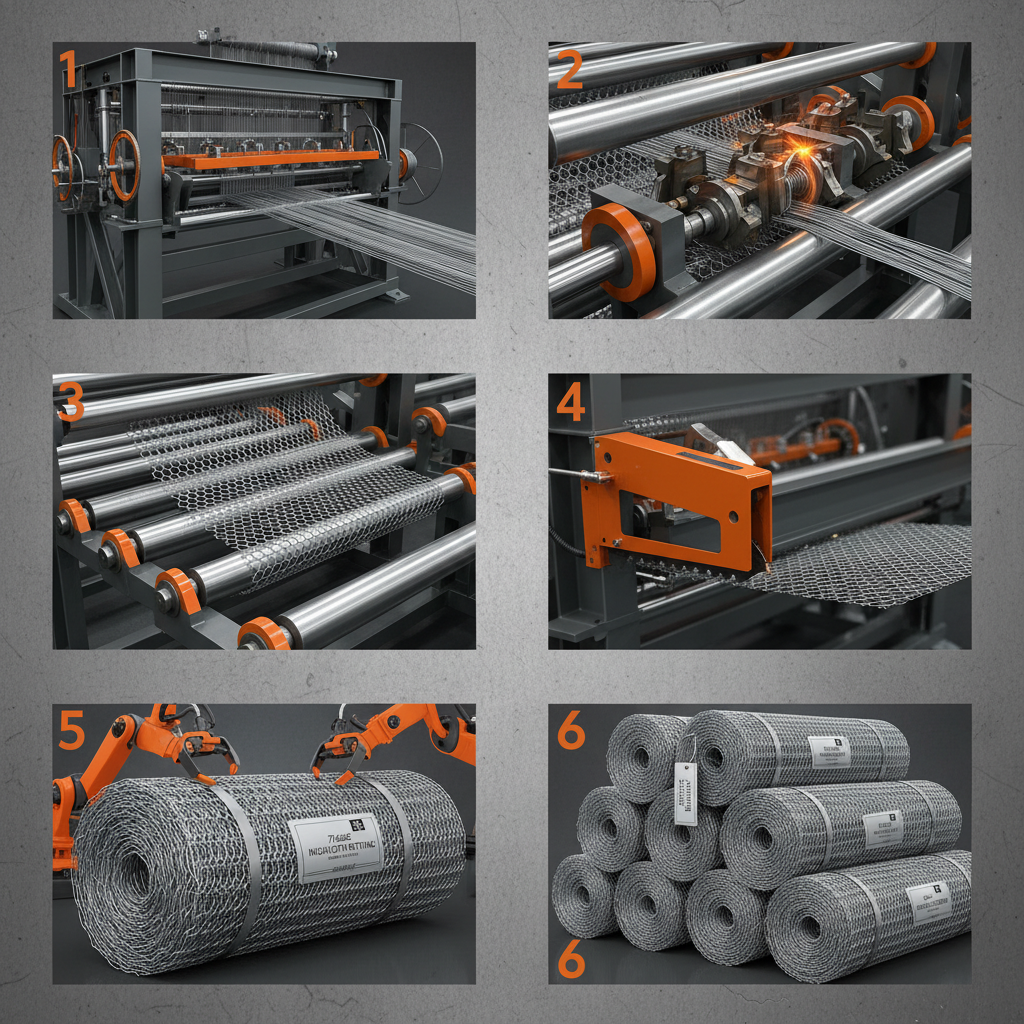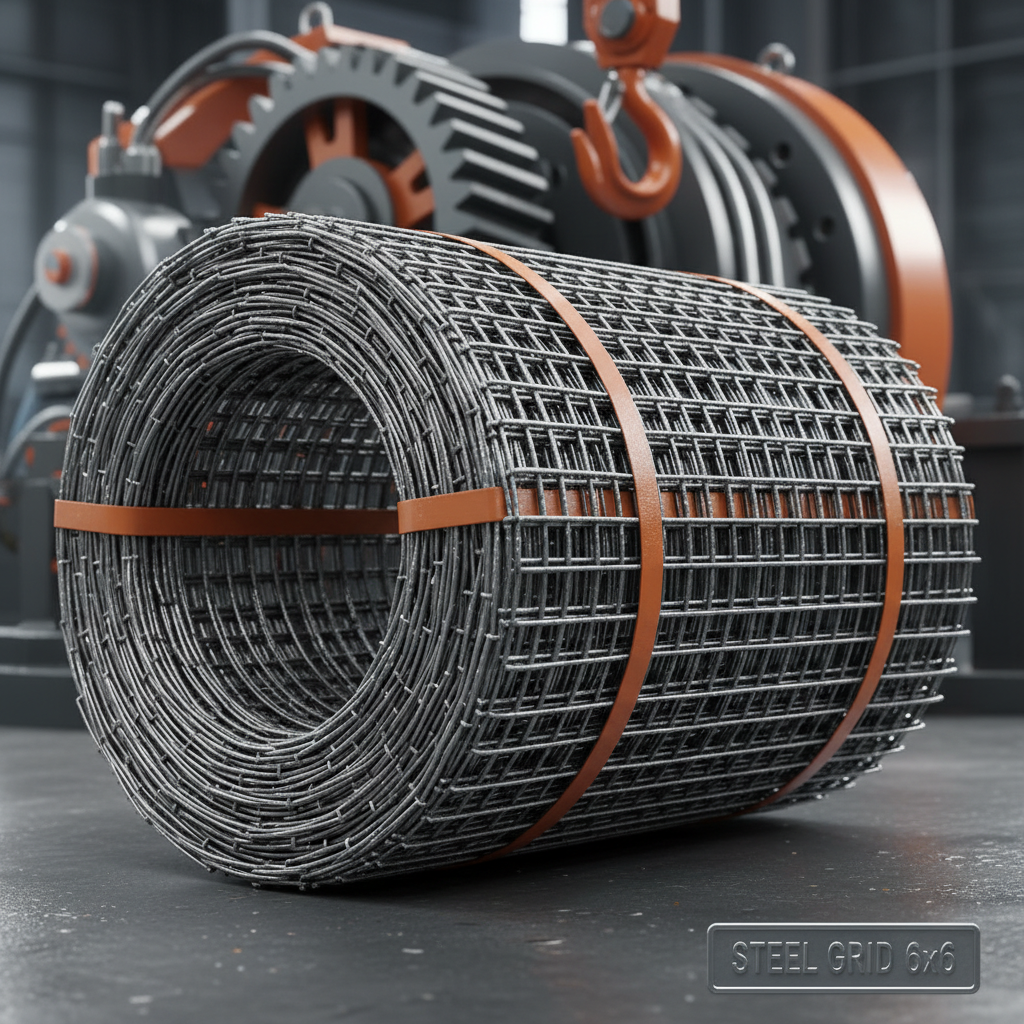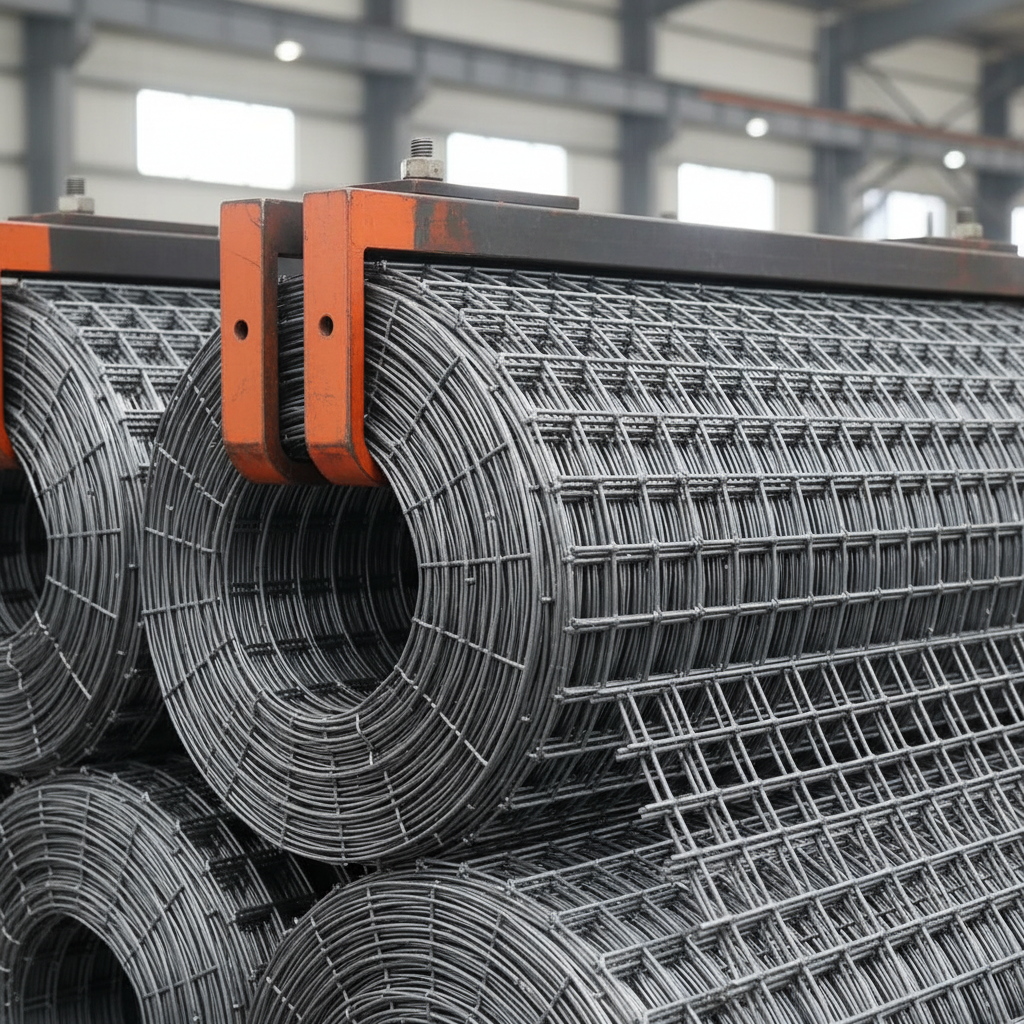
Understanding Razor Cord: What It Is and Why It Matters
Razor cord, a somewhat unglamorous name at first glance, is actually a critical component in global security, infrastructure, and various industries. It’s that serrated wire often seen atop fences around prisons, border checkpoints, or military zones, but its significance goes far beyond appearances. Whether it’s for safely securing sensitive areas or controlling access to high-risk zones, understanding the razor cord’s design, use, and evolution offers insight into a world grappling with complex security challenges.
Globally, razor cord plays a surprisingly key role in maintaining safety — its deployment represents a balance between deterrence and ethical boundary-setting. Plus, advances in the materials and installation techniques mean it’s more effective and adaptable than ever before. Scratch beneath the surface, and you’ll find a product that marries durability with technological innovation.
The Global Context of Razor Cord Security
On a global scale, razor cord remains a go-to solution for various industries, from correctional facilities to humanitarian agencies securing refugee camps. According to the United Nations, securing borders and sensitive perimeters helps maintain order in regions experiencing conflict or displacement — which is why razor cord is so widely applied. In fact, a 2022 report from the ISO pointed out that perimeter security installations saw an uptick of roughly 15% in the last five years globally.
The challenge? Balancing effectiveness with human rights considerations and sustainability. The razor cord addresses these by providing a visually threatening but minimally invasive method — sort of saying, “Keep out,” without resorting to lethal force.
What Exactly Is Razor Cord?
So, what is razor cord in simple terms? It’s a type of high-tensile wire with sharp metal blades regularly spaced along its length. Its design originated from military implementations, specifically aimed at enhancing anti-intrusion capabilities. Unlike conventional barbed wire, razor cord’s blades are wider and sharper, maximizing deterrence and penetration risk for potential intruders.
Today, razor cord is used not only in defense but also in commercial and humanitarian settings, like securing disaster relief compounds or controlling access in remote industrial areas. The evolution from just a “weaponized fence accessory” into a multi-use security material underscores how adaptable and relevant it remains.
Key Characteristics That Define Razor Cord
Durability and Strength
The hardiness of razor cord is one of its defining traits. Made from galvanized or stainless steel, it resists harsh weather, corrosion, and mechanical stress. This means installations last years without needing frequent replacement — a big deal in remote or conflict-prone regions where maintenance is tricky.
Scalability and Customization
Razor cord can be produced in various widths, blade sizes, and coil diameters—tailored precisely to different security needs. Whether it’s a high-security prison or a temporary refugee camp fence, different versions of razor cord can be deployed easily. Some suppliers even customize the coatings or integrate it with electronic sensors for enhanced perimeter monitoring.
Cost Efficiency
Compared to alternative perimeter barriers like concrete walls or electronic sensors alone, razor cord offers a low upfront cost combined with longevity, translating into better ROI for many organizations. Plus, installation is faster, reducing labor and downtime.
Ease of Installation and Deployment
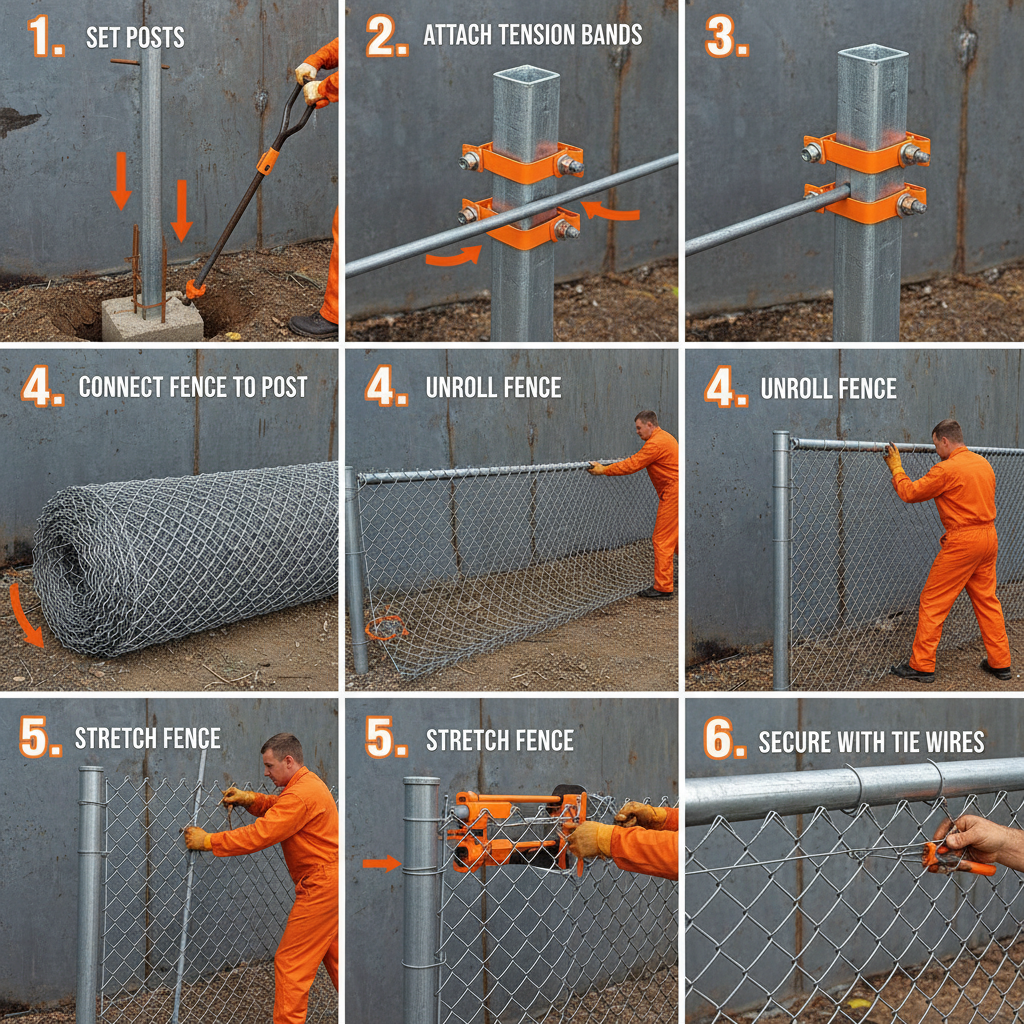
You’d think razor cord, sharp as it is, would be difficult to install—but with proper tools and training, it can be rapidly deployed even in challenging terrains. This has made it a favorite in post-disaster settings where speed is essential.
Mini takeaway:
Razor cord’s blend of durability, flexibility, and affordability makes it a smart choice across a variety of security sectors.
Real-World Uses of Razor Cord Around the Globe
You’ll find razor cord fences from South African mines controlling access to remote shafts, to European prisons reinforcing their security perimeters. The UNHCR, for instance, often includes razor cord in its emergency kits for refugee camps, using it to cordon off vulnerable areas or protect key facilities.
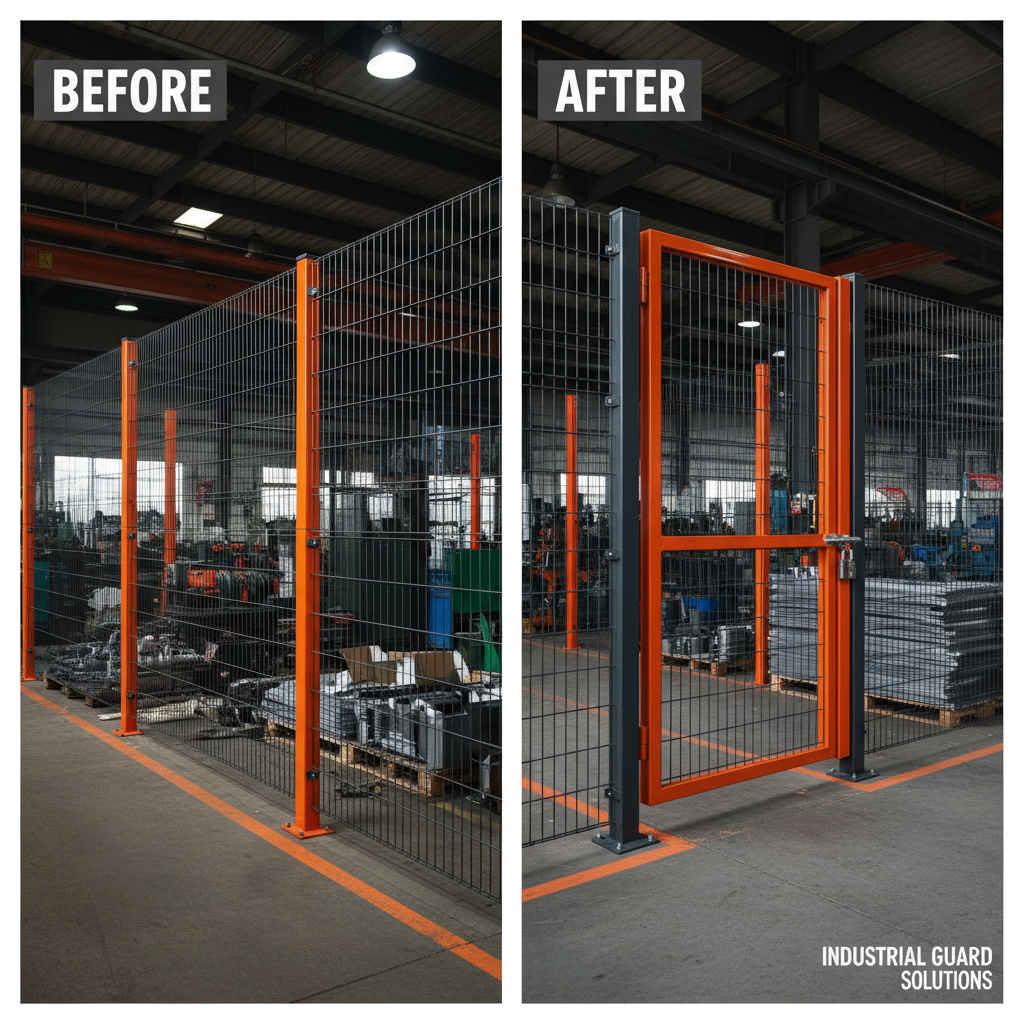
In industrial zones, razor cord helps keep hazardous zones secured, preventing accidental entry and liability issues. Then there’s the everyday story of ranchers in the US or Australia employing razor cord to keep livestock contained safely yet humanely.
| Specification | Details |
|---|---|
| Material | Galvanized steel / Stainless steel |
| Blade Length | 22–40 mm (varies by model) |
| Coil Diameter | 450–900 mm |
| Tensile Strength | Up to 1800 N/mm² |
| Weight per Roll | 10–25 kg |
| Standard Length per Roll | 15–30 meters |
Mini takeaway:
Practical and versatile, razor cord is tailored to fit diverse global scenarios — from emergency relief to industrial security.
Comparing Leading Razor Cord Vendors
Not every razor cord manufacturer delivers the same quality or service. Here’s a brief vendor comparison of three top players to help you get your head around what’s out there:
| Vendor | Material Quality | Customization Options | Delivery Speed | Price Range |
|---|---|---|---|---|
| SafeWire Co. | Premium-grade stainless steel | Wide range of coils & coatings | 2–3 weeks | High |
| Guardian Tech | Galvanized steel, corrosion resistant | Standard coils, limited customization | 1 week | Mid |
| BorderSecure Ltd. | Standard galvanized steel | Basic coil sizes | 3–4 weeks | Low |
What Are the Key Advantages of Using Razor Cord?
- Safety & Deterrence: Razor cord’s razor-sharp blades are a strong visual and physical deterrent without resorting to lethal means.
- Longevity: Corrosion resistance and strong material keep it effective for years.
- Sustainability: Many manufacturers now offer recyclable materials and eco-friendly coatings.
- Cost-Effectiveness: Low maintenance plus easy installation saves money long-term.
- Social Trust: Used properly, razor cord respects boundaries without excessive force, which helps maintain dignity.
Mini takeaway:
Razor cord is not just a simple wire: it’s a balance of engineering, ethics, and economics rolled into one.
Emerging Trends and Future Innovations
The future of razor cord is evolving rapidly. For instance, some innovations now integrate smart sensors embedded in the coil that can alert security teams immediately when tampering occurs. On the materials front, biodegradable coatings and better corrosion inhibitors are becoming mainstream to support sustainability mandates.
Automation in installation — like robotic uncoiling and fixing — may soon reduce human risk and labor intensity. Also, digital mapping of security perimeters combined with razor cord installations gives an extra layer of situational awareness.
Challenges Facing Razor Cord Deployment and How to Address Them
Of course, razor cord isn’t perfect. Maintenance in hostile environments can still be complicated, and improper installation risks injury to unintended parties (think wildlife or civilians). Environmental impact also poses a consideration in sensitive ecosystems.
Experts suggest combining razor cord with fencing designs that include wildlife-friendly gaps or using biodegradable variants where feasible. Training and clear signage help reduce accidents, and modular designs improve repair and replacement efficiency.
FAQ: Your Razor Cord Questions Answered
Q1: How long does razor cord typically last in outdoor environments?
A: High-quality razor cord made from galvanized or stainless steel can last anywhere from 5 to 10 years depending on weather conditions and maintenance. In corrosive environments near the sea, the lifespan may shorten unless specialized coatings are applied.
Q2: Can razor cord installations be customized for different security levels?
A: Absolutely. Razor cord comes in different blade sizes, coil diameters, and tensile strengths. Some vendors offer custom coatings or integration with security systems, allowing for tailored security solutions.
Q3: Is razor cord safe to use near sensitive wildlife habitats?
A: It requires careful planning. Options like wildlife-friendly fence designs or biodegradable materials exist, but caution is essential to avoid harming animals. Collaborating with environmental experts before installation is recommended.
Q4: How quickly can razor cord barriers be deployed in emergency situations?
A: With trained teams and proper equipment, razor cord barriers can be installed in hours to days, making them ideal for rapid perimeter security in disaster relief or conflict zones.
Wrapping Up: The Long-Term Value of Razor Cord
All told, razor cord remains a cornerstone technology for secure perimeters globally. Its mix of strength, flexibility, and cost-effectiveness makes it a durable choice in everything from border control to humanitarian efforts. As technology progresses, these barriers don’t just stay static—they evolve to meet increasingly complex demands.
Curious to see how razor cord could fit your project's needs? Visit our website for more detailed products and expert consultation.