Understanding Razor Wire Home Security: A Global Imperative
In an increasingly unpredictable world, securing homes globally has become more vital than ever. Razor wire home security stands out as a pragmatic, cost-effective method to deter intrusion, protect property, and enhance personal safety. But beyond the obvious spiky fences, it’s part of a broader security landscape that empowers communities and industries alike. The main benefit? Immediate and reliable perimeter protection that is hard to bypass and adapts to diverse environments — from urban suburbs to remote industrial zones.
While some find razor wire intimidating, its role in enhancing safety and peace of mind cannot be overstated. This article explores what makes razor wire home security globally relevant, why it matters, and how it adapts in a changing security world.
The Global Context: Why Razor Wire Home Security Matters Today
Security challenges keep evolving in magnitude and complexity. According to the United Nations Office on Drugs and Crime (UNODC), residential burglary rates have seen fluctuations globally but remain a concern in both urban and rural settings (1). Countries also face rising issues such as illegal land encroachments and cross-border intrusions, where razor wire is frequently used.
Industrially, the International Organization for Standardization (ISO) highlights perimeter security as foundational to facility integrity (2). Governments, private homeowners, and humanitarian groups alike lean on razor wire solutions amid rising concerns over theft, trespassing, and safety risks — especially in volatile post-disaster or conflict settings.
Yet, the challenge remains: How do you balance robust home security with community acceptability and legal compliance? That's where informed decisions about razor wire types, installation, and use come in.
Mini Takeaway:
- Razor wire home security is globally relevant due to increased safety concerns.
- It supports governments, industries, and humanitarian efforts tackling theft and intrusion.
What Exactly is Razor Wire Home Security?
Simply put, razor wire home security entails using a type of wire fencing embedded with sharp metal blades designed to deter or delay unauthorized access. Unlike barbed wire, which may cause scratches, razor wire’s edges are designed to discourage climbing with a more formidable deterrent effect.
It's widely used around homes, businesses, and sensitive installations — combining physical protection and psychological deterrence. The blades’ design reflects decades of industrial and military innovation, now accessible for civil and residential applications.
Oddly enough, while razor wire is often associated with prisons and military zones, its increasing use in civilian home security reflects changing threat dynamics and greater emphasis on perimeter defense.
Mini Takeaway:
- Razor wire is a fencing material with sharp blades for enhanced deterrence.
- It’s a practical evolution beyond barbed wire, increasingly common for homes and businesses.
Core Components That Define Effective Razor Wire Home Security
1. Durability and Material Quality
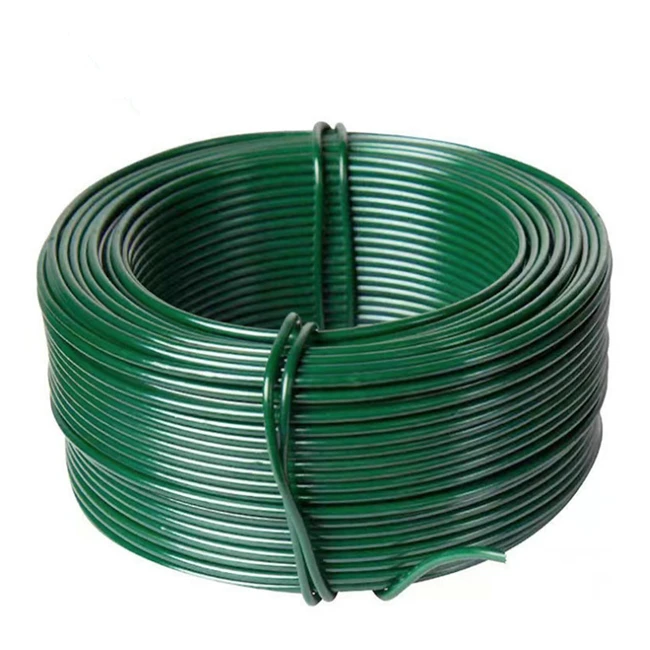
Most razor wire is galvanized steel, sometimes coated with PVC for longer corrosion resistance. This is vital when facing outdoor elements — rain, salt air, or extreme temperatures. Many engineers emphasize the importance of choosing the right gauge wire (usually between 12 to 14 gauge) and blade strength to ensure long-lasting performance.
2. Scalability and Design Flexibility
Depending on the property size and security needs, razor wire can be mounted in coils, straight runs, or concertina formations. Homeowners often pair razor wire with existing fences for an extra layer of defense, whereas commercial sites may use taller or more complex configurations.
3. Installation and Cost Efficiency
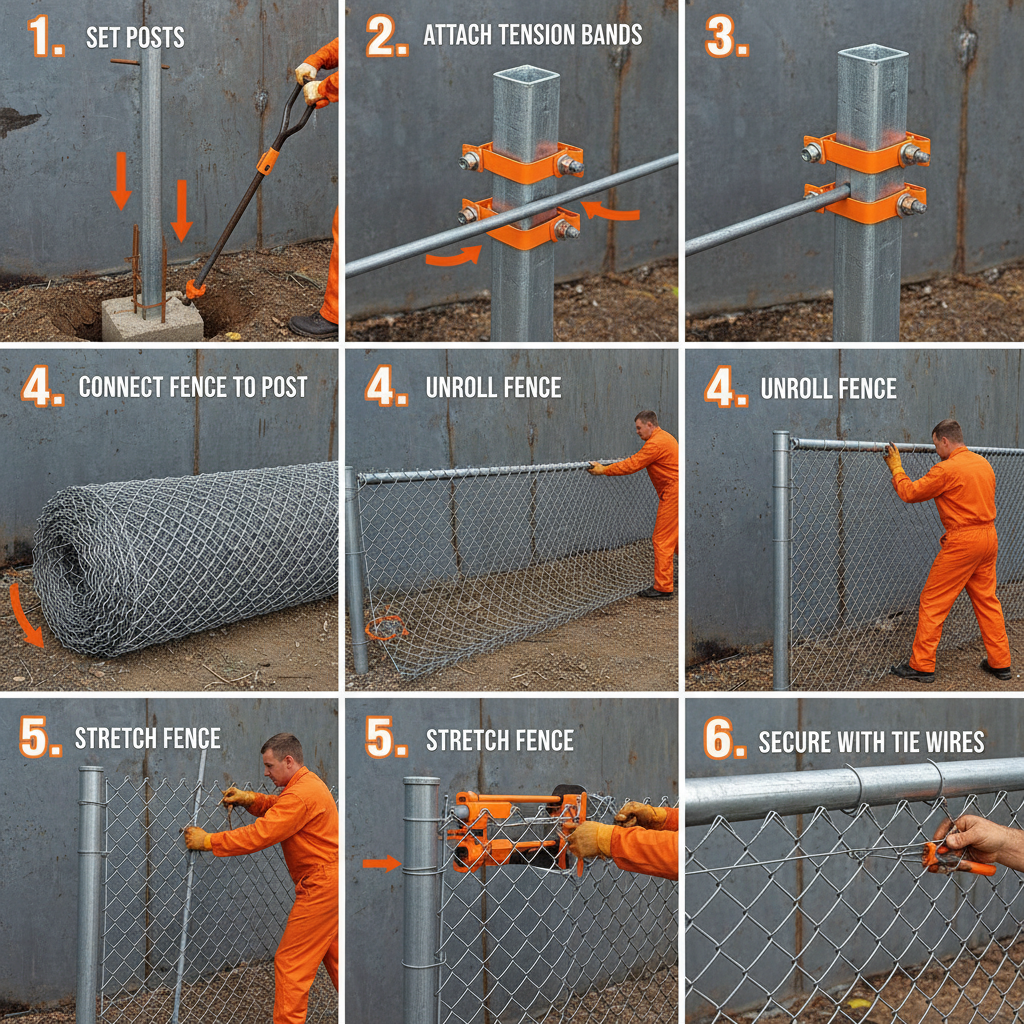
Installation is relatively straightforward compared to high-tech security systems, making razor wire an attractive option in cost-conscious markets. Its modular design means you can adapt or expand sections without costly overhauls — a practical choice for both emergency setups and long-term security planning.
4. Compliance and Safety Considerations
One of the trickier aspects is ensuring razor wire aligns with local laws — some municipalities restrict or regulate its use in residential areas. Proper signage, strategic placement, and sometimes even community consultation enhance acceptance.
Mini Takeaway:
- Durability matters — galvanized steel or PVC coatings extend lifespan.
- Modularity and ease of installation make razor wire cost-effective and scalable.
- Legal compliance should guide responsible application.
Product Specification Table: Typical Razor Wire for Home Security
| Specification | Typical Value | Notes |
|---|---|---|
| Material | Galvanized Steel (Optional PVC Coating) | Corrosion-resistant |
| Wire Gauge | 12–14 Gauge | Balance strength & flexibility |
| Blade Length | Up to 25 mm | Sharpness optimized for deterrence |
| Coil Diameter | 450 to 750 mm | Adjusts to mounting needs |
| Tensile Strength | Up to 1770 N/mm² | High tension for resilience |
Global Applications: How Razor Wire Enhances Security Worldwide
Let’s talk about real-life uses. Razor wire home security isn't just one-size-fits-all. In the Middle East, for instance, it’s used extensively around refugee camps to prevent unauthorized entry while safeguarding humanitarian operations. Similarly, in South Africa, razor wire barriers help protect homes in high-crime neighborhoods where traditional gates fall short.
In industrial zones across Europe and Asia, razor wire enhances perimeter fences around warehouses and factories, often paired with CCTV and alarm systems for layered security. Even wildlife reserves use specially modified razor wire to keep poachers out without harming animals — a delicate but essential balance.
And here’s a quirky point — some urban dwellers in North America adopt razor wire on rooftops or balconies to prevent break-ins, blending it with aesthetic fencing or planting for a discreet look.
Of course, all these contexts depend on local regulations and cultural acceptance. The razor wire home security market reflects this diversity, offering customizable solutions suited to unique environments.
Mini Takeaway:
- Used worldwide in refugee camps, industrial sites, and high-risk residential areas.
- Adjustable designs allow safe coexistence with wildlife and community norms.
- Customization ensures razor wire fits varied cultural and legal frameworks.
Advantages and Long-Term Value of Razor Wire for Homes
Why do so many trust razor wire for home security? First, it's plain effective. The sharp blades are an unmistakable deterrent. Second, it’s economical — far cheaper upfront and in maintenance compared to electronic systems that can fail or require constant power.
Socially, it creates a sense of safety without needing intrusive guards or constant monitoring. Emotionally, knowing your home boundary is physically reinforced brings trust and peace of mind, which, frankly, is priceless. You can innovate by integrating solar lighting or sensors for smarter systems, which we’ll touch on soon.
Environmentally, the recyclable steel content means it’s sustainable compared to plastic-heavy security gear. The long lifespan minimizes waste, matching growing global calls for eco-friendliness in home infrastructure.
Mini Takeaway:
- Cost-effective, reliable, and low maintenance compared to tech-heavy alternatives.
- Enhances emotional comfort and social security.
- Eco-friendly longevity aligns with sustainable housing goals.
Emerging Trends and Innovations in Razor Wire Home Security
The security industry isn’t stuck in the past. Innovation is reshaping razor wire itself. New materials with anti-rust nanocoatings, lightweight alloys, and even smart wire incorporating sensors to detect tampering are on the horizon.
Digital transformation is helping too. Camera grids integrated with razor wire perimeters can trigger instant alerts. Renewable energy systems, specifically solar-powered lighting along razor wire fences, provide illumination and energy independence, critical for remote or off-grid homes.
On the policy front, some cities are revisiting rules to balance security benefits with urban aesthetics and community concerns, encouraging responsible installation practices. Industry standards (ISO 19298 for perimeter security, for example) are evolving to support these hybrid upgraded solutions.
Mini Takeaway:
- Smart sensors and nano-coated materials increase durability and intelligence.
- Renewable energy integration supports sustainability and off-grid security.
- Policy and standards refinements promote safer, community-conscious use.
Challenges & How Experts Overcome Them
It’s not all smooth sailing. Razor wire can appear harsh, even hostile, causing neighborhood disputes or legal pushback. Installation mistakes might reduce efficacy or cause accidents.
But many vendors now offer training and consultation, helping homeowners and municipalities navigate restrictions. New flexible razor wire designs reduce injury risks while maintaining deterrent power. Plus, combining razor wire with softer elements like hedges or lighting helps blend security with aesthetics.
Also, in climates prone to heavy corrosion or extreme weather, choosing premium coatings and maintenance plans has proven effective at extending service life.
Vendor Comparison Table: Leading Razor Wire Providers
| Vendor | Material Quality | Customization Options | Price Range (USD / meter) | Market Focus |
|---|---|---|---|---|
| Lanye Wire Mesh | Galvanized & PVC Coated | Multiple coil sizes & blade styles | $5-$8 | Residential, Industrial, Humanitarian |
| SecureEdge Co. | Premium galvanized steel | Standard sizes only | $7-$10 | Commercial & Military |
| Global Safety Wire | Galvanized steel, no coating | Limited customization | $4-$6 | Budget residential projects |
Frequently Asked Questions About Razor Wire Home Security
Q1: Is razor wire home security legal for residential use in urban areas?
Answer: Legality varies by region and local zoning laws. Some urban councils restrict razor wire due to safety or aesthetic concerns. It’s best to consult local regulations before installation and consider signage or community input to avoid conflicts.
Q2: How long does razor wire fencing typically last outdoors?
Answer: With proper galvanized steel and optional PVC coatings, razor wire can last over 15 years outdoors. Harsh climates may reduce lifespan; regular inspections and maintenance improve longevity.
Q3: Can razor wire be safely installed by homeowners, or is professional help necessary?
Answer: While installation is straightforward, razor wire’s sharp edges pose injury risks. Professionals ensure safe mounting and compliance with regulations. DIY methods require caution and proper tools.
Q4: How does razor wire home security compare with electric fence systems?
Answer: Razor wire provides a passive, maintenance-light barrier with no power needs, which is advantageous where electricity is unreliable. Electric fences offer active deterrence but require constant power and upkeep.
Q5: Are there eco-friendly modifications available for razor wire fencing?
Answer: Yes, manufacturers now offer coatings with less environmental impact, recyclable materials, and integration with solar lighting systems, supporting sustainable security solutions.
Conclusion: Why Razor Wire Remains a Go-To Security Solution
At the end of the day, razor wire home security delivers a blend of toughness, practicality, and price performance that few other options can beat. It’s a global security tool adaptable enough for refugee camps and suburbia alike, marrying tradition with a glimpse of future innovation. When you think about protecting what matters — family, property, peace of mind — razor wire quietly but effectively holds its place atop the list.
Feeling intrigued? Don’t just take my word for it. Head over to razor wire home security and explore customizable, certified solutions designed to keep your perimeter safe and sound.