Understanding Rectangular Wire Mesh: A Veteran’s Take
Having spent a good chunk of my career in the industrial equipment sector, I can tell you that rectangular wire mesh isn’t just another piece of metal screened out there. It’s a surprisingly versatile component that quietly underpins everything from filtration systems to concrete reinforcements. Oddly enough, few folks really appreciate the subtle engineering decisions behind what seems like a simple grid of wires.
Let me walk you through some of the nuances I’ve noticed over the years. First off, the shape — rectangular meshes offer unique benefits compared to square meshes. Their elongated openings can be tailored to specific directional strength or filtration needs, which comes in handy in industries like chemical processing or architecture. It’s sort of like how oriented wood grain affects strength; in wire mesh, directionality matters.
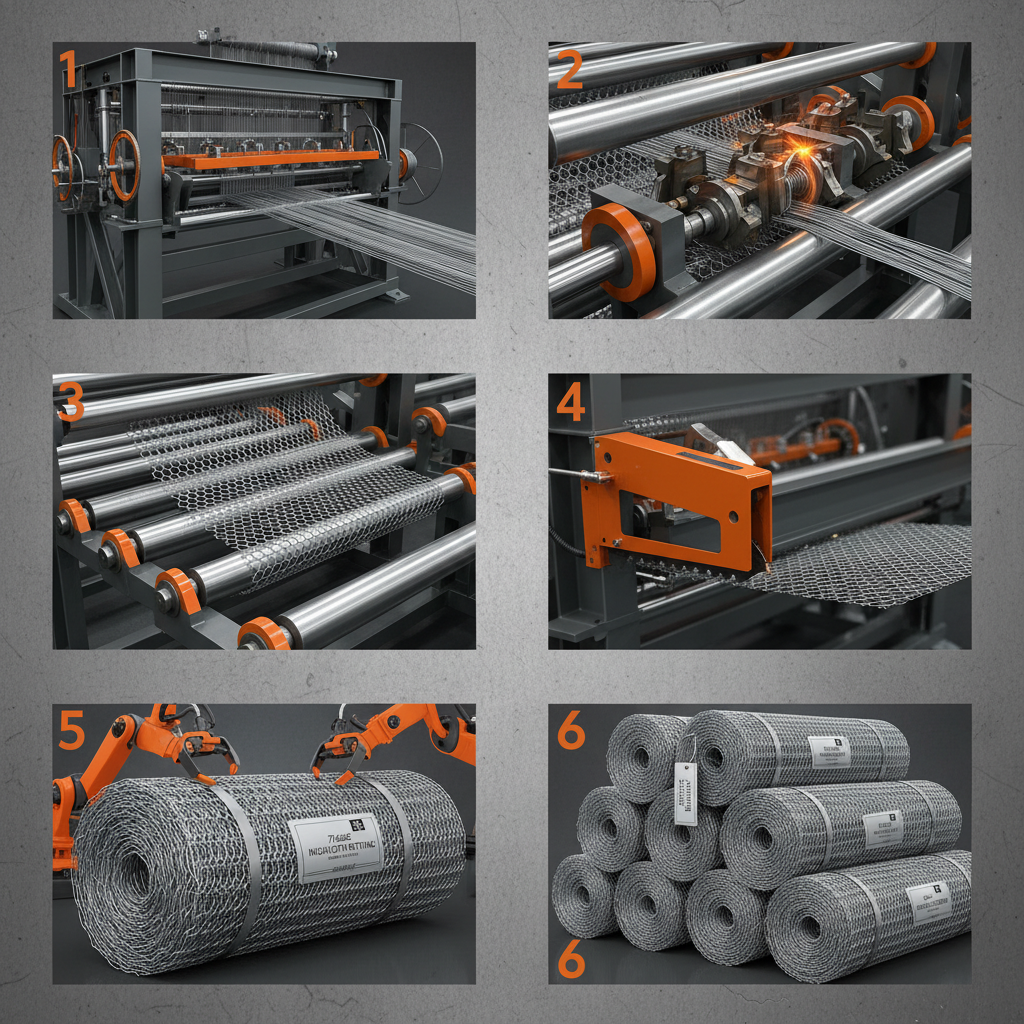
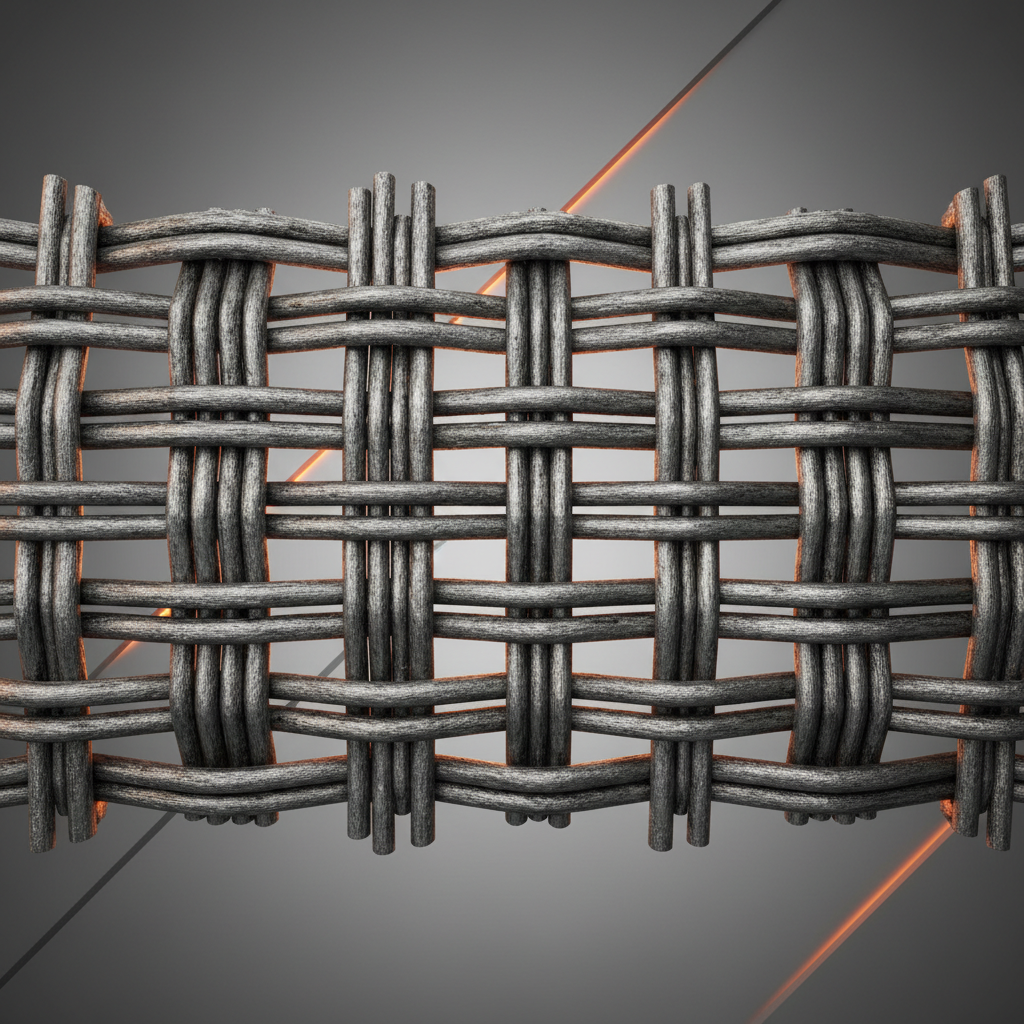
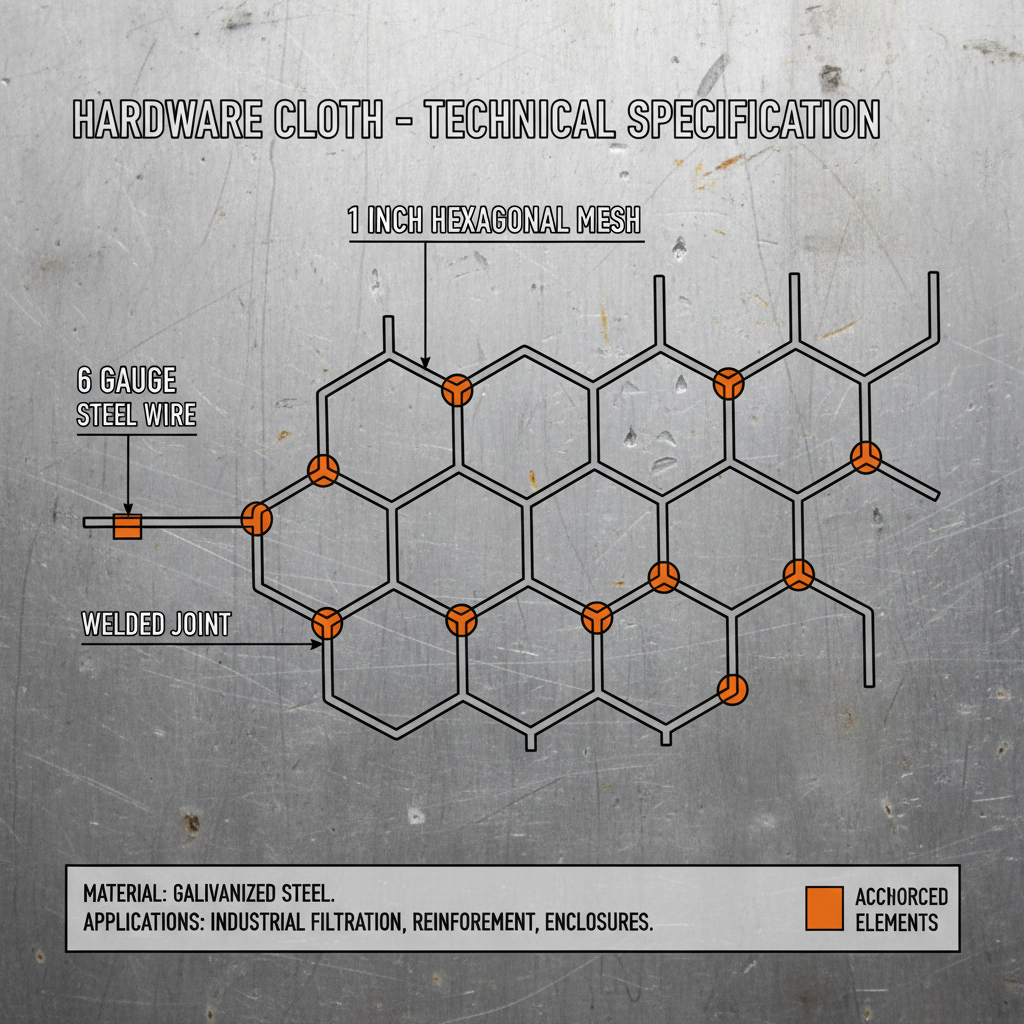
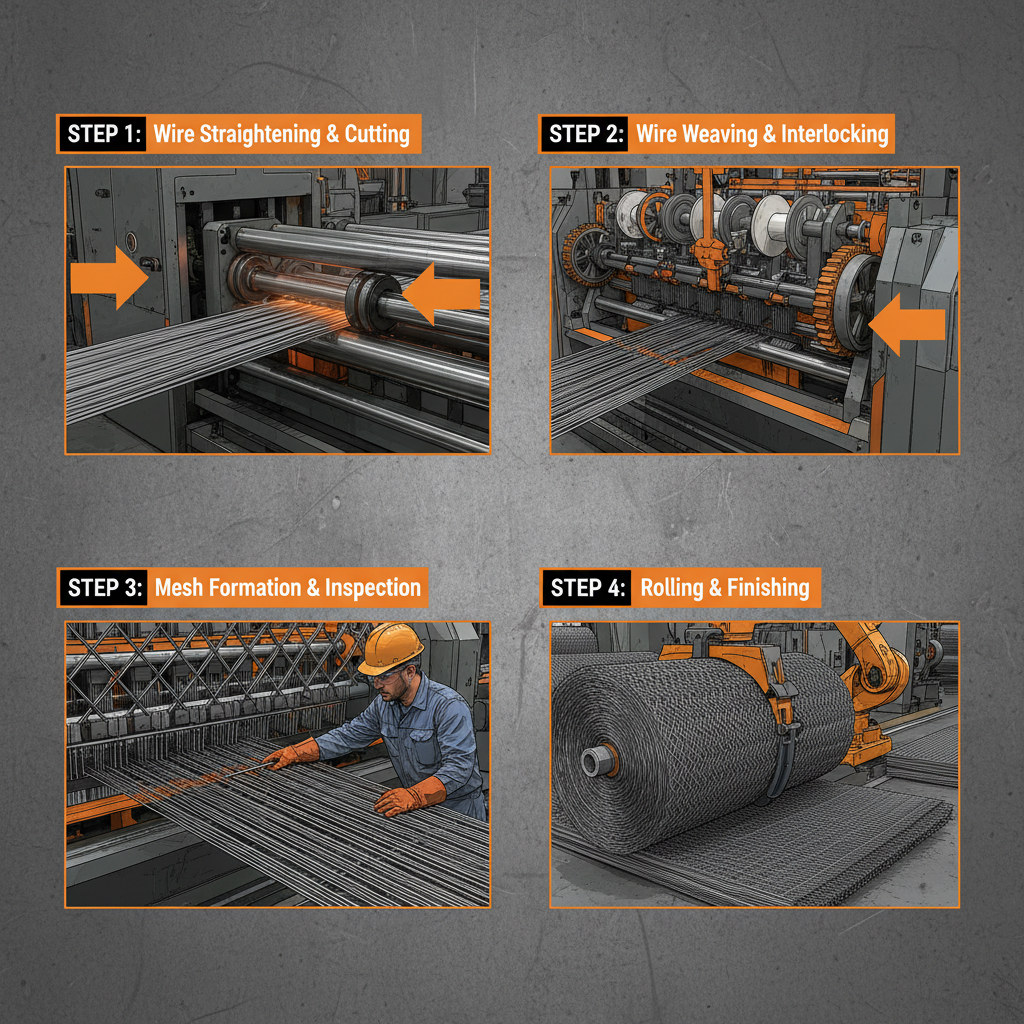
Now, on the materials front, stainless steel is king for corrosion resistance, especially in harsh environments. But you’ll also find galvanized steel mesh used widely for cost-efficiency. Personally, I’ve handled custom orders with specialty alloys—like Monel or Inconel—when durability under extreme temperatures or chemical exposure was non-negotiable. It’s not just about the metal; the weaving or welding technique can change your mesh’s performance drastically.
Speaking of which, here’s a quick run-down of typical product specs that usually come up in conversations with engineers and fabricators. These specs help ensure you get the right mesh for your application, whether it’s grain sorting or protective screens in machinery.
| Specification | Typical Range / Value |
|---|---|
| Material | Stainless Steel, Galvanized Steel, Alloy Options |
| Wire Diameter | 0.3 mm to 5 mm |
| Mesh Opening (Width × Height) | 1 mm × 3 mm up to 50 mm × 100 mm |
| Weaving Type | Woven, Welded |
| Finish | Plain, Galvanized, Powder Coated |
I suppose one of the more overlooked aspects is how much customization goes into these meshes. Customers often need precise specifications, not just on size or thickness, but on finish and mechanical qualities like tension or flexibility. I remember a project where a client needed a rectangular wire mesh with an unusual 2:5 aspect ratio opening to maximize airflow without compromising particle filtration. It was a neat challenge that showcased just how far manufacturers can push the envelope.
Of course, reliability and vendor trustworthiness can make or break your project timeline. From my experience, choosing a supplier with transparent quality control, fast prototyping, and clear certifications is worth every penny. Here’s a quick comparison I’ve put together based on typical vendor offerings in the market. The differences might seem subtle, but in industrial use, they’re big deals.
| Vendor | Material Options | Lead Time | Customization | Certifications |
|---|---|---|---|---|
| Lanye Wire Mesh | SS, Galv., Alloys | 1-2 weeks | High (custom sizes, finishes) | ISO 9001, SGS |
| Vendor A | SS, Galv. | 2-4 weeks | Medium (standard sizes) | ISO 9001 |
| Vendor B | SS only | 3-5 weeks | Low (limited options) | - |
From day one, working with rectangular wire mesh reveals how truly foundational these products are to many fields. For example, a client I dealt with in the food processing industry once praised the mesh’s tailored openings that made their sifting process more efficient and easier to clean—a smaller detail that had big ripple effects on their workflow.
In real terms, if you’re sourcing rectangular wire mesh, keep an eye on specs but also on your supplier’s flexibility and testing protocols. Because, frankly, in industrial settings, downtime from incorrect mesh choice can cost a small fortune.
So yes, rectangular wire mesh might look straightforward, but it carries layers of complexity and valuable customization possibilities—definitely worth considering for any industrial application where precision and durability matter.
Before I sign off, here’s a quick recap of what to remember:
- Material choice drives corrosion resistance and durability.
- Rectangular openings offer directional strength and flow benefits.
- Customization is key—don’t settle for off-the-shelf if specs matter.
- Vet your vendor thoroughly on quality and certifications.
If you want to explore a reliable supplier with solid options and proven expertise, you might want to check out Lanye Wire Mesh. They’ve earned their reputation in this space over years, so it’s not just talk—I’ve seen their quality firsthand.
Reflecting back, I realize the subtle artistry in metalwork like wire mesh often goes unsung, yet it’s an essential backbone of so many industries. Small details really do make a big difference.
References:
- Industry standards on wire mesh specifications, ASTM A392
- Corrosion resistance guides, Metals Handbook, 10th Edition
- Case studies on filtration efficiency improvement, Journal of Industrial Engineering