Reinforcing Wire Mesh for Concrete: Strengthening Modern Construction Worldwide
When we talk about reinforcing wire mesh for concrete, we’re really discussing one of the unsung heroes of modern construction. This mesh—usually a grid of steel wires—is embedded into concrete to boost its tensile strength and durability. You might not notice it in your daily life, but it quietly shapes everything from the roads we drive on to the skyscrapers that define city skylines.
Why does this matter globally? Well, concrete cracked easily and failed prematurely before we started reinforcing it systematically. The advent of wire mesh has enormously extended concrete’s lifespan and safety, which is critical for infrastructure development, especially in rapidly urbanizing areas worldwide. And beyond the durability piece, there’s a huge cost and sustainability angle too.
Introduction: The Global Context of Reinforced Concrete
Concrete is the world’s most-used construction material, with over 10 billion tons produced annually — that’s from data compiled by the International Energy Agency and World Bank. As cities grow and infrastructure demands spike—especially in emerging economies—so does the need for reinforced concrete. According to ISO standards and construction guidelines, integrating reinforcing wire mesh isn’t just good practice, it’s nearly mandatory for structural safety.
But here’s the challenge: in disaster-prone regions or remote industrial zones, quickly deploying reliable infrastructure that endures weather and stress can be tricky. Reinforcing wire mesh offers a way to build stronger, faster, and more cost-effectively, aligning with humanitarian needs and sustainable development goals simultaneously.
What Exactly Is Reinforcing Wire Mesh for Concrete?
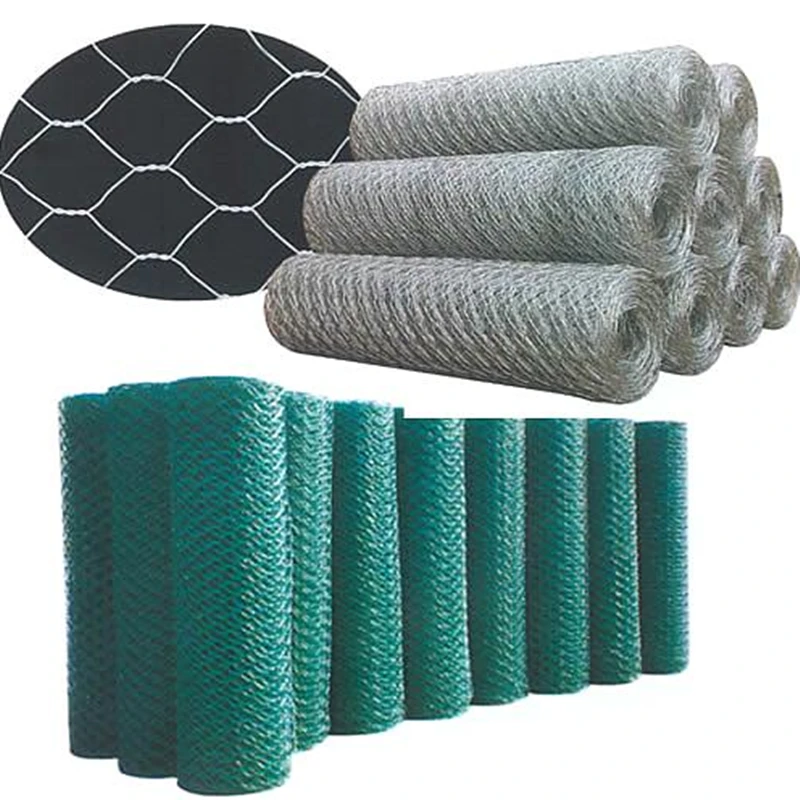
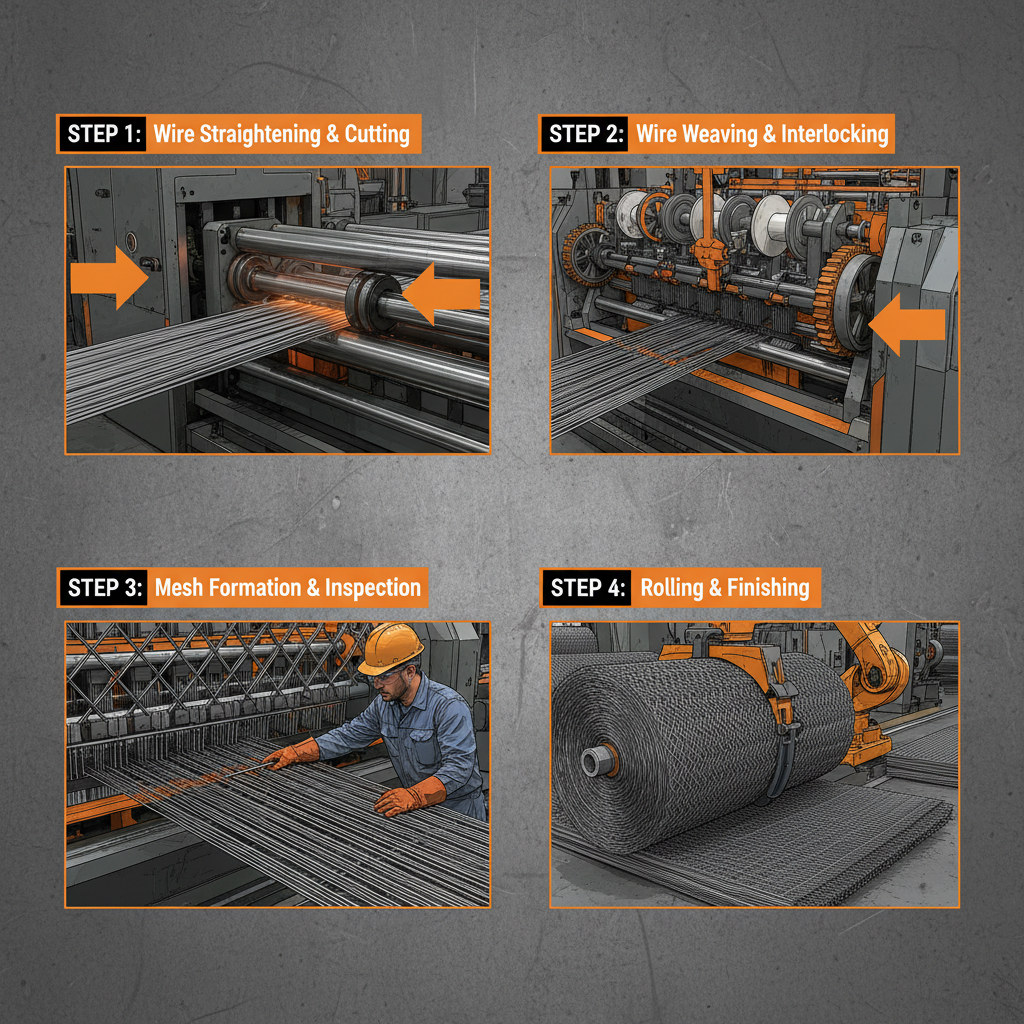
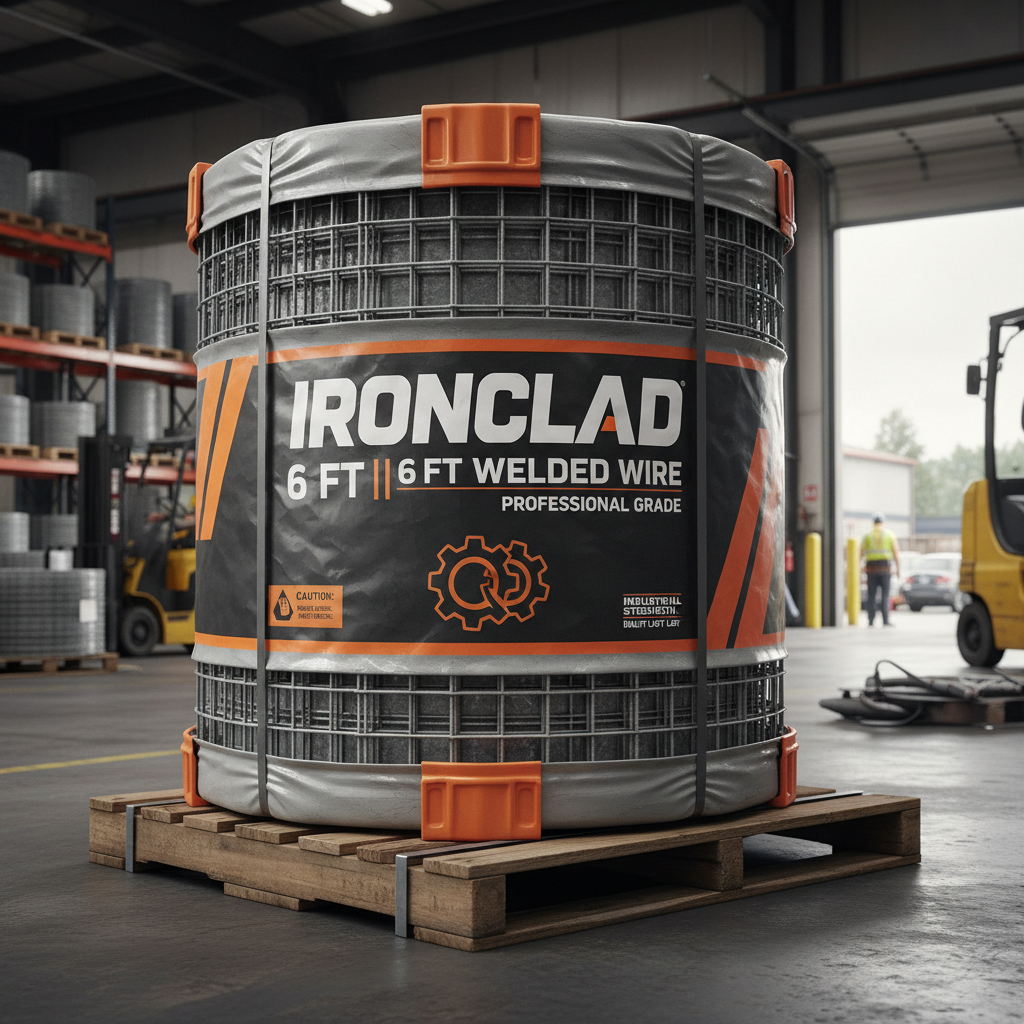
At its essence, reinforcing wire mesh is a network of steel wires welded or woven into a grid. Imagine a steel fabric that is laid inside fresh concrete as it cures. It acts like a skeleton inside, providing tensile strength concrete lacks naturally. This means that cracks don’t spread uncontrollably, and the structure holds through stress, flex, and load changes.
In terms of modern industry and humanitarian work, this mesh allows for rapid construction of resilient buildings and infrastructure, which is crucial when time and resources are limited—like rebuilding efforts after natural disasters or constructing roads in growing urban areas.
Key Factors of Reinforcing Wire Mesh for Concrete
1. Durability
The anti-corrosion coatings on reinforcing wire mesh protect steel from rusting inside the concrete. This extends the durability of structures exposed to moisture, salt, and environmental aggressors. Simply put, the mesh helps structures last longer without costly repairs.
2. Scalability
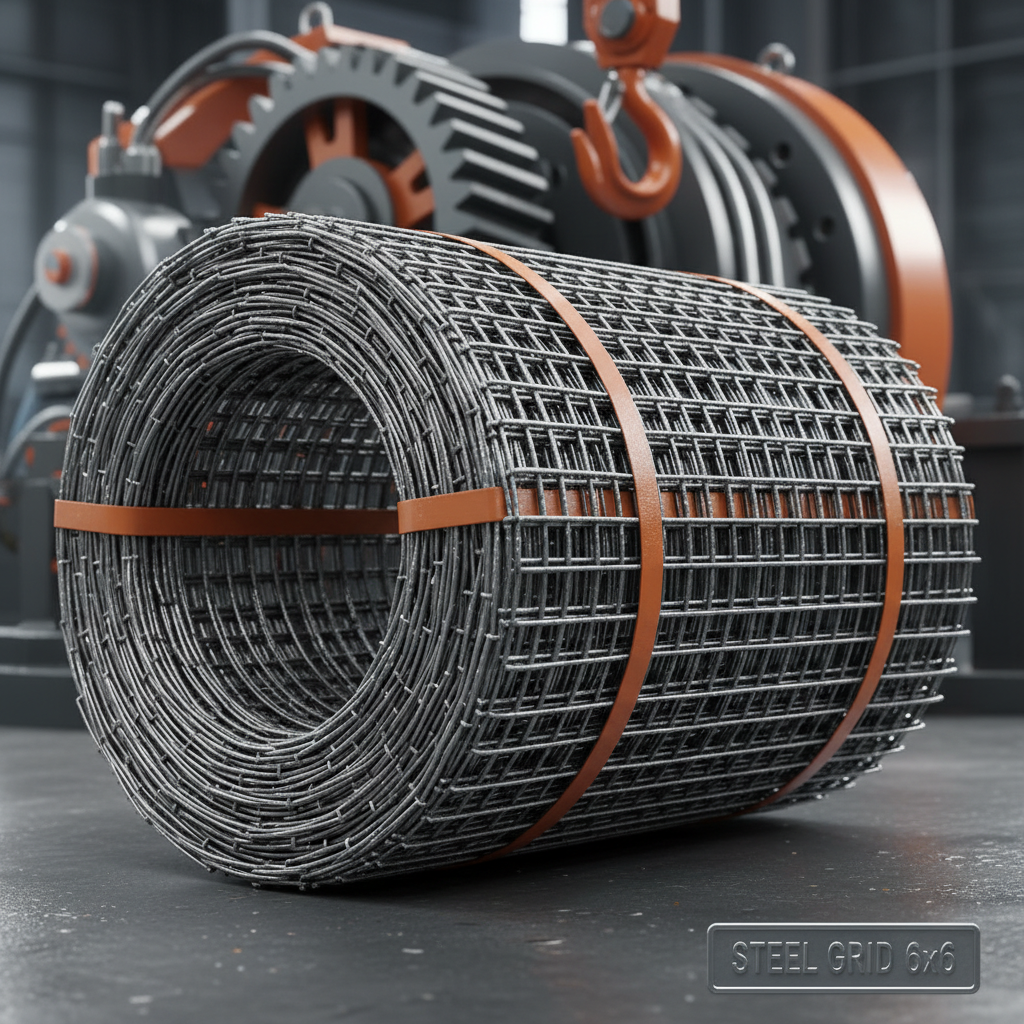
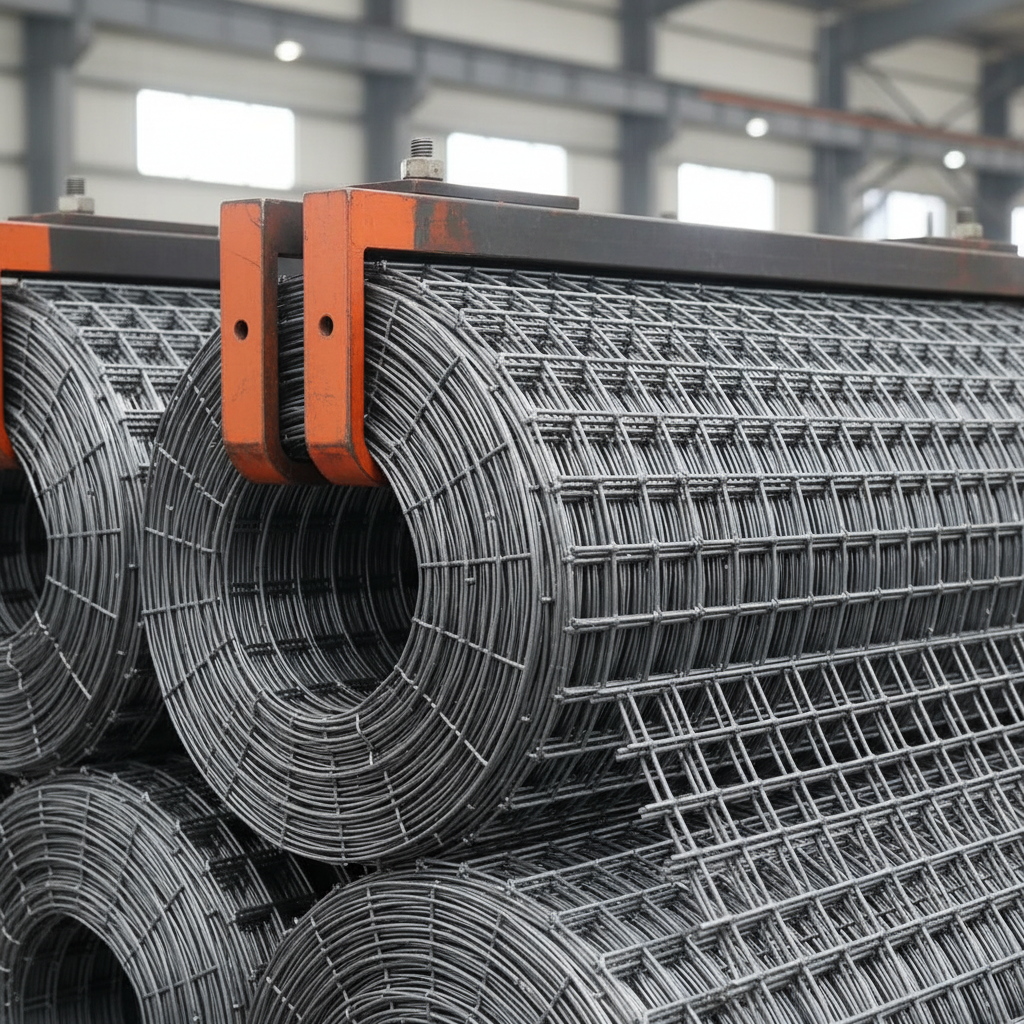
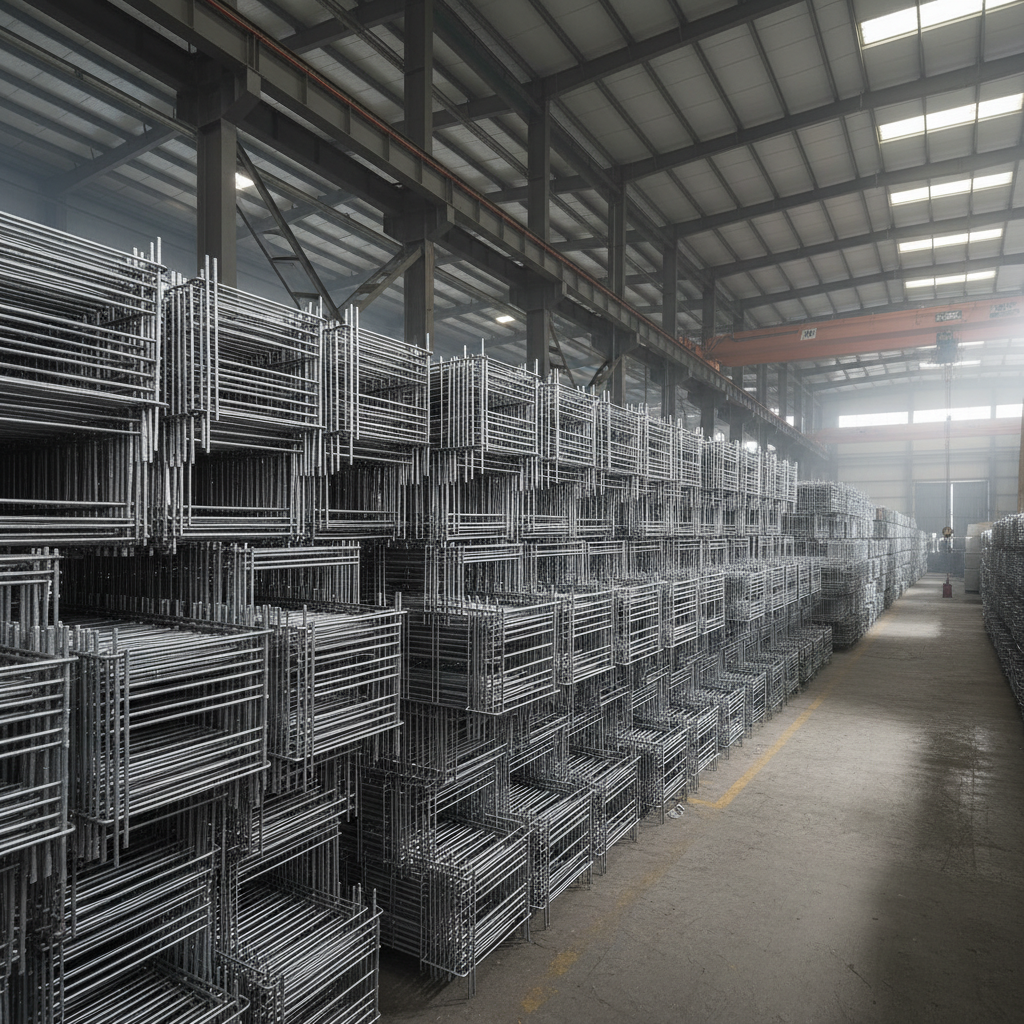
Wire mesh comes in rolls or panels, allowing for scalability across projects of different sizes — from tiny footpaths to large bridges or factory floors. This flexibility lets builders optimize costs and speed.
3. Cost Efficiency
Compared to traditional rebar tying, wire mesh installation is often faster and requires less labor, which saves money. Less wastage too, since mesh sizes are standardized and can be cut to fit.
4. Structural Integrity
This mesh distributes loads and stress more evenly throughout the concrete, reducing the likelihood of structural failures over time.
5. Ease of Installation
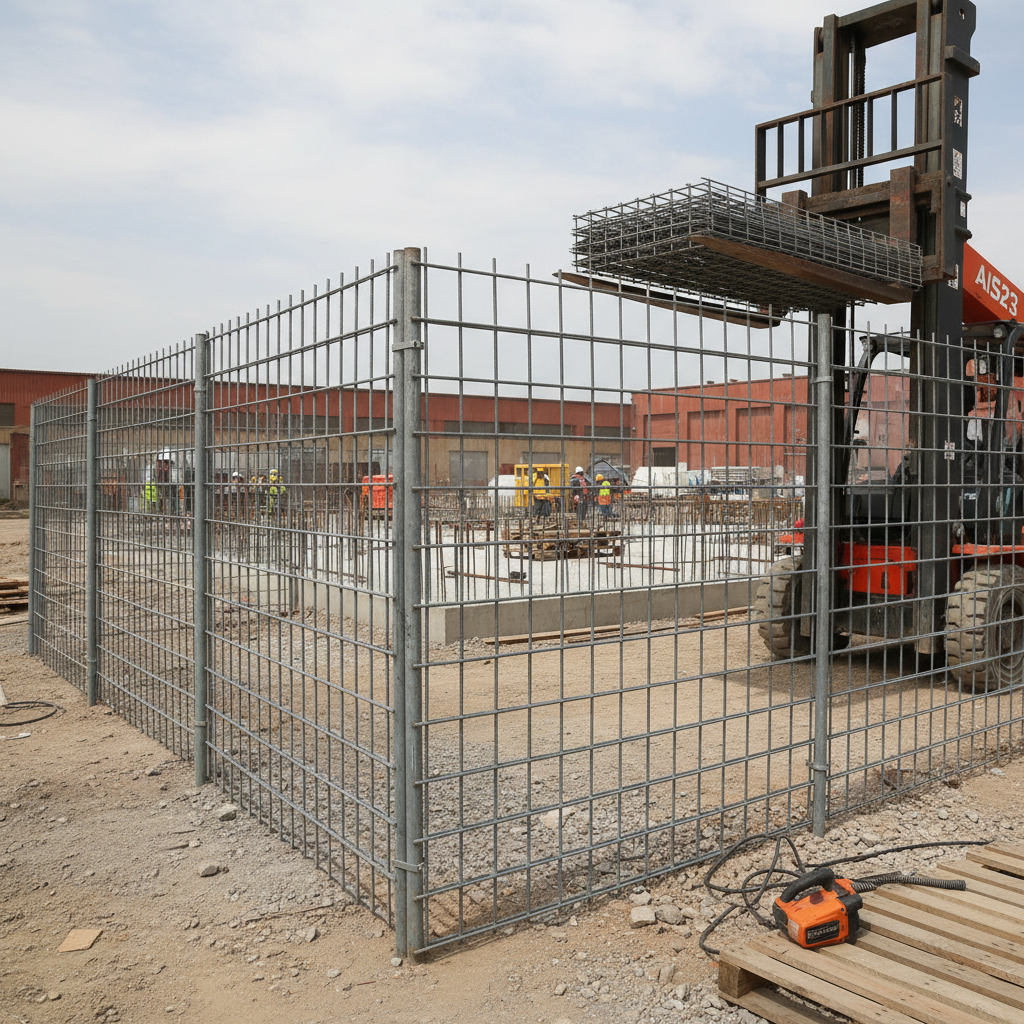
Wire mesh can be laid quickly on prepared surfaces, making it ideal for projects needing rapid deployment — a big plus in emergency construction or industrial builds.
Global Applications & Use Cases of Reinforcing Wire Mesh for Concrete
You’ll find reinforcing wire mesh used worldwide—in highways, commercial buildings, residential foundations, and airport runways. For example, in Southeast Asia, where rapid urban growth demands robust new buildings, the mesh is a backbone material. Post-disaster relief organizations rely on it, too—for instance, Mozambique’s cyclone rebuilding efforts incorporated wire mesh-reinforced concrete to improve safety and longevity.
In remote mining towns in Australia, the mesh helps build durable industrial flooring capable of withstanding heavy machinery and chemical exposure. Meanwhile, European infrastructure projects often require high tensile strength in bridges and tunnels, delivered by specialized high-grade mesh.
Advantages & Long-Term Value
- Cost Reduction: Less repair and maintenance over decades.
- Sustainability: Longer-lasting concrete means less raw material consumption and waste.
- Safety & Trust: Minimizes catastrophic failures and reassures occupants.
- Social Impact: Stronger infrastructure means better community resilience to natural disasters.
There’s also an emotional aspect: knowing a home or hospital is reinforced properly offers peace of mind. I remember a case where a local clinic’s upgraded foundation meant it kept operating through an earthquake—quite literally saving lives.
Product Specification Table: Typical Reinforcing Wire Mesh
| Specification | Details |
|---|---|
| Wire Diameter | 4mm – 12mm |
| Mesh Size | 100mm x 100mm to 200mm x 200mm |
| Material | Carbon Steel with anti-corrosion coating |
| Panel Sizes | 2m x 3m to custom dimensions |
| Yield Strength | 500 MPa (Megapascals) |
Vendor Comparison: Reinforcing Wire Mesh Providers
| Feature | Lanye Wire Mesh | MegaBuild Steel | Global Reinforce Ltd. |
|---|---|---|---|
| Customization Options | High – made to spec reinforcing wire mesh for concrete | Medium – standard sizes only | Low – limited size options |
| Lead Time | 2 weeks | 3-4 weeks | 4-5 weeks |
| Pricing | Competitive | Mid-range | Premium |
| Sustainability Certifications | ISO 14001, RoHS | None | ISO 9001 |
Future Trends & Innovations in Reinforcing Wire Mesh
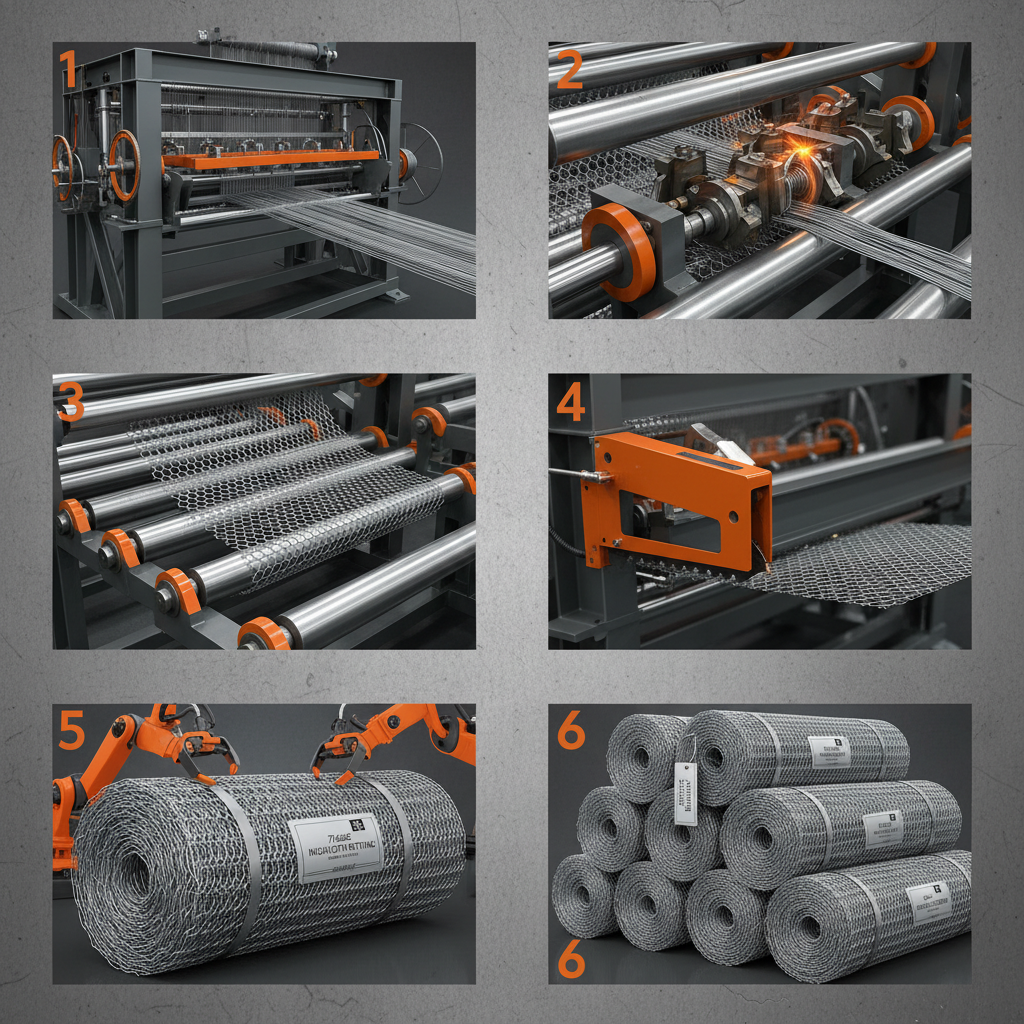
The industry is moving toward greener materials and smarter installations. For instance, some manufacturers are experimenting with stainless steel and composite fibers to reduce weight while improving corrosion resistance. Digital tools like BIM (Building Information Modeling) now integrate mesh placement into designs, increasing precision. Automation in factory mesh production and onsite robotic placement is also gaining traction.
Furthermore, in places emphasizing sustainability, recycled steel content and low-carbon manufacturing processes are becoming selling points, aligning with global climate goals.
Challenges & Practical Solutions
Despite its benefits, reinforcing wire mesh faces challenges – corrosion remains a significant threat if coatings fail or installation is improper. In remote locales, supply chain and customization delays can disrupt projects. Also, some workforce teams lack training in mesh placement, risking structural defects.
Experts suggest stronger quality control, supplier partnerships like ours at Lanye Wire Mesh, and enhanced worker training programs as solutions to mitigate these issues.
FAQ: Frequently Asked Questions About Reinforcing Wire Mesh for Concrete
- What sizes of reinforcing wire mesh are most commonly used in residential projects?
- The most common mesh sizes range from 100mm x 100mm to 150mm x 150mm with wire diameters between 4mm and 6mm, providing adequate strength for slabs and footings.
- How does reinforcing wire mesh improve concrete crack resistance?
- By distributing tensional forces evenly, the wire mesh prevents minor cracks from expanding into large fractures, maintaining the concrete’s integrity over time.
- Is galvanized mesh better than epoxy-coated mesh for coastal constructions?
- Both have corrosion-resistant properties, but epoxy coatings generally offer superior protection against saltwater exposure, making them preferred in coastal areas.
- Can reinforcing wire mesh be integrated with other reinforcements like rebar?
- Absolutely. Wire mesh can complement rebar by providing surface strength and preventing surface cracking, often used together for heavy-duty applications.
- Where can I find customized reinforcing wire mesh for specialized industrial projects?
- Suppliers like Lanye Wire Mesh offer tailored solutions with various wire diameters, coatings, and mesh sizes to meet specific project demands.
Conclusion: Building Resilience, One Wire at a Time
In real terms, reinforcing wire mesh for concrete may not be flashy, but it is foundational to safer, stronger, and more sustainable construction worldwide. From urban developments to emergency reconstruction, it’s a staple that combines cost efficiency, durability, and flexibility. If you’re involved in construction or infrastructure procurement, it’s worth exploring specialized options for your projects. For further details and tailored solutions, visit our website: https://www.lanyewiremesh.com.
Oddly enough, it's often the small steel grids embedded quietly inside concrete that end up making the biggest difference.
Quick takeaway: Reinforcing wire mesh isn’t just a building material—it’s a backbone for resilient infrastructure worldwide.