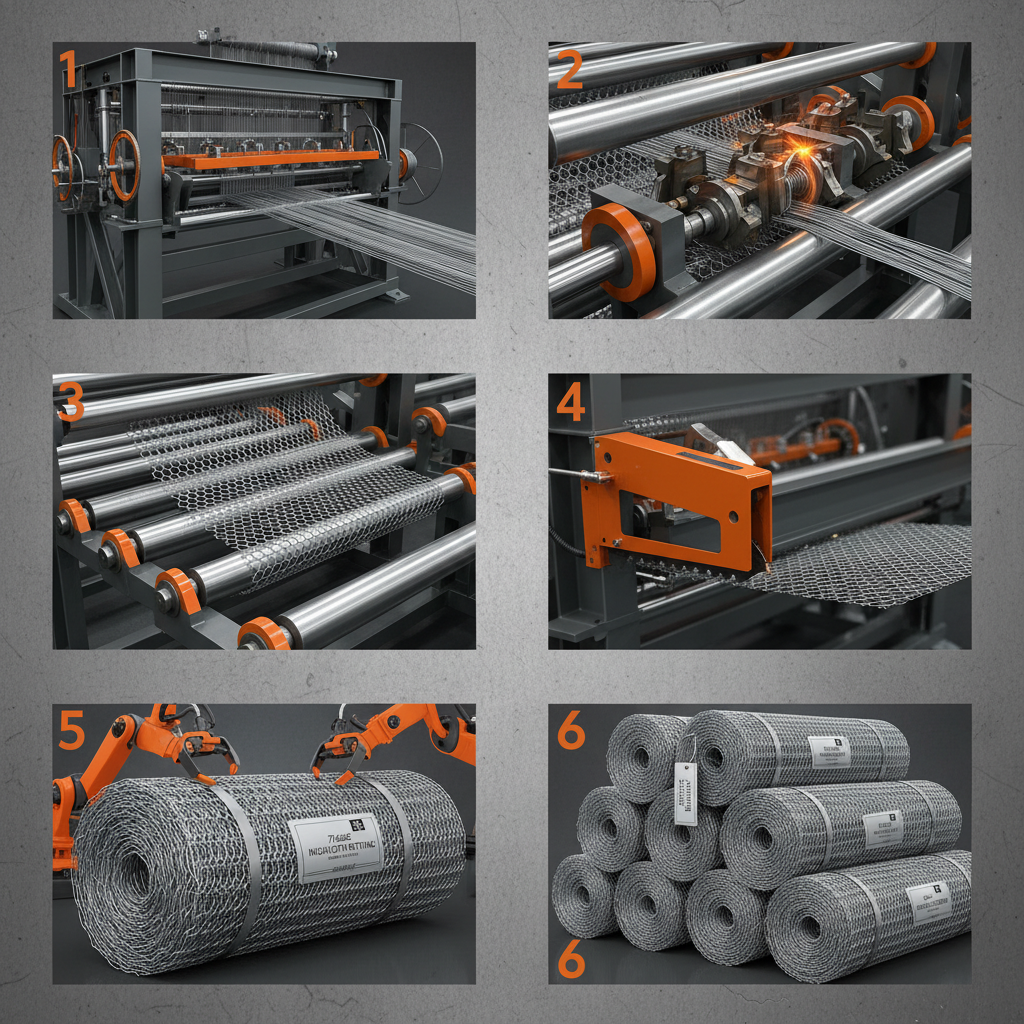
Rib Lath Mesh: What It Is and Why It Matters Globally
When you think of construction or reinforcement materials, "rib lath mesh" might not spring to mind immediately. But it’s quietly pivotal in shaping modern infrastructure across the world. This mesh material is integral to structures’ durability and flexibility — attributes that matter hugely, whether we’re talking urban skyscraper frameworks, remote refugee housing, or restoring disaster-hit buildings.
Understanding rib lath mesh means understanding a key piece in the global puzzle of sustainable, efficient construction. As cities grow and the climate crisis boosts extreme weather events, materials that combine strength, adaptability, and cost-effectiveness are more important than ever.
The Global Context of Rib Lath Mesh
Globally, construction activity is accelerating, especially in Asia and Africa, where urban populations are booming. According to the UN’s “World Urbanization Prospects” report, by 2050, nearly 68% of the world's population will live in urban areas, up from 56% in 2020. That surge alone puts enormous pressure on building materials to be inexpensive, scalable, and environmentally conscious.
Frankly, traditional materials sometimes don’t cut it when rapid, low-cost, and durable solutions are needed—particularly for emergency housing or rehabilitating crumbling infrastructure. This is where rib lath mesh comes into play, offering a versatile, easy-to-install solution.
What Is Rib Lath Mesh?
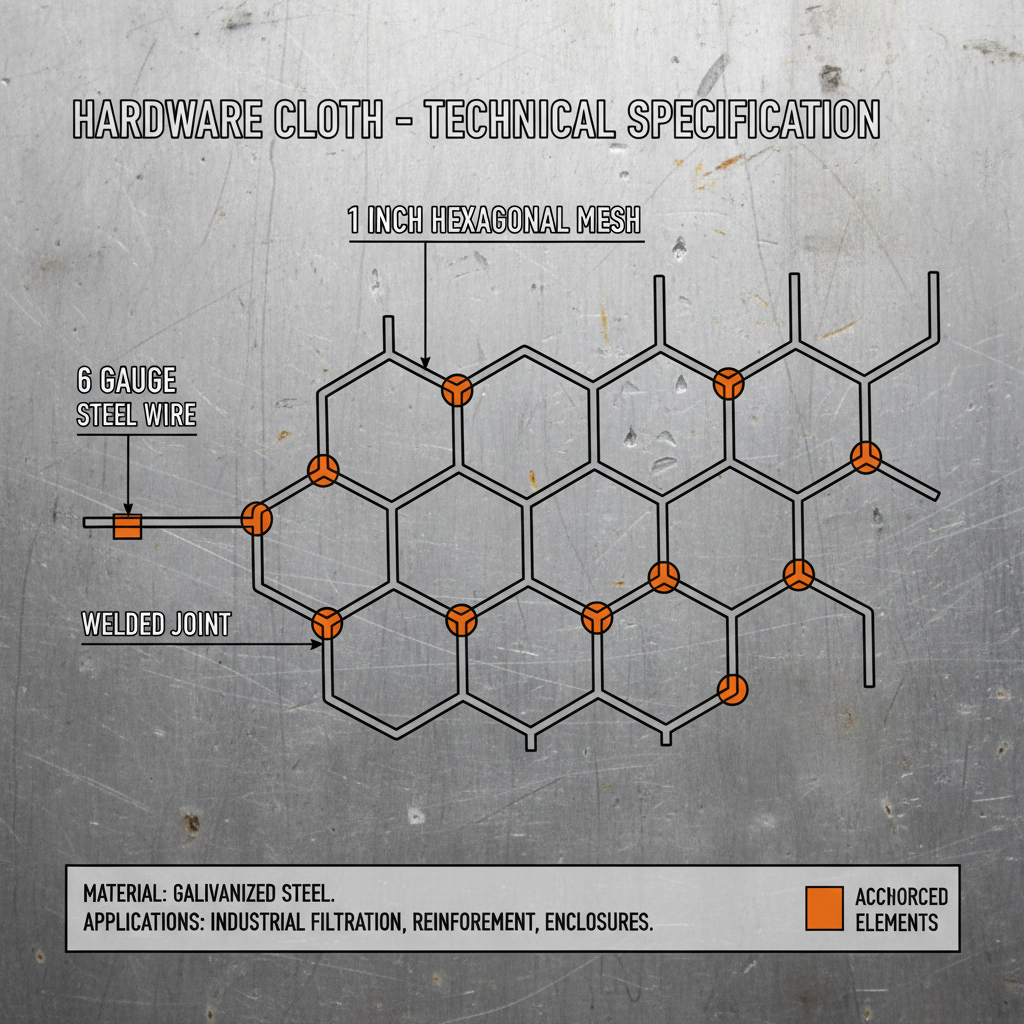
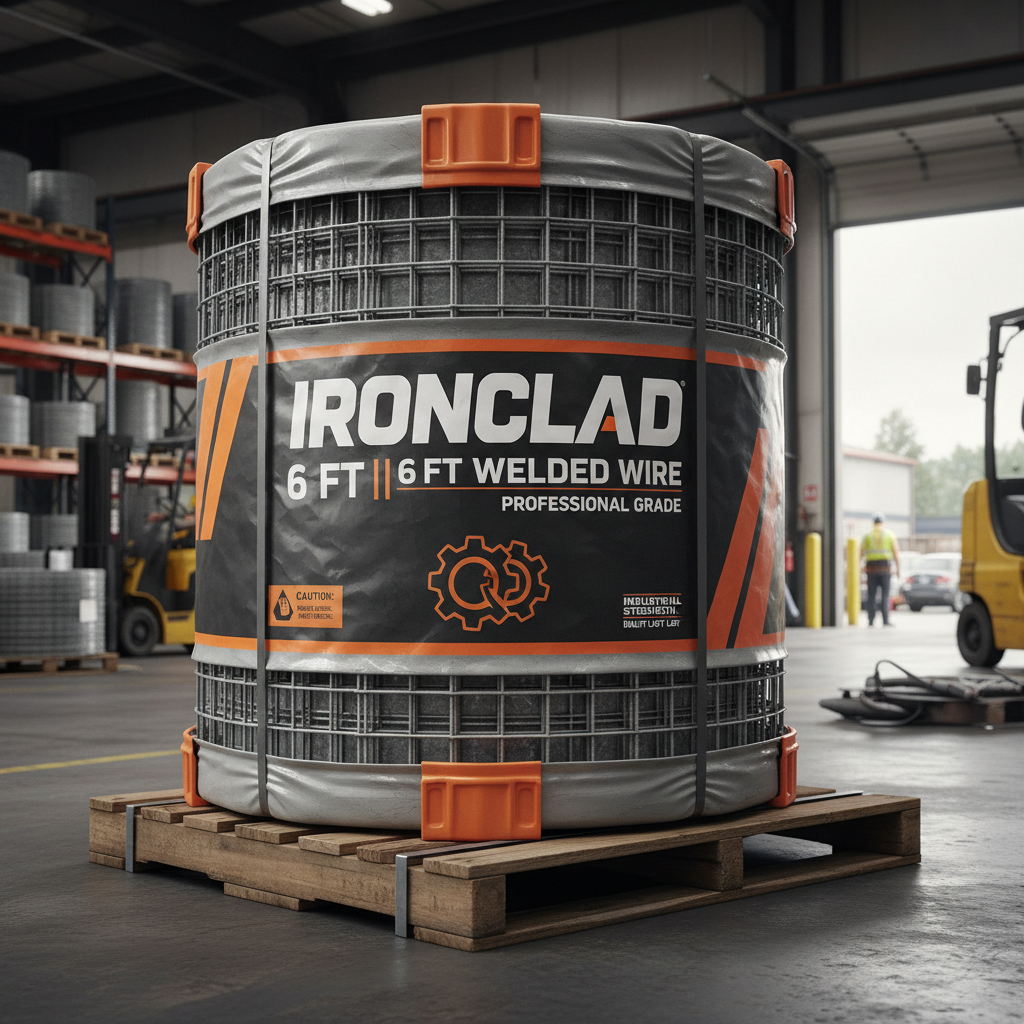
In essence, rib lath mesh is a kind of metal mesh with ribbed reinforcements that provide extra stiffness and bonding qualities for plaster, concrete, or stucco layers. Think of it as a skeletal support that helps hold the external material in place, preventing cracking or warping under stress or climate variations.
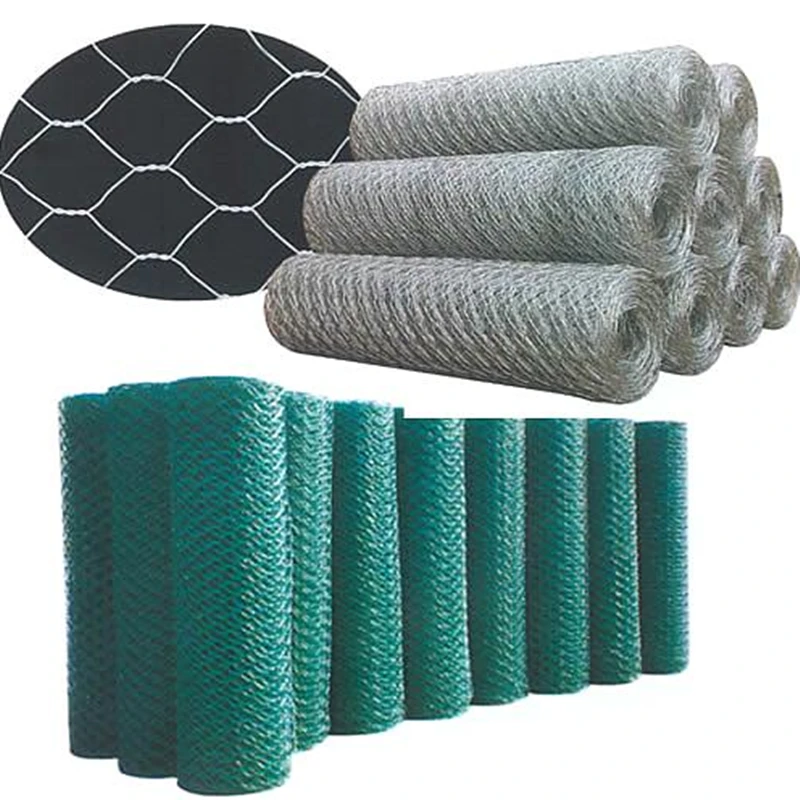
Rib lath meshes are often zinc-coated or galvanized steel, ensuring resistance to rust and corrosion. They connect tightly with plaster or cementitious materials, improving overall structural integrity without adding heavy weight. This combination is vital for everything from modern architectural façades to temporary shelters in humanitarian crises.
Core Components of Rib Lath Mesh and Their Implications
- Durability: The ribbed steel gives the mesh strength against mechanical stress and environmental impacts, meaning structures last longer.
- Flexibility: Despite its toughness, the mesh can bend without breaking, accommodating complex wall curves or uneven surfaces without compromising.
- Corrosion Resistance: Galvanization or zinc coating extends the mesh’s lifespan, especially in humid or coastal areas.
- Ease of Installation: Lightweight and easy to cut, installers save time and labor costs—a big deal in fast-paced projects.
- Cost Efficiency: When compared to other reinforcing materials, rib lath mesh offers a sweet spot between price and performance.
- Compatibility: Works well with a variety of finishes including plaster, stucco, and concrete, making it versatile across different building methods.
Mini takeaway: Rib lath mesh’s unique combination of durability, flexibility, and cost-effectiveness explains its growing global adoption — especially where fast, strong solutions are needed.
Real-World Applications & Use Cases
Rib lath mesh shows up in a surprising variety of contexts. In the aftermath of natural disasters — think earthquakes or hurricanes — organizations such as the Red Cross and NGOs use rib lath mesh extensively in temporary housing units to reinforce walls quickly. Its quick deployment and sturdy support help maintain safety and dignity for displaced communities.
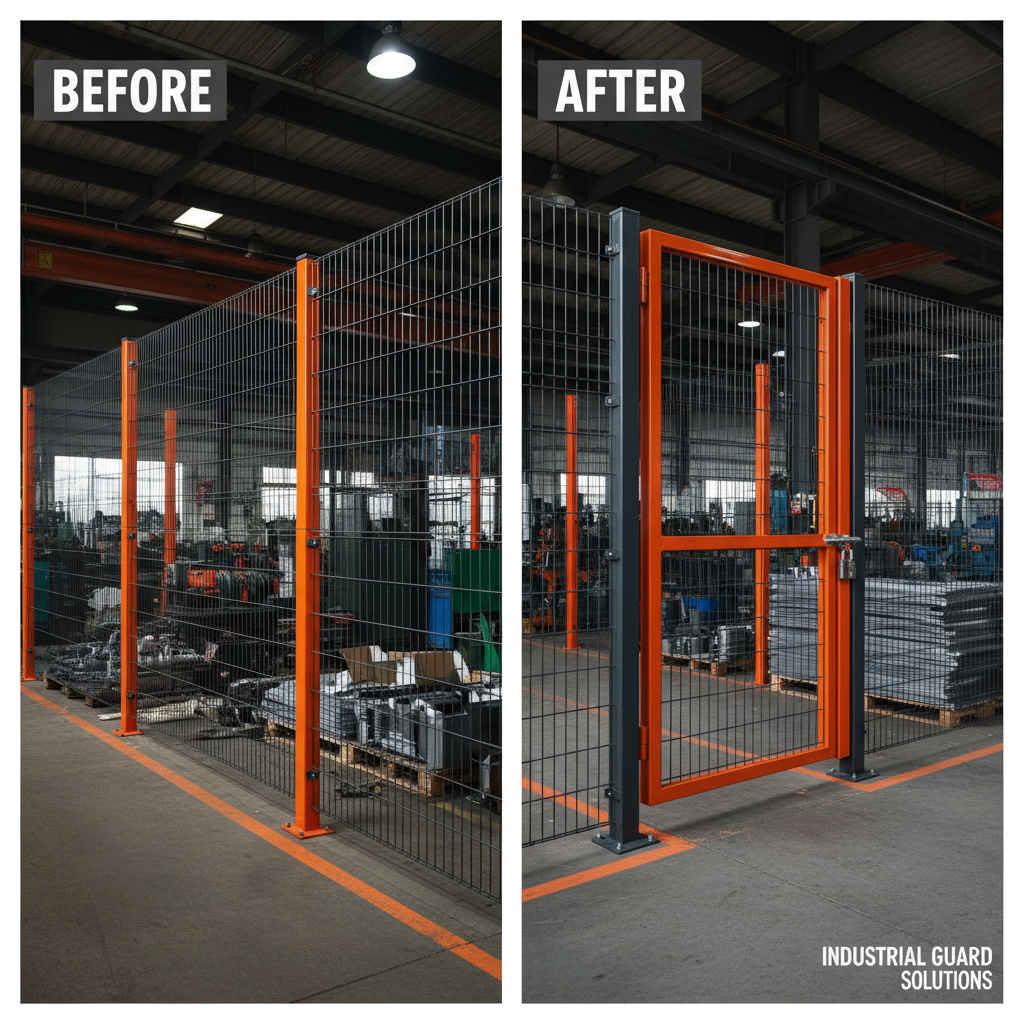
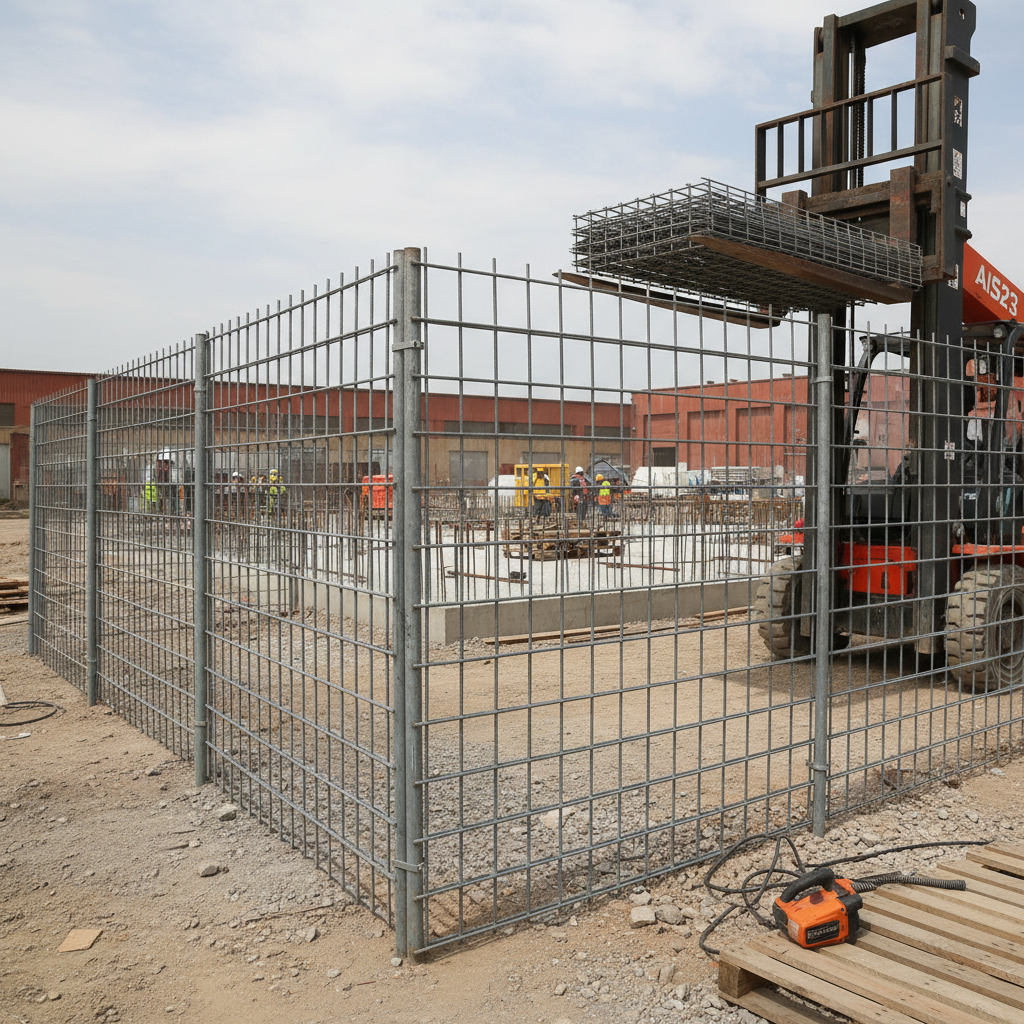
In industrial zones from Southeast Asia to South America, manufacturers rely on rib lath mesh to create ventilation channels, partitions, or cladding. Oddly enough, it also finds a home in historic building restorations, where it’s used to reinforce plasterwork without altering the building's aesthetics.
Even in residential construction, it’s gaining traction. Architects who want to use sustainable, breathable materials pair rib lath mesh with eco-friendly plasters, marrying tradition and innovation.
Product Specifications At A Glance
| Specification | Typical Standard | Common Range |
|---|---|---|
| Material | Galvanized Steel / Zinc-coated | Steel thickness 0.3–0.8 mm |
| Mesh Opening Size | Oval / Rectangular | 12 mm × 50 mm (typical) |
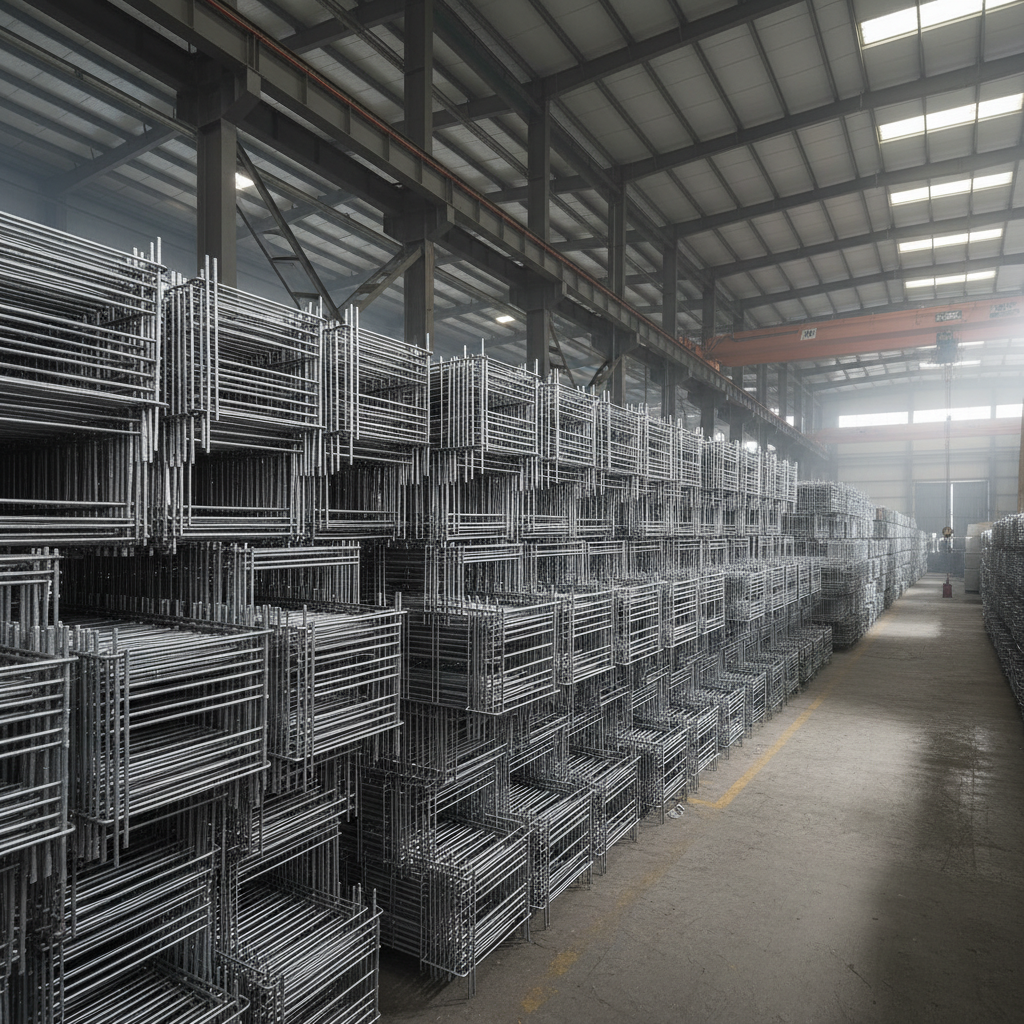
| Width | Standard Rolls | 600 mm to 900 mm |
| Length | Standard Rolls | 10 m to 30 m |
| Coating thickness | ISO 1461 galvanized standard | 40–60 microns zinc layer |
Vendor Comparison: Leading Rib Lath Mesh Suppliers
| Feature | Lanyewiremesh | SteelMakers Inc. | Global MeshWorks |
|---|---|---|---|
| Material Quality | Grade A galvanized steel | Standard galvanized | Premium zinc coating |
| Customization Options | Various widths & designs | Limited | Moderate |
| Delivery Time | 7-10 days globally | 14-20 days | 10-15 days |
| Price Competitiveness | $$ | $ | $$$ |
| Sustainability Certifications | ISO 14001 certified | None | LEED Compliant |
Advantages & Long-Term Value of Rib Lath Mesh
The advantages here thread through logic and emotion. Practically, rib lath mesh offers cost savings by reducing repair needs, thanks to fewer cracks and better reinforcement longevity. On the sustainability front, using a recyclable metal mesh supports circular economy goals, important in an age when construction waste is a major pollutant (UN Environment Programme estimates 3 billion tons generated yearly).
On a human level, it’s about safety and assurance. Builders and inhabitants gain peace of mind knowing walls won’t easily fail, especially critical in quake-prone or hurricane-exposed regions. There’s a dignity aspect too — reliable, attractive finishes help people feel at home in their spaces, whether permanent or temporary.
Future Trends and Innovations
Innovation rarely sleeps. The future of rib lath mesh hints at new materials like stainless steel variants or composites combining metal with fiberglass to optimize weight and corrosion resistance. Automation in manufacturing could lead to even more precise rib patterns and integration with digital building systems—what some call “smart reinforcement.”
Green energy ideologies push suppliers to improve coatings, reducing toxic chemicals and energy consumed in production. Plus, with 3D construction gaining momentum, flexible rib lath mesh may become integral in shaping non-traditional forms.
Challenges & Expert Solutions
Despite its strong points, rib lath mesh isn’t free of issues. For one, improper installation can reduce effectiveness — if the mesh isn’t correctly anchored, it might create weak spots. Also, in very corrosive environments (think industrial zones with acidic gases), even galvanized coatings eventually degrade.
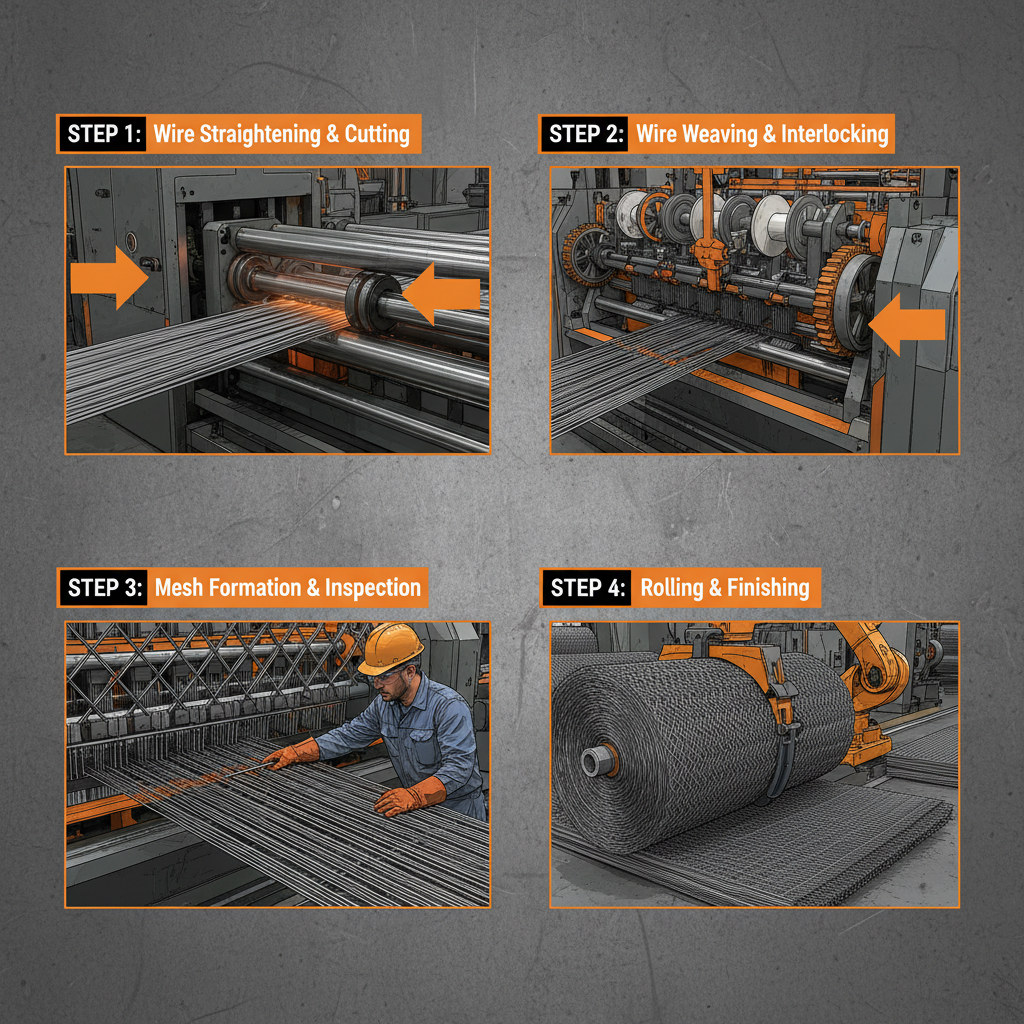
Manufacturers and contractors are tackling these by developing enhanced corrosion-resistant coatings and better training for installers. Some projects are experimenting with modular, pre-fabricated panels that integrate rib lath mesh to ensure consistent quality on site.
FAQs: Practical Questions on Rib Lath Mesh
- Q: How does rib lath mesh improve plaster longevity?
A: The ribbed structure provides a mechanical bonding surface that holds plaster firmly, reducing cracking and peeling over time, especially under thermal or structural stress. - Q: Can rib lath mesh be used outdoors?
A: Yes, particularly when galvanized, it’s designed to withstand outdoor weather, though extremely corrosive conditions may require special coatings or stainless steel versions. - Q: Is rib lath mesh suitable for earthquake-prone areas?
A: Absolutely. Its flexibility and reinforcement capacity help walls absorb and distribute seismic forces, reducing damage. - Q: How can an NGO source rib lath mesh for emergency housing internationally?
A: Many global suppliers offer customizable orders and expedited shipping. Partnering with established vendors like Lanyewiremesh simplifies the import process with compliance documentation and logistics support.
Conclusion
Rib lath mesh may sound like niche jargon, but in truth, it forms an essential backbone for safe, efficient, and sustainable building worldwide. Its long-term benefits – combining cost-effectiveness, durability, and adaptability – align with industry and humanitarian goals alike.
If you’re engaged in construction or infrastructure development and want reliable rib lath mesh solutions, consider visiting our website for detailed product info and support: https://www.lanyewiremesh.com.
Thanks for reading; I hope this overview gives you some concrete clarity about the nuances and future of rib lath mesh. It’s one of those materials that quietly change our built environment for the better.
Takeaway: At the intersection of innovation and tradition, rib lath mesh stands ready to support resilient and sustainable construction globally.