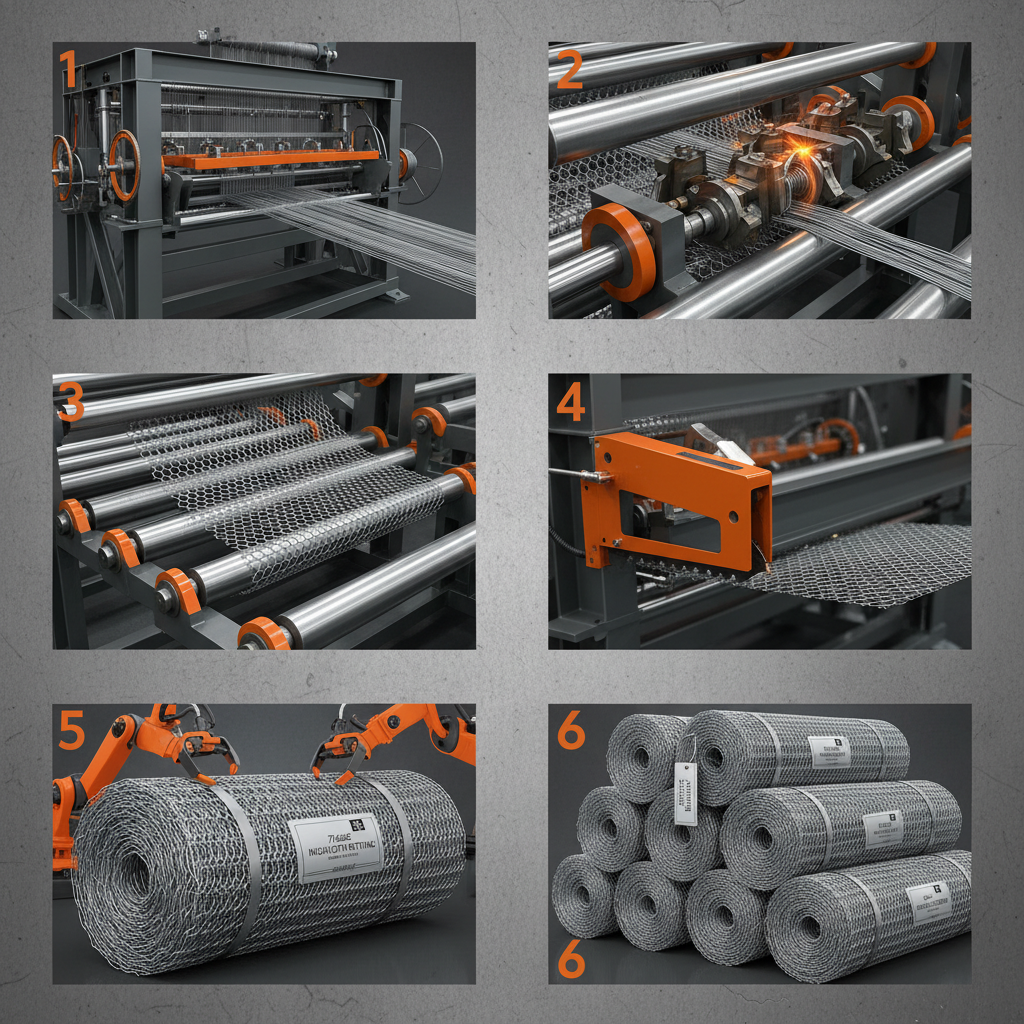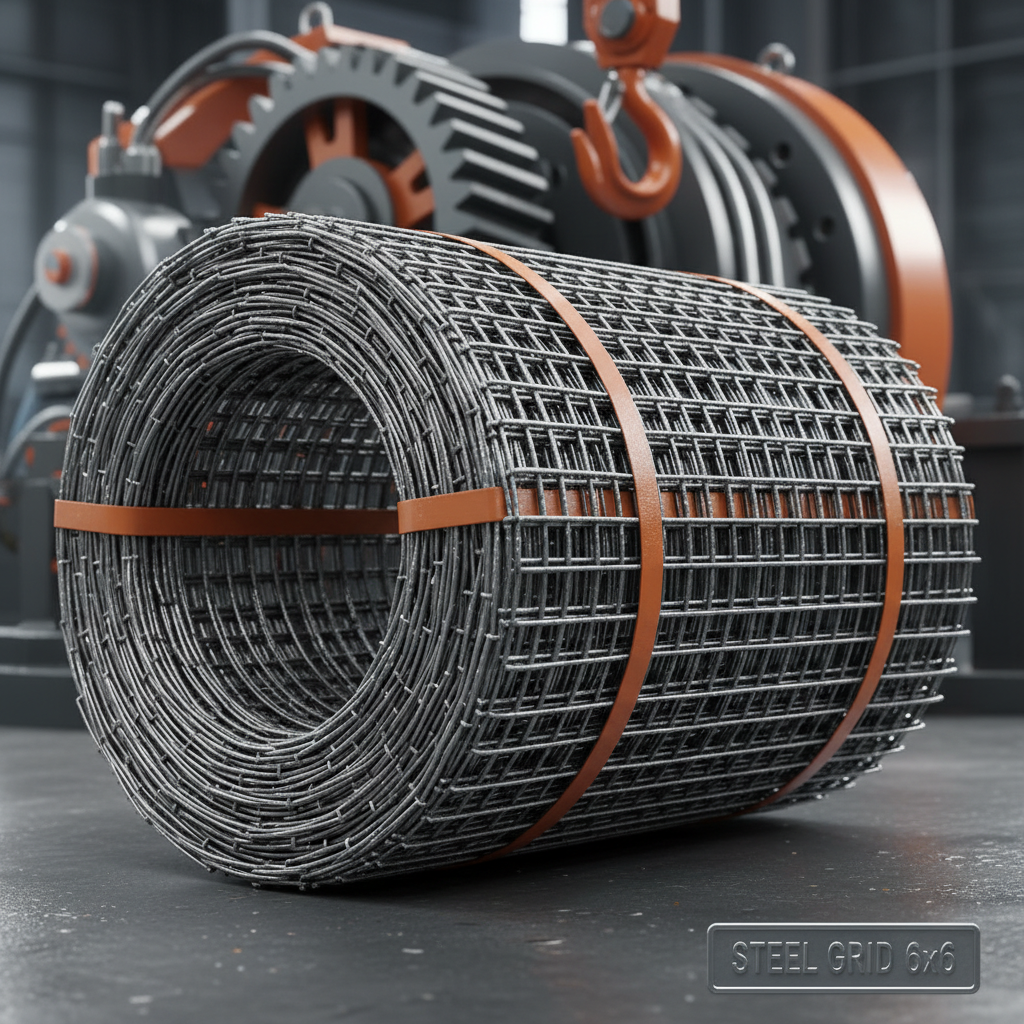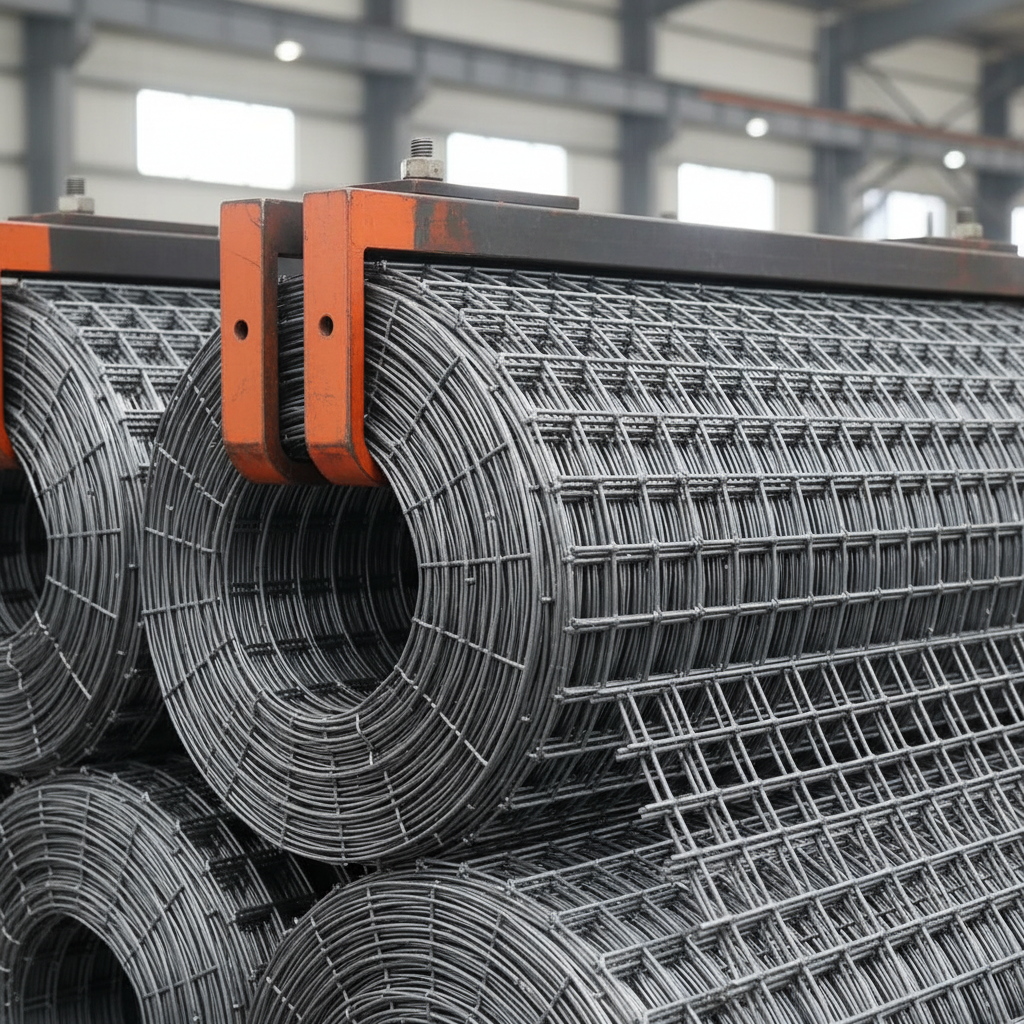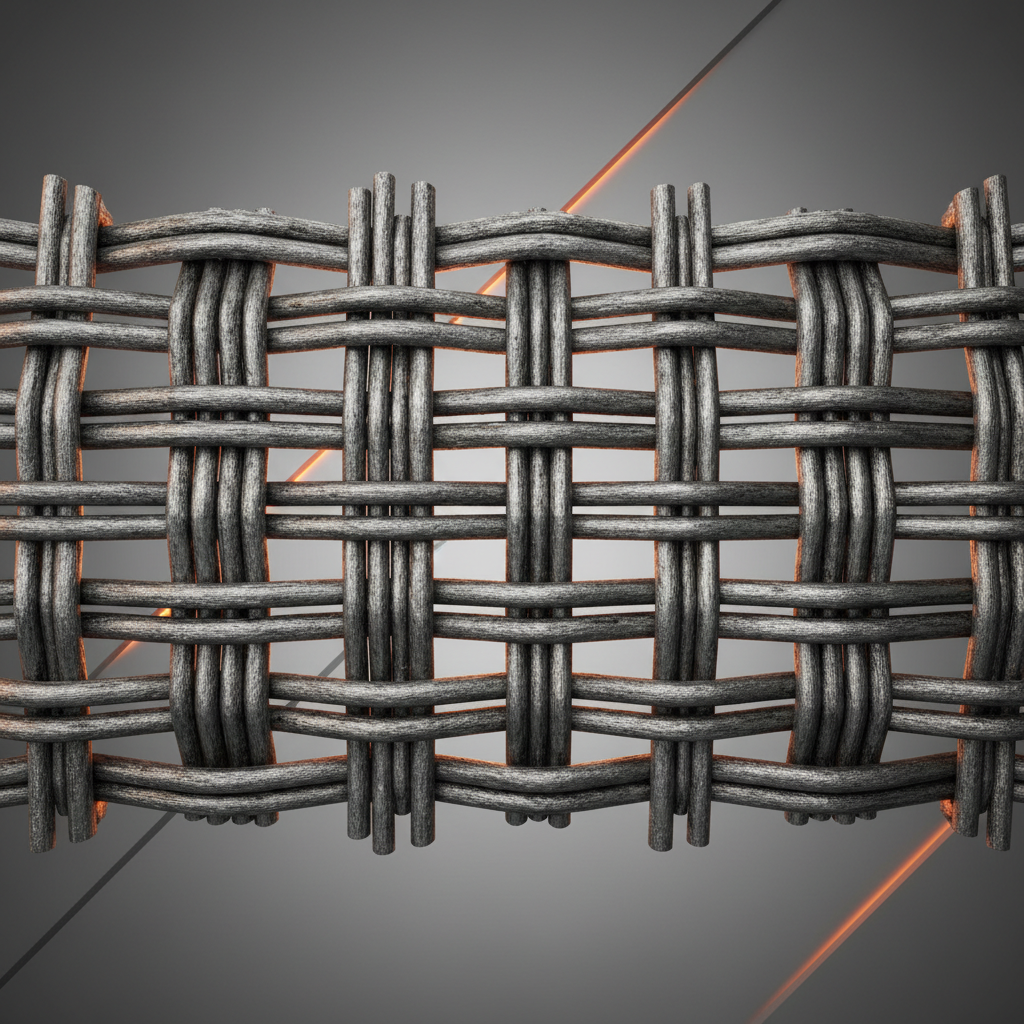
Small Hole Chicken Wire is a key solution in the industry, specifically within agribusiness, construction, and protective applications. This article explores how https://www.lanyewiremesh.com supports professionals with durable, high-performance products, and explains why this product is an ideal choice for businesses in these sectors.
Table of Contents
- Small Hole Chicken Wire Overview
- Benefits & Use Cases of Small Hole Chicken Wire
- Cost, Maintenance & User Experience
- Sustainability & Market Trends
Small Hole Chicken Wire Overview
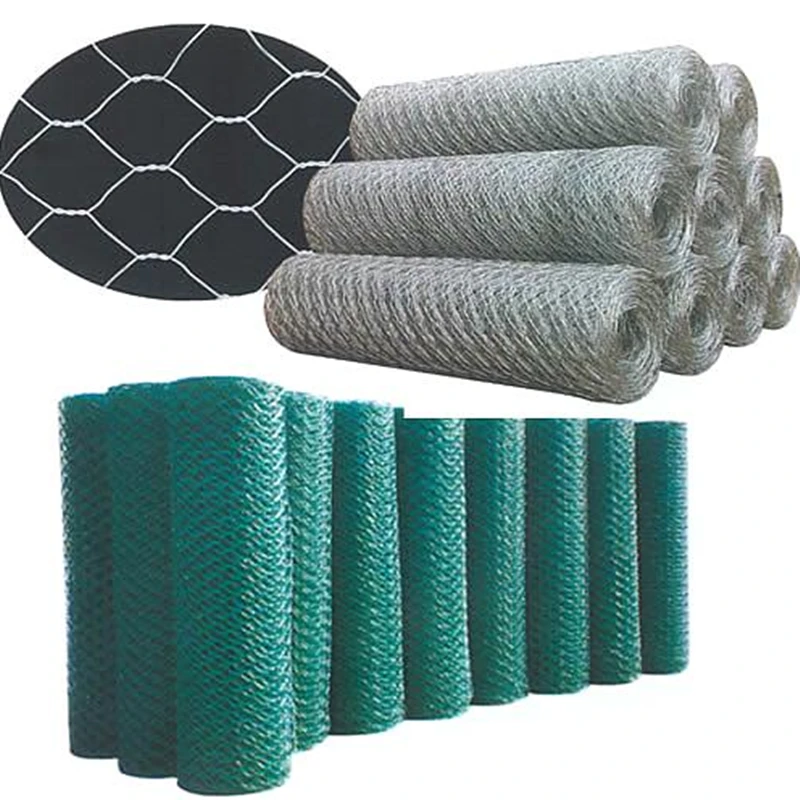
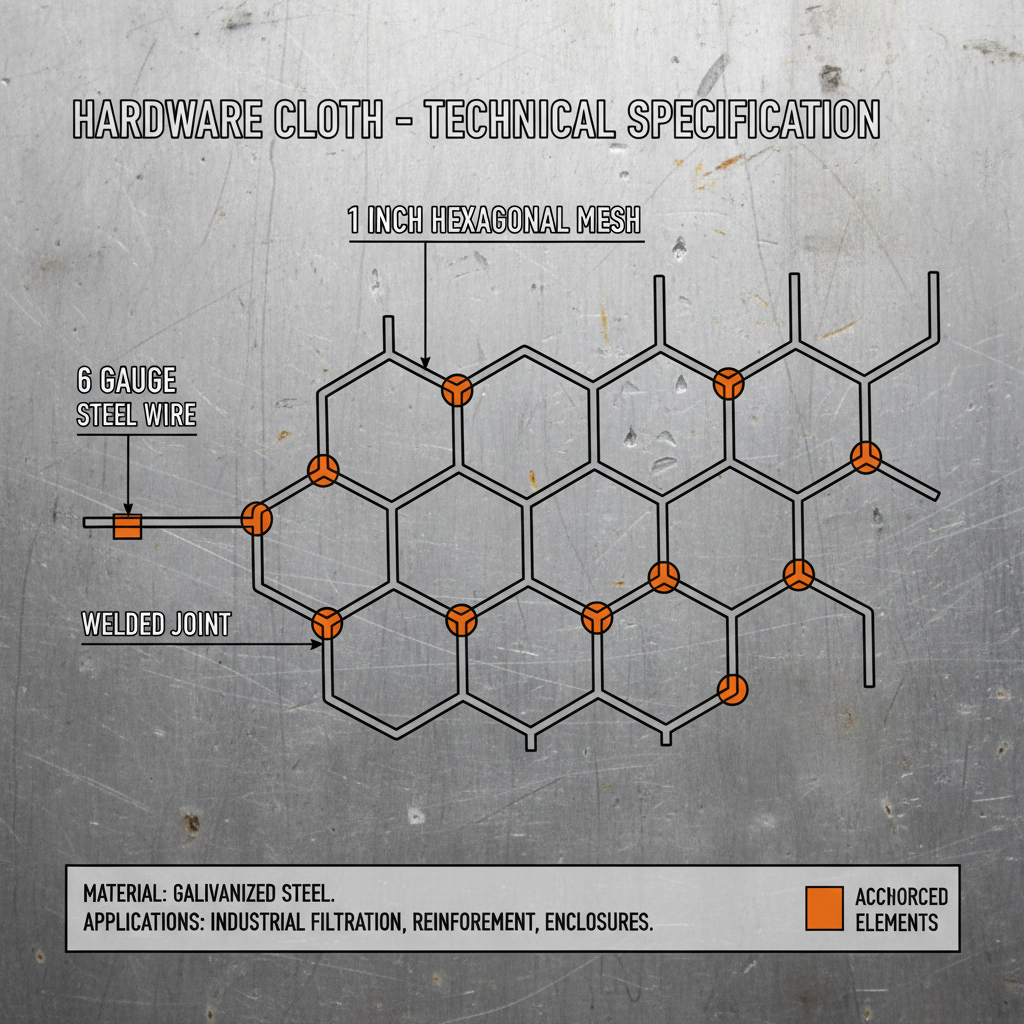
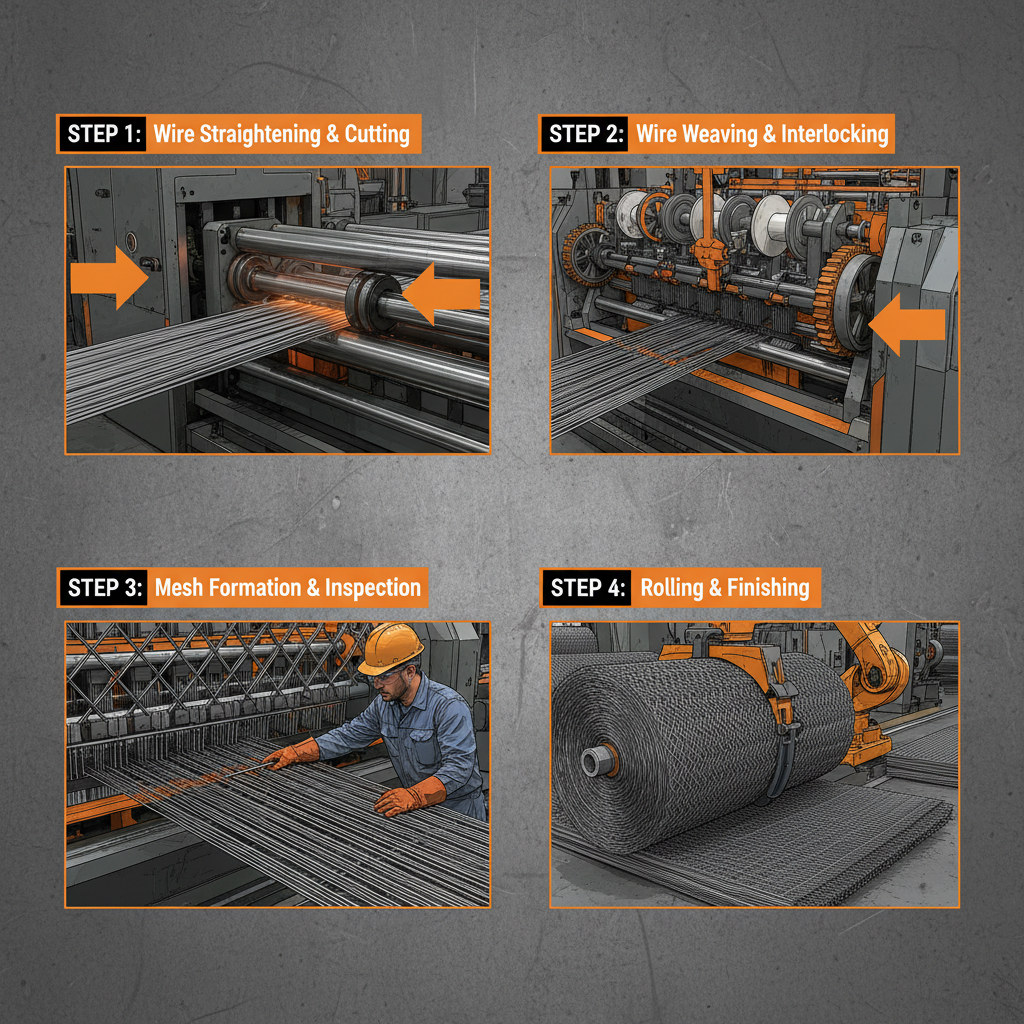
At its core, Small Hole Chicken Wire refers to a type of welded or woven wire mesh with a notably tight mesh size, usually consisting of smaller hexagonal or square openings that effectively restrict the passage of small animals or debris. Oddly enough, while “chicken wire” might sound simple, the variations when it comes to hole size, wire gauge, and coating quality truly set certain products apart in professional settings.
- Small Hole Chicken Wire typically features hexagonal holes from 1/4" to 1/2", ensuring finer containment.
- Constructed from galvanized steel wire, it offers corrosion resistance needed for outdoor or harsh environments.
| Feature | Specification |
|---|---|
| Material | Galvanized Steel Wire (Grade A, ASTM compliant) |
| Wire Diameter | 0.7 mm to 1.5 mm |
| Mesh Size (Hole Diameter) | 6 mm to 12 mm (usually hexagonal) |
| Coating | Hot-Dip Galvanization or PVC Coating |
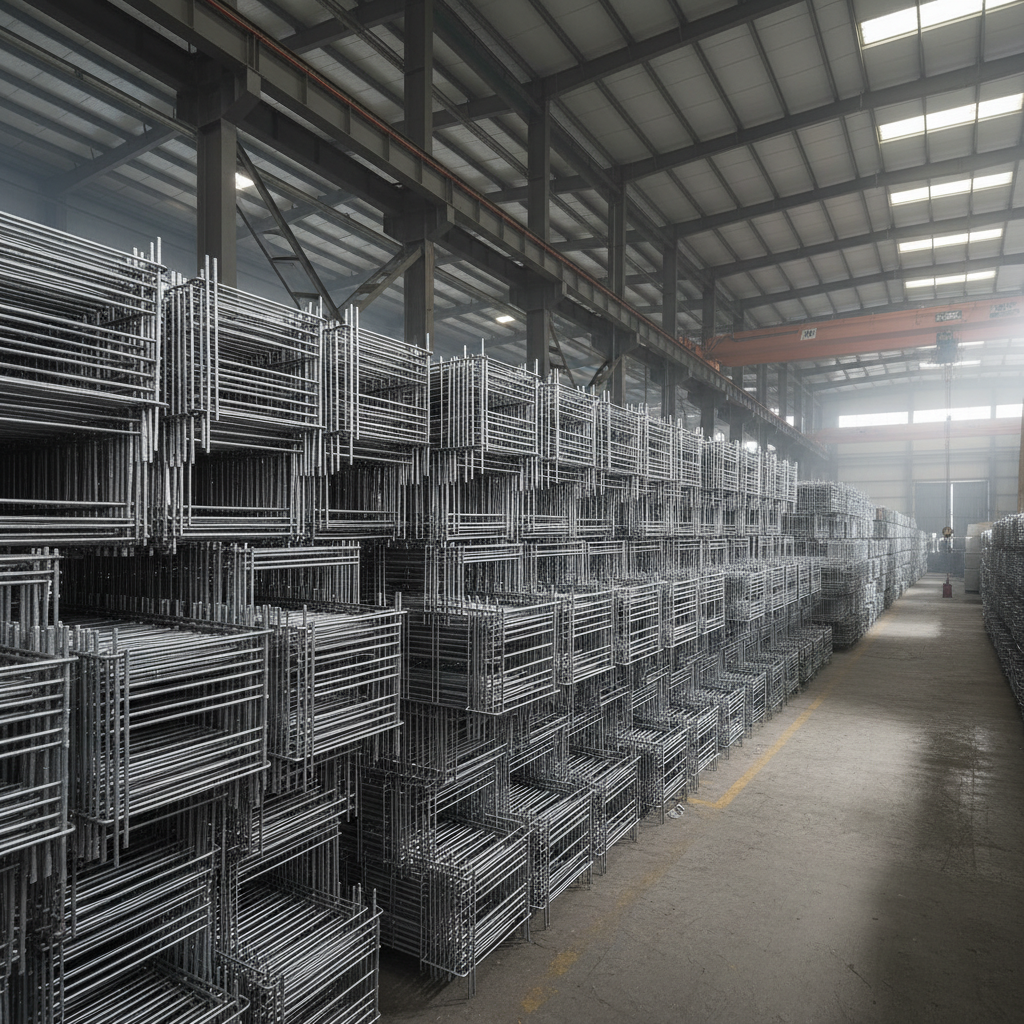
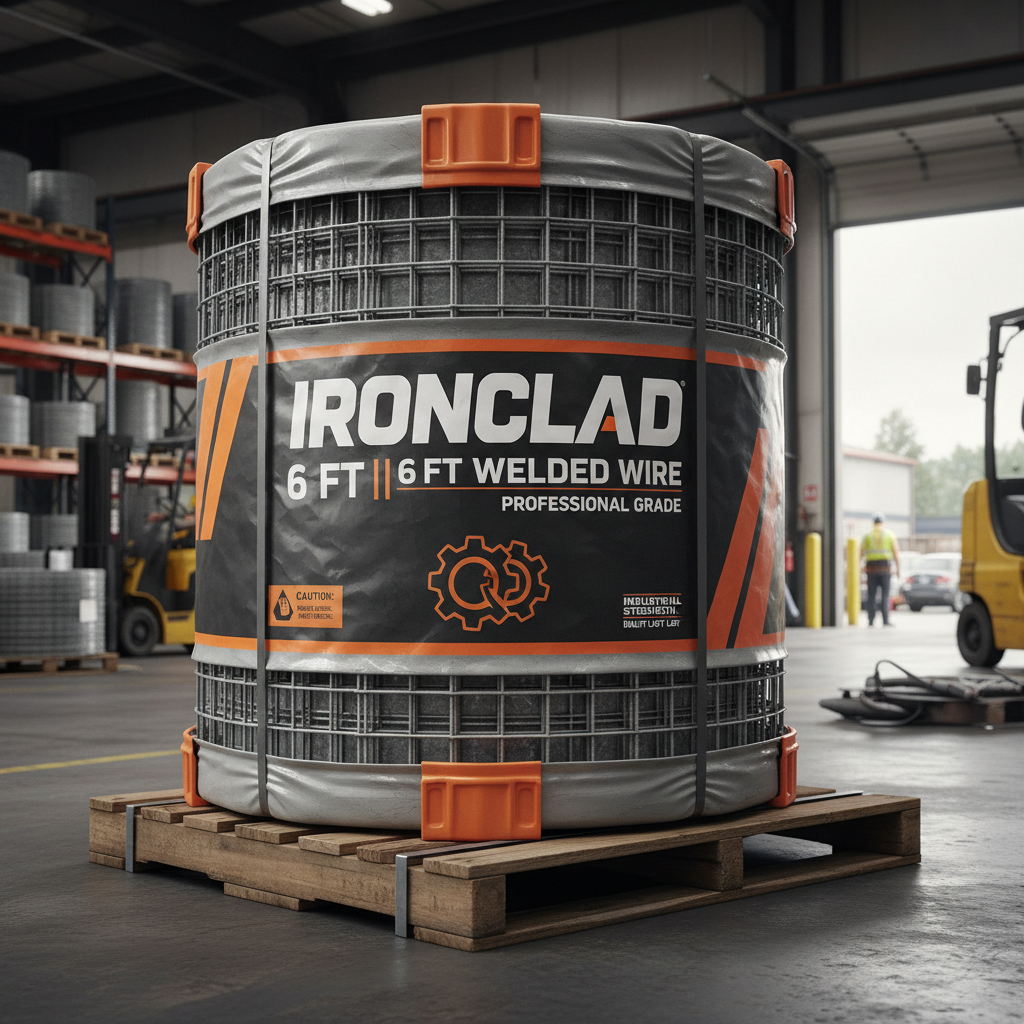
| Roll Dimensions | Typically 1m width x 30m length |
Benefits & Use Cases of Small Hole Chicken Wire
It’s always fascinating how something so straightforward can solve a diverse array of problems. In agriculture, for instance, the small hole design helps keep chickens and smaller livestock contained without risking injury. At the same time, it barrier-proofs crops against tiny pests — a sort of natural defense that many growers swear by. Construction companies love it too; using small hole chicken wire for reinforcing plaster or stucco walls greatly improves structural integrity.
- Ideal for containment — safeguarding small animals while preventing escapement.
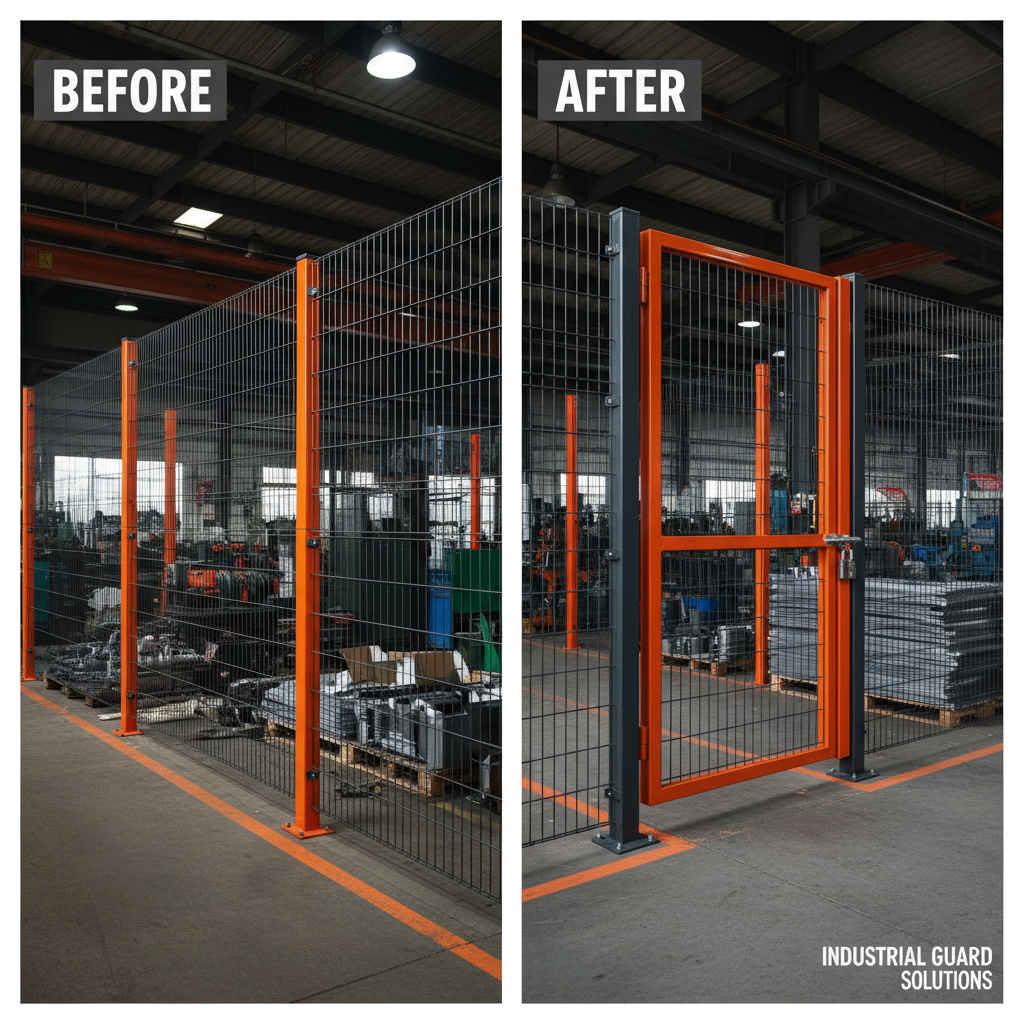
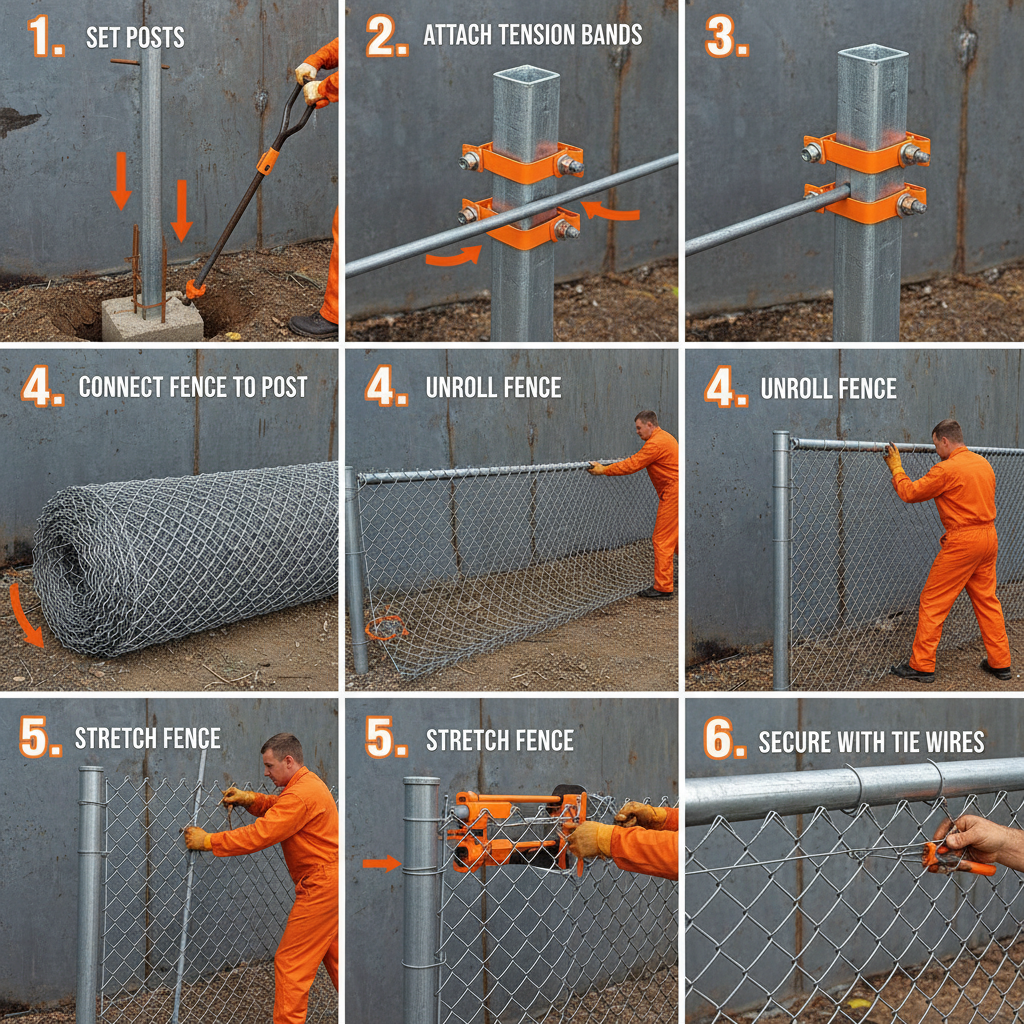
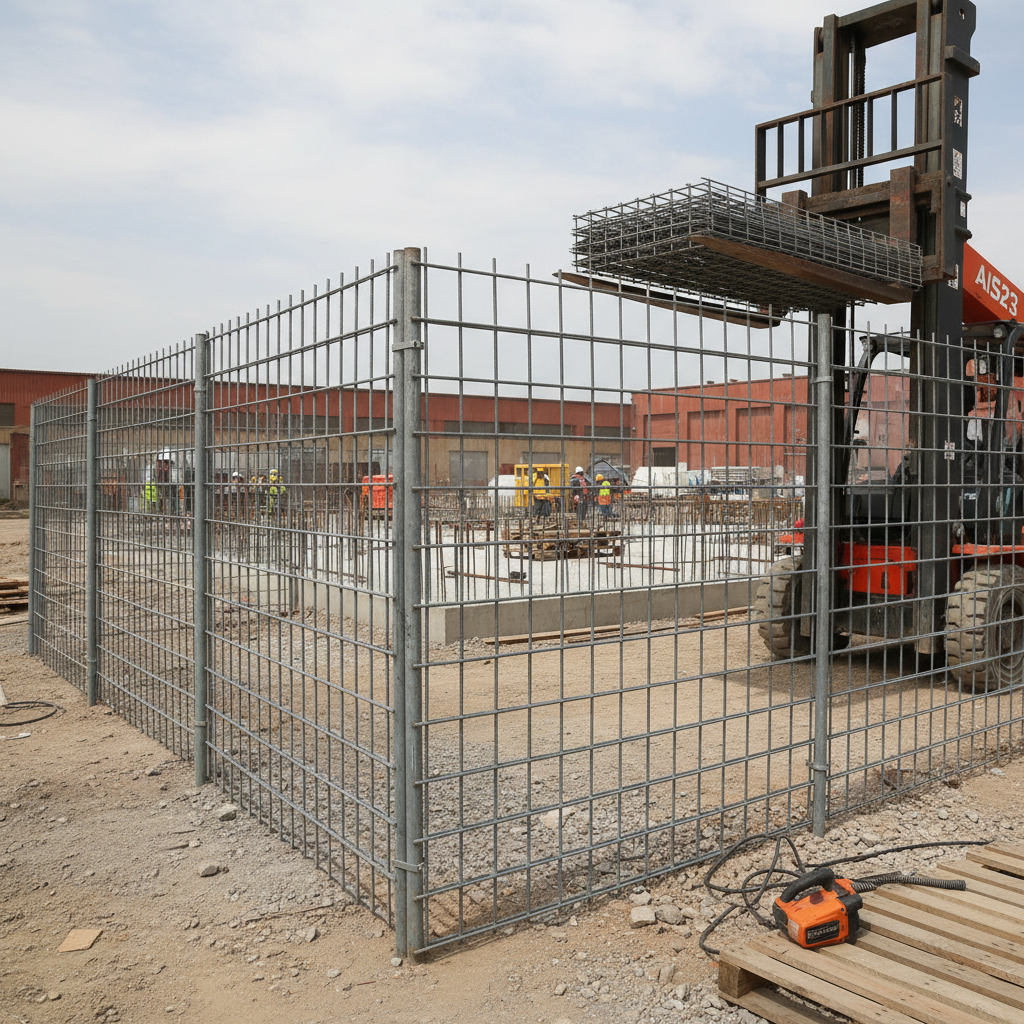
- Widely used in fencing for gardens and poultry farms due to its protective yet breathable nature.
- Used in construction as lath to reinforce plaster, thereby enhancing durability and crack resistance.
- Allows easy customization with coil sizes adapting to specific project demands.
The competitive edge? It’s mostly about durability combined with flexibility — less prone to rust, stronger than traditional woven chicken wire, with finer mesh that still lets light and air through, promoting healthier environments.
Cost, Maintenance & User Experience
Frankly, when you look at total cost of ownership (TCO), small hole chicken wire often saves more than it costs. Its resistance to corrosion — thanks mainly to galvanization — means longer life spans and fewer replacements. Maintenance? Minimal if installed correctly, which many firms confirm. One customer from the poultry sector told me they’ve been running the same fencing for over five years without any issues, even in humid climates where you’d expect rust to start early.
- Higher durability reduces repair costs over lifecycle.
- Ease of installation cuts down labor time and expenses.
- Good user reviews cite adaptability to various environments.
Jeez, it’s not always glamorous, but these practical factors often drive ROI that’s hard to argue with.
Sustainability & Market Trends
The market is shifting too, towards greener, more sustainable materials. To keep pace, manufacturers like Lanye emphasize recyclable steel and environmentally conscious galvanization processes. With increasing regulation around waste and durable design, small hole chicken wire manufacturers are under pressure, but many have begun adopting best practice eco-friendly methods — fewer coatings with toxins, less waste in production, and longer-lasting products that reduce landfill contributions.
- Rising demand correlates with growing organic farming and sustainable construction sectors.
- Regulatory frameworks incentivize using recyclable steel mesh over plastic-based alternatives.
| Feature | Lanye Wire Mesh | Competitor A | Competitor B |
|---|---|---|---|
| Material Quality | High-grade galvanized steel (ASTM compliant) | Standard galvanized | PVC coated wire |
| Customization | Flexible roll sizes and mesh options | Limited to few sizes | Mostly fixed options |
| Lead Time | 2-3 weeks typical | 4+ weeks | 2 weeks |
| Price Competitiveness | Mid-range with volume discounts | Lower, but lower quality | Higher, more niche |
| Sustainability Credentials | Recyclable steel; eco-friendly coating processes | Standard; no certifications | Limited info |
Frequently Asked Questions about Small Hole Chicken Wire
- What is Small Hole Chicken Wire and how does it work?
- Small Hole Chicken Wire is a mesh made from thin metal wires woven or welded into very small openings, typically hexagonal. These small holes create an effective barrier that contains poultry or small animals while letting air and light pass through, making it ideal for secure fencing and protective layers in construction or agriculture.
- What are the main benefits of using Small Hole Chicken Wire in industrial applications?
- The main benefits include enhanced durability due to galvanized coatings, flexible use cases because of customizable sizes, and cost-effectiveness from low maintenance and longevity. It also improves safety for animals and workers, and supports structural reinforcement in building projects.
- How does Small Hole Chicken Wire compare to traditional alternatives?
- Compared to traditional chicken wire with larger openings, small hole variants offer better containment for smaller animals and pests, increased strength and wear resistance due to tighter mesh and wire gauges, and generally longer service life thanks to superior coatings. Thus, it often leads to better ROI in demanding industrial environments.
- What industries can benefit most from Small Hole Chicken Wire implementation?
- The agriculture industry benefits by improving containment and crop protection; construction uses it for reinforcement and safety barriers; and environmental sectors apply it in erosion control or wildlife protection. Poultry farms, horticulture, and certain manufacturing operations rely heavily on it as well.
Conclusion on Small Hole Chicken Wire from china
To sum up, Small Hole Chicken Wire from China, especially from reputed suppliers like Lanye Wire Mesh, delivers a smart, versatile solution balancing durability, cost, and environmental responsibility. Whether your business focuses on agriculture, construction, or industrial applications, investing in quality chicken wire like this can enhance your operational efficiency and safeguard your assets.
- Recap the value of Small Hole Chicken Wire.
- Visit our website: https://www.lanyewiremesh.com
I suppose it’s one of those underrated staples in industrial solutions — a product that quietly but reliably keeps operations running smoothly.