Understanding the Versatility of 3 Wire Fence
When securing your property, livestock, or crops, the right fencing solution is crucial. A 3 wire fence offers a cost-effective and reliable option for a range of applications. This article will provide a comprehensive overview of 3 wire fencing, covering its benefits, common uses, installation considerations, and comparisons to other fencing types. We will explore how this seemingly simple fencing solution can provide robust security and containment.
What is a 3 Wire Fence and Why Choose It?
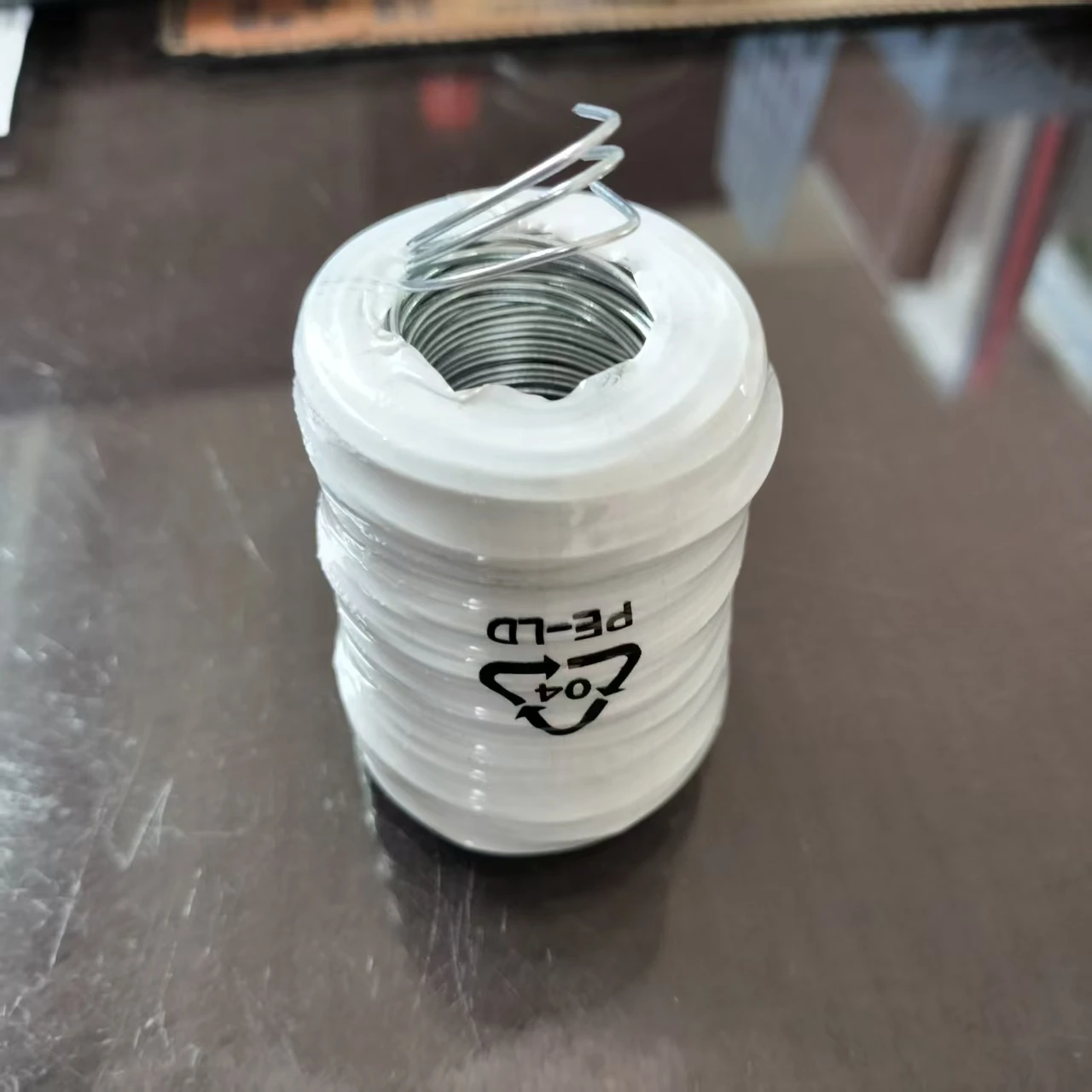
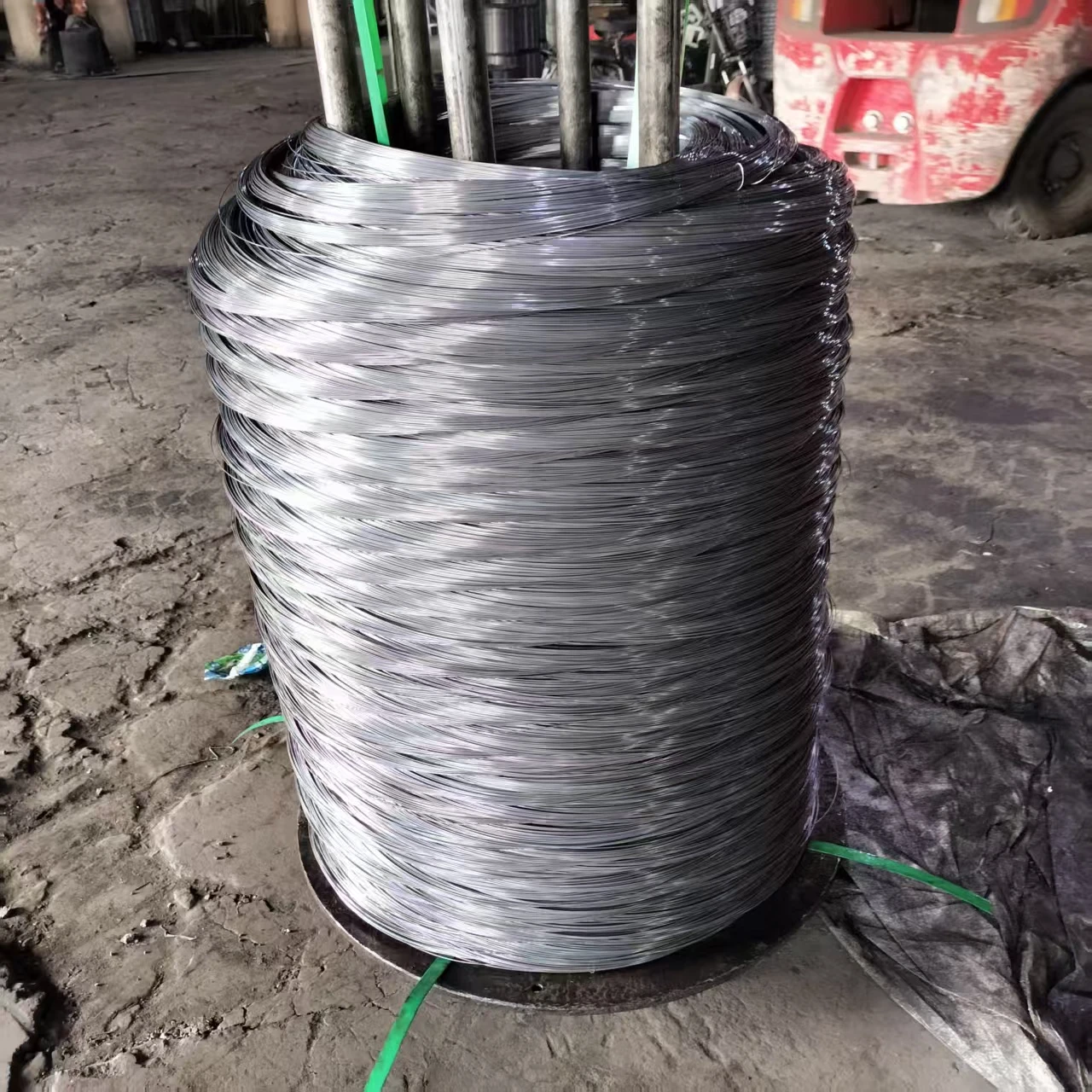
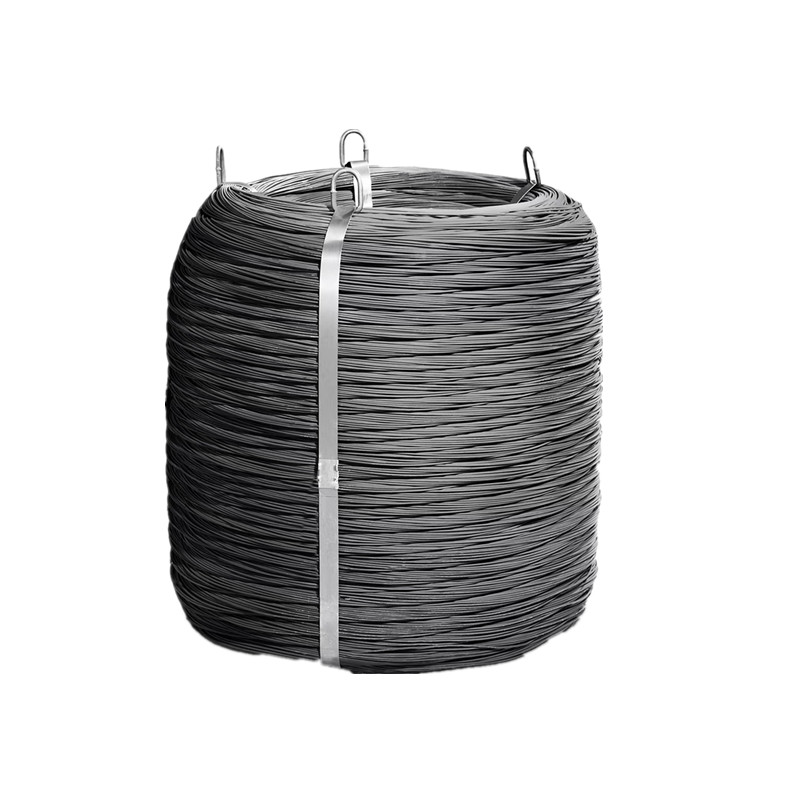
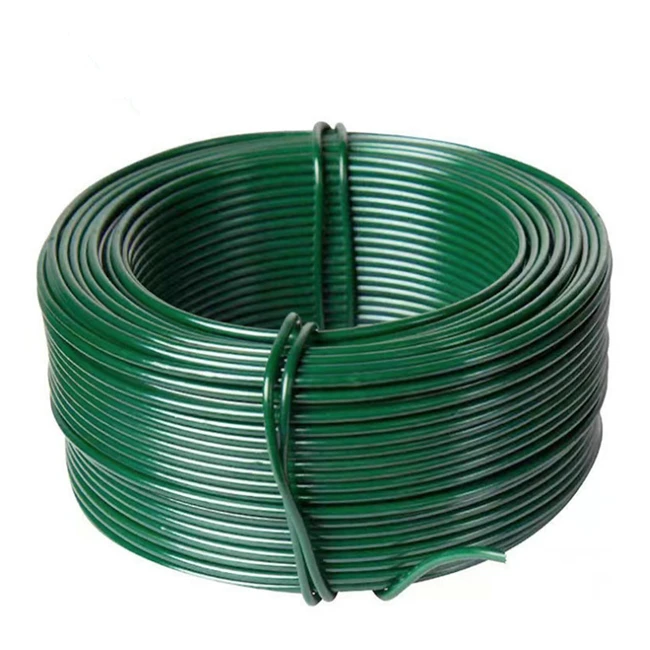
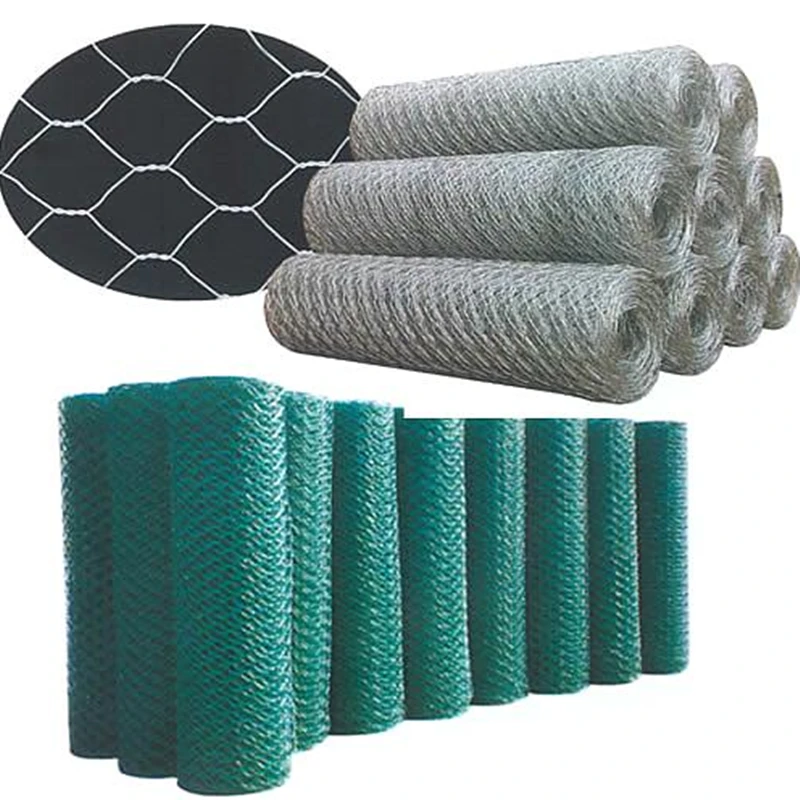
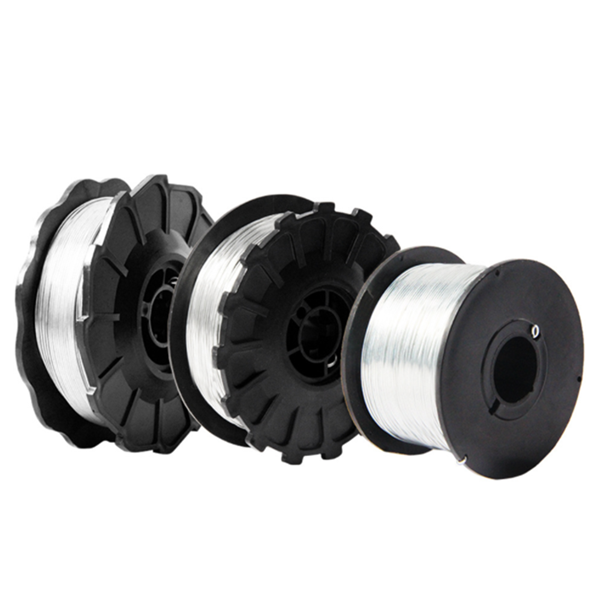
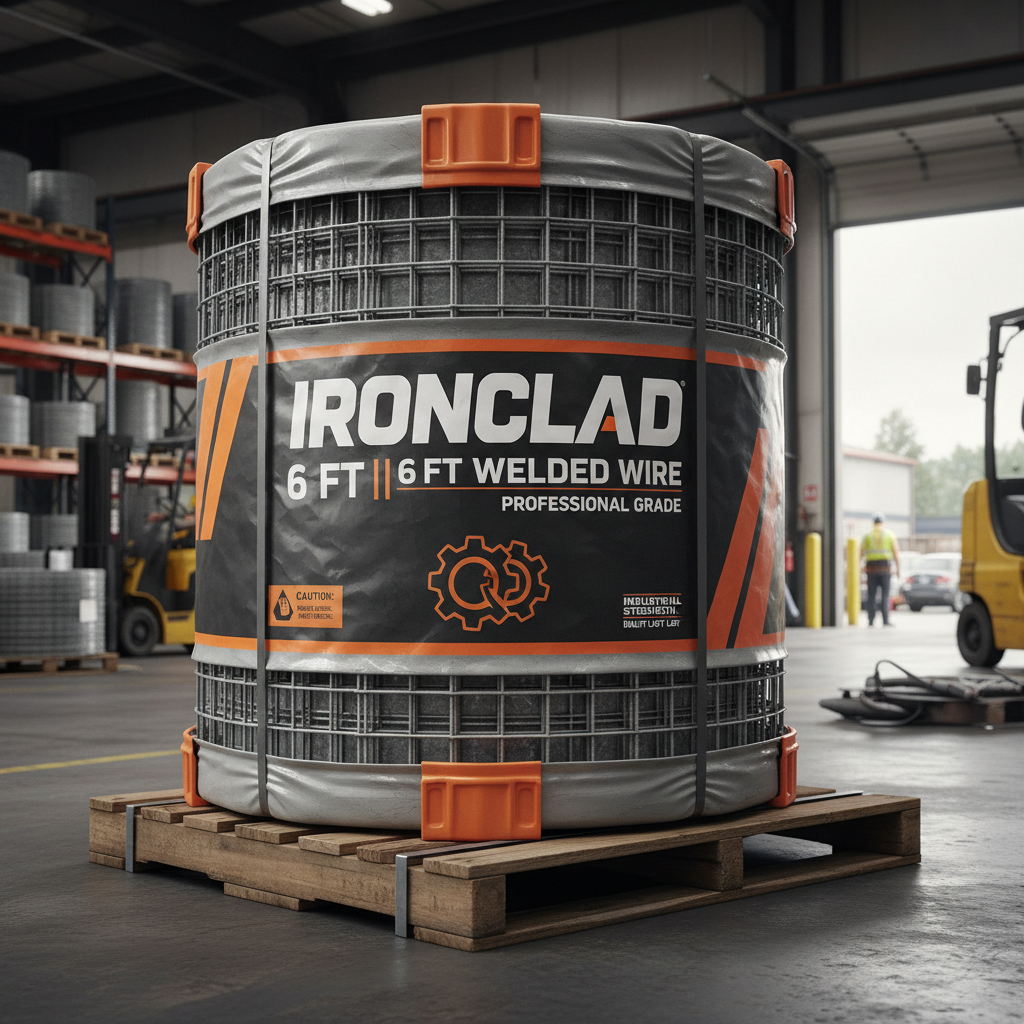
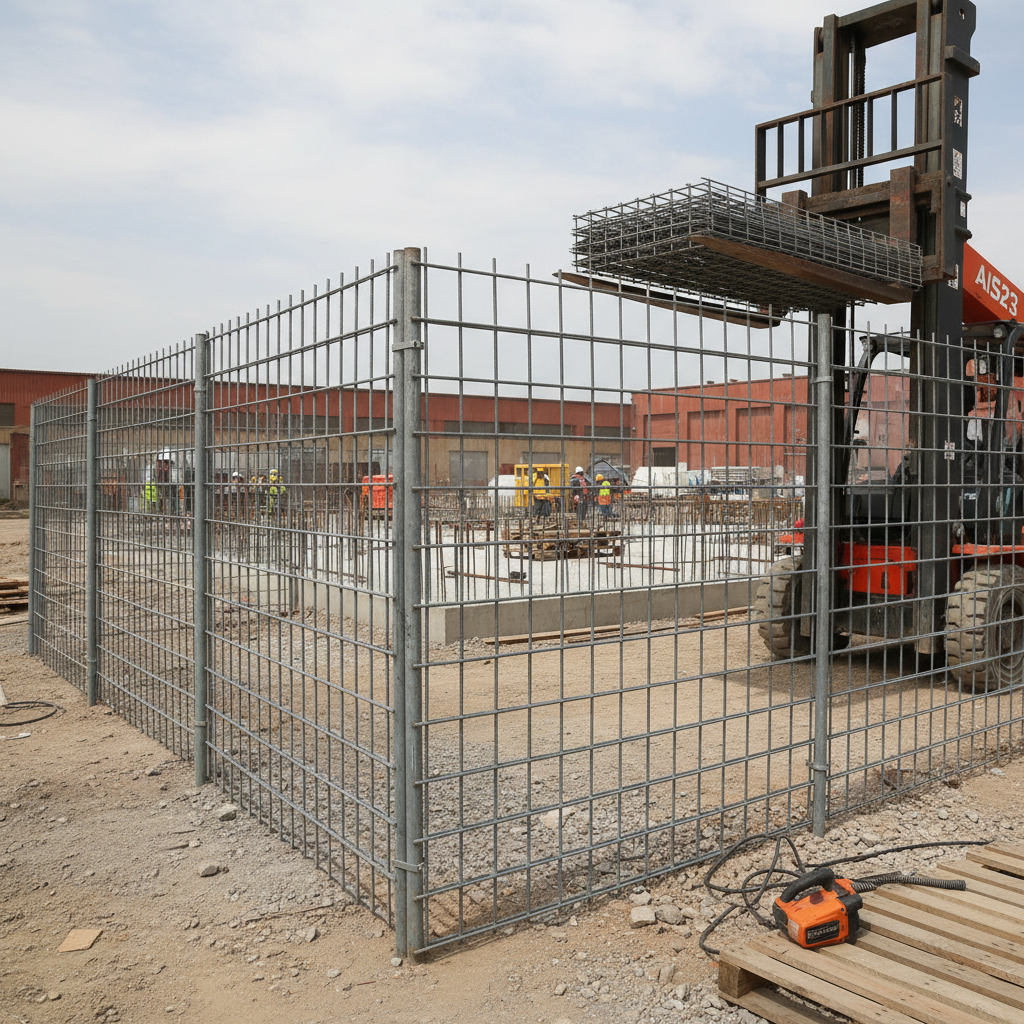
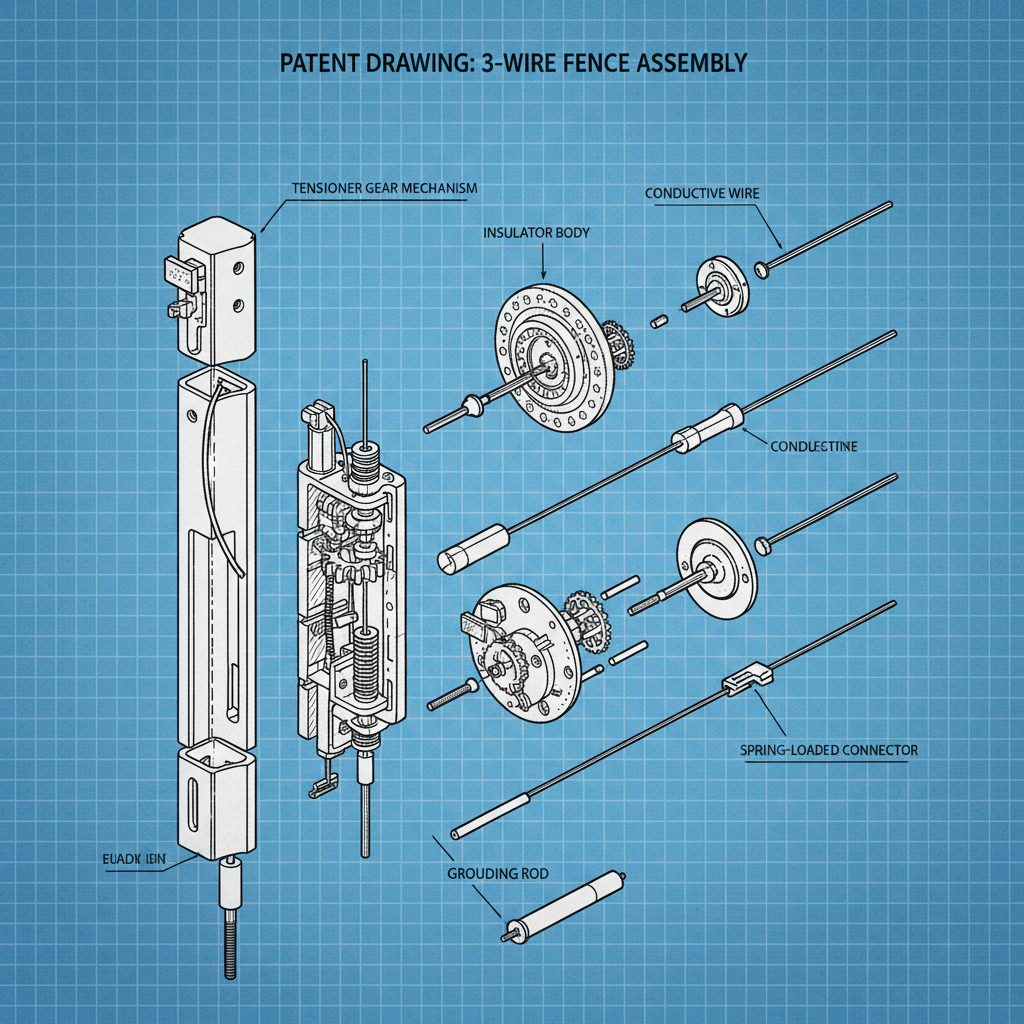
A 3 wire fence, as the name suggests, is a fence constructed using three strands of wire. Typically, these wires are tensioned between posts, creating a barrier. It’s a popular choice due to its simplicity, affordability, and effectiveness for specific applications like agricultural fencing and perimeter security for larger properties. The wire used can vary – from high-tensile steel wire for robust containment to galvanized wire for corrosion resistance. The spacing between the wires, and the height of the posts, are adjusted based on the animals being contained or the level of security required. Lanyewiremesh.com provides a variety of wire options for building effective 3-wire fences.
Key Benefits: Cost-effective, Easy to install, Versatile for various applications, Requires minimal maintenance.
Common Applications of 3 Wire Fencing
The versatility of a 3 wire fence means it’s suitable for a broad range of uses. It's frequently used for containing livestock such as cattle, horses, and sheep, providing a secure perimeter without obstructing views. It is also utilized for creating property boundaries, protecting crops from wildlife, and even for temporary containment during rotational grazing. The simplicity of the design also makes it a practical choice for rural areas where aesthetics are less of a priority than functionality. Properly installed, a 3 wire fence can be surprisingly effective against deterring unwanted visitors.
Popular Uses:
• Livestock containment (cattle, horses, sheep)
• Property boundary marking
• Crop protection
• Temporary containment
3 Wire Fence: Installation Considerations
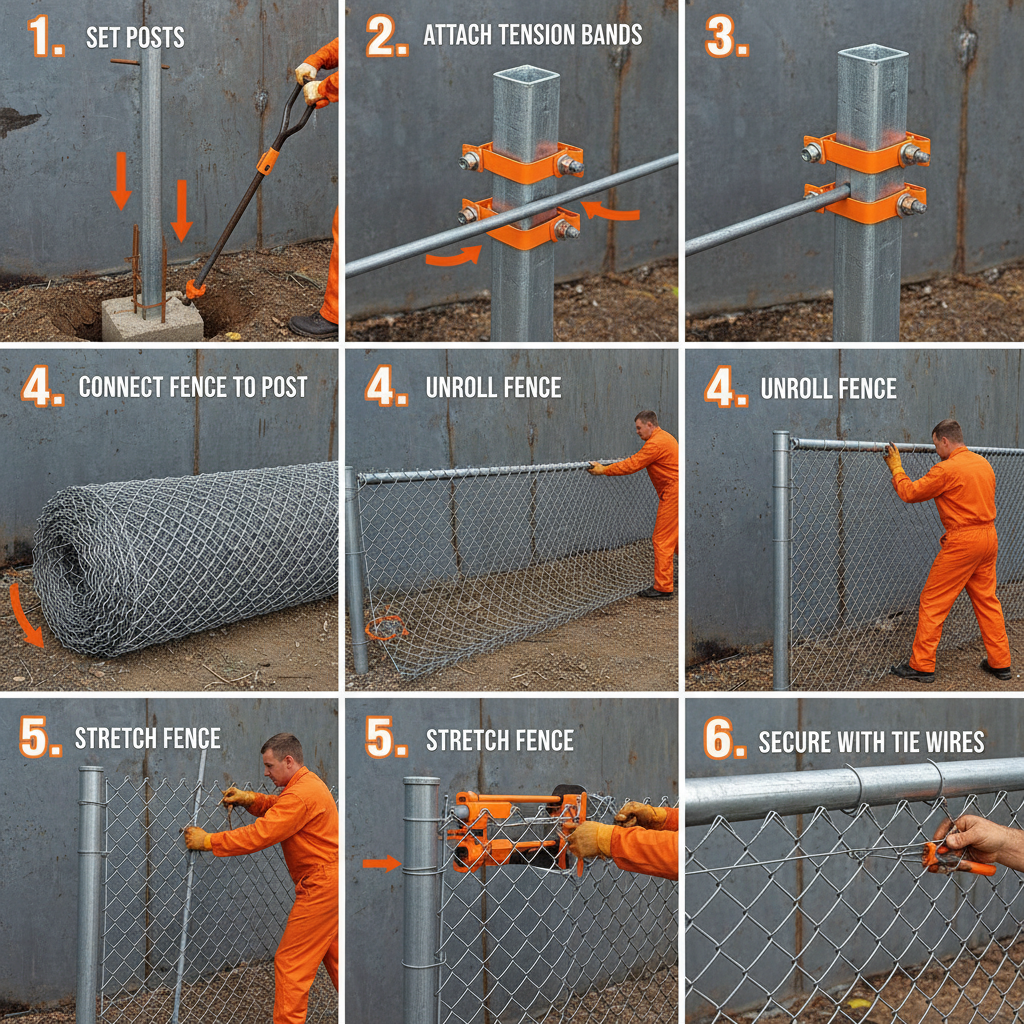
Successful installation of a 3 wire fence relies on careful planning and execution. First, determine the perimeter and mark the post locations. Posts should be sturdy and deeply set into the ground for stability – typically using concrete. The distance between posts will depend on the terrain and the type of wire used, but generally ranges from 8 to 12 feet. Next, attach the wire to the posts, ensuring it’s taut and evenly spaced. Using a wire strainer is essential for achieving proper tension. Finally, add corner posts and bracing for increased strength and durability. For optimal performance, consult with fencing professionals or refer to detailed installation guides. Lanyewiremesh.com offers high-quality posts and strainers to simplify your installation process.
3 Wire Fence vs. Other Fencing Options
When considering fencing options, it’s important to compare the advantages and disadvantages of each. Compared to woven wire fencing, a 3 wire fence is generally more affordable and easier to install. However, it offers less containment for smaller animals. Compared to electric fencing, it doesn’t require an electric current but may be less effective at deterring determined animals. Compared to wood fencing, a 3 wire fence is more cost-effective and requires less maintenance, but lacks the aesthetic appeal of wood. Ultimately, the best choice depends on your specific needs and budget.
Maintaining Your 3 Wire Fence
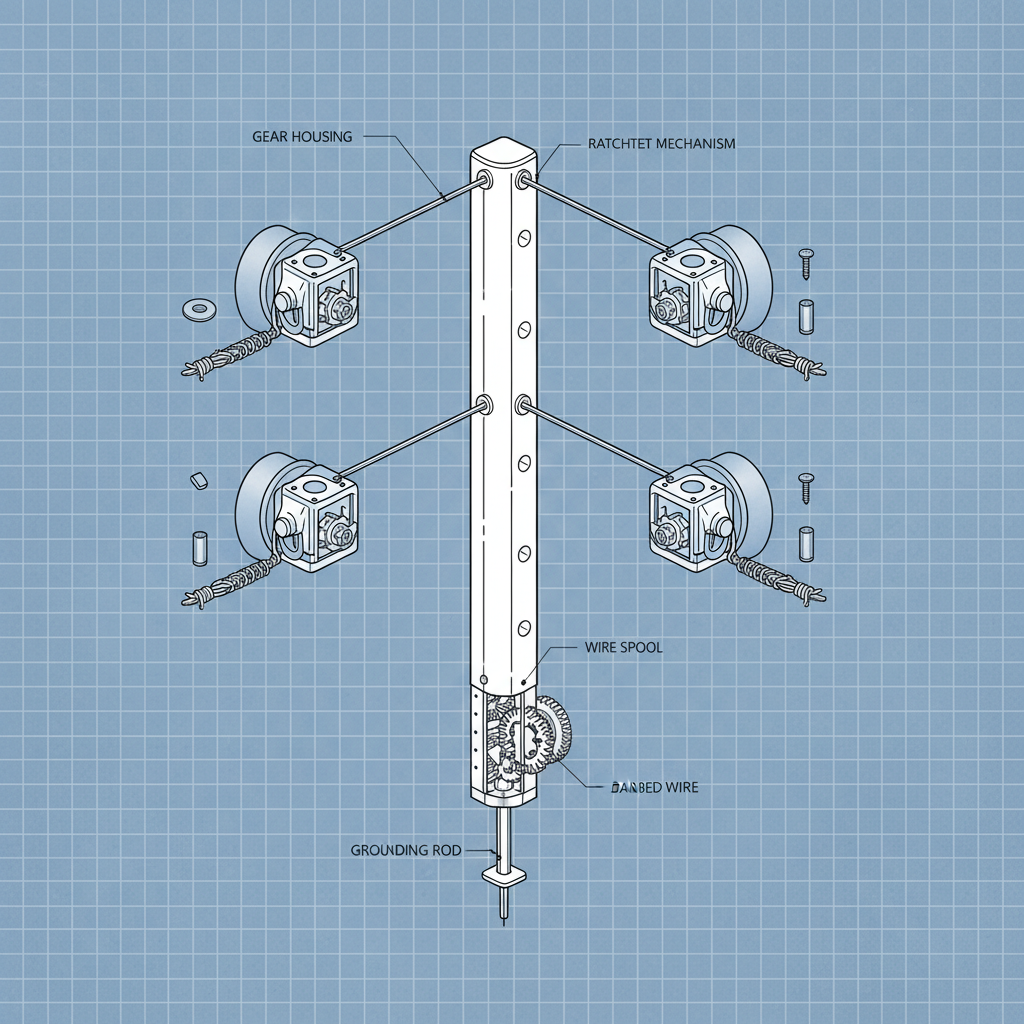
Regular maintenance is key to extending the life of your 3 wire fence. Periodically check for broken wires and replace them promptly. Inspect the posts for stability and repair or replace any that are leaning or damaged. Keep vegetation cleared from the fence line to prevent interference and maintain visibility. Tighten the wires as needed to ensure proper tension. With proper care, a 3 wire fence can provide years of reliable service. Lanyewiremesh.com also offers a range of maintenance tools and replacement parts.
Conclusion: A Practical and Reliable Fencing Solution
A 3 wire fence is a versatile and cost-effective fencing option for a variety of applications. Its simplicity, affordability, and ease of installation make it a popular choice for landowners, farmers, and ranchers. By understanding its benefits, proper installation techniques, and maintenance requirements, you can ensure that your 3 wire fence provides years of reliable service.
Frequently Asked Questions (FAQs)
What is the best type of wire to use for a 3 wire fence?
The best wire depends on your specific needs. High-tensile steel wire is ideal for containing larger, stronger animals like cattle, as it offers exceptional strength and durability. Galvanized steel wire is a more affordable option suitable for less demanding applications. For corrosion resistance in coastal or humid environments, consider using a wire with a heavier zinc coating. The wire gauge (thickness) is also important – a thicker gauge provides greater strength, but is also more expensive. Consult with a fencing supplier to determine the optimal wire for your situation.
How far apart should the posts be for a 3 wire fence?
The ideal distance between posts for a 3 wire fence typically ranges from 8 to 12 feet. However, this can vary depending on the terrain, the type of wire used, and the animals being contained. On uneven ground, shorter post spacing is recommended to maintain consistent wire tension. For larger animals or areas with heavy snow loads, closer post spacing may be necessary to prevent sagging. Corner posts and end posts should be particularly robust and deeply set for maximum stability.
Can a 3 wire fence be electrified?
Yes, a 3 wire fence can be electrified to enhance its effectiveness, particularly for containing animals that are prone to challenging fences. However, it’s essential to follow all safety guidelines and regulations when installing and maintaining an electric fence. Use an appropriate energizer and ensure the fence is properly grounded. Clearly mark the fence with warning signs to alert people and animals to the presence of electricity. Lanyewiremesh.com can provide guidance on electrifying your fence safely and effectively.