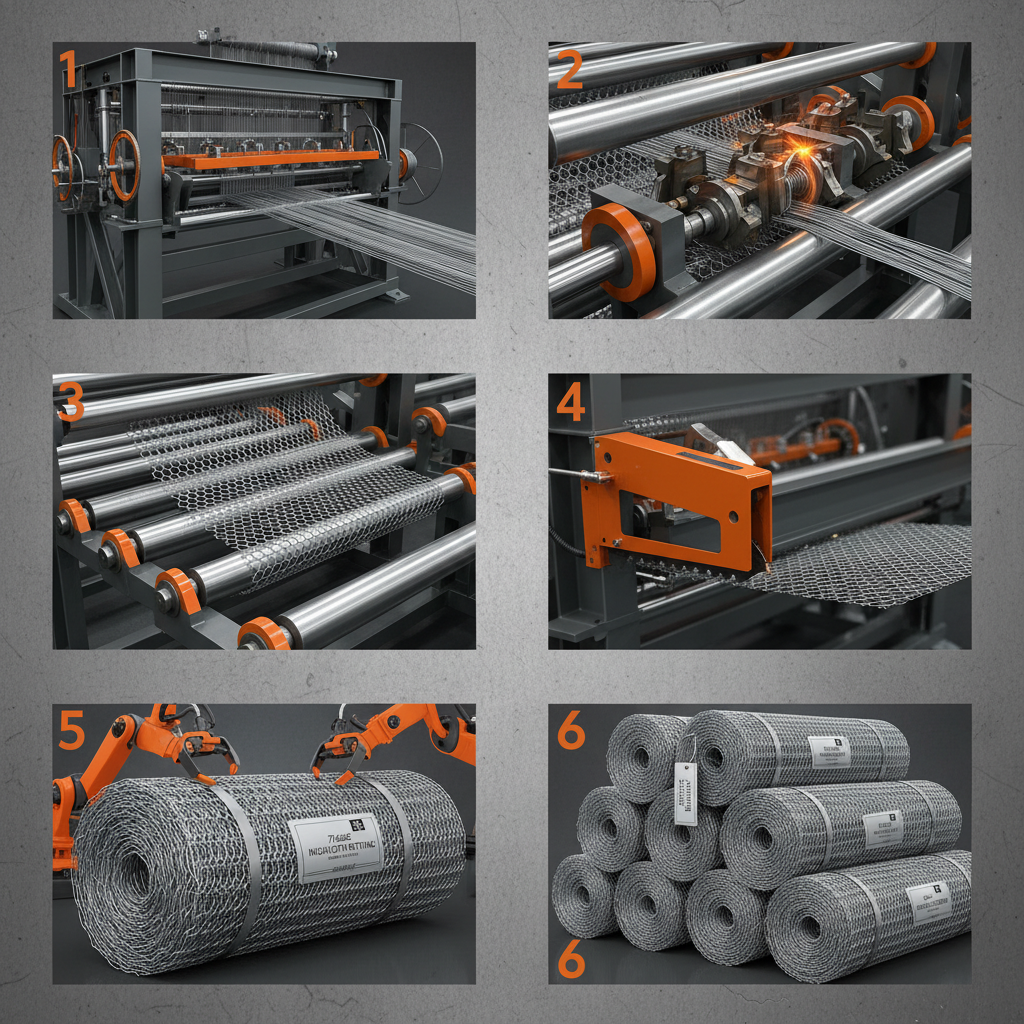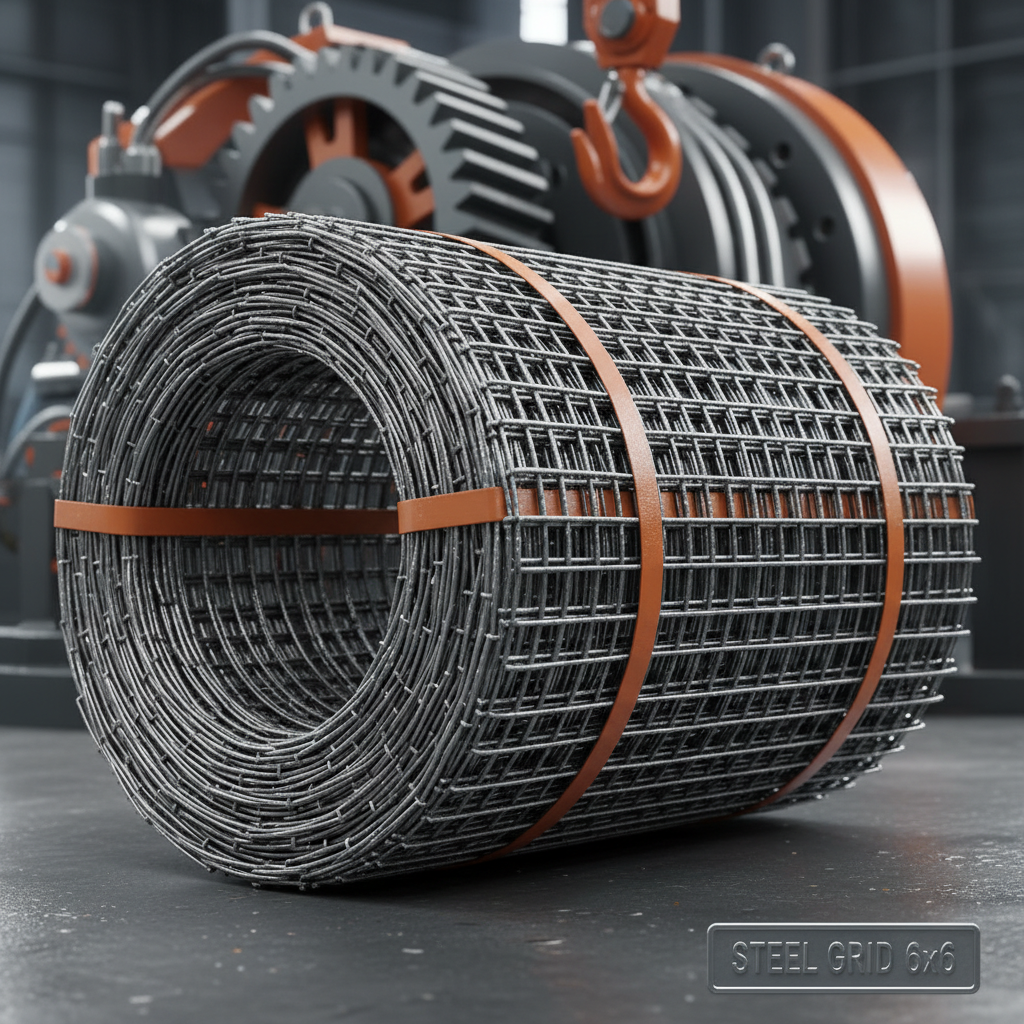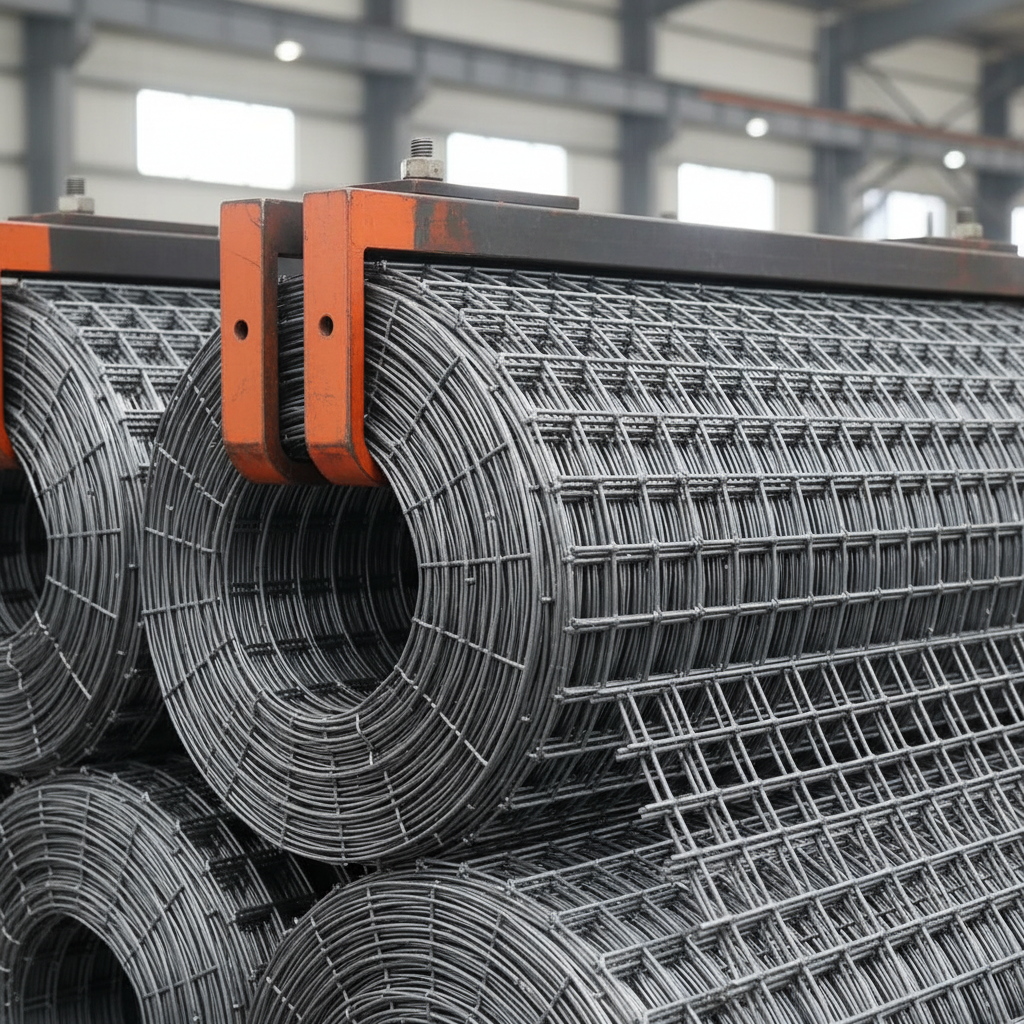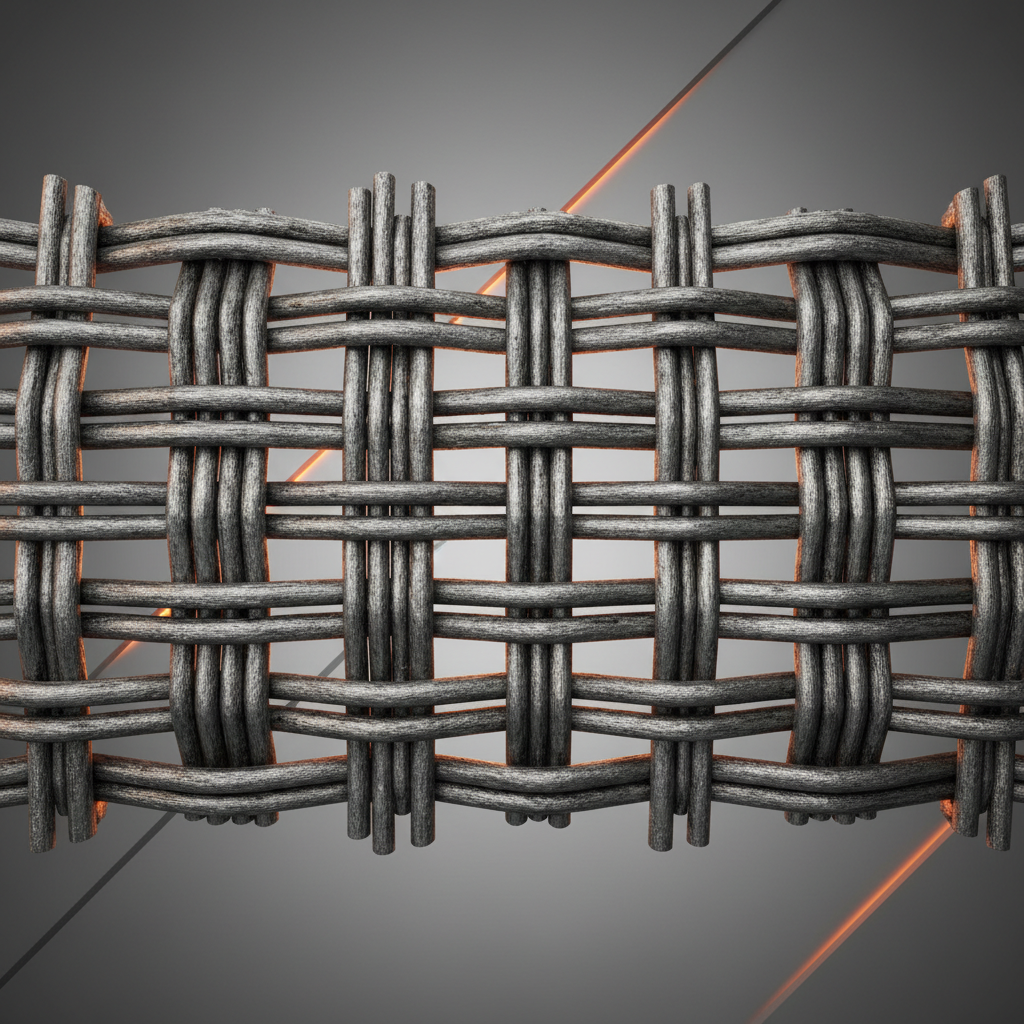
Small Mesh: The Subtle Hero in Industry and Humanitarian Solutions
The term small mesh might bring to mind fishing nets or screens, but it is actually much more influential than one would expect. Globally, this intricate configuration of tiny woven wires or fibers plays a pivotal role in diverse fields—from construction and filtration to security and relief operations. Understanding the small mesh concept isn’t just a curiosity; it’s a key that unlocks innovations essential for sustainability and safety worldwide.
Introduction: Why Small Mesh Matters Globally
Across industries and borders, small mesh materials serve as silent but powerful agents solving complex problems. According to ISO standards, mesh systems with precise apertures improve efficiency in filtration processes, help control pest invasions, and protect infrastructure. For example, the United Nations recognized mesh technology’s role in water purification and disease prevention, especially in low-resource settings (Source: UN Water Decade).
The challenge is that as industries demand higher precision and sustainability, the need for reliable small mesh grows—and that brings questions about materials, durability, and costs. So, what exactly defines “small mesh,” and why is it becoming indispensable?
Defining Small Mesh: The Basics
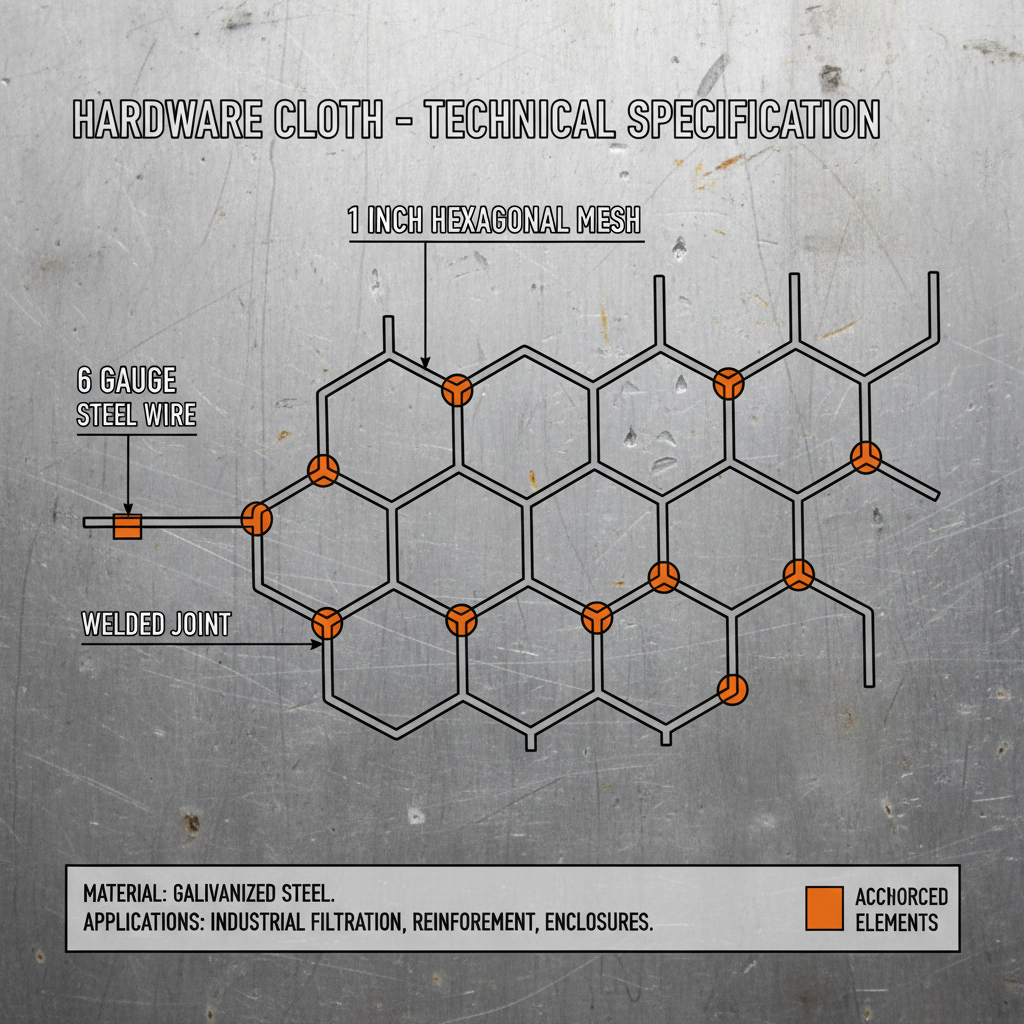
Simply put, small mesh refers to fabrics or grids made from tightly woven wires, fibers, or synthetic threads forming very small openings—usually measured in microns or millimeters. It’s these tiny gaps that make it suitable for filtering fine particles, reinforcing materials, or securing zones without sacrificing vision or airflow.
This mesh isn’t a one-trick pony. In modern industrial applications, it helps separate contaminants from liquids, screens insects in humanitarian shelters, and supports fabric reinforcement in aerospace engineering. Oddly enough, its humble grid structure is shaping high-tech solutions and everyday safety nets at the same time.
Key Factors of Small Mesh
1. Durability
Good small mesh withstands environmental stress—corrosion, abrasion, temperature fluctuation. Stainless steel meshes, for instance, are common in rugged industrial settings because they last for years without losing integrity.
2. Aperture Size and Uniformity
The precise size of each hole determines what the mesh can filter or protect against. Uniformity is often critical; inconsistent openings risk failure, like letting harmful particles slip by or allowing pests in.
3. Material Composition
There’s more than just steel—nylon, polyester, and even ultra-high molecular weight polyethylene are used depending on flexibility, chemical resistance, or weight considerations.
4. Cost Efficiency
Balancing quality and affordability can be tricky. Some high-grade meshes are premium-priced but offer long-term value. Others prioritize volume and lower upfront costs but may require replacement sooner.
5. Scalability and Customization
Different projects need custom mesh dimensions and strength. The ability to scale production and tailor designs is a vital factor for many buyers, especially NGOs or large infrastructure projects.
| Specification | Value/Range | Unit |
|---|---|---|
| Aperture Size | 0.1 - 5 | mm |
| Wire Diameter | 0.05 - 0.5 | mm |
| Material | Stainless Steel, Nylon, Polyester | - |
| Tensile Strength | 300 - 900 | MPa |
| Corrosion Resistance | High (Stainless Steel Grade 304/316) | - |
Global Applications & Use Cases
- Water Filtration: Tiny apertures filter out bacteria and sediment, crucial in areas lacking clean water. Large NGOs like UNICEF rely on such meshes for emergency water purification kits.
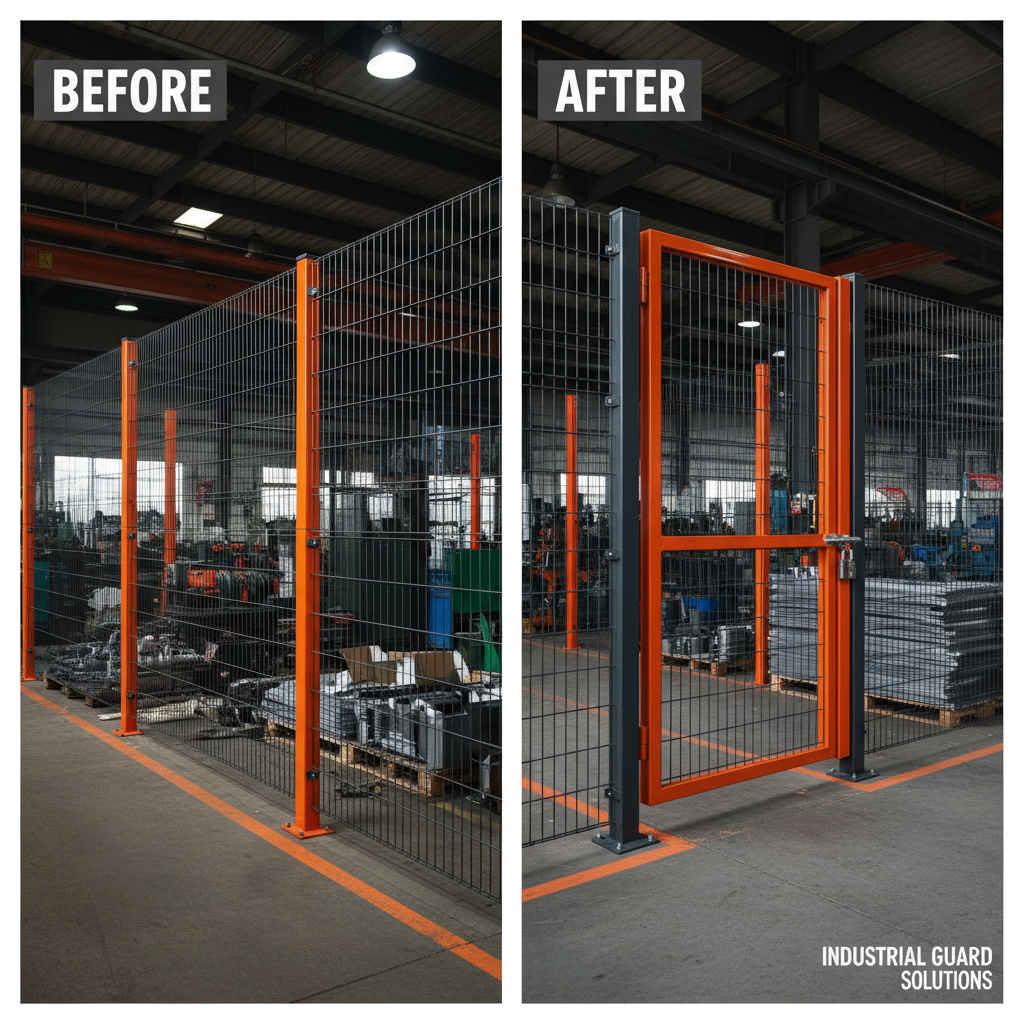
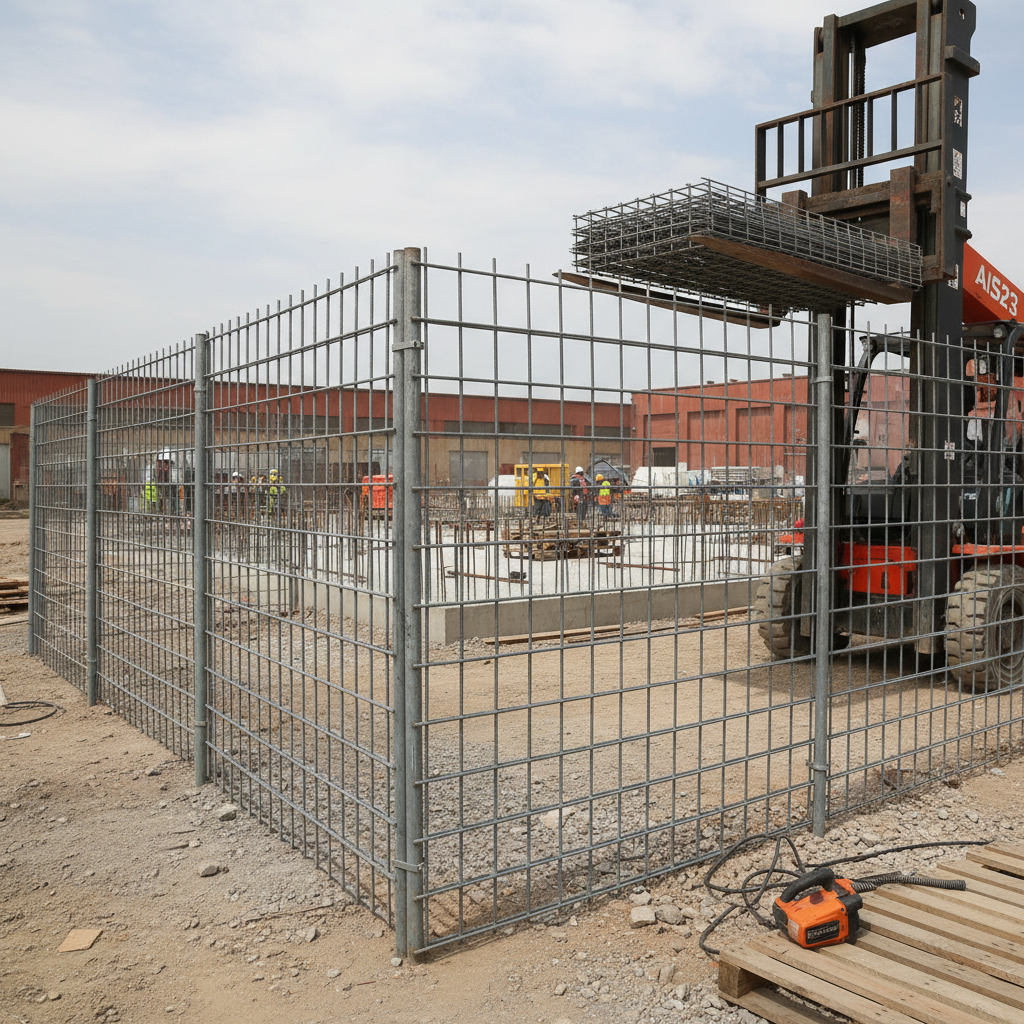
- Security & Safety: Small mesh fencing protects sensitive industrial sites or preserves natural habitats while allowing visibility and airflow.
- Construction Industry: Reinforcing concrete or plaster with mesh enhances durability and crack resistance, especially in earthquake-prone regions.
- Agriculture: Used as insect screens or to prevent soil erosion by stabilizing slopes with geogrid meshes.
- Disaster Relief Operations: Temporary shelters often incorporate insect-proof small mesh to prevent disease transmission, a detail that significantly reduces outbreaks post-crisis.
These examples highlight why regions ranging from Southeast Asia to Sub-Saharan Africa and industrial zones in Europe actively invest in small mesh solutions.
The Advantages and Long-Term Value of Small Mesh
It’s not just about functionality. A well-chosen mesh can mean:
- Significant cost savings by minimizing maintenance and replacement.
- Improved environmental sustainability by enabling eco-friendly filtration and material recycling.
- Social benefits such as enhanced safety, disease control, and dignity through quality shelter materials.
- Innovation boost, supporting new tech developments like nano-fiber filters or smart fabrics.
In real terms, using high-quality small mesh can feel like investing in peace of mind for communities and industries alike.
Future Trends & Innovations in Small Mesh
Emerging advances are quite exciting. We’re seeing integration of nanotechnology—ultra-fine synthetic fibers that improve filtration while reducing weight. The rise of digital fabrication means meshes can be precisely customized rapidly, helping industries react swiftly to new challenges.
Greener materials are also gaining traction, like biodegradable polymer meshes for short-term uses to reduce plastic pollution. Plus, smart meshes embedded with sensors promise real-time monitoring of environmental conditions or structural integrity.
Challenges & Solutions
Of course, challenges persist. One is the trade-off between aperture size and strength—ultra-fine meshes can be fragile. Production costs for specialty meshes are also a sticking point, especially for humanitarian organizations on tight budgets.
Innovative solutions include hybrid meshes combining synthetic and metal fibers for balanced performance. And companies increasingly offer modular mesh kits tailored to local conditions (see options here), helping overcome logistical hurdles.
Vendor Comparison: Top Small Mesh Suppliers
| Vendor | Material Options | Customization | Global Reach | Typical Lead Time | Price Range |
|---|---|---|---|---|---|
| Lanye Wire Mesh | Steel, Nylon, Polyester | High (Custom widths, apertures) | International (40+ countries) | 2-3 weeks | Mid |
| MeshCo Solutions | Steel, Aluminum | Medium (Predefined sizes) | Regional (North America, Europe) | 1-2 weeks | High |
| EcoMesh Manufacturing | Biopolymers, Polyester | Limited | International (select countries) | 3-4 weeks | Mid-High |
FAQ: Frequently Asked Questions About Small Mesh
Q1: What is the standard aperture size for small mesh used in water filtration?
A1: Aperture sizes typically range from 0.1 to 1 mm for water filtration, enough to filter bacteria and sediment. Smaller apertures can filter viruses, but are more expensive and fragile.
Q2: How durable are nylon small meshes in outdoor environments?
A2: Nylon meshes resist abrasion and offer decent durability outdoors but may degrade faster than stainless steel in UV or chemical exposure without special coatings.
Q3: Can small mesh materials be customized for specific industrial needs?
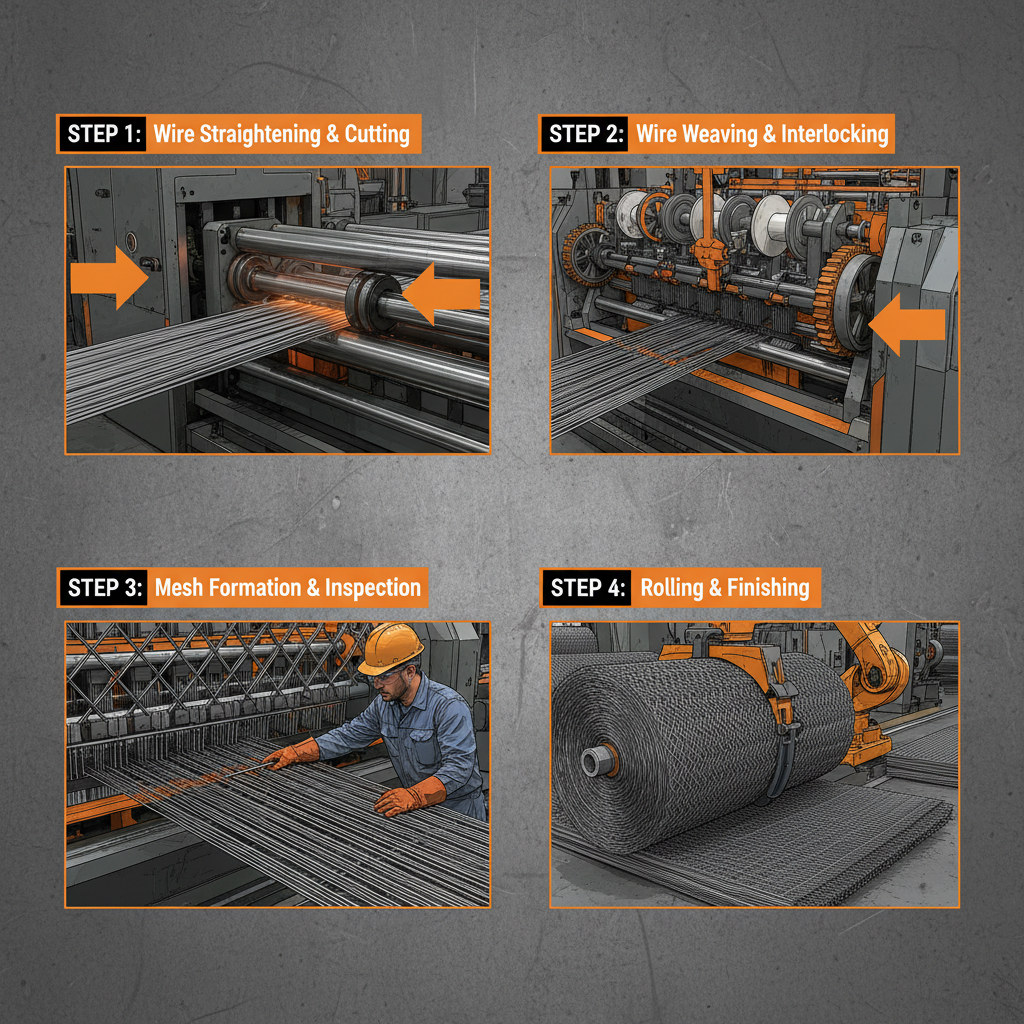
A3: Absolutely. Many manufacturers offer custom aperture sizes, wire diameters, and materials to fit exact project specifications, ensuring efficiency and longevity.
Q4: Are small mesh solutions cost-effective for humanitarian projects?
A4: Yes, though initial spend may seem higher, the longevity and functionality provide better value, especially when factoring in reduced health risks and maintenance.
Q5: How do I import small mesh products internationally?
A5: Work with suppliers experienced in global shipping like Lanye Wire Mesh. Ensure compliance with local regulations and plan ahead for customs clearance.
Conclusion and Call to Action
Understanding and adopting small mesh technology is increasingly crucial for industries, humanitarian groups, and governments worldwide. Its versatility, reliability, and evolving innovations make it a silent cornerstone in tackling environmental, health, and infrastructure challenges.
To explore a broad range of high-quality small mesh products tailored to your needs, visit Lanye Wire Mesh. Invest in a solution that not only lasts but makes a measurable difference.
— It’s amazing how such tiny grids can hold such immense value, isn’t it?
1. ISO standards on mesh specifications
2. United Nations Water Decade
3. Wire mesh – Wikipedia