Understanding Wire Gauge Screen: A Veteran's Perspective
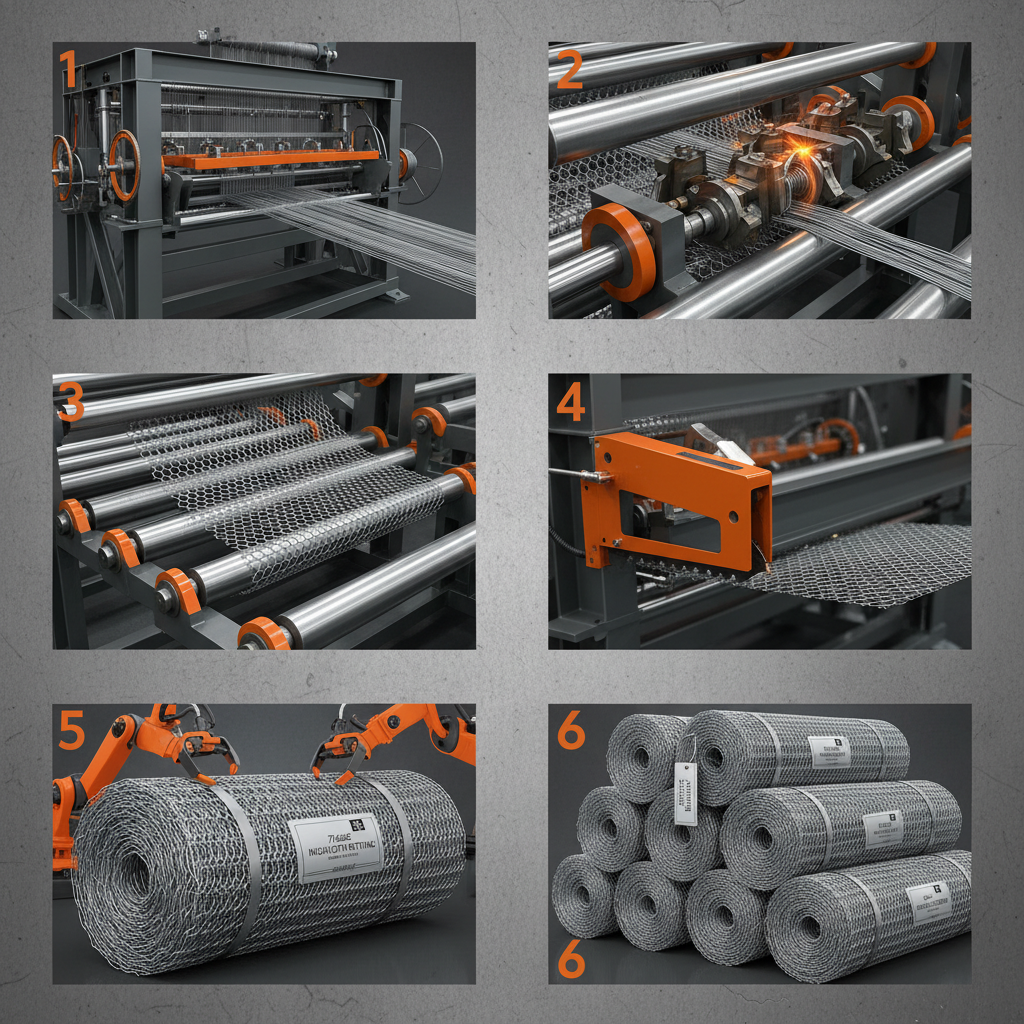
Having spent several years in the industrial equipment sector, I’ve come to appreciate the subtle but crucial role that a wire gauge screen plays in countless processes — from filtration to sorting to protection. It’s one of those things you don’t really think about until you’ve had to deal with inconsistent mesh sizes or questionable durability in critical moments.
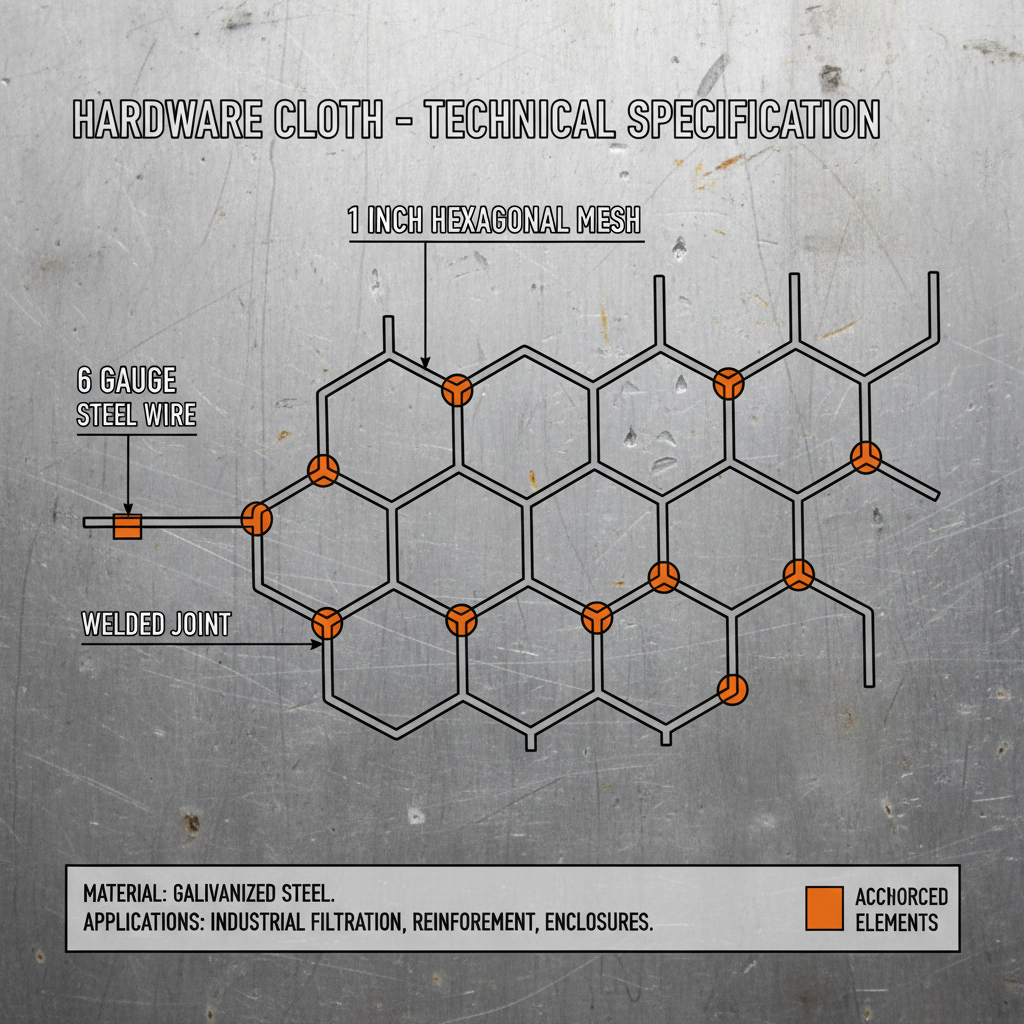
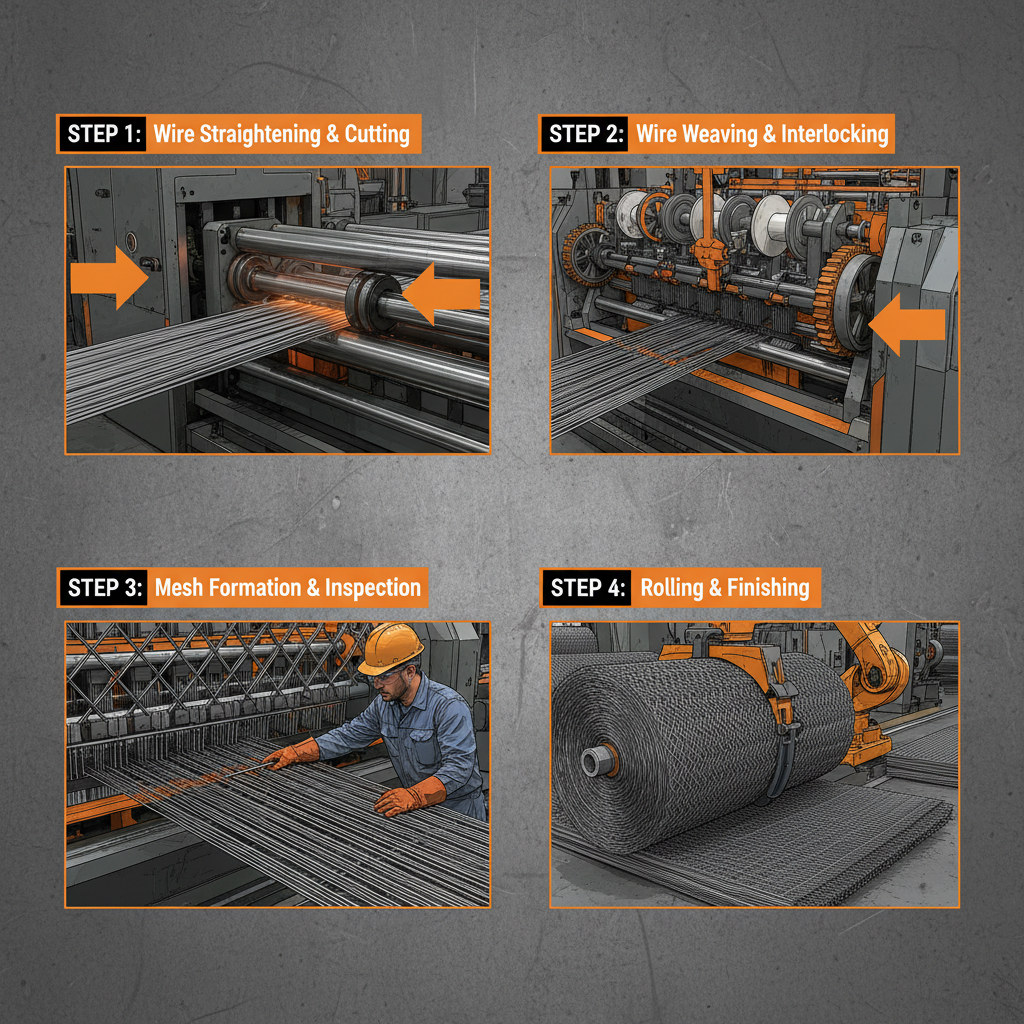
Oddly enough, the specification of the wire gauge can feel like minutiae, but it’s absolutely essential. In real terms, it defines how fine or coarse the mesh is by indicating the diameter of the wire used to weave the screen. And the choice affects everything — from flow rate to strength to corrosion resistance.
If you’re selecting wire gauge screens for industrial use, it helps to know not just the numbers but the materials behind them. Stainless steel remains a top choice for most because of its excellent longevity and resistance to rust, but I’ve noticed projects where brass or galvanized steel make more sense, especially in less demanding environments or where cost is a huge factor.
Product Specifications at a Glance
| Specification | Details |
|---|---|
| Wire Gauge Range | 10 to 50 gauge (0.102 mm to 2.588 mm diameter) |
| Mesh Sizes | 4 to 200 mesh (holes per linear inch) |
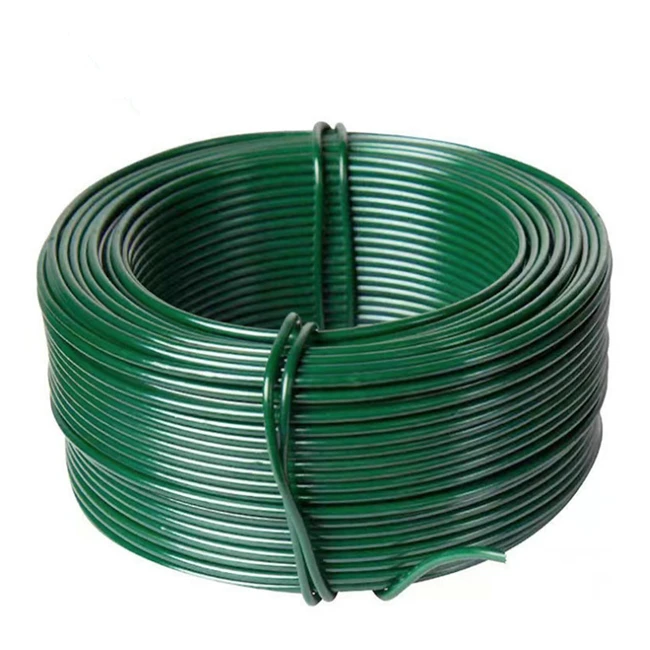
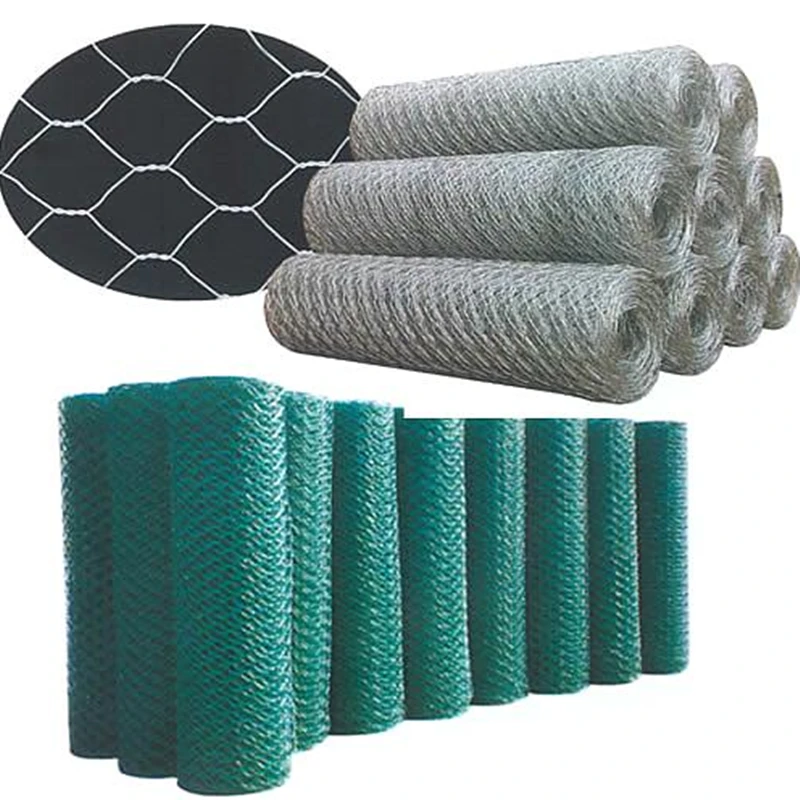
| Material Options | Stainless Steel, Galvanized Steel, Brass, Copper |
| Finish Types | Plain, PVC Coated, Electroplated |
| Custom Sizes | Available on request with quick turnaround |
Now, one thing many engineers say — and I can second this from experience — is that testing is paramount. You might order a batch of wire gauge screen rated for certain specs but find that actual tolerance and weave consistency can vary between suppliers. This little detail can have massive downstream effects.
Comparing Leading Wire Gauge Screen Vendors
| Vendor | Material Quality | Custom Options | Lead Time | Pricing |
|---|---|---|---|---|
| Lanye Wire Mesh | High-grade stainless steel & brass | Full customization, quick turnaround | 2-3 weeks standard | Competitive & transparent |
| Vendor B | Mixed; some lower grade steel | Limited customization | 4-6 weeks | Lower price but less consistent quality |
| Vendor C | Good quality, mostly stainless | Some custom sizes available | 3-5 weeks | Moderate pricing |
Speaking frankly, working with a vendor who understands the nuance of wire gauge screen makes a world of difference. I recall one project where a customer needed ultra-fine mesh screens for pharmaceutical filtration. The difference between a 38 gauge and a 40 gauge wire (yes, those tiny fractions matter) affected flow rates and yield by noticeable percentages. We went with a custom solution, and it paid off big time.
The takeaway? Don’t just eyeball the specs. Look for proven quality, flexibility, and support. Something as simple as a wire gauge screen can be your quiet workhorse or your biggest headache.
So, whether you’re in filtration, screening, or any number of industrial applications, trust me — the right wire gauge screen is worth the extra effort to source well.
— Reflecting on decades in the field, proper wire gauge screen selection remains a subtle, yet mighty lever in industrial success.
References
- “Wire Gauge Chart & Mesh Size Guide,” Industrial Wire Mesh Standards, 2023.
- Customer case study: Pharmaceutical-grade filtration project, confidential, 2022.
- Material durability tests, Lanye Wire Mesh internal lab reports, 2023.