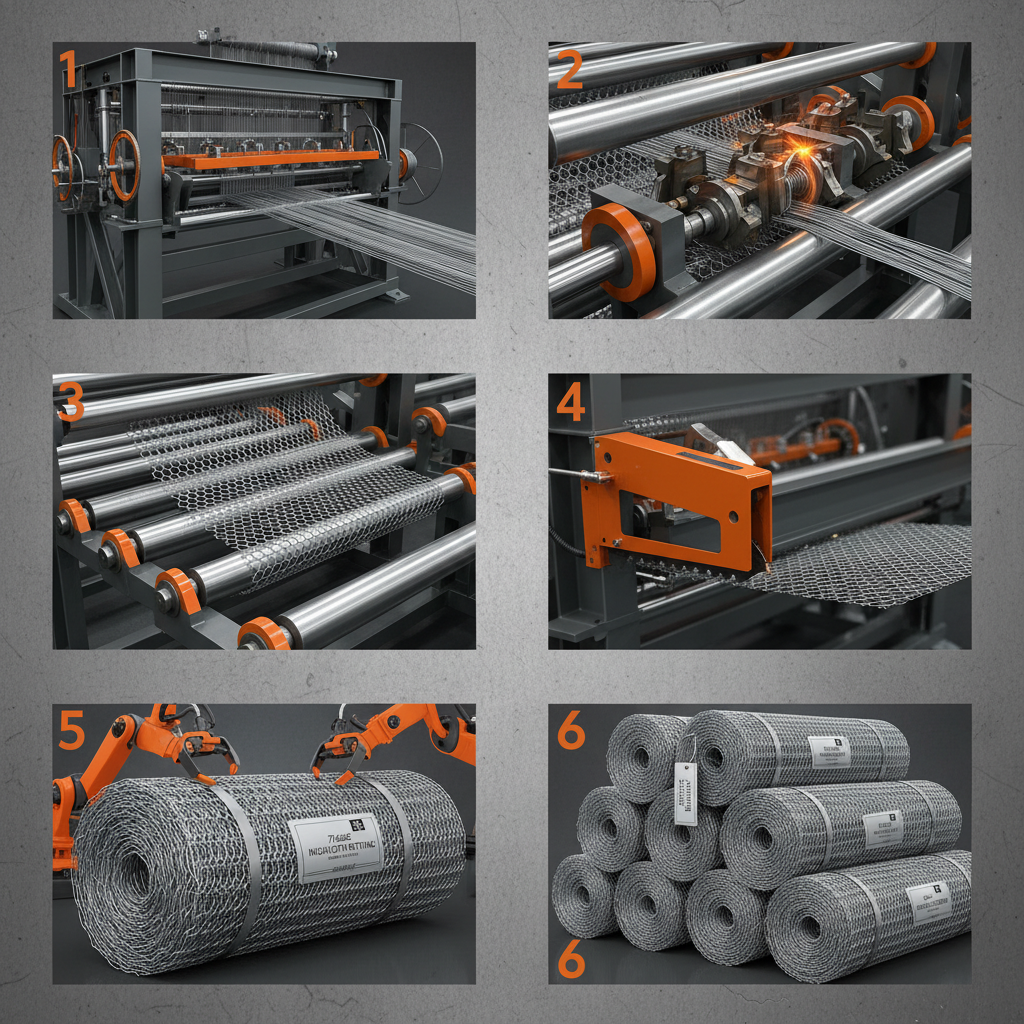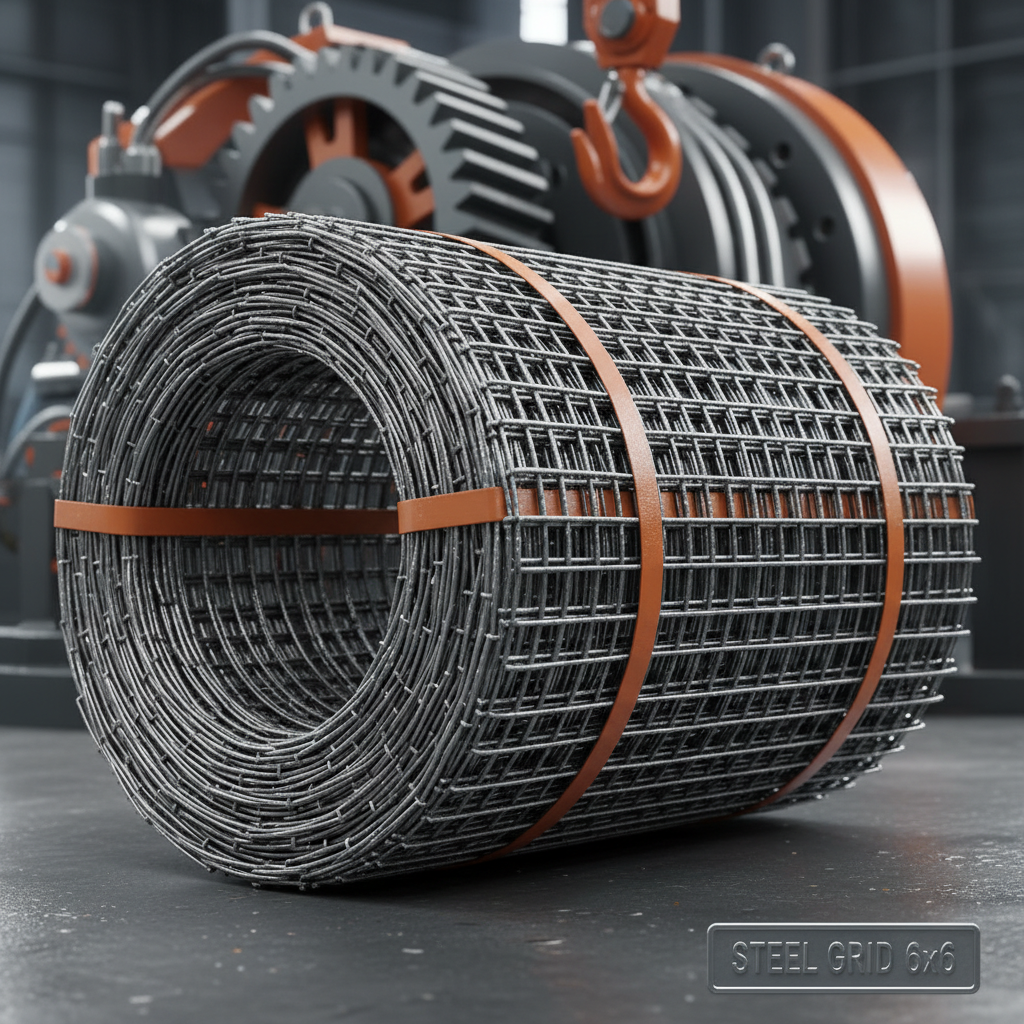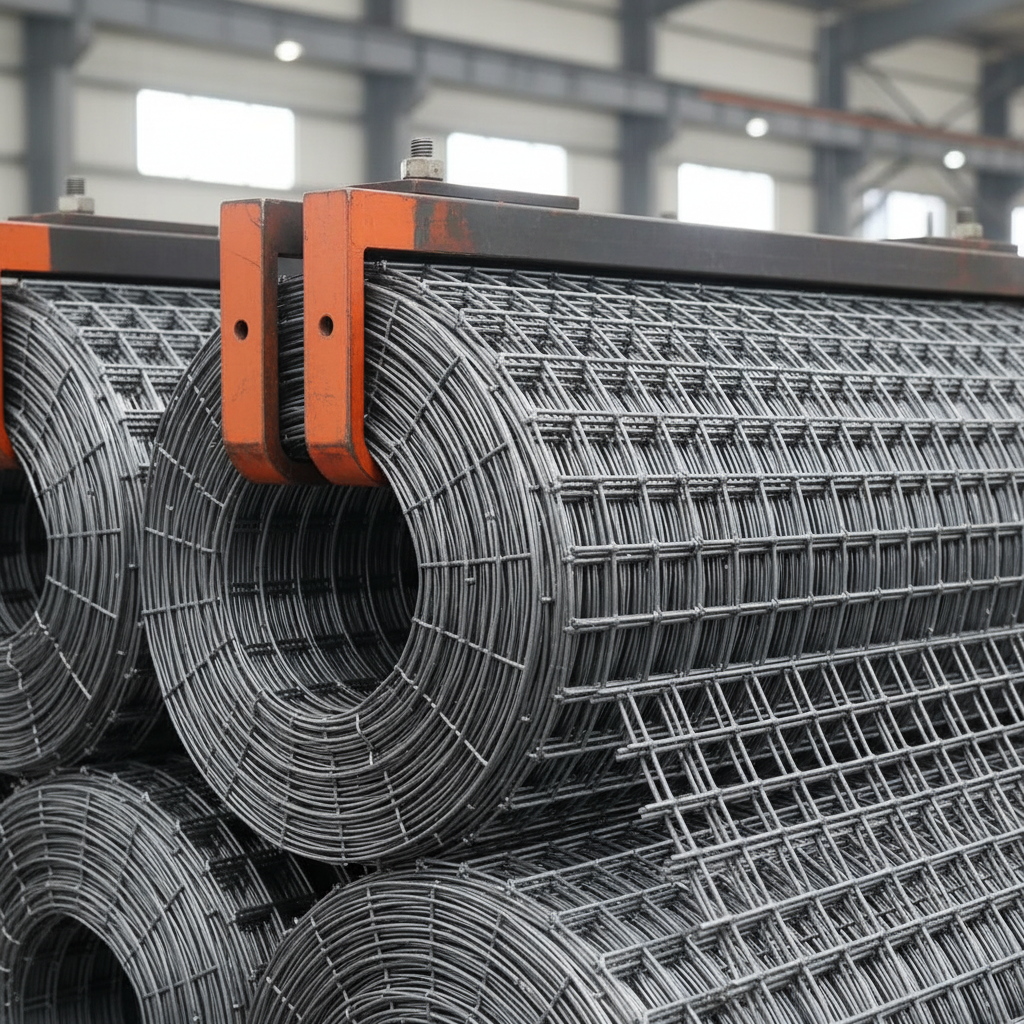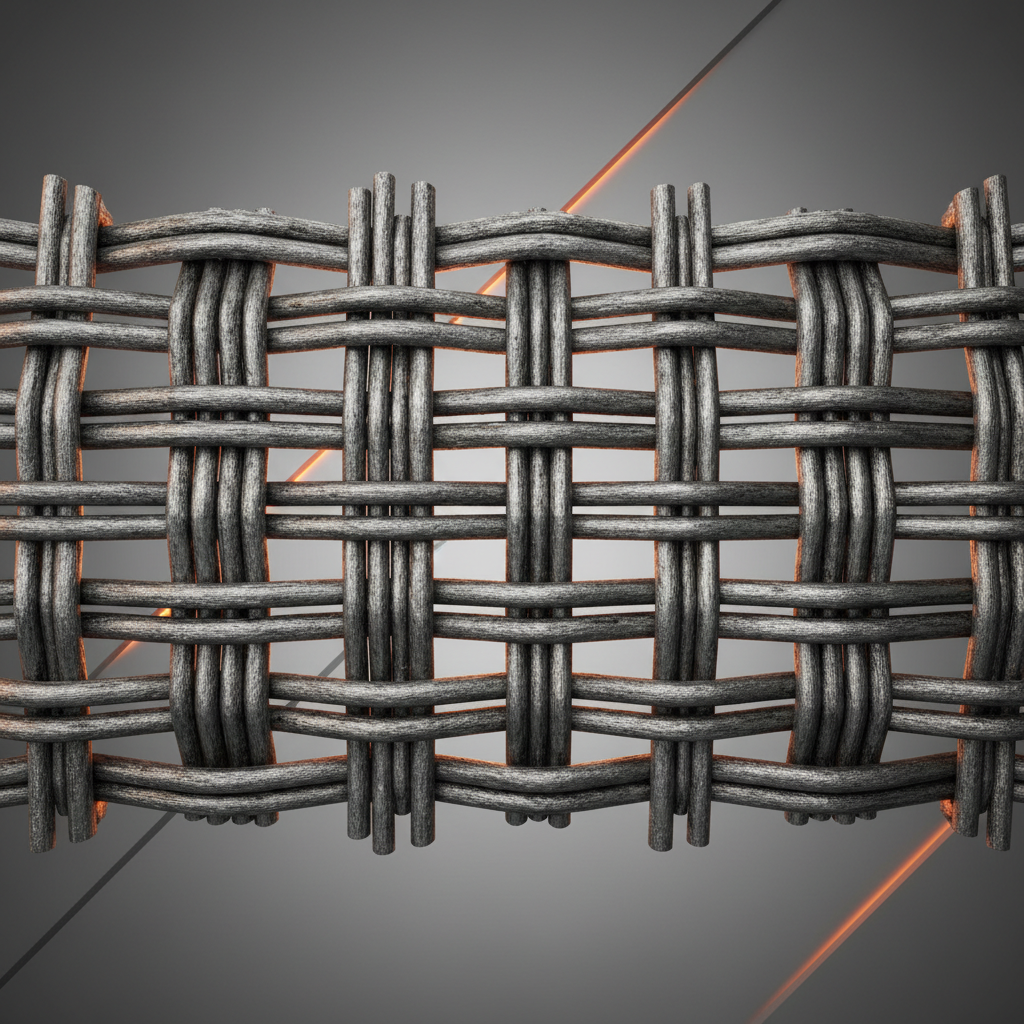
Wire Lattice: A Backstage Pass to Industrial Strength and Flexibility
Having been in the industrial equipment sector for quite a while now, I can tell you, wire lattice isn’t just another metal mesh. It’s more like a quiet workhorse. You barely notice it at first glance, but its role is pivotal—from factory safety cages to architectural aesthetics.
Frankly, the design finesse behind wire lattice is something odd enough for folks outside our industry to appreciate only when they come across a snag. Sort of like the unsung hero in a grand production, it holds everything together while letting air, light, and sound play through.
Understanding Wire Lattice Product Specs
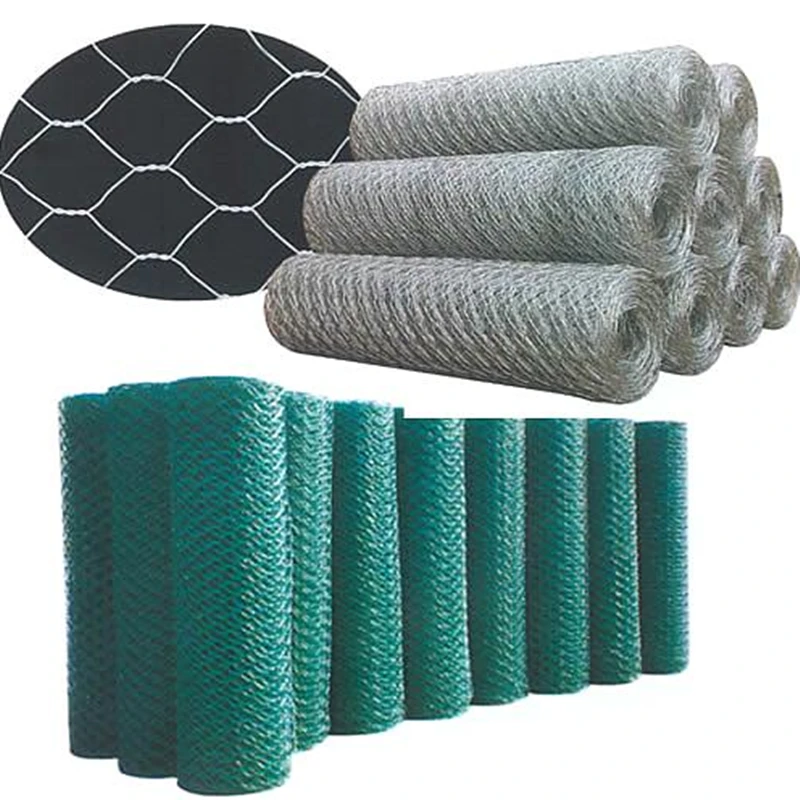
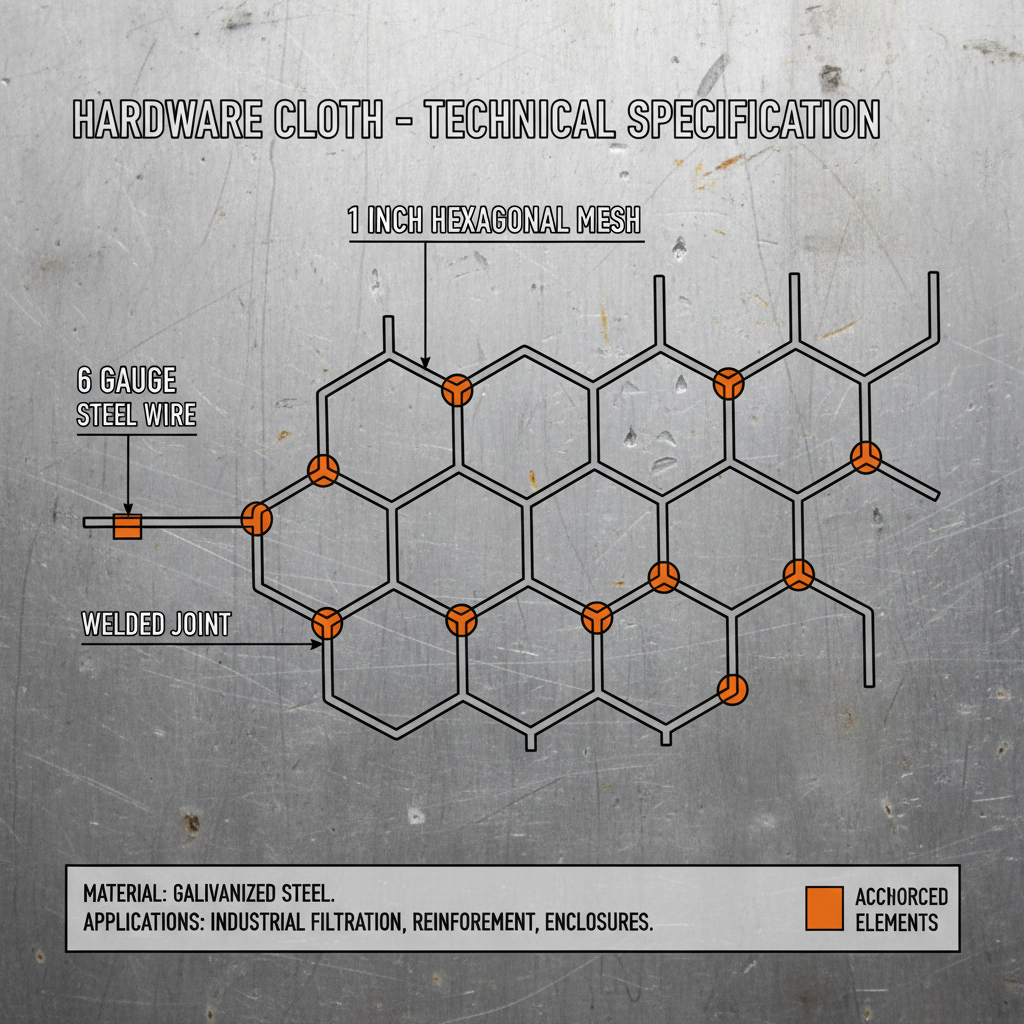
At its core, the specs boil down to a few essentials, yet each element can be tailored to fit an application perfectly. Material choice, weave density, wire diameter, and finishing treatments all affect performance. For example, stainless steel variants offer exceptional corrosion resistance—ideal for harsh environments—while galvanized steel presents a cost-effective compromise.
| Specification | Details |
|---|---|
| Material | Stainless Steel, Galvanized Steel, Carbon Steel |
| Wire Diameter | 1.0 mm – 5.0 mm (custom sizes available) |
| Mesh Opening Size | 10 mm x 10 mm up to 50 mm x 50 mm |
| Finish Types | Polished, Galvanized, Powder Coated |
| Weight | From 8 kg/m² to 25 kg/m² depending on wire gauge |
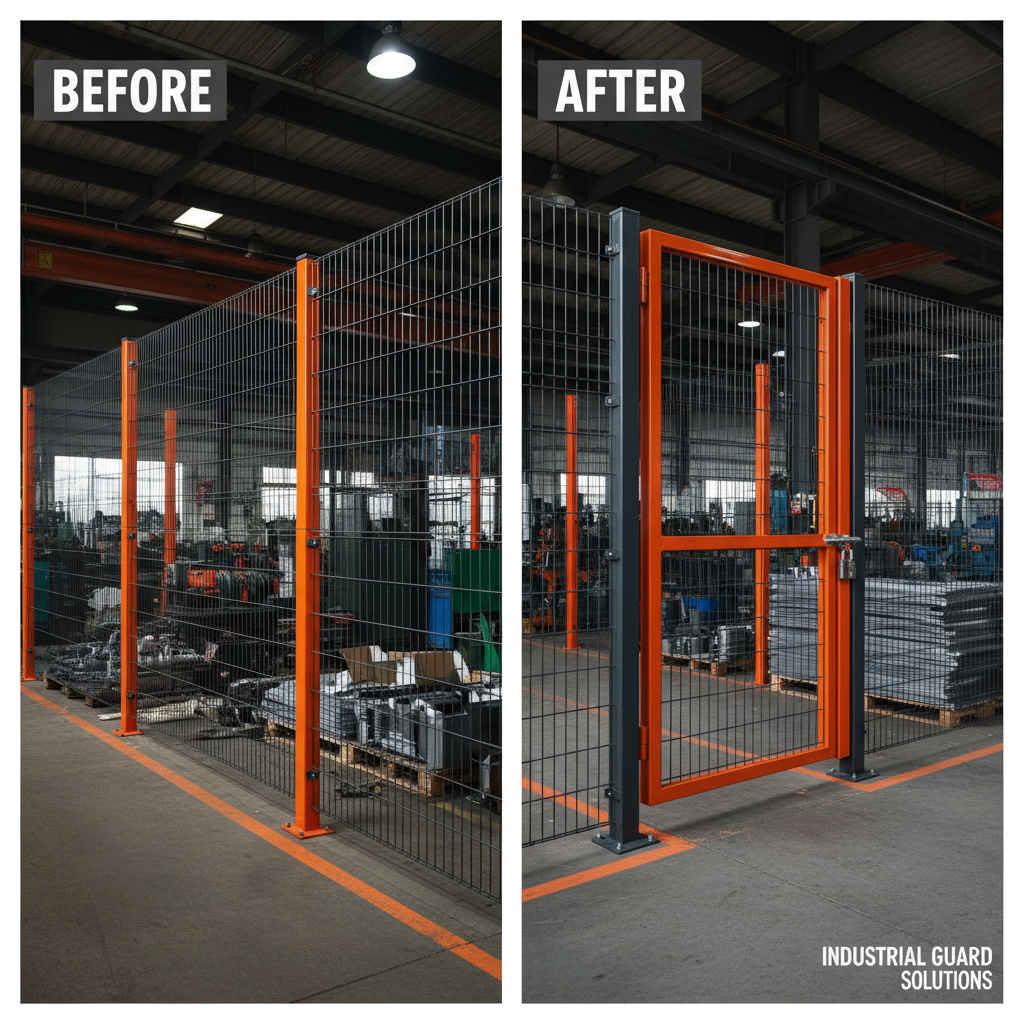
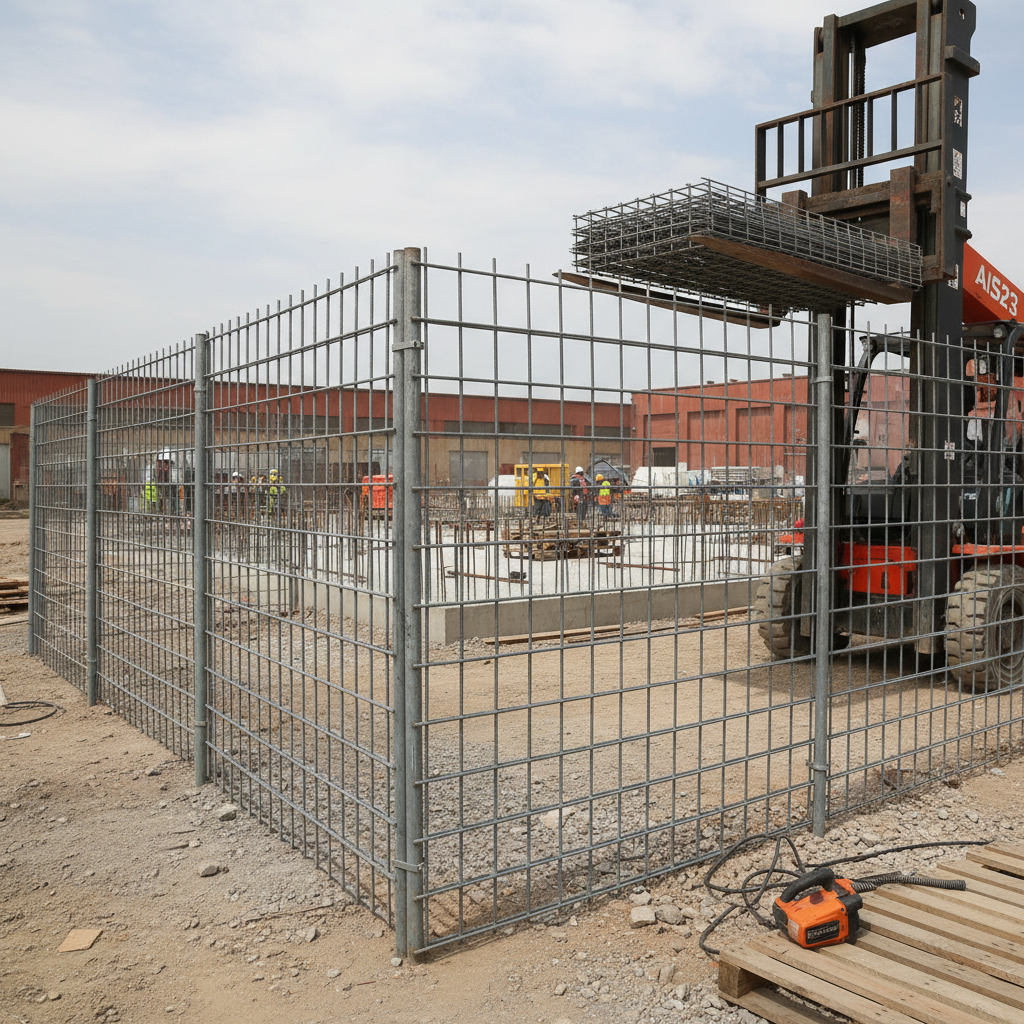
Customers often ask how these specs translate into real-world usage. I recall a project a few years ago where the client needed a safety barrier that could both protect workers and not block visual site supervision — wire lattice was the perfect compromise (and yes, we customized the mesh size and finish to fit their exact environment).
Vendor Comparison: Getting the Most from Wire Lattice Suppliers
Choosing a supplier is not just about price (though nobody likes to pay more than they should). It’s reliability, consistency, and ability to offer customization that often tip the scales. Here’s how some key vendors stack up in my experience:
| Criteria | Lanye Wire Mesh | Competitor A | Competitor B |
|---|---|---|---|
| Material Range | Wide (SS, galvanized, custom alloys) | Limited (mainly carbon steel) | Medium (SS and galvanized) |
| Customization | Highly flexible | Standard options only | Moderate |
| Lead Time | 2–3 weeks | 4+ weeks | 3–4 weeks |
| Quality Control | Strict ISO-certified processes | Basic checks | Moderate |
| Pricing | Competitive | Lowest | Mid-range |
In my dealings, Lanye Wire Mesh stands out for reliability and versatility, especially when the job calls for something beyond an off-the-shelf solution. Honestly, that ability to customize is often what seals the deal in complex projects. Engineering teams I work with appreciate their documentation and consistent quality as well.
Why Wire Lattice Remains a Go-To in Industrial Applications
Why does wire lattice endure this long in industrial applications? There’s a mix of reasons. First, it’s lightweight yet tough, letting you create secure barriers without the bulk. Then there’s breathability — which is huge for ventilation or when you don’t want to trap heat or fumes. And, you know, it’s visually less obtrusive compared to solid panels.
Also, its modularity makes on-site adjustments and repairs simpler—something I noticed especially when troubleshooting on construction sites in my earlier days. The ease with which wire lattices can be cut, bent, or joined saves a lot of headaches and hours.
In closing, if you ever find yourself needing a flexible, durable, and smart mesh solution, I can’t recommend enough exploring wire lattices. And if you want to see where to start, a quick look at Lanye Wire Mesh will show you what’s possible.
A little bit of mesh goes a long way—kind of like the industries it supports.
References:
1. Industry insights and supplier reviews (field experience, 2015–2024)
2. Technical handbooks on metal mesh materials and finishes (Various ISO documentation)
3. Case studies from recent industrial safety installations