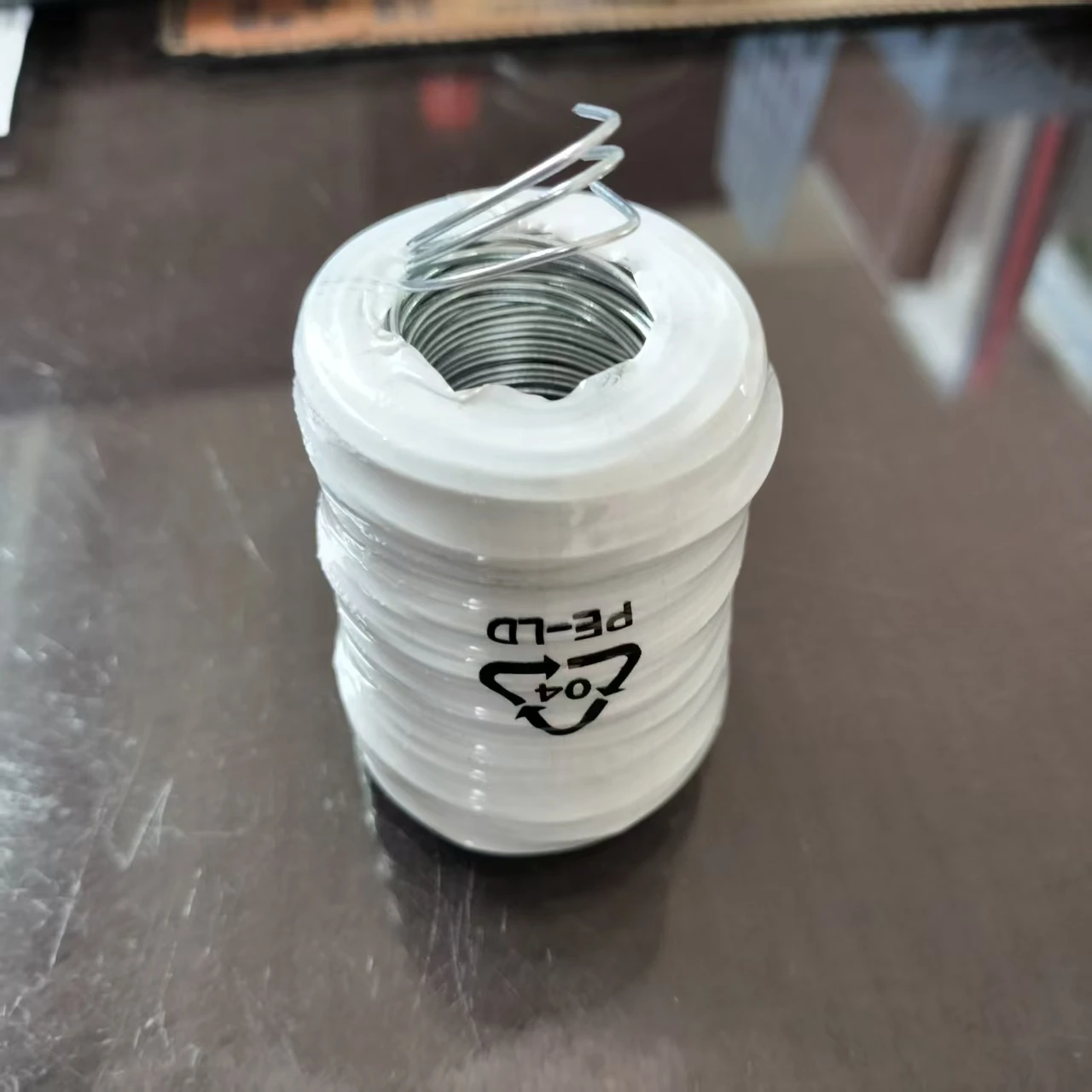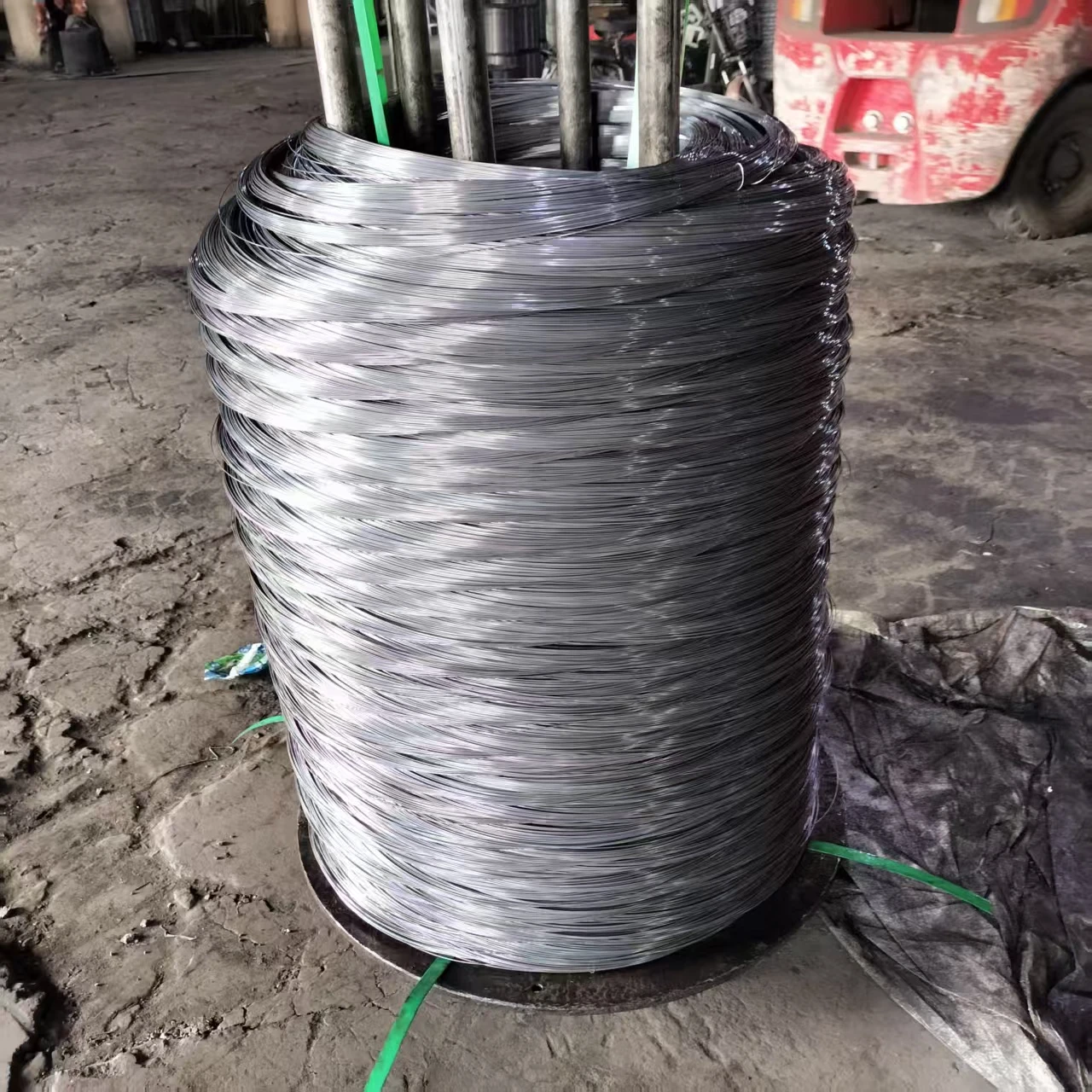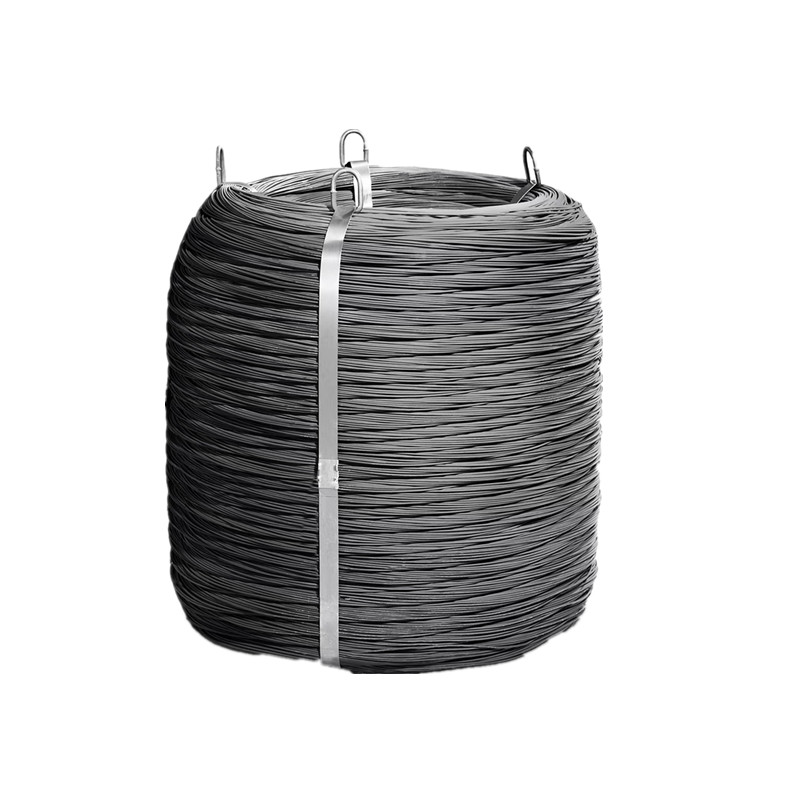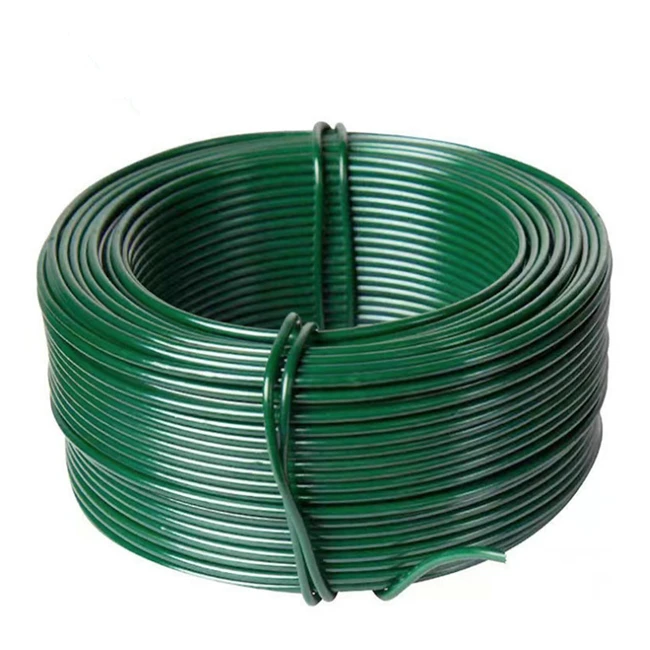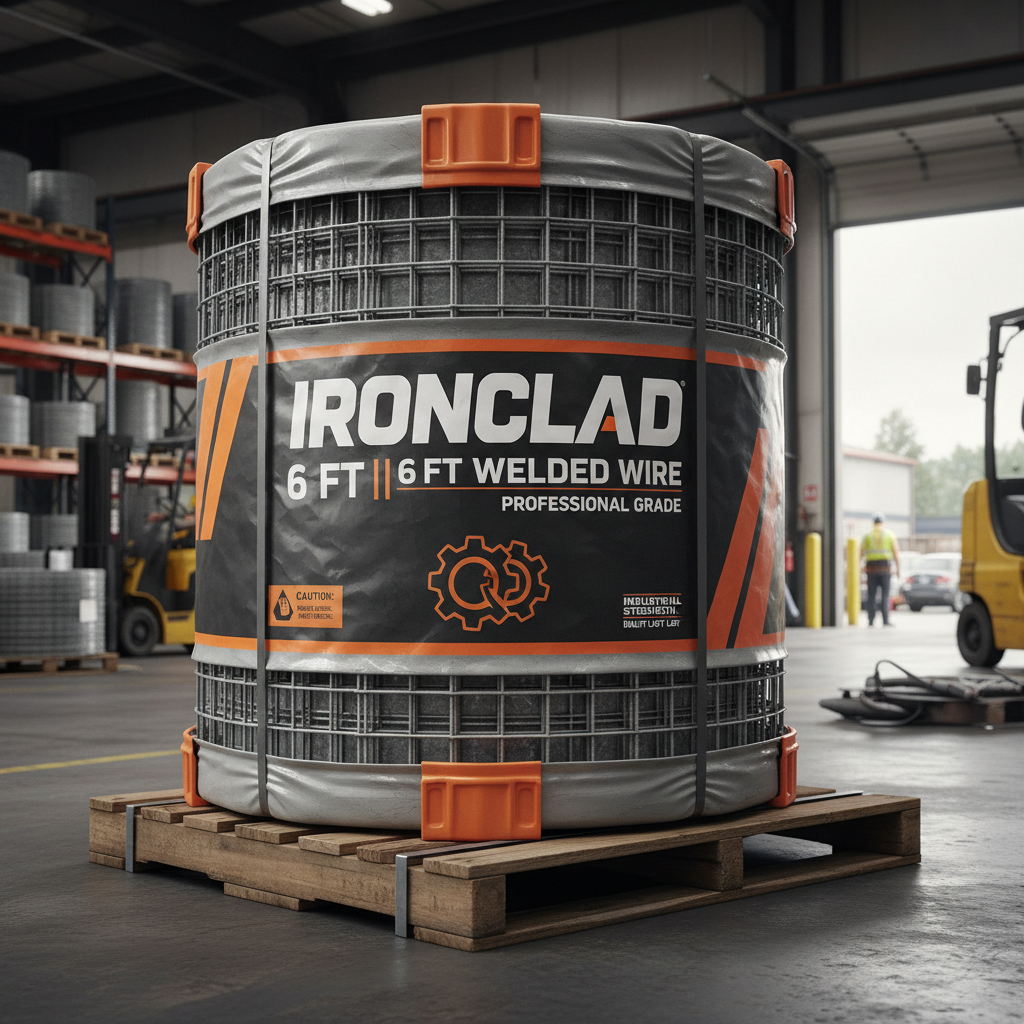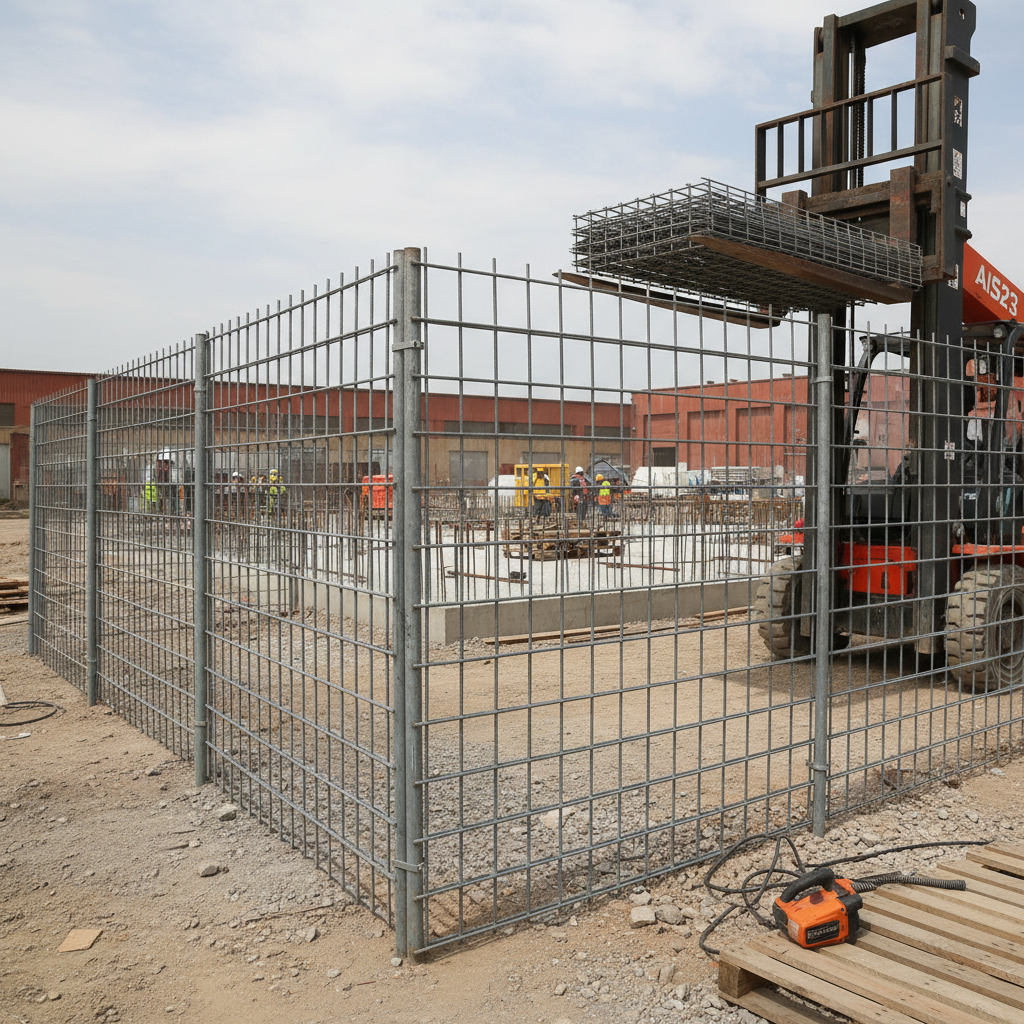
Understanding Wire Mesh 6 mm: A Global Industrial Backbone
Wire mesh 6 mm may sound like a simple material, but its role in industries across the world is anything but trivial. From infrastructure reinforcement to humanitarian aid support, this specific gauge of wire mesh has quietly supported countless projects by providing strength, flexibility, and cost-effectiveness. Why does it matter globally? Because it addresses vital challenges like durability, resource scarcity, and rapid construction needs – especially in developing regions or post-disaster contexts.
Mini takeaway: The 6 mm wire mesh is a subtle yet essential component connecting modern industrial innovation with pressing global development needs.
Global Context and Relevance
According to ISO standards, wire mesh products are critical in infrastructure safety and building code compliance worldwide. The World Bank’s data also highlights a surge in construction projects in Asia and Africa, where materials like wire mesh 6 mm see heavy use in foundations, fencing, and agricultural applications. But there’s a challenge. For many regions, lack of reliable reinforcement materials leads to structural failures or inefficient builds — so having a standardized, accessible, and multipurpose mesh helps alleviate these problems.
Think of it this way: in a world where rapid urbanization outpaces infrastructure development, materials that balance strength and cost become indispensable — that’s precisely where 6 mm wire mesh steps in.
What is Wire Mesh 6 mm?
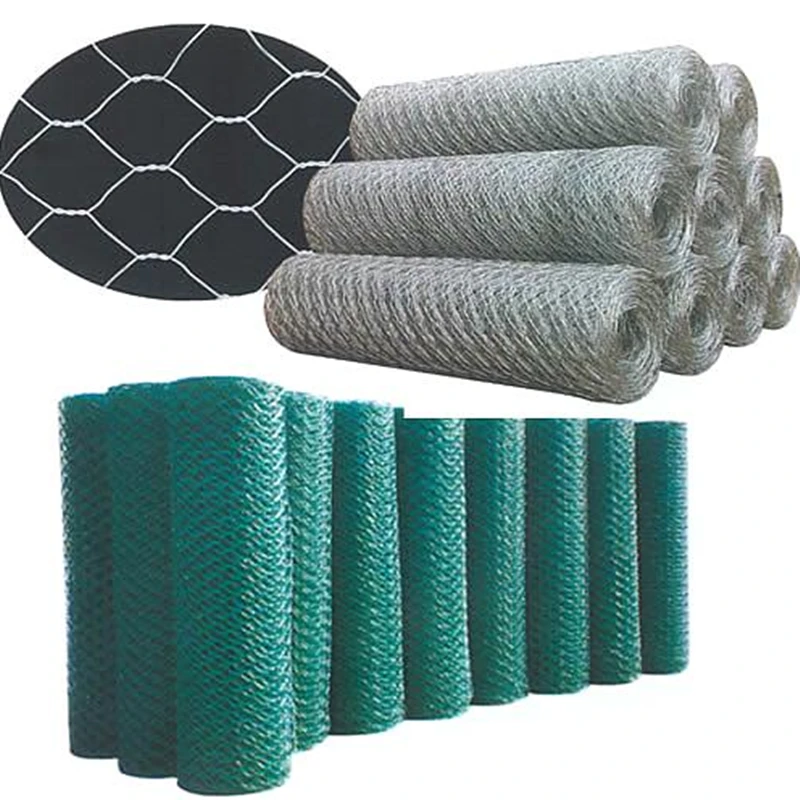
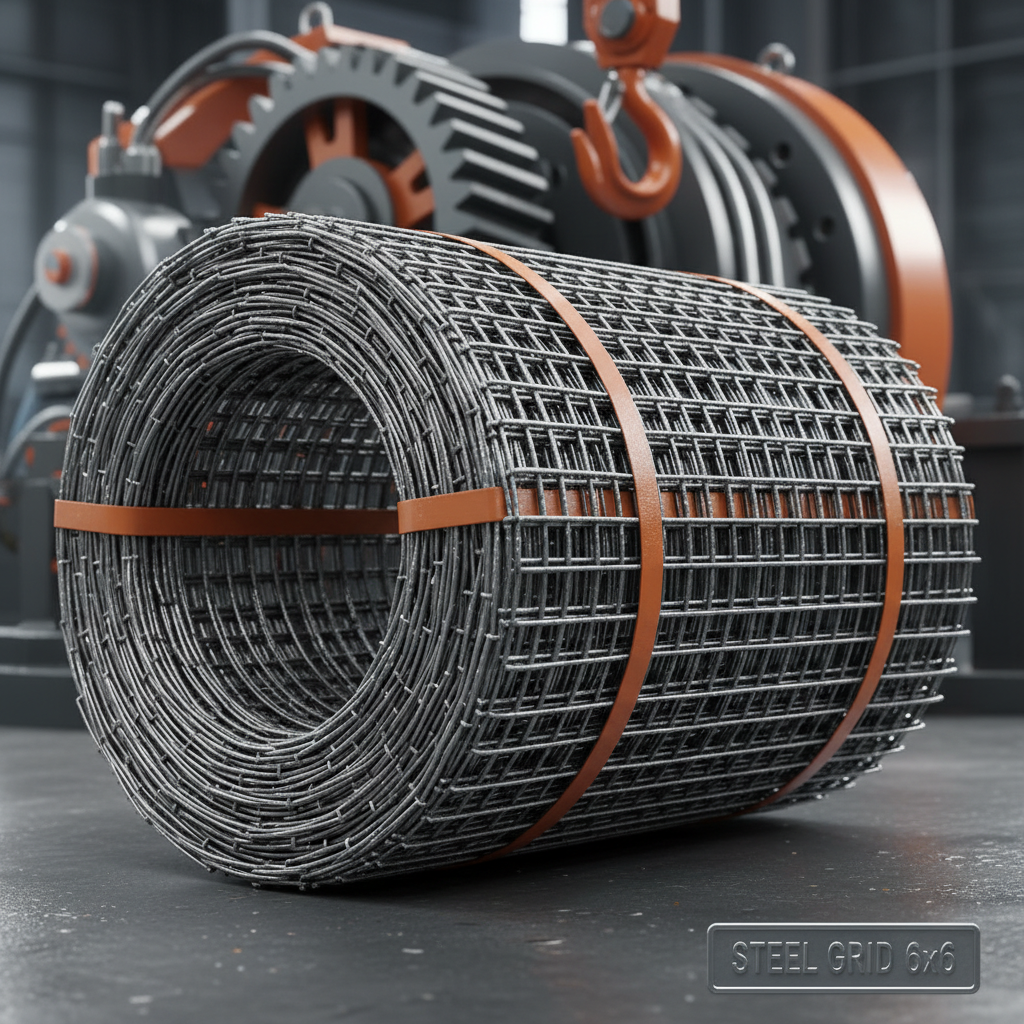
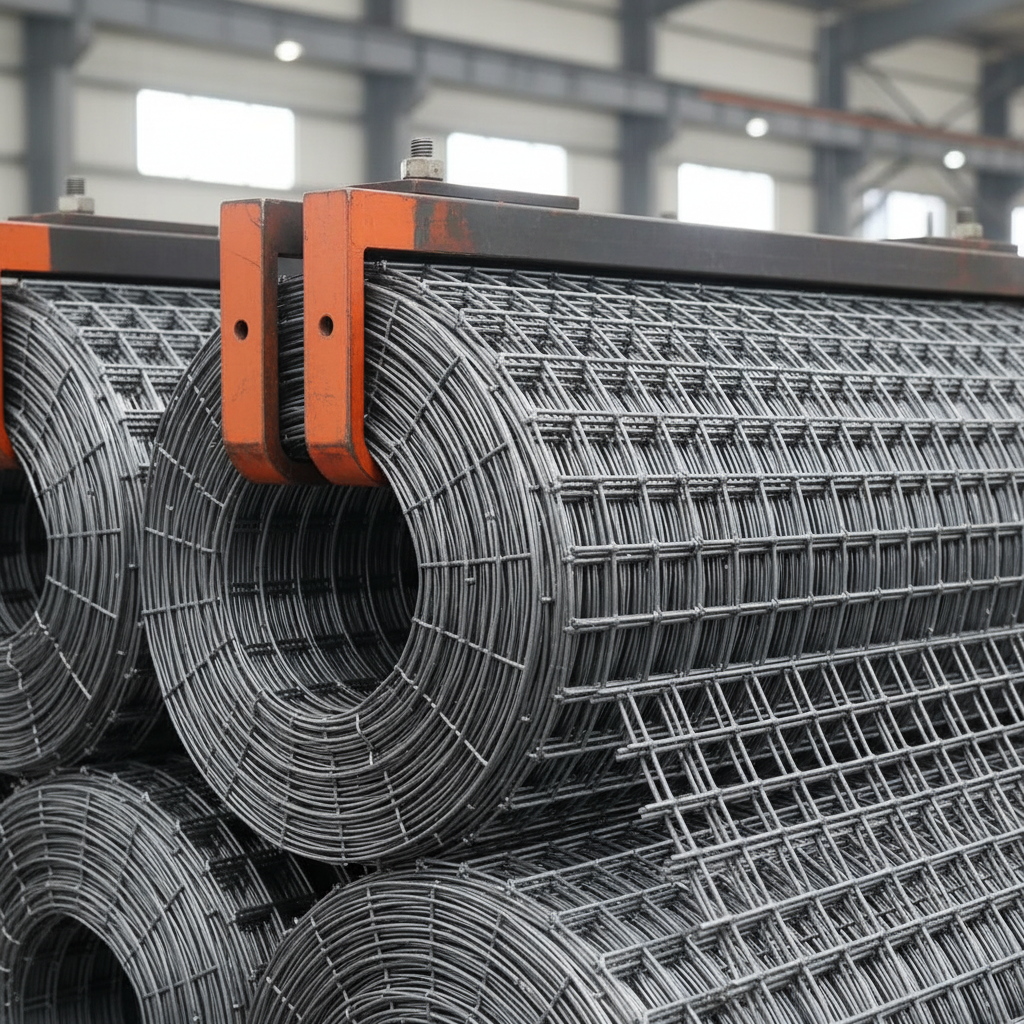
Simply put, wire mesh 6 mm refers to woven or welded grids made from steel or other metals where the diameter of each wire measures roughly 6 millimeters. It’s essentially a net-like structure used to reinforce concrete, secure perimeters, or support agricultural crops. Its thickness strikes a balance: thick enough to provide needed strength but not so heavy that it becomes impractical or overpriced.
It bridges the gap between basic fencing wire and heavier-duty reinforcement bars.
Core Components and Key Factors
1. Durability
Steel wire mesh with 6 mm thickness resists wear, rust, and mechanical stress quite well – especially when galvanized or coated. This longevity is crucial for outdoor projects, meaning less upkeep and better return on investment.
2. Scalability & Flexibility
The mesh can be cut and shaped for different use cases, from large construction sites to smaller fencing applications. Its modularity makes it ideal for phased projects or rapid deployment.
3. Cost Efficiency
6 mm wire mesh is often more affordable than alternatives like rebar grids, while still delivering adequate reinforcement. Its widespread availability also helps maintain competitive pricing.
4. Versatility
Whether it’s for reinforcing concrete slabs or protecting crops from pests, this mesh is versatile. It’s used by municipal infrastructures, agricultural producers, and humanitarian agencies alike.
5. Compliance
Being aligned with international standards (e.g., ASTM A1064), it ensures safety and quality, which is critical for builders and regulators.
Mini takeaway: Wire mesh 6 mm combines practical durability with flexible use and cost-conscious advantages, making it a go-to material for many industries.
Wire Mesh 6 mm Product Specifications
| Specification | Details |
|---|---|
| Wire Diameter | 6 millimeters |
| Mesh Opening | Typically 25 mm to 100 mm |
| Material | Galvanized Stainless Steel, Mild Steel |
| Coating | Zinc, PVC, or Epoxy (optional) |
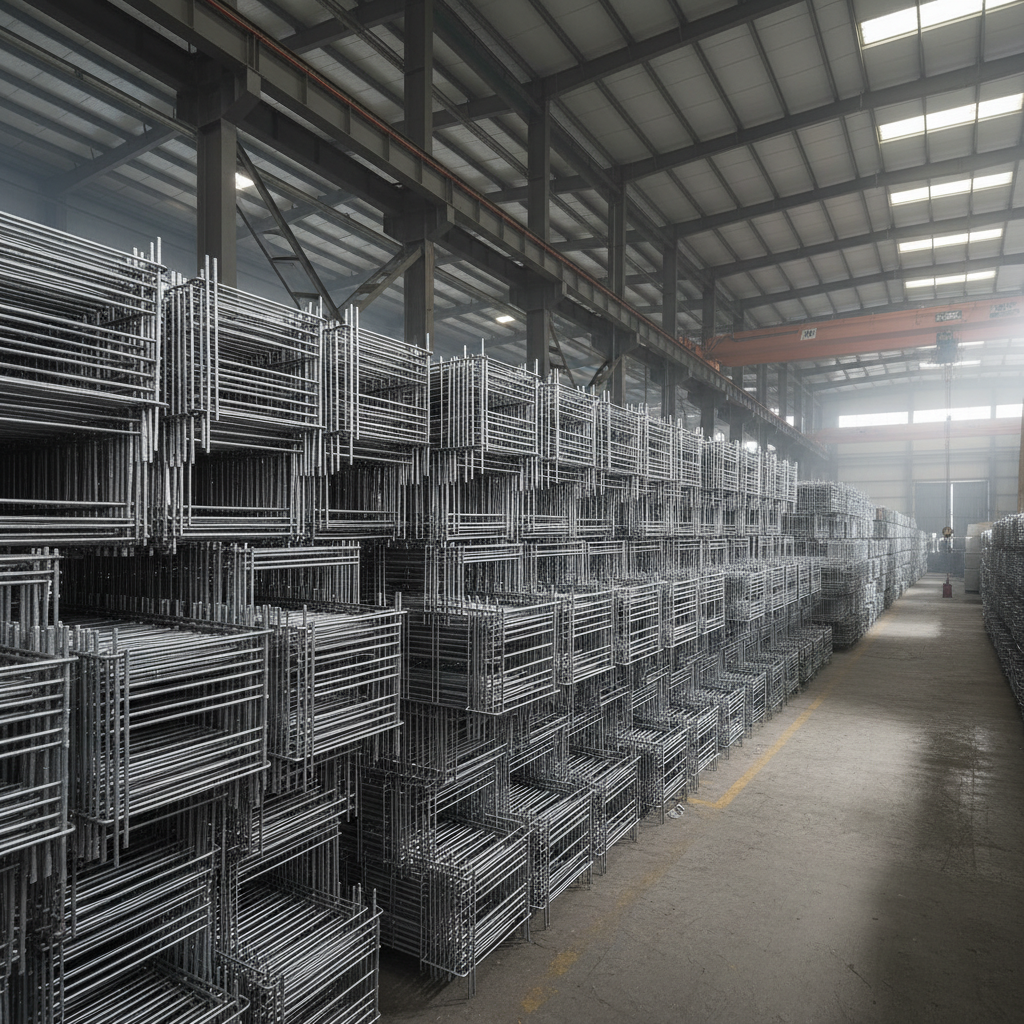
| Standard Sizes | Rolls up to 100 m length; sheets available |
| Compliance | ASTM A1064, ISO 9001 certified manufacturers |
Vendor Comparison: Leading Wire Mesh 6 mm Suppliers
| Vendor | Material Quality | Price Range (USD/m²) | Customization | Lead Time |
|---|---|---|---|---|
| Lanye Wire Mesh | High (Galvanized steel, certified) | $10–15 | Custom size and coating | 2–4 weeks |
| Global Mesh Co. | Medium (Mild steel) | $8–12 | Limited | 3–6 weeks |
| SteelNet Solutions | Premium (Stainless steel, highly corrosion resistant) | $20–28 | Full customization | 4–6 weeks |
Global Applications & Use Cases
- Infrastructure: Reinforcement for concrete bridges, tunnels, and roads in Europe and Asia where safety standards are rigorous.
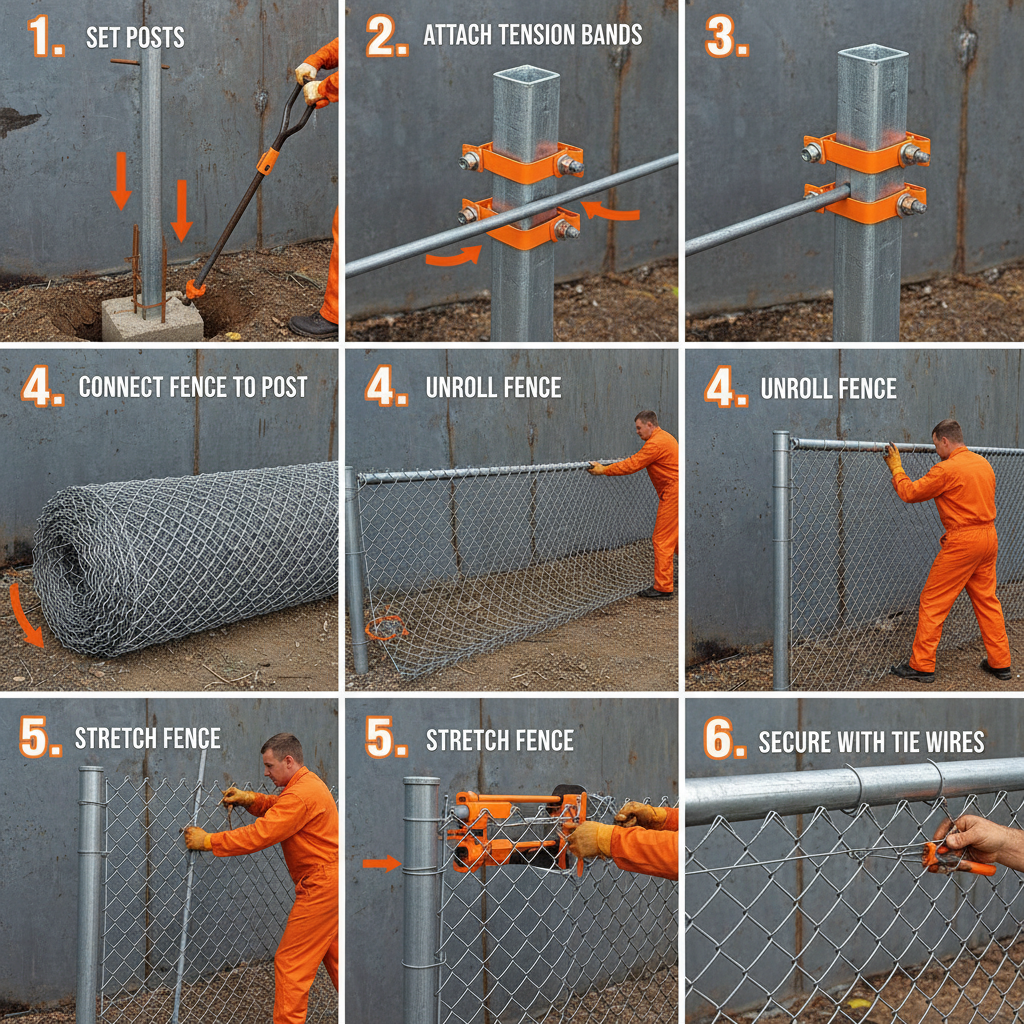
- Agriculture: Livestock fencing and crop protection in Africa and South America, helping communities safeguard their resources.
- Disaster Relief: Temporary shelters and rapid rebuilding projects in earthquake-prone regions use wire mesh reinforcement for stability.
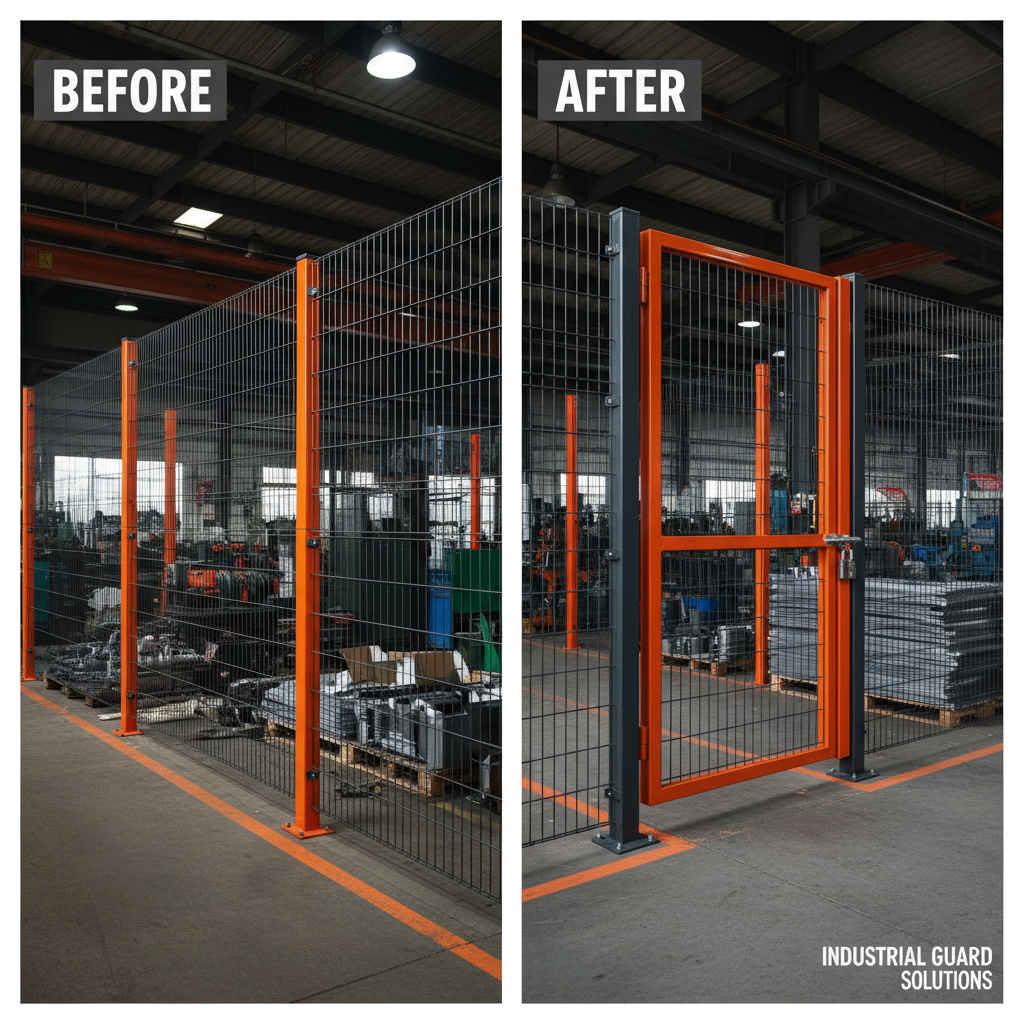
- Manufacturing & Industrial: Machinery guards, partitions, and safety cages globally.
In fact, you’ll find it featured prominently in recent UN-Habitat projects focused on sustainable housing for vulnerable populations, demonstrating its humanitarian value.
Mini takeaway: Wire mesh 6 mm acts as a versatile tool across sectors and regions, enhancing safety, sustainability, and resilience worldwide.
Advantages & Long-Term Value
There’s a logical appeal here: reduced material wastage, lower life-cycle costs due to durability, and compliance with global standards. Yet, there’s also an emotional side — trust that builds from knowing your structure won’t fail, dignity preserved in safe shelters, and the innovation that inspires engineers to do better.
For many users, wire mesh 6 mm symbolizes reliability and solidity. It’s a simple but vivid example of how industrial materials hold communities together, quite literally.
Future Trends & Innovations
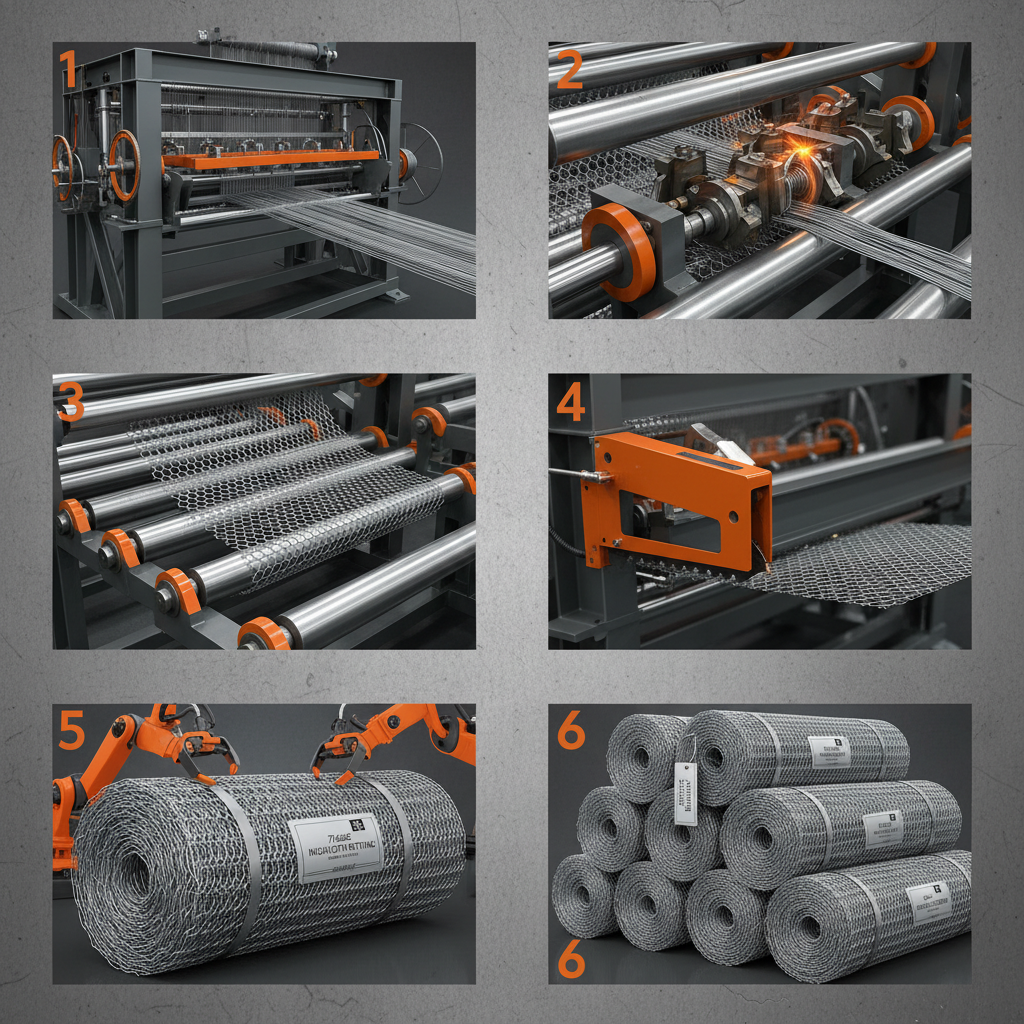
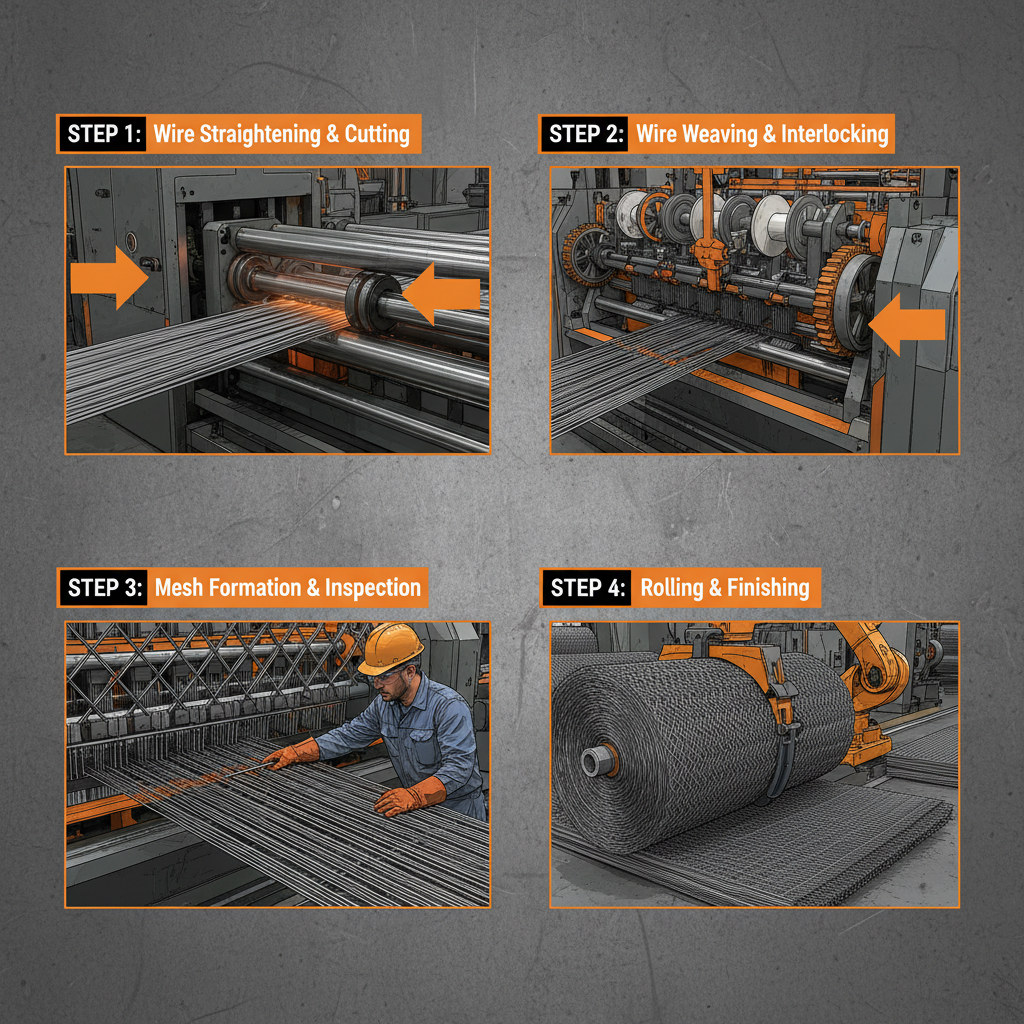
The field is evolving. Advances like eco-friendly coatings reduce environmental impact. Automation in mesh fabrication improves precision and scalability. In addition, researchers explore composite wires that blend metals with polymers for enhanced strength-to-weight ratios. And oddly enough, digital inventory systems now allow real-time stock tracking for mesh supplies, smoothing logistics challenges.
Challenges & Solutions
Despite its merits, wire mesh 6 mm faces hurdles, including supply chain delays, corrosion under extreme conditions, and sometimes transport difficulties due to bulk. However, solutions like improved galvanization, modular packaging, and local manufacturing setups help overcome these. Industry experts recommend integrating wire mesh sourcing into early project planning to avoid bottlenecks.
FAQ: Frequently Asked Questions About Wire Mesh 6 mm
- Q: What makes 6 mm wire mesh better than thinner meshes for construction?
A: 6 mm wire offers a robust balance—thicker wires provide greater tensile strength and durability, which is especially important for reinforcing concrete structures where safety is paramount. - Q: How resistant is galvanized 6 mm wire mesh to rust in coastal areas?
A: Galvanization adds a zinc coating that significantly slows corrosion, but for harsh marine environments, additional coatings or stainless steel varieties are recommended to extend lifespan. - Q: Can wire mesh 6 mm be customized for size or coating?
A: Yes, many suppliers, like Lanye Wire Mesh, offer tailored dimensions and coatings to match project specifications exactly. - Q: Is wire mesh 6 mm reusable or recyclable?
A: Absolutely. Steel mesh is recyclable and often can be reclaimed for secondary use, supporting sustainable construction practices. - Q: How does wire mesh improve disaster relief construction?
A: It provides quick-to-assemble reinforcement that enhances stability and safety of temporary housing — crucial for protecting vulnerable populations during recovery.
Conclusion: Why Wire Mesh 6 mm Still Matters
From safety in infrastructure to resilience in humanitarian projects, wire mesh 6 mm is more than just a material — it’s a quiet workhorse. Its balance of strength, flexibility, and affordability keeps it relevant despite evolving technologies. For anyone involved in construction or development projects, understanding its qualities and sourcing reliable supplies like those found on lanyewiremesh.com is a smart move.
If you want to explore further or need custom solutions, don’t hesitate to visit us and discover the range of wire mesh products crafted for your needs.
Final reflection: It’s fascinating how a simple, woven grid of 6 mm wires sustains so much — from homes to highways — a testament to industrial ingenuity meeting global needs.