Wire Mesh for Climbing Plants: Durable Support With a Touch of Industry Expertise
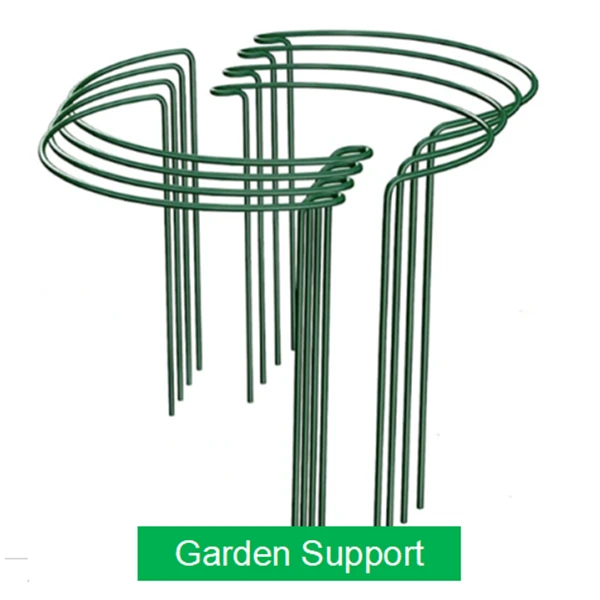
Having spent quite a few years working in the industrial equipment sector, I've come across a surprising variety of wire mesh applications. One niche that really sticks out to me is wire mesh for climbing plants. Oddly enough, it’s such a simple product, but it packs a serious punch when it comes to both functionality and longevity. When you’re helping nature scale vertical space, you want something that’s not just aesthetically pleasing, but genuinely robust — and frankly, that’s where wire mesh shines.
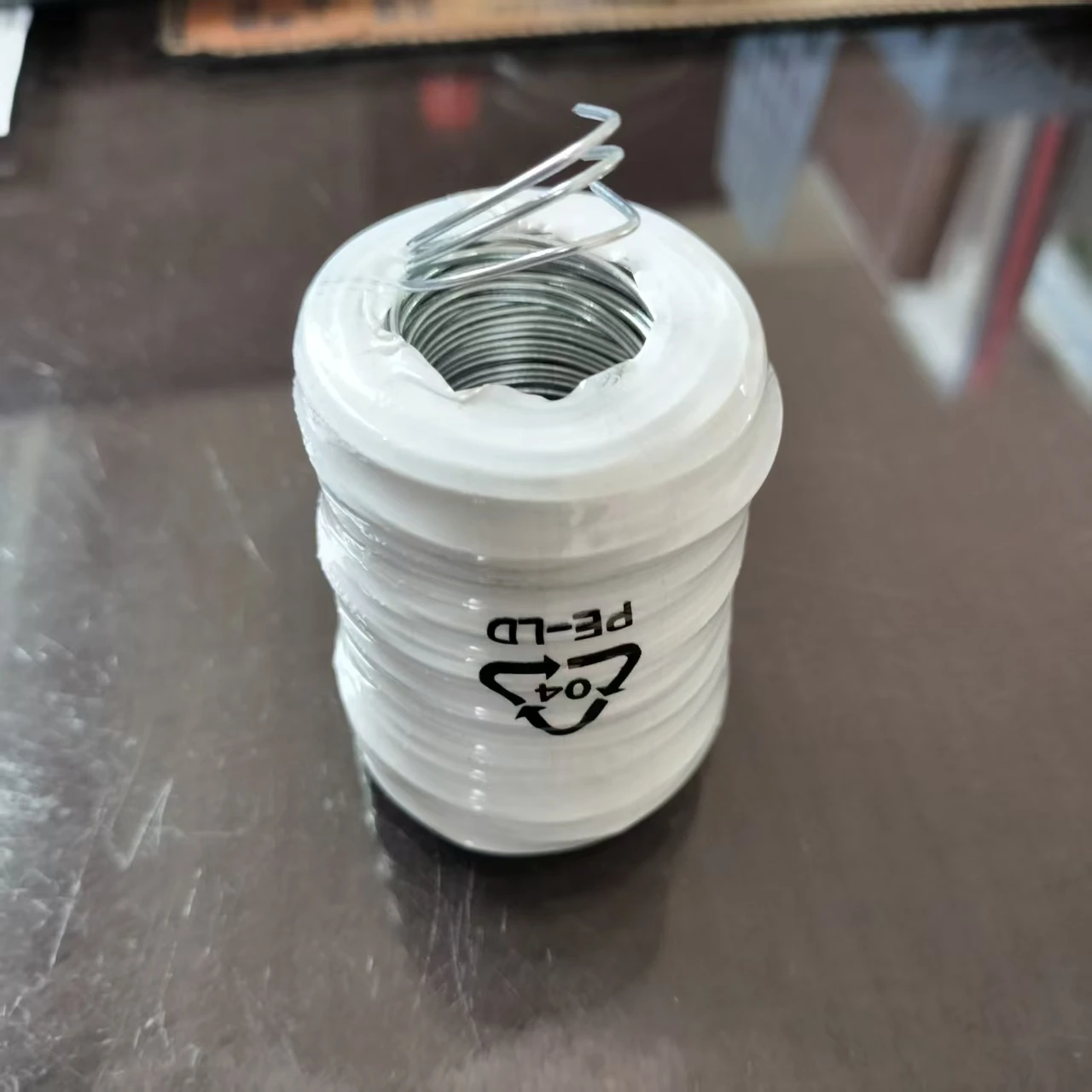
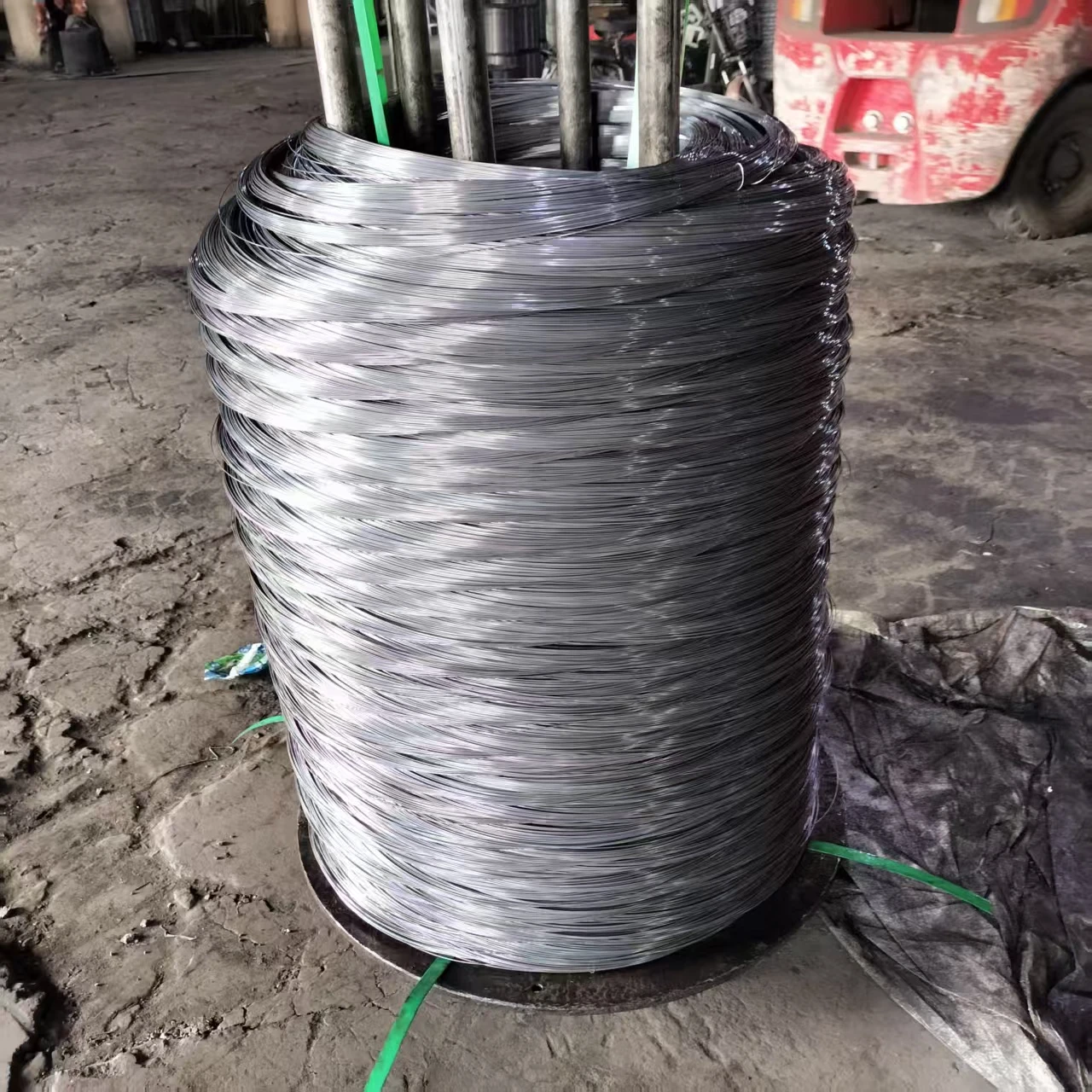
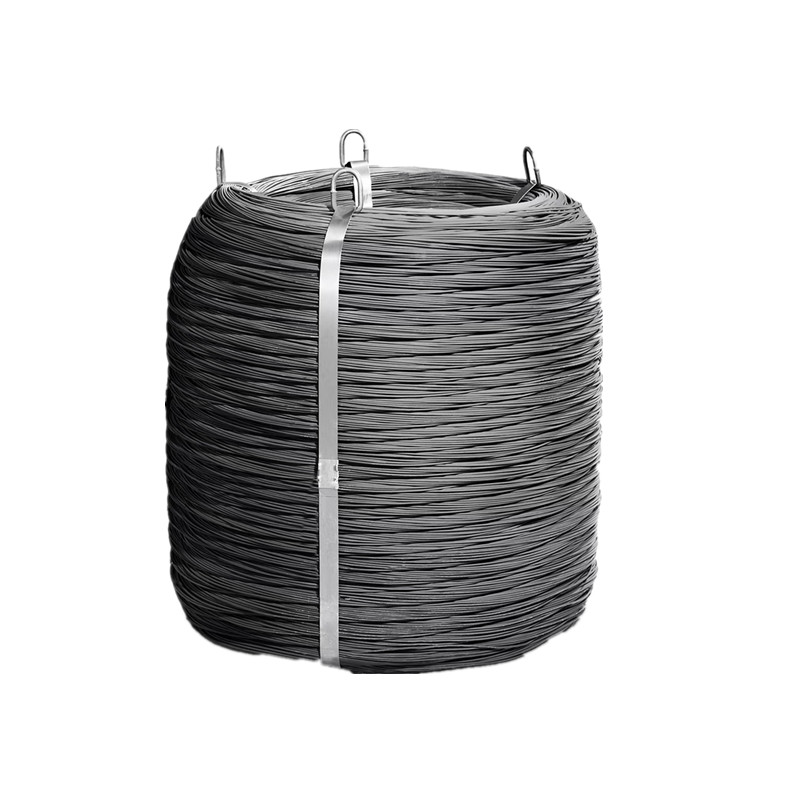
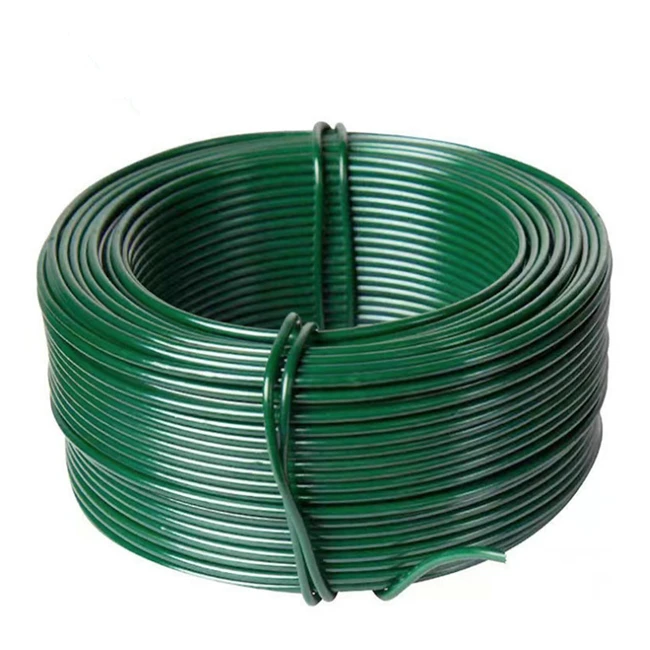
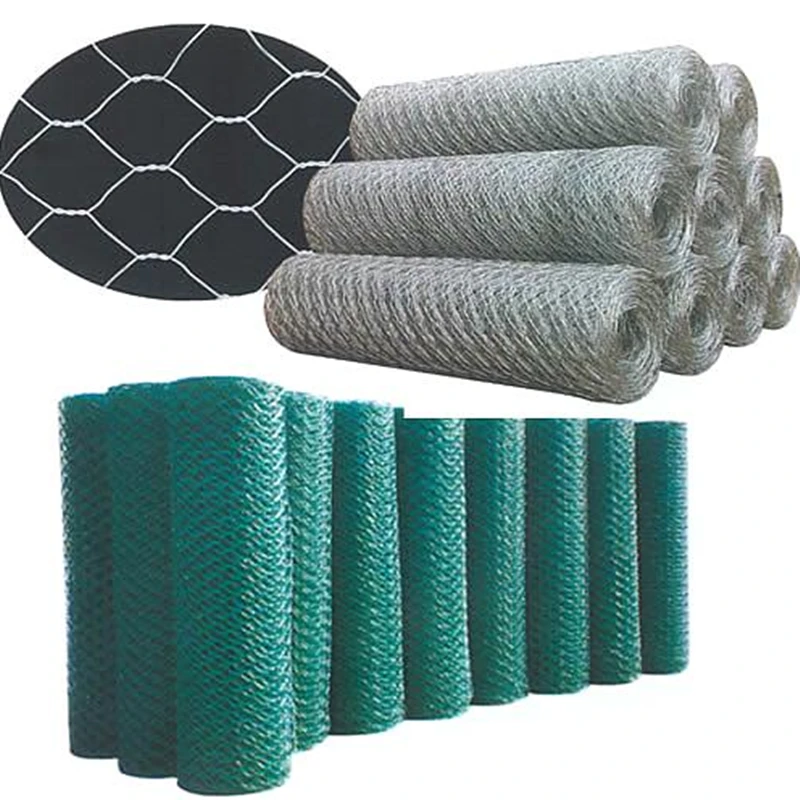
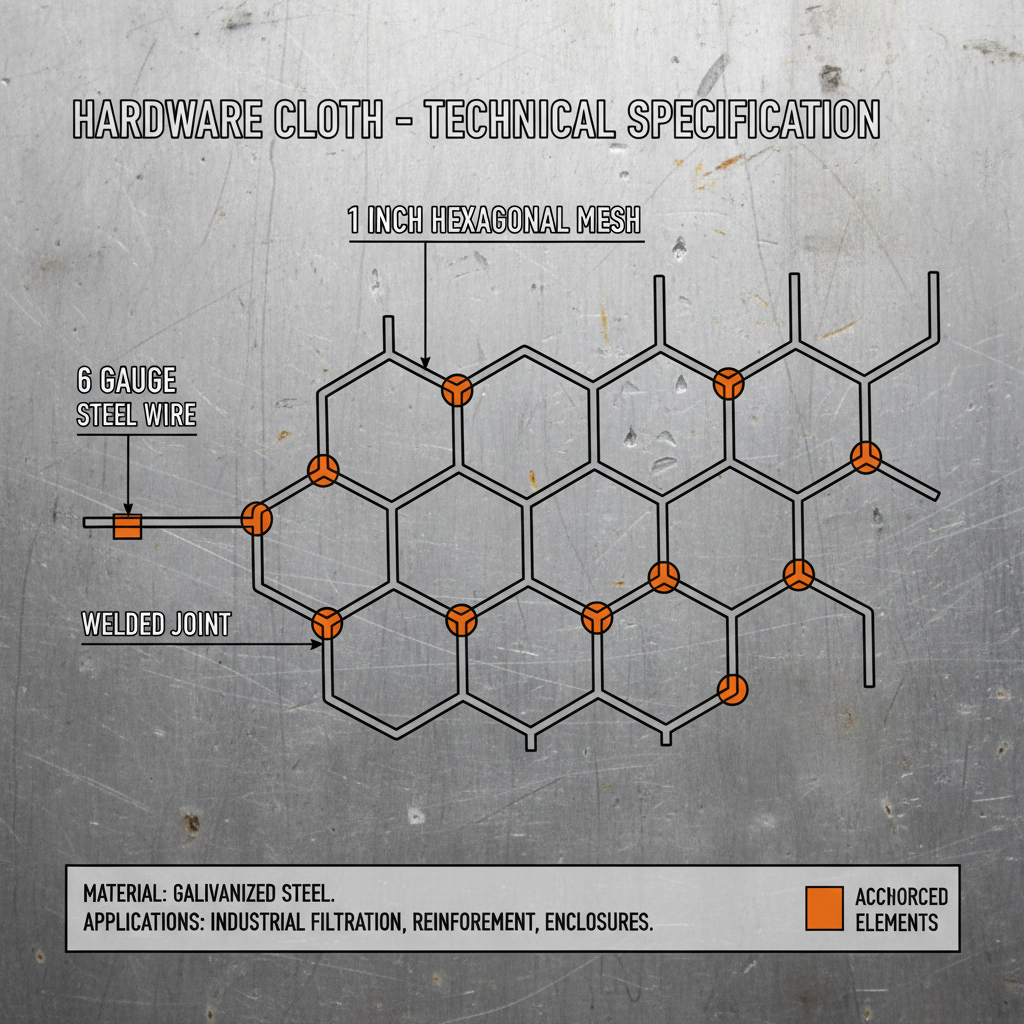
From an engineering standpoint, the first thing to look at is the material composition. Many climbing plant meshes are made from galvanized steel or stainless steel. Galvanizing lends excellent corrosion resistance, which is crucial. You see, plants and gardens are environments that literally wear down metal — moisture, soil acidity, exposure to UV all play a part. Stainless steel is your premium option, resisting rust even better, but with a cost premium that sometimes surprises customers.
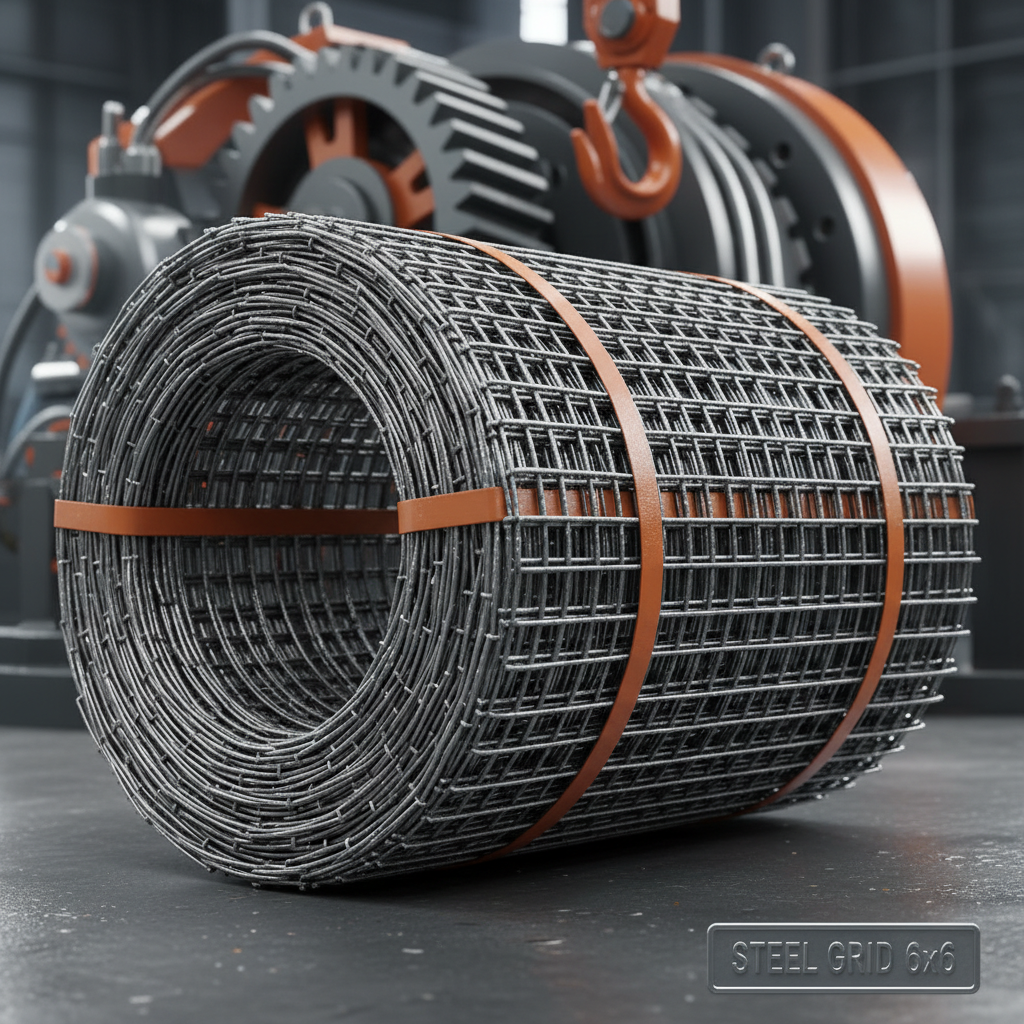
What I appreciate about climbing support mesh is how customizable it can be. Whether you’re working on a small-scale garden trellis or a more industrial agricultural application, mesh can be tailored in mesh size (the openings between wires), wire diameter, and panel dimensions. The right mesh size actually encourages the plant’s tendrils to grip naturally, offering support without stunting growth — it’s a fine balance. In my early days, I noticed many gardeners struggled because the mesh was too coarse or flimsy. That made me respect the manufacturers who really nail the specs.
| Specification | Details |
|---|---|
| Material | Galvanized or Stainless Steel |
| Mesh Opening Size | 20mm to 50mm (customizable) |
| Wire Diameter | 1.2mm to 2.5mm |
| Panel Dimensions | Varies, typically 1m x 2m |
| Finish | Powder Coated or Plain |
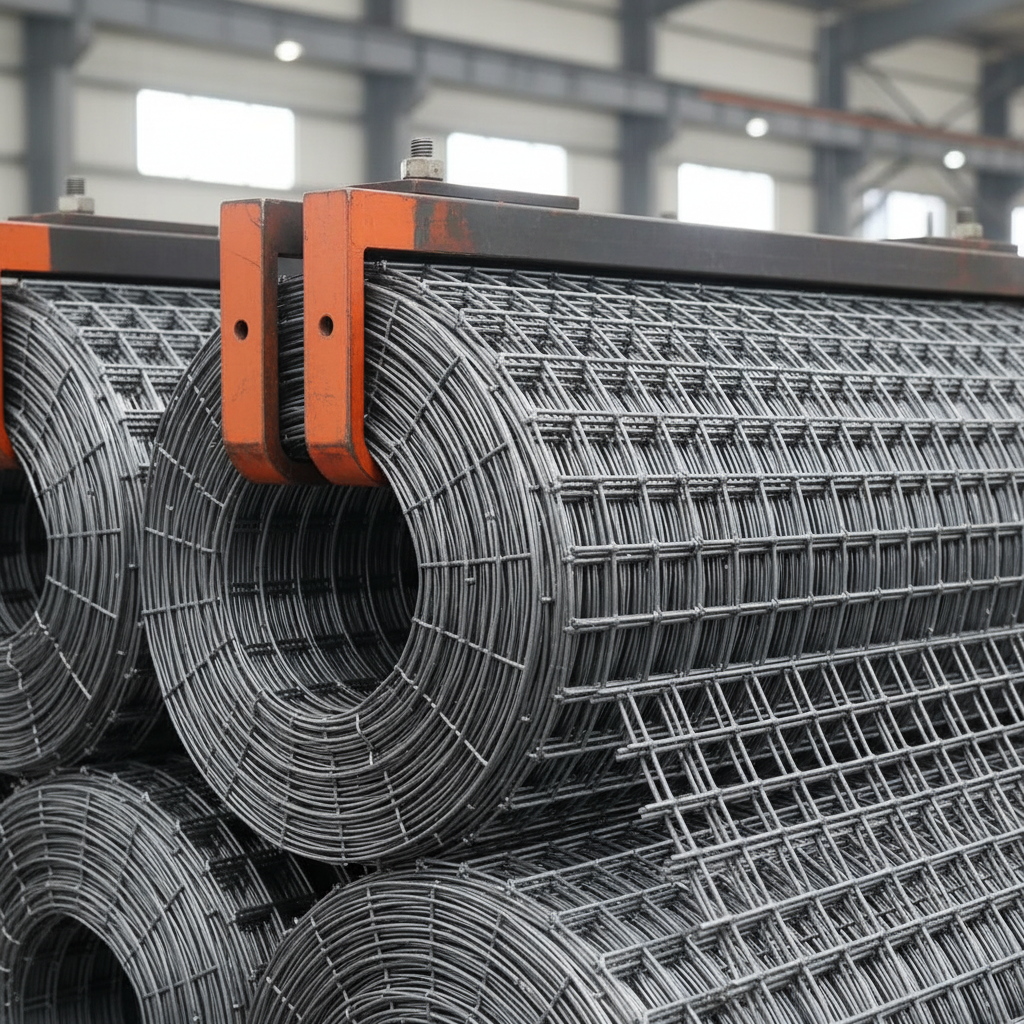
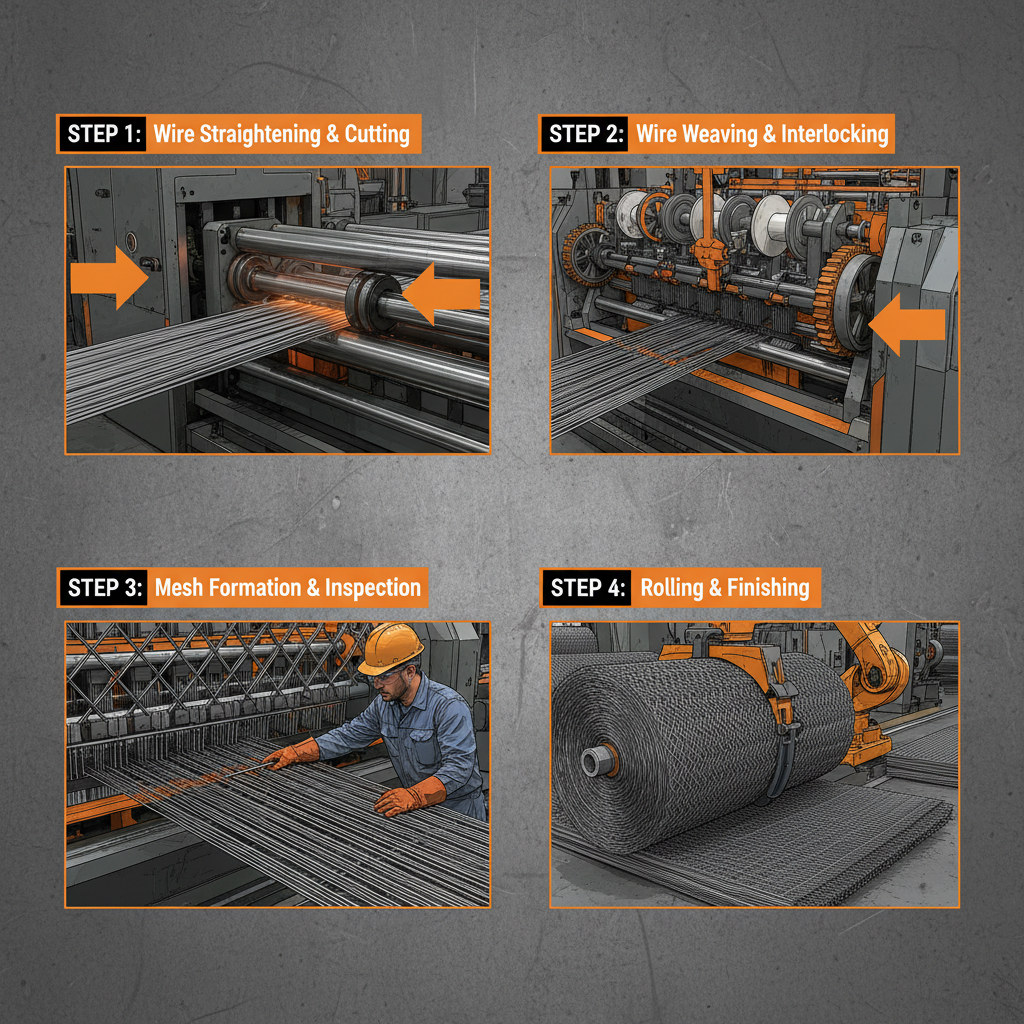
When speaking with manufacturers, one thing that impressed me was the level of testing these meshes undergo. Many go through tensile strength tests, corrosion resistance trials, and even UV exposure simulations. It’s not just about holding up a vine, but about standing the test of seasons and weather. Oddly enough, that attention to durability aligns nicely with the industrial rigor I’ve seen on factory floors — products designed to last.
Now, not all vendors are cut from the same cloth. Here’s a quick comparison I put together based on years of sourcing and direct experience, just to help clarify which might suit different projects best. Keep in mind, the “best” product depends a lot on your specific needs — price, longevity, and application environment can all change the game.
| Vendor | Material Options | Customization Level | Pricing | Lead Times |
|---|---|---|---|---|
| Lanye Wire Mesh | Galvanized, Stainless Steel | High (size, thickness, coating) | Competitive | 2-4 weeks |
| GreenGrow Supplies | Galvanized only | Medium | Low | 1-3 weeks |
| SteelGarden Inc. | Stainless Steel only | Low | Premium | 4-6 weeks |
A little anecdote, if I may: A local community garden once turned to me asking for a recommendation for wire mesh that could be re-used season after season. They’d tried cheap plastic trellises and those always broke within a summer. I suggested a galvanized steel mesh from Lanye Wire Mesh, pointing to its proven durability and ease of installation. A couple of years later, they reported back that the mesh was still going strong, and the climbing plants had flourished beautifully — which kind of felt like a small win for “industrial-grade” gardening.
To wrap up, wire mesh for climbing plants isn’t just about holding up vines or looks. It’s about integrating reliable, tested materials into green spaces, making sure gardens stay beautiful and sustainable. I suppose that’s why, despite working mostly in heavy industries, I’ve grown to appreciate this humble, versatile product.
If you’re diving into a project involving climbers—be it residential, commercial landscaping, or even urban farming—consider the specs carefully. Talk to vendors, request samples, and think long-term. The right mesh support might just save you from headaches down the line.
In real terms, good mesh is about harmony between nature and engineered strength. It feels rewarding to see plants climbing up a thoughtfully engineered support system.
Sources and further reading:
- "Materials and Durability of Wire Mesh in Outdoor Applications," Industrial Journal, 2022.
- Lanye Wire Mesh Product Brochures and Technical Data Sheets.
- "The Ecology and Support Structures of Climbers," Botanical Review, 2020.