Why wire mesh rodent proof solutions remain essential in industrial settings
Having spent a good chunk of my career around factories, warehouses, and food processing plants, I’ve seen firsthand how pesky rodents can be beyond just a nuisance—they’re costly, dangerous, and frankly, hard to keep out without the right equipment. Wire mesh rodent proofing, at its core, is an old-school solution with a bit of modern muscle. It’s the kind of product that, once installed properly, you just about forget—even if rodents don't entirely disappear, the damage certainly gets minimized.
Oddly enough, when I first learned about wire mesh options, I imagined it as something rudimentary—just some metal screen slotted into place with a bit of mesh fencing. But the truth is, there’s quite a bit that goes into designing wire mesh for rodent-proofing, especially in industrial environments where durability, corrosion resistance, and compliance with safety codes matter.
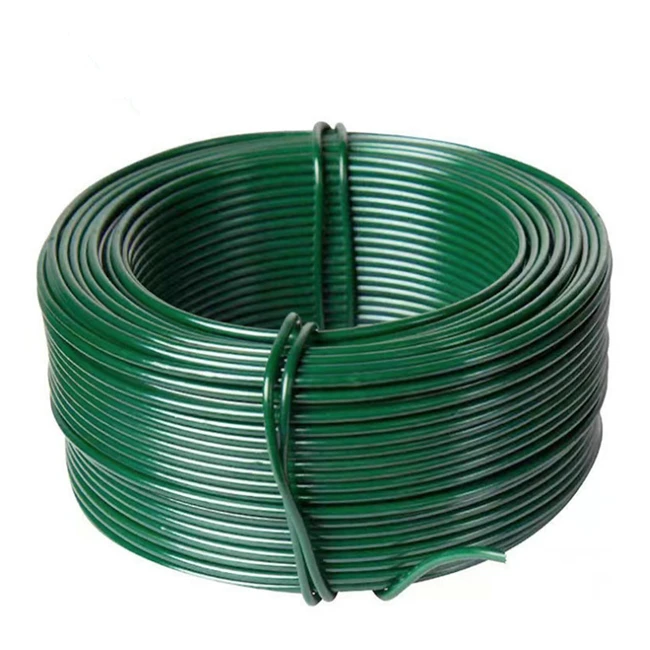
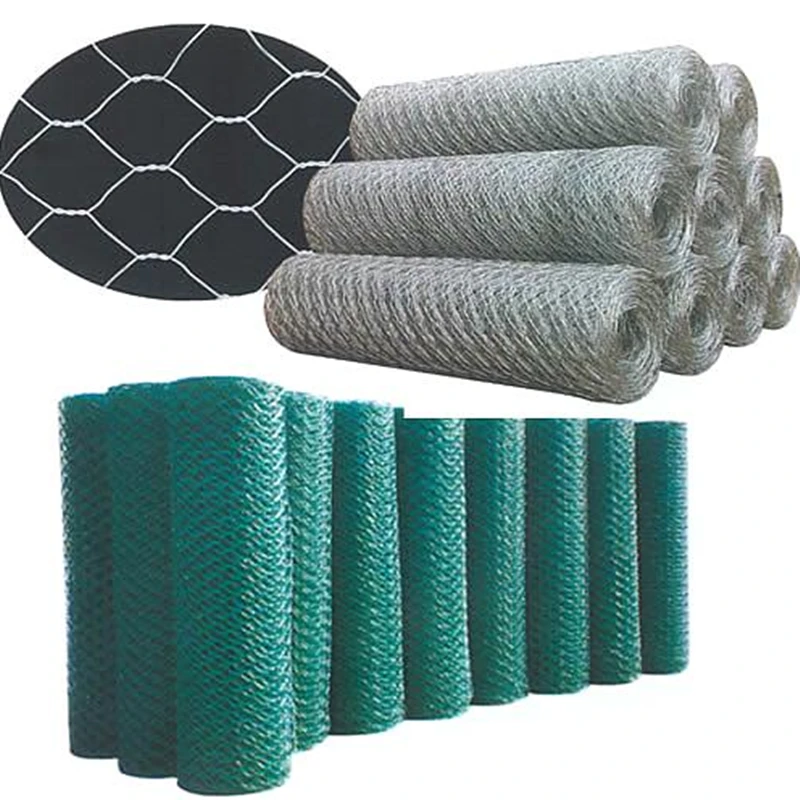
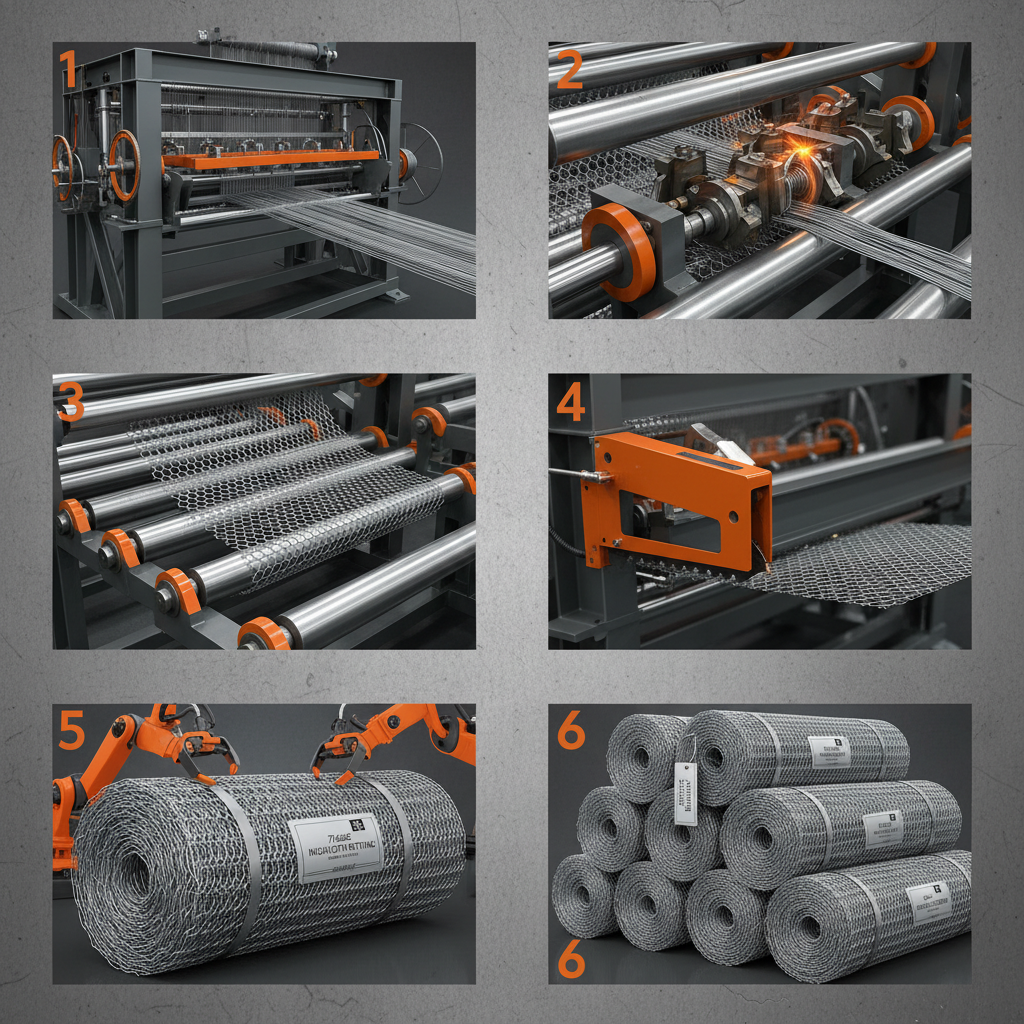
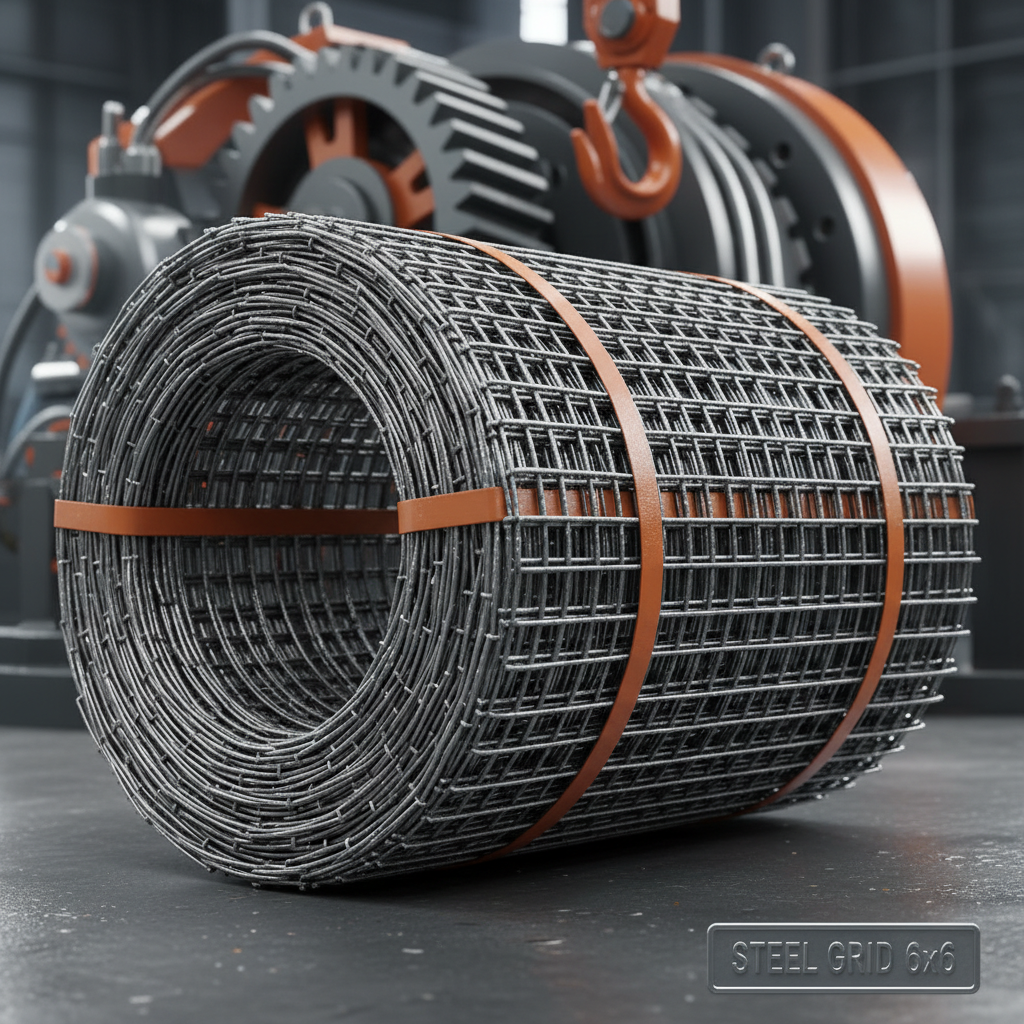
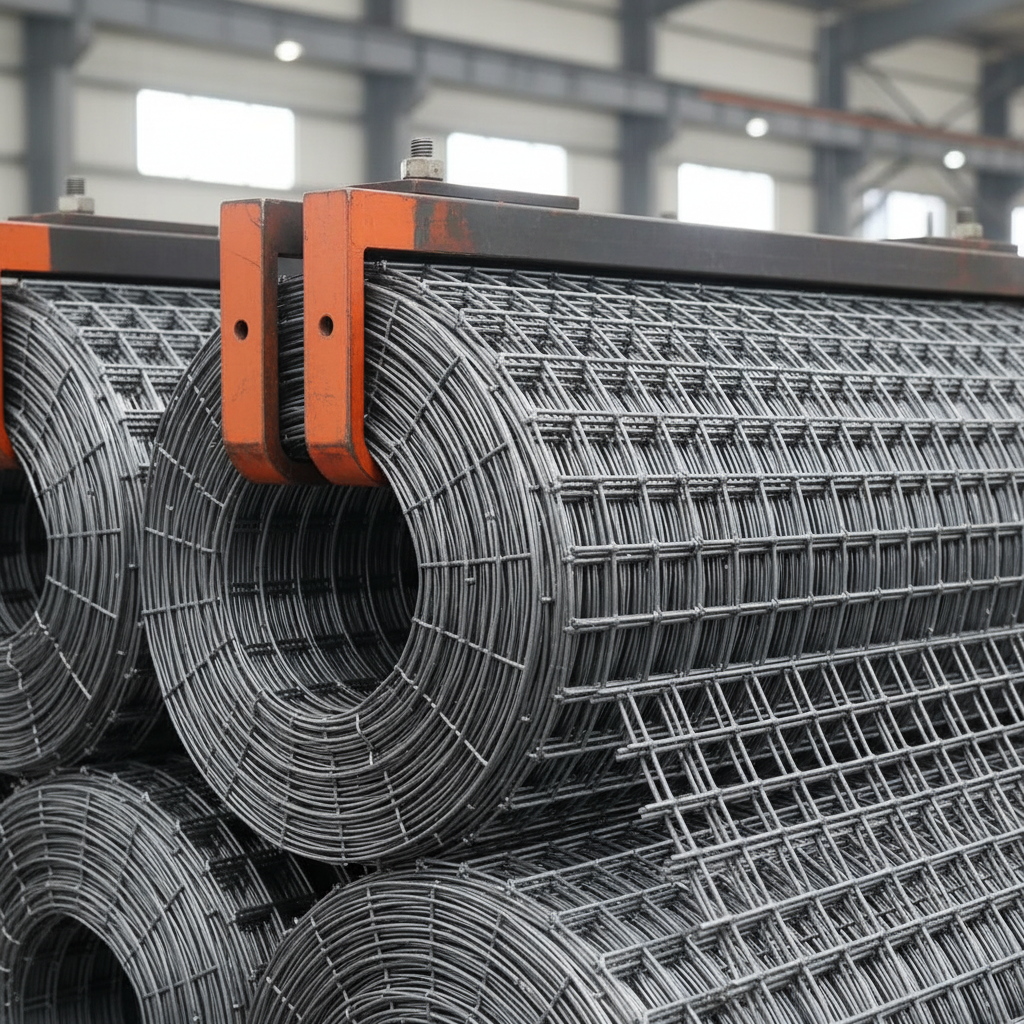
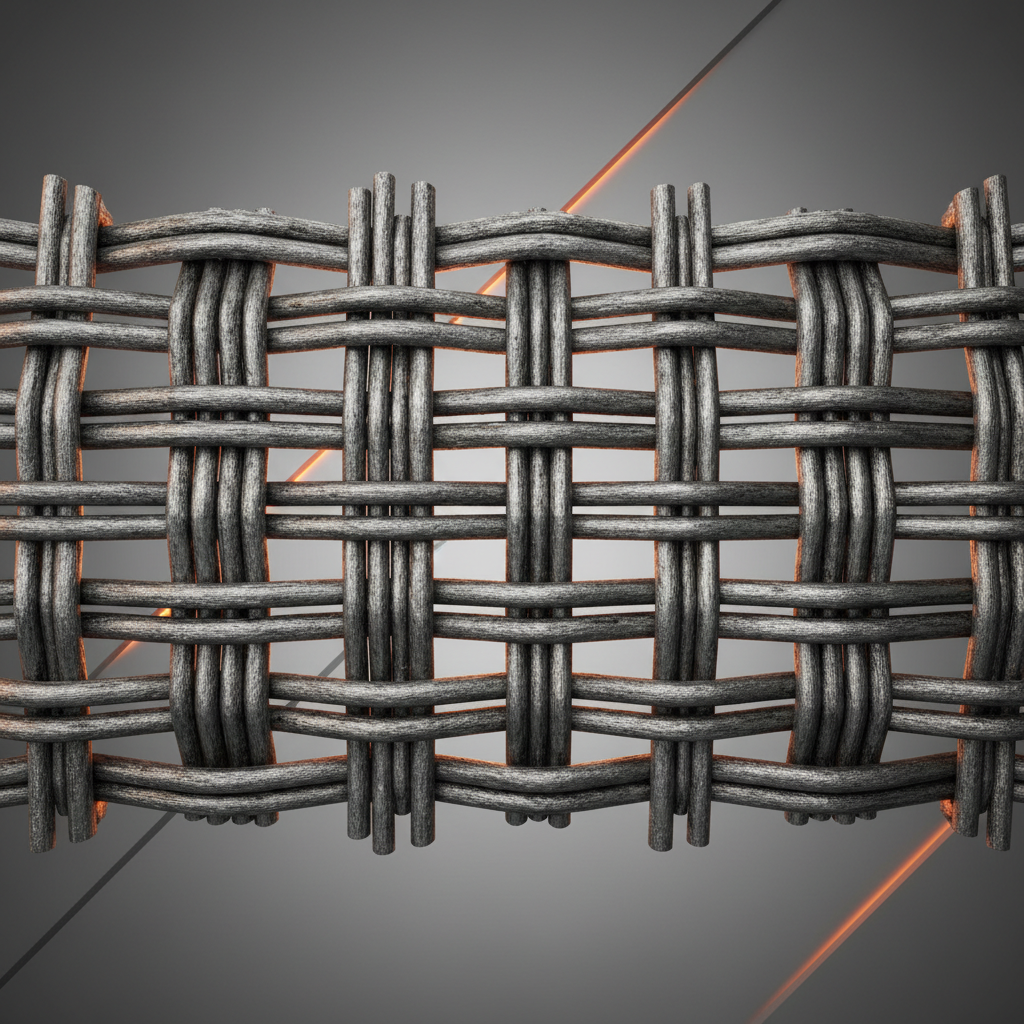
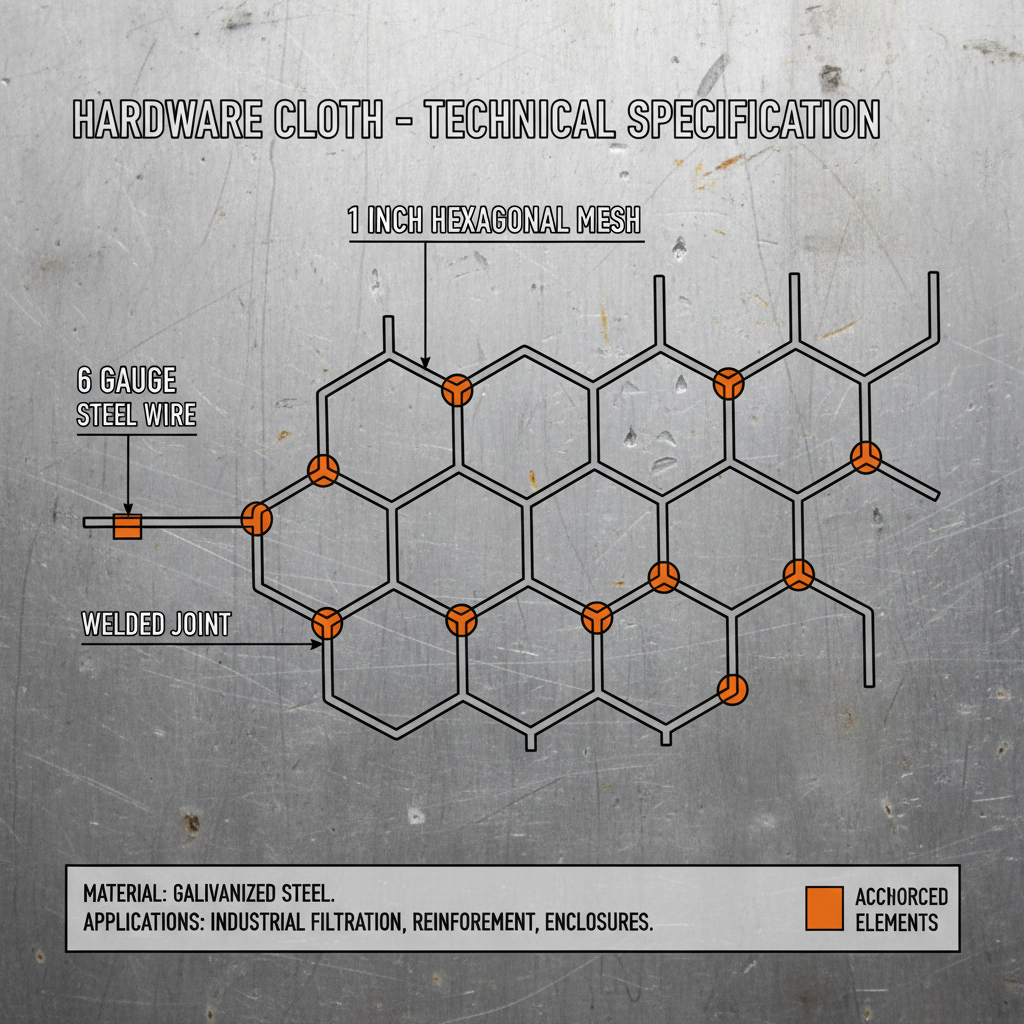
Most rodent-proof meshes use stainless steel or galvanized steel wire, which combines strength with resistance to corrosion or chemo exposure. Honestly, I suppose the best feature is the very tight weave. The mesh openings are typically less than a quarter-inch square, small enough to block even juvenile rodents from squeezing through.
Speaking of design, one crucial aspect, which not enough people realize, is the wire diameter. Too thin, and the mesh gets chewed apart; too thick, and installation becomes cumbersome and cost-prohibitive. In my experience, mesh ranging from about 18 to 22 gauge wire strikes the balance perfectly. Plus, it’s flexible enough to contour around oddly shaped ducts, pipes, and vents.
I remember visiting a food manufacturing plant that had persistent rodent problems near their loading docks. They’d used plastic barriers before, assuming rodents wouldn’t chew through them. Well, that proved naive—rats can and do chew plastic. Once they retrofitted the entry points with a stainless steel 19-gauge wire mesh with a 1/4" opening, the problem noticeably dropped within weeks. It felt like a simple fix but required expertise in fitting and anchoring to ensure no gaps remained.
For a quick snapshot, here’s how a typical wire mesh rodent proof product stacks up:
| Spec | Details |
|---|---|
| Wire Material | Stainless Steel 304 / Galvanized Steel |
| Wire Diameter | 18-22 Gauge (approx. 0.8–1.2 mm) |
| Mesh Opening Size | 1/4 inch (6.35 mm) or less |
| Roll Width | 0.5 m to 2 m (customizable) |
| Corrosion Resistance | High (suitable for humid & chemical environments) |
| Common Uses | Vents, ducts, openings around pipes, warehouse entryways |
Now, I bet you’re wondering about suppliers. The market has quite a few players, but from my visits and chats with a dozen or so facility managers, three stand out for quality and support. It feels like a useful comparison for anyone looking to invest confidently:
| Vendor | Material Options | Customization | Typical Lead Time | Support Rating |
|---|---|---|---|---|
| Lanyew Wire Mesh | SS304, Galvanized | High (roll width, wire gauge) | 2-4 weeks | ★★★★☆ |
| Metal Mesh Co. | Stainless Steel | Medium | 3–6 weeks | ★★★☆☆ |
| Industrial Wire Solutions | Galvanized Only | Low | 1-2 weeks | ★★★☆☆ |
Support Rating is based on client feedback and personal experience.
One thing most industry veterans agree on is that wire mesh, while simple in concept, really shines when paired with correct installation and regular inspections. Sometimes, rodents don’t just try to squeeze through—they try to pry or gnaw at where the mesh meets concrete or metal surfaces. That kind of vulnerability often gets overlooked.
If you’re considering a product like wire mesh rodent proof mesh, my advice is to clearly specify your environment (humidity, chemicals, rodent types) and ask for samples if you can. Seeing and feeling the wire gauge and weave tightness gives you a better sense than any spec sheet alone.
In real terms, this modest investment can save you headaches, product loss, and even regulatory red flags down the road.
So… if you ever find yourself wondering why those rodents seem so stubborn, remember: it’s not always about traps or poisons. Sometimes, the best defense is simply a robust barrier – and that’s exactly what wire mesh rodent proof solutions bring to the table.
A little metal mesh really can make a monumental difference.
References:
1. Smith, J. “Rodent Control Strategies in Industrial Settings,” Industrial Hygiene Journal, 2021.
2. Brown, L. “Material Selection for Corrosion-Resistant Wire Mesh,” Materials Science Today, 2023.
3. Facility Manager Interview, Midwest Food Processing Plant, 2022.