Understanding wiremesh M10: Practical Insights from the Field
I've spent more than a decade in the industrial equipment sector, and if there's one thing I've learned, it’s that not all wiremesh products are created equal. When it comes to wiremesh M10, things get interesting — frankly, it feels like the sweet spot between strength and versatility.
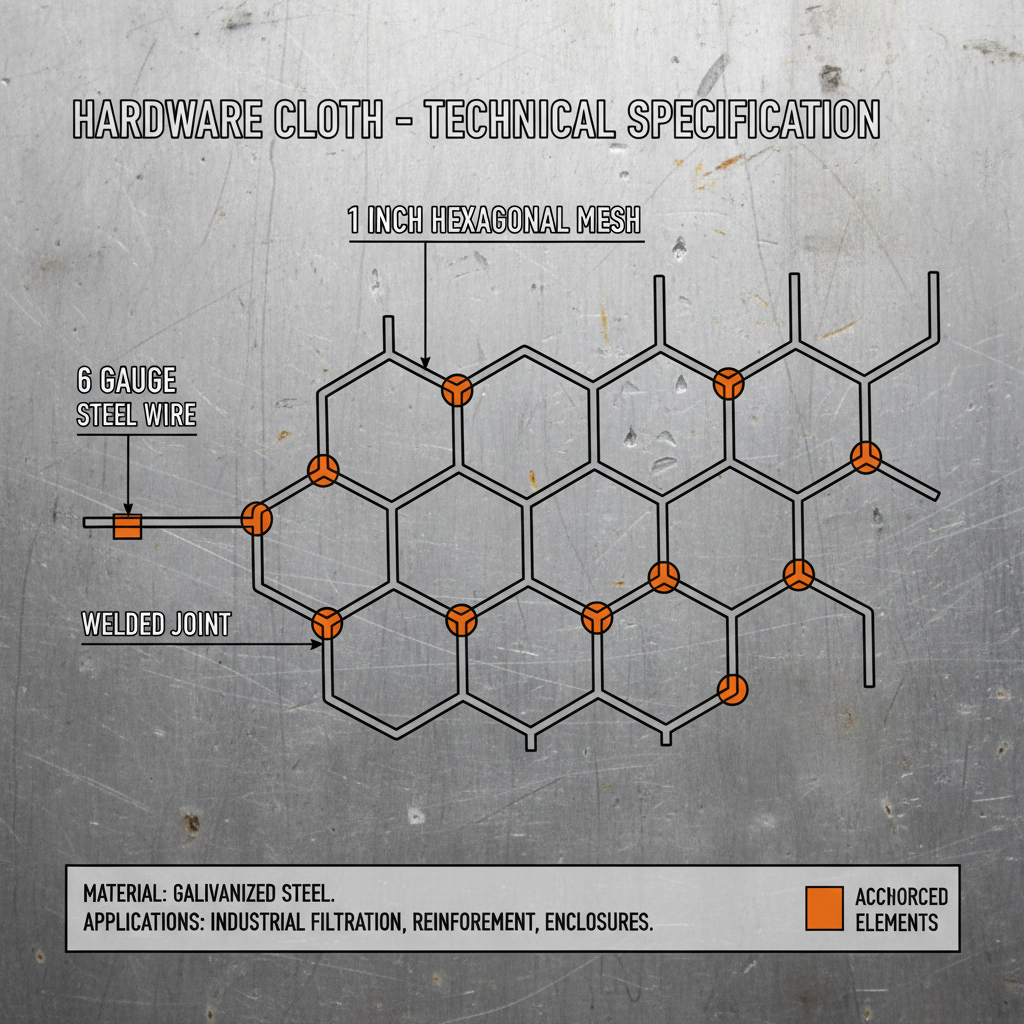
Now, you might ask, why the “M10” specification matters. It basically refers to the mesh size and diameter of the wire used — around 10 millimeters — which impacts both the durability and flexibility of the mesh. Oddly enough, many engineers I spoke with often underestimate how that subtle difference affects real-world applications, from construction reinforcement to industrial filtration.
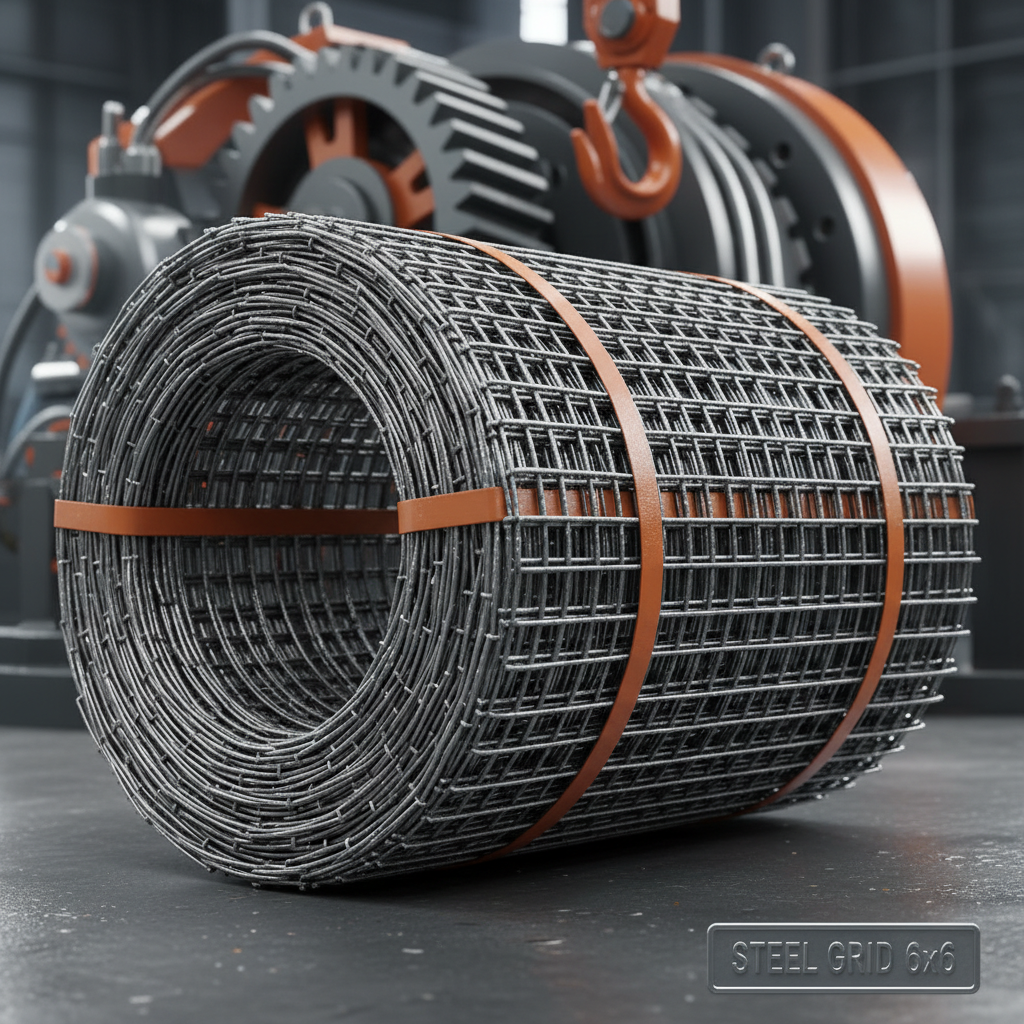
In real terms, the M10 mesh strikes a balance by providing adequate rigidity without sacrificing ease of installation. You see, in one of my site visits last year, the crew switched from an M12 mesh to an M10, and they reported the job finished quicker because the mesh was easier to handle — reinforcing my impression that for many tasks, M10 is the go-to choice.
Product Specifications at a Glance
| Specification | Details |
|---|---|
| Wire Diameter | 10 mm |
| Mesh Opening | 100 mm x 100 mm (approx.) |
| Material | Galvanized Steel / Stainless Steel options |
| Surface Treatment | Hot-dip Galvanizing / Electro-galvanizing |
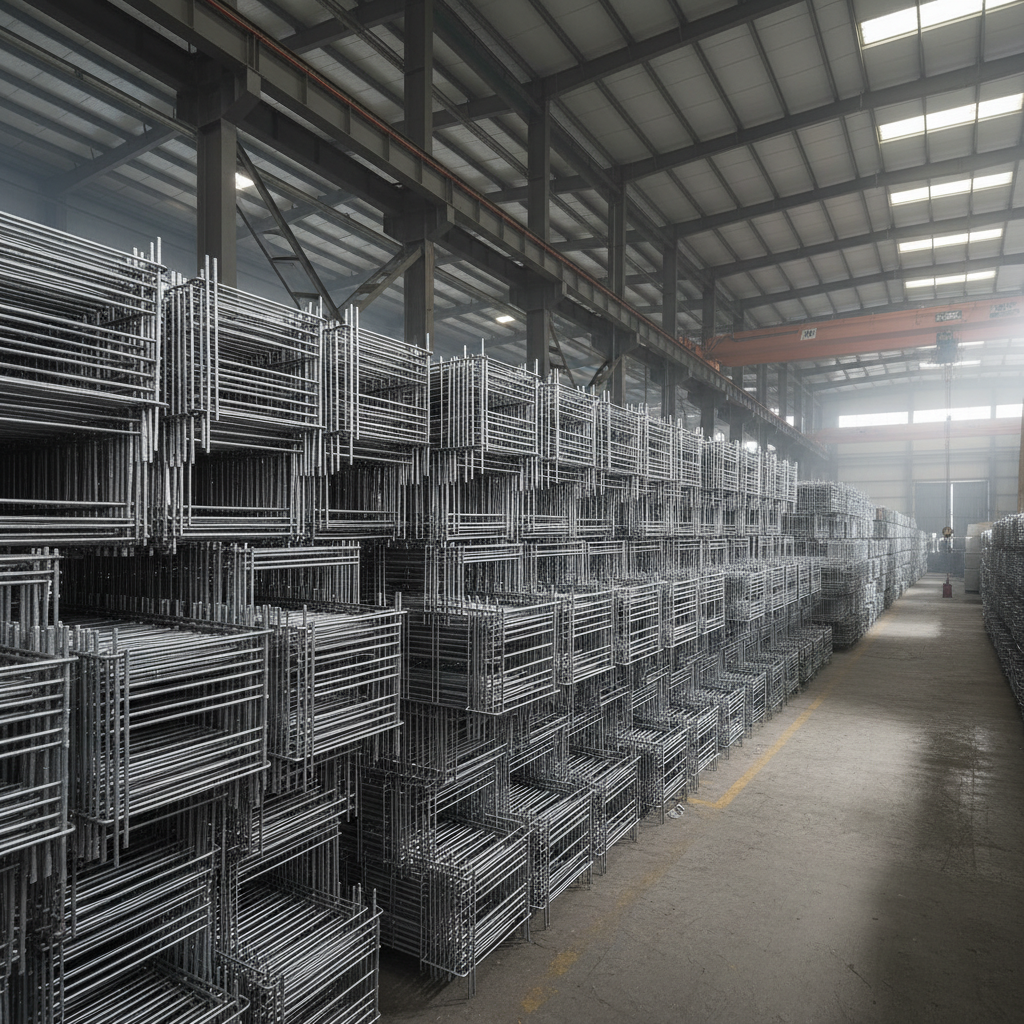
| Standard Length | 2m to 6m rolls or panels |
| Typical Uses | Reinforcement, safety fencing, filtration |
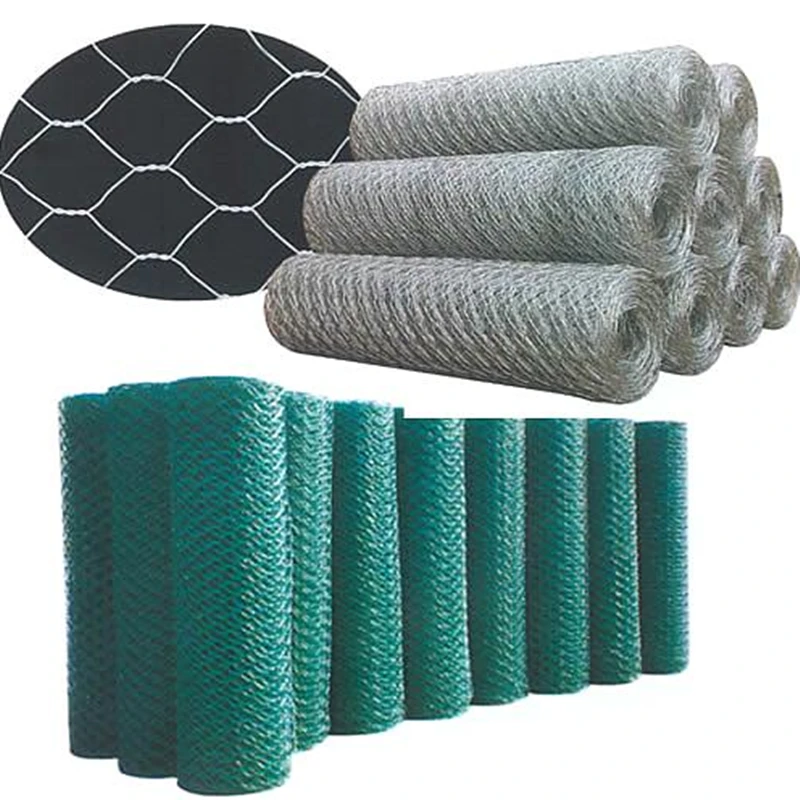
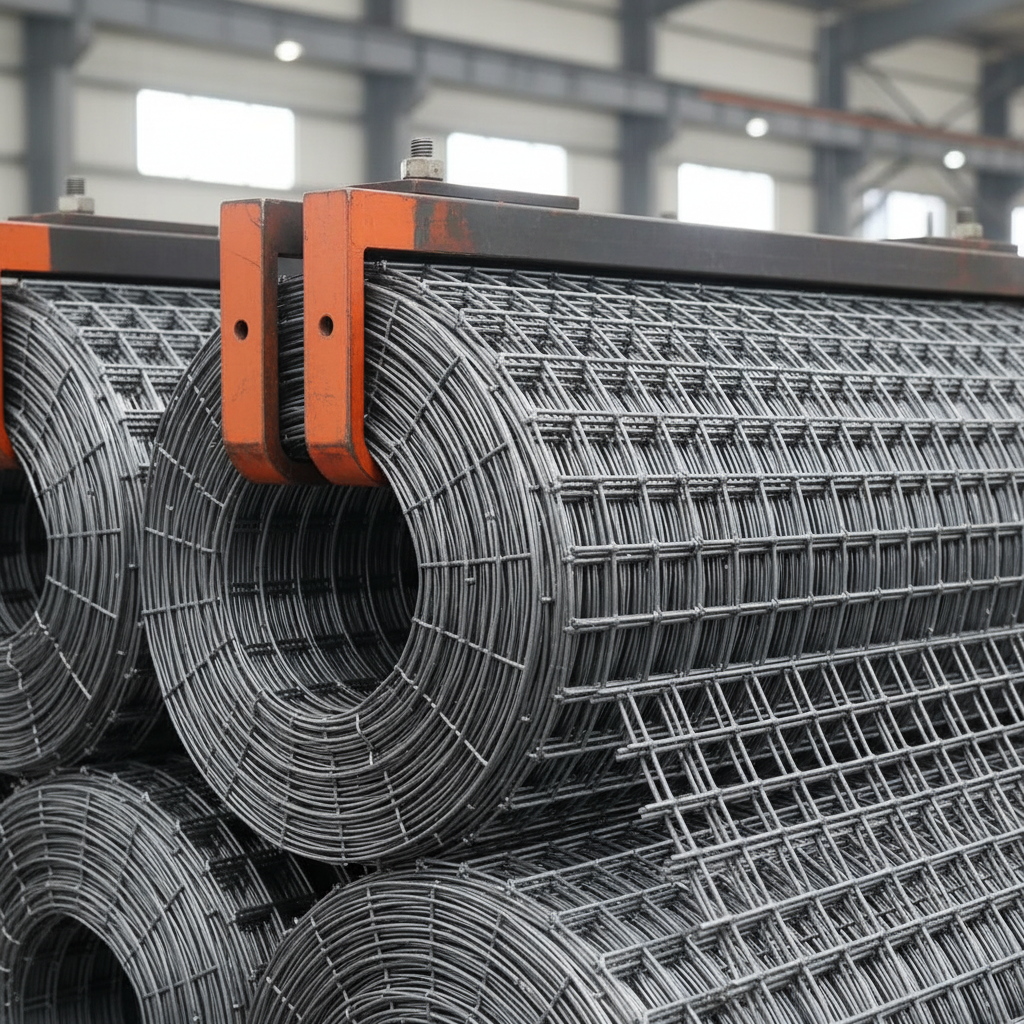
Material choice is essential. For example, galvanized steel M10 wiremesh has proved reliable for outdoor and high-exposure environments, resisting corrosion for years. On the other hand, stainless steel variants come into play when chemical resistance is a must — like in food processing plants.
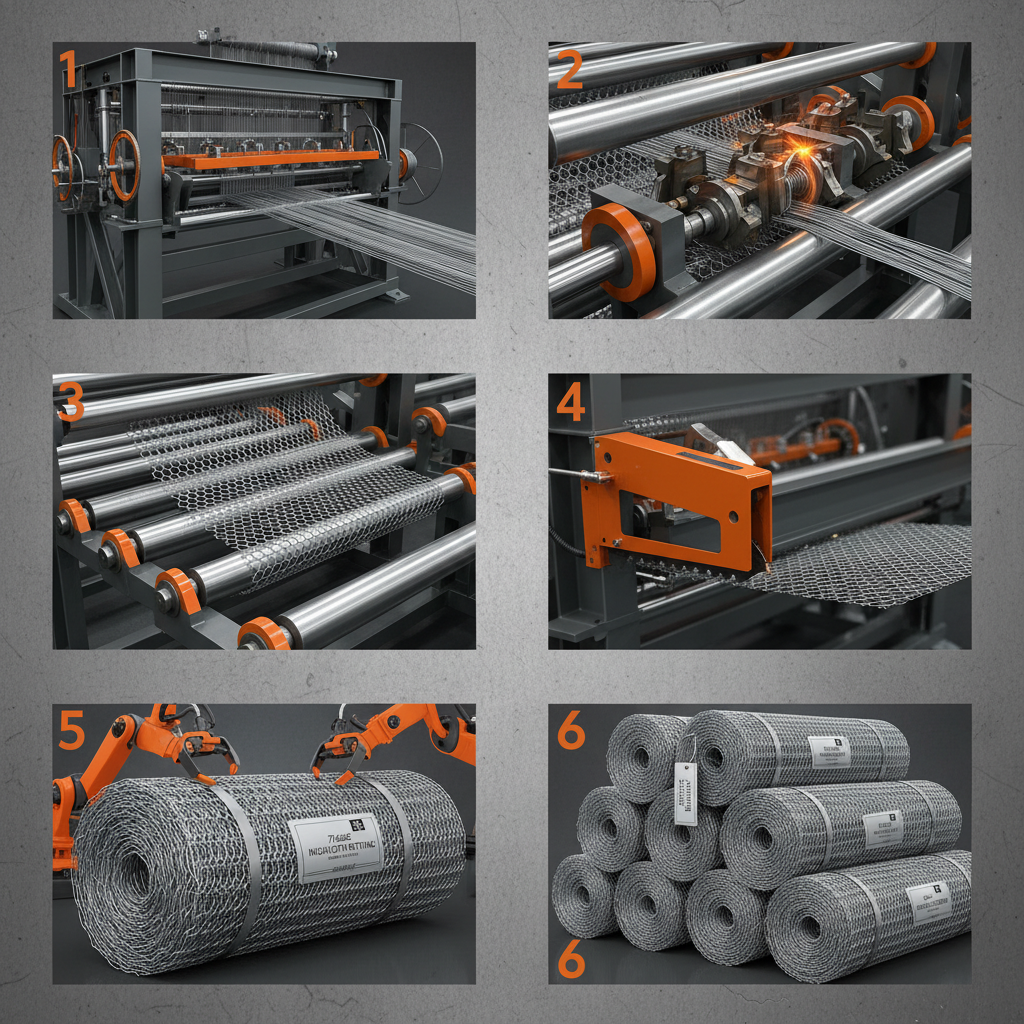
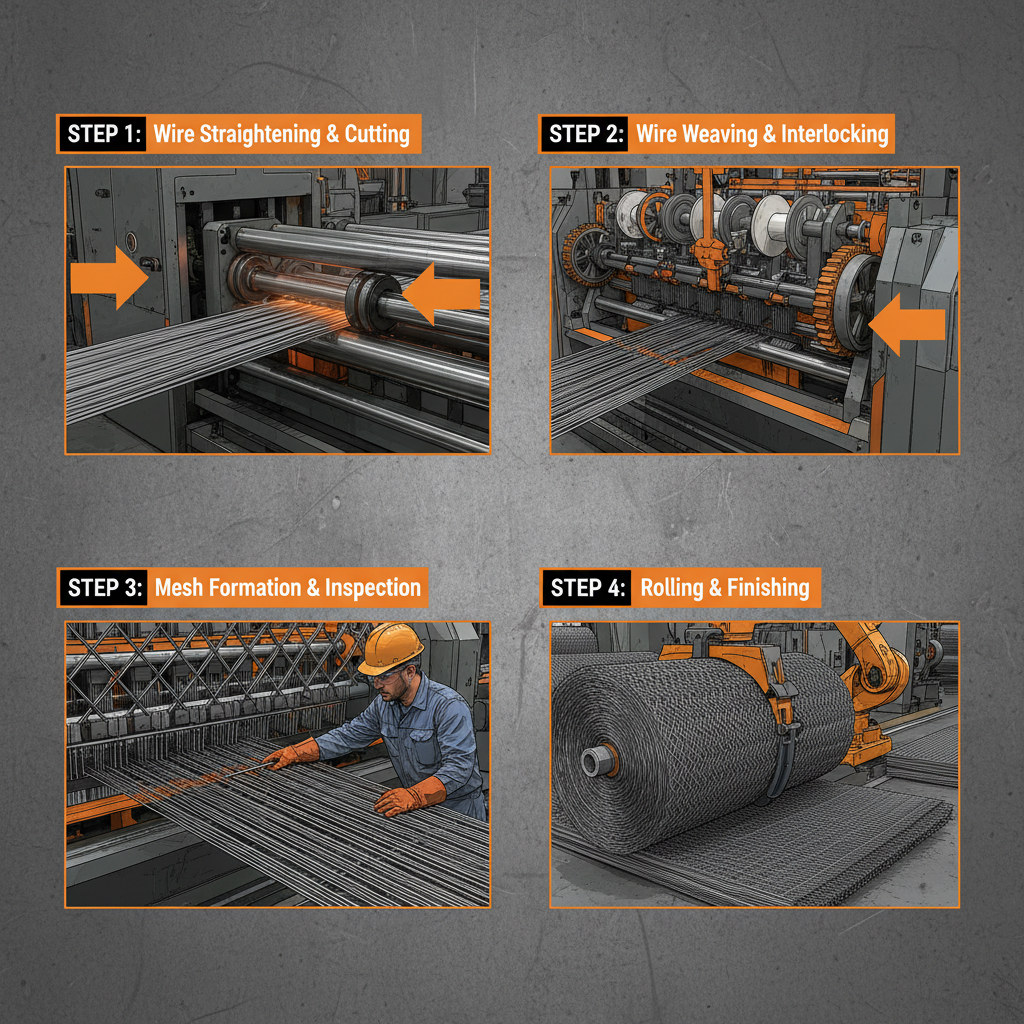
Speaking of reliability, all quality wiremesh M10 sheets undergo rigorous tensile and corrosion resistance testing before leaving the warehouse. It's something I insisted on during my years overseeing procurement because you simply can’t afford weak links in safety-critical projects.
How Leading Vendors Stack Up
| Vendor | Material Quality | Customization | Lead Time | Price Range |
|---|---|---|---|---|
| Lanye Wiremesh | Premium galvanized, certified | Flexible sizes & finishes | 2-3 weeks | Mid |
| Vendor B | Standard galvanized | Limited sizes | 4-6 weeks | Low |
| Vendor C | Stainless options available | Custom finishes | 3-4 weeks | High |
From my experience, if you want a good mix of quality, customization, and reasonable lead times, Lanye Wiremesh really stands out. I’ve seen their products perform consistently under tough conditions. It's not just marketing speak; it’s the feedback from actual engineers on-site.
Customization is another factor worth mentioning. Many projects I worked on required non-standard panel sizes or special surface treatments, and vendors that offer flexibility saved us headaches (and time). So far, Lanye’s ability to tailor their M10 wiremesh to customer needs impressed me the most.
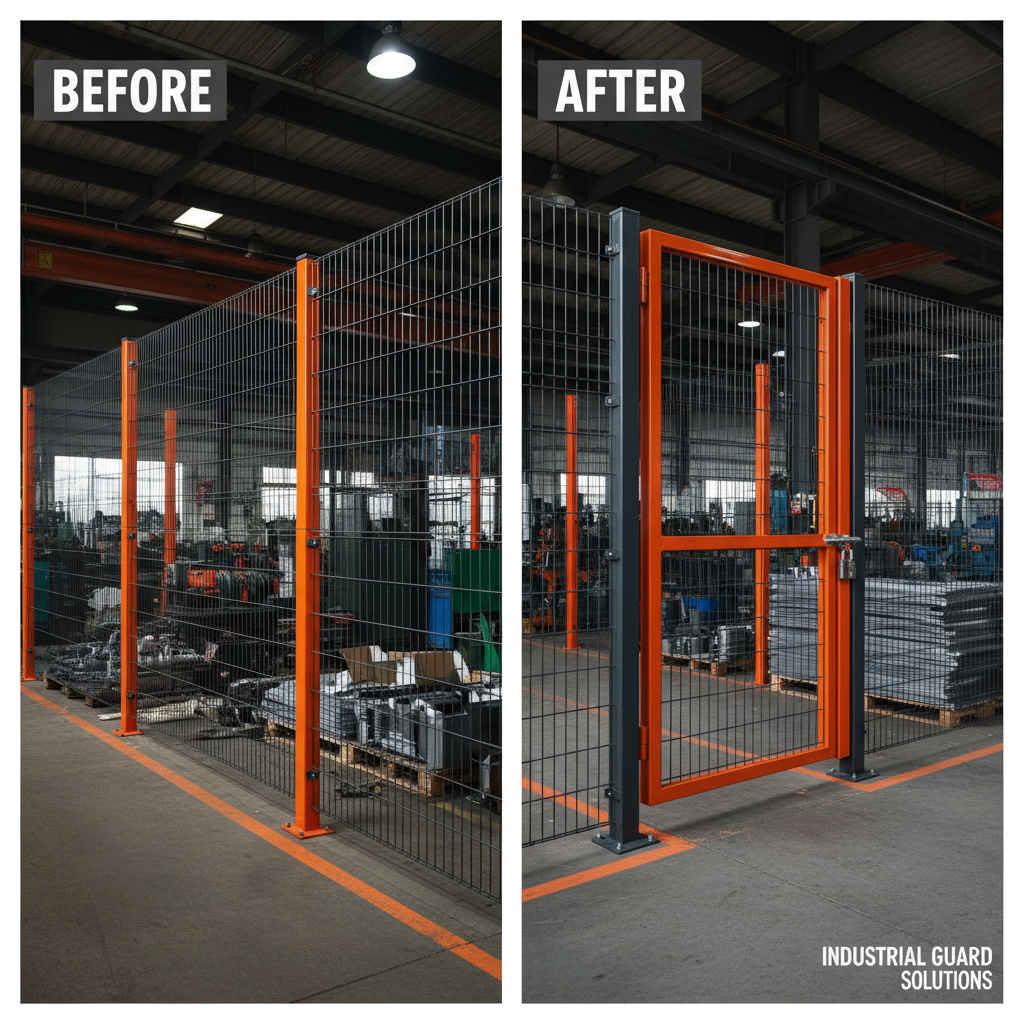
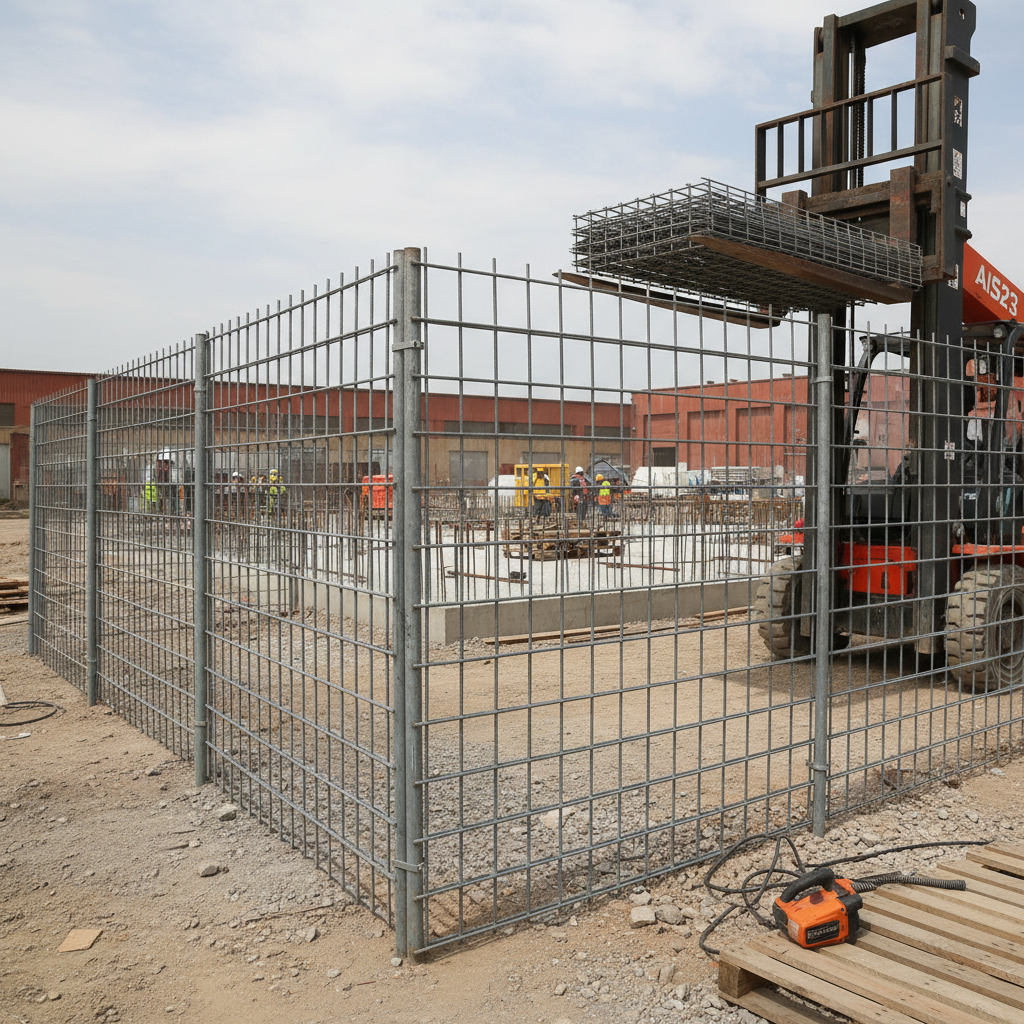
In terms of applications, I noticed that wiremesh M10 is widely popular in infrastructure projects — think bridges, dams, and industrial facilities — thanks to the strength-to-weight balance it offers. But it's also gaining traction for use in landscaping and security fencing, where durability meets aesthetics.
Of course, no product is perfect. I've seen complaints about heavier M10 wiremesh being a bit challenging to maneuver in tight spaces, which sometimes requires additional manpower or lifting gear. Still, that’s an inherent trade-off with thicker wires.
Ultimately, the choice of wiremesh M10 should come down to your specific project demands and budget—but having trustworthy suppliers, well-informed by hands-on knowledge, makes all the difference. Hopefully, this insight helps you navigate your options a bit more confidently.
Quite frankly, years in the field taught me: the right mesh is not just a piece of metal—it’s the backbone of many solid builds.
References:
- Industry standards on galvanized steel mesh, ASTM A653 / A123
- Corrosion resistance studies of wire meshes - Journal of Materials Engineering
- Personal site visit reports from 2022-2023 industrial projects