Understanding 6 ft Hog Wire Fence Panels: A Comprehensive Guide
6 ft hog wire fence panels are a popular choice for agricultural fencing, livestock containment, and general perimeter security. Known for their strength, durability, and cost-effectiveness, these panels offer a robust solution for a variety of fencing needs. This guide provides an in-depth look at 6 ft hog wire fence panels, covering their features, benefits, applications, installation, and where to find quality panels. Whether you’re a farmer, rancher, or homeowner, understanding these panels will help you make the best fencing decision for your property. Lanye Wire Mesh offers a comprehensive selection of hog wire panels to meet your specific requirements.
What are 6 ft Hog Wire Fence Panels?
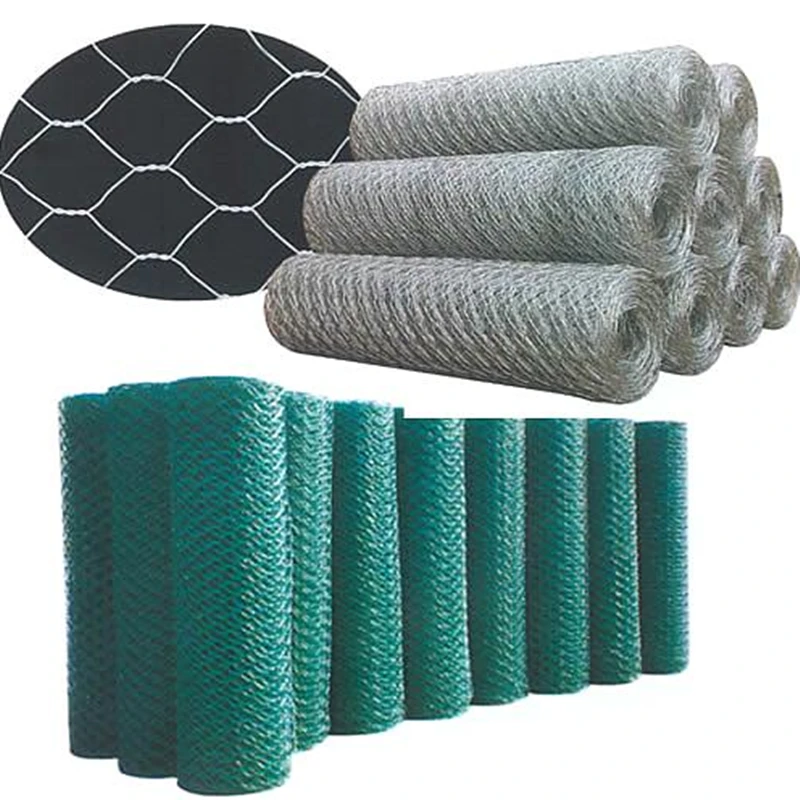
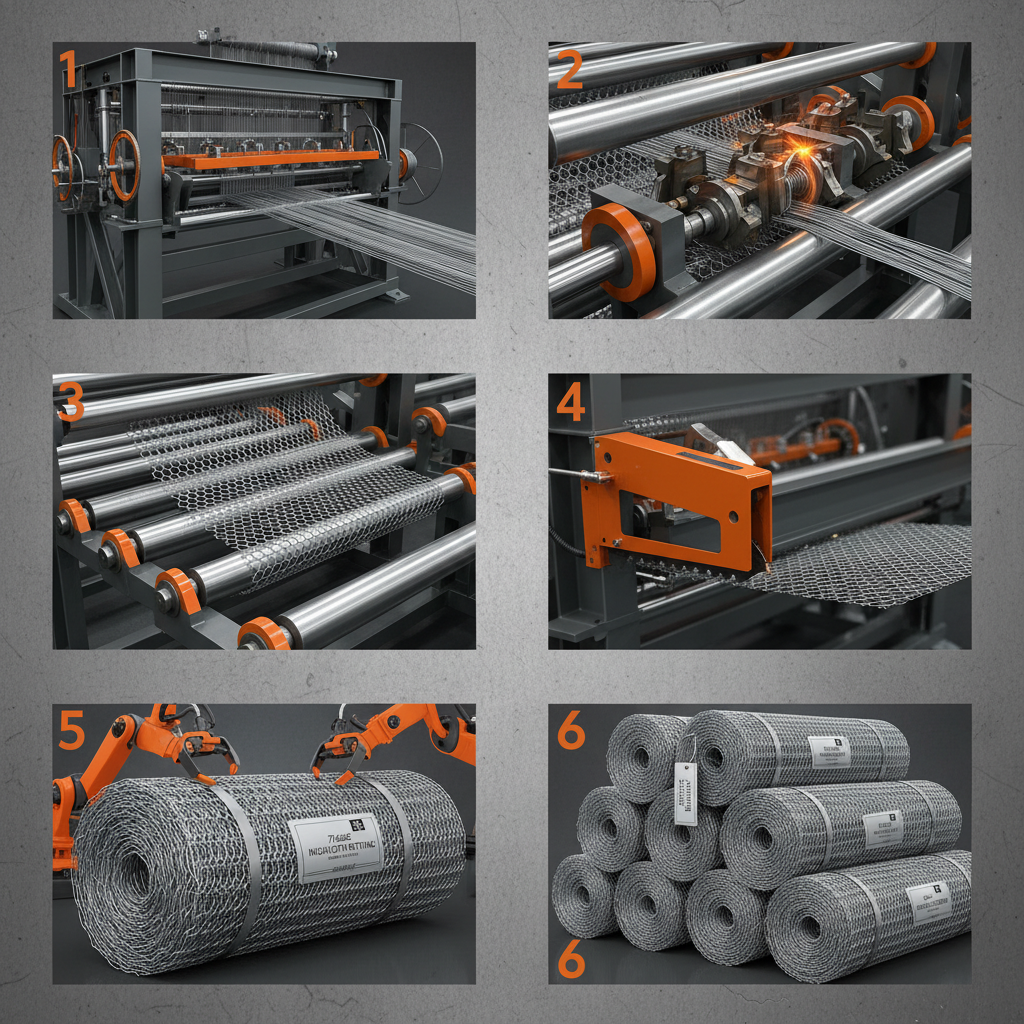
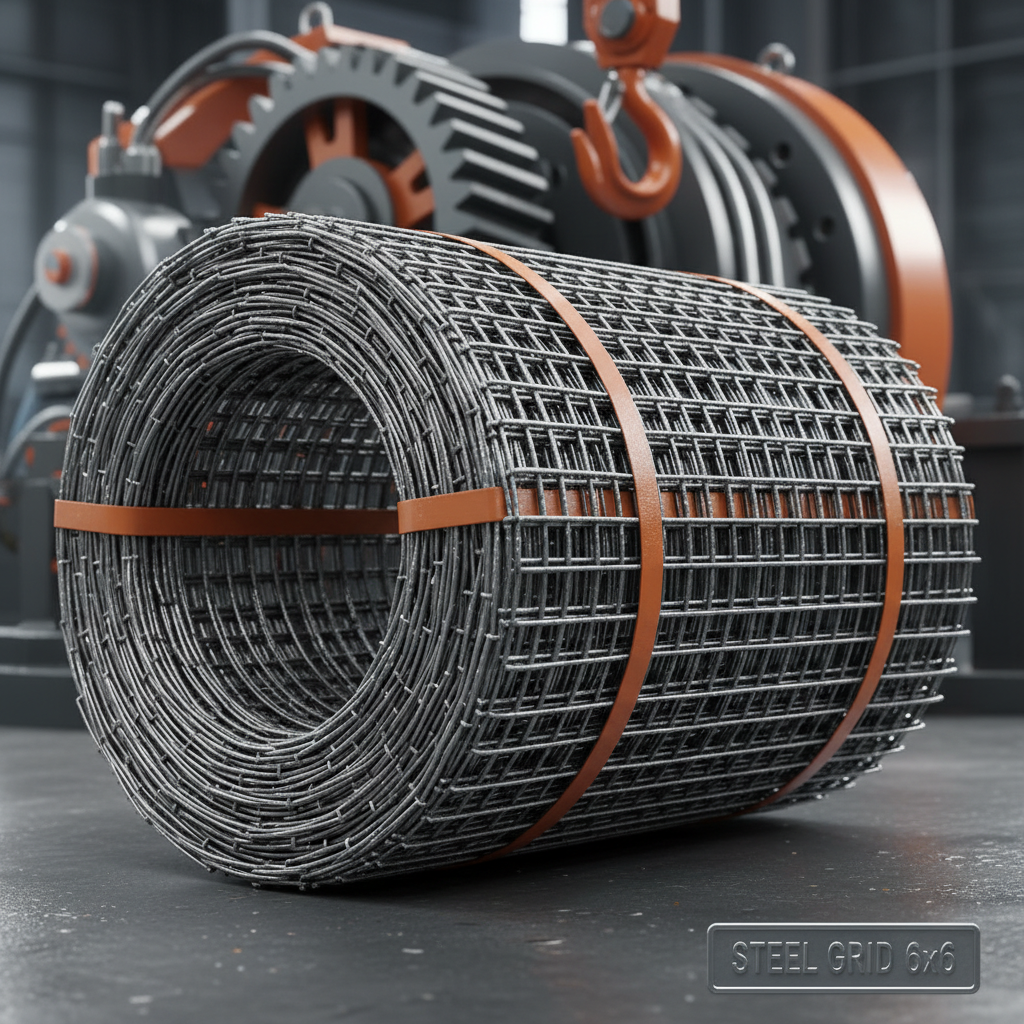
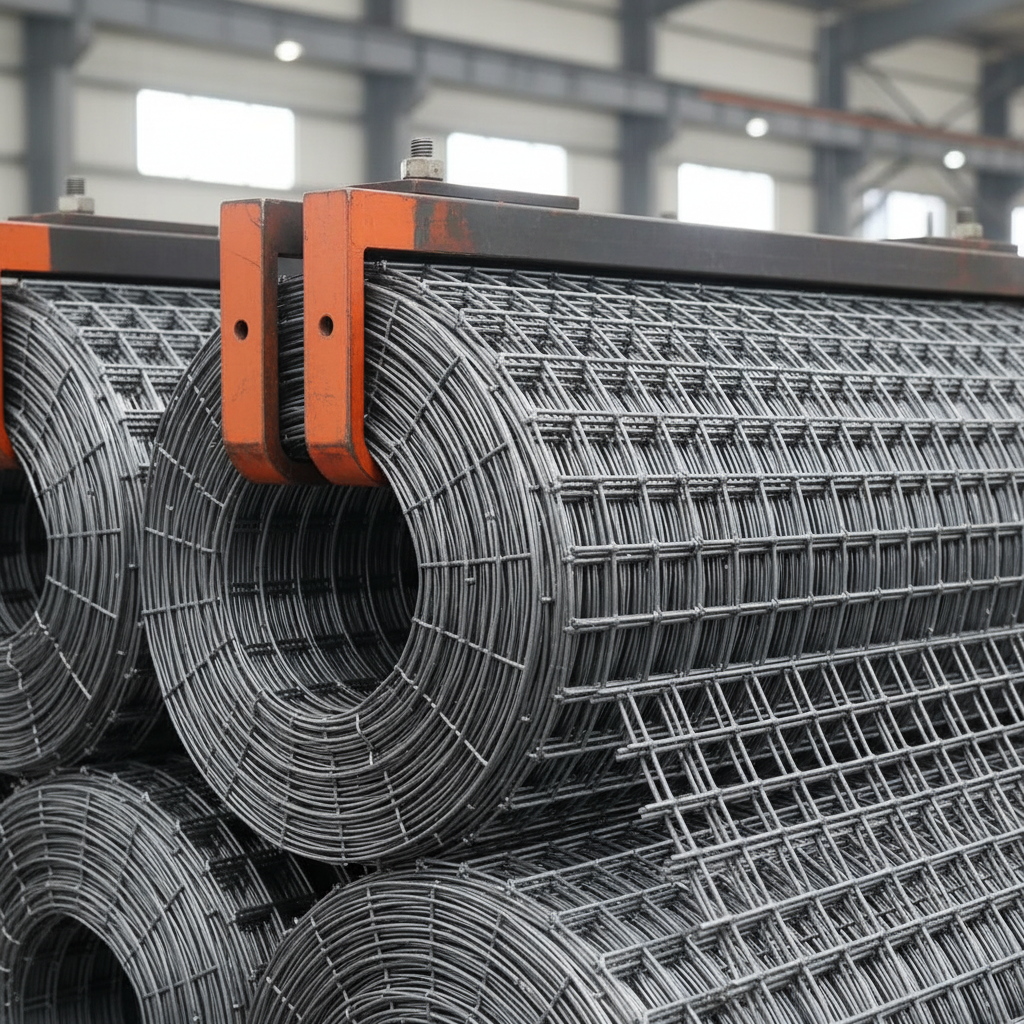
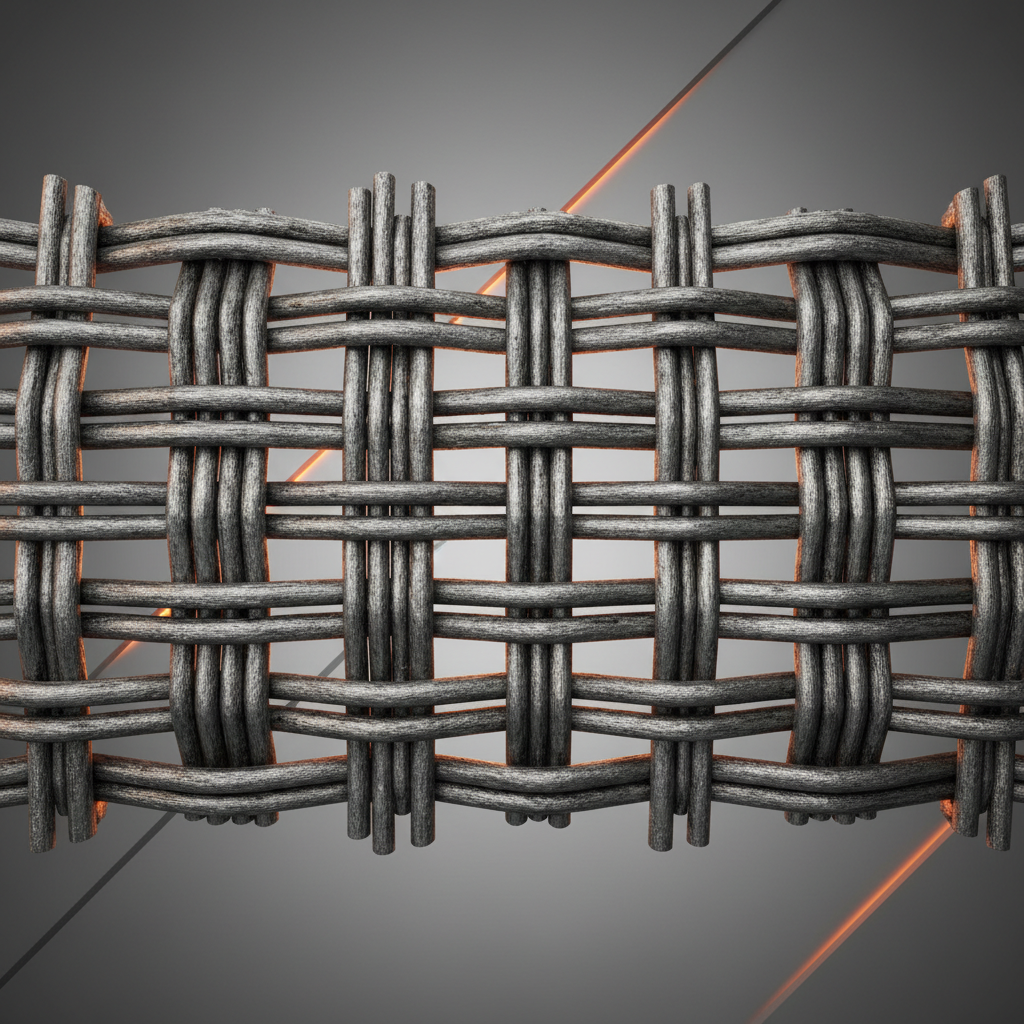
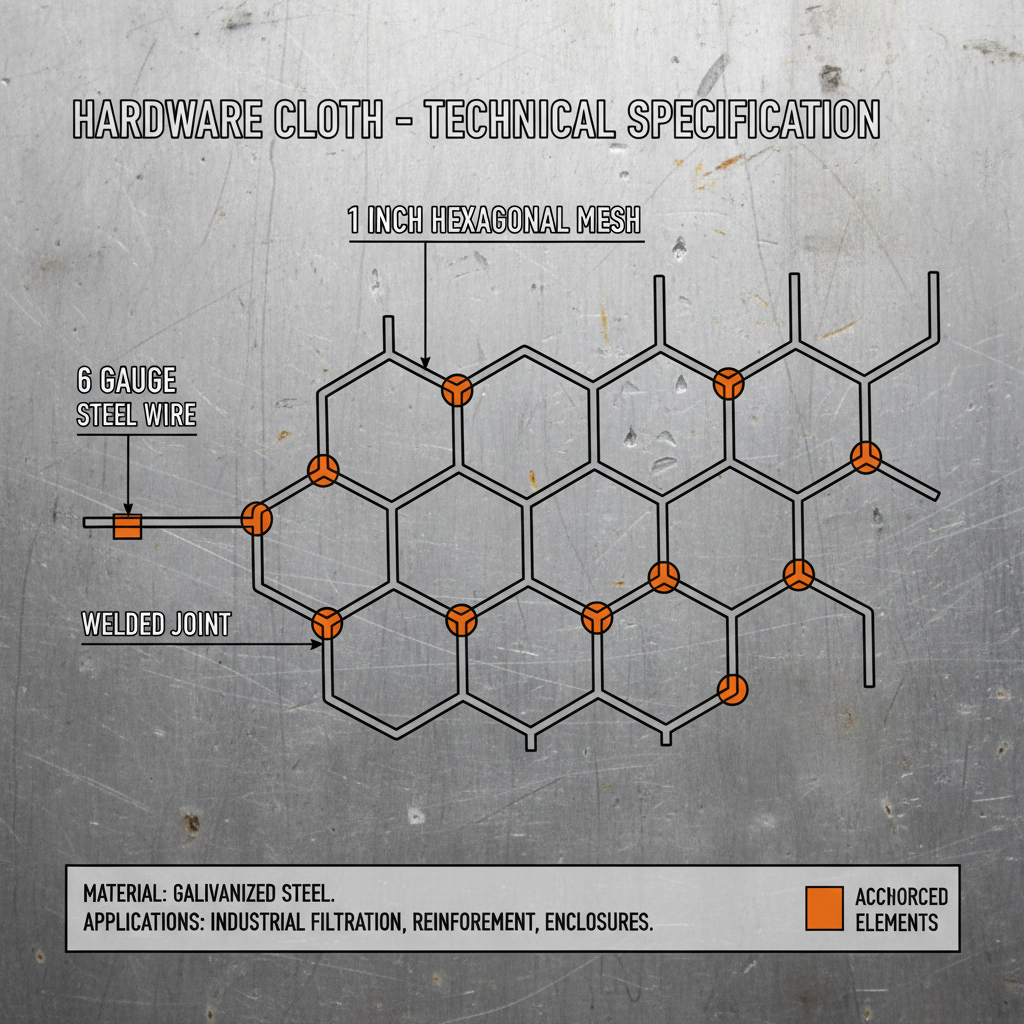
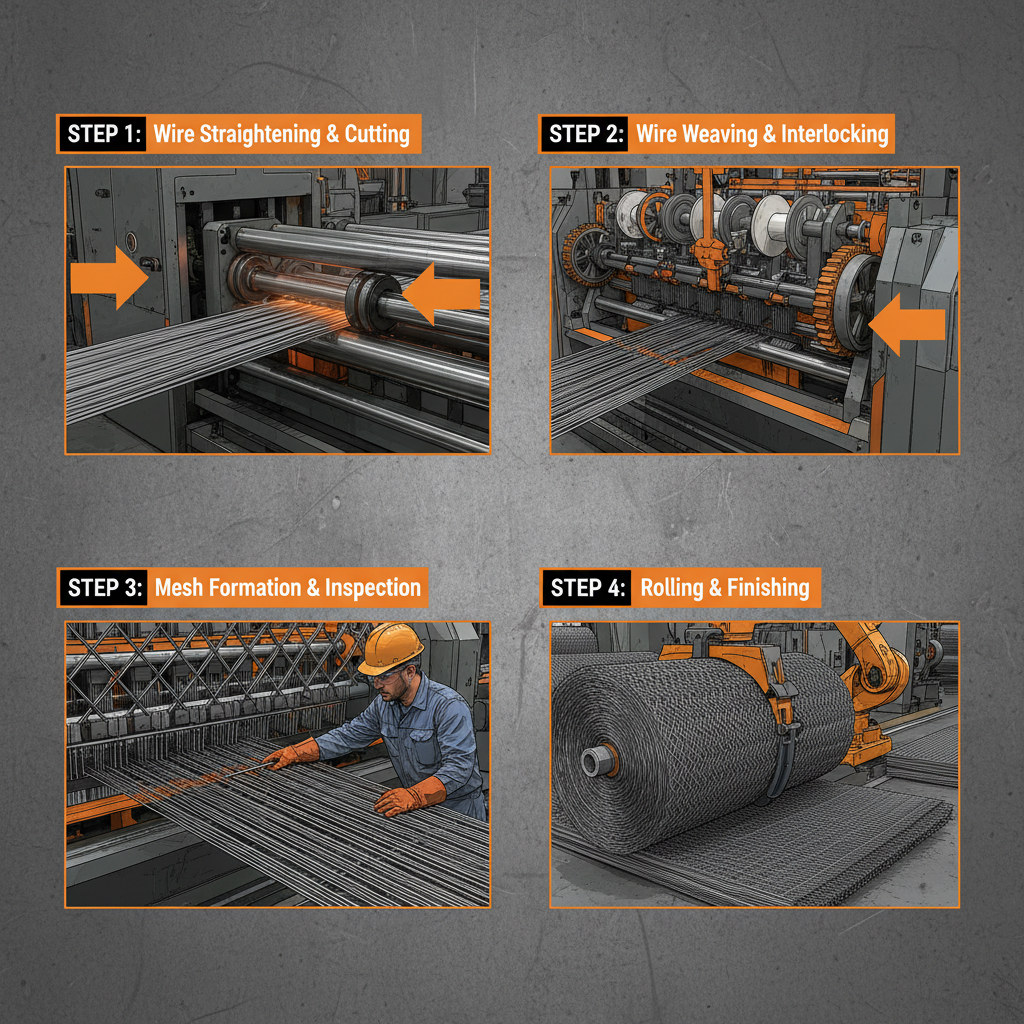
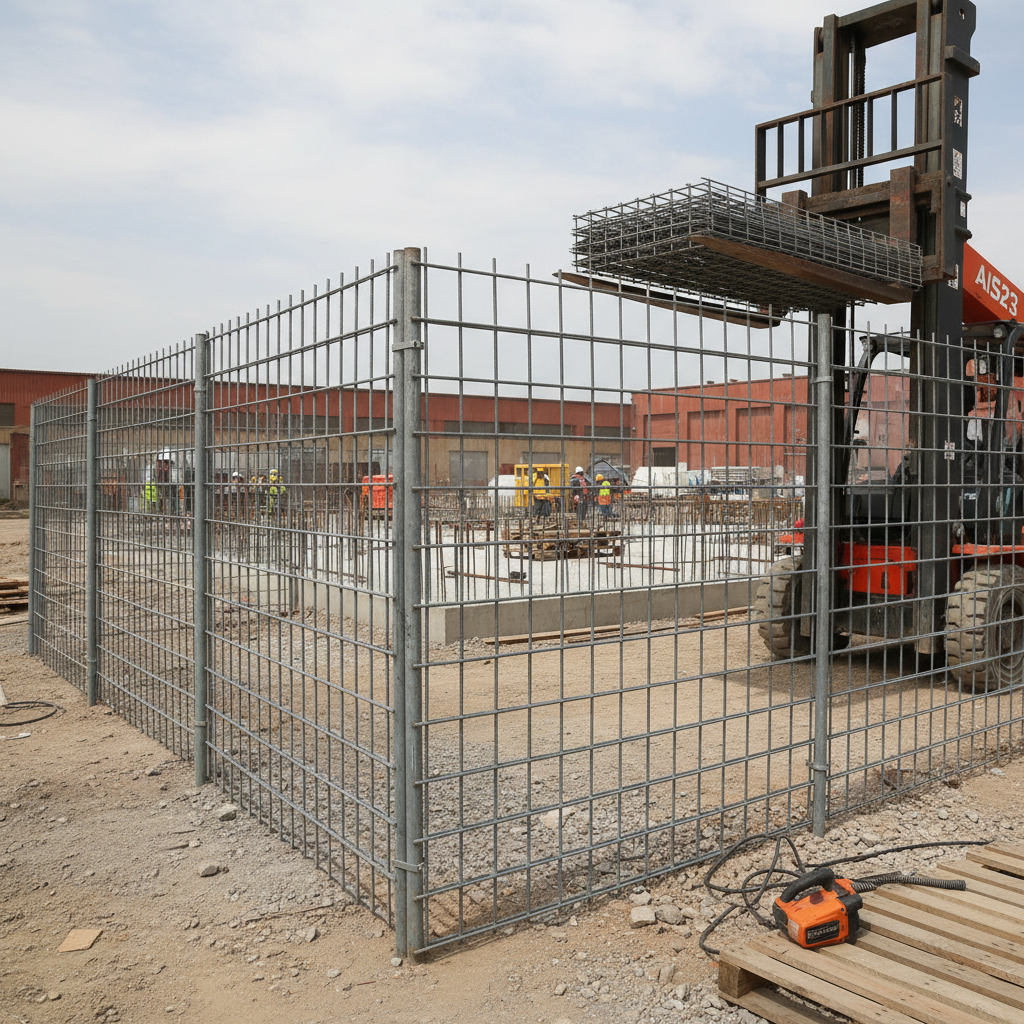
Hog wire, also known as woven wire, is a type of fencing constructed from horizontal and vertical wires that are woven together to create a strong and durable mesh. 6 ft hog wire fence panels are typically 6 feet in height and come in various lengths, usually ranging from 8 to 16 feet. The wire used is often galvanized steel, providing excellent resistance to corrosion. These panels are designed to withstand the pressure of livestock, including hogs (hence the name), cattle, sheep, and goats. They're also effective in deterring smaller animals while maintaining visibility.
Key Features and Benefits of 6 ft Hog Wire Fence Panels
The appeal of 6 ft hog wire fence panels lies in their blend of functionality and practicality. They offer superior strength compared to chain-link fences, preventing animals from breaking through. The woven construction provides a rigid structure that maintains its shape even under significant pressure. They’re easier to install than traditional post-and-rail fencing, requiring fewer posts for support. The visibility provided by the mesh allows for easy monitoring of livestock and the surrounding property.
Key Highlights: Superior strength, durable construction, easy installation, improved visibility, and cost-effectiveness.
6 ft Hog Wire vs. Other Fencing Options
Choosing the right fencing material depends on your specific needs. Compared to other popular options, 6 ft hog wire offers a unique combination of benefits. Chain-link is less durable and more prone to sagging. Wood fencing requires more maintenance and is susceptible to rot. Barbed wire, while inexpensive, poses a risk of injury to animals and humans. 6 ft hog wire strikes a balance between cost, durability, and safety.
Comparison Table:
• Hog Wire: Strong, durable, good visibility, moderate cost.
• Chain-Link: Less durable, lower cost, less aesthetic appeal.
• Wood: Higher maintenance, susceptible to rot, good aesthetic appeal.
• Barbed Wire: Inexpensive, potential injury risk, less secure for small animals.
Applications of 6 ft Hog Wire Fence Panels
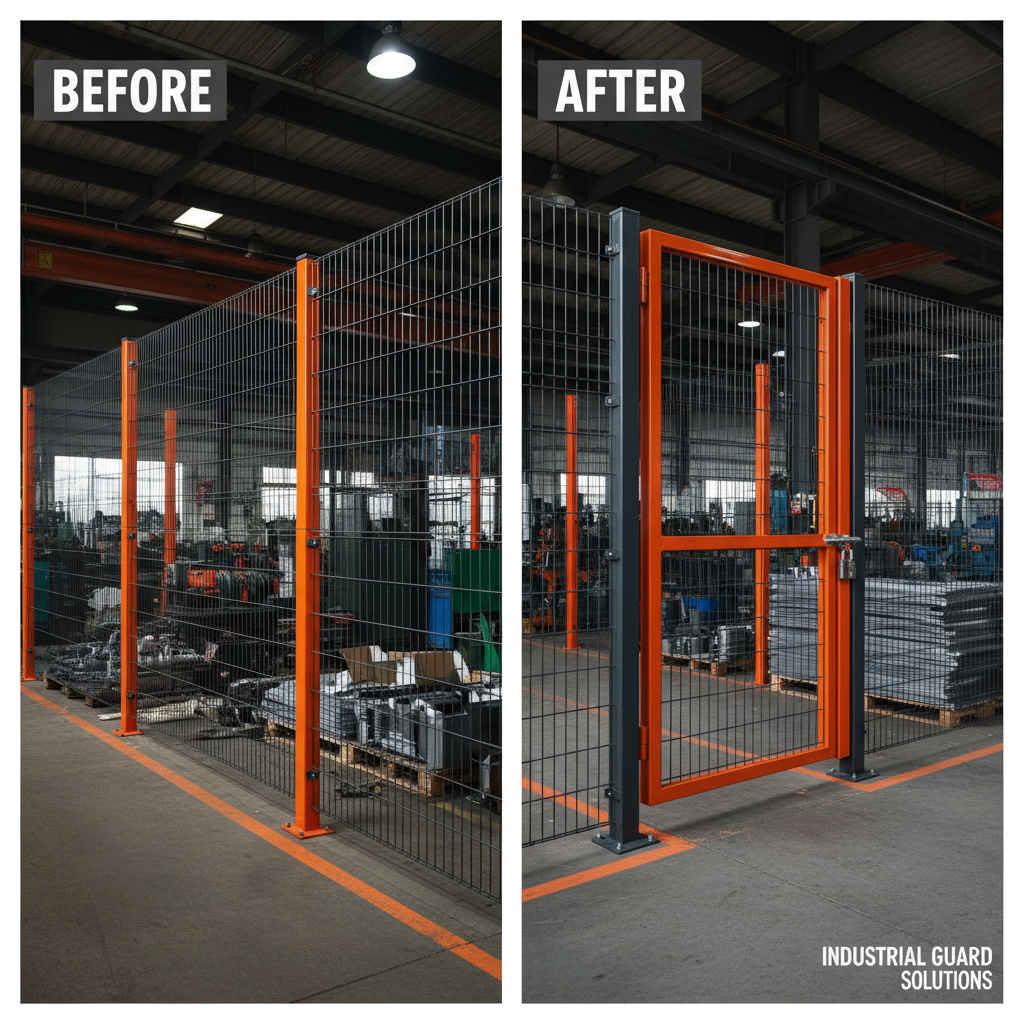
These panels are incredibly versatile. They’re commonly used for: Livestock Containment: Keeping cattle, horses, sheep, goats, and hogs safely within designated areas. Agricultural Fencing: Protecting crops from animals and defining property boundaries. Perimeter Security: Providing a secure barrier around properties. Garden Protection: Keeping out deer, rabbits, and other garden pests. Temporary Fencing: Used for event spaces or construction sites.
Installation Tips for 6 ft Hog Wire Fence Panels
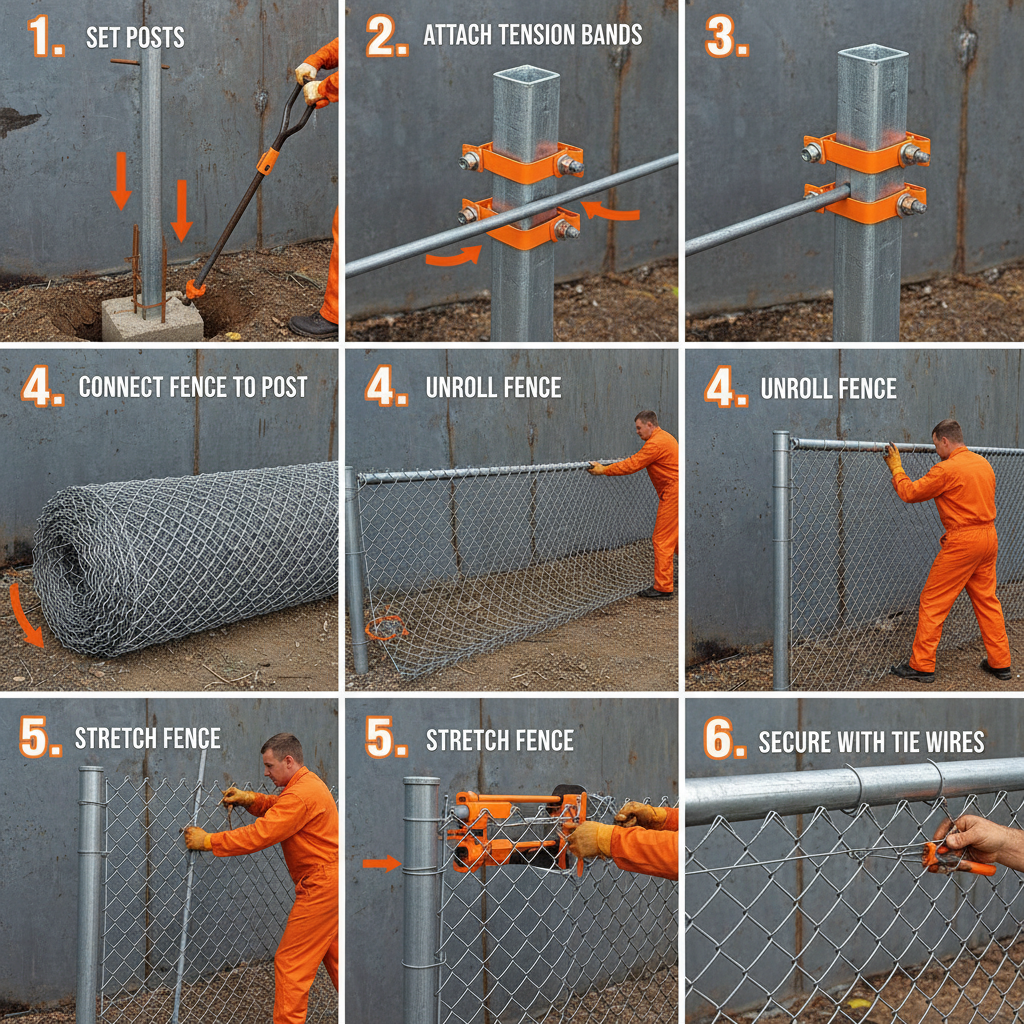
Proper installation is crucial for ensuring the longevity and effectiveness of your fence. Begin by setting sturdy posts (wood or metal) at appropriate intervals, typically 8-12 feet apart. Stretch the wire tightly and securely fasten it to the posts using tie wires or clips. Ensure the bottom of the fence is close to the ground to prevent animals from crawling underneath. Consider adding a brace wire along the top and bottom of the fence for added stability. For detailed guidance, you can find resources and support from Lanye Wire Mesh.
Finding Quality 6 ft Hog Wire Fence Panels
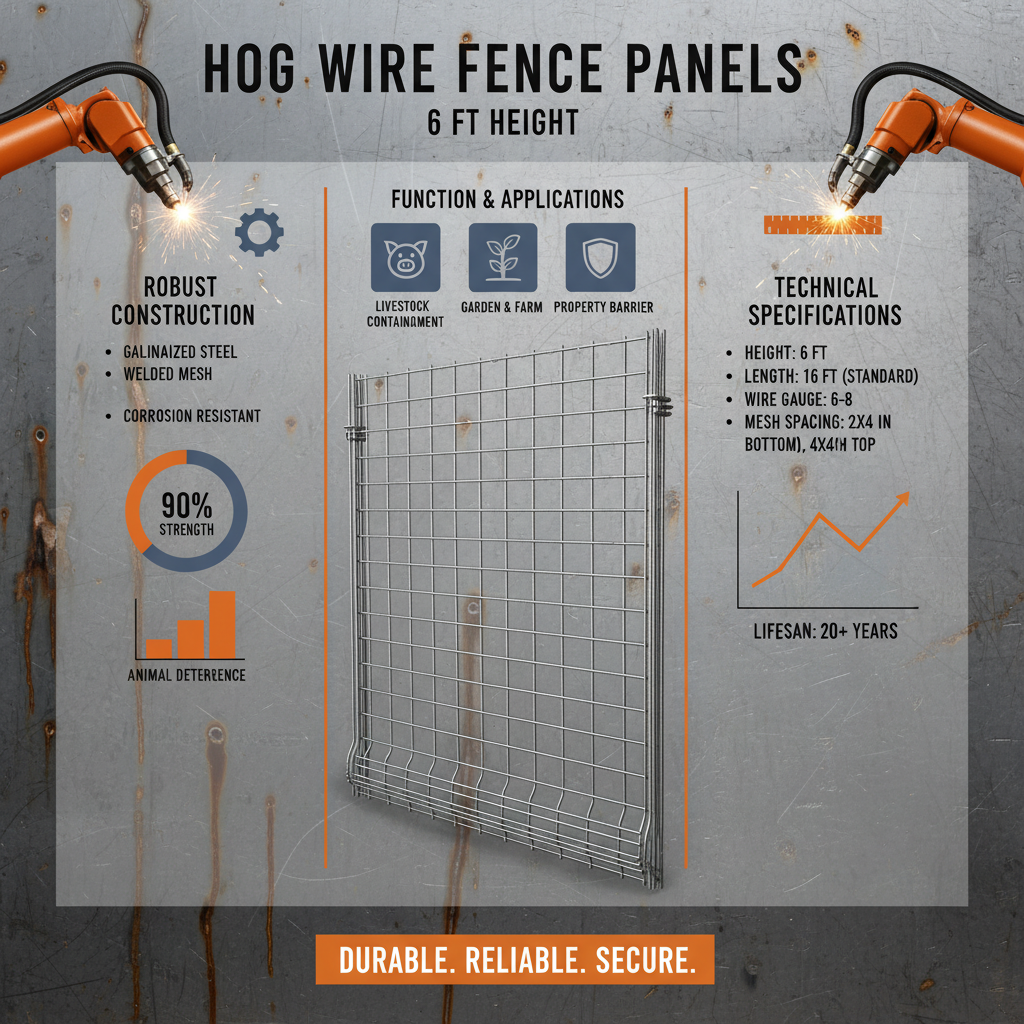
When purchasing 6 ft hog wire fence panels, prioritize quality and durability. Look for panels made from galvanized steel with a heavy wire gauge. Consider the mesh size—smaller mesh is better for containing smaller animals. Reputable suppliers like Lanye Wire Mesh offer a wide range of options and provide expert advice to help you choose the right panels for your needs.
Conclusion: A Reliable Fencing Solution
6 ft hog wire fence panels are a versatile and cost-effective fencing solution for a wide range of applications. Their strength, durability, and ease of installation make them a popular choice among farmers, ranchers, and homeowners. By understanding the features and benefits of these panels, and by choosing a reputable supplier like Lanye Wire Mesh, you can ensure you get a fence that will provide years of reliable service.
Frequently Asked Questions (FAQs)
What is the recommended post spacing for 6 ft hog wire fence?
The recommended post spacing for 6 ft hog wire fence typically ranges between 8 and 12 feet. However, the optimal spacing depends on factors like the terrain, the type of livestock being contained, and the desired level of security. More challenging terrain or larger livestock may require closer post spacing for added stability. Corner posts and gate posts should always be more robust and securely anchored.
What wire gauge is best for hog wire fencing?
The best wire gauge for hog wire fencing depends on the animals you're containing. For general livestock like cattle and sheep, a 12.5-gauge wire is typically sufficient. For larger animals like hogs, or for areas with higher stress on the fence, a heavier 11.5-gauge or even 10-gauge wire is recommended. A heavier gauge wire provides greater strength and durability.
How do I properly tension 6 ft hog wire fence?
Proper tensioning is crucial for a long-lasting fence. Use a fence stretcher to apply even tension to the wire. Avoid over-tensioning, which can damage the wire or posts. The wire should be tight enough to eliminate sagging but not so tight that it's under excessive stress. Regularly check the tension and re-tighten as needed, especially during seasonal temperature changes.
Is galvanized steel enough protection against rust?
Galvanized steel provides excellent corrosion resistance, but it's not completely immune to rust. The level of protection depends on the thickness of the galvanization coating. For areas with harsh weather conditions or high humidity, consider using a fence with a heavier galvanization coating or an additional protective coating like PVC. Regular inspection and maintenance can also help prevent rust.