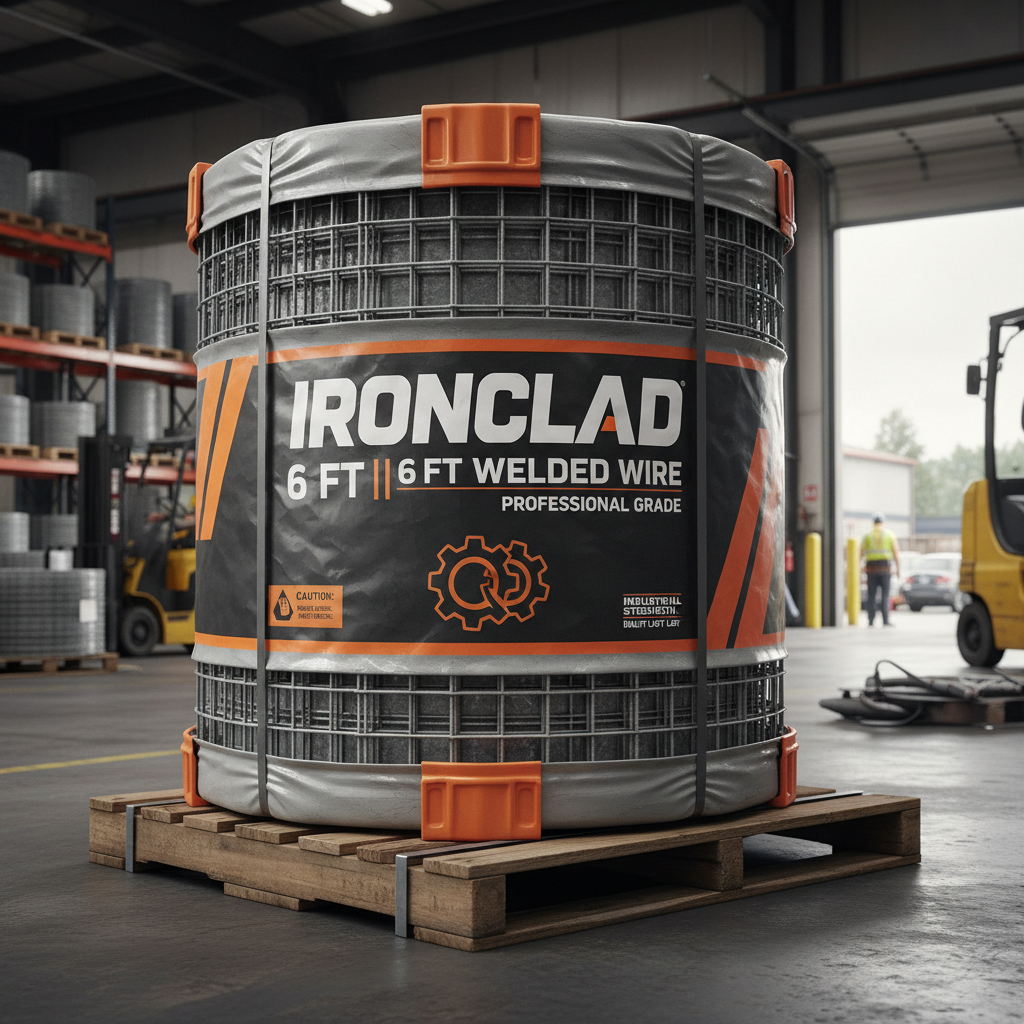
Understanding 6 Gauge Wire Fence: A Comprehensive Guide
Choosing the right fencing solution for your property is a significant decision, impacting security, aesthetics, and longevity. A 6 gauge wire fence offers a robust and versatile option for a variety of applications, from agricultural enclosures to perimeter security. This article will delve into the specifics of 6 gauge wire fencing, exploring its properties, applications, installation considerations, and benefits, providing you with a complete understanding to make an informed choice. We’ll cover everything from material types to cost analysis, ensuring you find the perfect fencing solution for your needs.
What is 6 Gauge Wire and Why Choose It?
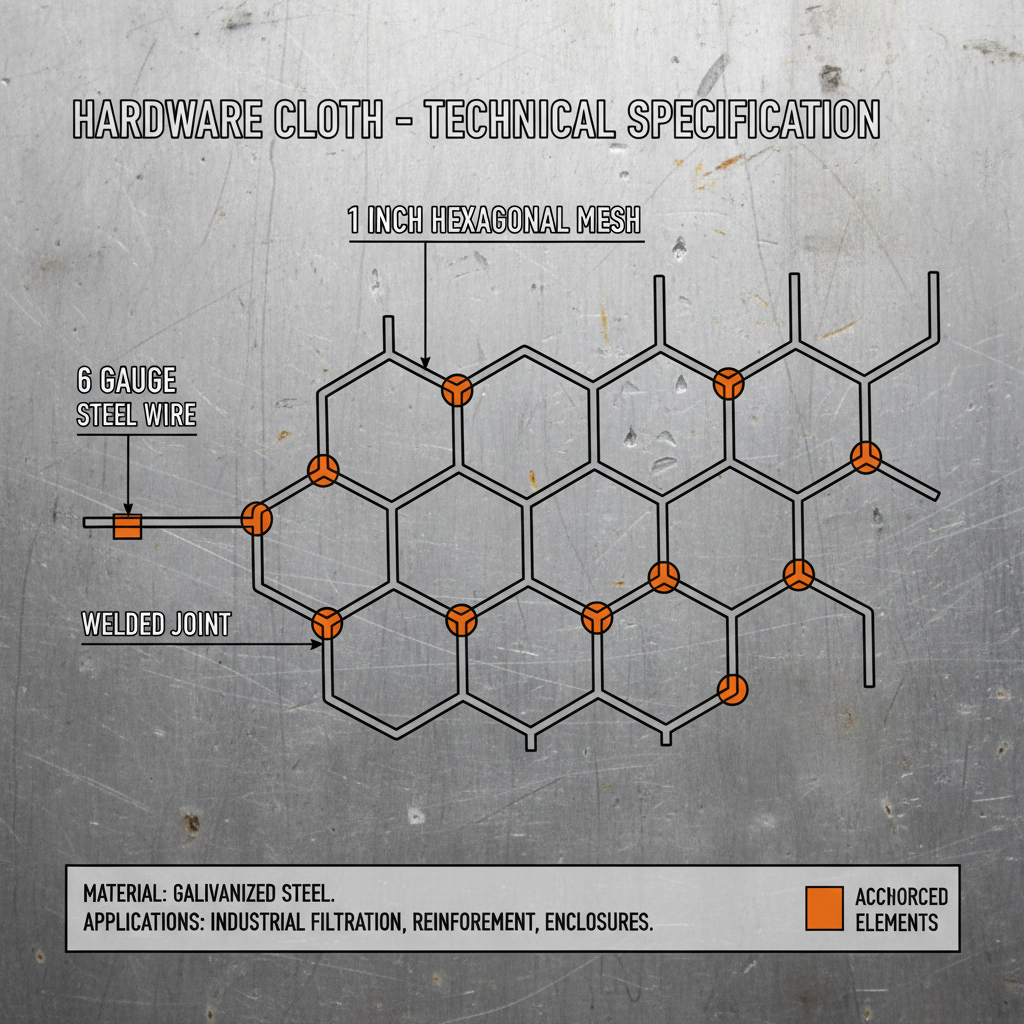
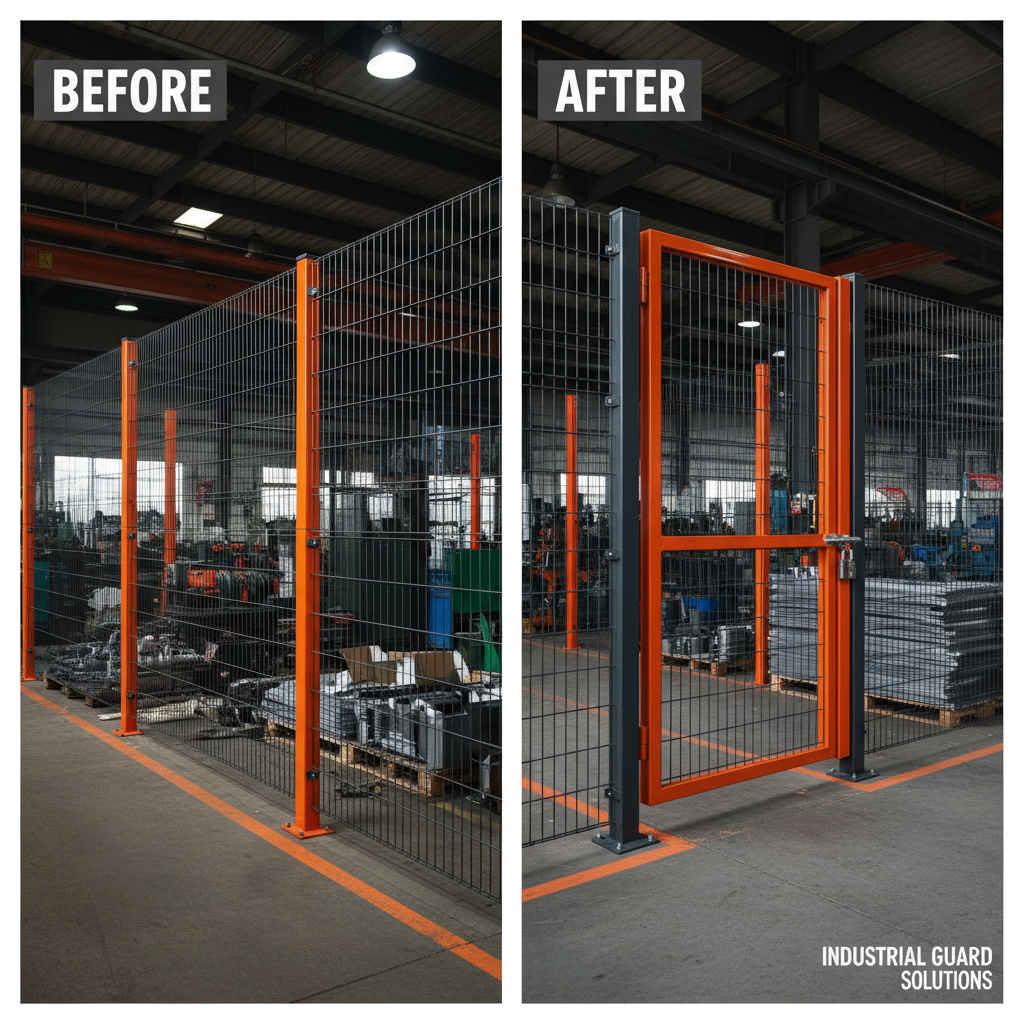
The “gauge” of wire refers to its diameter. A lower gauge number indicates a thicker wire. Therefore, 6 gauge wire is considerably thicker than, for instance, 14 gauge wire. This thickness translates directly to increased strength and durability. 6 gauge wire fence is particularly well-suited for applications requiring high tensile strength and resistance to bending or breaking, making it an excellent choice for containing livestock, securing perimeters, or providing robust support for climbing plants. Its inherent strength also means it can withstand harsh weather conditions, ensuring a long-lasting fencing solution.
Key Highlights: 6 gauge wire offers a balance between cost-effectiveness and superior strength, making it an ideal choice for various fencing needs.
Common Materials Used in 6 Gauge Wire Fencing
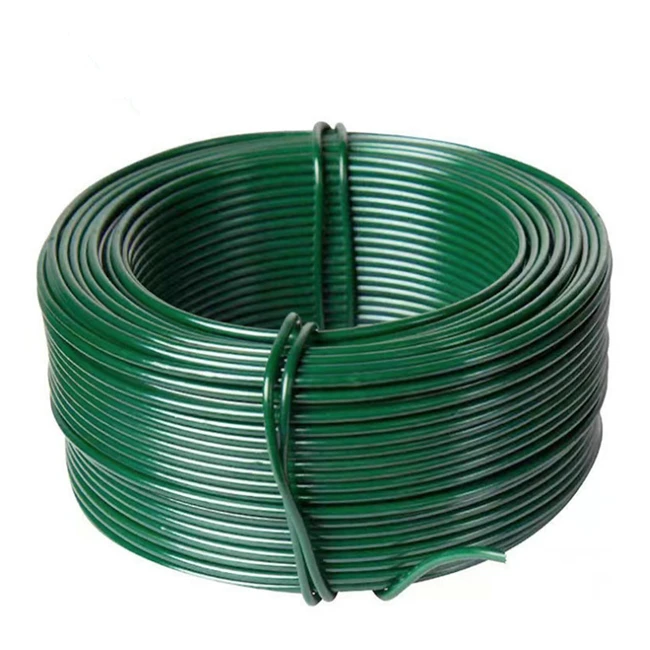
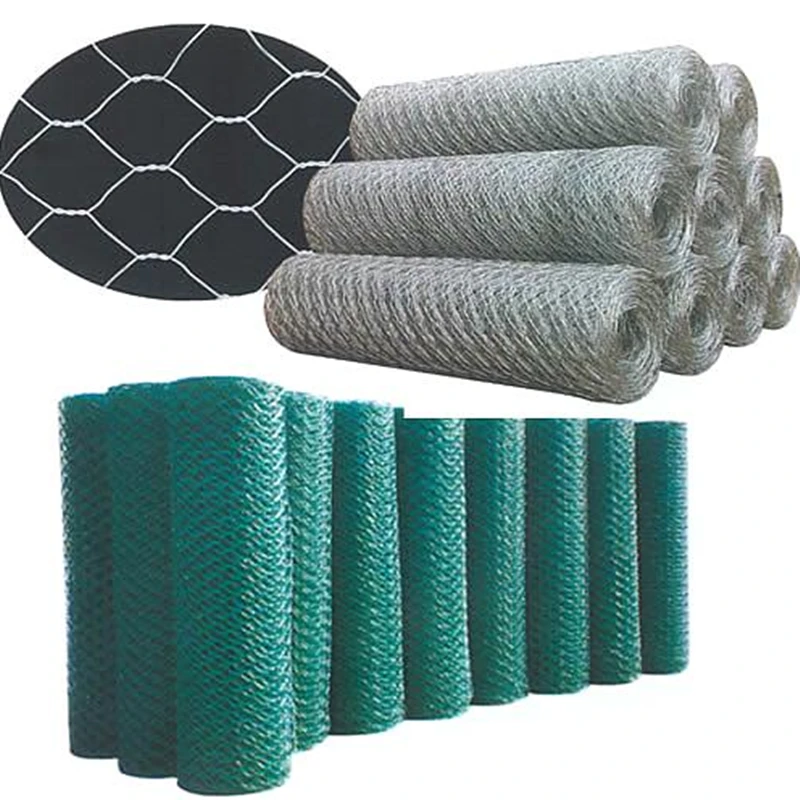
While the wire gauge dictates the thickness, the material composition significantly impacts the fence’s overall performance and lifespan. Common materials used in 6 gauge wire fencing include galvanized steel, stainless steel, and coated steel. Galvanized steel is coated with zinc to protect against rust and corrosion, making it a popular and affordable option. Stainless steel offers superior corrosion resistance, ideal for coastal areas or environments with high humidity. Coated steel, often featuring a PVC or vinyl coating, provides both corrosion protection and aesthetic appeal.
Material Comparison:
• Galvanized Steel: Cost-effective, good corrosion resistance.
• Stainless Steel: Excellent corrosion resistance, premium price.
• Coated Steel: Corrosion resistance, aesthetic appeal, various color options.
Applications of a 6 Gauge Wire Fence
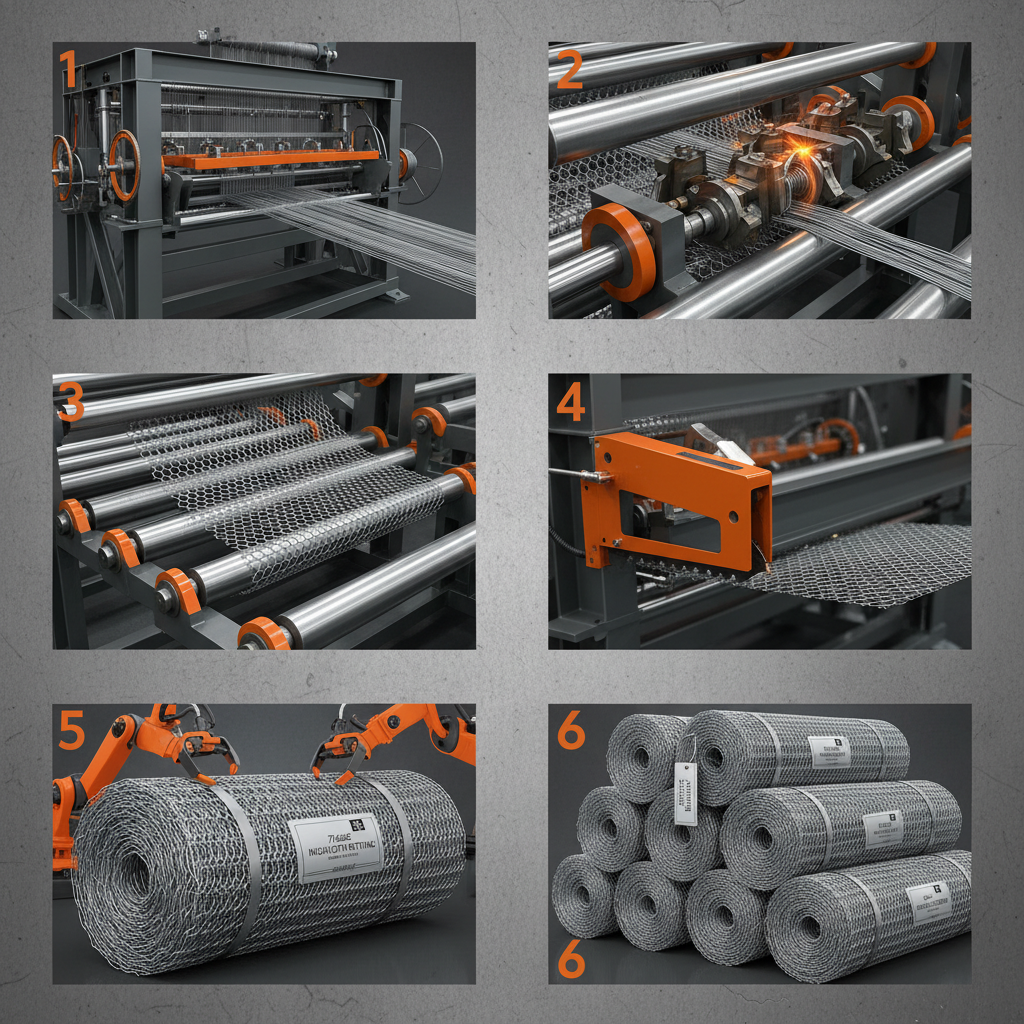
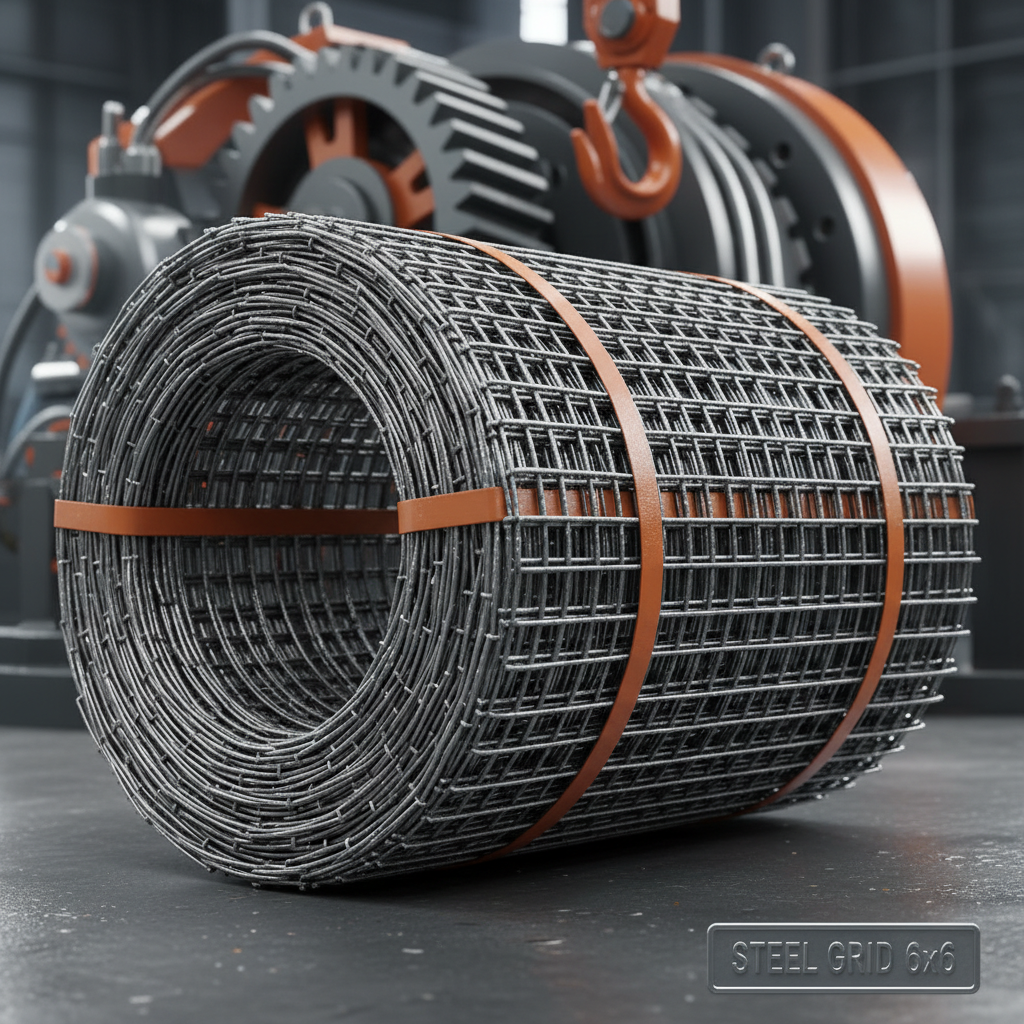
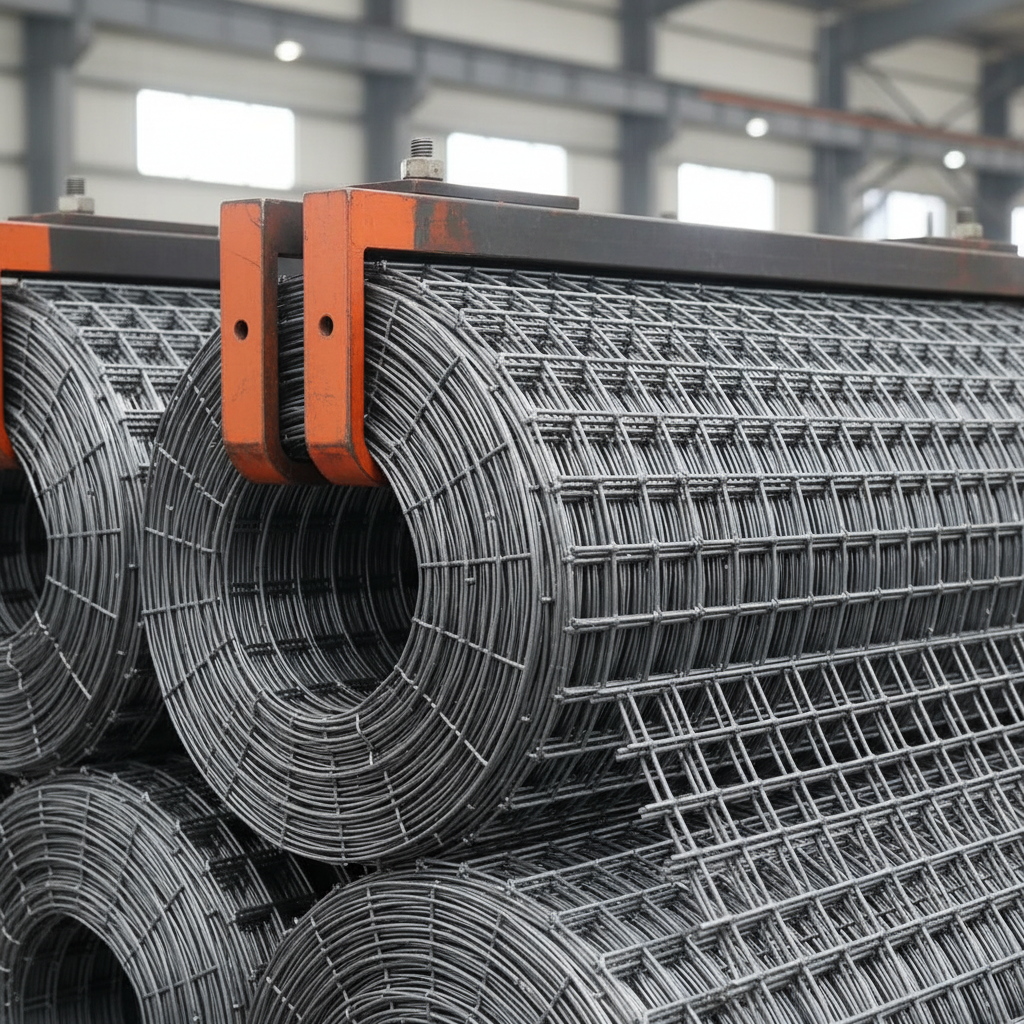
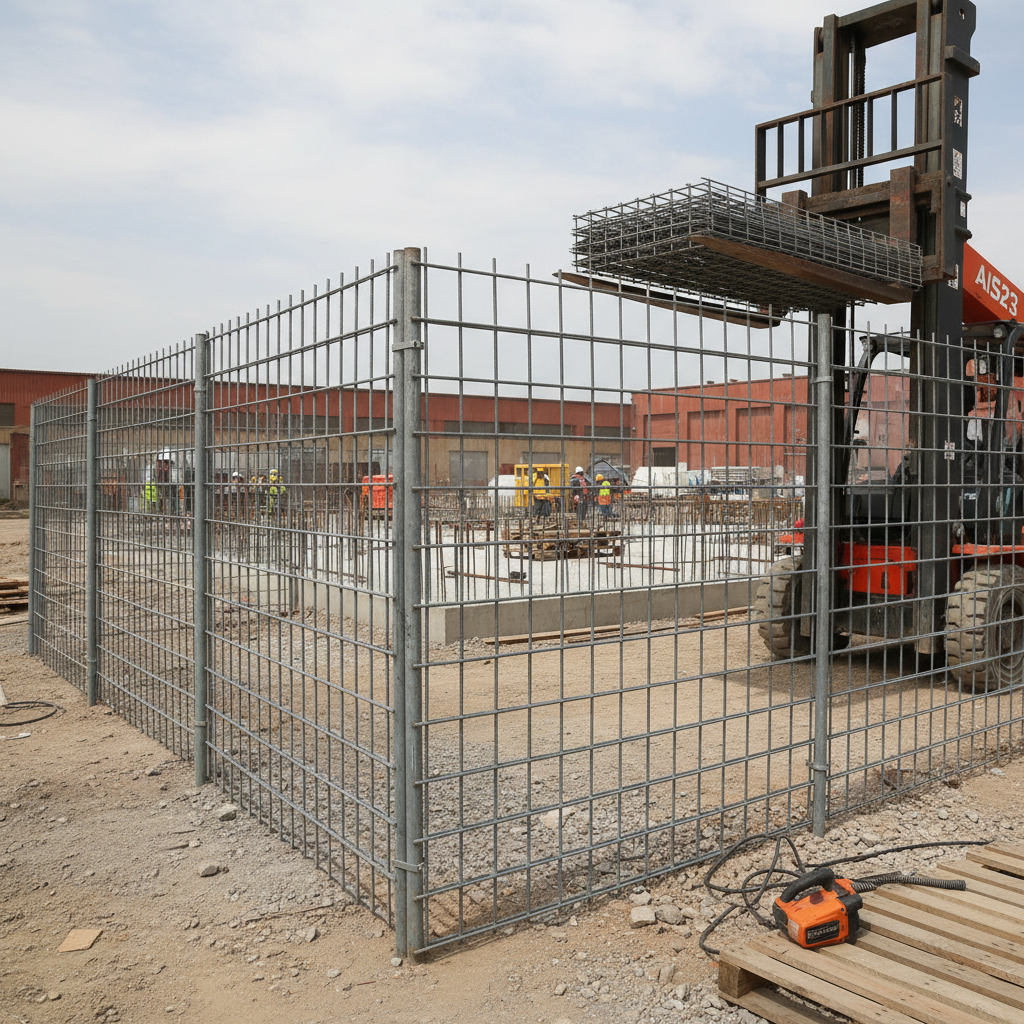
The strength and versatility of 6 gauge wire fence lend itself to a wide range of applications. These include: agricultural fencing for containing livestock (cattle, horses, sheep, goats), perimeter security fencing for residential or commercial properties, garden fencing for protecting plants from animals, support structures for climbing plants, and even crafting custom enclosures for specific purposes. The wire can be woven into various mesh patterns, such as field fence or woven wire, to suit different containment needs.
Installation Considerations and Best Practices
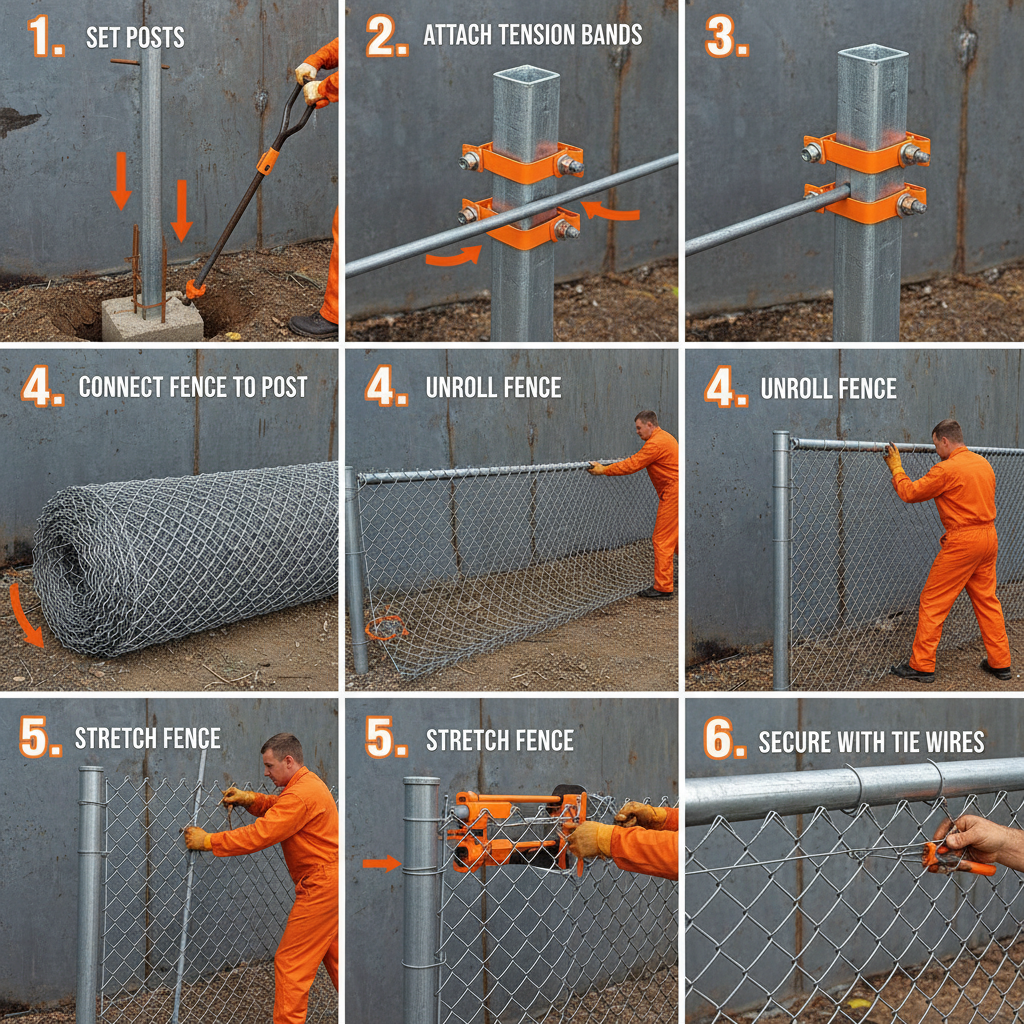
Proper installation is crucial for ensuring the longevity and effectiveness of your 6 gauge wire fence. Consider the terrain, soil type, and intended use when planning your installation. Use sturdy posts, properly spaced and securely set in the ground. Tension the wire correctly to prevent sagging and ensure optimal containment. Regularly inspect the fence for any signs of damage or wear, and promptly repair any issues to maintain its integrity. It’s also important to adhere to any local regulations regarding fence height and placement.
Cost Analysis and Long-Term Value
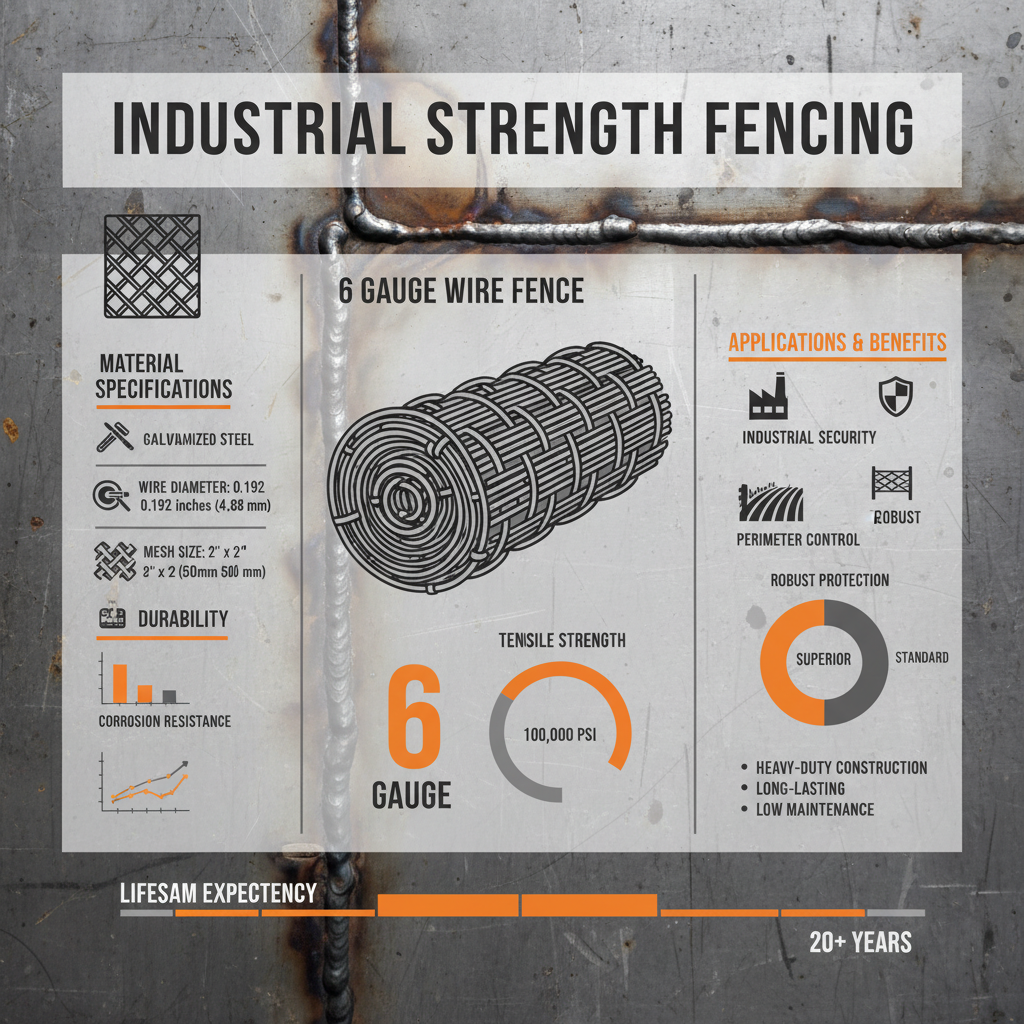
The cost of a 6 gauge wire fence will vary depending on the material chosen, the length of fencing required, and installation costs. While stainless steel represents the highest upfront investment, its durability and corrosion resistance can translate to long-term savings. Galvanized steel offers a cost-effective alternative, while coated steel provides a balance between price and aesthetic appeal. Consider the potential lifespan of the fence, maintenance requirements, and the value of the assets it protects when evaluating the overall cost-effectiveness.
Conclusion: A Robust and Reliable Fencing Solution
A 6 gauge wire fence provides a durable, versatile, and cost-effective solution for a wide range of fencing applications. By carefully considering your specific needs, choosing the right material, and ensuring proper installation, you can enjoy a long-lasting and reliable fencing solution that enhances security, protects your property, and adds value to your investment.
Frequently Asked Questions (FAQs)
What is the typical lifespan of a 6 gauge wire fence?
The lifespan of a 6 gauge wire fence depends heavily on the material used. Galvanized steel typically lasts 15-20 years, while stainless steel can exceed 30 years. Coated steel falls somewhere in between, depending on the quality of the coating. Regular maintenance, such as removing vegetation and repairing any damage, can significantly extend the lifespan of any 6 gauge wire fence. Environmental factors like salt air or acidic rainfall can also impact longevity.
How much does 6 gauge wire fence typically cost per foot?
The cost per foot varies widely depending on the material, mesh type, and quantity purchased. Galvanized steel generally ranges from $1.50 to $3.00 per foot, while stainless steel can cost $4.00 to $8.00 per foot or more. Coated steel typically falls in between. Installation costs also need to be factored in, which can add another $1.00 to $3.00 per foot depending on the complexity of the installation and local labor rates. Contacting LanYe Wiremesh for a custom quote is recommended.
Can a 6 gauge wire fence contain large animals like cattle?
Yes, a properly installed 6 gauge wire fence, particularly when used in a woven wire or field fence configuration, can effectively contain large animals like cattle. However, the height of the fence is crucial, with a minimum of 5 feet recommended for most cattle breeds. Proper post spacing and tensioning are also essential to prevent animals from breaking through or bending the fence. Using multiple strands of wire further enhances containment security.
What maintenance is required for a 6 gauge wire fence?
Regular maintenance includes inspecting the fence for broken wires, loose posts, and corrosion. Remove any vegetation growing on or around the fence, as this can weaken the structure. Tighten any loose wires and replace damaged sections promptly. Applying a protective coating to galvanized steel fences every few years can help extend their lifespan. Addressing minor issues quickly can prevent them from becoming major repairs.