Understanding 6 Gauge Wire Mesh: Applications and Benefits
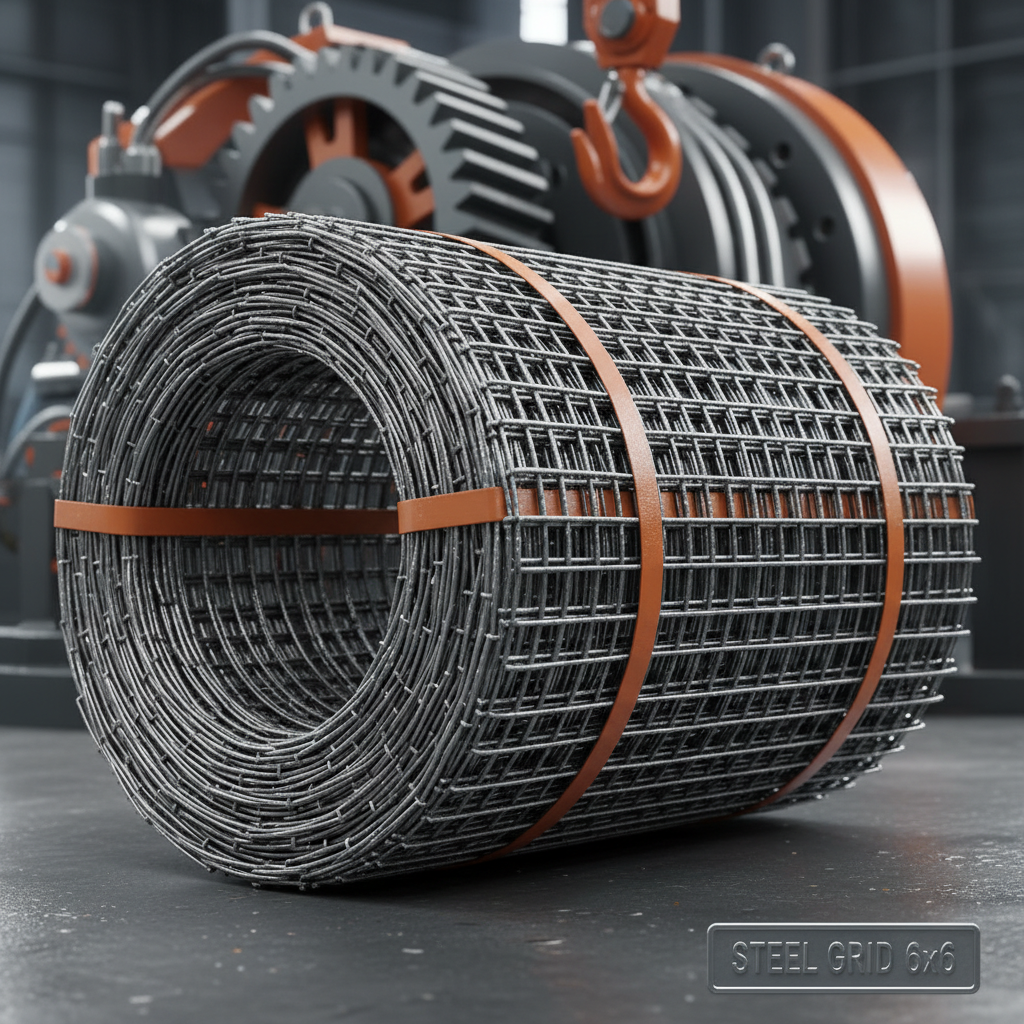
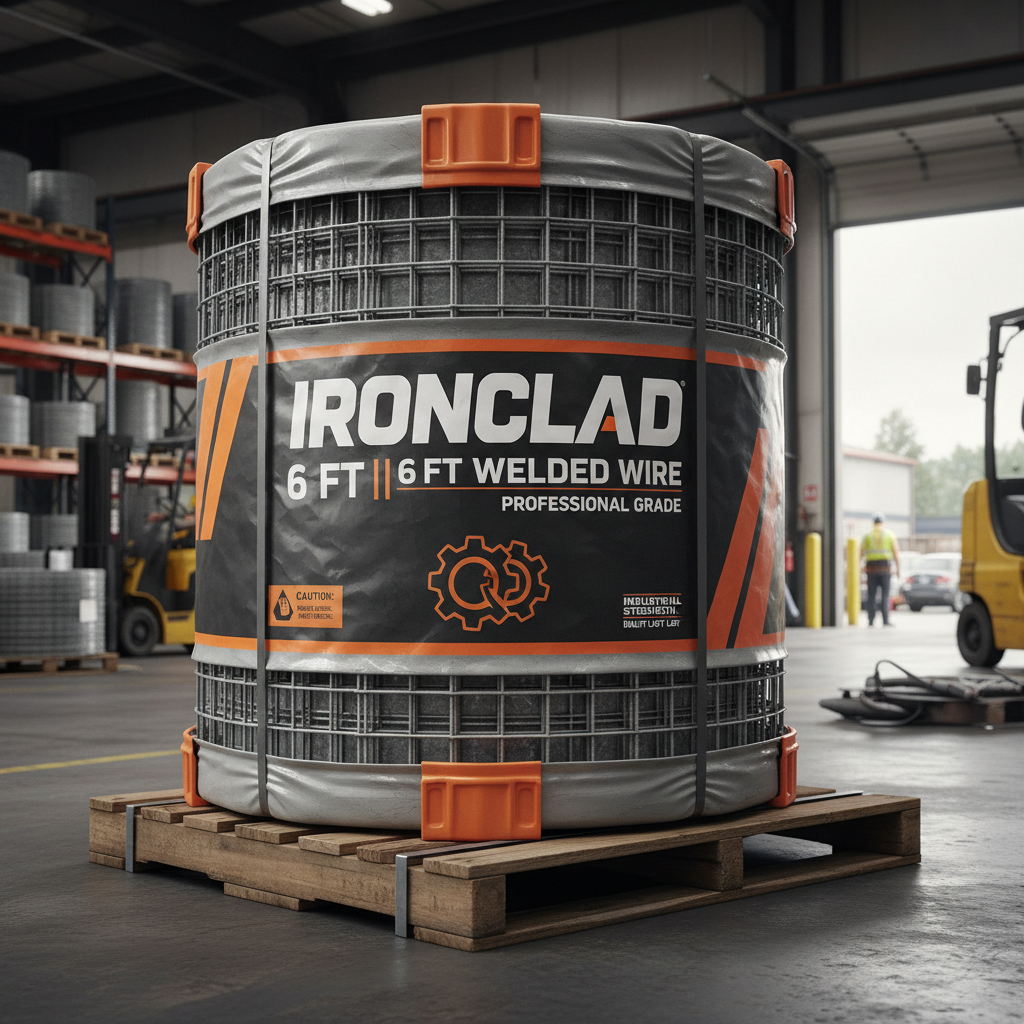
6 gauge wire mesh is a versatile material used across numerous industries due to its robust construction and varied applications. The gauge number refers to the wire diameter - a lower gauge number indicates a thicker wire. This makes 6 gauge mesh particularly strong and durable, ideal for situations demanding high tensile strength and resistance to deformation. From animal containment to industrial screening, Lanye Wire Mesh provides a comprehensive range of 6 gauge wire mesh products tailored to diverse needs. Choosing the right mesh is crucial for ensuring optimal performance and longevity.
What Defines 6 Gauge Wire Mesh?
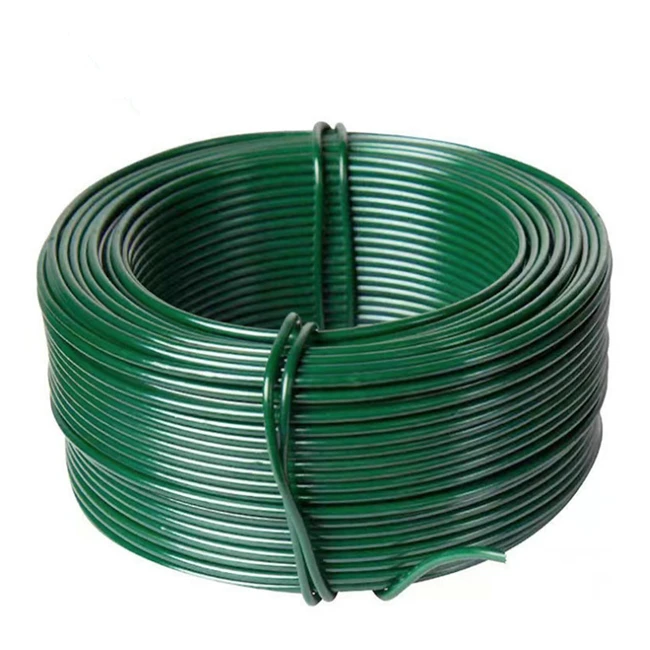
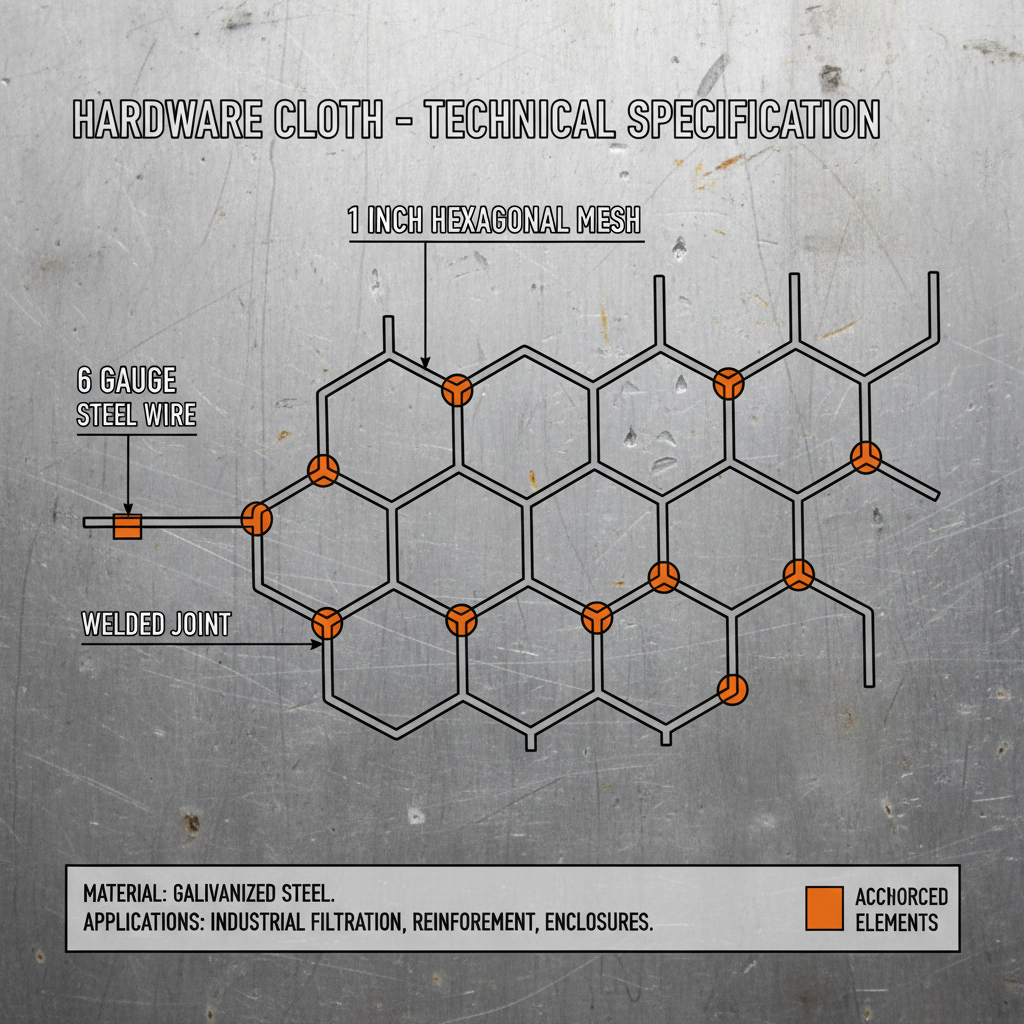
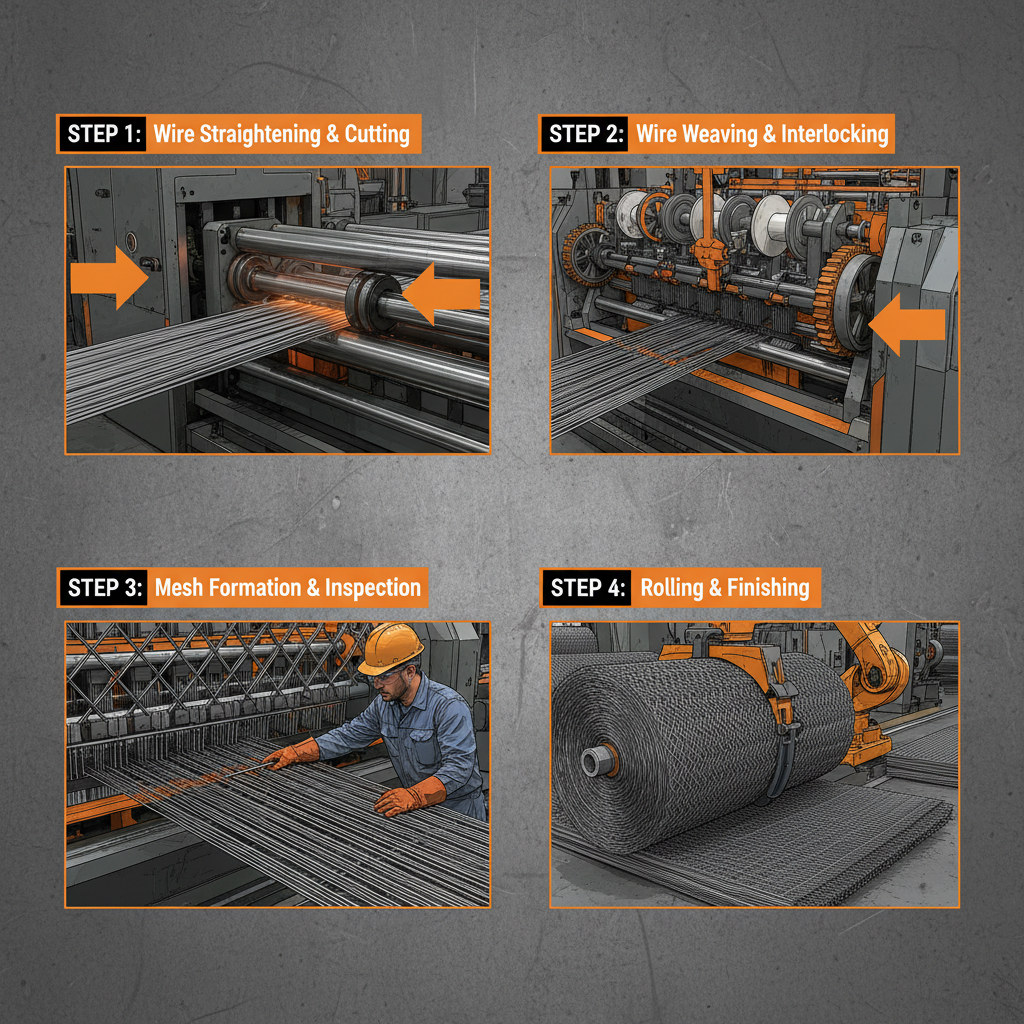
The term "6 gauge" refers to the diameter of the wire used in the mesh. A 6-gauge wire has a diameter of approximately 0.196 inches (5.0 mm). This thicker wire makes the mesh exceptionally strong and resistant to stretching or breaking. It's commonly made from materials like galvanized steel, stainless steel, and other alloys, each offering different properties regarding corrosion resistance and strength. The aperture size (the spaces between the wires) can also vary, allowing for customization based on specific application requirements. Explore our range to find the perfect fit for your project.
Key Takeaway: 6 gauge wire mesh provides exceptional strength and durability due to its thicker wire diameter, making it suitable for demanding applications.
Common Applications of 6 Gauge Wire Mesh
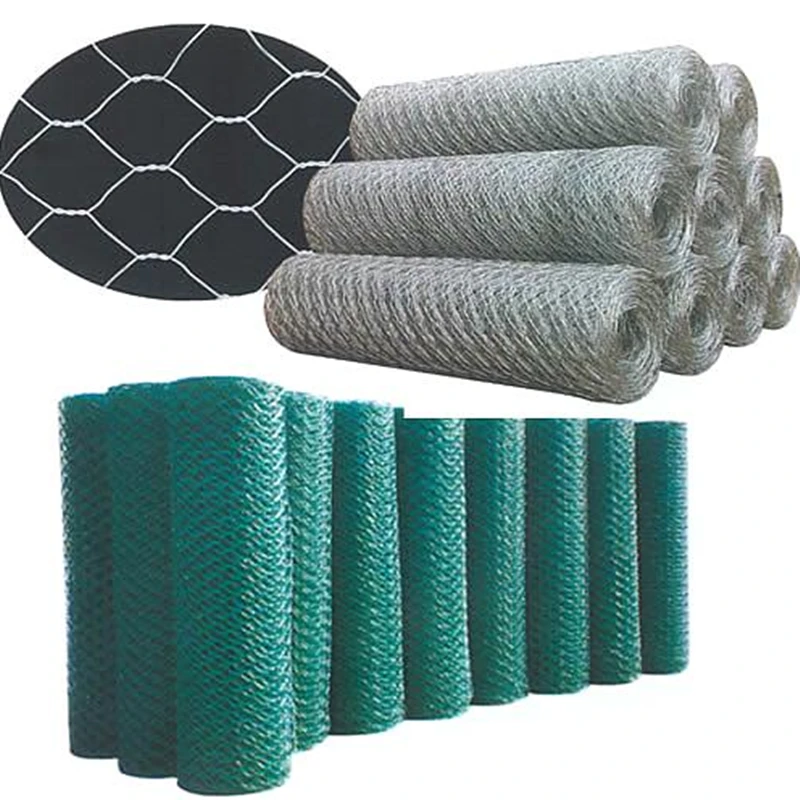
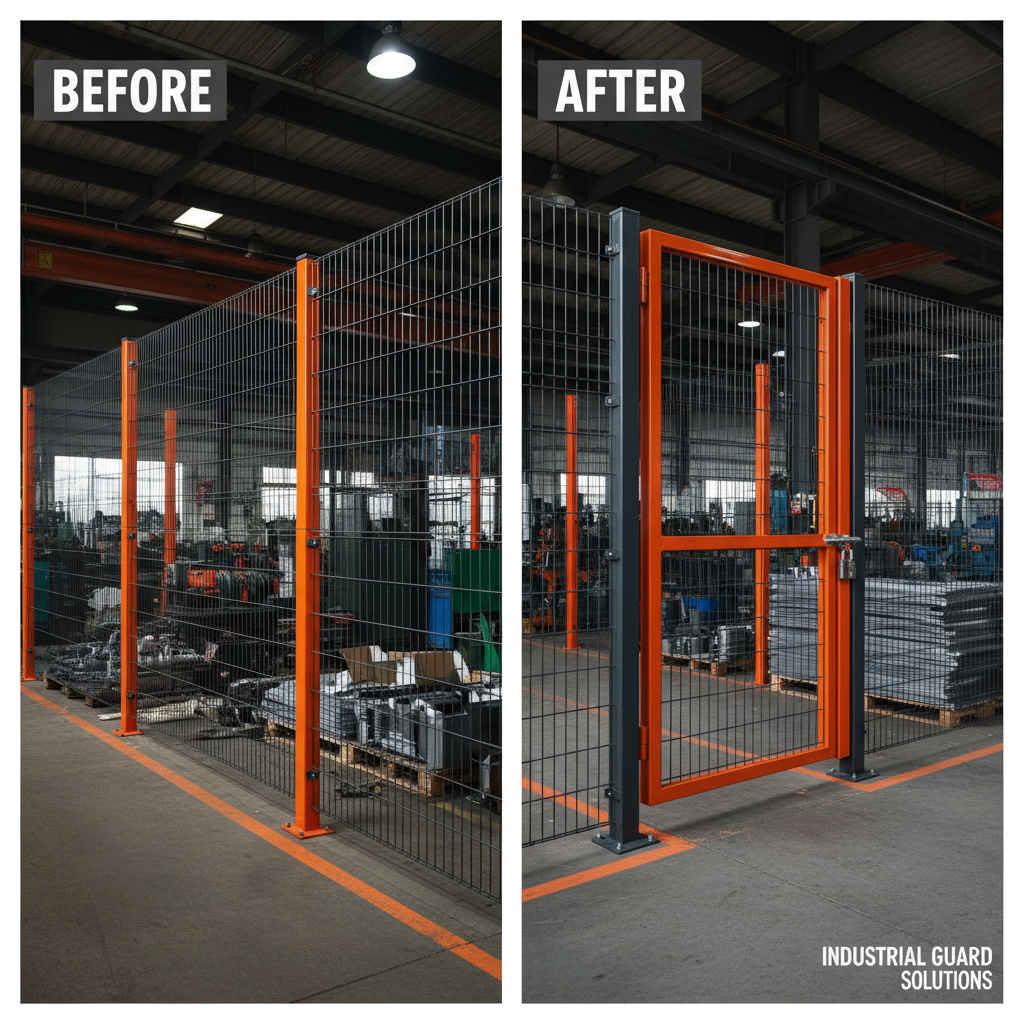
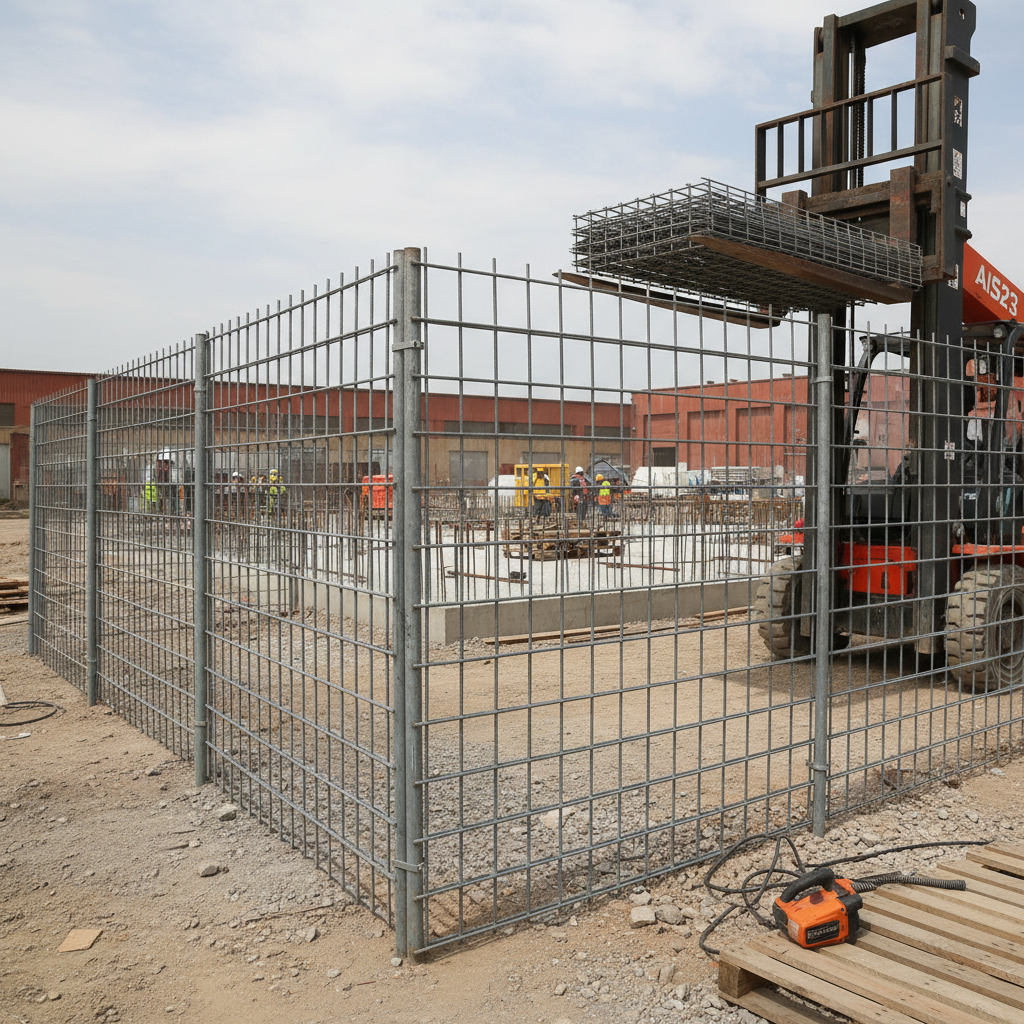
6 gauge wire mesh finds application in a surprisingly wide array of fields. In agriculture, it's frequently used for building animal enclosures, poultry netting, and tree guards. The robust construction prevents animals from breaking through. Industrially, it's utilized for machine guards, safety screens, and filtration systems. Construction projects employ it for reinforcing concrete, creating stucco lath, and providing security fencing. Even in home improvement, it's a vital component in gutter guards and rodent exclusion. Its versatility makes it a go-to material for professionals and DIY enthusiasts alike.
Application Examples:
• Animal Enclosures (Zoos, Farms)
• Industrial Safety Guards
• Reinforcing Concrete
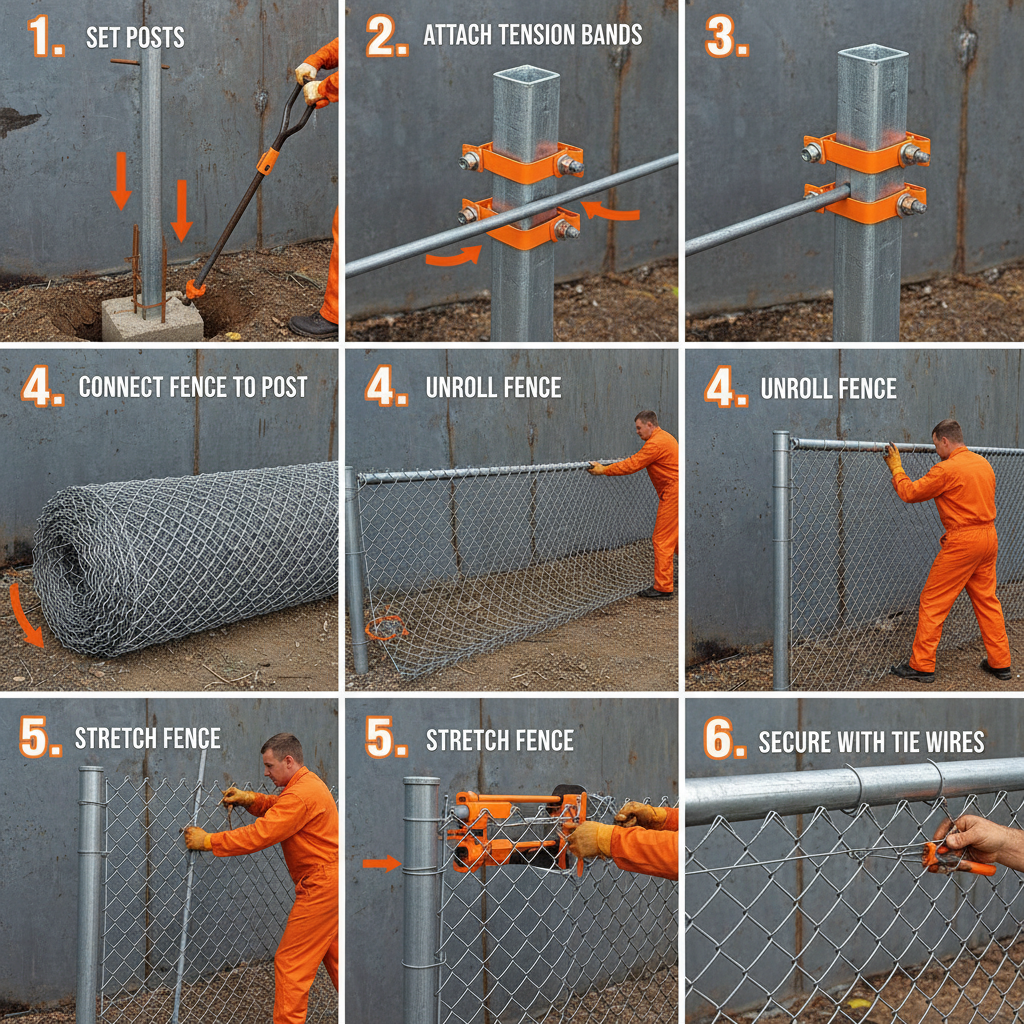
• Security Fencing
6 Gauge vs. Other Gauges: A Comparative Look
Understanding the differences between various wire mesh gauges is critical for selecting the right material. A higher gauge number indicates a thinner wire, suitable for applications requiring finer filtration or lighter-duty support. Lower gauge numbers, like 6 gauge, offer superior strength and durability. Here’s a quick comparison:
Factors Influencing 6 Gauge Wire Mesh Price
The cost of 6 gauge wire mesh can vary depending on several factors. The material used – galvanized steel, stainless steel (different grades), or other alloys – significantly impacts the price. Stainless steel, known for its corrosion resistance, is typically more expensive than galvanized steel. The mesh aperture size, the width and length of the roll, and the manufacturer also contribute to the overall cost. Contact us at Lanye Wire Mesh for a customized quote based on your specific requirements.
Choosing the Right Supplier for Your 6 Gauge Wire Mesh Needs
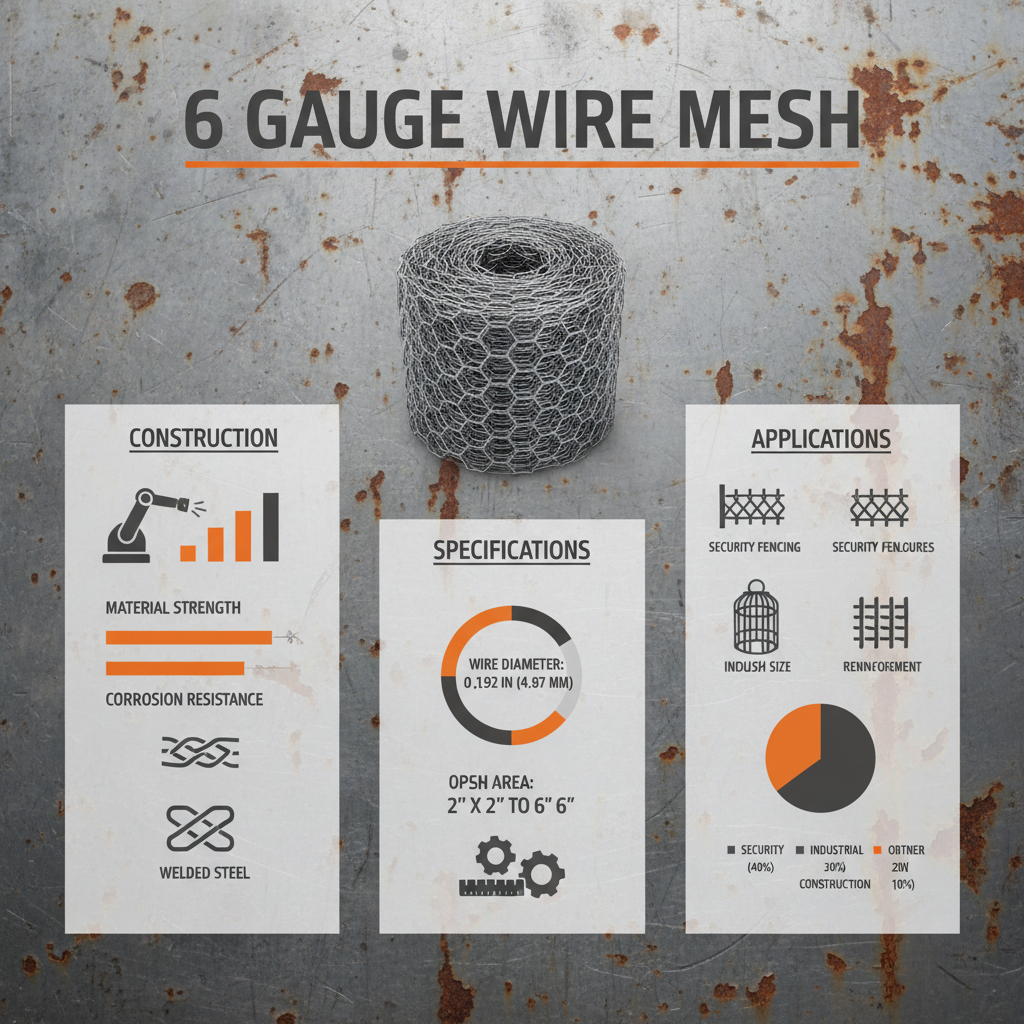
Selecting a reputable supplier is crucial for ensuring the quality and reliability of your 6 gauge wire mesh. Look for a supplier with a proven track record, a wide product range, and the ability to customize products to your specifications. Factors to consider include material certifications, delivery times, and customer support. Lanye Wire Mesh is committed to providing high-quality products, competitive pricing, and exceptional customer service.
Conclusion: Invest in Quality 6 Gauge Wire Mesh
Choosing the right 6 gauge wire mesh is essential for ensuring the success of your project. By considering the factors discussed in this article, you can make an informed decision and select a product that meets your specific needs. Lanye Wire Mesh is your trusted partner for all your wire mesh requirements.
Frequently Asked Questions (FAQs)
What is the typical tensile strength of 6 gauge galvanized steel wire mesh?
The tensile strength of 6 gauge galvanized steel wire mesh varies slightly depending on the specific steel alloy used, but it generally falls between 80,000 and 90,000 PSI (pounds per square inch). This high tensile strength makes it incredibly durable and resistant to stretching or breaking under stress. It’s important to request the specific tensile strength data sheet from your supplier for confirmation, especially for critical applications where load-bearing capacity is paramount. Proper galvanization also enhances corrosion resistance, contributing to long-term structural integrity.
Can 6 gauge wire mesh be cut to custom sizes?
Yes, 6 gauge wire mesh can be easily cut to custom sizes using various tools, including wire cutters, bolt cutters, or abrasive saws. When cutting, it's essential to wear appropriate safety gear, such as gloves and eye protection, to prevent injuries from sharp wire ends. For precise cuts, particularly for larger quantities, professional cutting services are available. Lanye Wire Mesh offers custom cutting services to meet your exact specifications.
What are the corrosion resistance options for 6 gauge wire mesh?
Several options exist for enhancing the corrosion resistance of 6 gauge wire mesh. Galvanization (coating with zinc) is the most common and cost-effective method, providing good protection against rust. Stainless steel (grades 304 and 316) offers superior corrosion resistance, especially in harsh environments. Powder coating can also be applied for additional protection and color customization. The best option depends on the specific application and the level of exposure to corrosive elements.