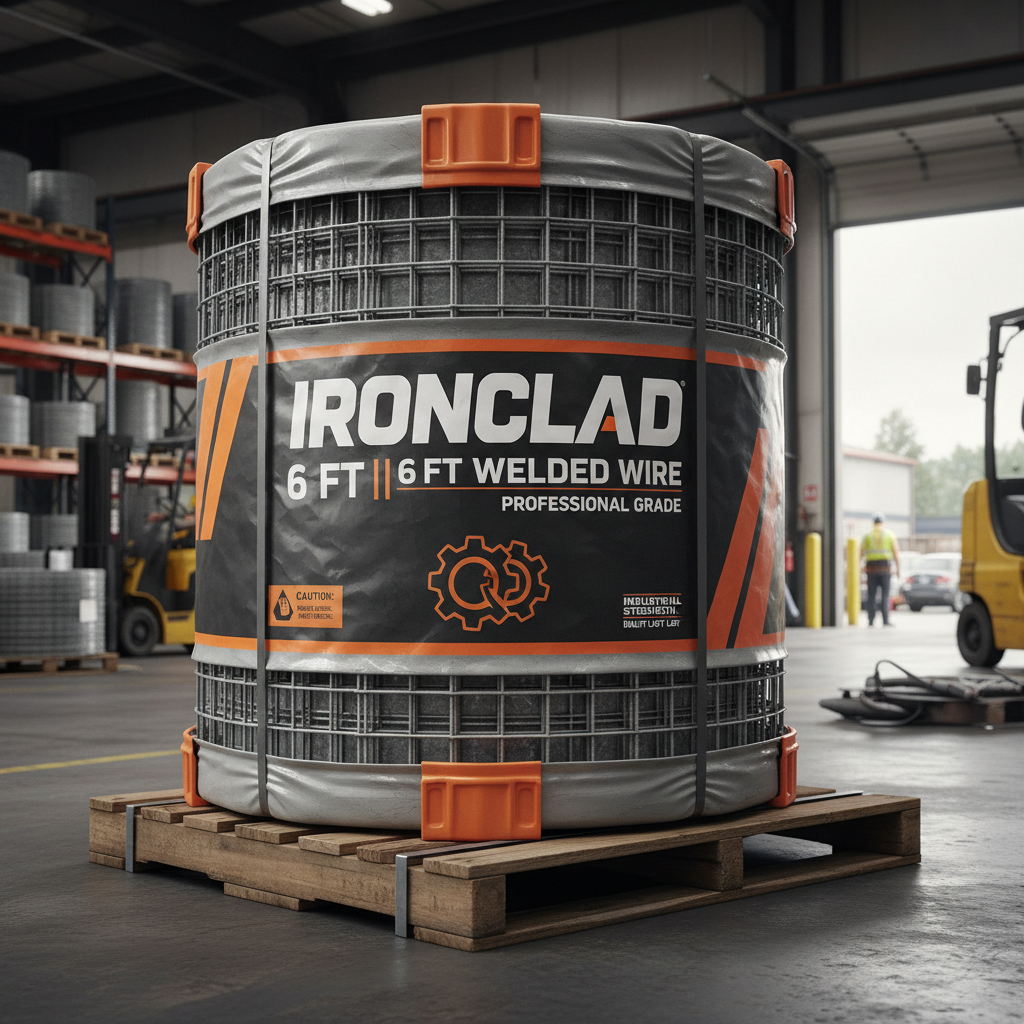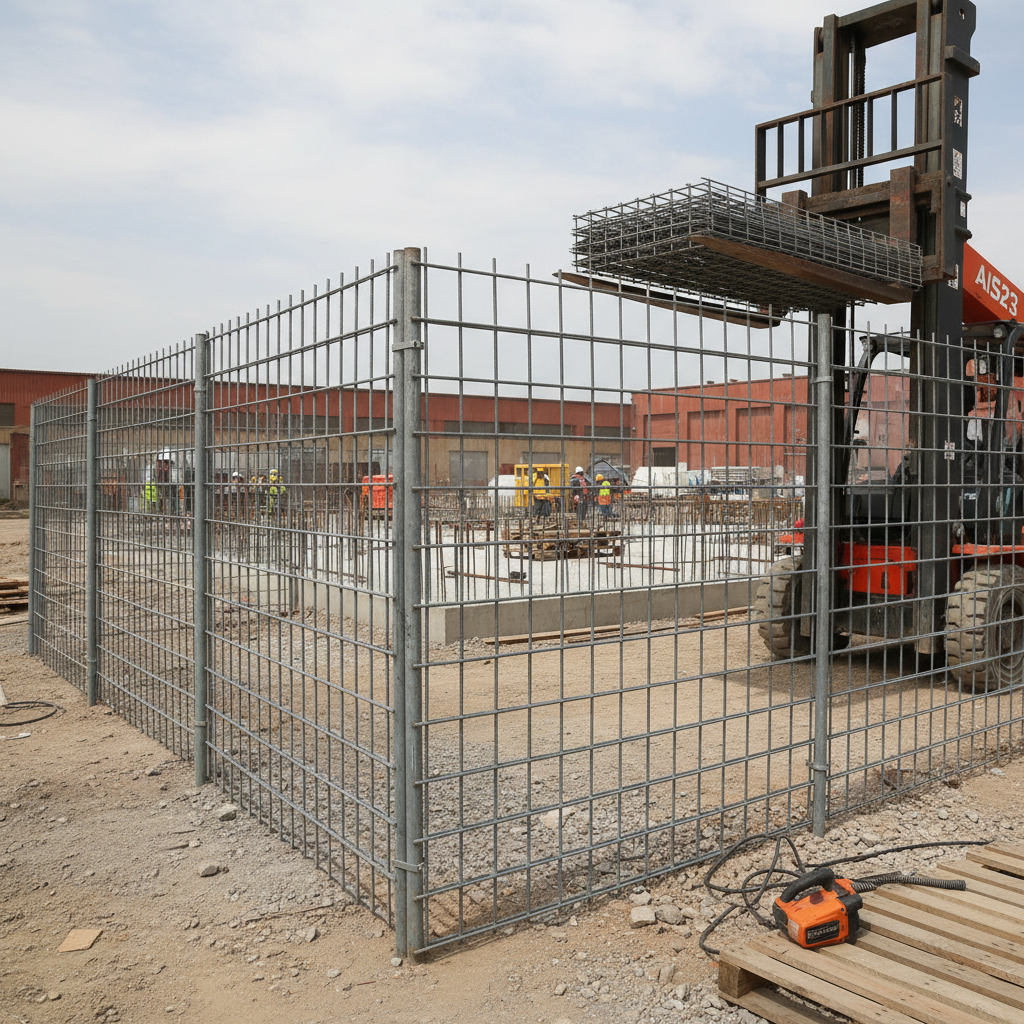
Understanding 6 Hardware Cloth: Applications and Benefits
When undertaking projects involving containment, protection, or ventilation, selecting the right material is crucial. 6 hardware cloth is a versatile and durable option favored across numerous industries. This article will provide an in-depth look at what 6 hardware cloth is, its various applications, its benefits, and what to consider when choosing a supplier. From pest control to DIY projects, understanding its properties can ensure you choose the most effective solution.
What Exactly is 6 Hardware Cloth?
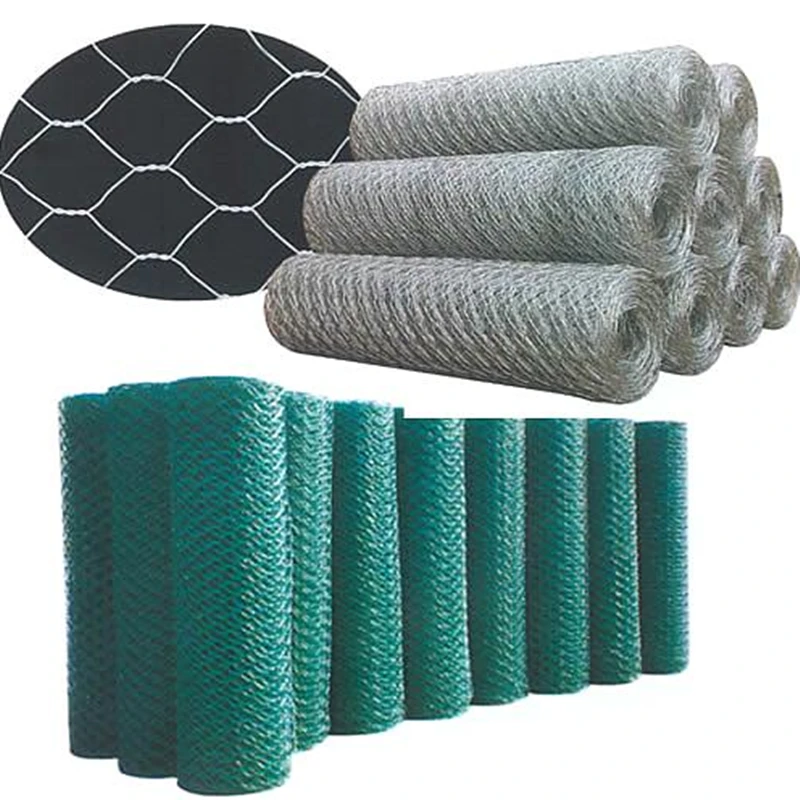
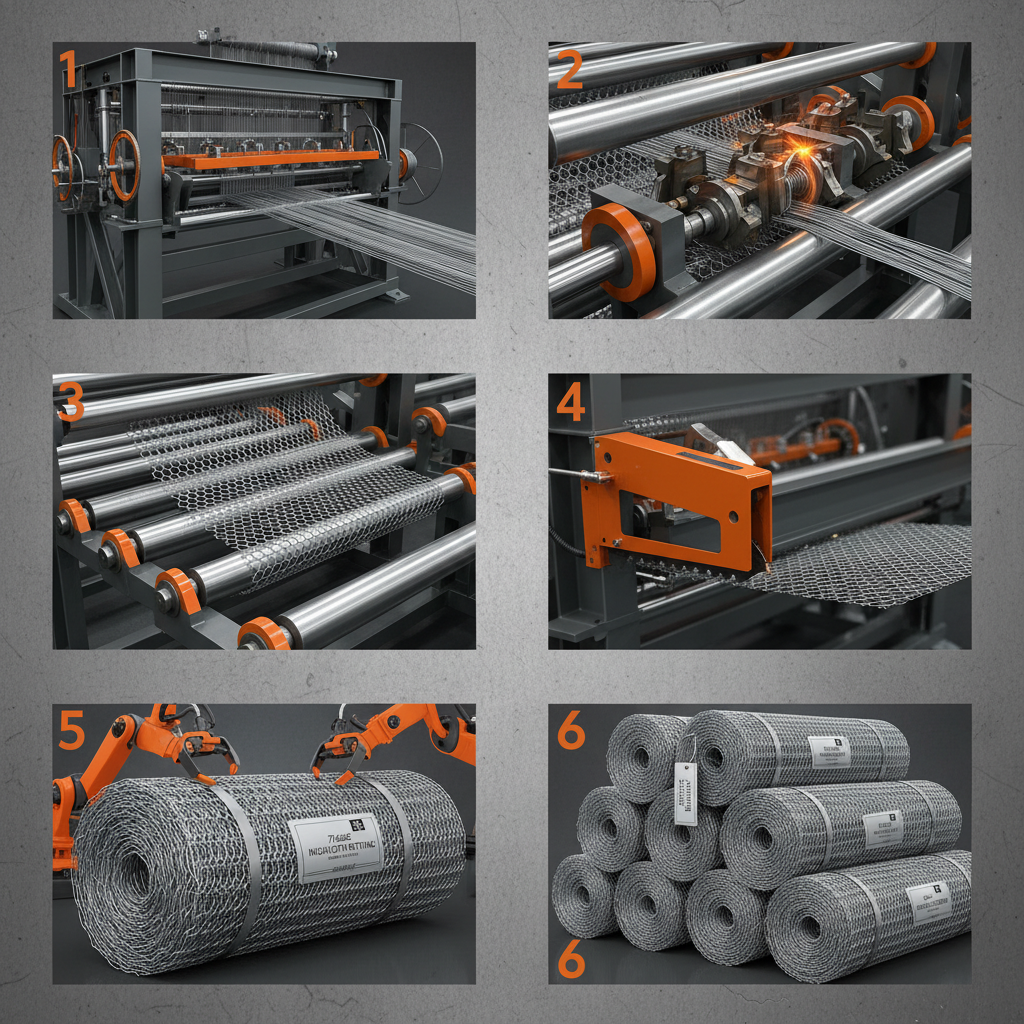
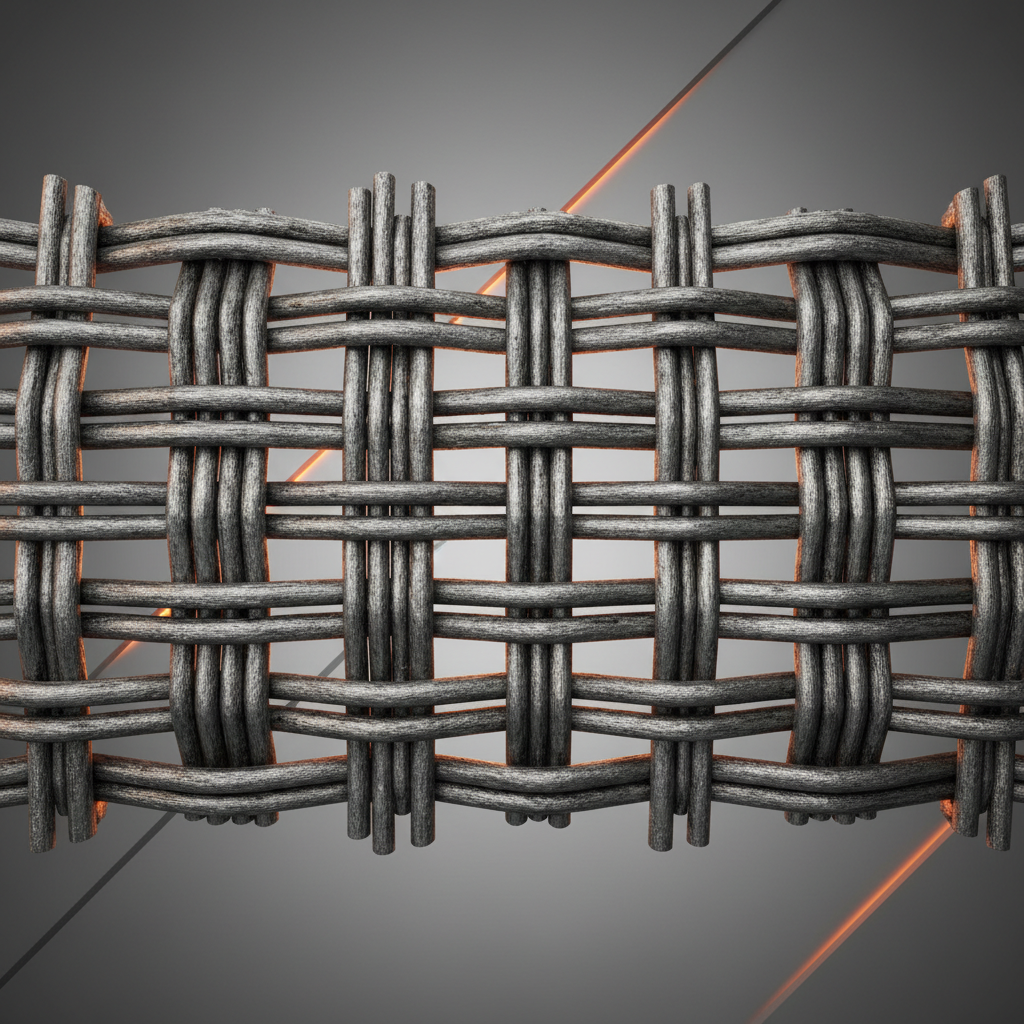
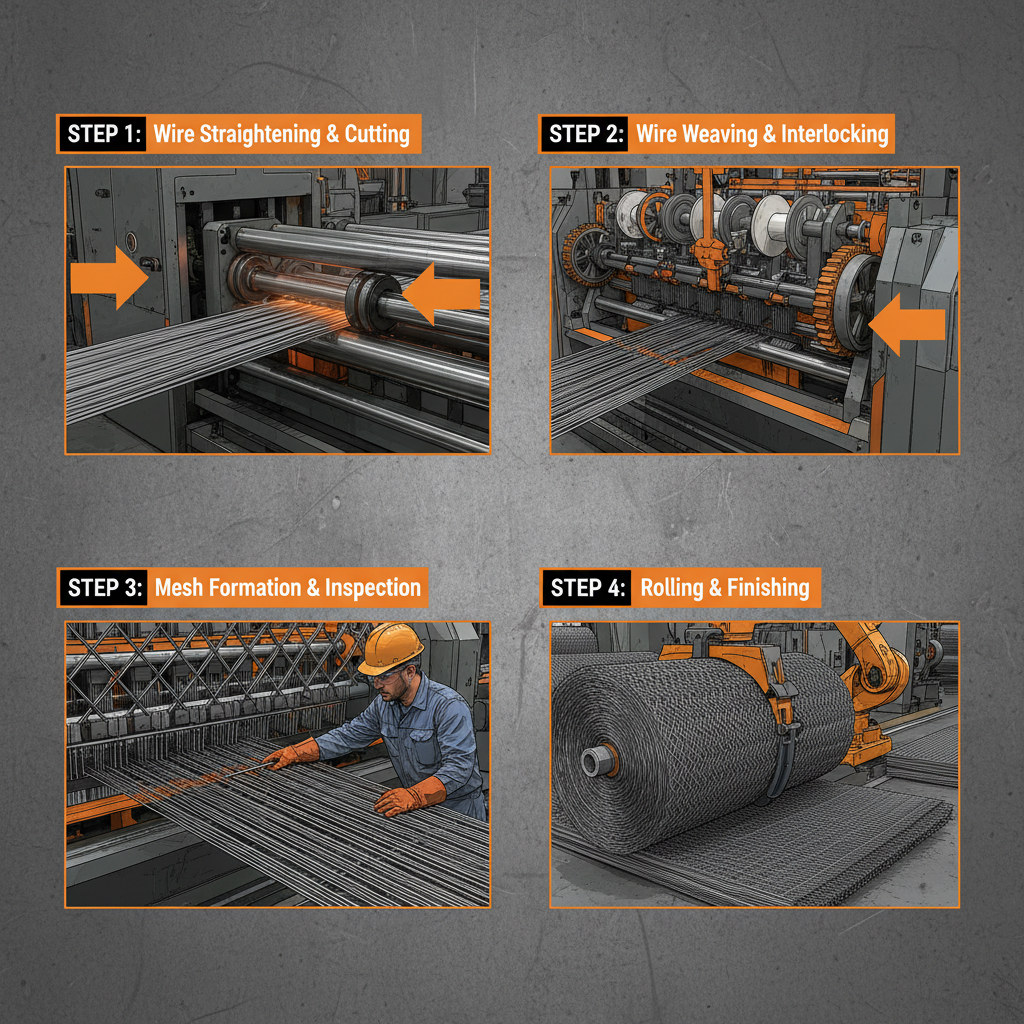
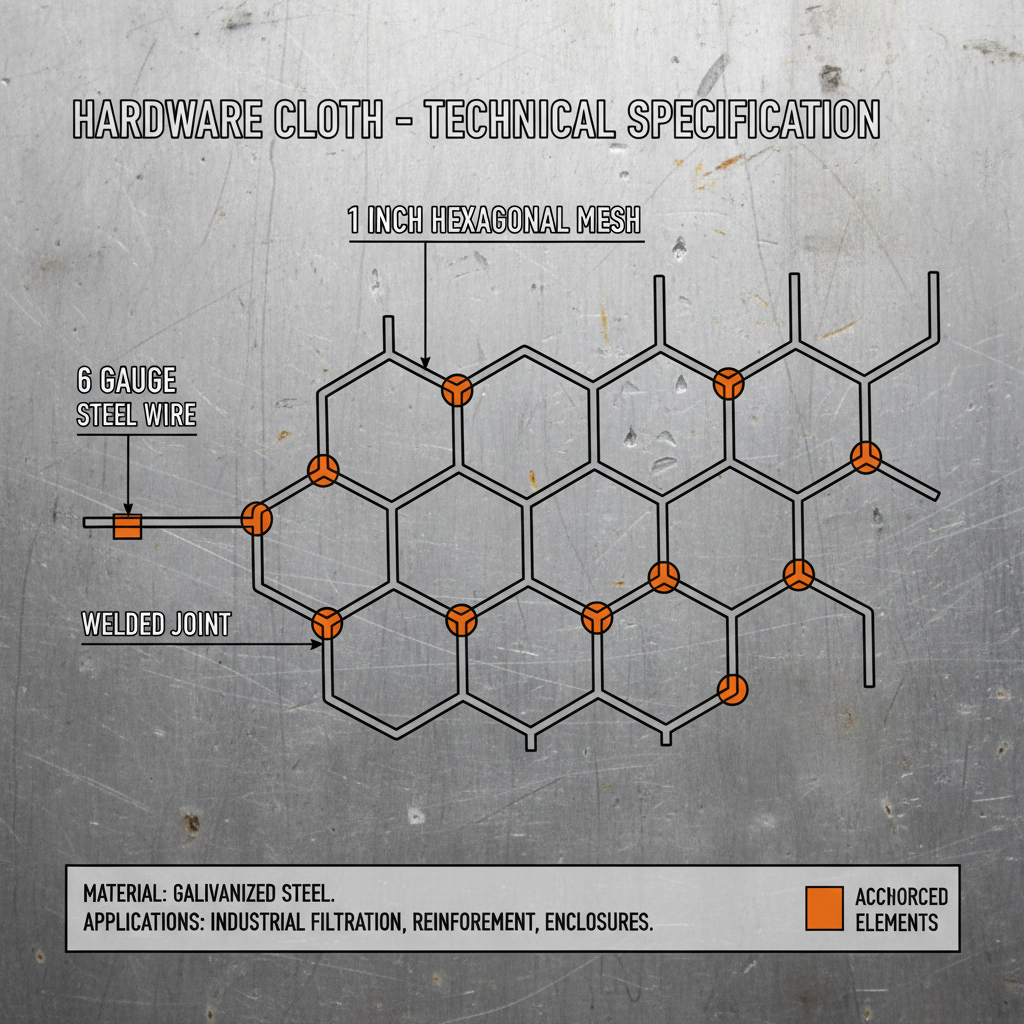
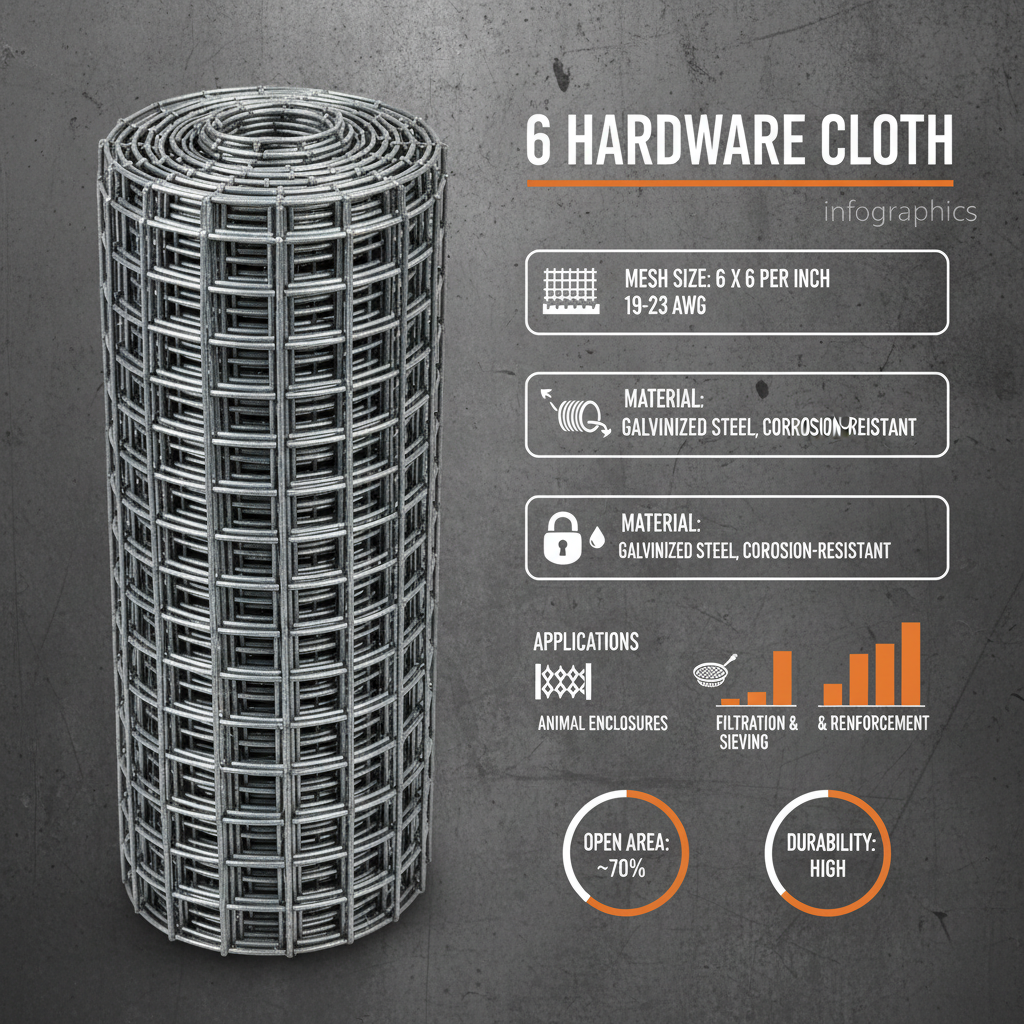
6 hardware cloth refers to woven wire mesh with a 6-gauge (wire diameter) wire. The lower the gauge number, the thicker the wire. This means 6-gauge hardware cloth is relatively robust and offers excellent strength and durability. It’s typically made from galvanized steel, but stainless steel and other materials are also available depending on the intended application. The ‘hardware cloth’ name comes from its original use in hardware stores for a variety of repair and construction tasks. Its tightly woven construction creates a strong barrier against pests, debris, and even certain types of damage.
Key Characteristics: Strong and durable due to its 6-gauge wire. Typically galvanized steel, offering corrosion resistance. Provides a tight mesh for effective containment.
Common Applications of 6 Hardware Cloth
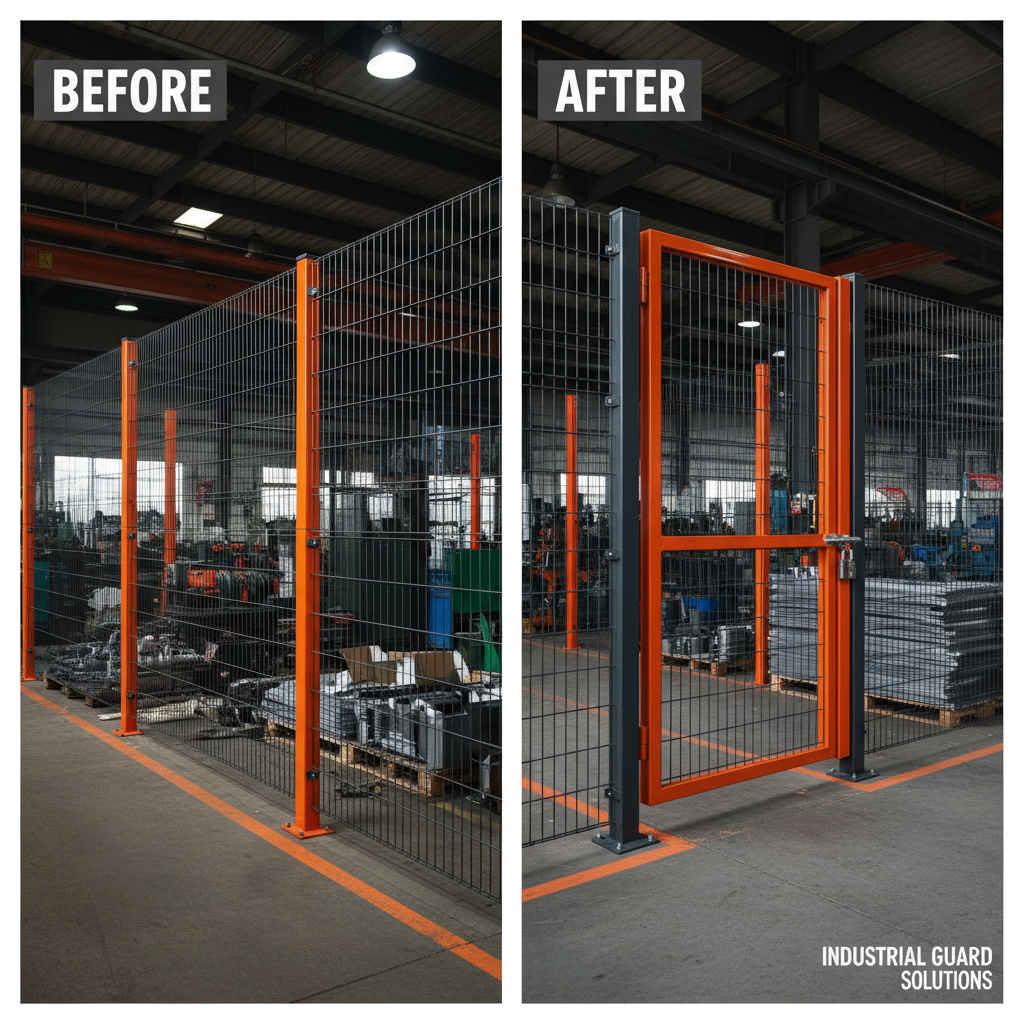
The versatility of 6 hardware cloth makes it suitable for a wide array of applications. These include animal cages and hutches, providing secure enclosures for pets and livestock. It's extensively used in pest control, creating barriers against rodents, insects, and other unwanted creatures in gardens, homes, and agricultural settings. Ventilation screens benefit from its durable and open structure, allowing airflow while keeping out pests. Furthermore, it's frequently used in construction as a stucco lath, providing a solid base for plaster and cement applications.
Application Highlights:
• Animal Cages & Hutches
• Pest Control Barriers
• Ventilation Screens
• Stucco Lath in Construction
6 Hardware Cloth vs. Other Mesh Sizes: A Comparative Look
Choosing the right mesh size is crucial for your project. 6 hardware cloth offers a good balance of strength and mesh opening size. However, it's helpful to compare it with other common sizes. Smaller mesh sizes, like 4 or 5 hardware cloth, offer greater containment but can be more expensive and restrict airflow. Larger mesh sizes, like 8 or 9 hardware cloth, are more economical but less effective at preventing smaller pests from entering. Selecting the appropriate size depends on your specific needs and the size of the organisms or debris you need to keep out.
Choosing the Right Material: Galvanized vs. Stainless Steel
While galvanized steel is a common and cost-effective choice for 6 hardware cloth, stainless steel offers superior corrosion resistance. Galvanized steel is coated with zinc to protect against rust, making it suitable for many outdoor applications. However, the zinc coating can eventually wear away over time, especially in harsh environments. Stainless steel, on the other hand, is inherently resistant to corrosion and offers a longer lifespan, but comes at a higher price point. The best choice depends on the environment and longevity requirements of your project.
Finding a Reliable Supplier
When sourcing 6 hardware cloth, selecting a reputable supplier is essential. Look for suppliers that offer consistent quality, accurate sizing, and prompt delivery. Lanyewiremesh.com is a trusted provider of high-quality hardware cloth, offering a wide range of sizes and materials to meet your specific needs. Consider checking customer reviews and requesting samples before placing a large order to ensure the product meets your expectations.
Conclusion: Choosing the Right Hardware Cloth for Your Needs
6 hardware cloth is a versatile and durable material suitable for a diverse range of applications. Understanding its properties, comparing it to other mesh sizes, and choosing the right material (galvanized or stainless steel) are crucial for success. By partnering with a reliable supplier like Lanyewiremesh, you can ensure you receive a high-quality product that meets your project requirements.
Frequently Asked Questions (FAQs)
What is the typical roll size of 6 hardware cloth?
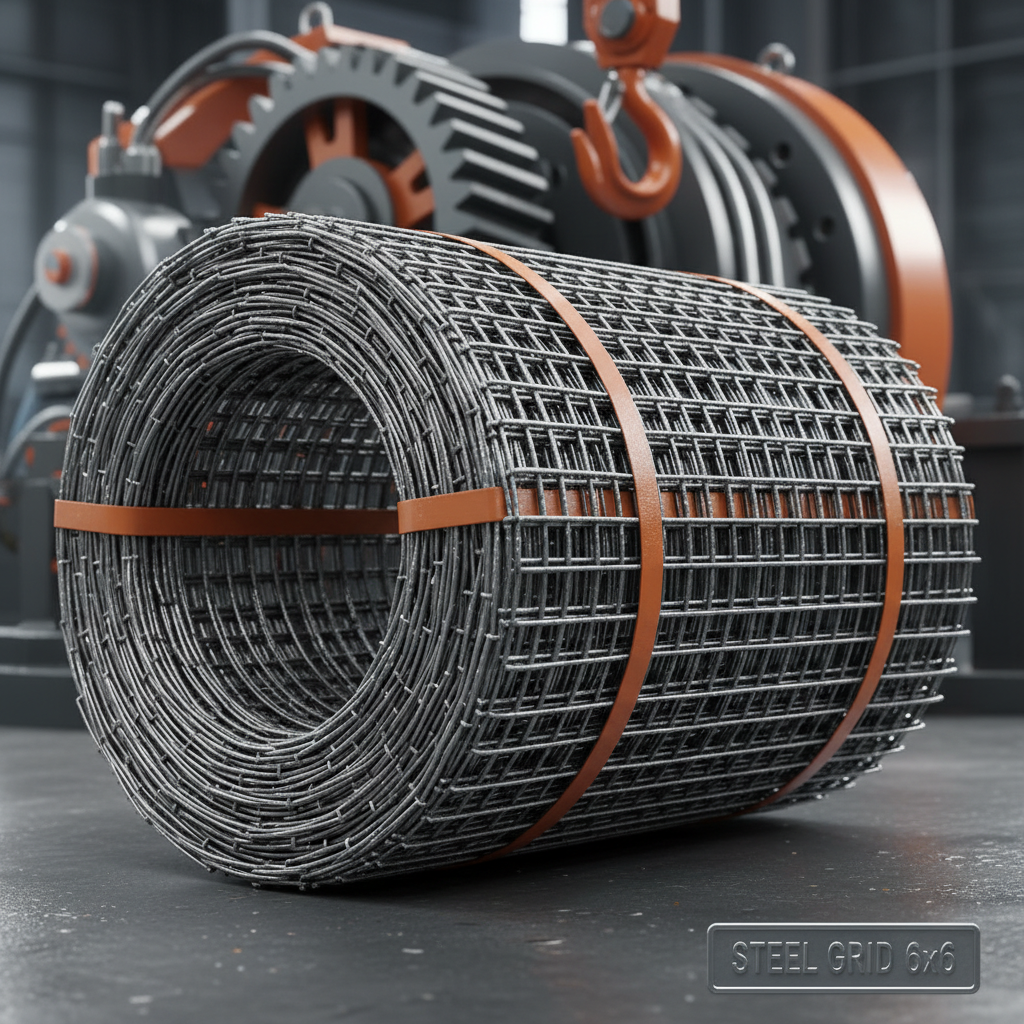
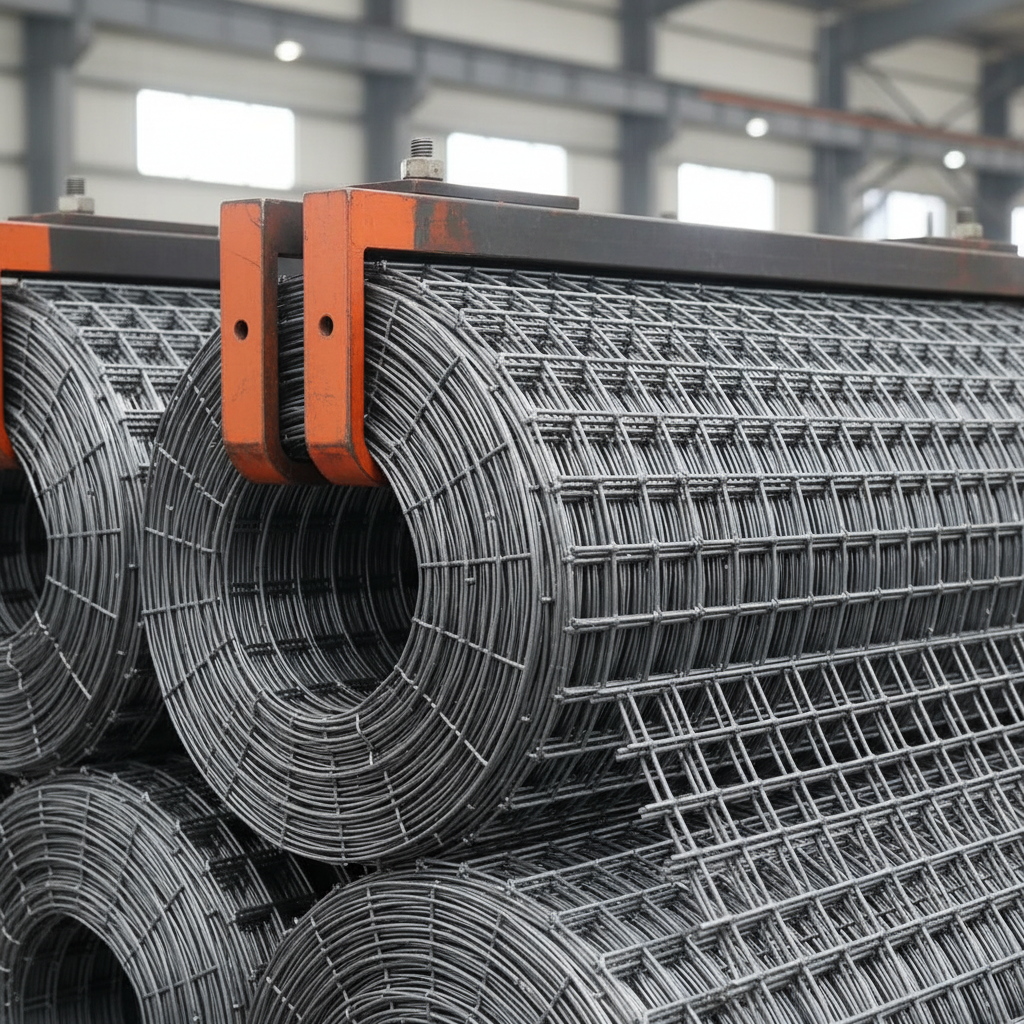
6 hardware cloth is commonly available in rolls of varying lengths and widths. A standard roll size is typically 36 inches wide and 50 or 100 feet long. However, it’s often available in custom cut lengths to suit specific project needs. When ordering, be sure to check the exact dimensions with your supplier.
How do I safely cut hardware cloth?
Cutting hardware cloth requires caution as the edges can be sharp. It’s best to wear heavy-duty gloves and eye protection. Tin snips or wire cutters are the recommended tools. When cutting, make clean, straight cuts to avoid creating jagged edges. You can also file down any sharp edges after cutting to prevent injuries.
Can 6 hardware cloth be used for rodent proofing?
Yes, 6 hardware cloth is an effective barrier against rodents. However, it's essential to ensure the mesh is properly installed and sealed to prevent rodents from finding gaps or weaknesses. Pay attention to areas where pipes or wires enter structures and use appropriate sealant to close any openings. Regularly inspect the hardware cloth for damage or wear and tear.
Is galvanized hardware cloth safe for use in gardens?
Galvanized hardware cloth is generally considered safe for use in gardens, but it's important to choose a reputable supplier and ensure the galvanization process meets safety standards. Some older galvanization processes used lead, but modern galvanization typically uses zinc. Avoid using hardware cloth that shows signs of rust or deterioration, as this could release harmful substances into the soil.