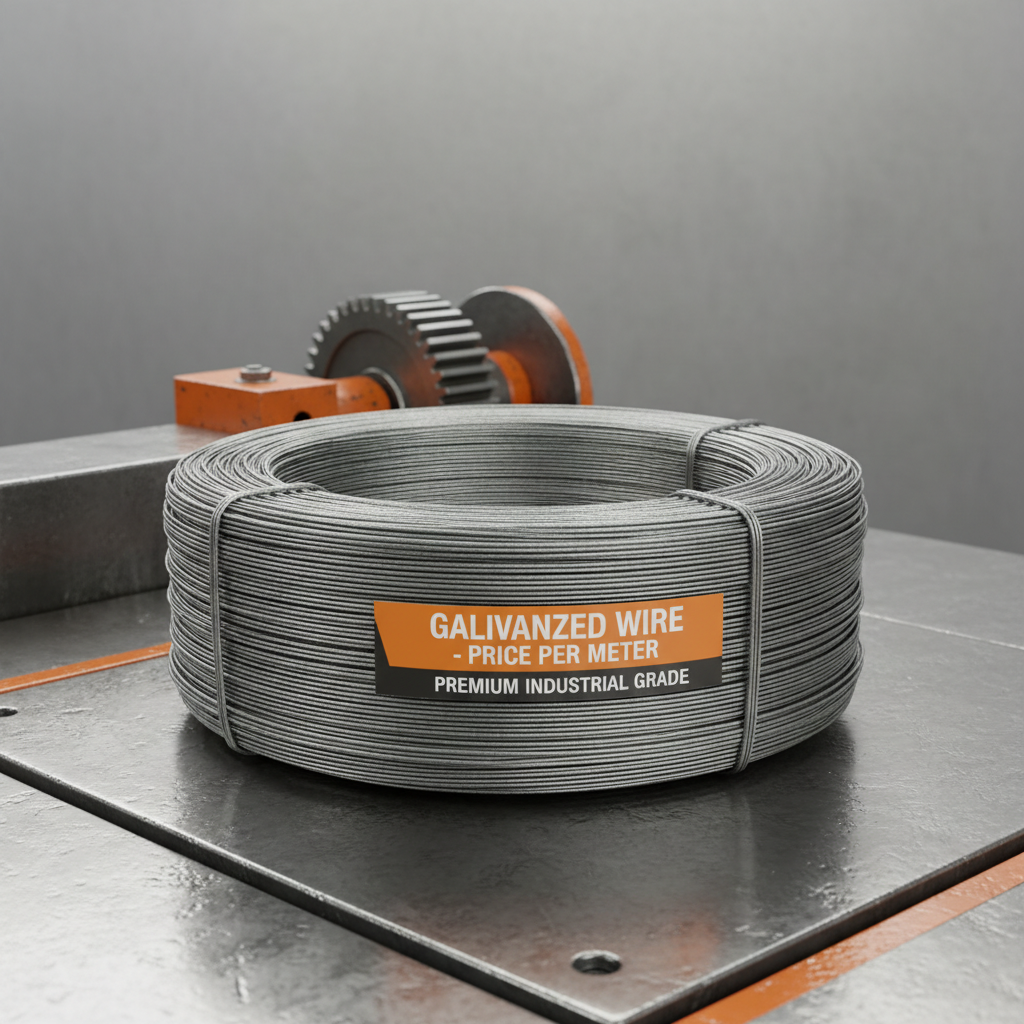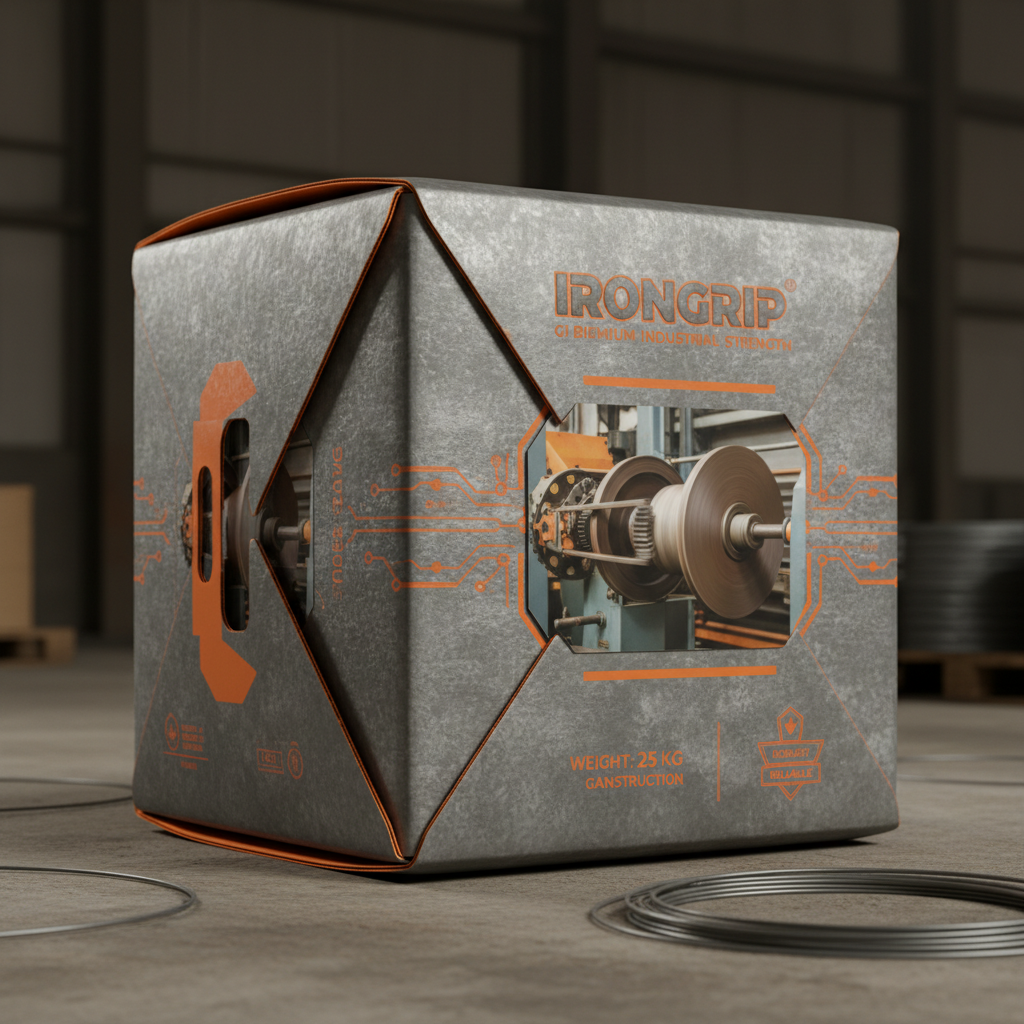
When evaluating security infrastructure, procurement managers often find that the razor mesh price is not a static number but a variable influenced by material grades and coating specifications. For those tasked with securing industrial perimeters or high-value assets, understanding the cost-to-performance ratio is critical to avoid overspending on unnecessary specs or compromising safety with substandard materials. The challenge lies in distinguishing between base commodities and engineered security solutions.
The economic viability of a security project depends on how the chosen wire mesh integrates with other structural components. Whether utilizing Black Annealed Wire for temporary internal supports or Hot dipped galvanized wire for long-term outdoor exposure, the interaction between the core steel quality and the outer protective layer determines the replacement cycle. In the context of high-security fencing, the price reflect the precision of the blade profile and the tensile strength of the steel, which directly impact the deterrent effect and installation labor costs.
Navigating the complexities of the metal products market requires a shift from focusing on the lowest initial quote to analyzing the total cost of ownership. By examining the relationship between raw material fluctuations and manufacturing precision, buyers can make informed decisions that balance budget constraints with rigorous safety standards. This guide analyzes the key determinants of razor mesh price to provide a professional framework for procurement in the metal wire industry.


Security wire mesh is fundamentally an engineered product where the geometry of the "razor" profile and the chemistry of the steel core work in tandem. Unlike standard wire mesh used for filtering or simple partitioning, high-security mesh is designed for deterrence and resistance. The base material typically involves high-carbon steel that undergoes specific drawing processes to ensure that the blades maintain their sharpness and structural integrity under tension, which is a primary driver of the production cost.
Beyond the blade, the structural core determines the mesh's resistance to cutting tools. The precision of the winding and clipping process ensures that the mesh does not unravel or deform during installation. This manufacturing rigor requires specialized machinery and quality control systems to ensure every coil meets safety and performance standards, shifting the product from a simple commodity to a technical security component.
The pricing of razor mesh is heavily dictated by the zinc coating weight and the raw steel grade. For instance, hot-dipped galvanized wire offers a significantly thicker protective layer compared to electro-galvanized alternatives, leading to higher initial costs but drastically reduced maintenance. The thickness of this layer is measured in grams per square meter, and a higher coating weight directly correlates to a higher price point due to the increased volume of zinc consumed during the dipping process.
The real value of security mesh is found in the balance between tensile strength and corrosion resistance; a product that is cheaper initially but rusts within two years represents a failed investment in perimeter security.
Additionally, the complexity of the mesh design—such as the distance between the barbs and the diameter of the core wire—affects the amount of material required per linear meter. Custom specifications, such as PVC coating for coastal environments, further increase the price but are essential for preventing salt-air corrosion. Buyers must evaluate whether the environmental stressors of their site justify the premium for specialized coatings.
When comparing the lifecycle cost of different wire products, the initial purchase price is only one part of the equation. For example, utilizing White Annealed Wire in construction binding provides immediate flexibility and ease of use for workers, reducing labor hours. Similarly, selecting high-grade galvanized razor mesh reduces the frequency of site inspections and replacement cycles, which are often more expensive than the original installation due to labor and downtime.
A professional ROI analysis focuses on the "cost per year of service." A low-cost mesh that requires replacement every three years is more expensive over a decade than a premium mesh that lasts fifteen years. This logic extends to the choice of coatings, where the durability of the zinc-iron alloy layer prevents premature structural failure of the security barrier.
High-security razor mesh is most effectively deployed in environments where unauthorized access presents a critical risk. Industrial zones, aerospace facilities, and large-scale warehouses typically utilize a combination of diamond cyclone mesh fence and razor wire toppers. In these scenarios, the mesh acts as the primary physical barrier, while the razor component serves as a psychological and physical deterrent to climbing.
In agricultural or garden settings, the requirements shift toward stability and ease of installation. Products like Garden Products or PVC Coated Fences are preferred here because they balance boundary definition with aesthetic integration. The choice of material—whether it be soft annealed wire for grape trellis fixation or rigid welded wire mesh for livestock—depends entirely on the specific pressure and environmental conditions of the site.
Modern wire production has evolved from basic drawing to highly controlled metallurgy. The introduction of cold-drawn hard wire has allowed manufacturers to produce thinner yet stronger cores, optimizing the weight of the razor mesh without sacrificing its structural integrity. This efficiency allows for easier transport and faster installation while maintaining the same security rating.
Furthermore, the annealing process has been refined to create wires with superior malleability, such as the white annealed wire spools. These are specifically designed for construction binding, where the ability to twist and lock without snapping is paramount. This technological precision ensures that the wire adapts to the stress of the application, whether it is binding rebar in a concrete pour or securing a perimeter fence.
The integration of automated quality inspection systems, as seen in large-scale factories like Dingzhou Lanye Metal Products Co., Ltd., ensures that every coil is checked for coating uniformity and tensile consistency. This reduction in human error minimizes the risk of "weak spots" in the security mesh, which are often the first points of failure during an attempted breach.
One of the most frequent challenges for buyers is the "price-quality paradox," where a slightly lower price leads to a significant drop in corrosion resistance. This often happens when suppliers use thin electro-galvanized coatings instead of hot-dipped galvanizing. The solution is to request a coating weight certificate and a material analysis report to ensure the zinc layer meets international standards for the intended environment.
Another common issue is the mismatch between the wire gauge and the installation hardware. Using a wire that is too thick for the clips can lead to structural instability, while a wire that is too thin may sag over time. A technical approach involves calculating the tension requirements based on the span between support posts and selecting the appropriate cold-drawn hard wire gauge to maintain a taut barrier.
Finally, logistics costs can unexpectedly inflate the razor mesh price. Because these products are heavy and potentially hazardous to handle, professional packaging and specialized transportation are required. Opting for a supplier with integrated logistics and a reputation for secure packaging prevents onsite damage and reduces the overall project cost.
| Environment | Recommended Material | Key Advantage | Maintenance Level |
|---|---|---|---|
| Coastal/Marine | PVC Coated Razor | High Salt Resistance | Low |
| Industrial Zone | Hot-Dipped Galv. | Balanced Cost/Life | Medium |
| Temporary Site | Electro-Galv. | Low Initial Cost | High |
| Internal Binding | White Annealed | Superior Pliability | N/A |
| High-Security | Cold Drawn Hard | Maximum Tensile | Low |
| Agricultural | Diamond Cyclone | Versatile Layout | Medium |
The primary drivers are the cost of raw steel, the weight of the zinc coating, and the precision of the blade profile. Hot-dipped galvanized mesh is generally more expensive than electro-galvanized mesh because the dipping process uses more zinc and provides a thicker, more durable layer. Additionally, custom specifications like PVC coating for corrosive environments add to the material cost.
Hot-dipped galvanizing involves submerging the wire in molten zinc, creating a thick, multi-layered alloy that protects the steel for decades. Electro-galvanizing uses an electric current to apply a thinner layer. While electro-galvanized wire has a lower initial price, it rusts much faster in outdoor settings, making hot-dipped the higher-value choice for long-term infrastructure projects.
White annealed wire is the professional choice for concrete construction. Its annealing process softens the steel core, making it more malleable and easier to twist by hand without breaking. This improves the operator's efficiency and ensures a tighter bond between rebar, which is critical for the structural integrity of the concrete pour.
PVC coating is not a replacement for galvanization but an addition to it. Most high-quality PVC coated wires are first galvanized to prevent rust from the inside out, and then coated with PVC for an extra layer of protection and a cleaner appearance. This dual-layer system is essential for high-humidity or chemical-heavy environments.
Verification should focus on three areas: manufacturing capacity, quality inspection systems, and certification. A reliable supplier, such as those with dedicated R&D and inspection departments, will provide technical data sheets specifying the tensile strength and zinc coating weight. Checking for a consistent track record in international markets also indicates reliable quality standards.
Wire diameter directly affects the cutting resistance and the tension the mesh can withstand. A larger diameter core wire is harder to cut with manual tools and resists sagging over long distances. However, it also increases the weight and price of the mesh. The goal is to select a diameter that meets the security threat level without over-engineering the cost.
Optimizing the procurement of security wire products requires a detailed understanding of the relationship between material science and environmental application. By looking beyond the initial razor mesh price and focusing on coating weights, tensile strength, and lifecycle ROI, procurement managers can ensure that their security infrastructure remains effective and low-maintenance over the long term. The shift toward engineered solutions, such as cold-drawn hard wire and specialized annealed products, allows for greater precision in both security and construction applications.
For those seeking high-quality steel wire and mesh solutions that balance cost with industrial-grade durability, partnering with a manufacturer that prioritizes R&D and strict quality inspection is essential. Whether your project requires specialized construction binding or high-security perimeter fencing, professional guidance can help align technical specs with budget goals. You can explore a full range of professional wire products and technical specifications by visiting www.lanyewiremesh.com.

Contact Us Now. 100% Customer Satisfaction Guaranteed
Newsletter