Railing Wire Mesh: The Unsung Hero of Modern Safety and Design
At first glance, railing wire mesh might just seem like a simple safety barrier, but the truth is far richer. Globally, this versatile material plays a pivotal role in urban infrastructure, industrial safety, and even humanitarian efforts. Understanding railing wire mesh unlocks perspectives on how societies innovate to balance protection, transparency, and sustainability — all vital in today’s rapidly evolving world.
Global Context: Why Railing Wire Mesh Matters
Railing wire mesh isn’t just another construction accessory; it’s a global solution to multiple pressing challenges. According to the International Organization for Standardization (ISO), safety barriers like wire mesh play crucial roles in reducing accidents in crowded urban spaces and industrial zones. The World Bank estimates thousands of injuries annually are prevented thanks to such measures, especially in rapidly growing cities where public and private spaces cram vertically.
But oddly enough, it’s not just major cities. Remote industrial plants or border regions often rely on the durability and adaptability of railing wire mesh to maintain safety with limited maintenance budgets. It’s an intersection of economics and engineering — a quiet yet global guardian.
What is Railing Wire Mesh, Really?
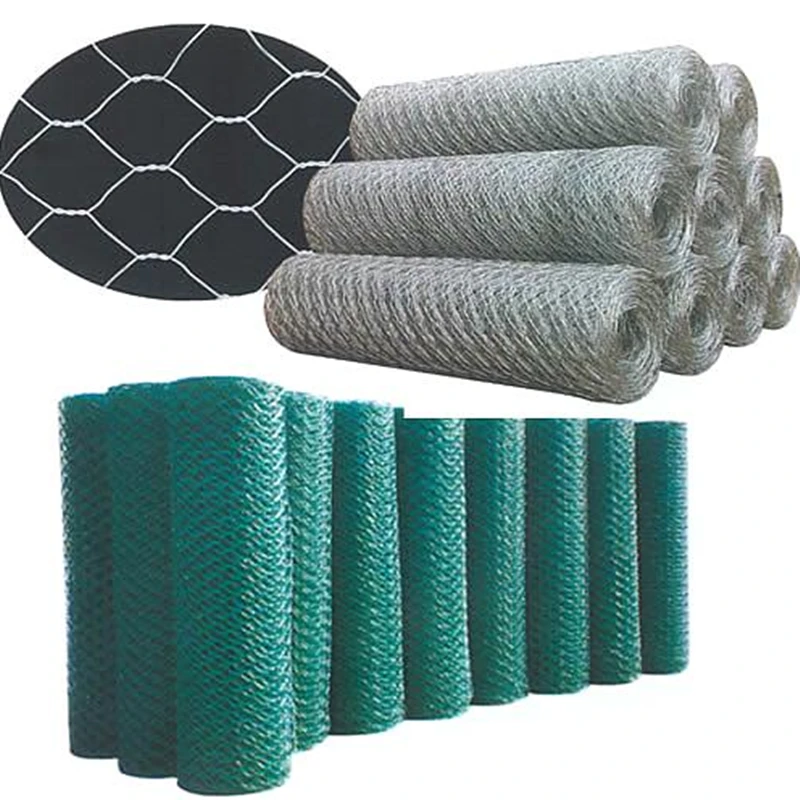
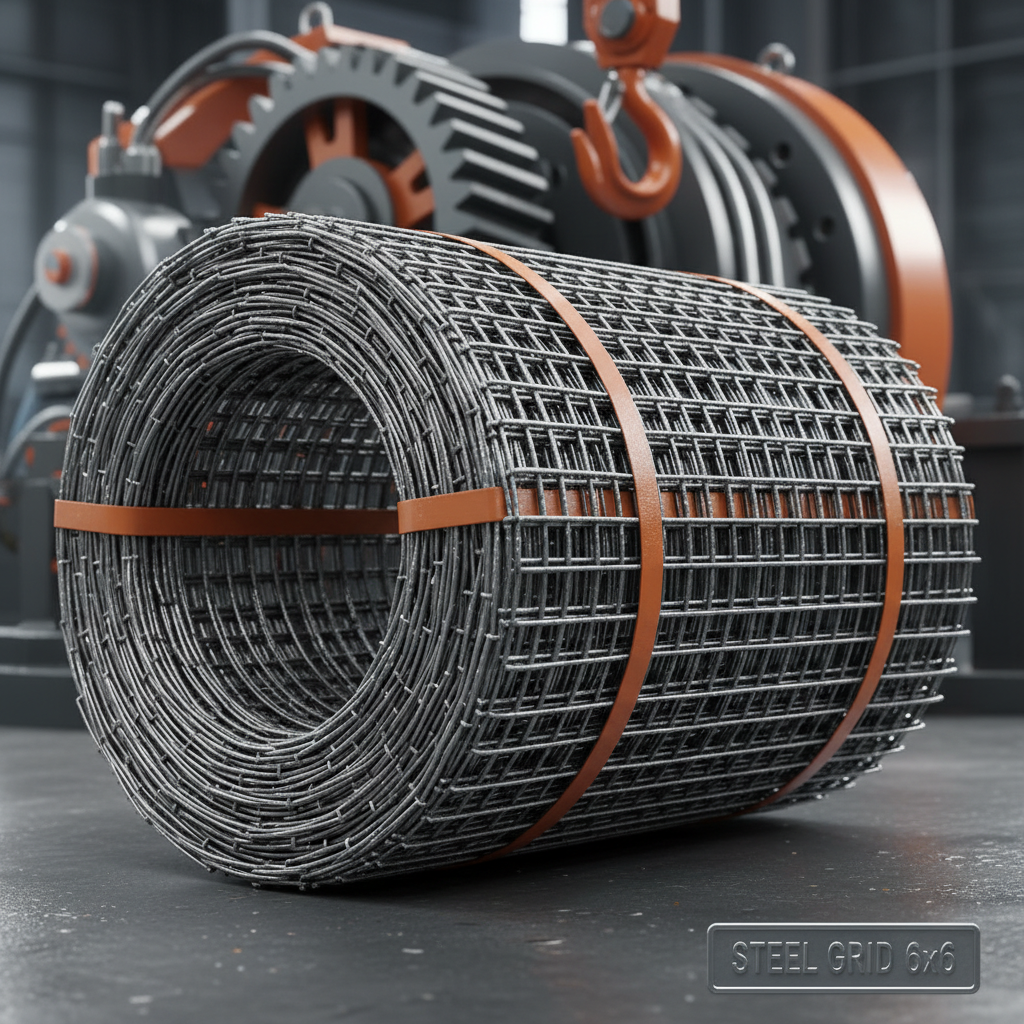
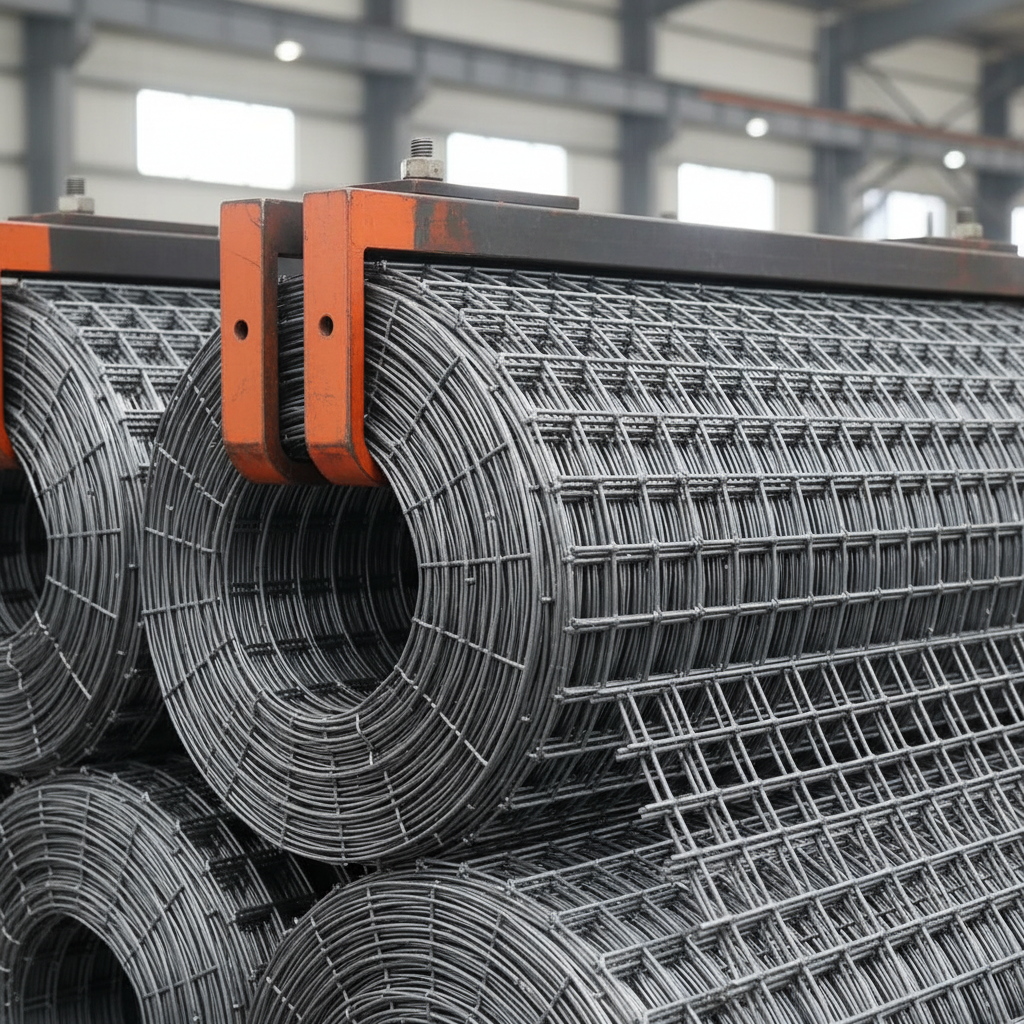
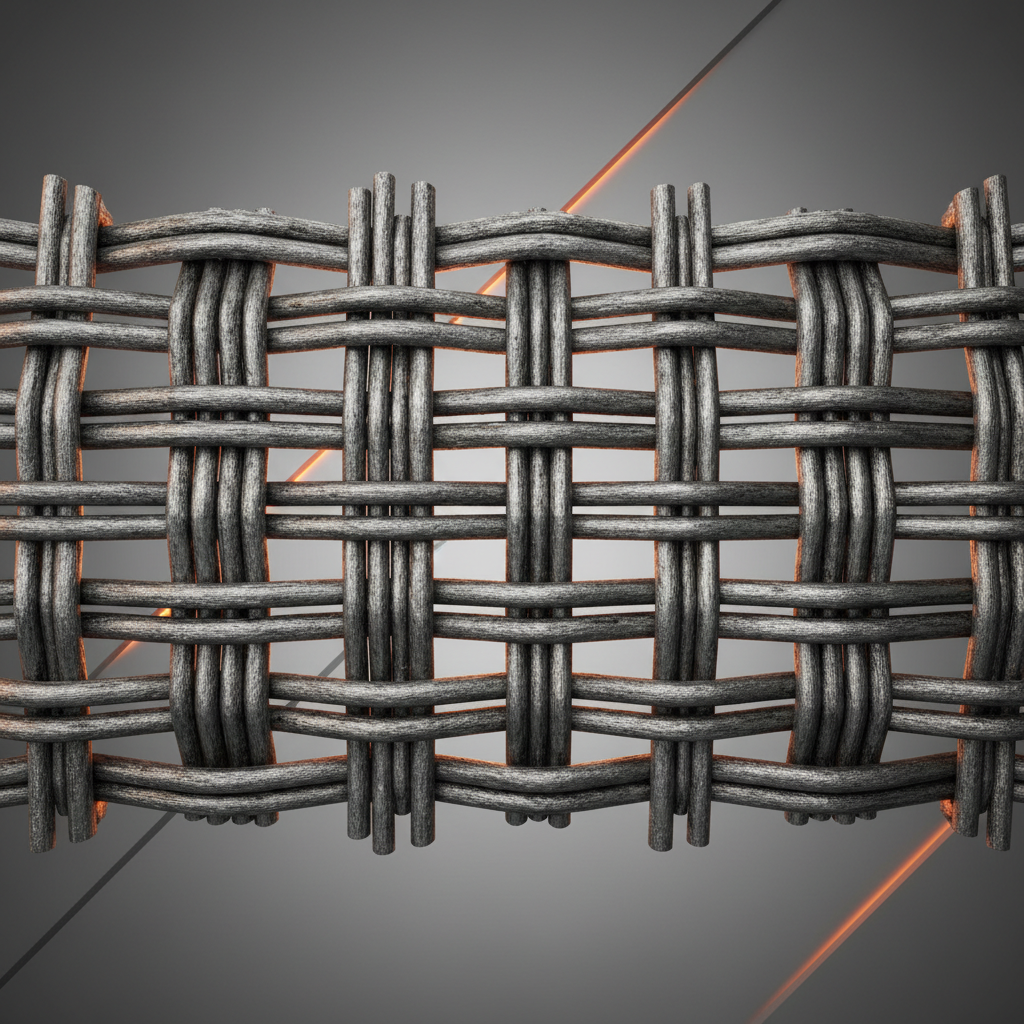
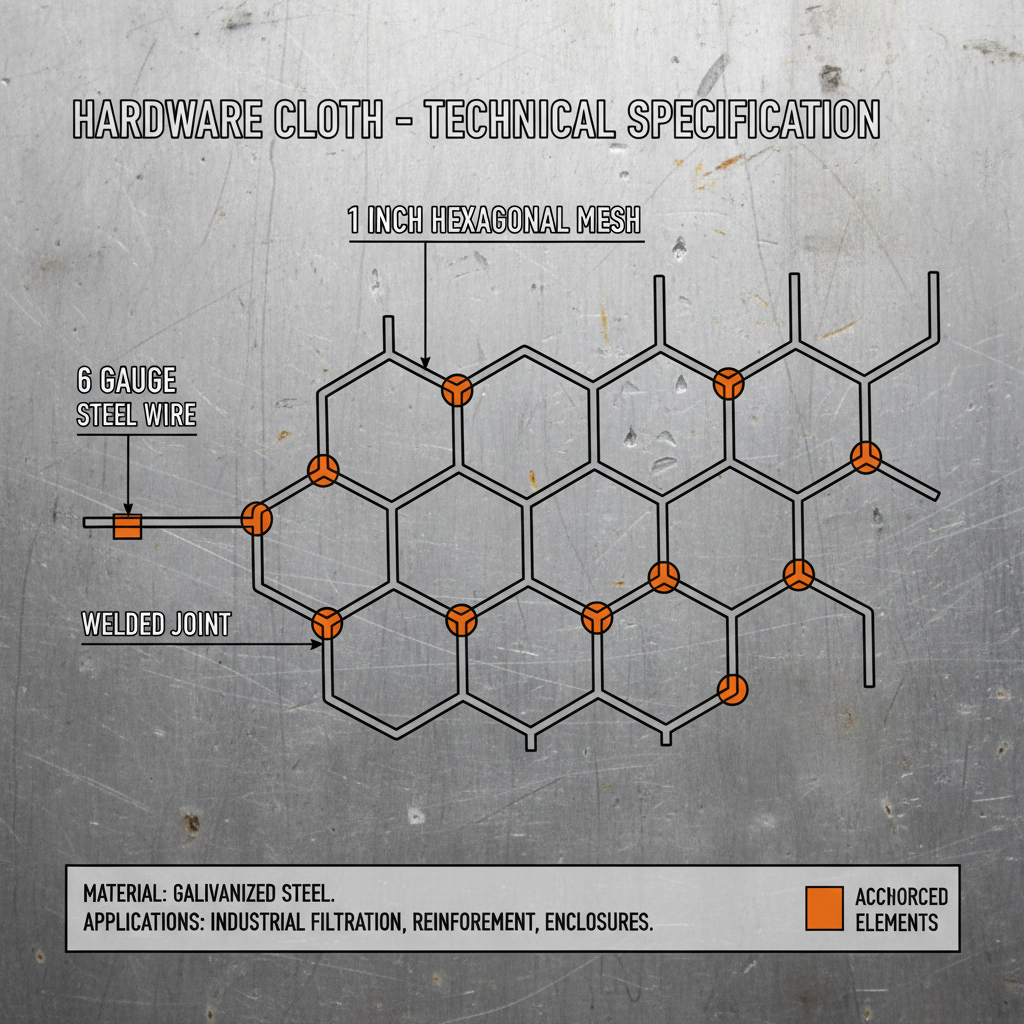
In simple terms, railing wire mesh is a grid or network of wires designed and woven or welded to create panels or sheets used as protective barriers on staircases, balconies, industrial platforms, or even playgrounds. It combines transparency with strength, allowing visibility and airflow but preventing falls or unauthorized access.
This seemingly straightforward product intersects with modern industrial needs, architecture, and even humanitarian fields. For instance, NGOs installing temporary fencing after natural disasters deploy wire mesh sections quickly to cordon off dangerous zones or stabilize refugee shelters. That versatility makes it much more than just “wire.”
Key Factors Behind Railing Wire Mesh
Durability and Longevity
Most railing wire mesh is galvanized or stainless steel, which resists rust and corrosion. In coastal regions or industrial plants exposed to chemicals, this means fewer replacements and less downtime. Frankly, nothing kills convenience faster than frequent repairs.
Scalability and Customization
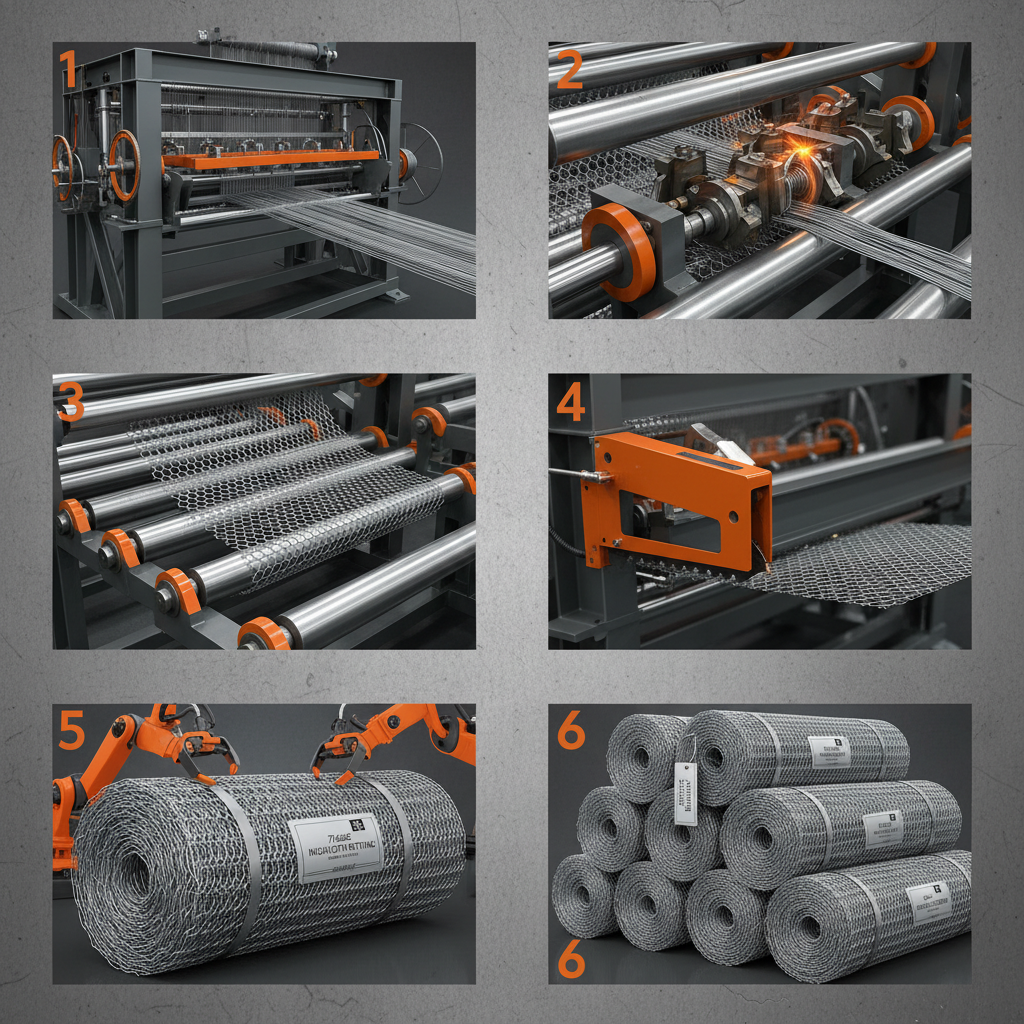
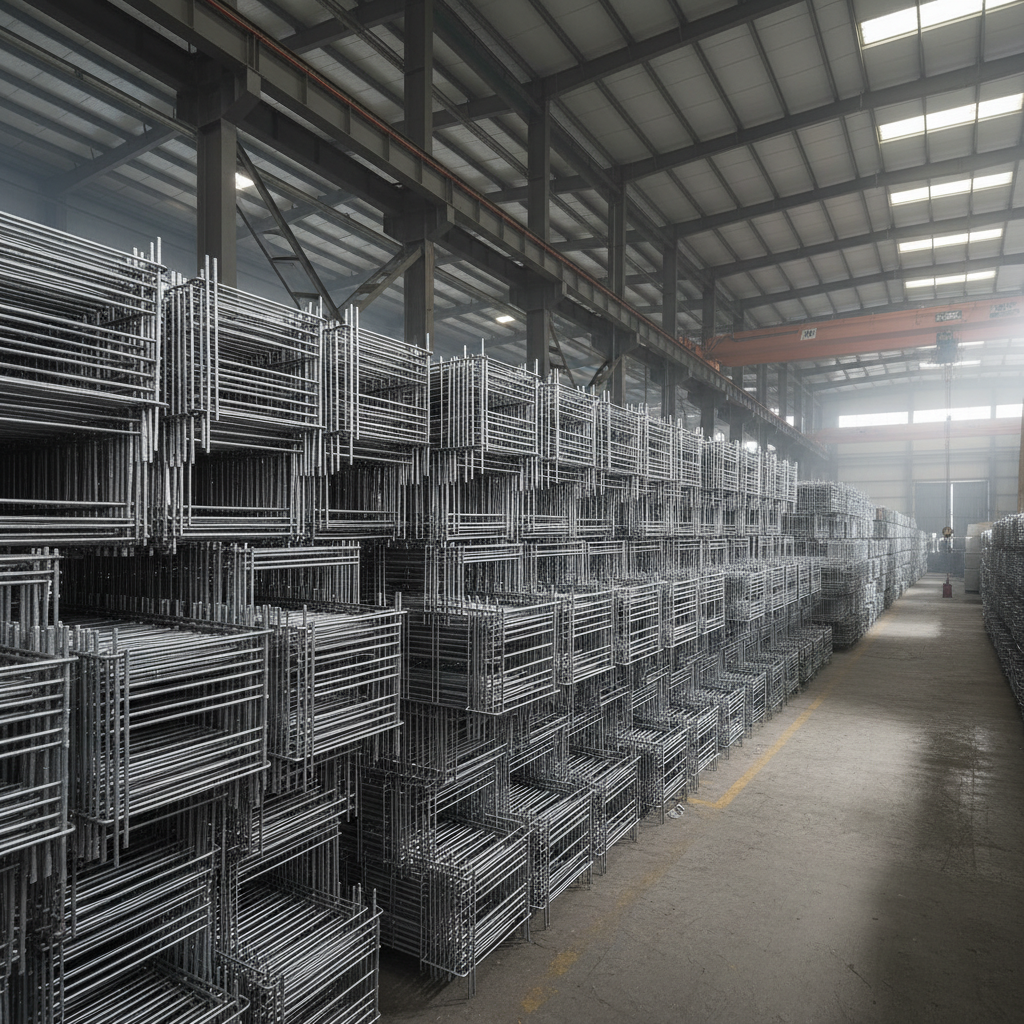
Manufacturers typically offer various mesh sizes and wire gauges to fit everything from delicate balcony railings to rugged industrial safety cages. This adaptability allows architects and engineers to customize without sacrificing code compliance or aesthetics.
Cost Efficiency
Compared to solid metal barriers, railing wire mesh uses less material, making it cost-effective while still meeting safety standards. The installation is also lighter and simpler, saving time — which, in construction, literally translates to money.
Aesthetic Appeal
With advances in design, wire mesh now integrates with modern architectural styles, offering transparency that bulky metal panels can’t. It allows light and air flow without compromising safety — a balance many designers appreciate when creating inviting public spaces.
Compliance and Safety Standards
Railing wire mesh products generally meet rigorous international standards, like those of OSHA or the European EN standards, to ensure they effectively prevent falls without sharp edges or gaps too large for a child’s head to pass through.
Global Applications & Use Cases of Railing Wire Mesh
- Urban infrastructure: In densely populated cities — whether New York, Tokyo, or Mumbai — wire mesh railings safely guide foot traffic on bridges, staircases, and balconies.
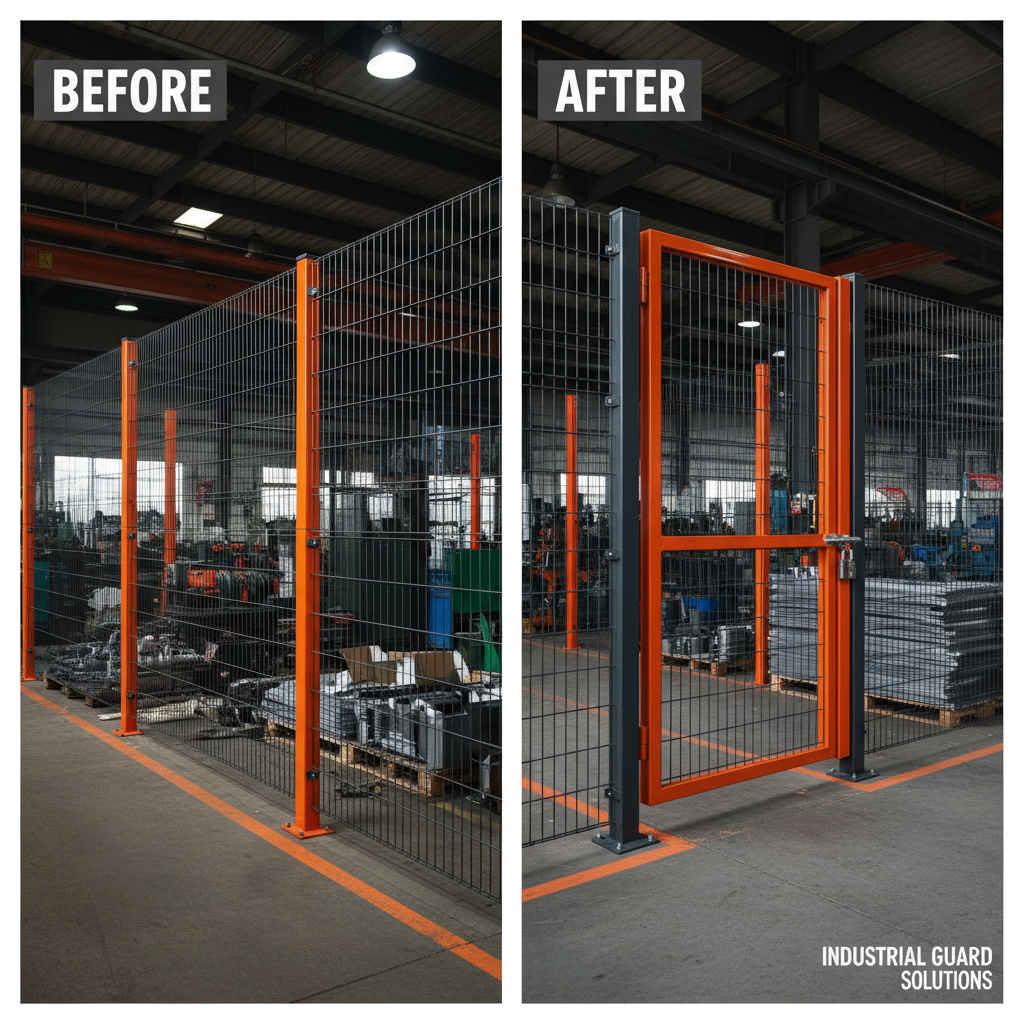
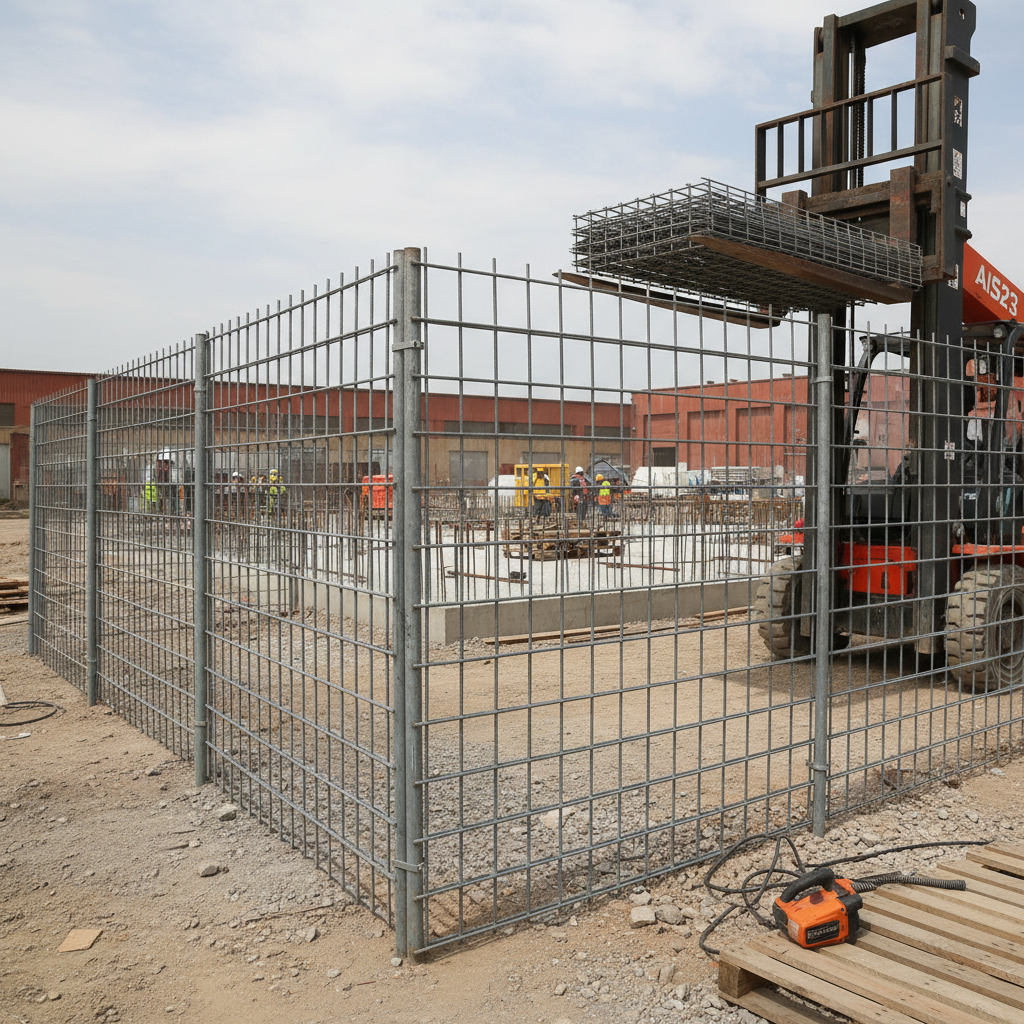
- Industrial safety: Factories use durable metal mesh panels on mezzanines or machine guards to protect workers while maintaining sightlines and airflow.
- Humanitarian relief: Emergency shelters after earthquakes or floods often utilize wire mesh fencing for fencing and storage enclosures due to ease of transport and installation.
- Transportation hubs: Airports and train stations rely on wire mesh barriers for crowd control that’s secure but not visually oppressive.
In remote mining camps or dangerous construction sites, this fencing protects workers while ensuring rapid setup — a blend of efficiency and reliability.
Advantages and Long-Term Value
Owning or specifying railing wire mesh means investing not only in safety but also in sustainability and trustworthiness. Emotionally, people feel safer with visible but secure boundaries. Logically, reducing accident risk lowers liability and insurance costs. Green manufacturing techniques now reduce the environmental footprint of wire mesh production, which appeals to forward-looking organizations.
Moreover, it’s tactile and functional; it invites trust without feeling suffocating — that is a rare quality in barriers. Over the years, you’ll notice less wear, easier cleaning, and a generally more pleasant environment for all stakeholders.
Future Trends & Innovations
The future of railing wire mesh looks bright and a bit tech-savvy. We’re seeing integration with smart sensors that detect pressure or movement for security alerts. New composite materials, including lighter alloys and polymer-coated meshes, aim to combine durability with decreased weight and enhanced corrosion resistance.
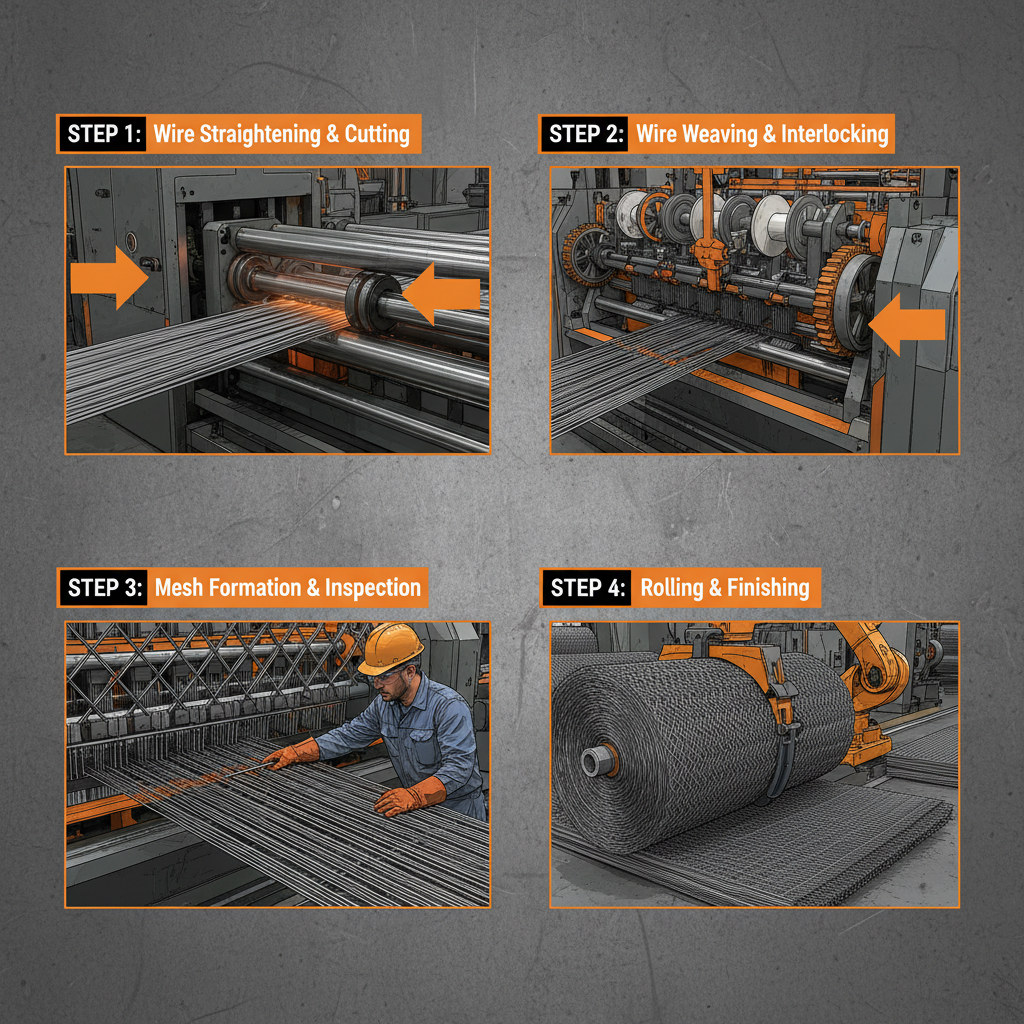
Additionally, sustainable production practices embracing recycled metals and low-impact galvanizing are becoming industry standards. Automation in manufacturing ramps up precision, enabling even more custom designs at scale.
Challenges & Solutions
Like any material, railing wire mesh has its downsides — fading finishes under harsh sun, occasional deformation under heavy impact, or installation errors compromising safety. Yet, solutions abound:
- Advanced coatings resist UV and chemical damage.
- Improved wire alloys offer higher tensile strength.
- Modular installation systems simplify repairs and replacement parts.
- Online resources and professional training help installers avoid mistakes that reduce mesh effectiveness.
Many engineers advocate regular inspection routines to catch issues early — nothing fancy, but tremendously effective.
Quick FAQ: Railing Wire Mesh
- What types of wire mesh are best for outdoor railings?
- Typically, galvanized steel and stainless steel meshes are preferred outdoors due to their excellent rust and corrosion resistance. Coatings like PVC add another layer of protection.
- How is railing wire mesh customized to different safety standards?
- Manufacturers adjust wire thickness, mesh aperture size, and panel dimensions to comply with local safety codes, such as OSHA or European EN norms.
- Can railing wire mesh be used in seismic zones?
- Yes, when properly installed with flexible fittings and quality materials, wire mesh railings withstand earthquakes better than rigid barriers due to their slight give.
- Is railing wire mesh environmentally friendly?
- Increasingly so. Many manufacturers incorporate recycled steel and eco-friendly galvanization processes, reducing carbon footprint while maintaining strength.
Product Specifications Table
| Specification | Standard Mesh | Heavy Duty Mesh |
|---|---|---|
| Wire Material | Galvanized Steel | Stainless Steel 316 |
| Mesh Size | 50 x 50 mm | 25 x 25 mm |
| Wire Diameter | 2.5 mm | 4 mm |
| Finish | Hot-dip Galvanized | Electropolished |
| Typical Applications | Residential, Commercial | Industrial, Coastal Areas |
Vendor Comparison Table
| Vendor | Material Quality | Customization Options | Delivery Time | Price Range |
|---|---|---|---|---|
| SteelGuard Co. | High-grade Galvanized | Moderate | 2-4 weeks | $$$ |
| MeshPro Ltd. | Stainless Steel Options | Extensive | 3-5 weeks | $$$$ |
| Global Mesh Inc. | Standard Galvanized | Basic | 1-3 weeks | $$ |
Mini Takeaway
Railing wire mesh is part of the quiet backbone that supports safe, functional, and attractive spaces worldwide. Its blend of durability, cost-effectiveness, and aesthetic appeal make it indispensable across industries and geographies.
Conclusion and Call to Action
To sum up, railing wire mesh offers lasting safety, economic value, and adaptability that reflect the best of modern engineering solutions. Whether you’re an architect, industrial safety officer, or humanitarian coordinator, it’s a material you want on your radar.
Explore more about the latest innovations and sourcing options at railing wire mesh. They offer a broad range of customizable, high-performance wire mesh solutions to fit your project’s unique needs.
References & Further Reading
In real terms, next time you lean on a railing mesh panel, you might pause to appreciate the engineering and global collaboration behind that simple wire. It’s kind of inspiring, actually.