Understanding Small Hole Chicken Wire Mesh: A Global Perspective
Small hole chicken wire mesh, despite its humble name, plays a surprisingly pivotal role in numerous industries worldwide. Whether securing small livestock, protecting delicate horticulture, or reinforcing construction sites, this mesh type offers a versatile, cost-effective solution. Globally, its significance extends beyond mere fencing — it embodies efficiency, sustainability, and adaptability in rapidly changing environments.
Why does it matter? Especially in a world conscious of resource management and sustainable agriculture, knowing the utility of small hole chicken wire mesh helps stakeholders—from farmers to architects—make informed decisions. Amid climate challenges and urban expansion, its durable yet lightweight nature provides critical support. We’ll dig into what makes these tiny apertures so indispensable and how their applications ripple across continents and sectors.
Global Context and Industry Relevance
The market for wire mesh products, including small hole chicken wire mesh, shows steady growth. According to data from the ISO and the World Bank, demand is rising in agricultural and infrastructure developments, especially in emerging economies of Asia, Africa, and Latin America.
Often, a challenge arises in balancing protection and ventilation. For instance, traditional wire meshes with larger holes aren’t always suitable for protecting tiny poultry or reinforcing fragile crops. Here, small hole chicken wire mesh fills a niche—offering fine mesh sizes without sacrificing airflow. It addresses a subtle but crucial problem: how to safeguard while allowing natural elements through. With increasing food security concerns and urban farming becoming a pressing priority, this product steps into the limelight.
What is Small Hole Chicken Wire Mesh?
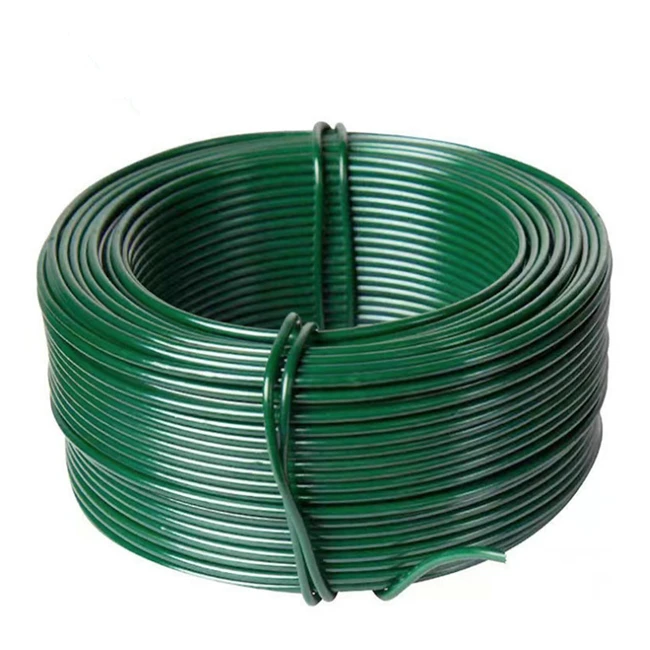
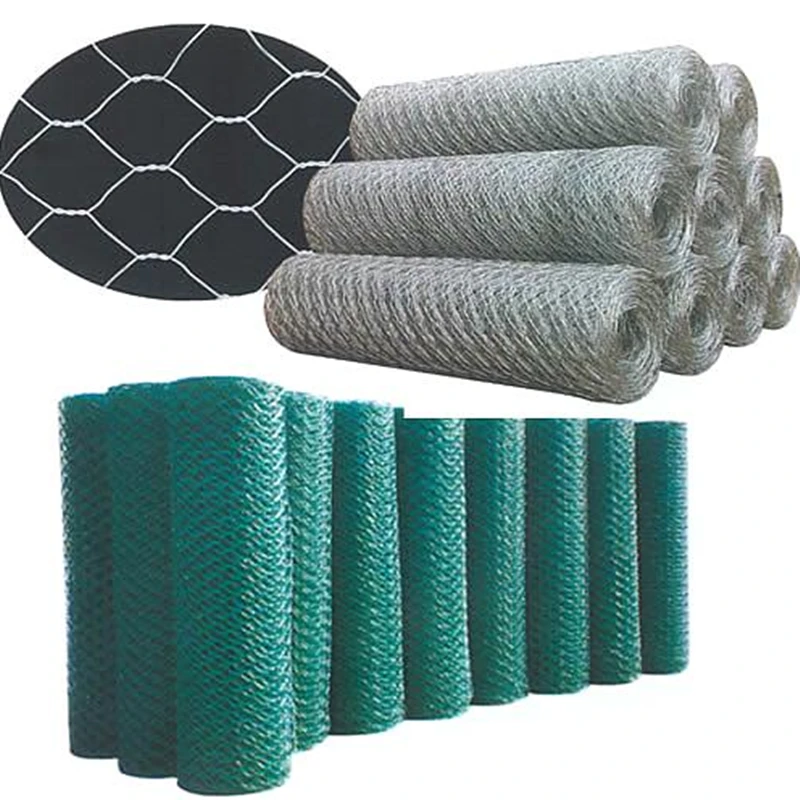
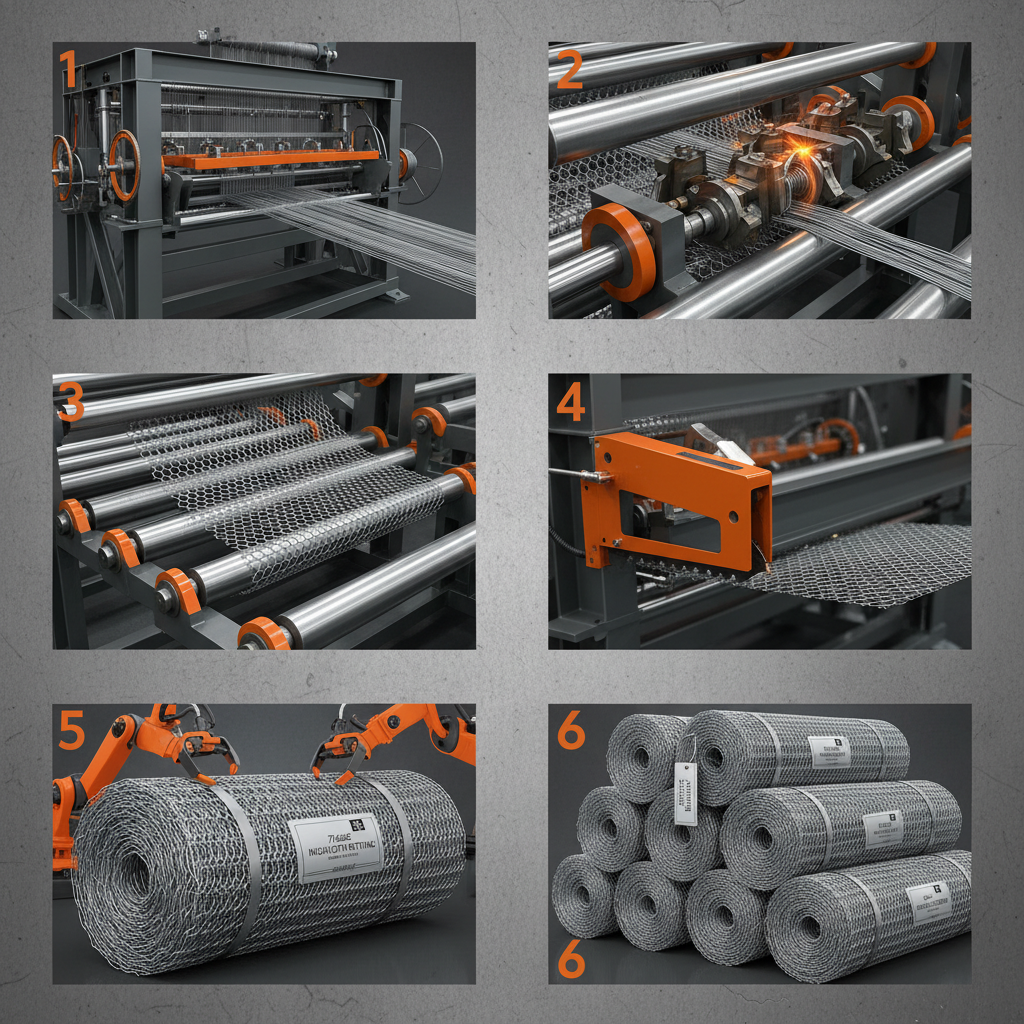
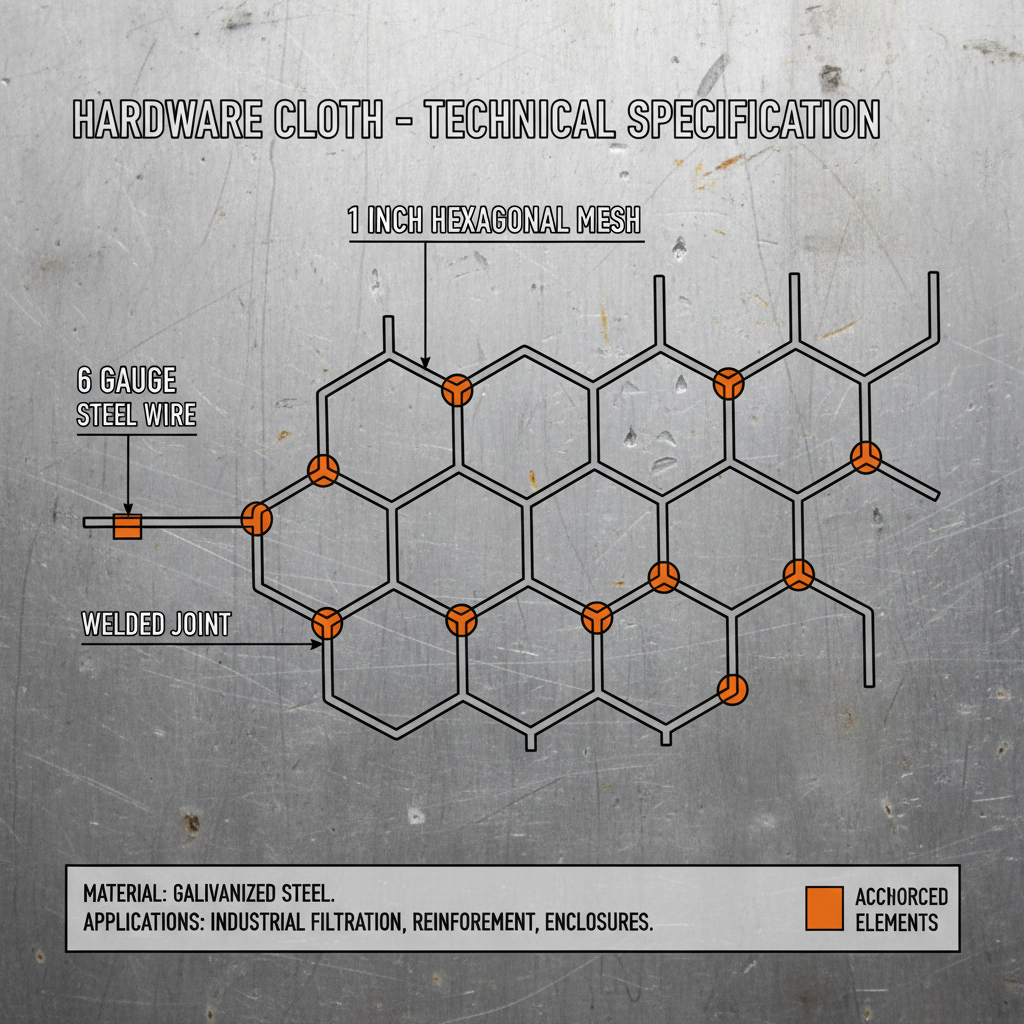
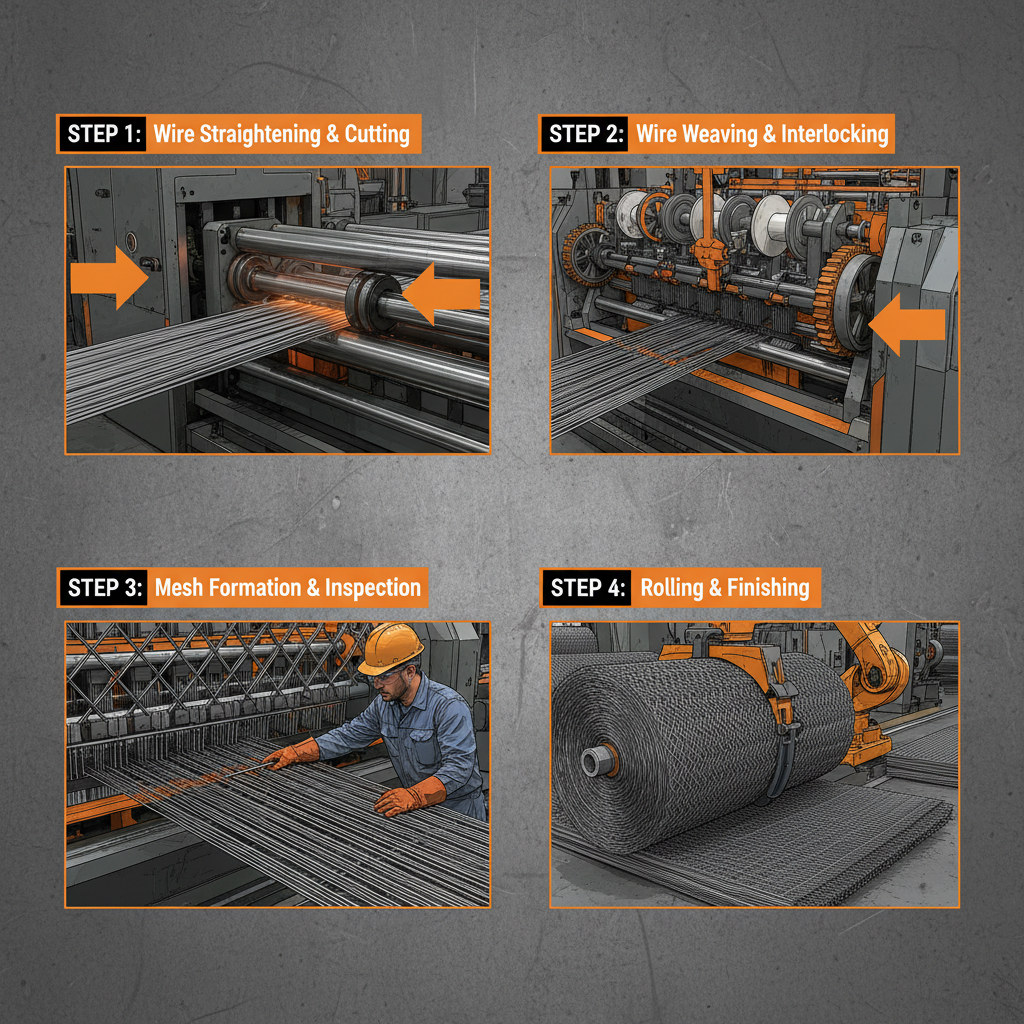
Simply put, small hole chicken wire mesh is a form of wire netting characterized by hexagonal or square holes smaller than standard chicken wire mesh dimensions, typically ranging between 12 mm to 25 mm (about 0.5 to 1 inch). It is made from galvanized or sometimes PVC-coated steel wire, which makes it resistant to corrosion and environmental wear.
The “small hole” aspect ensures smaller animals, like young chicks or rabbits, can be contained safely, or crops can be protected from tiny pests without resorting to heavy, impermeable barriers. It’s an elegant compromise between security, visibility, and breathability—qualities vital in modern agriculture, construction, and even humanitarian contexts.
Key Aspects of Small Hole Chicken Wire Mesh
Durability and Corrosion Resistance
The wire’s galvanization is crucial. It extends lifespan significantly, sometimes to over a decade in mild climates. In harsher environments, additional PVC or powder coatings improve resistance against rust, chemical exposure, or marine conditions. This durability means fewer replacements and reduced waste—important for environmentally conscious users.
Flexibility and Ease of Installation
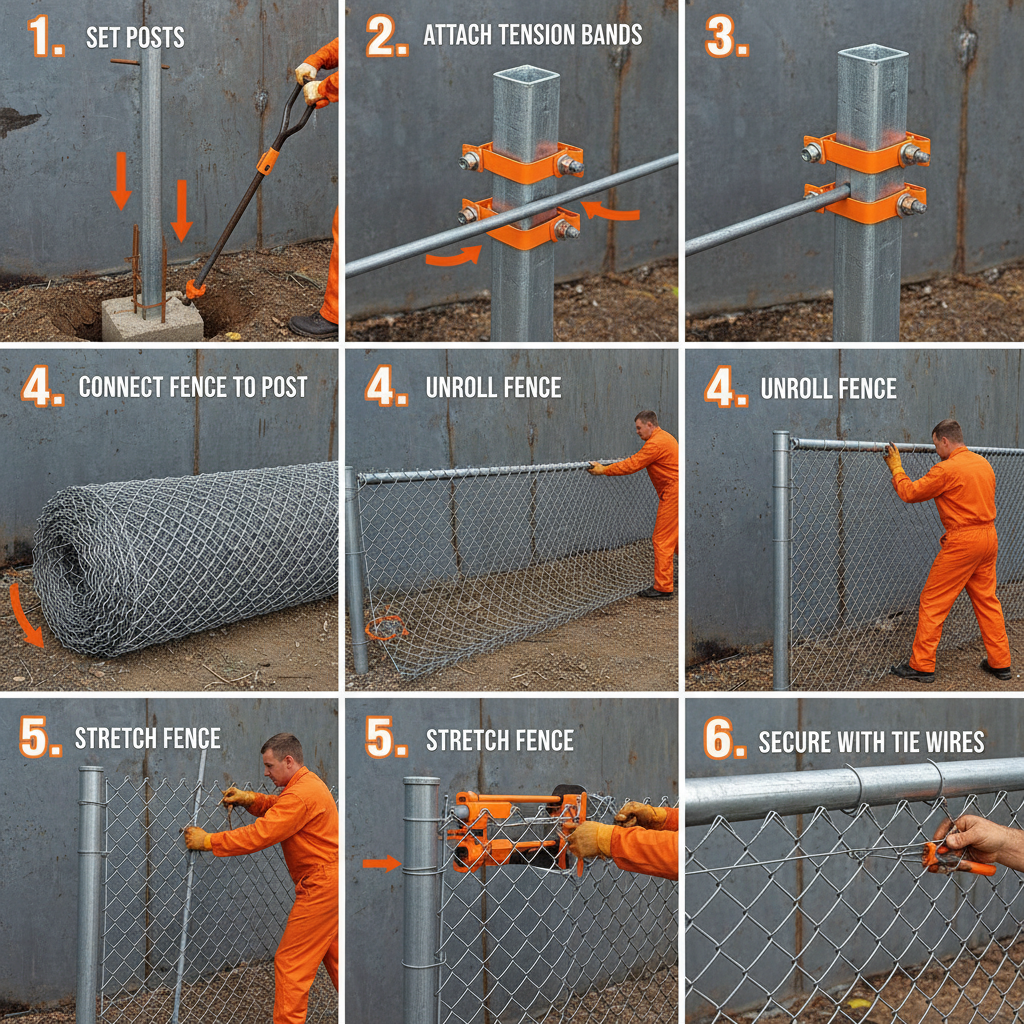
The mesh’s inherent flexibility lets it conform to curves and uneven terrains—a big plus in setting up temporary containment areas or intricate garden designs. It can be cut easily with standard wire cutters, making on-site adjustment straightforward and saving time and labor costs.
Mesh Hole Size and Safety
Choosing the right hole size within “small hole” ranges matters immensely. Smaller apertures prevent small predators from entering or young animals escaping, enhancing security in poultry farming. It also minimizes damage caused by larger birds in vineyards or orchards, showing its role beyond animal husbandry.
Cost Efficiency
Compared to welded wire meshes or solid fencing, small hole chicken wire mesh is usually cheaper without sacrificing essential protective qualities. When factoring in installation ease and longevity, it presents a compelling value proposition, especially for budget-conscious farmers and NGOs in disaster relief supply chains.
Common Specifications of Small Hole Chicken Wire Mesh
| Specification | Details |
|---|---|
| Material | Galvanized Steel, PVC Coated Steel |
| Hole Size | Between 12 mm and 25 mm (0.5–1 inch) |
| Wire Gauge | 20 – 24 gauge (0.5 – 0.9 mm) |
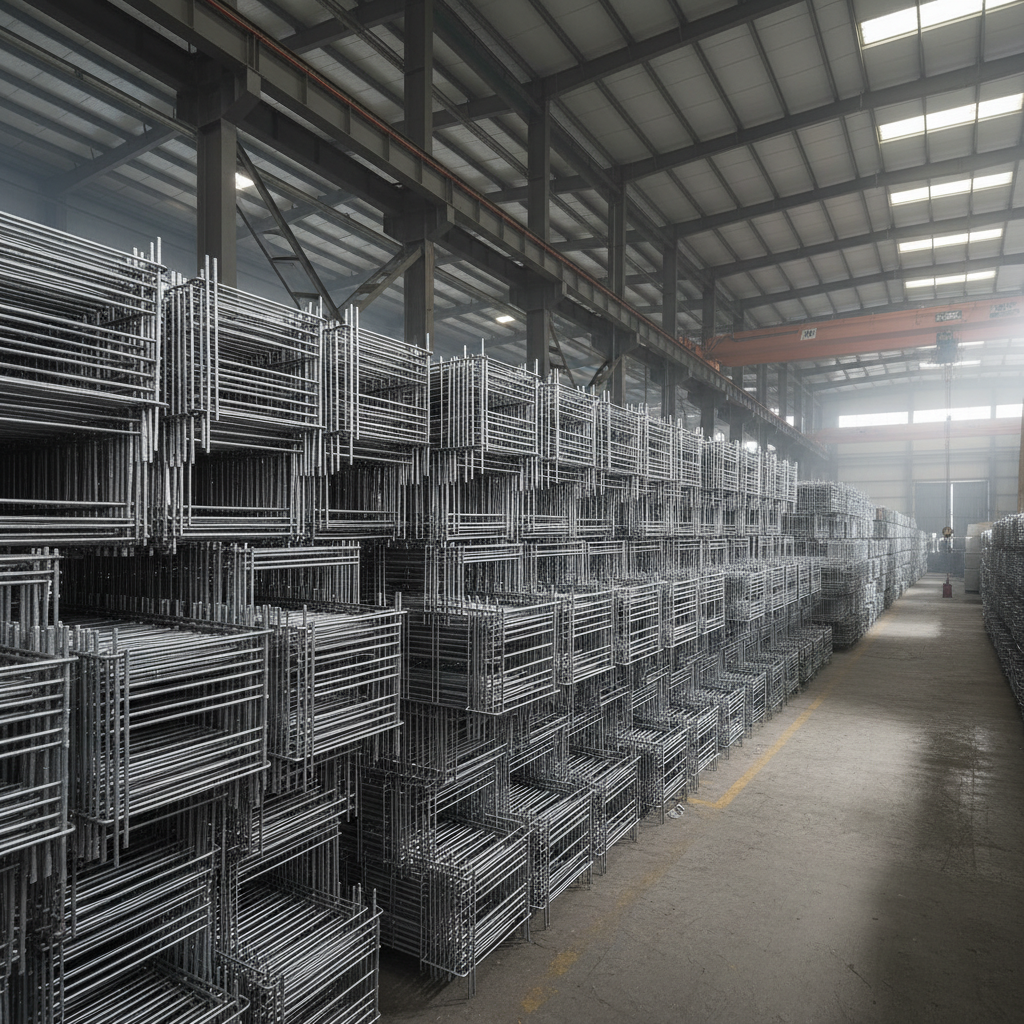
| Roll Length | Typically 25 – 50 meters |
| Roll Width | 0.5 – 1.2 meters |
Who Uses Small Hole Chicken Wire Mesh—and How?
Its applications span quite a range:
- Agriculture: Protecting young poultry, rabbits, and other small animals from escape or predators. Also used for crop protection from birds and small mammals.
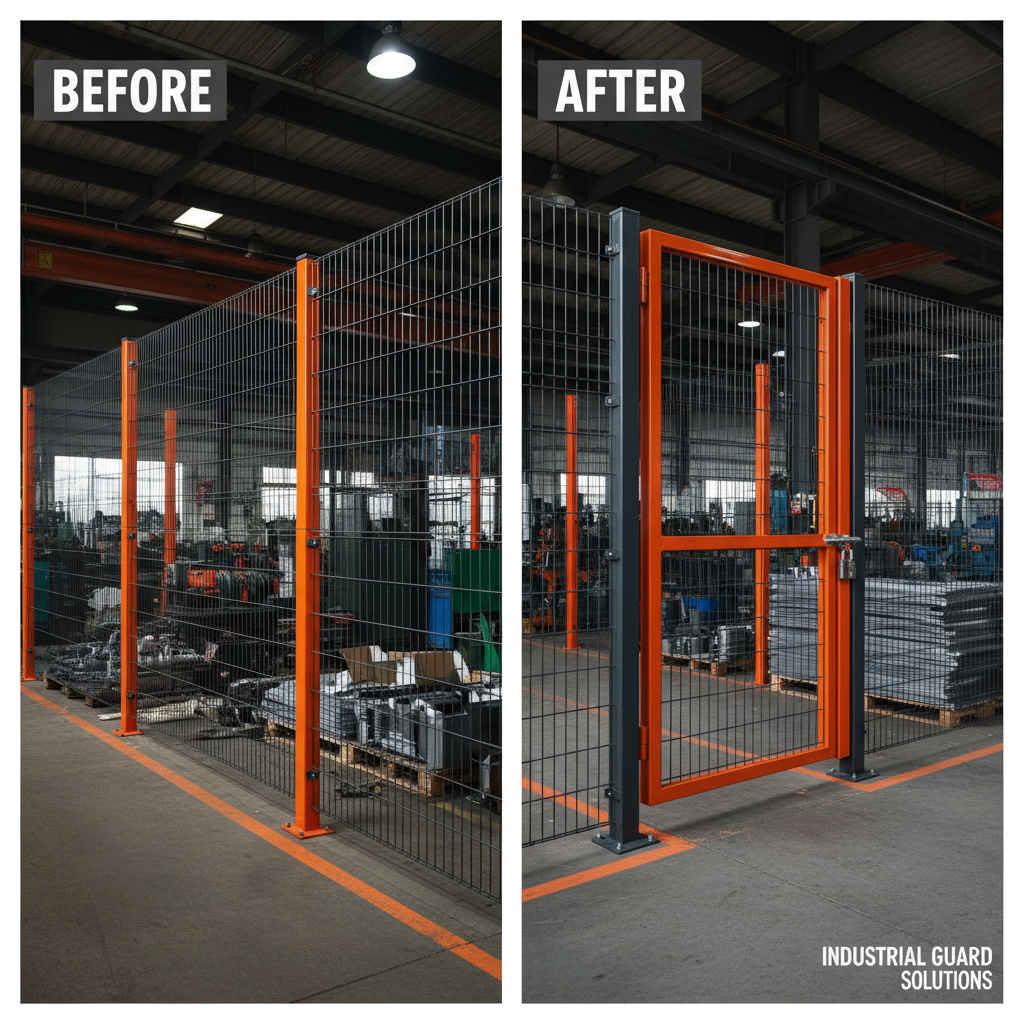
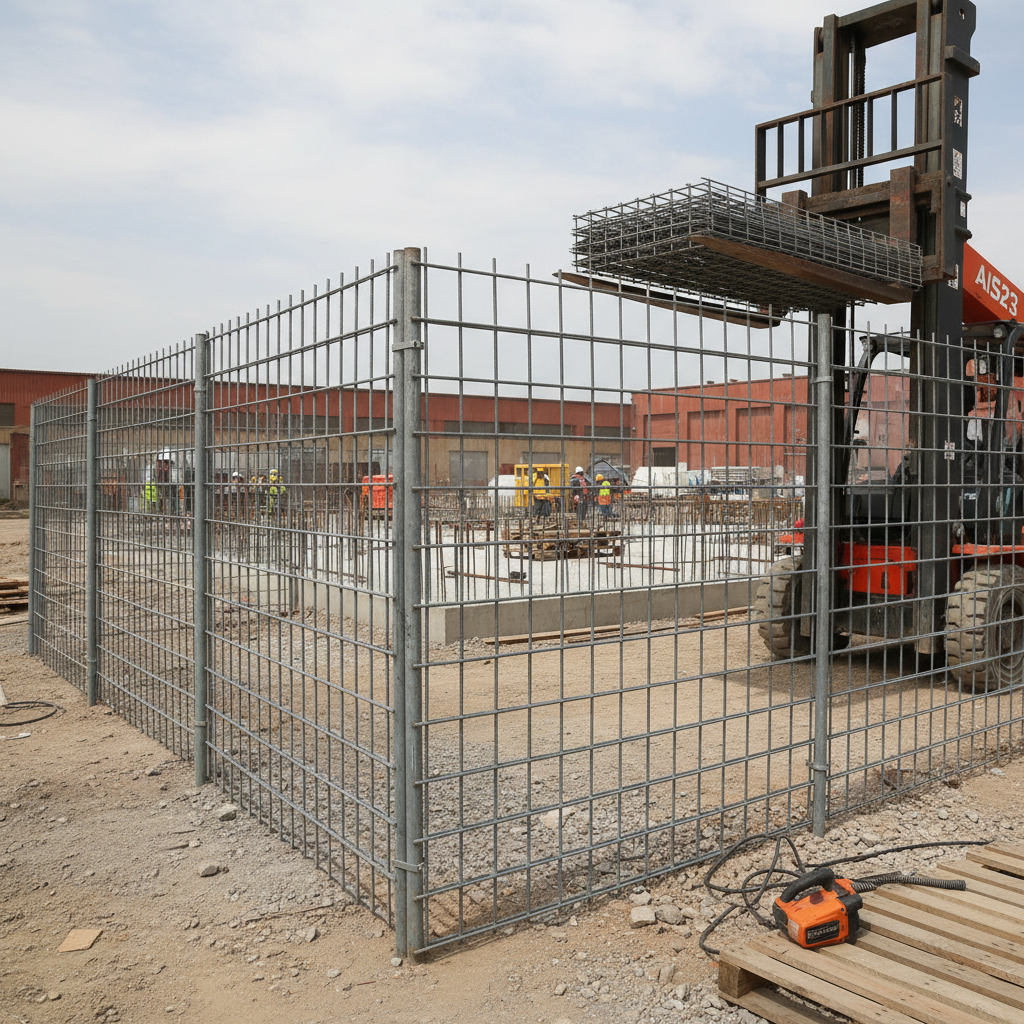
- Construction: As reinforcement for plaster or stucco, or as safety fencing on sites where debris or animals must be contained.
- Humanitarian Relief: Temporary animal enclosures in rural and disaster zones. Lightweight and easy to ship, it suits rapid deployment needs.
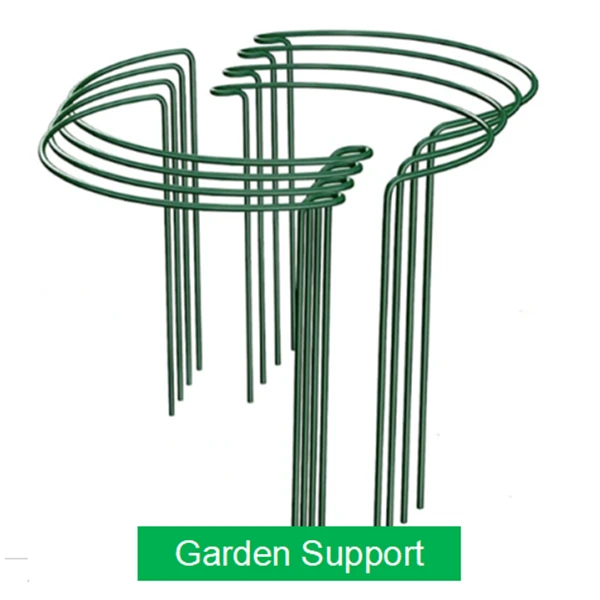
- Horticulture & Gardening: Trellis support, garden fencing, and to safeguard new plantings.
Notably, in East African communities rebuilding after floods, local NGOs leverage small hole chicken wire mesh to rebuild poultry enclosures quickly, maintaining livestock livelihoods. In urban roof gardens in Europe, the mesh’s small aperture ensures delicate seedlings are protected from pigeons and sparrows without blocking sun or air.
Vendor Comparison: Leading Suppliers of Small Hole Chicken Wire Mesh
| Feature | Lanye Wire Mesh | MeshCorp | Global Wire Supplies |
|---|---|---|---|
| Material Quality | High-grade galvanized & PVC coating | Standard galvanized | Galvanized, variable quality |
| Customization Options | Custom hole sizes and coatings | Limited | Yes, but MOQ applies |
| Price | Competitive (best value) | Moderate | Higher-end |
| Shipping & Logistics | Global with expedited options | Regional | Global, slower |
| Customer Support | 24/7 technical & sales support | Business hours only | Limited |
Advantages & Long-Term Value
Reflecting on the benefits of small hole chicken wire mesh, you notice its blend of utility and sustainability. It’s not just about fencing in animals but fostering safe communities — livestock welfare translates to food security and economic stability. Users often praise its reliability under tough conditions, and frankly, it feels reassuring to depend on a mesh that won’t rust or collapse after a season.
Moreover, its longevity and low-maintenance nature reduce overall costs and environmental footprint. Socially, it restores dignity to rural farmers who can protect their investments, and innovatively, it supports urban gardeners who want greener cities. In short: it’s a small product with a big impact.
Future Innovations & Trends
Curiously, the future of small hole chicken wire mesh looks greener and smarter. Manufacturers experiment with biodegradable coatings that dissolve harmlessly after years, aligning with circular economy goals. Digital transformation is creeping in — some advanced versions embed RFID tags for tracking or combine with sensors to monitor animal movement or damage.
Additionally, rising interest in green energy and sustainability encourages researchers to develop production methods that reduce carbon emissions, recycle scrap metal, or use renewable energy sources, reflecting a broader industrial commitment to environmental responsibility.
Challenges & Expert Solutions
Of course, no product is without its quirks. For instance, very small apertures can trap dirt or reduce ventilation, which is problematic in some climates. Installation errors may undermine durability. And while coatings improve lifespan, they raise costs slightly compared to bare galvanized wire.
Experts recommend balancing mesh size against climate and purpose; for humid environments, choosing PVC-coated versions is wise. Training users on careful installation preserves mesh integrity. And sourcing from reputable suppliers ensures quality, reducing long-term headaches.
FAQ: Quick Answers on Small Hole Chicken Wire Mesh
- Q: What mesh size is best for young chicks?
A: Typically, hole sizes of 12–15 mm (about 0.5 inch) provide safe containment for chicks, preventing escapes and small predator entry, while allowing ample airflow. - Q: Can small hole chicken wire mesh be used outdoors year-round?
A: Yes, especially if coated with PVC or galvanized to resist weathering. Proper installation ensures things hold up through seasons. - Q: How can I import small hole chicken wire mesh internationally?
A: Many suppliers like small hole chicken wire mesh vendors provide global shipping and handle customs documentation, simplifying import processes for NGOs or businesses. - Q: Is this wire mesh reusable after removal?
A: Usually yes, if removed carefully. Its flexibility and durability allow repurposing for new projects, promoting sustainability.
In Conclusion
Small hole chicken wire mesh may seem like a simple tool, but in real terms, it underpins agriculture, construction, and humanitarian efforts worldwide. Its unmatched combination of durability, affordability, and flexibility offers lasting value, meeting modern needs from rural farms to urban rooftops.
Are you curious to explore options or order? Visit our website: https://www.lanyewiremesh.com and discover how small hole chicken wire mesh can secure your next project with quality and confidence.
Mini takeaway: Sometimes, the smallest holes hold the biggest importance.
References: