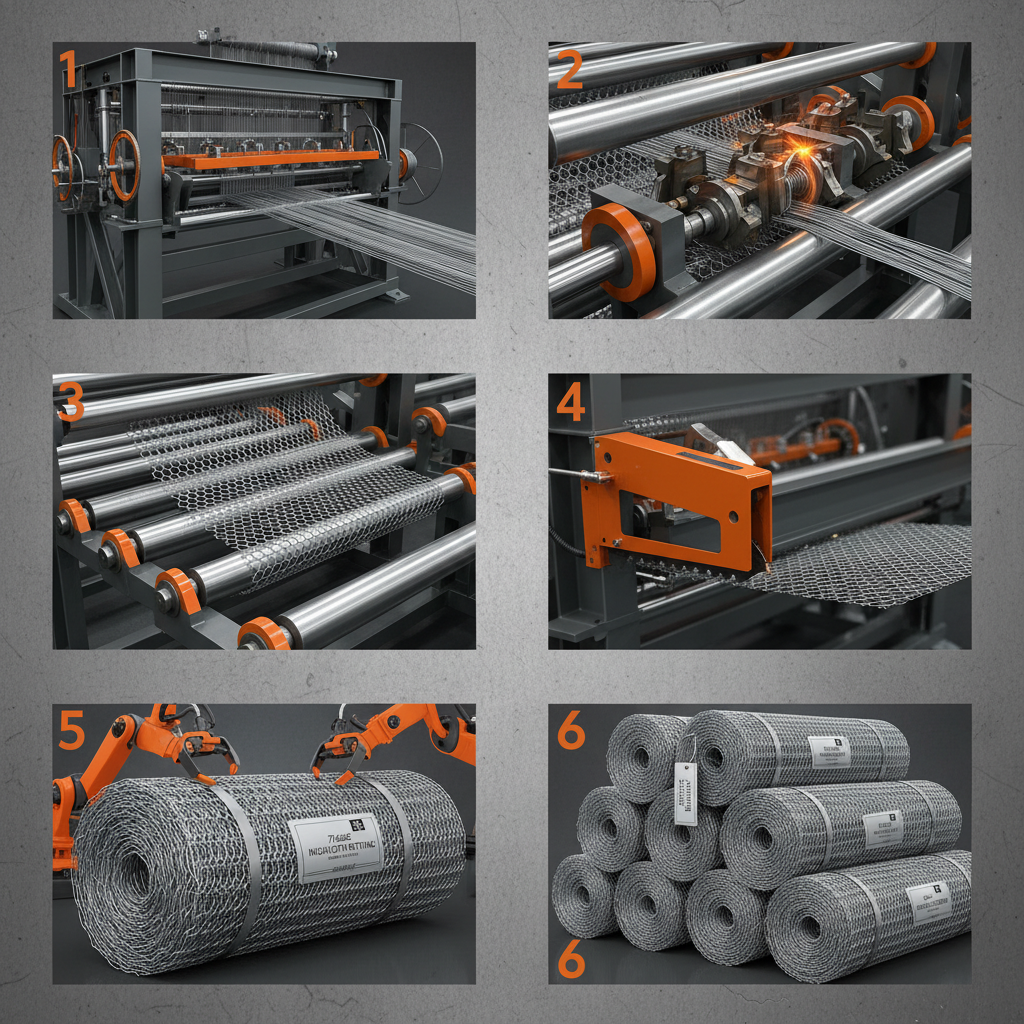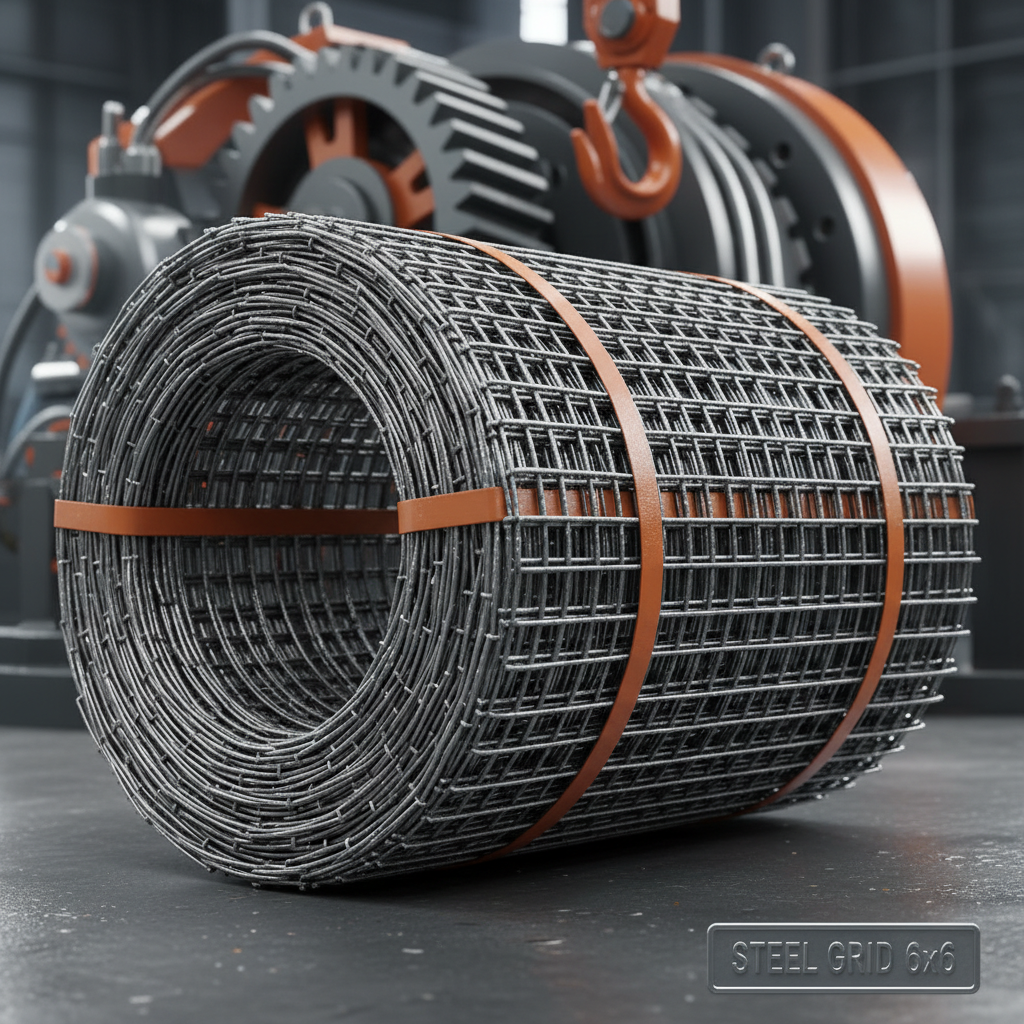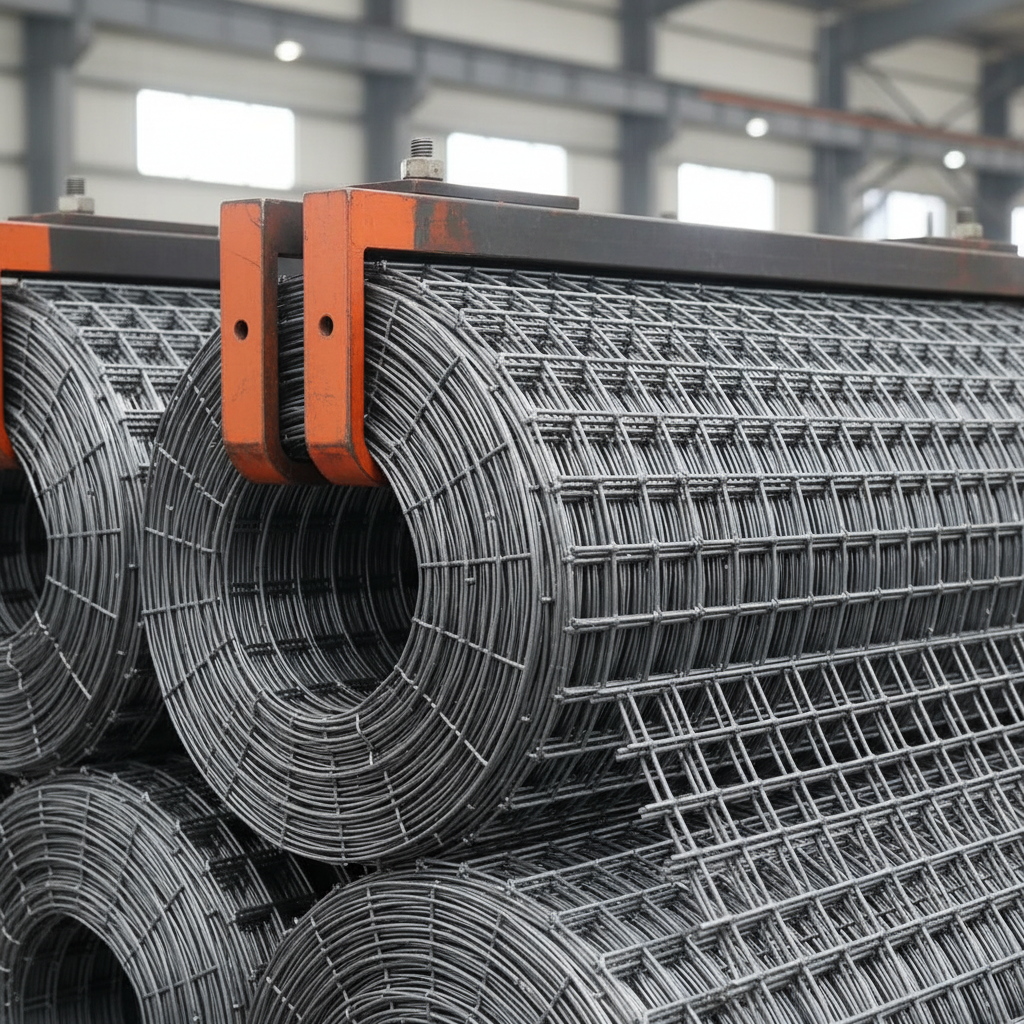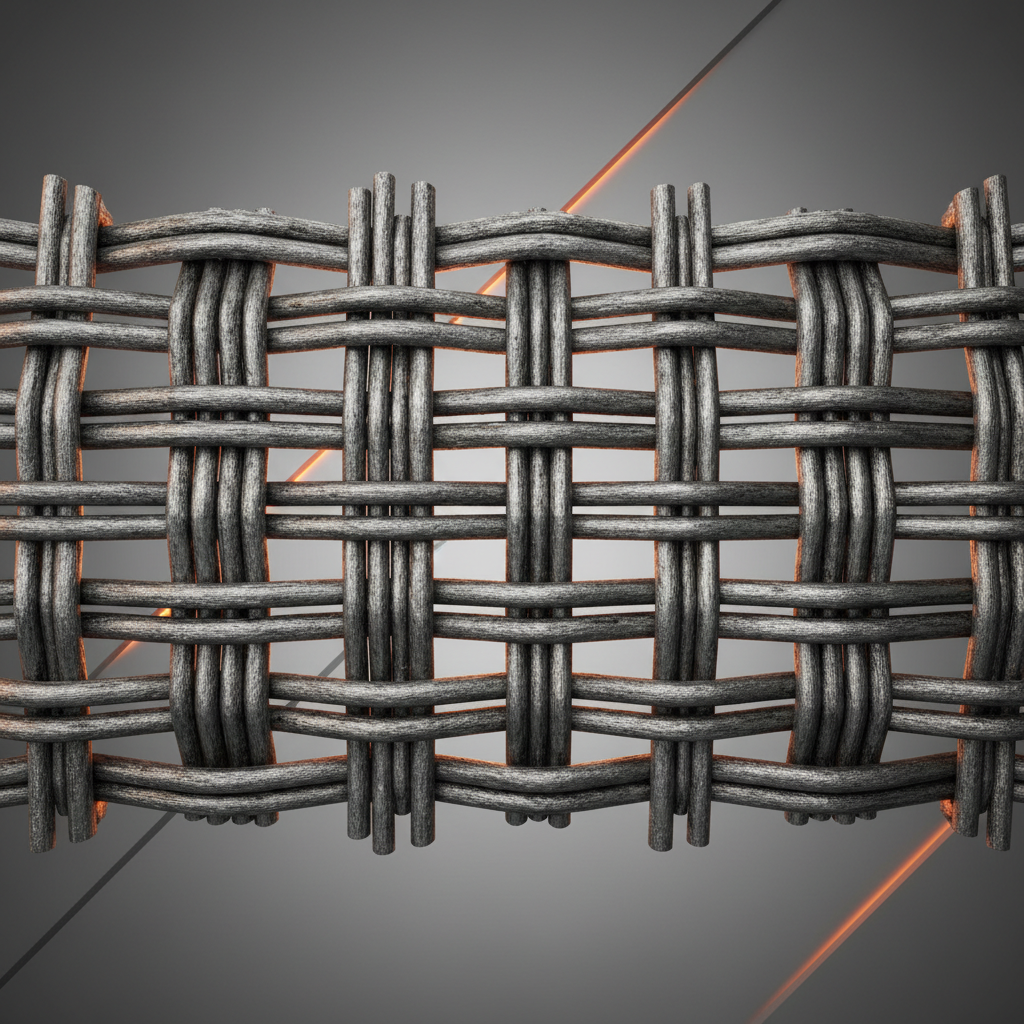
Why Choose Rabbit Netting for Your Garden: A Veteran's Perspective
Having worked in the industrial equipment sector for over a decade, I've seen a lot of materials and mesh types come and go. But when it comes to gardening—particularly protecting your precious plants from critters like rabbits—nothing quite beats rabbit netting. It’s reliable, fairly easy to install, and frankly, it just works the way you want it to.
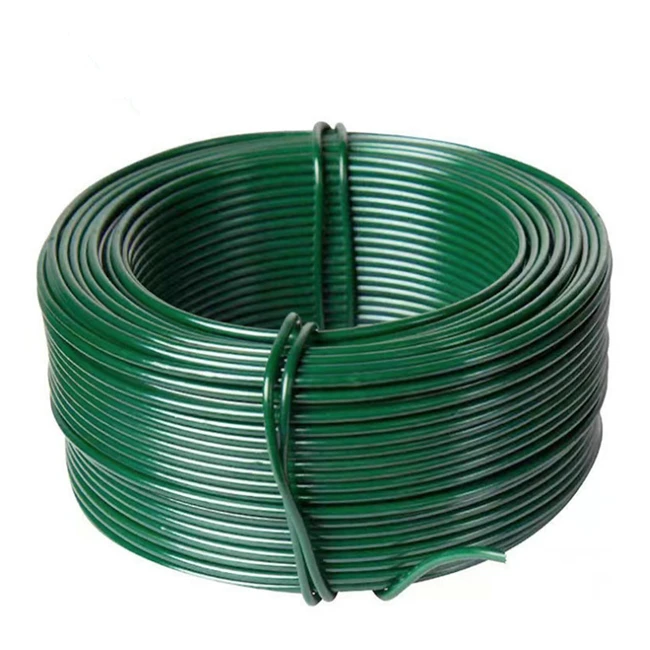
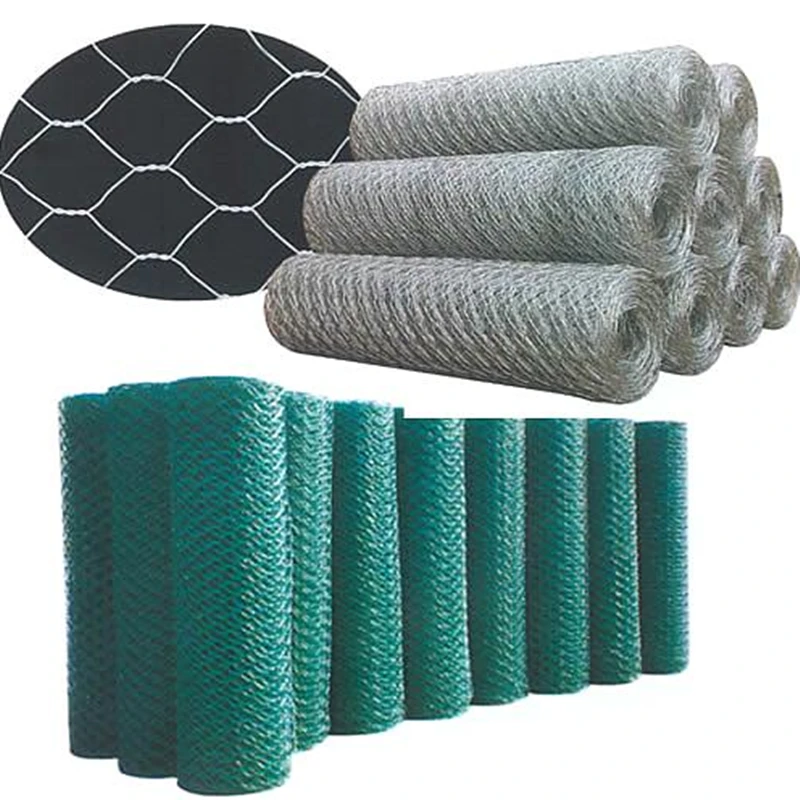
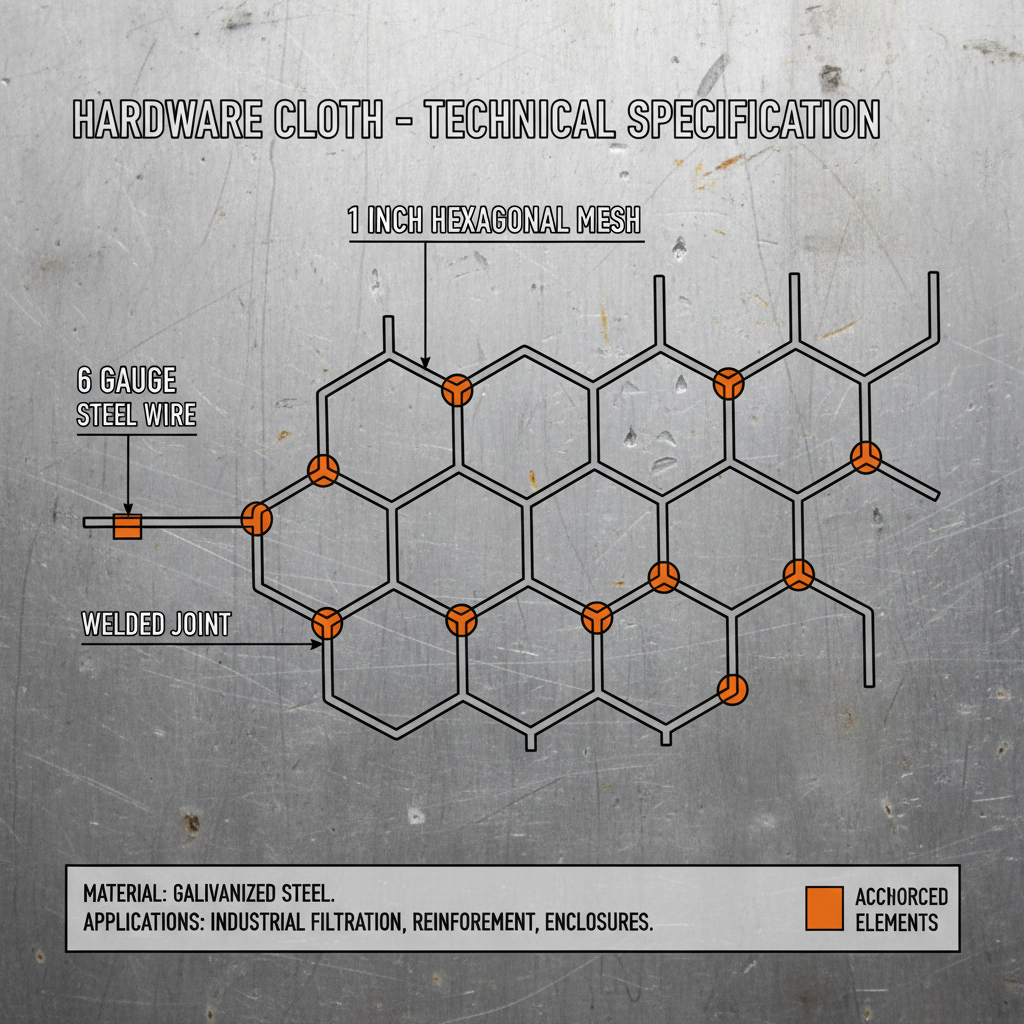
You’d think a simple netting would be straightforward, right? Oddly enough, there’s a lot more nuance to it than you’d imagine. For instance, material choice directly impacts durability and how well the mesh holds up outdoors over seasons. Many engineers I know prefer lightweight galvanized steel for its rust resistance, while others lean toward UV-stabilized plastic netting for cost-effectiveness and flexibility.
From a practical standpoint, the mesh size is also crucial. Small enough holes stop rabbits effectively but still allow sunlight, air, and rain to nourish your plants. I once saw a local gardener waste time trying a net that had holes just a tad too big—by the third week, she had a few hungry bunnies feasting away. So getting the right mesh size truly saves headaches down the line.
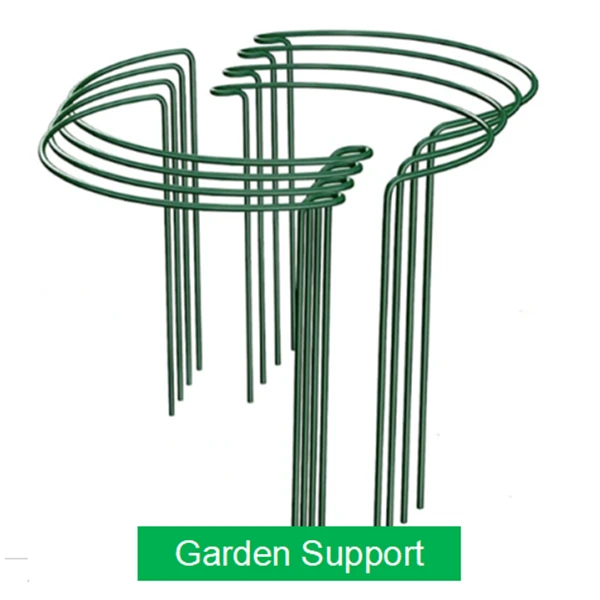
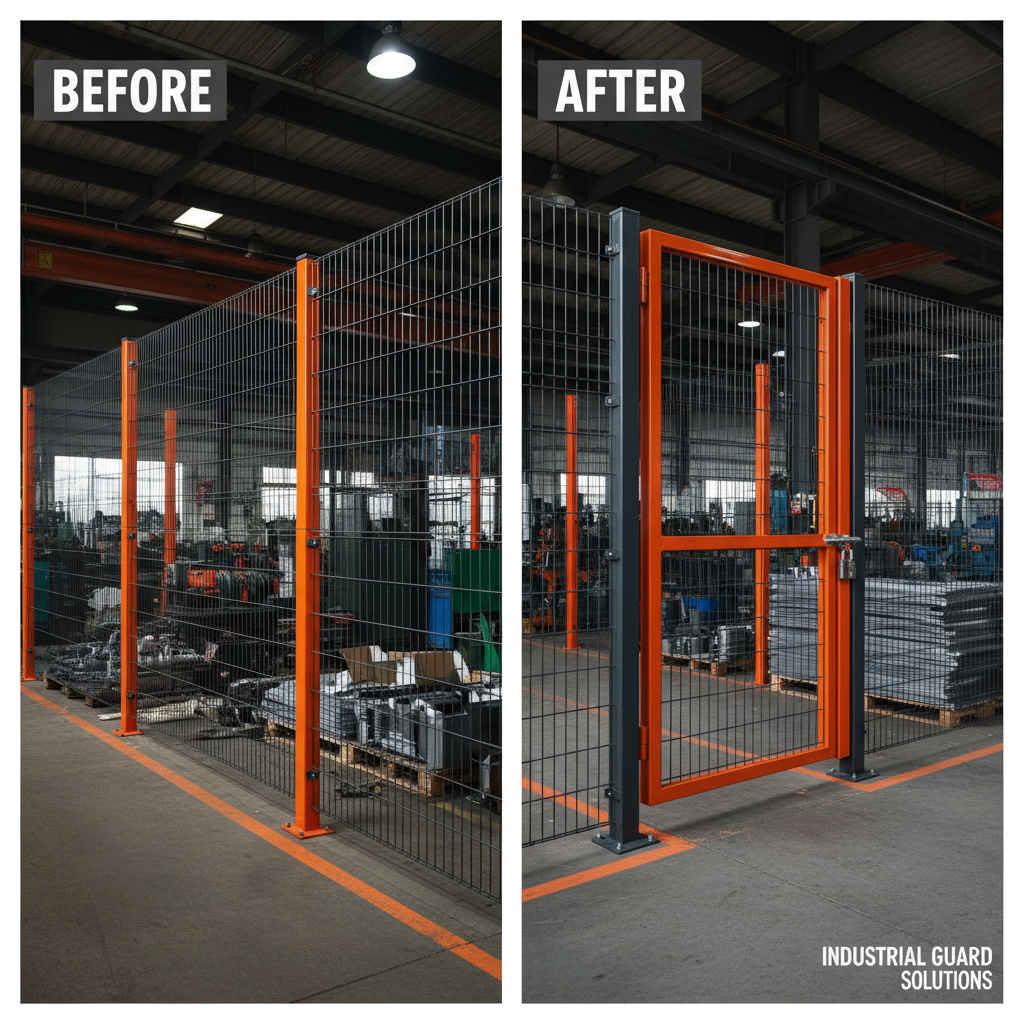
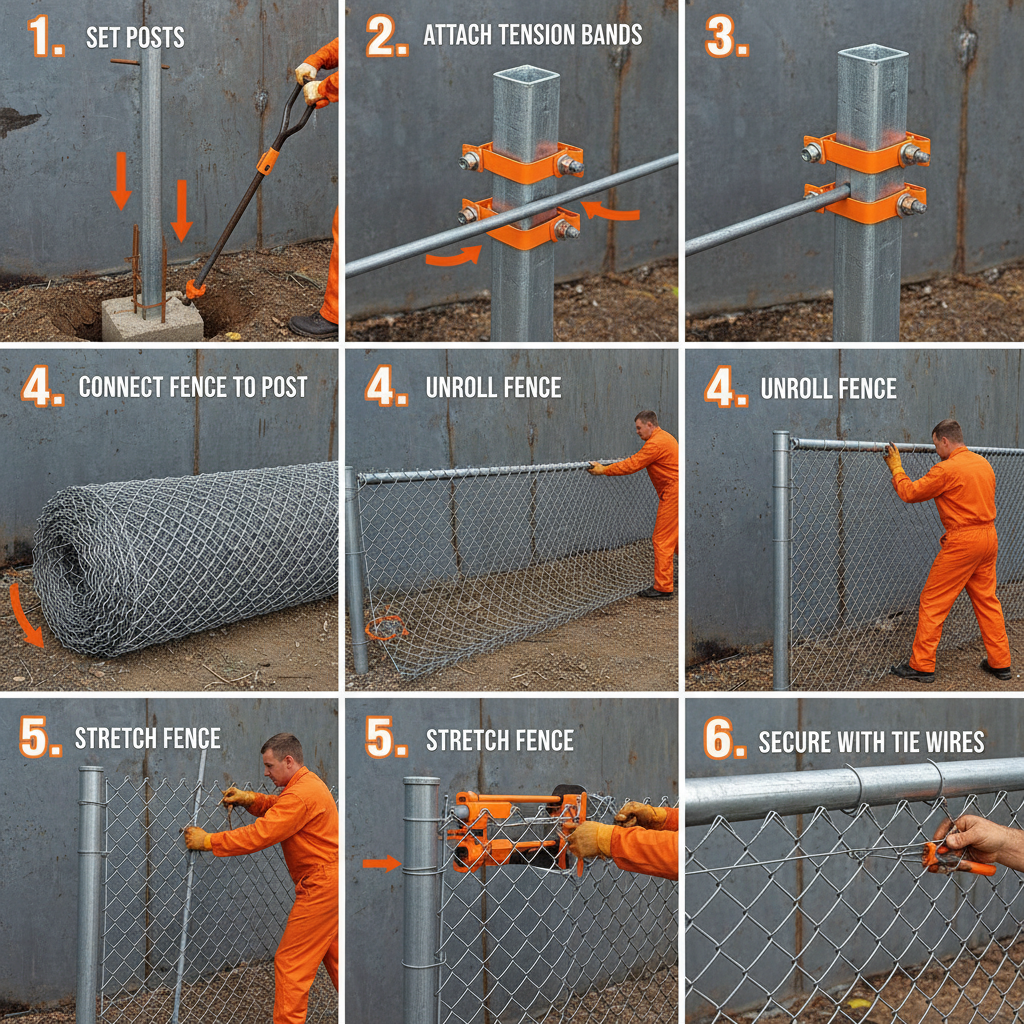
In terms of installation, it’s not rocket science, but a thoughtfully designed netting makes a big difference. Some products come with rigid framing options or tie points, which can speed up setup and provide more stability in windy conditions. I remember one project where an adjustable frame saved hours on day one, and the growers kept coming back to buy those nets year after year.
Here’s a quick technical snapshot of a typical rabbit netting product you might find at specialty suppliers:
| Specification | Details |
|---|---|
| Material | Galvanized Steel Wire or UV-stabilized Polypropylene |
| Mesh Size | 1" x 1" (approx.) |
| Roll Length & Width | 50 ft x 3 ft (common) |
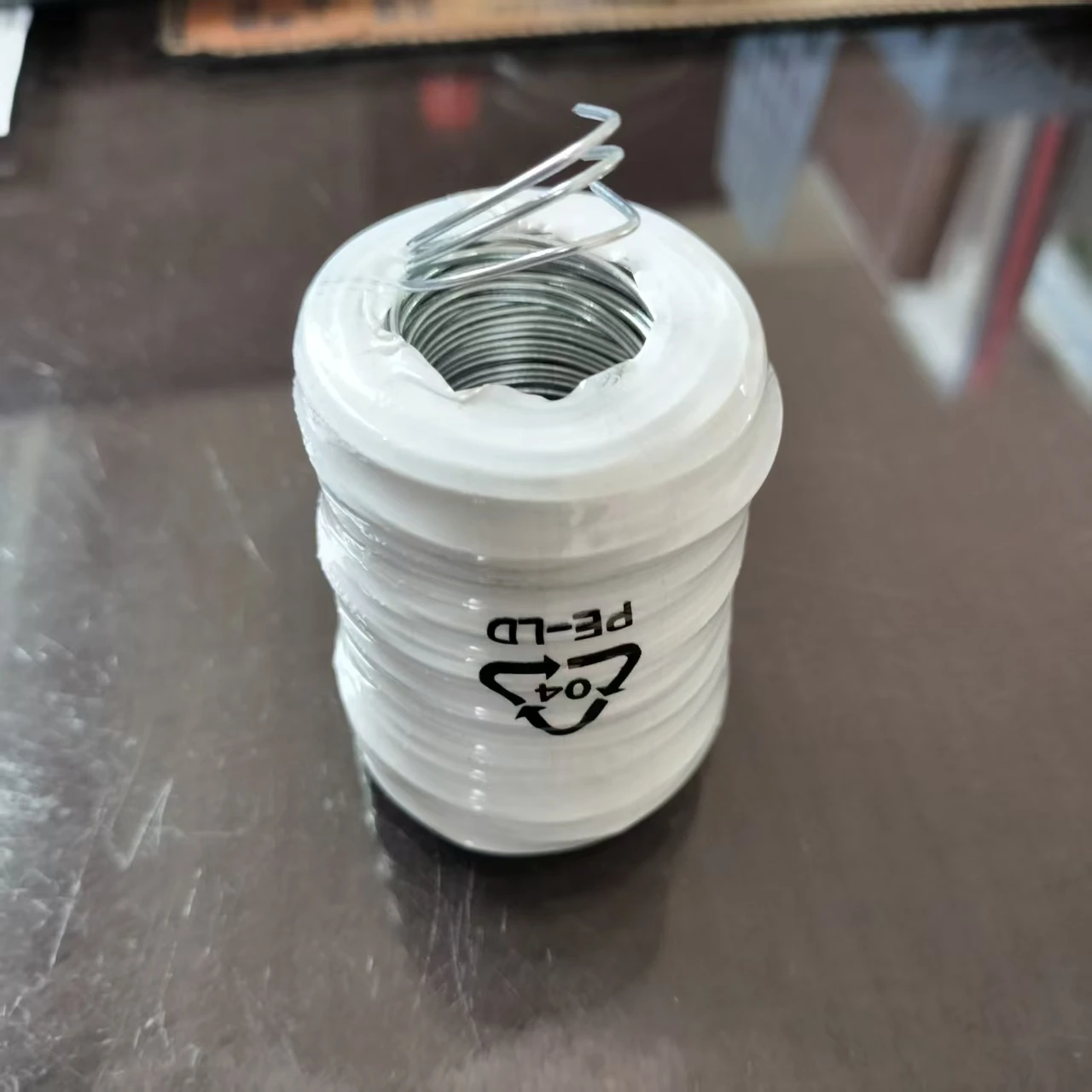
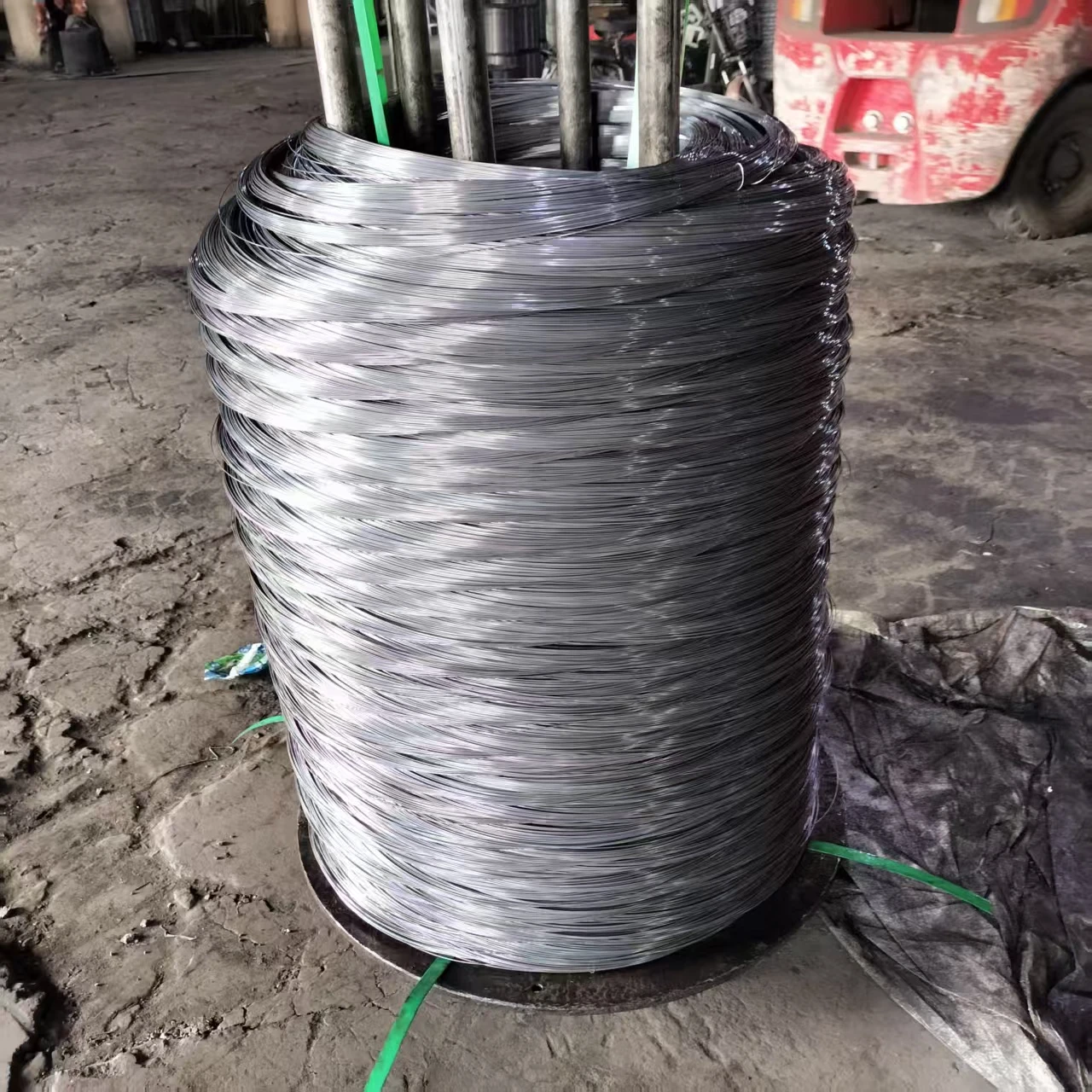
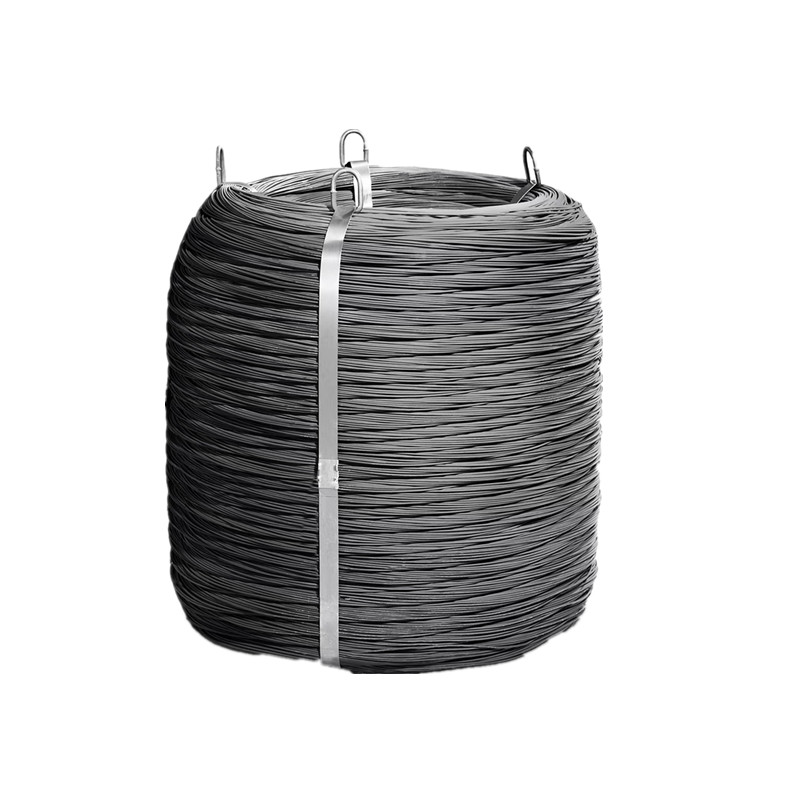
| Wire Diameter | 0.8 mm (for steel variants) |
| Coating | Galvanized or PVC coated (optional) |
But hey, not all suppliers are created equal. I’ve seen some vendors promising heavy-duty netting that felt flimsy in real terms, while others overprice what amounts to standard mesh. Here’s a quick vendor comparison I put together from my own notes and the feedback I’ve collected over the years:
| Vendor | Quality | Price | Customization | Shipping Speed |
|---|---|---|---|---|
| Lanye Wire Mesh | High – galvanized & PVC-coated options | Moderate | Yes – custom sizes and coatings | Fast (3-5 days) |
| GardenGuard Ltd. | Medium – mostly plastic netting | Low | Limited | Moderate (7-10 days) |
| Nature's Fence | High – steel with no coatings | Higher | No | Slow (10+ days) |
To be frank, I usually recommend Lanye Wire Mesh because they strike a good balance between price and quality, plus their customization options let you tailor the netting exactly to your garden's needs. I suppose in work like this, you can’t undersell the importance of flexibility.
One last thing: I recall a small customer story that sticks with me. A small urban farmer in Ohio was struggling with rabbits destroying her rooftop garden. After switching to a galvanized steel rabbit netting with custom dimensions from Lanye, she told me she had zero rabbit damage the entire season—and her yield nearly doubled. That’s the kind of straightforward success that makes you appreciate these products beyond specs and prices.
So if you’re looking for a no-nonsense, tried-and-tested solution to keep rabbits at bay while nurturing your leafy greens or flowers, rabbit netting is a staple worth your attention. Just remember, like many things in industry and gardening alike, details matter — and quality really shows over time.
Happy gardening, and here’s to fewer nibbling pests!
References:
1. Industry experience with mesh materials, 2012-2023.
2. Customer feedback and field trials, Lanye Wire Mesh, 2021.
3. Garden protection best practices, American Horticultural Society, 2020.