Understanding Rabbit Cage Wire Mesh: A Practical Guide
Rabbit cage wire mesh might sound niche, but it’s a surprisingly global topic with far-reaching importance—especially in agriculture, animal husbandry, and even humanitarian sectors. From small backyard hobbies to large-scale industrial farming, knowing the ins and outs of this mesh can make a big difference in durability, safety, and cost. Beyond that, there’s a subtle yet vital connection to sustainability and animal welfare, which frankly matters more now than ever.
Introduction: Why Rabbit Cage Wire Mesh Matters Worldwide
The global agriculture and pet-keeping sectors have grown exponentially in recent decades. According to the Food and Agriculture Organization (FAO), over 1.2 billion people worldwide depend on small-scale livestock, including rabbits, for food security and income. At the heart of this effort lies the seemingly humble rabbit cage wire mesh—a material critical to constructing safe, disease-resistant housing environments.
The challenge? Traditional materials often fail in harsh climates or degrade quickly, leading to increased costs and animal stress. Modern rabbit cage wire mesh, made to robust specifications, aims to solve these issues, facilitating better animal management and welfare worldwide.
Mini Takeaway: Rabbit cage wire mesh isn’t just wire—it’s a solution addressing global food security, animal welfare, and economic sustainability.
What Is Rabbit Cage Wire Mesh?
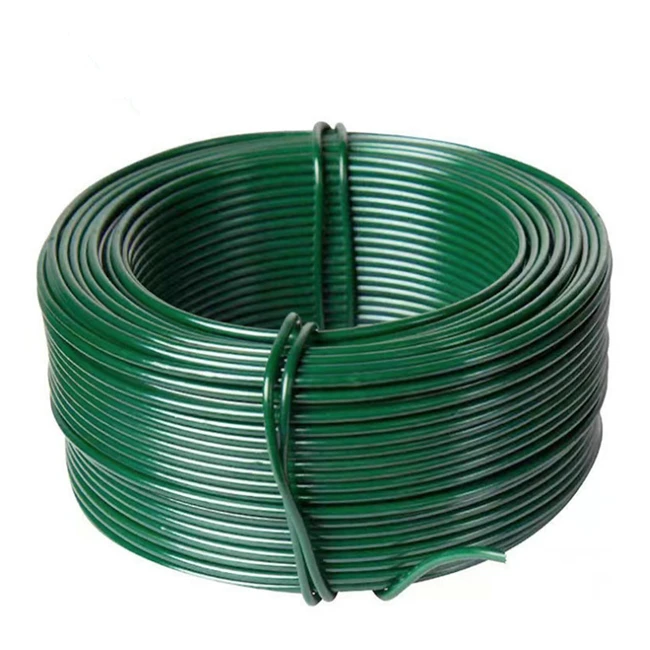
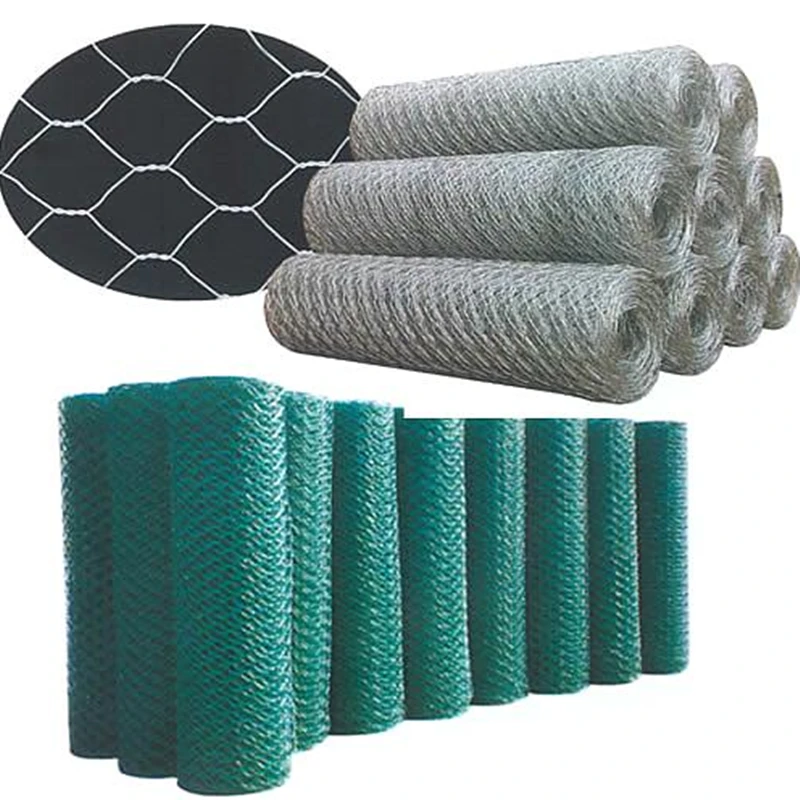
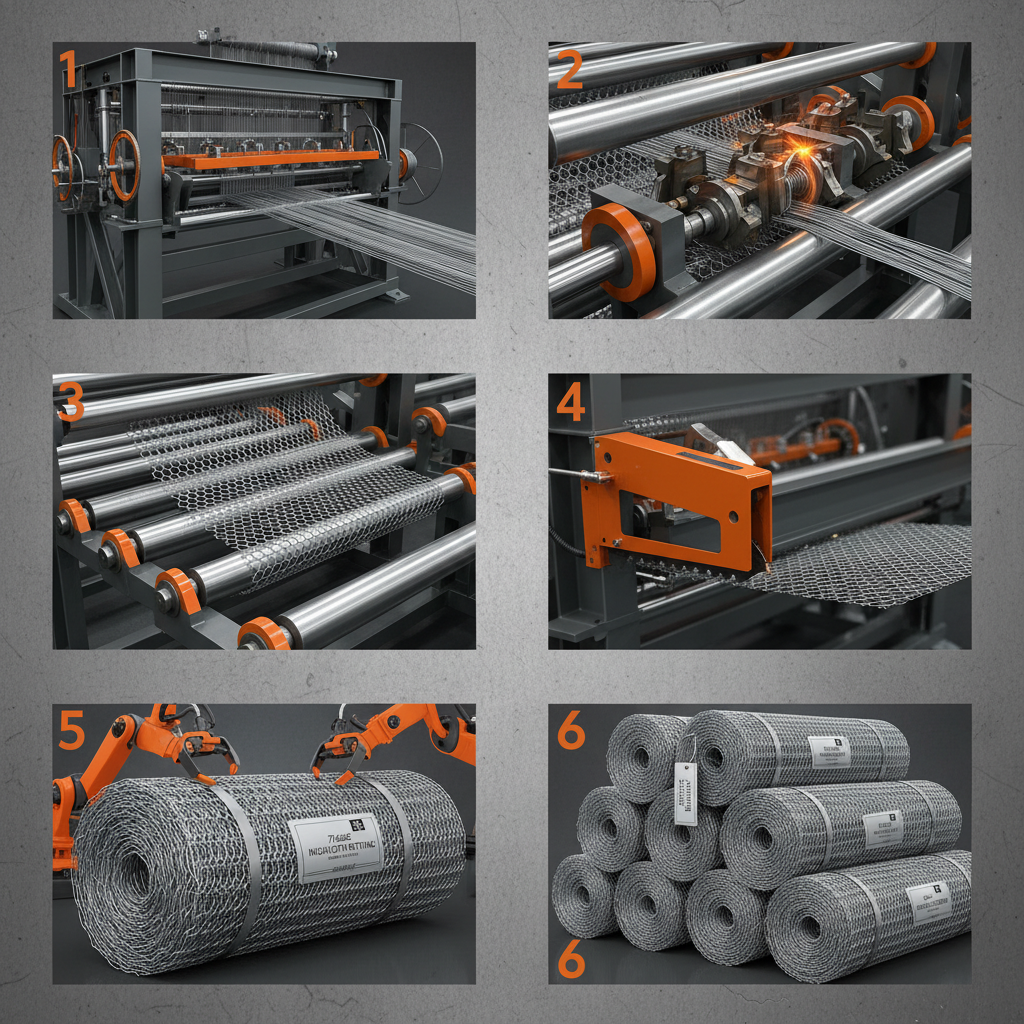
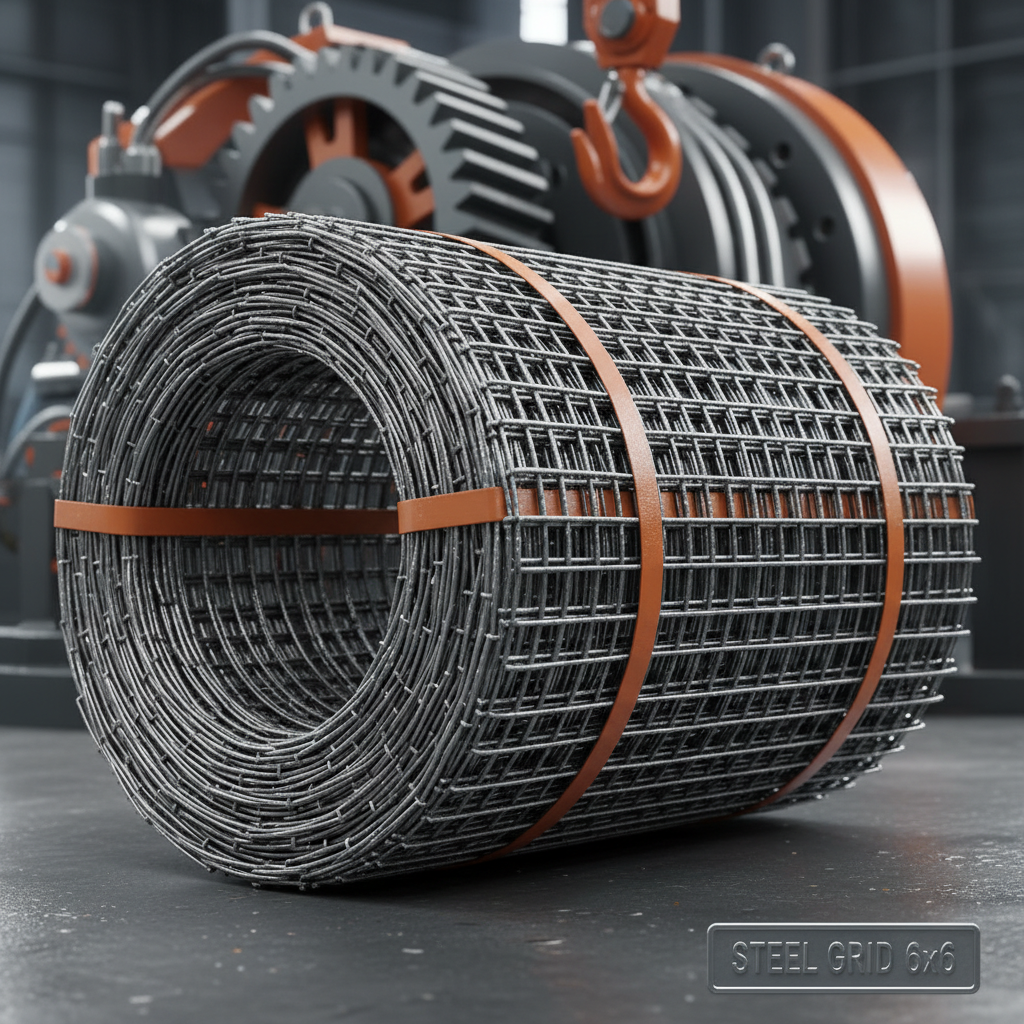
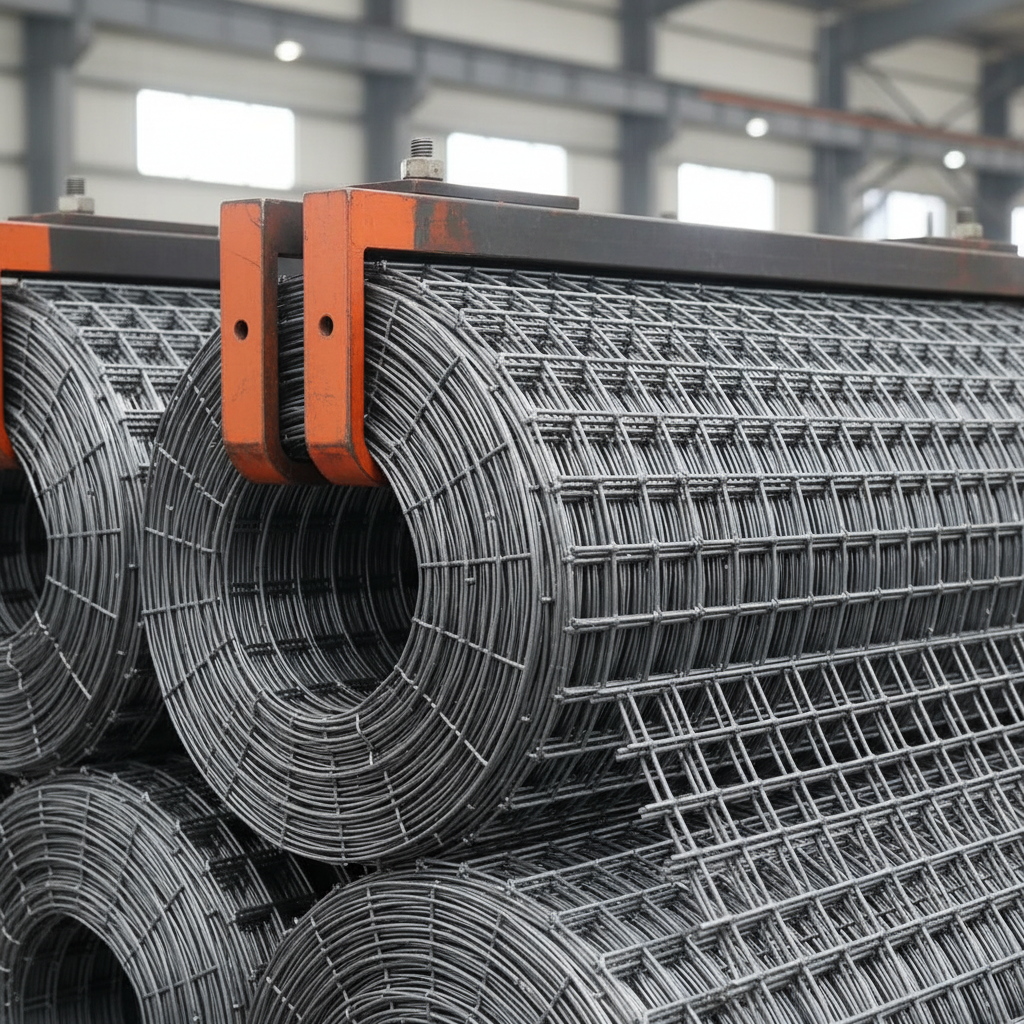
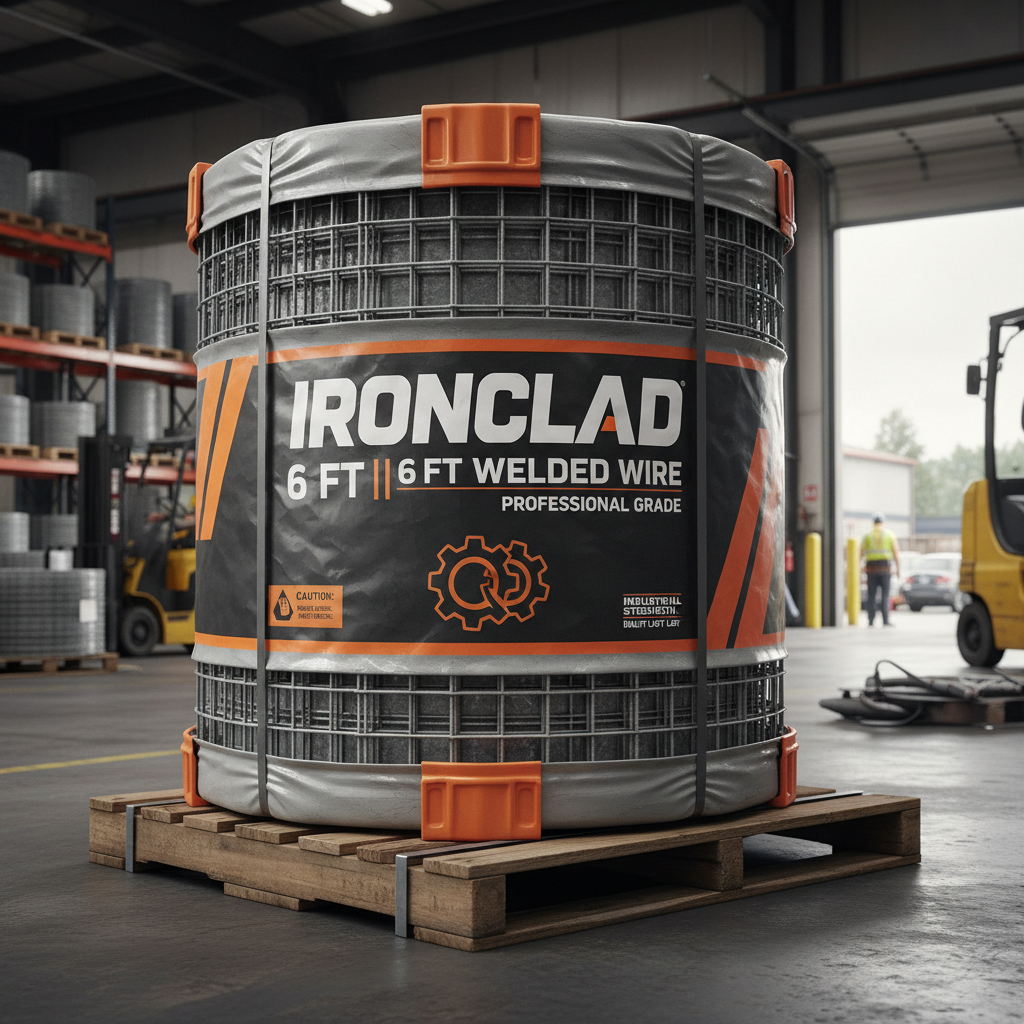
Put simply, rabbit cage wire mesh is a wire grid specifically designed for constructing cages or enclosures for rabbits and similar small animals. Typically galvanized or PVC-coated steel, the mesh provides ventilation and visibility while preventing escape and predators from getting in. This mesh is carefully engineered to balance strength and flexibility, ensuring safety and comfort.
Its connection to modern industry is multifaceted: in commercial rabbit farms, it streamlines animal handling and improves hygiene, and in emergency response scenarios, it helps build temporary but reliable animal shelters quickly.
Mini Takeaway: It’s versatile and purposeful, tailored for animal protection and operational efficiency.
Key Features of Rabbit Cage Wire Mesh
Durability
The mesh’s durability is paramount. Most are made from galvanized steel to resist rust and corrosion. Some use stainless steel or PVC coatings for extra longevity, especially in humid or corrosive environments.
Mesh Size and Gauge
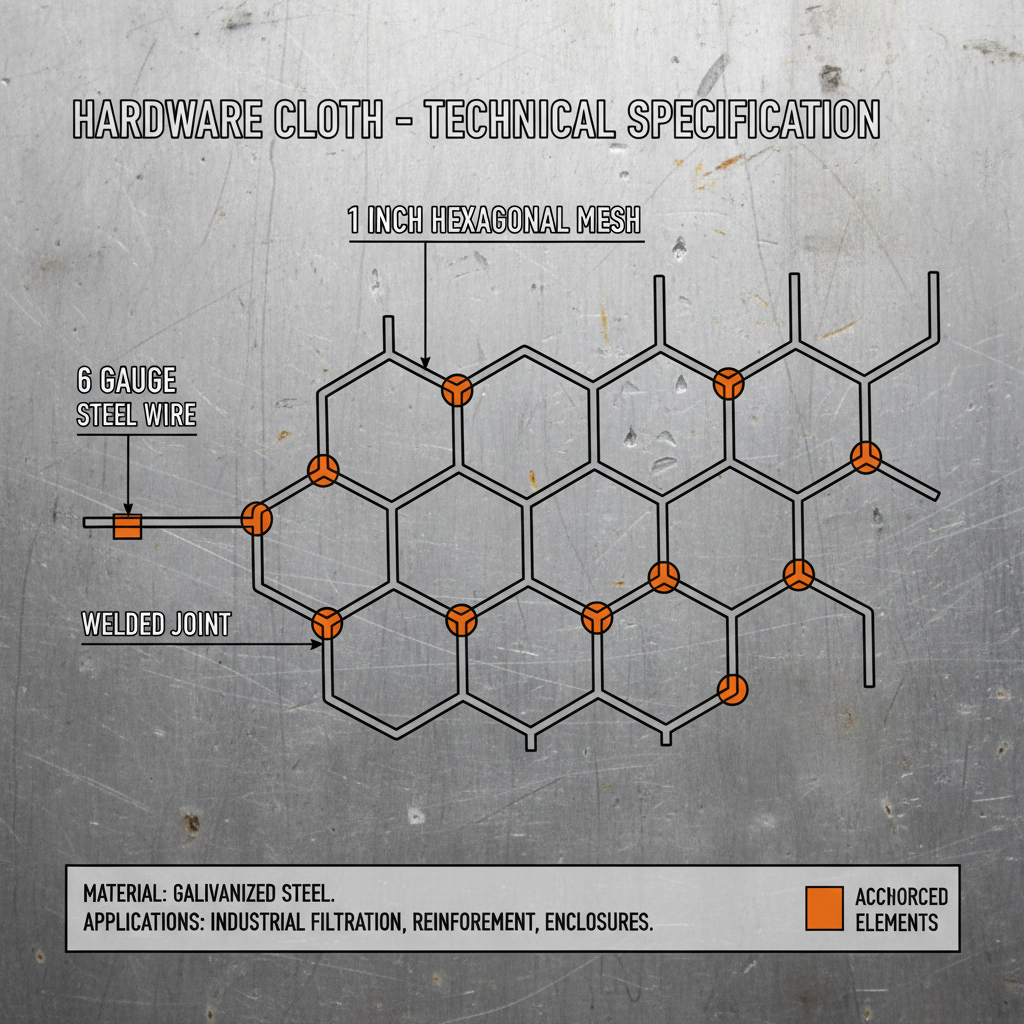
Wire mesh size impacts safety and ventilation. Common mesh openings range from 0.5 to 1 inch, while wire gauges vary from 18 to 22 gauge. Choosing the right combination ensures rabbits are contained securely without compromising airflow.
Cost Efficiency
Balancing cost and quality isn’t easy. Though stainless steel meshes cost more, their lifespan could justify the upfront investment, especially in commercial contexts.
Customization and Scalability
Manufacturers increasingly offer tailored mesh sizes, panel dimensions, and coatings, enabling applications from small backyard cages to large-scale industrial farms. This scalability makes it adaptable across different needs and budgets.
| Specification | Typical Range | Notes |
|---|---|---|
| Mesh Opening Size | 12–25 mm (0.5–1 inch) | Prevents escape while allowing ventilation |
| Wire Gauge | 18–22 gauge (0.8–1.2 mm) | Balance between strength and flexibility |
| Material | Galvanized steel, PVC-coated steel, Stainless steel | Corrosion resistance varies by material |
| Panel Size | Customizable up to 2m x 1m | Adaptable for various cage designs |
Mini Takeaway: Understanding these technical aspects helps ensure the mesh fits your practical needs, from home projects to commercial farms.
Global Applications and Use Cases
Rabbit cage wire mesh plays a role in diverse scenarios worldwide. In rural China and India, smallholder farmers rely on it to raise rabbits as a protein source. Agricultural cooperatives in Europe prefer PVC-coated mesh to meet hygiene standards and animal welfare laws.
In disaster zones, NGOs have deployed mobile animal shelters crafted with lightweight wire mesh panels, ensuring displaced families can still care for their livestock safely. Oddly enough, the mesh even finds use in scientific labs where breeding programs depend on secure, sterile environments.
Mini Takeaway: This mesh connects the dots between feeding communities, safeguarding health, and supporting research globally.
Advantages and Long-Term Value
- Cost-effective protection: It saves money by reducing animal losses and maintenance.
- Enhanced animal welfare: Ventilation and safety reduce disease and stress.
- Environmental impact: Materials designed for longevity reduce waste.
- Trust and reliability: Proven track record in farms and shelters worldwide.
When you think about it, choosing the right rabbit cage wire mesh is an investment in safety and dignity for animals—something many engineers and farmers alike emphasize.
Future Trends and Innovations
The rabbit cage wire mesh market is gradually embracing innovations inspired by broader sustainability movements. Biodegradable coatings and recycled metals are under development, aiming to lower environmental footprints. Digital fabrication techniques allow bespoke mesh designs tailored to specific animal needs.
Automation in farm management—integrating sensors with wire mesh enclosures—is another exciting direction. This can help monitor conditions like humidity, temperature, and even animal health seamlessly.
Challenges and Solutions
No material is perfect. Common challenges include corrosion in extreme environments and occasional damage from chewing or sharp impacts. But solutions exist—like combining PVC coatings with galvanized steel and using double-layer meshes in high-risk zones.
Innovation here isn’t just about the wire but the system: better fencing designs, protective trims, and routine maintenance protocols have all sprung up in expert circles.
| Vendor | Materials Offered | Customization | Warranty | Price Range |
|---|---|---|---|---|
| Lanye Wire Mesh | Galvanized, PVC-coated, Stainless Steel | Bespoke panel sizes, coatings | 5 years | Mid-range |
| MeshPro Solutions | Galvanized, Stainless Steel | Limited to standard sizes | 3 years | High-end |
| EcoFarms Wire | Recycled Steel, PVC-coated | Custom coatings only | 4 years | Budget-friendly |
FAQ: Frequently Asked Questions About Rabbit Cage Wire Mesh
- What mesh size is best for rabbit cages to prevent escapes?
- The ideal mesh opening is between 0.5 and 1 inch to prevent rabbits from squeezing through while maintaining good airflow.
- How long does galvanized rabbit cage wire mesh typically last?
- With proper maintenance, galvanized wire mesh can last 5–10 years, but PVC-coated or stainless steel varieties offer longer durability in harsh environments.
- Is PVC-coated wire mesh better than galvanized for outdoor rabbit cages?
- PVC coating adds extra corrosion resistance and is often preferable in humid or rainy locations, though it can be costlier upfront.
- Can I custom order wire mesh panels for large rabbit farms?
- Yes, many suppliers offer customizable panel sizes and coatings to meet the specific needs of industrial-scale farms.
- How do I maintain rabbit cage wire mesh for longevity?
- Regular cleaning, rust inspections, and repairing breaches promptly will extend your mesh’s lifespan and keep animals safe.
Conclusion: Invest Smartly in Rabbit Cage Wire Mesh
Choosing the right rabbit cage wire mesh means more than just picking a product; it’s about enhancing animal welfare, reducing costs, and supporting sustainability on a global scale. Whether you’re a hobbyist or an industrial farmer, understanding mesh varieties, specs, and suppliers helps you make informed decisions.
To explore high-quality options and expert advice, visit our site at rabbit cage wire mesh and take the guesswork out of your next project.
It’s interesting to note that sometimes the simplest materials can have profound impacts on livelihoods and even cultures worldwide. After all, how many innovations quietly shape our global food systems and animal welfare like a humble wire mesh?