Wiremesh M12: Your Reliable Industrial Shield
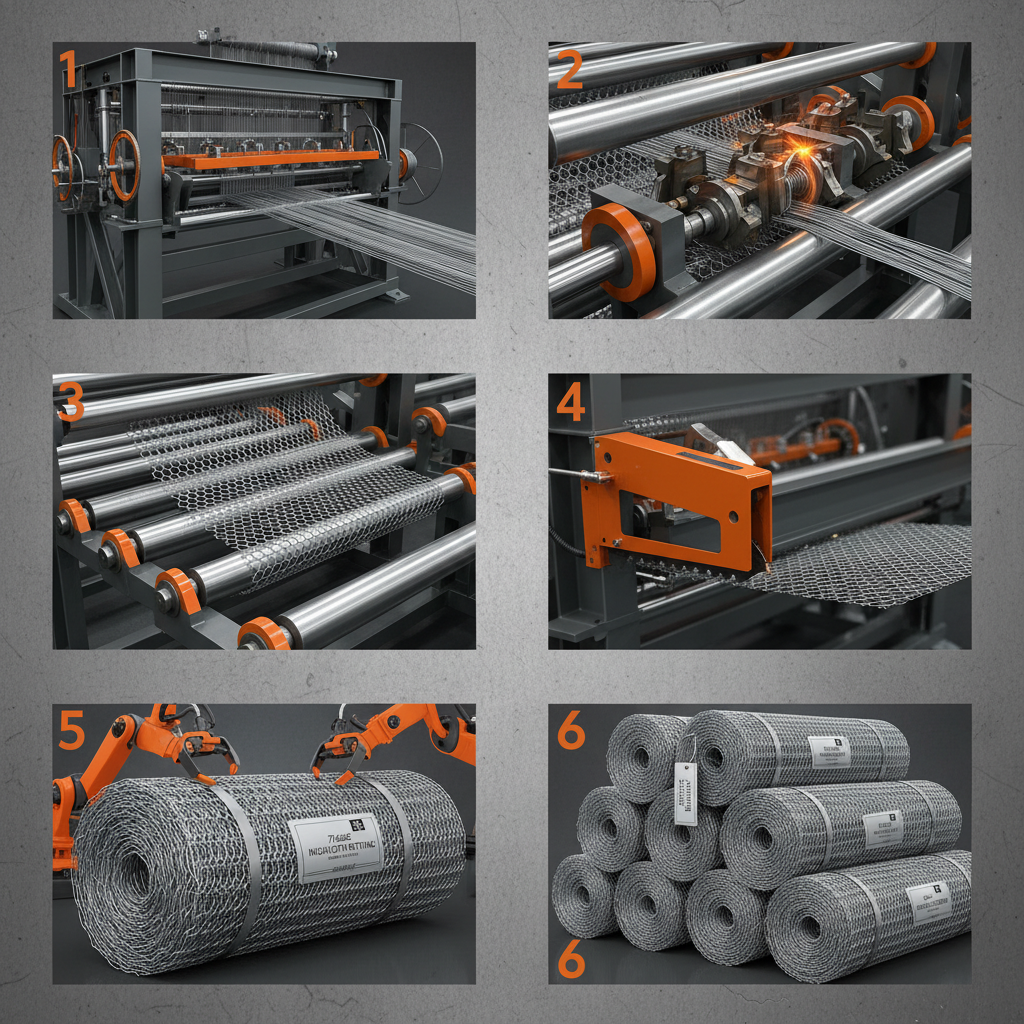
Having spent a good deal of time elbow-deep in the industrial equipment field, I’ve come to appreciate the quiet workhorses like the wiremesh M12. Honestly, it's a product that flies under the radar but plays a crucial role in many settings. Whether you’re dealing with ventilation guards, protective barriers, or filtration grids, wiremesh M12 has this unique versatility—and frankly, a robustness—that just makes it a staple on many job sites.
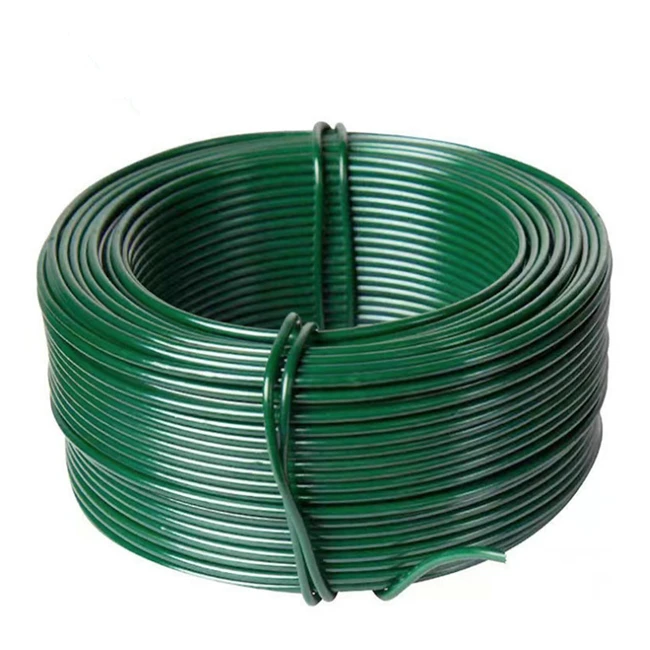
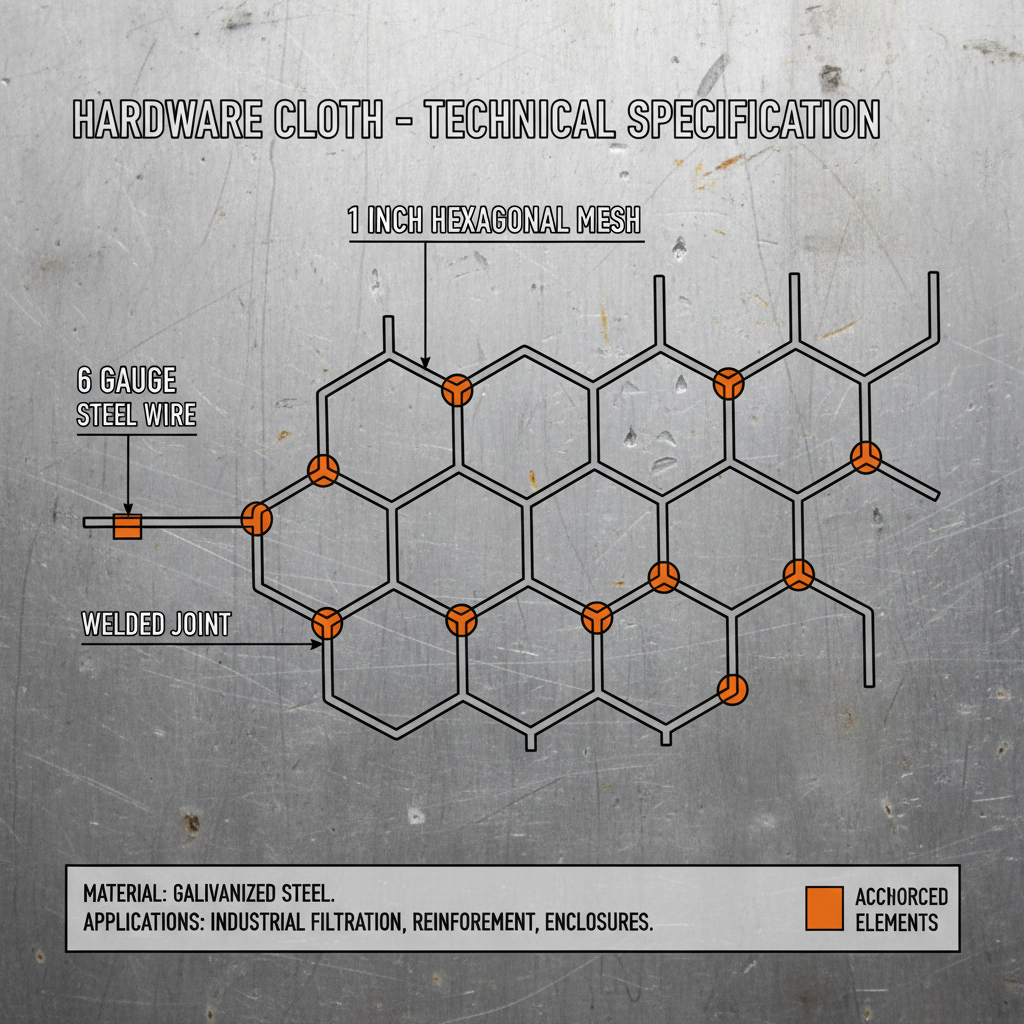
What’s interesting, and perhaps a little overlooked, is how the design and material choices in M12 wiremesh influence its widespread use. Most wiremesh M12 is made from stainless steel or galvanized steel—the former especially valued for its corrosion resistance, meaning it won’t easily rust in damp or industrial environments. I remember working on a project near a coastal refinery where the salty air swiftly compromised lesser materials. The M12 mesh held up admirably, no surprise there given its composition.
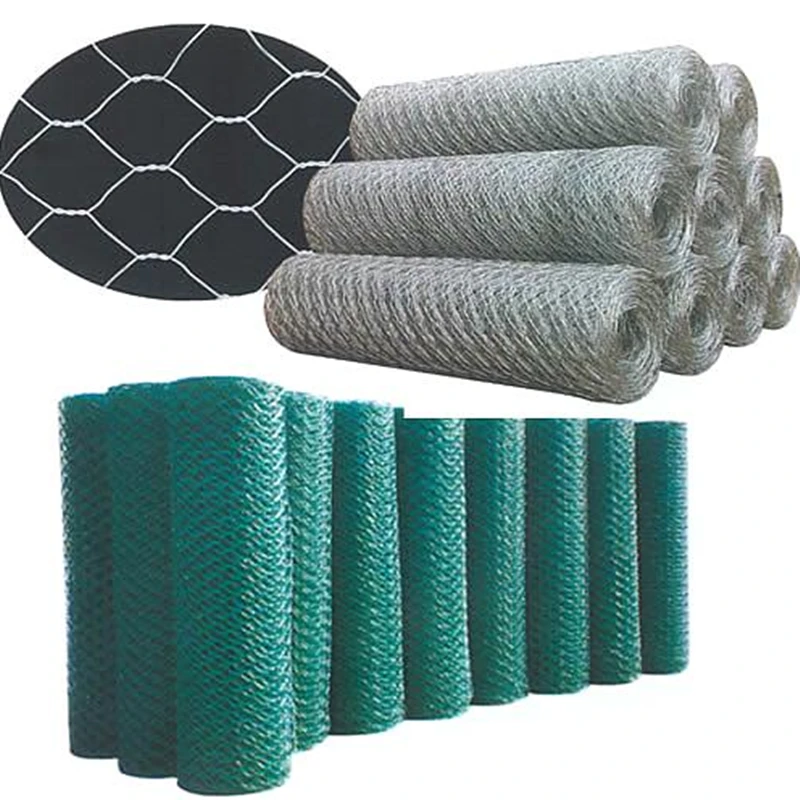
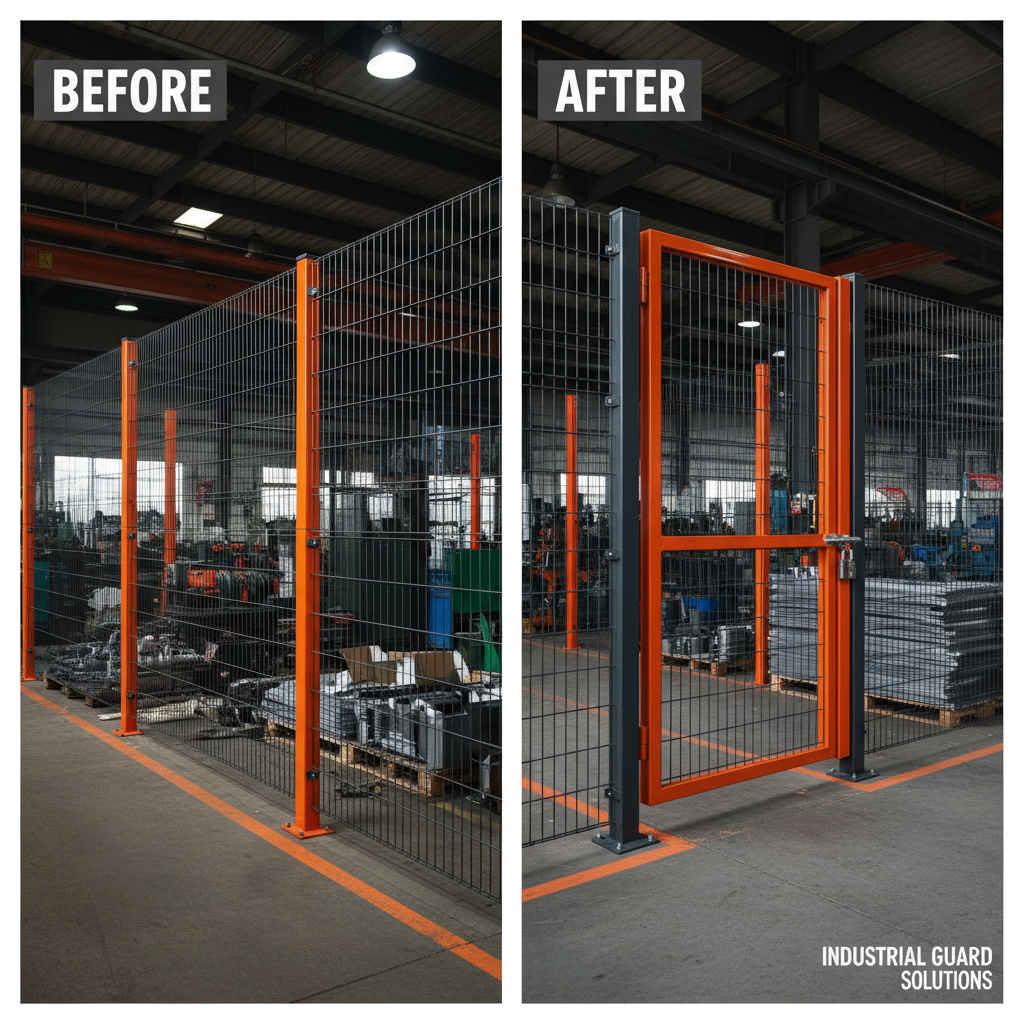
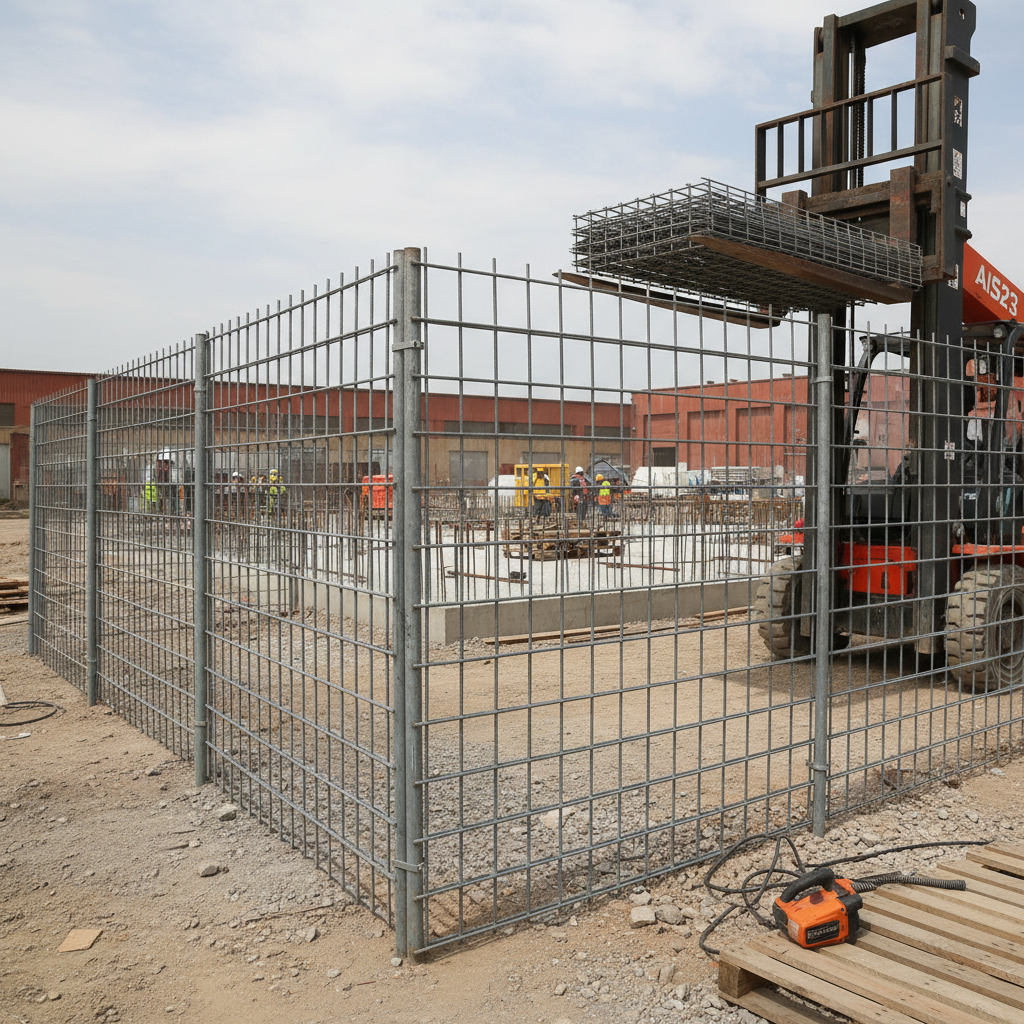
In real terms, “M12” refers to the mesh aperture—usually around 12mm openings. This size strikes a great balance: fine enough to prevent debris or unwanted particles from passing through, yet open enough to allow good airflow or visibility. Many engineers I’ve spoken to say this dimension is perfect for applications like machine guards or fencing where safety is paramount but you don’t want full enclosure.
Product Specification Snapshot
| Specification | Details |
|---|---|
| Mesh Aperture | 12 mm (approx.) |
| Material | Stainless Steel / Galvanized Steel |
| Wire Diameter | 1.6 mm - 3.0 mm |
| Finish Options | Galvanized, Powder Coated, Plain |
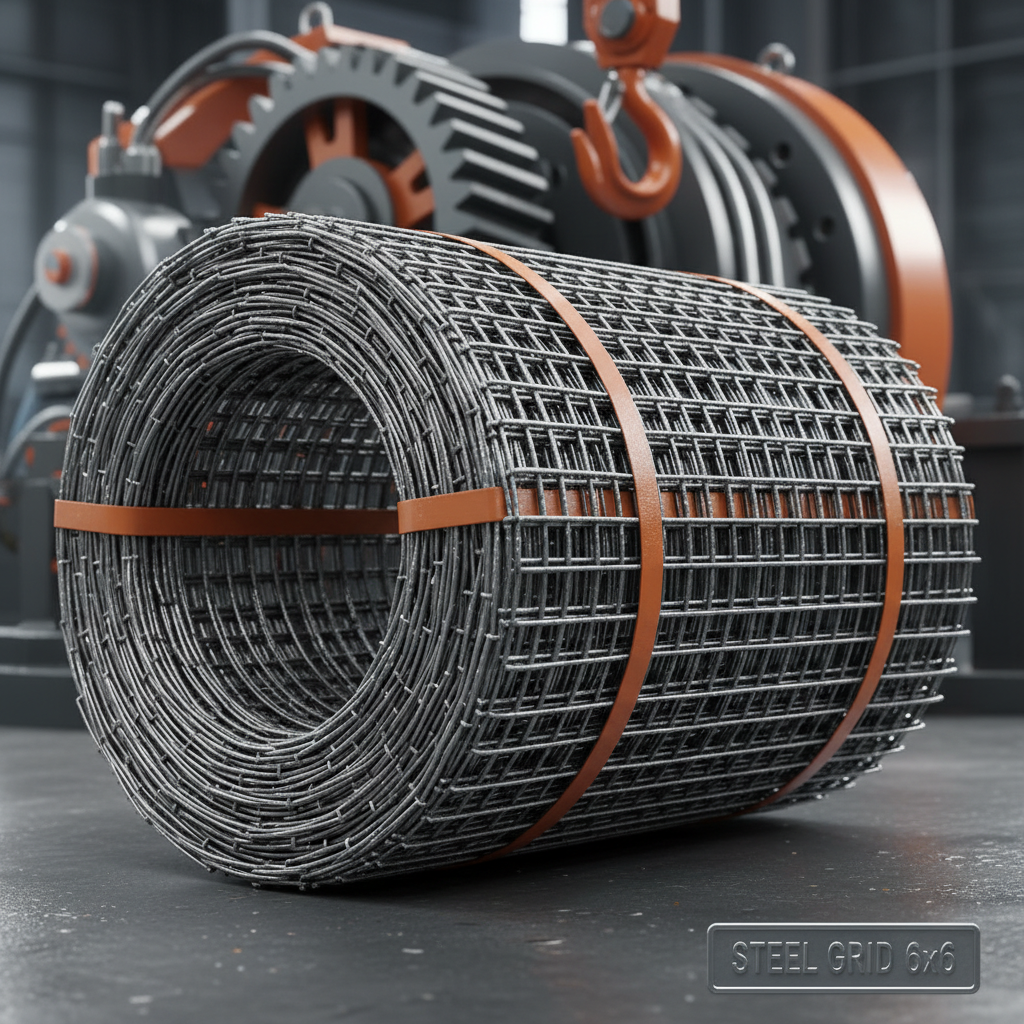
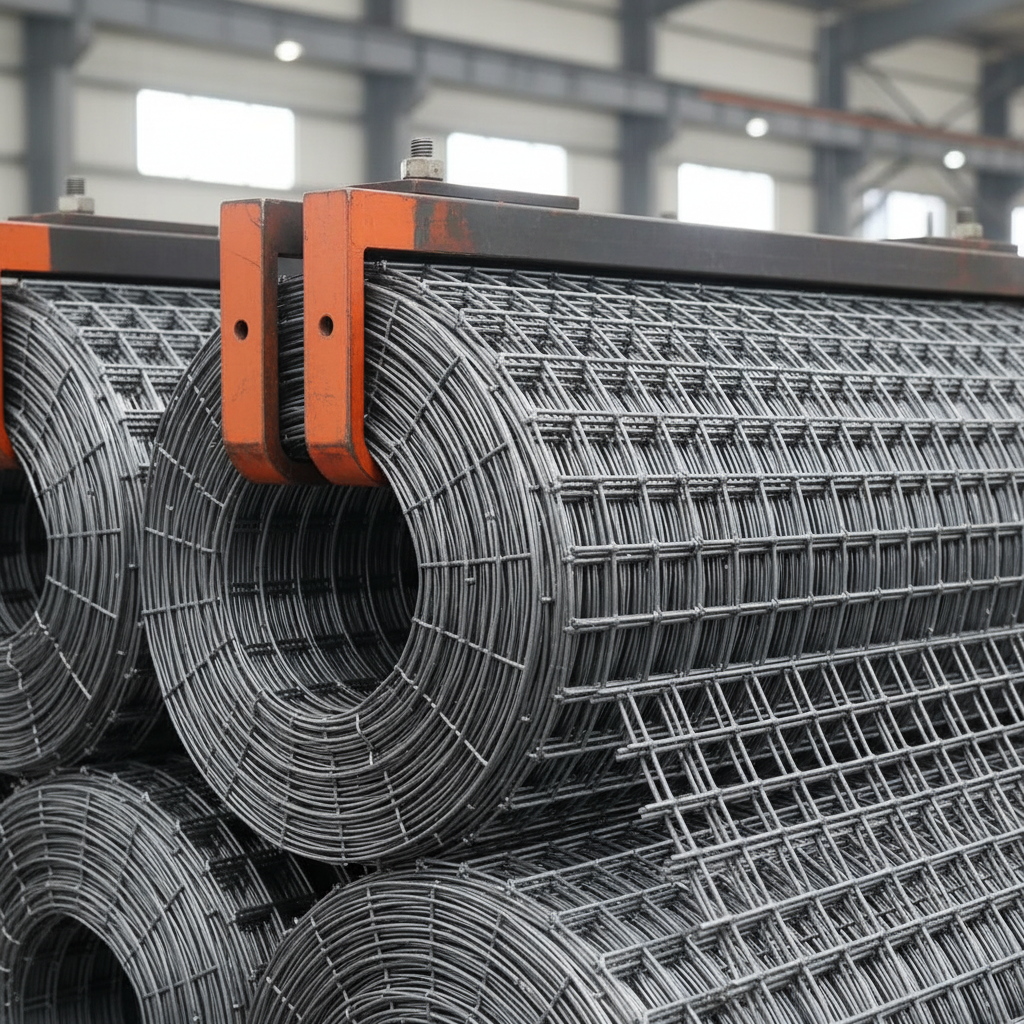
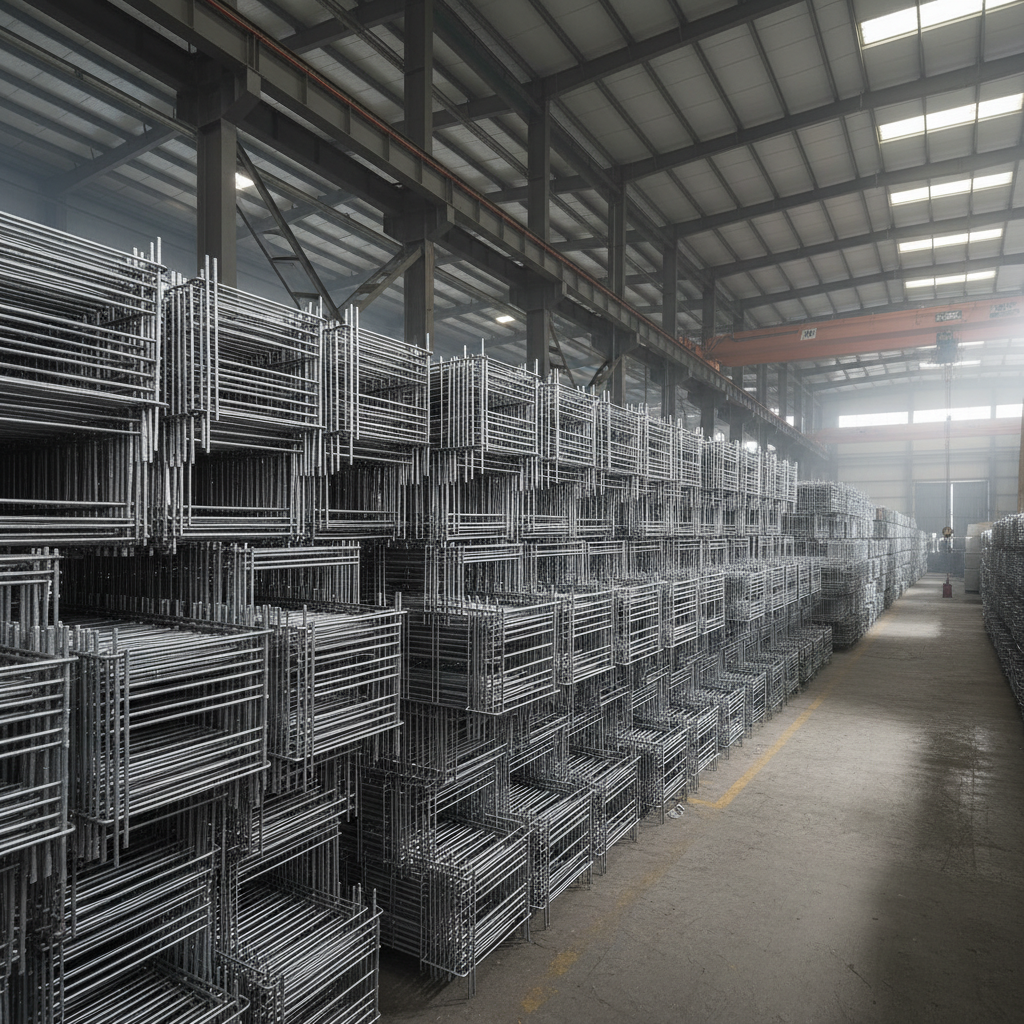
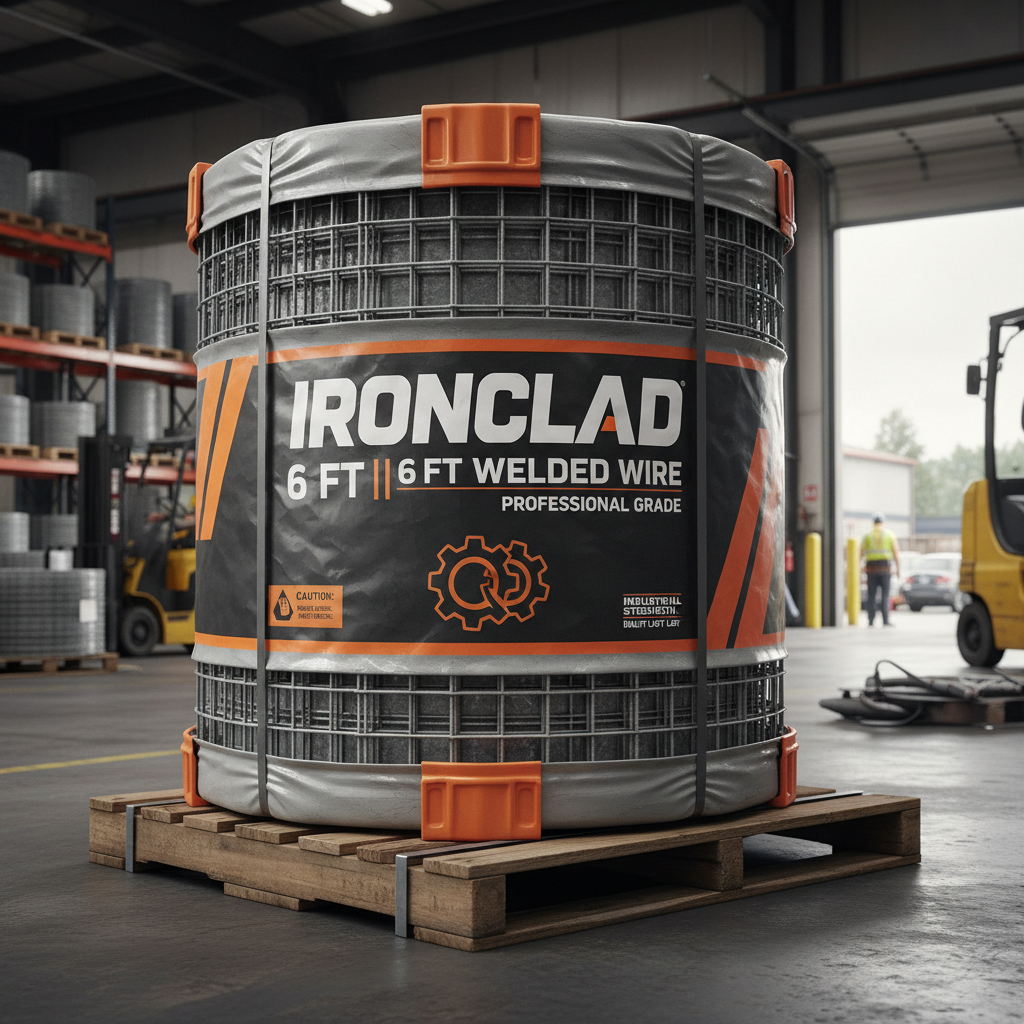
| Standard Roll Size | 1m width x 25m length (customizable) |
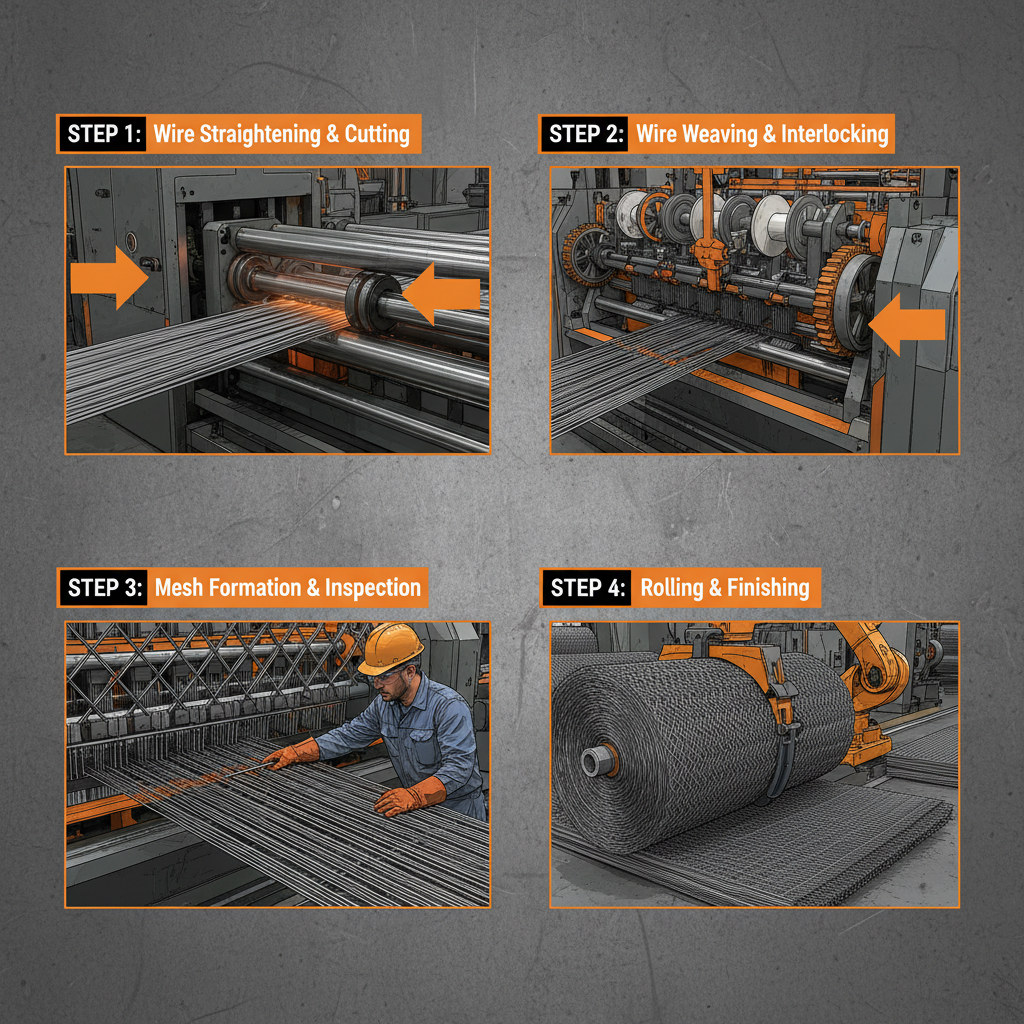
It may sound sort of mundane, but the testing rigour behind these mesh products is nothing to scoff at. Load tests, environmental resistance, and even custom tensile strength evaluations are a must. I recall a supplier boasting about their quality assurance process: every batch undergoes ultrasonic testing for wire integrity and is visually inspected to ensure consistent aperture sizing. This level of scrutiny really helps when safety is on the line—you just don’t want unexpected failures.
Customization is where things get even more flexible. Although standard M12 mesh rolls are widely available, ordering tailored sizes, wire thickness, or surface treatments to suit specific industrial demands is pretty common. One small story comes to mind: a client needed mesh panels that could withstand heavy chemical exposure in a plant automation project. They opted for a special galvanized coating variant, and six months later, the mesh was still pristine—no degradation, no warping. Stories like these reinforce why I keep tabs on material specs closely.
Vendor Comparison: Wiremesh M12 Options
| Vendor | Material Quality | Customization | Pricing | Delivery Speed |
|---|---|---|---|---|
| Lanye Wiremesh | Premium (Stainless Steel) | High - tailored sizing and finishes | Competitive | Typically 7-10 days |
| Industrial Mesh Co. | Standard galvanized | Limited | Budget-friendly | 5-7 days |
| SteelMesh Solutions | Good quality carbon steel | Medium - some custom options | Moderate | 10-14 days |
Oddly enough, you find that the best wiremesh choice is often a matter of project priorities—do you want raw speed, rock-bottom price, or rugged customization? Personally, given the stakes in many industrial contexts, I usually advocate not cutting corners on quality. Wiremesh M12 from a reliable vendor like Lanye ticks all the boxes for me: robust, customizable, and well-supported.
A quick tip if you’re shopping around: always ask for test certifications and sample panels before committing. Materials can look similar but perform vastly differently once installed. And speaking of installation—it’s never just about the mesh itself but also how it integrates with existing equipment or structures. One weak link can spoil the setup.
So yeah, wiremesh M12 might not be the flashiest gear in the industrial catalogue, but it’s one of those humble, pivotal products that quietly keeps operations safe and smooth. Something I’ve learned over years—value the basics, and everything else tends to fall into place a bit easier.
Keep this in mind for your next project, and you might just save yourself a lot of headaches down the line.
- “Materials Engineering in Industrial Applications,” Industrial Journal, 2022.
- Supplier Quality Assurance Profiles, Lanye Wiremesh Internal Data, 2023.
- Practical Guide: Protective Mesh in Manufacturing, Industry Report 2021.