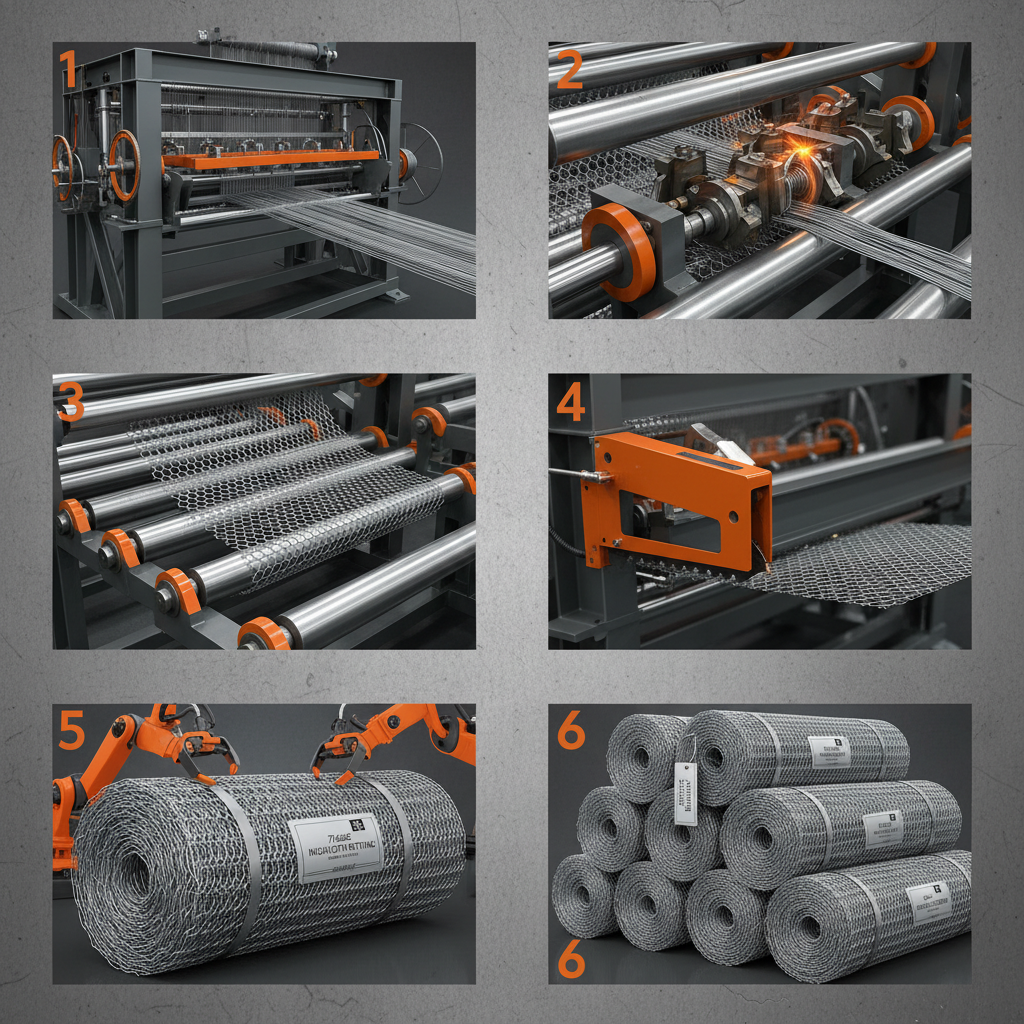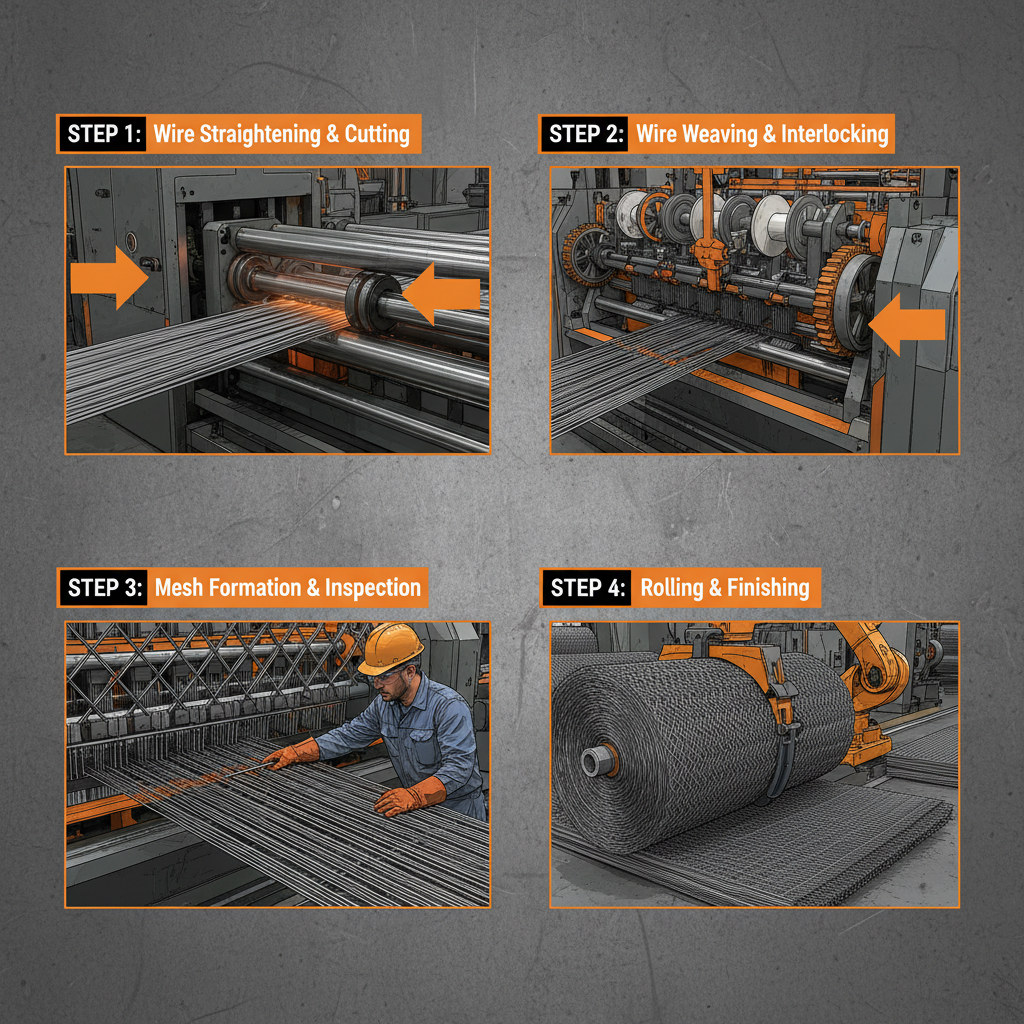
Wire nails are one of the most commonly used fasteners in construction, carpentry, and general household applications. They are produced by cutting and shaping lengths of steel wire into nail form, typically with a flat head, smooth shank, and sharp pointed tip. The manufacturing process begins with high-quality low carbon steel wire, which is drawn into the required diameter. The wire is then fed into nail-making machines where it is cut to size, one end is flattened to form the head, and the other end is sharpened to create the point. After forming, wire nails may undergo additional surface treatments such as polishing, galvanizing, or bluing. Their strength, uniformity, and affordability make them a staple for any construction or DIY project. Wire nails are suitable for fastening wood, light metal sheets, and other materials, making them versatile for both professional and home use.
Durable Galvanized Round Wire Nails for Outdoor Projects
Galvanized round wire nails are coated with zinc, providing excellent resistance against rust and corrosion. This makes them ideal for outdoor construction such as decks, fences, pergolas, and garden sheds. The round shank ensures maximum holding power without splitting the wood, while the smooth polished surface allows for easier hammering. For example, when installing a wooden fence in an area exposed to rain or high humidity, using galvanized round wire nails prevents rusting and structural weakening over time. These nails are also effective in securing exterior wooden panels, garden furniture, or outdoor signage. By selecting galvanized round wire nails, you ensure that your outdoor projects remain durable, safe, and aesthetically pleasing. Regular inspection can further extend their lifespan, especially in coastal or highly humid areas.
Reliable Iron Wire Nails for Everyday Carpentry
Iron wire nail is a traditional choice that provides consistent strength and reliability. These nails are widely used in furniture making, shelving installation, and framing wooden structures. Their solid iron composition gives them a slight rigidity that is useful when nailing into hardwood or dense boards. For instance, when assembling a wooden bookcase or a table frame, iron wire nails hold the joints securely without bending. While they are better suited for indoor applications where exposure to moisture is minimal, iron wire nails remain a popular choice due to their durability and affordability. Additionally, using a hammer or nail gun compatible with iron wire nails ensures smooth and precise installation, reducing the risk of splitting delicate wooden pieces.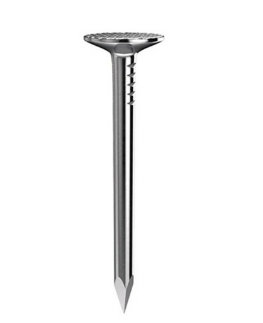
Versatile MS Wire Nails for Household and Commercial Use
MS wire nail (mild steel wire nail) combines affordability with performance, making it perfect for both home and professional projects. These nails are commonly used for furniture assembly, door and window installations, and general carpentry tasks. Their smooth surface reduces wood splitting and ensures clean penetration, while uniform diameters maintain consistent holding strength. MS wire nails can be polished for indoor use, galvanized for outdoor projects, or blued for decorative finishes. In practice, they are suitable for creating wooden frames, assembling shelves, or securing light wooden panels. Their versatility is especially beneficial in small workshops or for DIY enthusiasts who need a reliable, multipurpose nail. Regularly storing MS wire nails in a dry container helps prevent rust and extends usability.
Secure Metal Lath Nails for Wall and Ceiling Installation
Metal lath nail is specifically designed for plasterboard, stucco, and metal mesh installations. These nails have thicker shanks and larger heads to secure lath sheets firmly to wood or steel support structures. For example, when constructing interior ceilings or installing exterior stucco, metal lath nails provide stability and prevent the mesh from shifting. Galvanization or other coatings increase their durability in damp conditions or outdoor applications. Professionals often use metal lath nails in combination with power tools to achieve precise alignment and consistent spacing. These nails ensure that wall and ceiling finishes are smooth, secure, and long-lasting. For homeowners, using metal lath nails for renovation projects guarantees professional-grade results without the need for specialized training.
Practical Mild Steel Wire Nails for Everyday Tasks
Mild steel wire nail is one of the most widely used nails due to its strength, versatility, and affordability. Suitable for woodworking, home repairs, and light construction, mild steel wire nails are available in various lengths and diameters to match different applications. Their sharp tips and smooth shanks allow easy penetration into wood, metal sheets, and other construction materials. For example, when hanging cabinets, assembling furniture, or installing decorative wooden panels, these nails provide secure fastening without bending or breaking. Mild steel wire nails can also be polished for indoor projects or galvanized for outdoor protection. Their cost-effectiveness makes them ideal for large-scale projects or routine household tasks. Using high-quality mild steel wire nails ensures consistent performance, durability, and a professional finish.
Practical Tips for Using Wire Nails
When using any type of wire nail, several practical tips can improve results and prevent common mistakes:
-
Pre-drilling: For hardwood or dense materials, pre-drilling a pilot hole reduces splitting and makes hammering easier.
-
Choosing the right length: The nail should penetrate at least two-thirds of the material thickness for a secure hold.
-
Using the correct hammer: A hammer with appropriate weight ensures control and prevents bent nails.
-
Spacing nails evenly: For paneling or furniture, consistent spacing ensures strength and an even appearance.
-
Storage and handling: Keep nails in a dry container to prevent rust, and avoid mixing different types to maintain uniformity.
By following these simple tips, even DIY enthusiasts can achieve professional-grade results with wire nails in every project.
Mild Steel Wire Nails FAQs
What are mild steel wire nails commonly used for?
Mild steel wire nails are widely used in woodworking, furniture assembly, metal lath installations, and general household repairs.
Are mild steel wire nails resistant to rust?
Standard mild steel wire nails are not fully rust-resistant. They can be galvanized or coated for outdoor or damp environments.
How do I select the right size of mild steel wire nail?
Choose nail length and diameter based on the thickness and type of material. Longer nails are better for thick boards, while thinner nails work well for light panels.
Can mild steel wire nails be used in concrete?
Mild steel wire nails are not ideal for hard concrete. For concrete or masonry, specialized hardened nails should be used.
Where can I buy high-quality mild steel wire nails?
High-quality mild steel wire nails are available from hardware stores, industrial suppliers, and online. Visit our company website to browse a full selection and order conveniently for your projects.
Wire nails are essential for any builder, carpenter, or DIY enthusiast. From galvanized round wire nails for outdoor durability to mild steel wire nails for everyday indoor use, these fasteners combine strength, reliability, and affordability. Investing in quality wire nails ensures your projects remain secure and professional-looking. Whether you are renovating your home, building furniture, or tackling a large construction job, high-quality wire nails make every task easier. Explore our website today to view our full range of wire nails and place your order for reliable, long-lasting performance. Your next project deserves the best fasteners, and wire nails deliver exactly that.