In the realm of agricultural animal breeding, the choice of fencing and enclosure materials is paramount to ensuring animal safety, containment, and overall farm efficiency. Among the various options available, welded wire mesh stands out as a versatile and reliable solution. Its application ranges from constructing poultry cages and livestock pens to creating protective barriers for gardens and pastures. Selecting the appropriate mesh size and type is crucial, as it directly impacts the well-being of the animals and the longevity of the infrastructure. Dingzhou Lanye Metal Products Co., Ltd., established in 2005, embodies the innovation and quality necessary for such critical agricultural components. As a large-scale manufacturing factory composed of a young, energetic team that values product quality and corporate reputation as its core principles, the company continuously innovates and studies to enhance its offerings. With a dedicated R&D team, a comprehensive quality inspection department, and a strict quality control system, every product, including welded wire mesh, is meticulously inspected and packaged to meet high standards. Their product range, which includes galvanized steel wire, annealed wire, and various meshes, is widely used in agricultural fencing, ensuring durability and reliability for farmers and breeders. This article will guide you through the key considerations for choosing the right welded wire mesh with an optimal mesh size, drawing on the expertise of a manufacturer committed to excellence and customer service.
Understanding the Basics of Welded Wire Mesh for Agricultural Applications
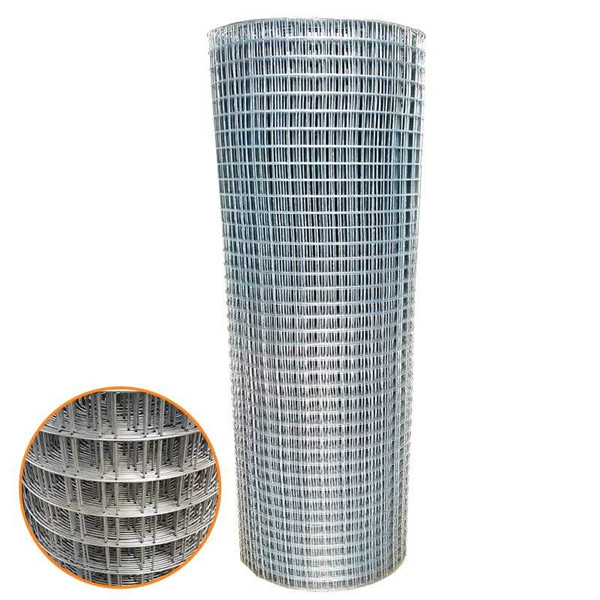
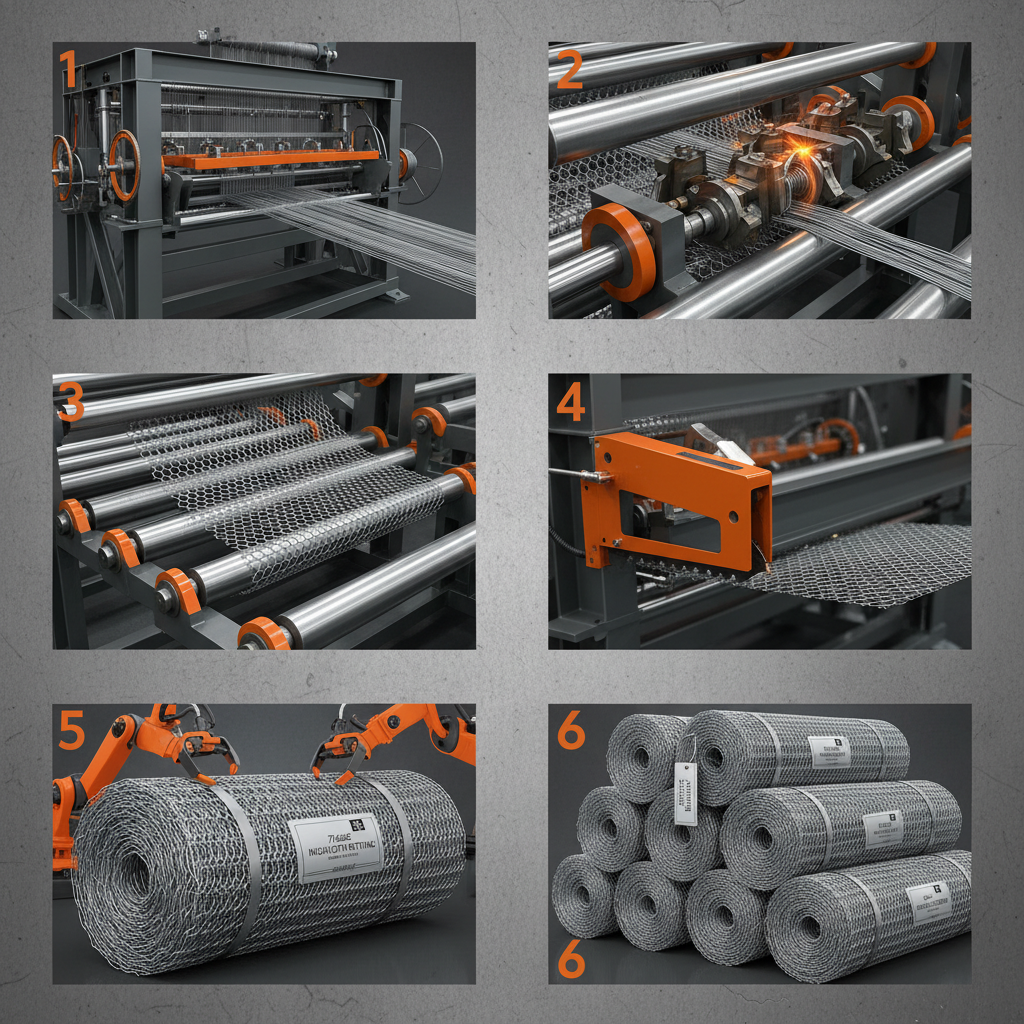
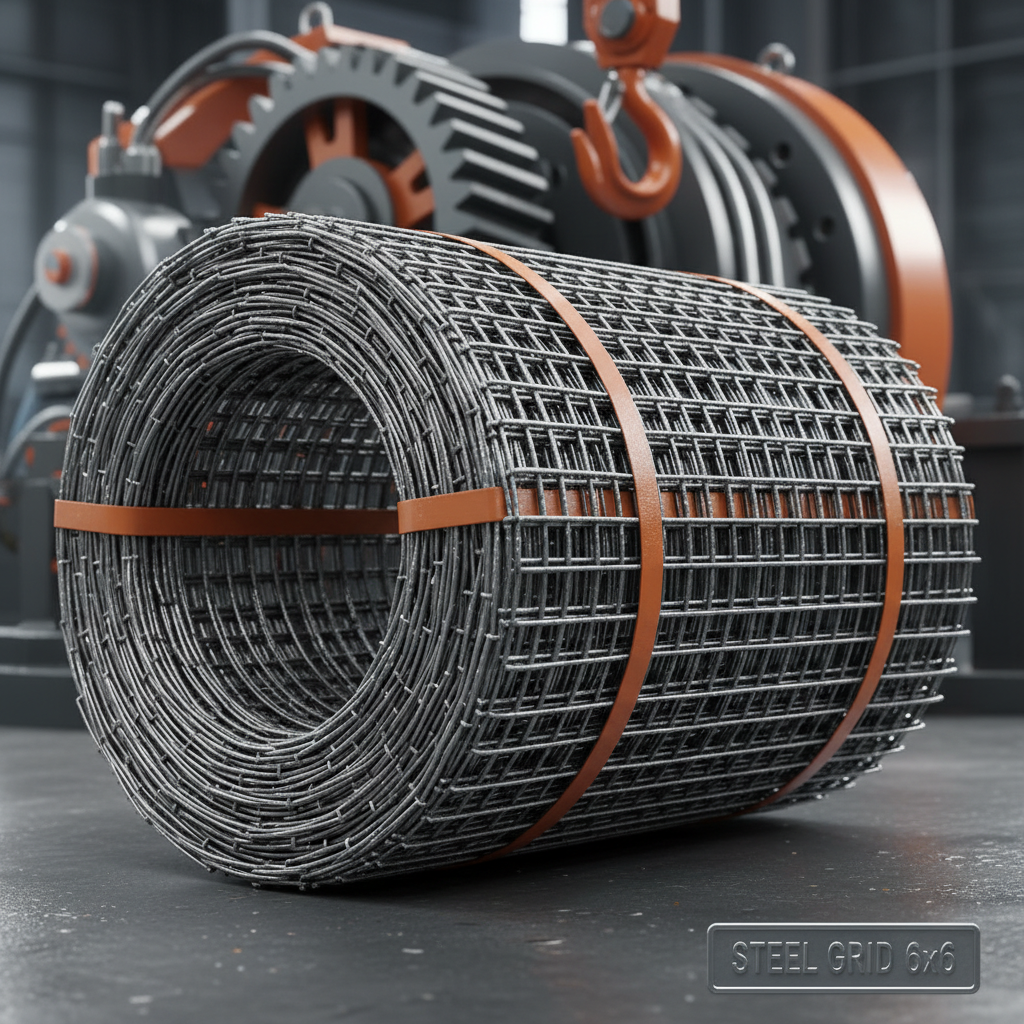
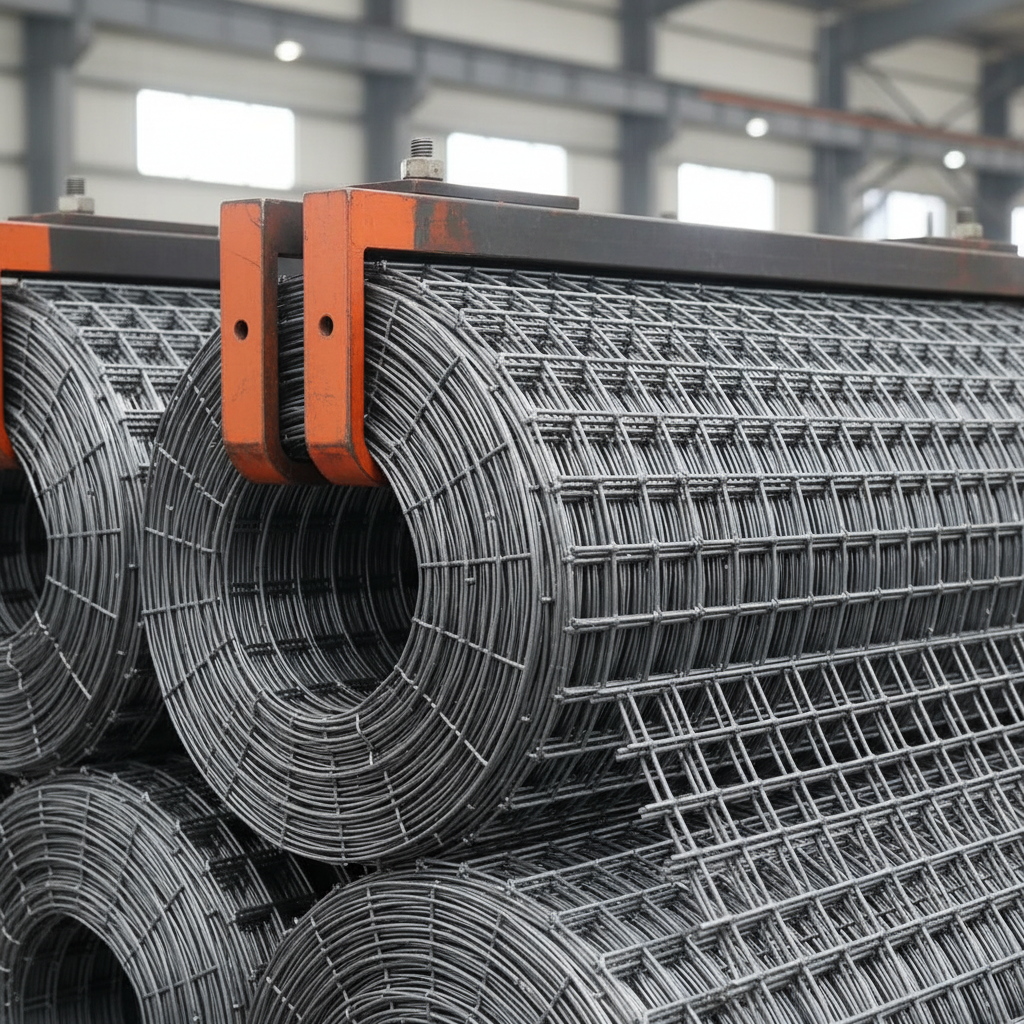
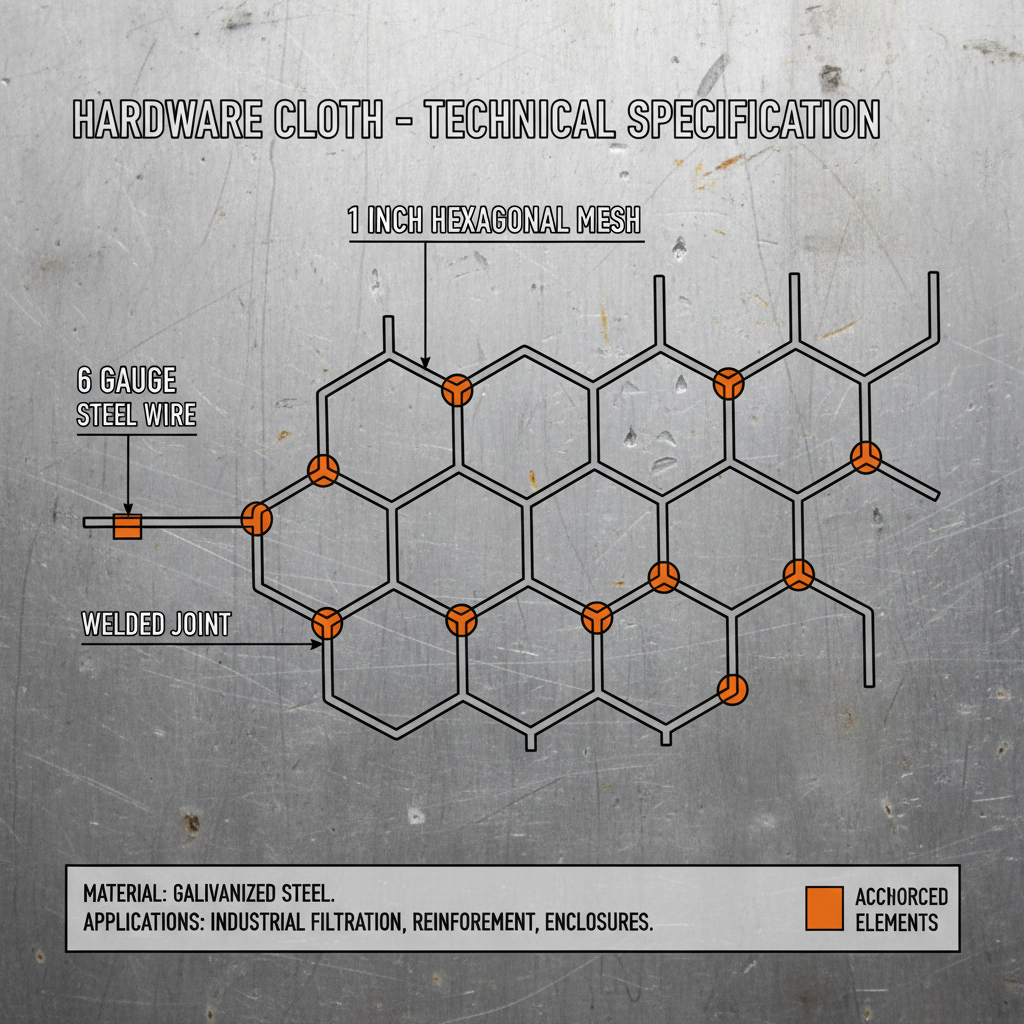
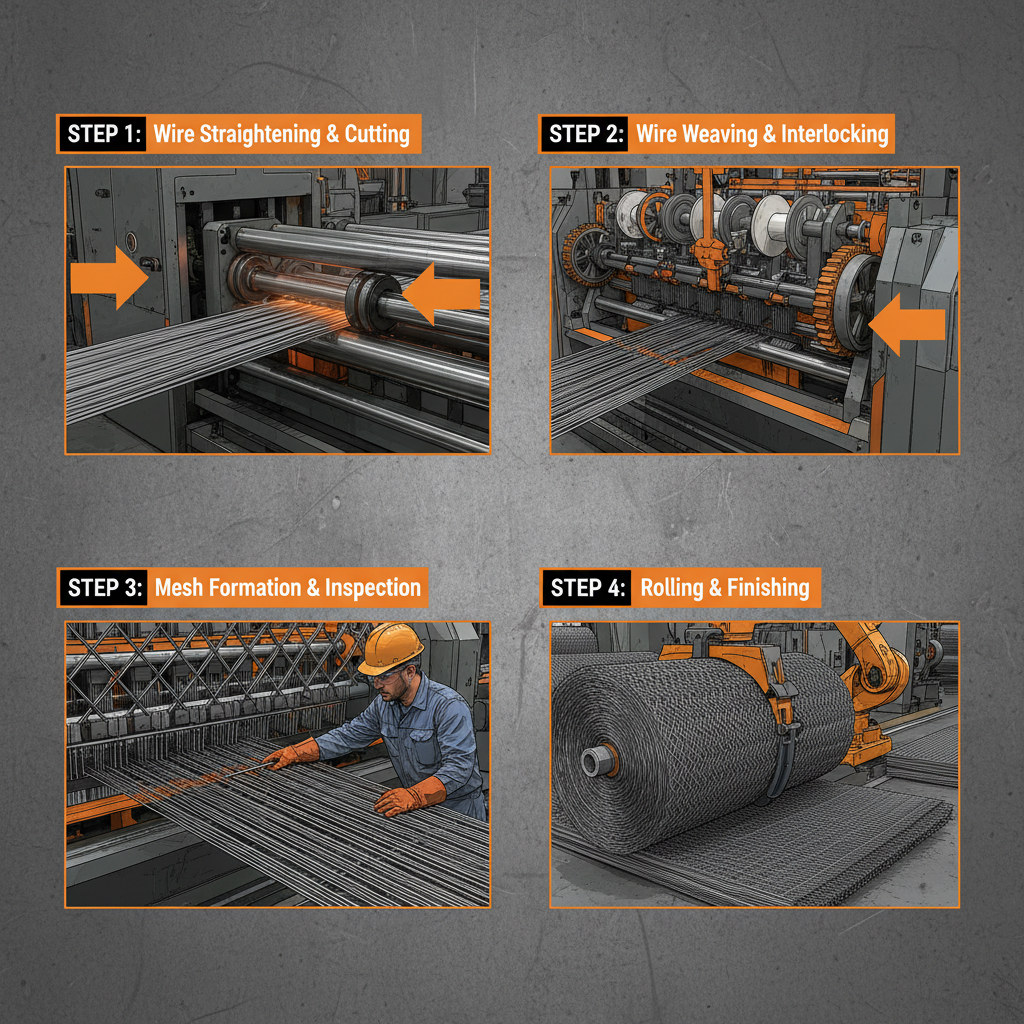
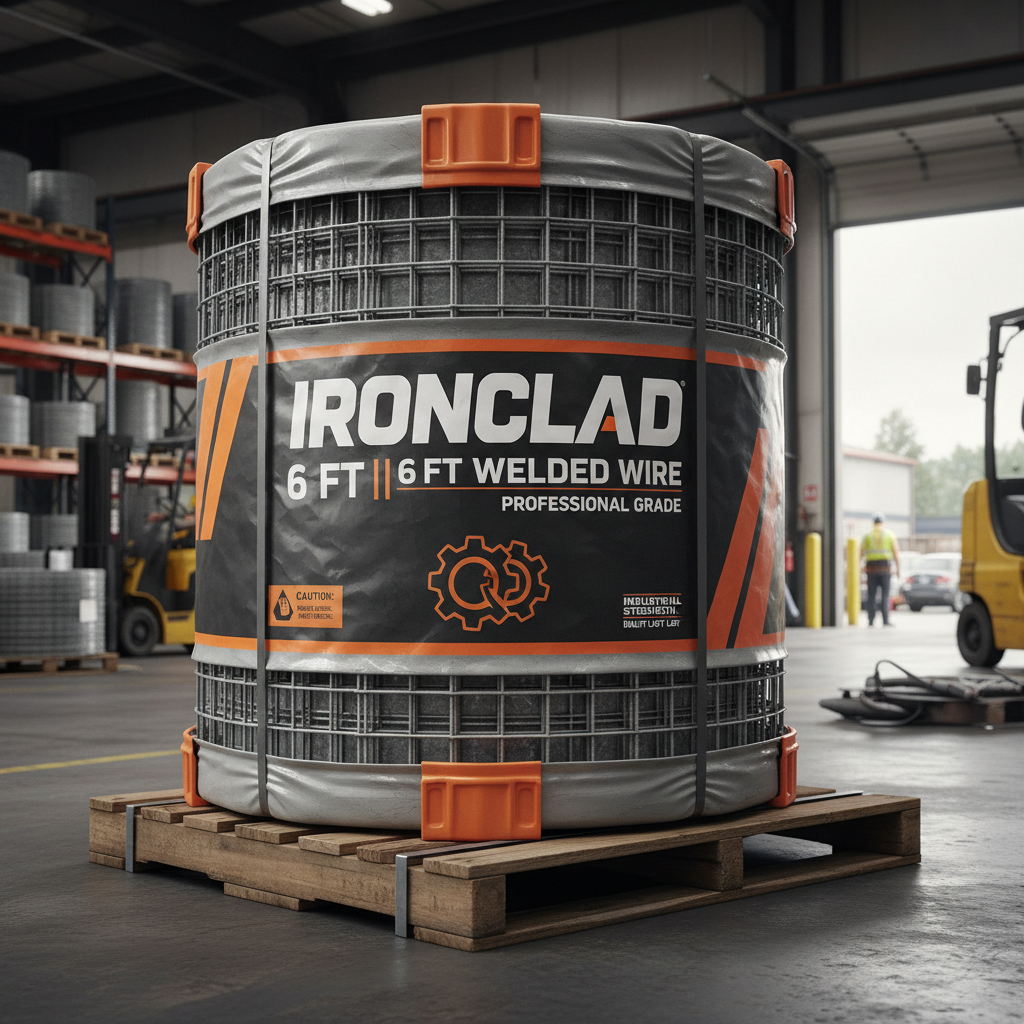
Welded wire mesh is fabricated by welding high-quality low-carbon steel wire at precise intersections, resulting in a uniform grid pattern that provides strength and stability. This manufacturing process, as employed by Dingzhou Lanye Metal Products Co., Ltd., involves rigorous quality checks to ensure consistent mesh size and joint integrity.
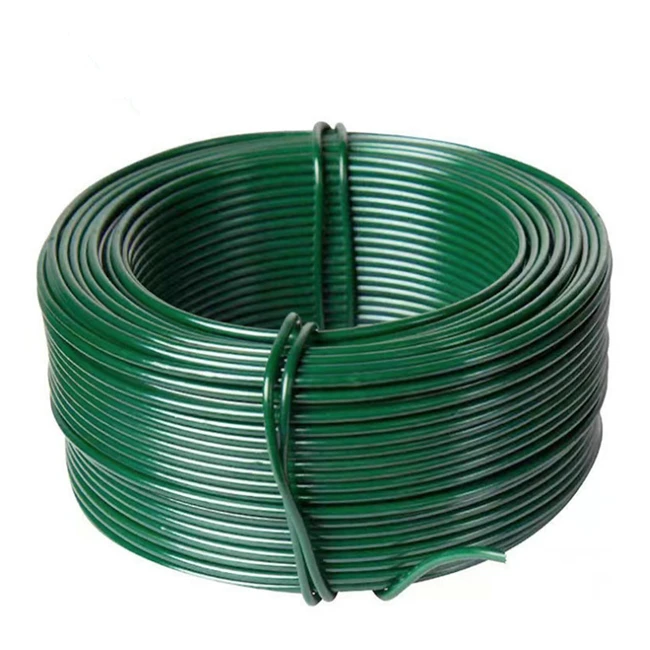
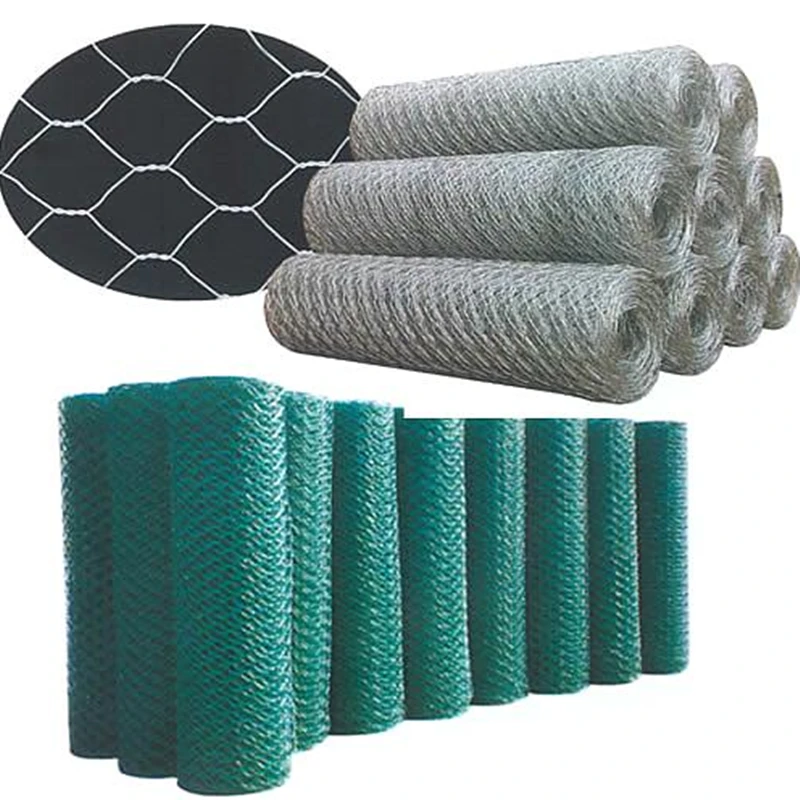
The mesh is often treated with coatings such as electro-galvanized, hot-dipped galvanized, or PVC coated to enhance its properties. These treatments lead to a smooth surface, firm solder joints, and excellent local machining performance, making the welded wire mesh easy to handle and install in various agricultural settings.
In animal breeding, welded wire mesh serves multiple purposes, including creating enclosures for poultry, swine, or smaller animals like rabbits. Its uniform mesh design prevents animals from escaping or injuring themselves, while also allowing for adequate ventilation and visibility, which is essential for monitoring animal health.
The company's focus on innovation means that their welded wire mesh is designed for good weather resistance and corrosion resistance, ensuring it withstands outdoor elements like rain, sun, and humidity. This durability reduces maintenance needs and long-term costs, aligning with the needs of modern agricultural operations.
When selecting welded wire mesh, consider the wire gauge and mesh opening size. Thicker wires (lower gauge numbers) offer more strength for larger animals, while smaller mesh openings are ideal for containing smaller species or preventing predators from entering enclosures.
Selecting the Right Mesh Size in Welded Mesh Fencing for Various Livestock
The mesh size in welded mesh fencing refers to the dimensions of the openings between wires, and it must be tailored to the specific animals being bred. For instance, poultry such as chickens may require smaller mesh sizes (e.g., 1-inch by 1-inch) to prevent chicks from slipping through, whereas larger animals like goats or pigs might need bigger openings (e.g., 2-inch by 4-inch) to allow for movement without compromising security.
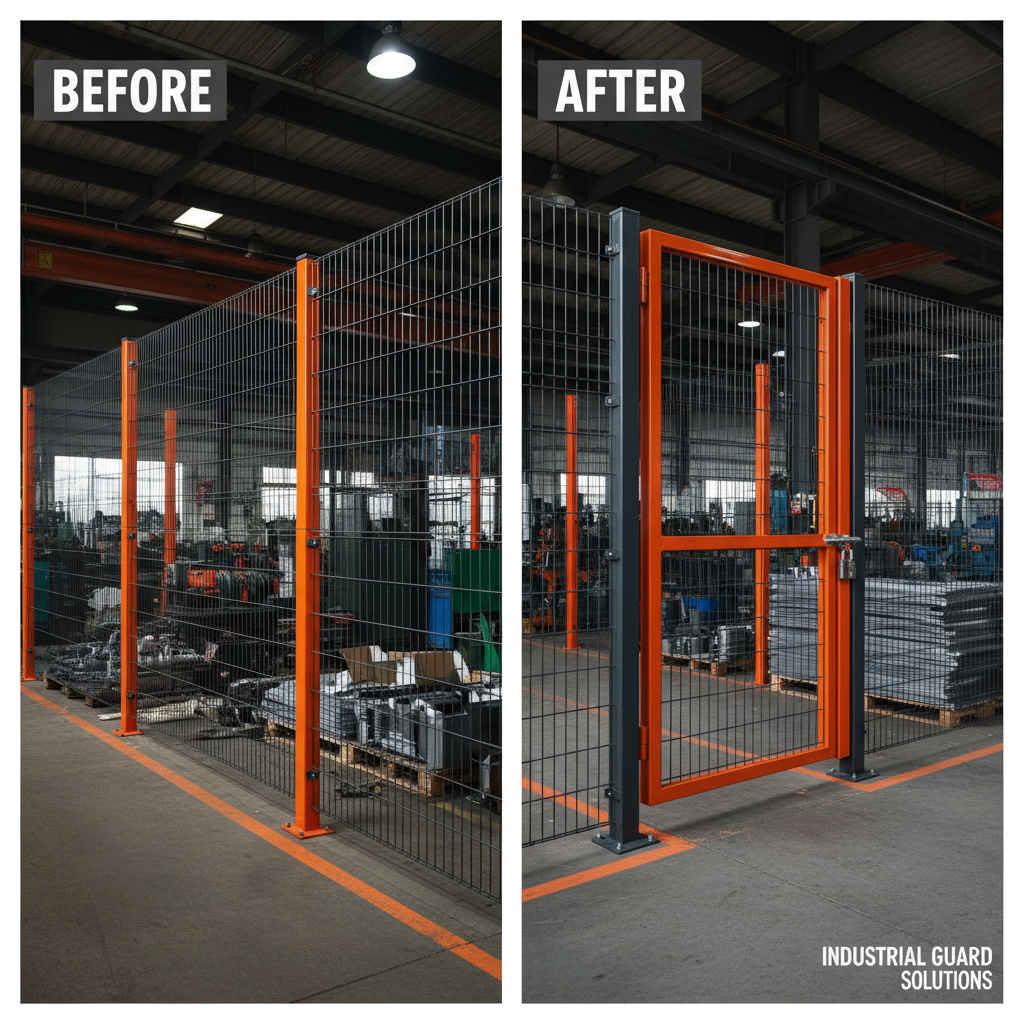
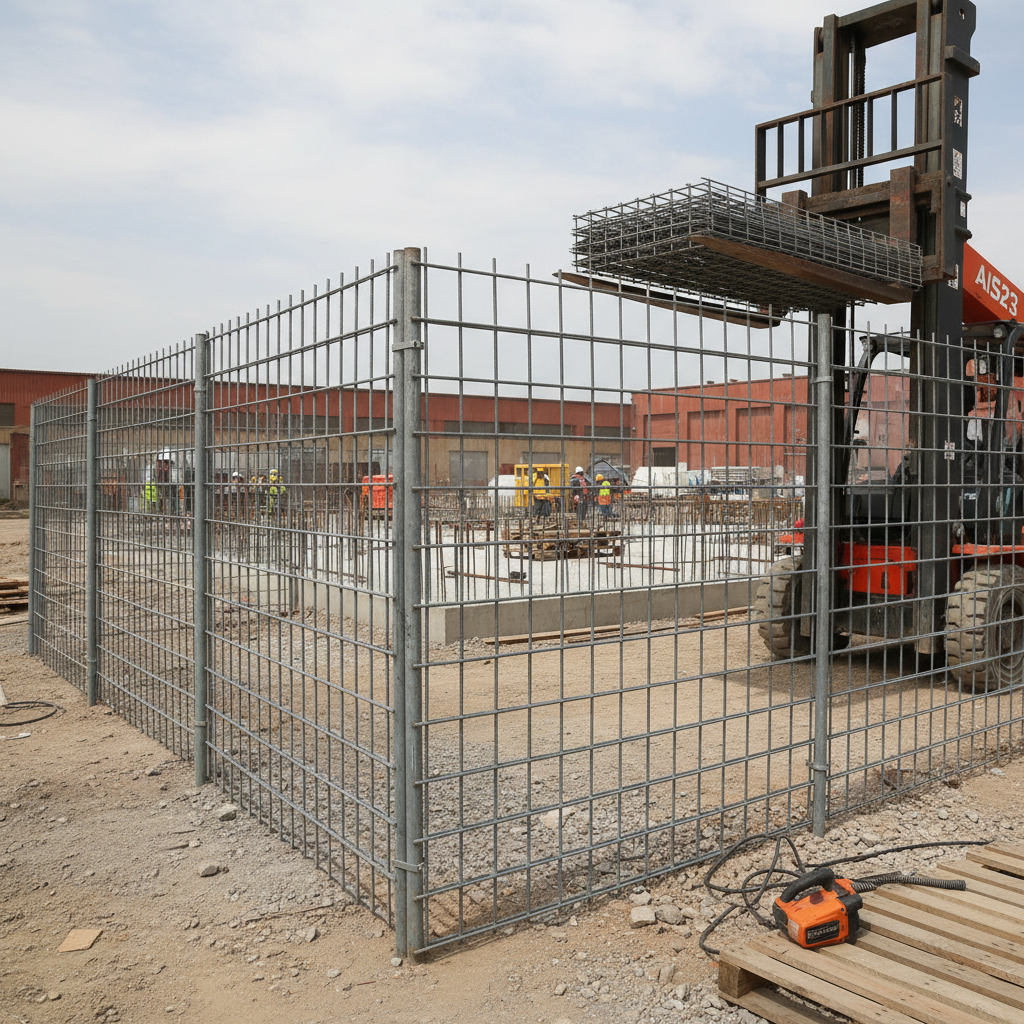
For welded mesh fencing used in boundary or perimeter fencing, a medium mesh size is often suitable to balance visibility and strength. This helps in deterring larger predators while maintaining a clear line of sight for farm management, a feature supported by Dingzhou Lanye's uniform mesh production.
In intensive breeding systems, such as for rabbits or quails, the mesh size should be small enough to support the animals' weight and prevent foot injuries. The company's welded mesh fencing products, with their firm solder joints and smooth surface, minimize the risk of abrasions, promoting animal welfare.
It's also important to factor in the animal's behavior; for example, animals that tend to chew or push against fencing may require a heavier gauge welded mesh fencing with reinforced edges. Dingzhou Lanye's quality control ensures that each panel meets these demands, thanks to their complete inspection system.
Ultimately, consulting with suppliers like Dingzhou Lanye Metal Products Co., Ltd. can provide customized recommendations, as their expertise in welded mesh fencing for agricultural use helps breeders make informed decisions based on animal size, density, and environmental conditions.
Key Factors Influencing the Performance of Weld Mesh in Farming Environments
The performance of weld mesh in agricultural settings heavily depends on the material quality and coating type. Dingzhou Lanye uses high-quality low-carbon steel wire that is passivated and plasticized through processes like galvanizing or PVC coating, resulting in enhanced corrosion resistance and stability, which is vital for long-term use in humid or variable climates.
Weld mesh must exhibit good local machining performance, meaning it can be easily cut, shaped, or joined on-site without compromising its integrity. This flexibility allows farmers to adapt enclosures as needed, a benefit underscored by the company's focus on product reliability and innovation.
Weather resistance is another critical factor; weld mesh exposed to sun, rain, or temperature fluctuations should maintain its structural strength to prevent sagging or breakage. The company's products are tested for such conditions, ensuring they remain effective year-round, which aligns with their commitment to quality and corporate reputation.
For animal breeding, the weld mesh should have a smooth surface to prevent injuries to animals during contact. This is achieved through precise manufacturing and coating techniques, as seen in Dingzhou Lanye's range, which includes options suitable for everything from daily home use to large-scale agricultural projects.
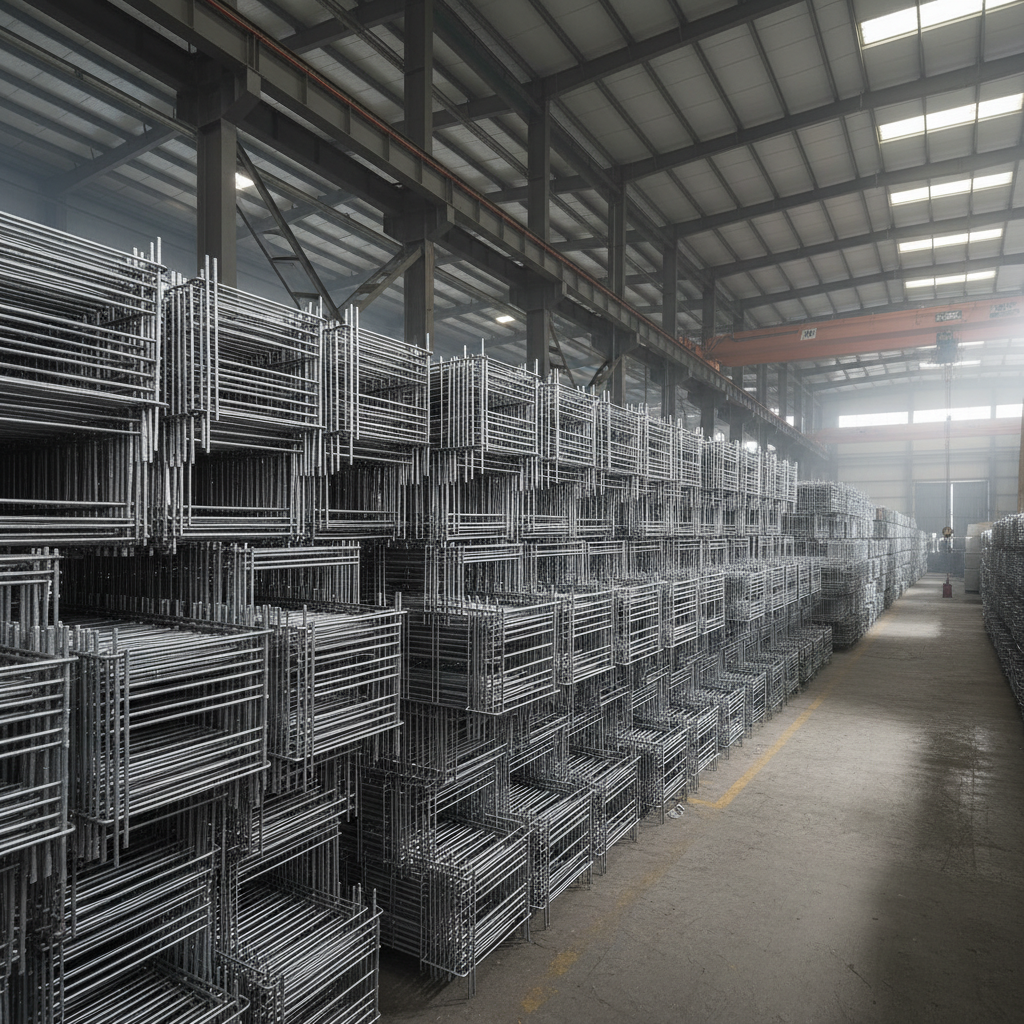
Regular inspection and proper installation are essential to maximize the lifespan of weld mesh. By choosing a manufacturer with a robust quality inspection department, like Dingzhou Lanye, breeders can trust that the mesh will perform reliably, reducing the need for frequent replacements and supporting sustainable farming practices.
FAQs About Welded Wire Mesh Products for Agricultural Use
What is the typical lifespan of galvanized welded wire mesh in outdoor animal enclosures?
Galvanized welded wire mesh, such as that produced by Dingzhou Lanye Metal Products Co., Ltd., can last for many years in outdoor agricultural settings, often ranging from 10 to 20 years depending on environmental factors. The hot-dipped galvanized coating provides excellent corrosion resistance, protecting the steel wire from rust and degradation caused by moisture and soil exposure. Regular maintenance, like cleaning debris, can extend its life, but the company's focus on quality ensures a durable product that withstands the rigors of animal breeding.
How do I determine the appropriate mesh size for welded mesh fencing when housing different types of poultry?
For poultry, the mesh size in welded mesh fencing should be selected based on the bird's size and age. For adult chickens, a mesh opening of 1x1 inches or 2x2 inches is common to prevent escape and predator entry, while for smaller birds like quails, a 0.5x0.5 inch mesh may be necessary. Dingzhou Lanye offers a variety of sizes, and their expertise can guide you in choosing the right option to ensure animal safety and enclosure integrity, backed by their quality inspection processes.
Can weld mesh be customized for specific animal breeding requirements, such as unusual enclosure shapes?
Yes, weld mesh can often be customized in terms of dimensions, mesh size, and wire gauge to fit unique enclosure designs. Dingzhou Lanye Metal Products Co., Ltd., with their young and innovative team, provides options for tailored solutions upon request. Their R&D department works on developing products that meet specific needs, ensuring that the weld mesh maintains its firm solder joints and stability even in custom applications, without compromising on quality.
What are the advantages of using PVC-coated welded wire mesh for agricultural animal breeding?
PVC-coated welded wire mesh offers enhanced durability and animal-friendly features, such as a smooth surface that reduces injury risks and improved resistance to corrosion and UV rays. This makes it ideal for long-term use in various climates. Dingzhou Lanye's PVC-coated options undergo strict quality checks to ensure uniform coating and good weather resistance, providing a reliable barrier that supports animal welfare and reduces maintenance costs over time.
How does the wire gauge affect the strength of welded mesh fencing in containing larger livestock?
The wire gauge directly influences the strength of welded mesh fencing; a lower gauge number indicates a thicker wire, which is stronger and more suitable for containing larger or more aggressive animals like cattle or swine. For instance, a 10-gauge wire is robust enough for such applications, whereas lighter gauges might be used for smaller animals. Dingzhou Lanye's manufacturing ensures that the wire gauge is consistent and tested for performance, offering stability and good local machining performance to meet the demands of agricultural breeding.
In summary, selecting the right welded wire mesh with an appropriate mesh size is essential for successful agricultural animal breeding, as it ensures animal safety, containment, and operational efficiency. By considering factors such as mesh size, wire gauge, and coating type, breeders can make informed choices that align with their specific needs. Dingzhou Lanye Metal Products Co., Ltd., with its foundation in quality, innovation, and a young, energetic approach, provides reliable products that undergo stringent inspections to meet these requirements. Their extensive experience in producing welded wire mesh, welded mesh fencing, and weld mesh ensures that customers receive durable, weather-resistant solutions suitable for various agricultural applications. Ultimately, investing in high-quality mesh from a trusted manufacturer not only enhances farm productivity but also supports sustainable animal husbandry practices.