In the demanding world of industrial manufacturing, the integrity of structural components often hinges on the quality of the materials used. high tensile steel wire stands as a cornerstone of modern engineering, providing the necessary strength-to-weight ratio to support massive loads while maintaining a slim profile. From securing agricultural perimeters to reinforcing complex concrete structures, this specialized material ensures safety and longevity in the most challenging environments.
Globally, the demand for high-performance wiring has surged as infrastructure projects become more ambitious. Whether it is the construction of suspension bridges or the deployment of high-security fencing for critical installations, the ability of high tensile steel wire to resist deformation under extreme tension makes it an indispensable asset for engineers and contractors alike.
Understanding the nuances of this material—from its carbon content and drawing process to its coating options—is essential for optimizing project costs and ensuring structural reliability. By leveraging the unique properties of high-tensile alloys, industries can reduce material waste and increase the lifespan of their installations, bridging the gap between raw industrial power and precision engineering.
Global Relevance and Industrial Impact of High Tensile Steel Wire
On a global scale, the production and application of high tensile steel wire are closely tied to the growth of the construction and agricultural sectors. According to ISO standards and industrial benchmarks, the transition from mild steel to high-tensile variants has allowed for a significant reduction in the volume of steel required for tension-based projects, effectively lowering the carbon footprint associated with steel transportation and installation.
However, the industry faces a constant challenge: balancing extreme strength with corrosion resistance. In coastal regions or high-humidity industrial zones, the inherent vulnerability of high-carbon steel to oxidation can lead to catastrophic failures if not properly treated. This has driven the development of advanced galvanizing and PVC coating techniques to ensure that the strength of the wire is matched by its durability.
Defining High Tensile Steel Wire in Modern Manufacturing
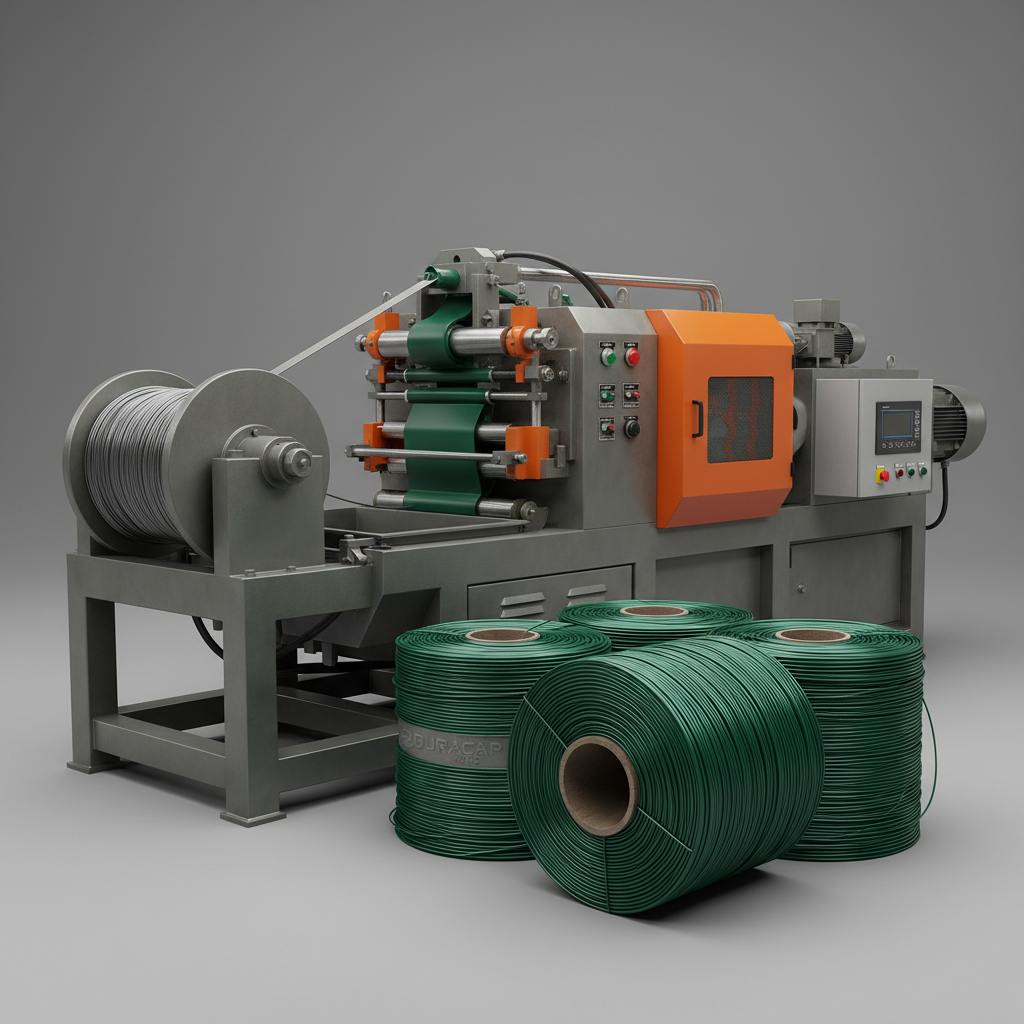
At its core, high tensile steel wire is a specialized carbon steel product that has undergone a process of cold drawing to increase its yield strength and tensile capacity. Unlike standard wire, which may stretch or snap under heavy loads, high-tensile variants are engineered to withstand immense pulling forces without permanent deformation, making them ideal for tensioning systems.
This material is not merely a commodity but a critical component in humanitarian and infrastructure needs. For instance, in the creation of secure boundaries for refugee camps or the reinforcement of low-cost housing in disaster-prone areas, the reliability of high-tensile steel ensures that structures remain stable and secure under unpredictable environmental stresses.
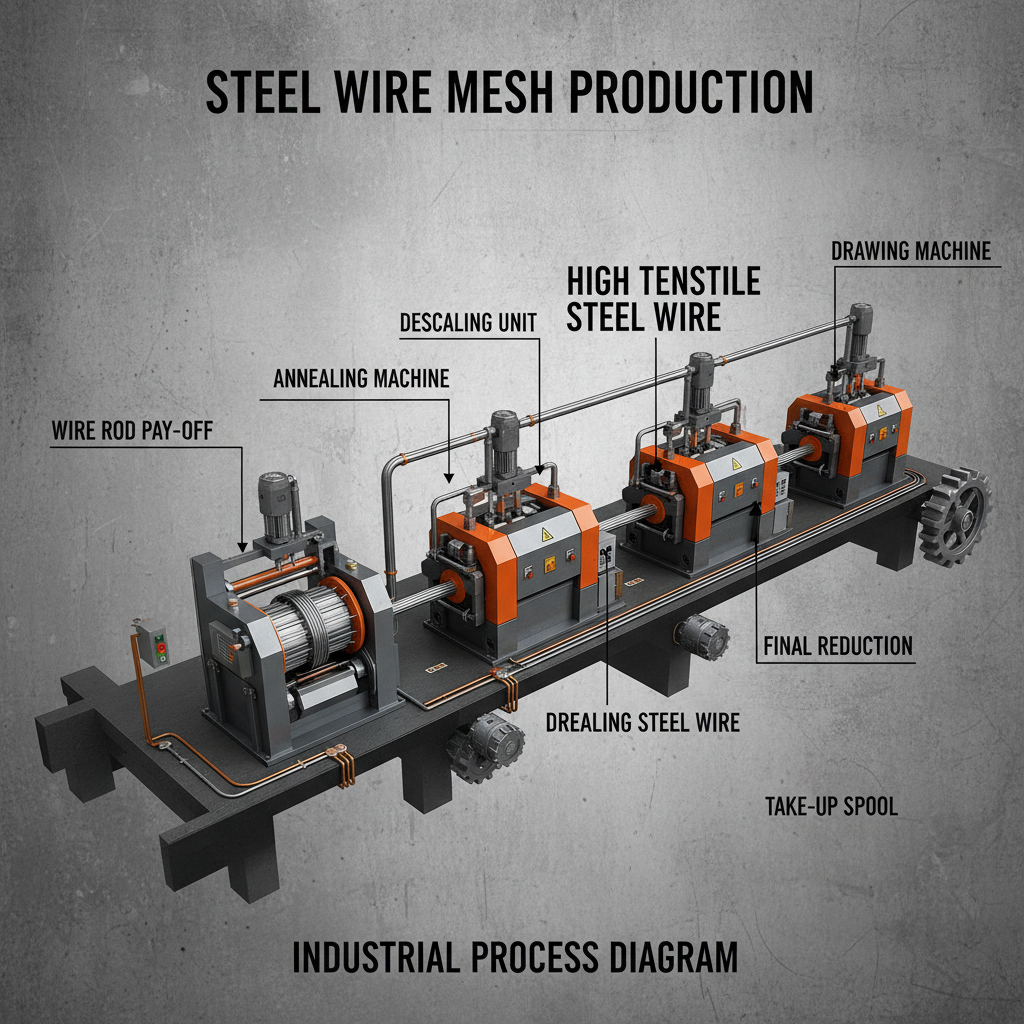
From a technical perspective, the "high tensile" designation refers to the wire's ability to resist breaking under tension. This is achieved through precise control of the carbon content and the application of mechanical stress during the drawing process, which aligns the crystalline structure of the metal to maximize its load-bearing capacity.
Core Components of High Tensile Performance
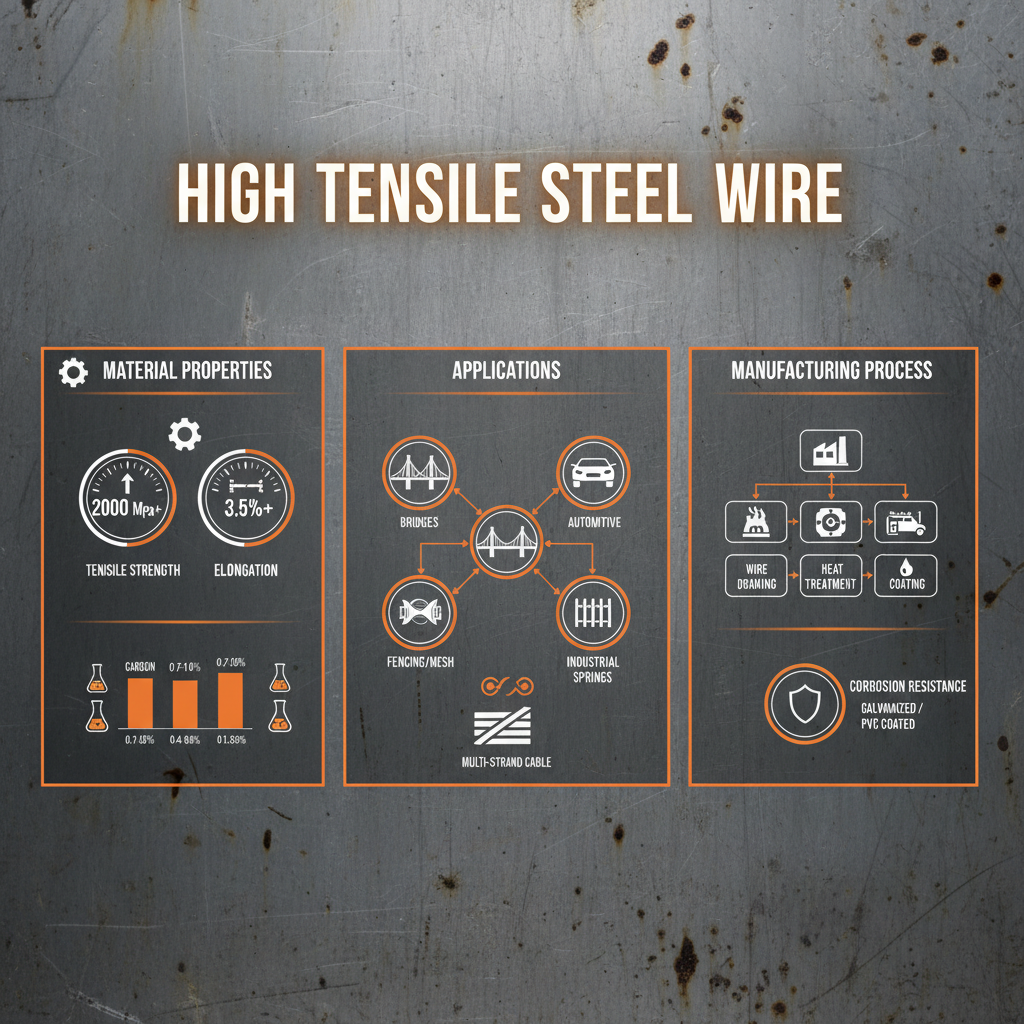
The effectiveness of high tensile steel wire is primarily driven by its chemical composition. The precise ratio of carbon to iron determines the hardness and the ultimate tensile strength, allowing the wire to be drawn to very fine diameters while maintaining the strength of much thicker, low-carbon alternatives.
Durability is another cornerstone of this material. Through processes such as hot-dip galvanizing or the application of PVC coatings, high tensile steel wire is shielded from the elements. This ensures that the internal steel core remains intact, preventing rust-induced weakening that could compromise the safety of a fence or a bridge cable.
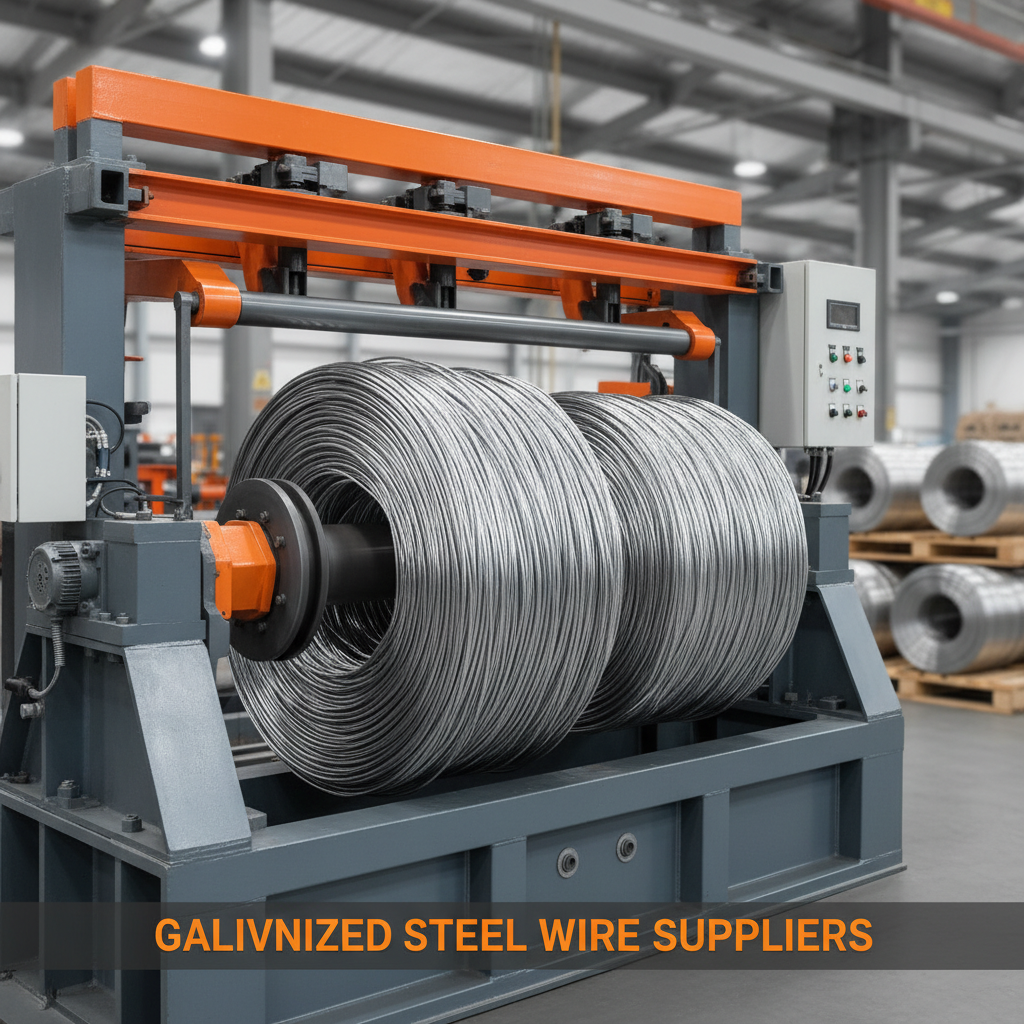
Finally, scalability and versatility play a huge role. Whether it is integrated into a Large Coil Wire for industrial shipping or processed into specific lengths for Garden Products, the material's flexibility allows it to be adapted to various manufacturing workflows without losing its fundamental structural integrity.
Practical Applications Across Global Industries
In real-world contexts, high tensile steel wire is utilized in diverse settings. In the agricultural sectors of Australia and North America, it is the gold standard for livestock fencing, where it prevents sagging over long distances and resists the pressure of leaning animals. In the industrial zones of East Asia, it is frequently used in the production of high-strength springs and cable cores.
Moreover, in post-disaster relief operations, high-tensile wires are used to quickly establish secure perimeters and support temporary shelters. Its ability to be deployed rapidly and held under high tension provides a level of security and organization that is critical for the efficient delivery of humanitarian aid in remote or chaotic environments.
Performance Comparison of High Tensile Steel Wire Variants
Long-Term Economic and Structural Advantages
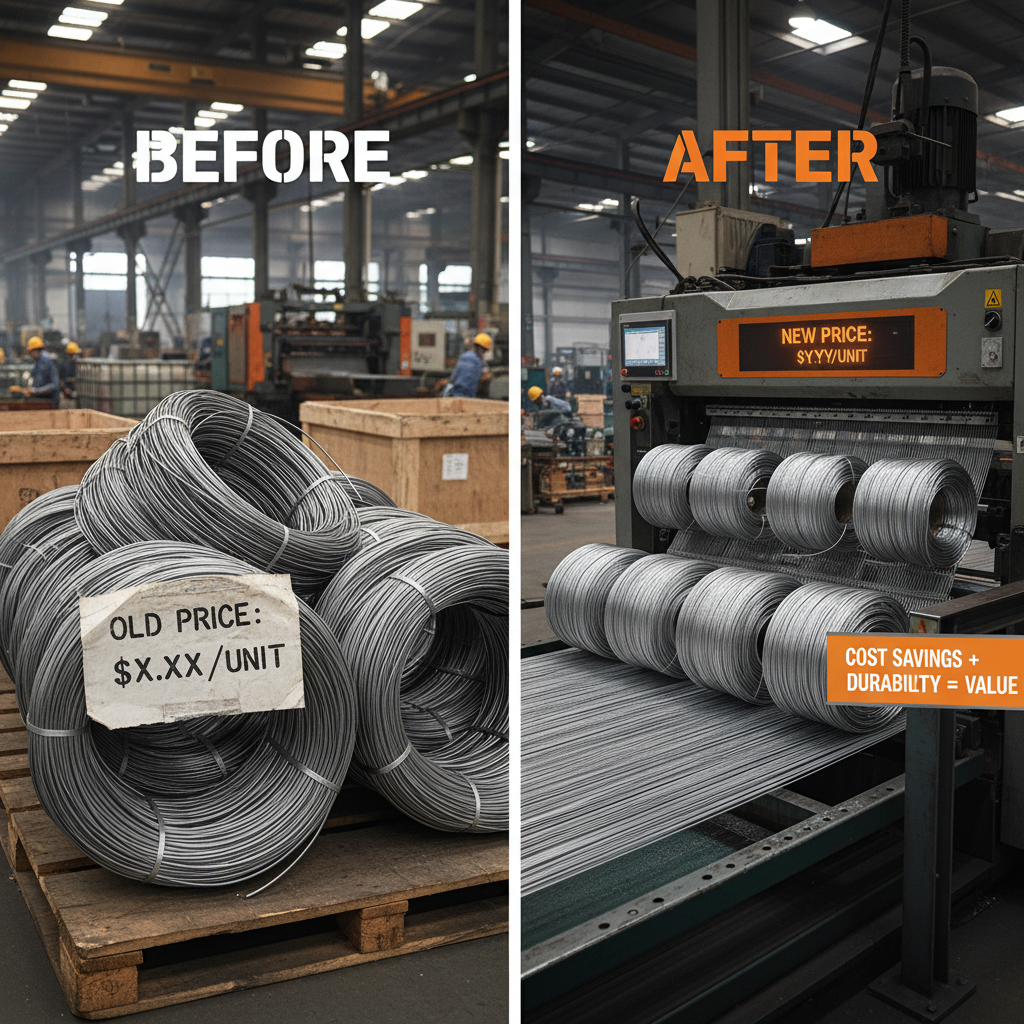
The adoption of high tensile steel wire offers significant long-term value, primarily through the reduction of maintenance costs. Because the wire does not stretch significantly under load, the need for frequent re-tensioning is virtually eliminated, saving thousands of man-hours in large-scale agricultural or industrial fence management.
Beyond the logic of cost, there is a profound emotional angle: safety and trust. Knowing that a structural cable or a security fence is made from genuine high-tensile material provides peace of mind. Whether it is protecting livestock from predators or ensuring a building's reinforcement holds during a seismic event, the reliability of this material translates directly into human safety and asset protection.
Future Innovations in High Tensile Steel Technology
The future of high tensile steel wire is being shaped by the global push toward sustainability and the "Green Energy" transition. We are seeing the emergence of eco-friendly coating processes that eliminate toxic chemicals while maintaining the same level of corrosion protection, ensuring that the wire can be recycled more easily at the end of its lifecycle.
Digital transformation is also making its mark. Smart manufacturing and AI-driven quality control are now used to detect microscopic flaws in the wire during the drawing process. This level of precision ensures that every meter of wire produced meets exact tensile specifications, reducing the risk of unpredictable snapping and improving overall safety.
Furthermore, the integration of nano-coatings is on the horizon. These ultra-thin layers can provide superior hydrophobic properties, making the wire almost immune to moisture-driven rust, even in the most extreme saltwater environments, thereby extending the product's lifespan by decades.
Overcoming Challenges in Wire Installation and Maintenance
Despite its strengths, the installation of high tensile steel wire presents specific challenges. Due to its extreme tension, improper installation can lead to "snap-back" accidents, which pose a risk to workers. The solution lies in the use of professional-grade tensioning tools and rigorous safety training to ensure the wire is secured correctly without over-stressing the anchor points.
Another common limitation is the difficulty in cutting and shaping the wire on-site. High-tensile steel is significantly harder than mild steel, requiring specialized carbide-tipped cutters. Industry experts recommend implementing standardized toolkits for installation teams to prevent the use of improper tools that could damage the wire's surface and create points of failure.
To overcome these hurdles, many companies are now moving toward pre-fabricated high-tensile solutions. By providing pre-tensioned panels or customized lengths, the risk of on-site errors is minimized, and the efficiency of the deployment process is greatly increased.
Comparative Analysis of High Tensile Steel Wire Solutions
|
Wire Variant
|
Tensile Strength (MPa)
|
Corrosion Resistance
|
Primary Use Case
|
| Hot-Dip Galvanized |
1500-1800 |
High |
Outdoor Agricultural Fencing |
| PVC Coated |
1400-1700 |
Very High |
Coastal Security Barriers |
| Cold Drawn Hard |
1700-2000 |
Medium |
Industrial Springs/Cables |
| Black Annealed |
1200-1500 |
Low |
Temporary Structural Ties |
| Stainless High Tensile |
1600-1900 |
Extreme |
Marine Engineering |
| Electric Galvanized |
1300-1600 |
Medium |
Indoor Mesh Construction |
FAQS
The primary difference lies in the tensile strength and the manufacturing process. High tensile steel wire is typically made from higher carbon steel and undergoes a rigorous cold-drawing process. This alters the internal grain structure, allowing it to withstand much higher pulling forces without stretching or breaking compared to mild or standard steel wire, which is more ductile and prone to sagging.
For saltwater or coastal environments, a combination of hot-dip galvanization and a thick PVC coating is highly recommended. While galvanization provides a chemical bond that prevents rust, the PVC layer acts as a physical barrier against chloride ions in the air. For extreme marine applications, stainless steel high-tensile variants are the gold standard due to their inherent chromium content.
Yes, absolutely. It is frequently used in premium garden products, such as heavy-duty trellises, plant supports, and decorative but durable fencing. Because it is so strong, you can use thinner gauges of wire to achieve the same support as thicker mild steel, resulting in a more aesthetically pleasing, "invisible" look while maintaining full structural integrity.
It requires a different approach. Because high tensile wire is designed to be under extreme tension, you cannot simply tie it off with standard knots; you need specialized tensioners, crimps, and high-strength anchors. However, once installed, it is much easier to maintain because it does not sag over time, meaning you spend far less time performing corrective maintenance.
The best way is to request a Mill Test Certificate (MTC) from the supplier. This document lists the chemical composition and the actual break-load tests conducted on that specific batch. Look for compliance with international standards such as ASTM or ISO, and be wary of products that are priced significantly below market average, as they may be mild steel masquerading as high-tensile.
Depending on the environmental conditions and the thickness of the zinc coating, a high-quality hot-dip galvanized high tensile fence can last between 20 to 50 years. In highly corrosive environments, this may be lower, but applying a PVC coating can push the lifespan toward the upper end of that range by preventing the initial oxidation of the zinc layer.
Conclusion
In summary, high tensile steel wire is far more than just a construction material; it is an engineering solution that optimizes strength, durability, and cost-efficiency. By understanding the critical roles of carbon content, cold drawing, and protective coatings, businesses can make informed decisions that enhance the safety and longevity of their infrastructure, from agricultural boundaries to industrial cable systems.
As we move toward a future defined by smarter cities and sustainable agriculture, the evolution of high-tensile materials will continue to play a pivotal role. We encourage engineers and procurement specialists to prioritize quality and certified specifications to unlock the full potential of these high-performance wires. For premium solutions tailored to your specific industrial needs, visit our website: www.lanyewiremesh.com