Hard drawn steel wire is a fundamental material underpinning a vast array of industries globally, from construction and automotive to energy and infrastructure. Its exceptional strength and durability, achieved through a cold drawing process, make it an indispensable component in applications demanding high tensile strength and minimal deformation. This makes it critical for applications ranging from high-strength cables to precision springs and beyond, driving innovation and supporting vital infrastructure worldwide.
The global demand for hard drawn steel wire is directly correlated with industrial growth and infrastructural development, particularly in emerging economies. According to the World Steel Association, global steel demand continues to rise, and high-strength wire products like hard drawn steel wire are essential to meet the needs of increasingly complex engineering projects. Addressing challenges related to corrosion, fatigue, and cost-effectiveness within this sector is paramount to continued success.
Understanding the nuances of hard drawn steel wire – its manufacturing processes, properties, and applications – is no longer just a technical consideration. It's a strategic advantage for businesses seeking to optimize performance, enhance safety, and achieve long-term sustainability in an increasingly competitive global market. Access to high-quality hard drawn steel wire is crucial for maintaining these standards.
The Significance of Hard Drawn Steel Wire
Hard drawn steel wire plays a critical, often unseen, role in the functionality and safety of countless products and structures we rely on daily. Its high tensile strength makes it superior to many alternative materials, particularly in applications requiring resistance to significant loads and stresses. This strength isn't simply a raw material characteristic; it’s a result of precise metallurgical control and the cold drawing process itself, optimizing the wire's crystalline structure for peak performance.
From reinforcing concrete in skyscrapers to forming the core of suspension bridges and providing the tensile strength in automotive cables, hard drawn steel wire is the silent workhorse supporting modern infrastructure. Its versatility extends to specialized applications like musical instrument strings, welding electrodes, and various components within the aerospace industry, highlighting its broad applicability and enduring importance.
Defining Hard Drawn Steel Wire
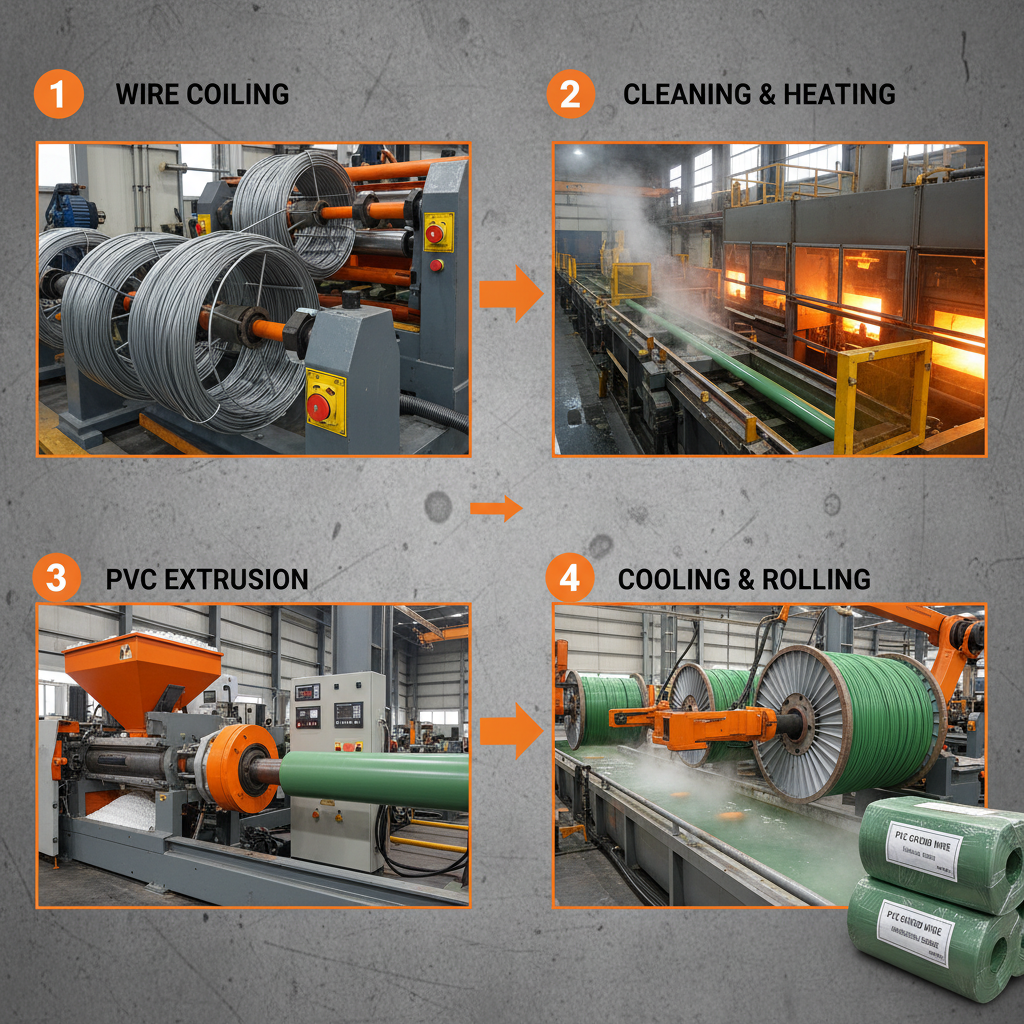
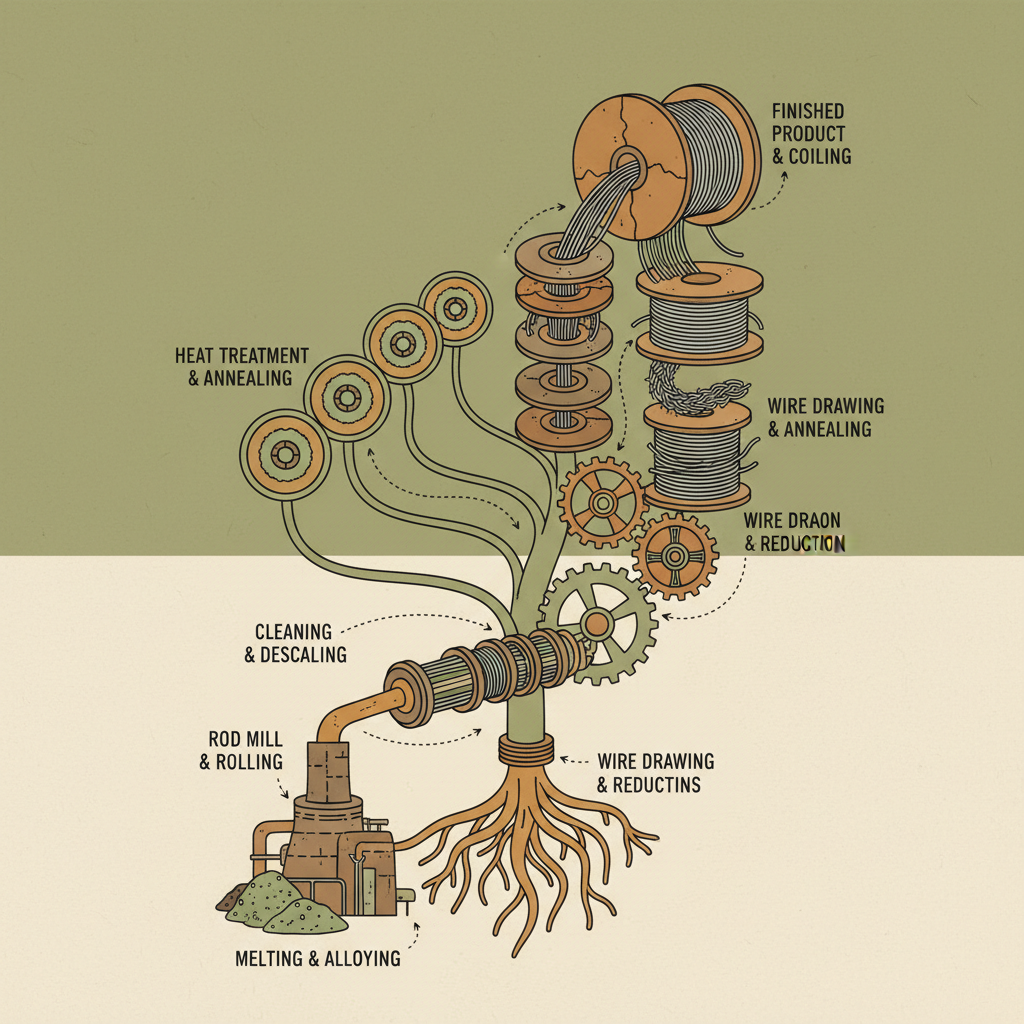
Hard drawn steel wire is a cold-worked steel wire that has been reduced in diameter by pulling it through a series of drawing dies. This process, known as cold drawing, increases the steel’s tensile strength and hardness while simultaneously reducing its ductility. Unlike annealed wire, which is softer and more pliable, hard drawn wire is characterized by its exceptional strength and resistance to deformation. It's typically produced from high-carbon steel, further enhancing its structural integrity.
The connection to modern industry is inextricably linked to the demand for robust, reliable materials capable of withstanding extreme conditions. In humanitarian efforts, for example, hard drawn steel wire is used in constructing temporary shelters, reinforcing medical facilities, and providing essential infrastructure support in disaster zones. It’s a material that literally helps build resilience.
Essentially, hard drawn steel wire provides a critical link in countless supply chains, serving as a foundational element for progress and development. Its consistent quality and predictable performance are invaluable assets in diverse applications.
Core Properties of Hard Drawn Steel Wire
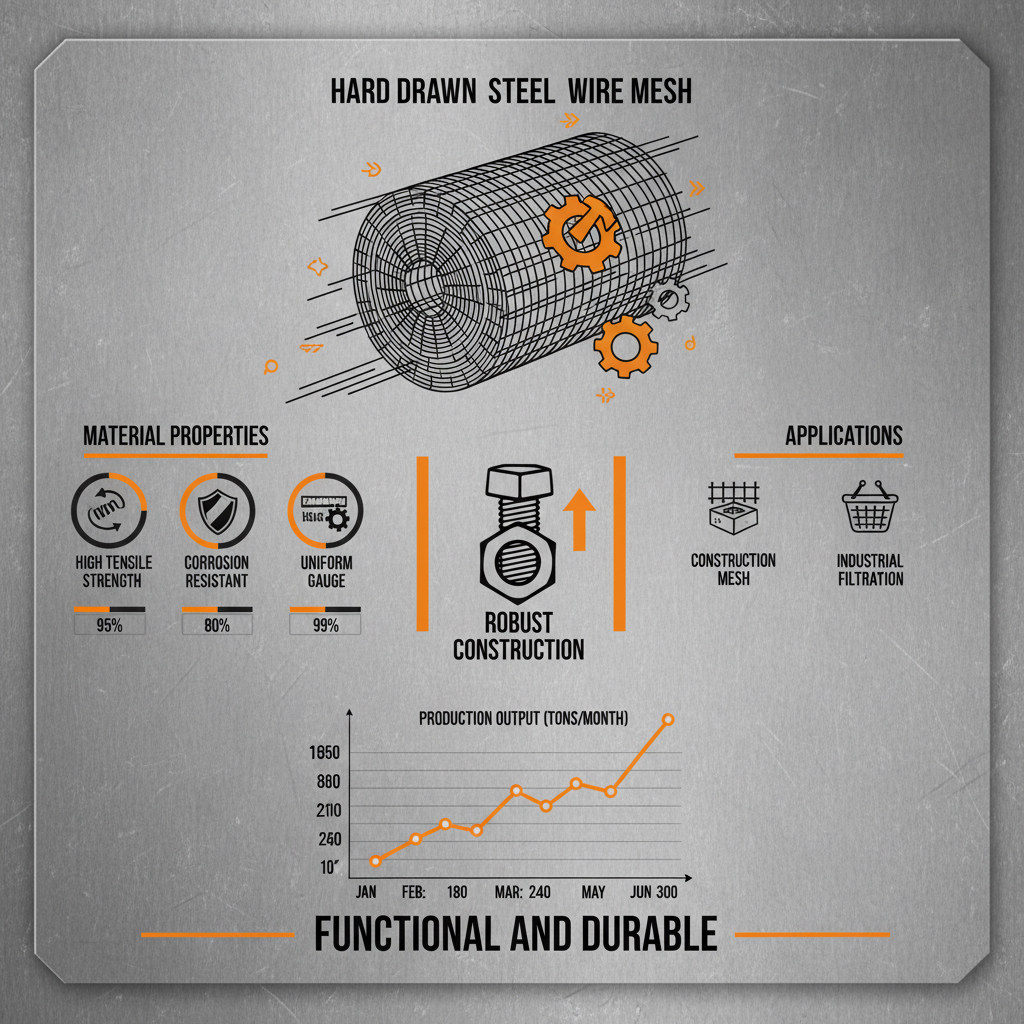
Tensile Strength: This is arguably the defining characteristic of hard drawn steel wire. The cold drawing process aligns the grains within the steel, creating a material capable of withstanding immense pulling forces without breaking. This high tensile strength is critical for applications like high-strength cables, springs, and structural supports.
Low Ductility: While high tensile strength is desirable, it comes with reduced ductility. Hard drawn steel wire is less malleable and less able to be drawn or bent without fracturing. This property, while limiting in some applications, ensures dimensional stability and resistance to deformation under load.
Hardness: The cold working process significantly increases the hardness of the steel, making it resistant to abrasion and wear. This property is especially important in applications where the wire is subjected to friction or impact. Furthermore, the hardness directly contributes to its fatigue resistance.
Applications Across Diverse Industries
The versatility of hard drawn steel wire leads to its widespread adoption across numerous sectors. In the construction industry, it serves as a crucial component in concrete reinforcement, pre-stressed concrete strands, and stay cables for bridges, ensuring structural integrity and longevity. Automotive manufacturers utilize it in tire cords, engine valve springs, and various fastening systems, benefitting from its strength and durability.
The energy sector relies on hard drawn steel wire for overhead power lines, guy wires for transmission towers, and components in wind turbine blades. Moreover, it's integral to the manufacturing of springs, fasteners, and other critical components in machinery and equipment across a wide range of industrial processes. In regions with limited infrastructure, its affordability and strength make it a practical solution for fencing, security barriers, and basic structural support.
From creating durable filters and screens in the manufacturing industry to serving as the core component of high-performance sporting equipment, the applications of hard drawn steel wire are incredibly diverse and continue to expand with technological advancements.
Hard Drawn Steel Wire Applications by Industry
Advantages and Long-Term Value Proposition
The primary advantage of hard drawn steel wire lies in its cost-effectiveness. Compared to other high-strength materials like titanium alloys, it offers a significantly lower price point without compromising essential performance characteristics. This makes it accessible for a wider range of applications and budgets. Furthermore, steel is a highly recyclable material, contributing to sustainable practices.
The long-term value proposition extends beyond immediate cost savings. Its durability minimizes the need for frequent replacements, reducing lifecycle costs. The inherent reliability of hard drawn steel wire contributes to the safety and longevity of structures and equipment, preventing costly failures and downtime.
Future Trends in Hard Drawn Steel Wire Production
Innovations in steel metallurgy are driving the development of new hard drawn steel wire alloys with enhanced properties. Researchers are exploring techniques to improve ductility without sacrificing tensile strength, expanding the range of potential applications. Nanotechnology is also playing a role, with nanoparticles being incorporated into the steel matrix to further enhance strength and corrosion resistance.
The increasing emphasis on sustainability is leading to greater demand for recycled steel wire and more efficient manufacturing processes. Digitalization and automation are being implemented to optimize production, reduce waste, and improve quality control. These advancements will contribute to a more sustainable and cost-effective supply chain for hard drawn steel wire.
Addressing Challenges and Optimizing Performance
Corrosion remains a significant challenge with steel wire, particularly in harsh environments. Developing more effective protective coatings and exploring corrosion-resistant alloys are critical areas of research. Fatigue failure, caused by repeated stress cycles, is another concern that requires careful consideration in design and material selection.
Optimizing the cold drawing process itself is crucial. Precise control over parameters like drawing speed, die lubrication, and temperature can significantly impact the wire’s final properties. Advanced monitoring and control systems are being implemented to ensure consistent quality and minimize defects.
By focusing on these areas, manufacturers can further enhance the performance and reliability of hard drawn steel wire, solidifying its position as a cornerstone material for a wide range of industries.
Summary of Hard Drawn Steel Wire Challenges and Mitigation Strategies
| Challenge |
Impact on Performance |
Mitigation Strategy |
Implementation Cost (1-10) |
| Corrosion |
Reduced tensile strength, structural failure |
Protective coatings (galvanizing, epoxy) |
4 |
| Fatigue Failure |
Cracking and eventual breakage under cyclic loading |
Alloy optimization, surface treatments |
6 |
| Surface Defects |
Stress concentration, premature failure |
Improved die design, lubrication control |
3 |
| Inconsistent Material Properties |
Unpredictable performance, increased risk of failure |
Real-time monitoring during cold drawing |
7 |
| High Manufacturing Costs |
Reduced competitiveness |
Process automation, energy efficiency improvements |
5 |
| Supply Chain Disruptions |
Material shortages, production delays |
Diversifying suppliers, strategic inventory management |
2 |
FAQS
Hard drawn steel wire offers a superior combination of high tensile strength, durability, and cost-effectiveness compared to many other metal wires. Its cold drawing process enhances its strength significantly, making it ideal for applications where load-bearing capacity is critical. While materials like stainless steel offer corrosion resistance, hard drawn steel wire provides a more economical solution for many structural applications, especially when coupled with protective coatings.
The cold drawing process fundamentally alters the microstructure of the steel, aligning the grains in the direction of the pull. This alignment increases tensile strength and hardness but reduces ductility. Essentially, it makes the wire stronger and more resistant to deformation, but also less malleable. The degree of cold working (reduction in diameter) directly correlates with the increase in strength and decrease in ductility.
In construction, hard drawn steel wire is extensively used as reinforcement in concrete, providing tensile strength to resist cracking and bending. It's also critical in pre-stressed concrete applications, where it's tensioned before the concrete is poured, creating a stronger, more durable structure. Furthermore, it’s used in guy wires for towers, cable supports, and as a component in various structural fasteners.
Corrosion can be prevented through several methods. Galvanizing – coating the wire with a layer of zinc – is a common and effective solution. Epoxy coatings and other protective paints also provide a barrier against moisture and corrosive elements. Utilizing corrosion-resistant alloys, though more expensive, offers a long-term solution in particularly harsh environments. Regular inspection and maintenance are also crucial.
The tensile strength of hard drawn steel wire varies depending on the steel grade and the amount of cold working performed. However, it generally falls within the range of 800 to 2,000 MPa (megapascals). High-carbon steel grades, combined with significant cold drawing, can achieve tensile strengths at the higher end of this range, offering exceptional load-bearing capacity.
Sourcing from reputable manufacturers and suppliers is crucial to ensure consistent quality and performance. Look for suppliers with established quality control systems, certifications (such as ISO 9001), and a track record of reliability. We, Lanye Wire Mesh, are a leading provider of high-quality hard drawn steel wire, serving a diverse range of industries globally.
Conclusion
Hard drawn steel wire remains an indispensable material in a vast spectrum of applications, driven by its unique combination of high tensile strength, durability, and cost-effectiveness. Its role in supporting infrastructure, enabling manufacturing processes, and contributing to technological advancements is undeniable. Understanding its properties, applications, and future trends is vital for businesses and engineers seeking to optimize performance and reliability.
Looking ahead, continuous innovation in material science and manufacturing techniques will further enhance the capabilities of hard drawn steel wire, ensuring its continued relevance in a rapidly evolving world. Exploring sustainable production methods and developing advanced coatings to combat corrosion will be key to unlocking its full potential. For reliable supply and expert guidance, visit our website at www.lanyewiremesh.com.