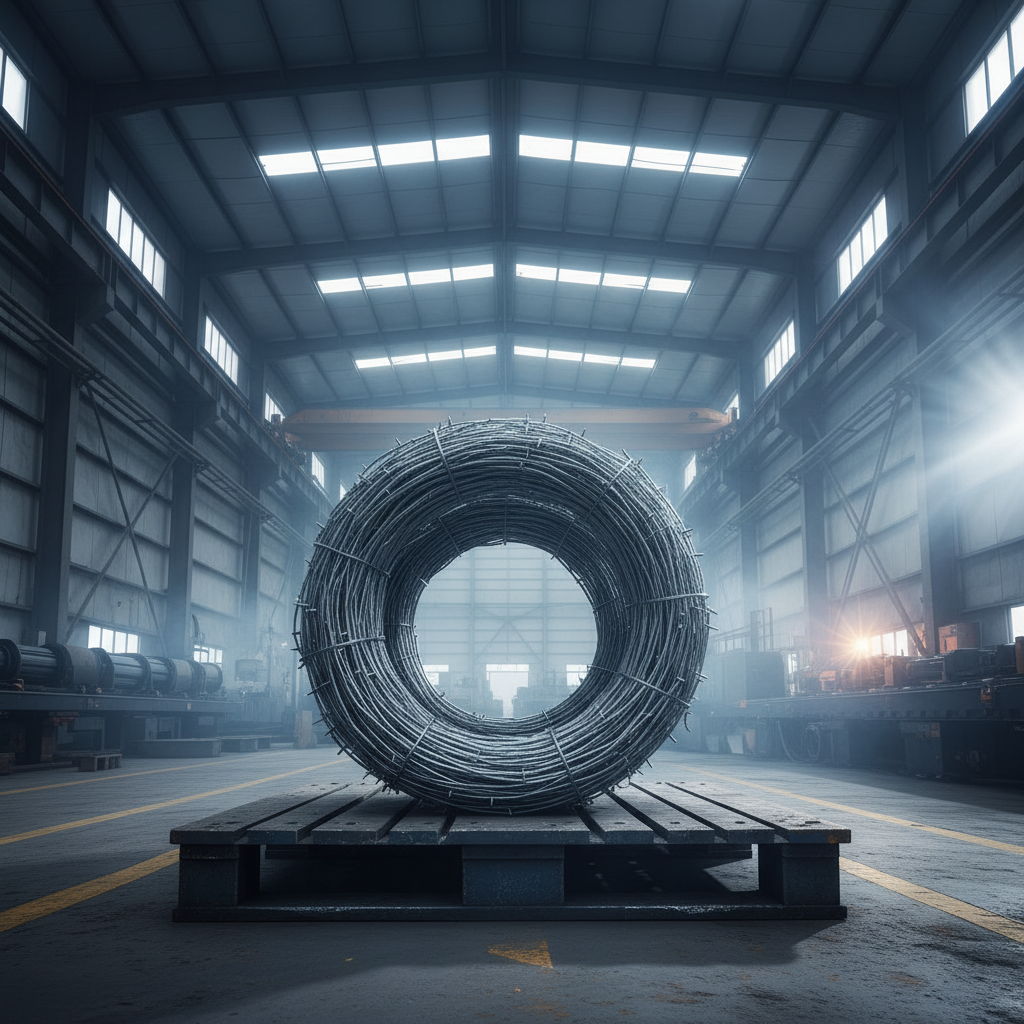
In the vast landscape of industrial manufacturing, low carbon steel wire stands as a fundamental building block that supports countless infrastructures and consumer products worldwide. Its unique balance of malleability and strength makes it the preferred choice for everything from simple binding tasks to complex structural mesh, providing a versatile solution that satisfies both economic and technical requirements.
Understanding the nuances of these wires—ranging from their chemical composition to their various finishing processes—is crucial for procurement managers and engineers who aim to optimize product longevity and cost-efficiency. Whether it is processed into Black Annealed Wire or Hot Dipped Galvanized Wire, the underlying quality of the base material determines the ultimate success of the final application.
As global industries shift toward more sustainable and precise manufacturing standards, the role of low carbon steel wire continues to evolve. By exploring its global context, technical properties, and innovative applications, businesses can leverage this essential material to drive innovation in construction, agriculture, and industrial security.
Global Relevance of Low Carbon Steel Wire
On a global scale, the demand for low carbon steel wire is intrinsically linked to the growth of urbanization and agricultural modernization. According to industry data aligned with ISO standards, the consumption of mild steel derivatives remains high because they provide the most cost-effective method for securing large-scale infrastructures, from vineyard trellising in Europe to industrial fencing in Southeast Asia.
The primary challenge facing the industry today is the volatility of raw material costs and the stringent environmental regulations regarding carbon emissions during production. As countries strive for "Net Zero" targets, the manufacturing of these wires is shifting toward electric arc furnaces and recycled scrap steel, ensuring that the global supply chain remains resilient without compromising the planet's health.
Definition and Industrial Significance
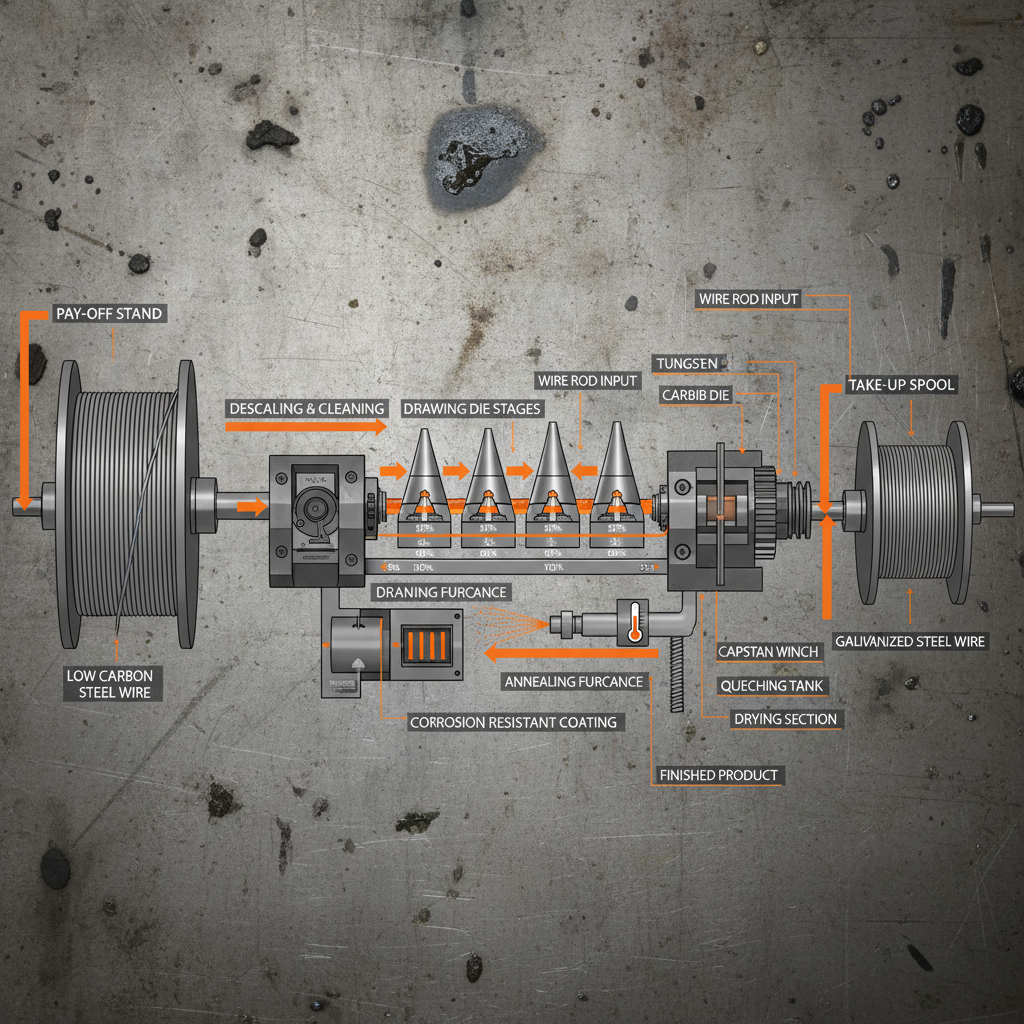
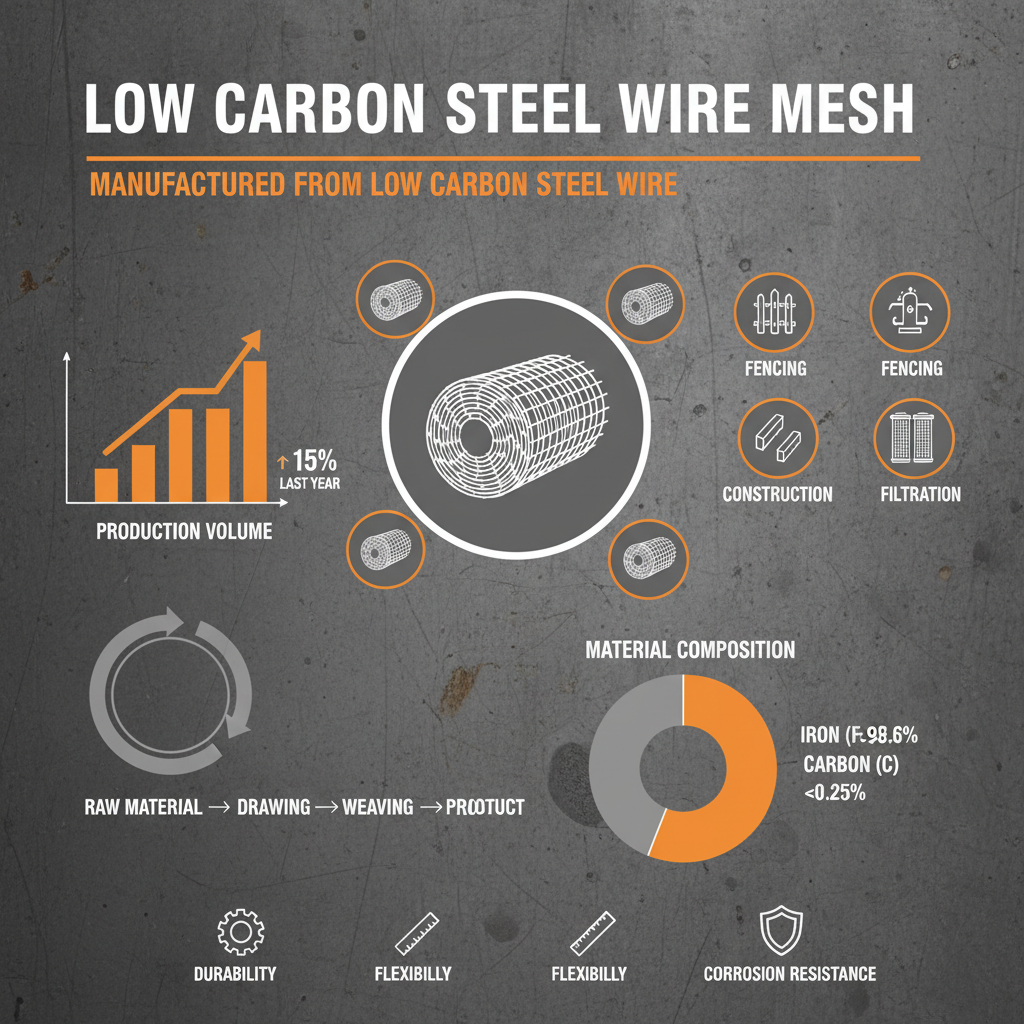
In simple technical terms, low carbon steel wire refers to steel containing a carbon content typically below 0.25%. This low carbon concentration is the "secret sauce" that grants the metal its characteristic ductility and softness, allowing it to be drawn into thin wires and bent into complex shapes without fracturing. This makes it the ideal precursor for products like Black Annealed Wire and Cold Drawn Hard Wire.
Beyond the chemistry, its significance lies in its adaptability. In modern industry, this material acts as the invisible connective tissue; it is used in the fabrication of wire mesh for filtration, the creation of sturdy wire nails for construction, and the production of PVC coated fences for security. Without this specific grade of steel, the cost of manufacturing basic hardware would skyrocket, hindering development in emerging economies.
From a humanitarian perspective, the accessibility of low carbon steel allows for the rapid deployment of essential infrastructure. Whether it is creating temporary shelters using wire mesh or securing agricultural plots to ensure food security, the affordability and reliability of this material provide a foundation for stability and growth in disaster-prone or underdeveloped regions.
Core Technical Factors of Quality
The durability of low carbon steel wire is primarily determined by its surface treatment and tensile strength. For applications exposed to the elements, Hot Dipped Galvanized coatings provide a sacrificial layer of zinc that prevents oxidation, ensuring that the wire does not rust even in high-humidity coastal environments.
Cost efficiency is another critical factor. By utilizing low carbon steel, manufacturers can achieve high scalability in production. The ease with which this wire can be processed through automated drawing machines reduces labor costs and increases throughput, making it the most viable option for large-volume orders of Small Coil Wires or Large Coil Wires.
Finally, the consistency of the diameter and the uniformity of the annealing process are what separate premium wire from industrial grade. A well-annealed low carbon steel wire offers a smooth finish and a predictable bend radius, which is essential for precision tasks like weaving intricate wire mesh or forming high-quality wire nails.
Global Applications and Use Cases
The practical application of low carbon steel wire spans across diverse sectors. In the agricultural heartlands of North America and Brazil, it is used extensively for garden products and livestock fencing, where the flexibility of the wire allows it to withstand the pressure of livestock while remaining easy to install over uneven terrain.
In industrial zones, such as the manufacturing hubs of Germany and China, this material is transformed into Electric Galvanized Steel Wire for use in automotive components and electrical grounding. Furthermore, in post-disaster relief operations, lightweight wire mesh produced from low carbon steel is often used to create rapid-deployment gabions for erosion control and flood prevention.
Performance Comparison of Low Carbon Steel Wire Variants
Long-Term Value and Advantages
The long-term value of investing in high-quality low carbon steel wire lies in the intersection of safety and sustainability. Because it can be easily recycled, it fits perfectly into the circular economy model, reducing the environmental footprint of construction projects while maintaining structural integrity.
Moreover, there is an emotional angle to its reliability. For a farmer securing their livelihood or a contractor ensuring the safety of a building's reinforcement, the trust placed in the wire's tensile strength is paramount. This reliability fosters innovation, allowing architects and engineers to design more efficient structures knowing the binding materials will not fail under tension.
Future Trends and Green Innovations
The future of low carbon steel wire is being shaped by the "Green Steel" revolution. We are seeing a transition toward hydrogen-based reduction processes that eliminate carbon dioxide emissions during the smelting phase. This ensures that the wire products of tomorrow are not only physically strong but ecologically responsible.
Digital transformation is also playing a role through the implementation of AI-driven quality control. Laser-scanning technology now allows manufacturers to detect microscopic flaws in the wire surface in real-time, drastically reducing waste and ensuring that every coil of White Annealed Wire or PVC Coated Wire meets exact specifications.
Additionally, the integration of nano-coatings is emerging as a trend to replace traditional galvanization. These advanced coatings provide superior corrosion resistance with a much thinner layer, reducing the overall weight of the product and the amount of chemicals used in the coating process, further enhancing the sustainability of low carbon steel wire.
Common Challenges and Expert Solutions
One of the most persistent challenges with low carbon steel wire is surface oxidation, particularly in non-galvanized variants. Expert solution providers recommend the use of specialized oils or PVC coating to create an impermeable barrier against moisture, effectively extending the lifespan of the wire in humid environments.
Another issue is "work hardening," where the wire becomes brittle after repeated bending. To overcome this, precise control of the annealing temperature is required. By implementing a controlled cooling process, manufacturers can ensure the wire retains its ductility, making it easier for end-users to manipulate the wire without risking snaps or breaks.
Lastly, inconsistency in raw material grade can lead to unpredictable tensile strength. The solution lies in rigorous batch testing and the adoption of international certification standards. By utilizing a strict quality assurance protocol, suppliers can guarantee that every shipment of low carbon steel wire performs consistently across all its intended applications.
Comparative Analysis of Low Carbon Steel Wire Solutions
| Wire Variant |
Corrosion Resistance |
Malleability Score |
Primary Use Case |
| Black Annealed Wire |
Low |
10/10 |
Binding & Tying |
| Hot Dipped Galv. |
Very High |
7/10 |
Outdoor Fencing |
| PVC Coated Wire |
Highest |
8/10 |
Decorative Security |
| Cold Drawn Hard |
Medium |
4/10 |
Structural Support |
| White Annealed |
Medium |
9/10 |
General Crafts |
| Electric Galv. |
High |
7/10 |
Indoor Hardware |
FAQS
The primary difference is the carbon content. Low carbon steel wire (usually <0.25% carbon) is much softer and more ductile, making it ideal for bending and drawing. High carbon steel is significantly harder and stronger, used for springs and high-tension cables, but it lacks the flexibility required for products like annealed binding wire.
For maximum longevity, Hot Dipped Galvanized coating is the gold standard as it provides a thick, durable layer of zinc. However, for extreme environments or aesthetic requirements, PVC coating is superior as it adds an extra plastic barrier that completely seals the steel from moisture and oxygen.
While it is not used for primary structural beams, Cold Drawn Hard variants of low carbon steel wire provide excellent support in reinforcement mesh and gabions. It offers the necessary strength to hold materials in place while remaining cost-effective for large-scale projects.
Black annealed wire is prone to rust because it lacks a protective coating. To prevent oxidation, it should be stored in a dry, ventilated environment. For long-term use in humid areas, applying a light coat of industrial oil or switching to a galvanized alternative is highly recommended.
Yes, steel is one of the most recycled materials on earth. Low carbon steel wire can be melted down and repurposed indefinitely without losing its properties. Furthermore, the industry is moving toward "green steel" production using hydrogen, which significantly reduces the carbon footprint of the manufacturing process.
The choice depends on the balance between strength and flexibility. Thinner gauges (higher numbers) are better for intricate binding and crafts, while thicker gauges provide the tensile strength needed for fencing and construction. We recommend consulting a technical sheet or requesting samples to test the bend radius for your specific needs.
Conclusion
In summary, low carbon steel wire remains an indispensable asset in the global industrial toolkit. From its essential role in agricultural sustainability and urban construction to its versatility in specialized hardware like PVC coated fences and galvanized mesh, this material provides the perfect equilibrium of cost, strength, and adaptability. By focusing on quality parameters such as annealing precision and coating durability, businesses can ensure the long-term reliability of their infrastructure.
Looking forward, the integration of green manufacturing and smart quality control will only enhance the value proposition of these steel products. As we move toward a more sustainable future, the adoption of recycled and low-emission steel will be key. We encourage engineers and procurement specialists to prioritize materials that balance high performance with environmental responsibility. For premium solutions and expert guidance on wire selection, visit our website: www.lanyewiremesh.com.