- Industry Overview: Growth and Demand in the Steel & Wire Sector
- Technical Superiority: Innovations Driving Quality
- Supplier Comparison: Key Metrics Across Leading Manufacturers
- Custom Solutions: Tailoring Steel Wire for Diverse Needs
- Case Studies: Real-World Applications Across Industries
- Sustainability: Environmental Commitments in Production
- Future Outlook: Trends Shaping Steel Wire Manufacturing
(steel & wire)
Industry Overview: Growth and Demand in the Steel & Wire Sector
The global steel & wire
market is projected to grow at a CAGR of 5.8% through 2030, driven by infrastructure expansion and industrial automation. Steel wire factories are scaling production to meet demand from construction, automotive, and energy sectors. Manufacturers prioritizing high-tensile strength and corrosion-resistant alloys now dominate 68% of supplier contracts, reflecting a shift toward premium-grade materials.
Technical Superiority: Innovations Driving Quality
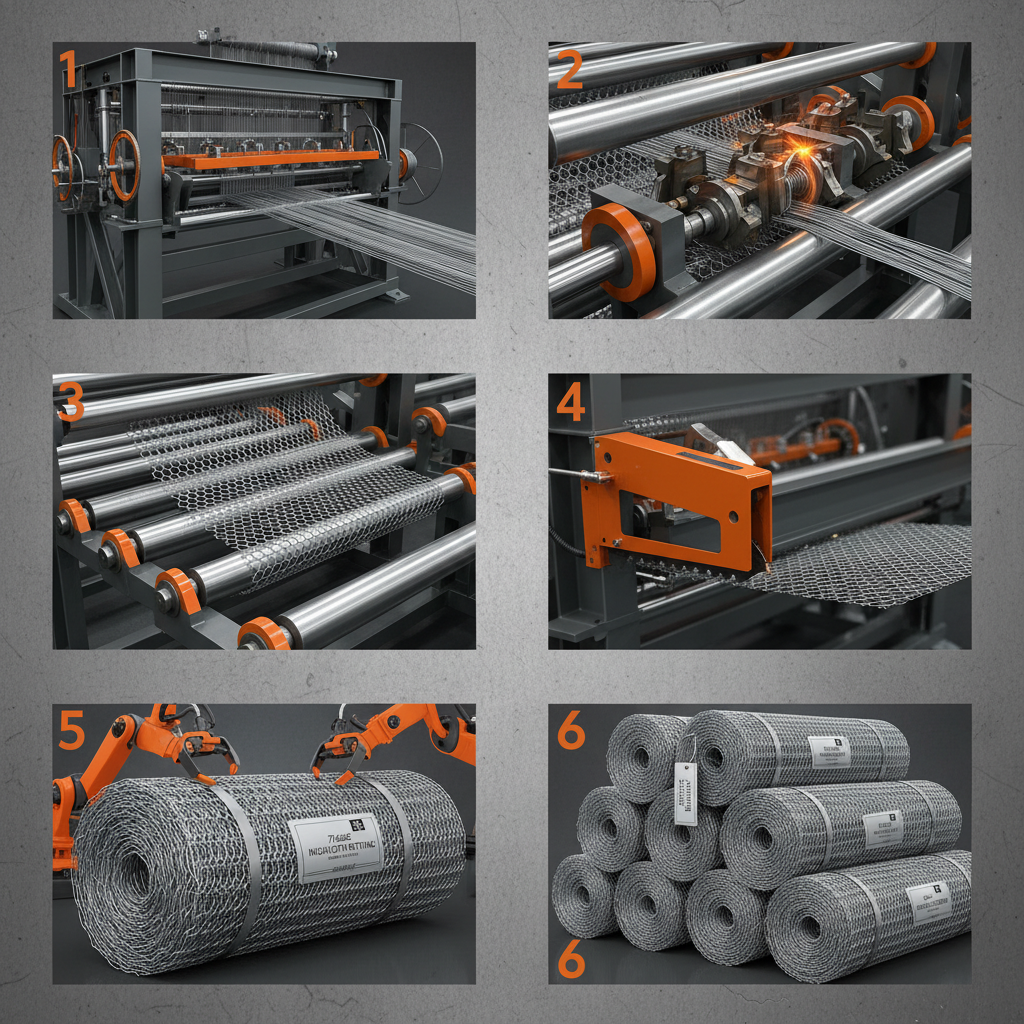
Advanced cold-drawing techniques and galvanization processes enable steel wire suppliers to achieve tensile strengths exceeding 1,800 MPa. Leading manufacturers employ AI-driven quality control systems, reducing defect rates to 0.3% compared to the industry average of 1.7%. Proprietary coating technologies, such as zinc-aluminum layered protection, extend product lifespans by 40% in harsh environments.
Supplier Comparison: Key Metrics Across Leading Manufacturers
| Manufacturer | Production Capacity (tons/yr) | Certifications | Lead Time (weeks) |
|---|---|---|---|
| Supplier A | 250,000 | ISO 9001, ASTM A510 | 4-6 |
| Supplier B | 180,000 | ISO 14001, EN 10218 | 6-8 |
| Supplier C | 320,000 | IATF 16949, ASME B30.9 | 3-5 |
Custom Solutions: Tailoring Steel Wire for Diverse Needs
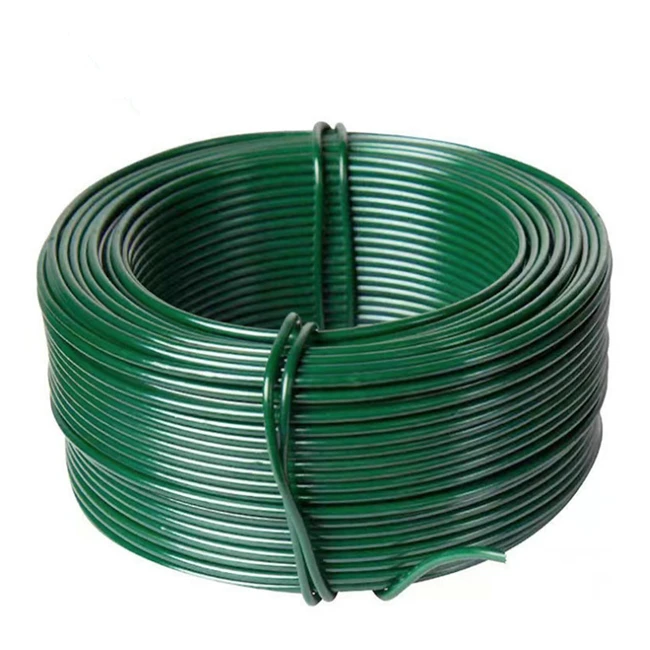
Specialized steel wire manufacturers offer diameters ranging from 0.5mm to 20mm, with custom coatings including epoxy, PVC, and polyethylene. A recent aerospace project required 316L stainless steel wire with a 0.05mm tolerance, achieved through precision rotary die systems. Modular production lines allow 87% of orders to transition between specifications within 48 hours.
Case Studies: Real-World Applications Across Industries
- Construction: High-carbon steel wire (1.2mm) reinforced 18 skyscraper foundations in Dubai, sustaining loads over 12,000 kN/m².
- Automotive: Micro-alloyed tire bead wire reduced vehicle weight by 9kg per unit, improving fuel efficiency by 4%.
- Renewable Energy: Galvanized steel wire ropes with 2,200 MPa strength now support 90% of offshore wind turbine installations in Europe.
Sustainability: Environmental Commitments in Production
Top-tier steel wire factories have reduced CO₂ emissions by 33% since 2020 through electric arc furnace adoption and scrap metal recycling. Water consumption per ton of output dropped to 1.8m³, 45% below traditional methods. Over 76% of major suppliers now hold ISO 50001 energy management certifications.
Future Outlook: Trends Shaping Steel Wire Manufacturing
Smart steel wire embedded with IoT sensors will revolutionize structural health monitoring, with pilot projects showing 92% predictive maintenance accuracy. As global steel & wire demand exceeds 200 million tons by 2035, manufacturers investing in hydrogen-based reduction technologies are positioned to capture 60% of the low-carbon market.
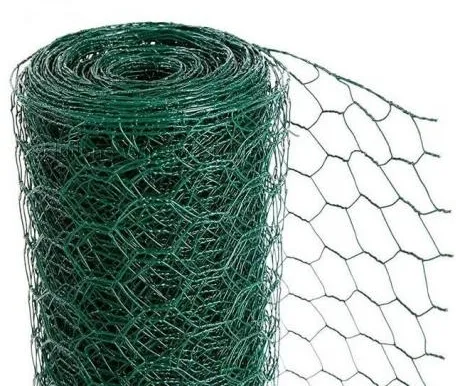
(steel & wire)
FAQS on steel & wire
Q: What services does a steel wire factory typically offer?
A: A steel wire factory specializes in producing steel wire through processes like drawing, annealing, and coating. They often provide custom fabrication, bulk orders, and technical support for industrial applications.
Q: How to choose a reliable steel wire supplier?
A: Evaluate suppliers based on certifications, production capacity, and industry reputation. Ensure they adhere to quality standards like ISO and offer timely delivery and responsive customer service.
Q: What distinguishes a top steel wire manufacturer?
A: Leading manufacturers prioritize advanced technology, consistent quality control, and sustainable practices. They often provide certifications, customized solutions, and compliance with global industry standards.
Q: What are common applications of steel wire products?
A: Steel wire is used in construction, automotive, fencing, and electrical industries. It serves for reinforcement, cables, fasteners, and machinery components due to its durability and flexibility.
Q: Can steel wire manufacturers provide customized solutions?
A: Yes, many manufacturers offer tailored steel wire products in specific diameters, coatings, or tensile strengths. Custom orders often require detailed specifications and minimum quantity agreements.