PVC Wire Netting: Durable Protection That Delivers
Having spent my fair share of years in the industrial equipment sector, I’ve learned a thing or two about materials that not only survive but actually thrive under tough conditions. One product that consistently stands out is PVC wire netting. It’s reliable, versatile, and frankly, a bit underrated for the kind of protection it offers in both indoor and outdoor industrial applications.
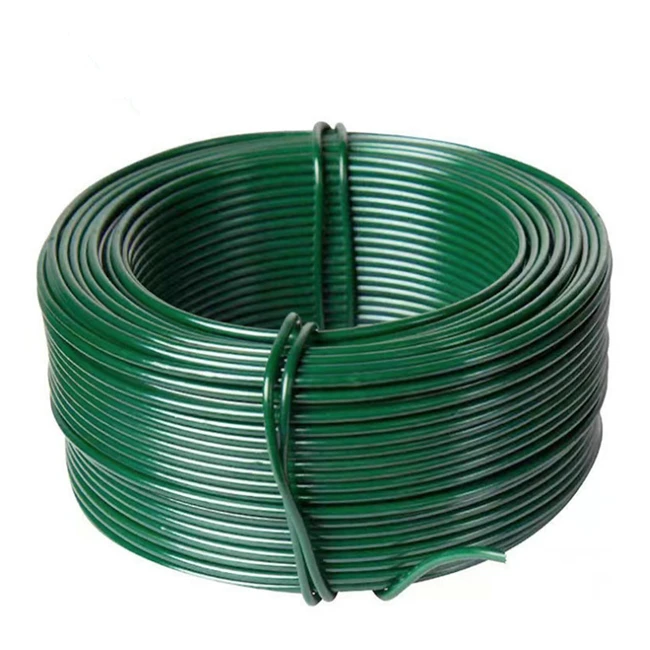
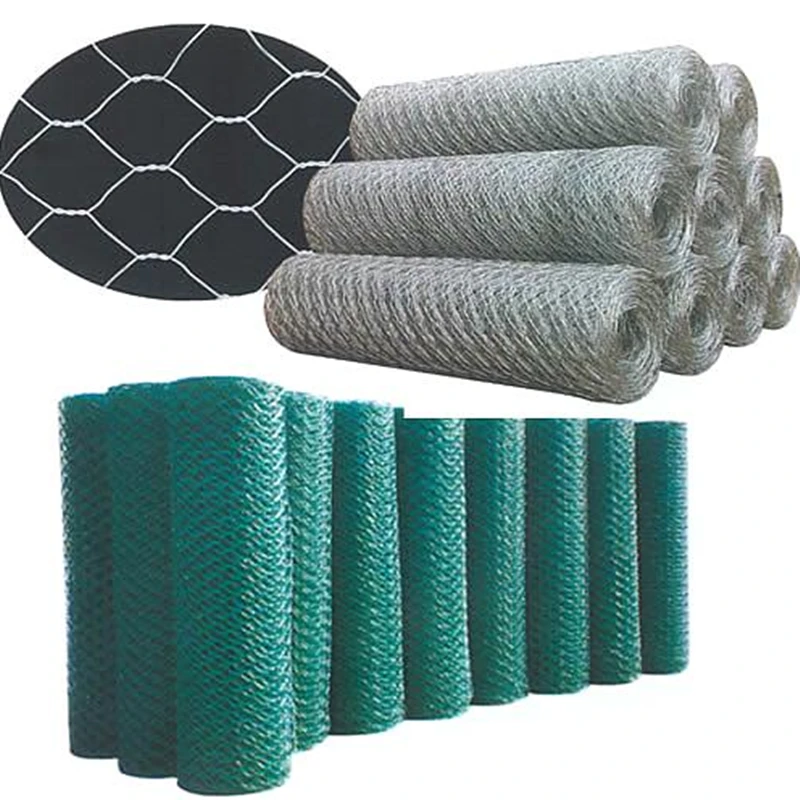
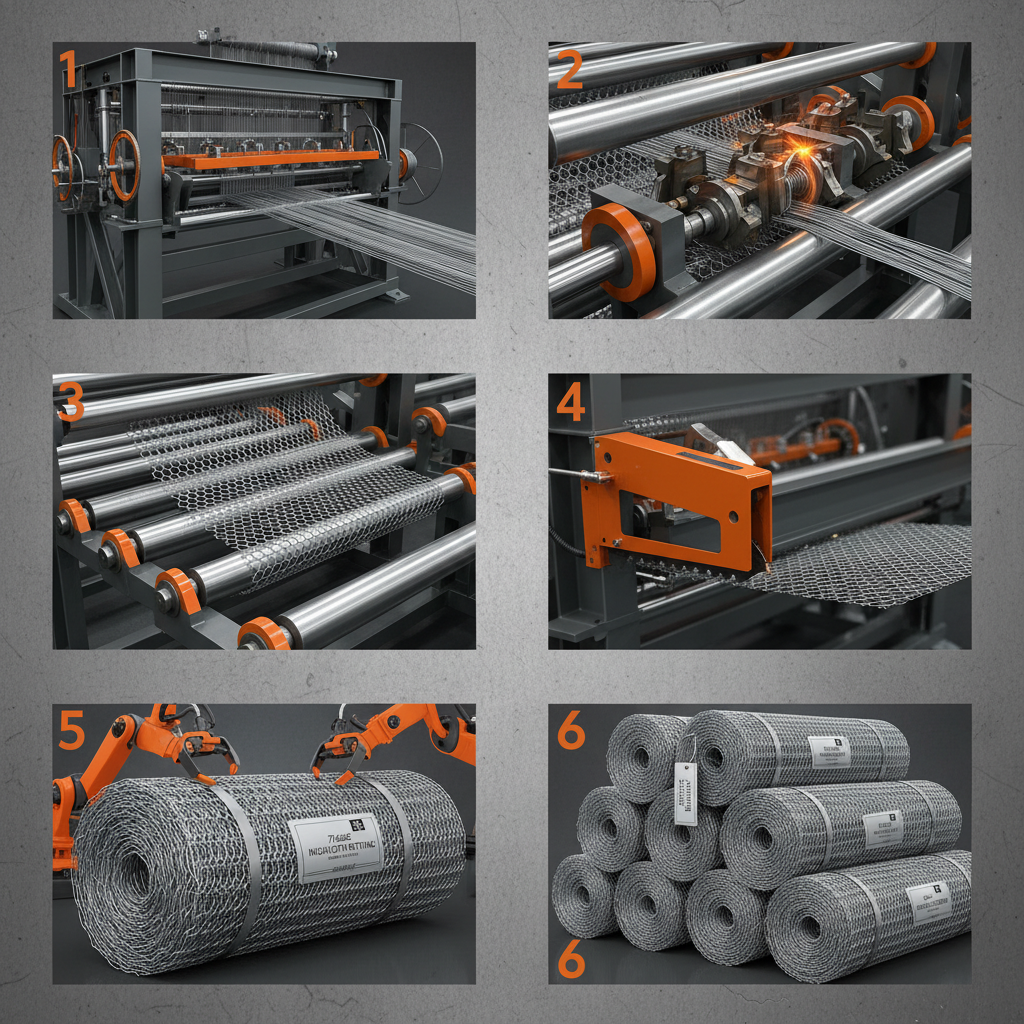
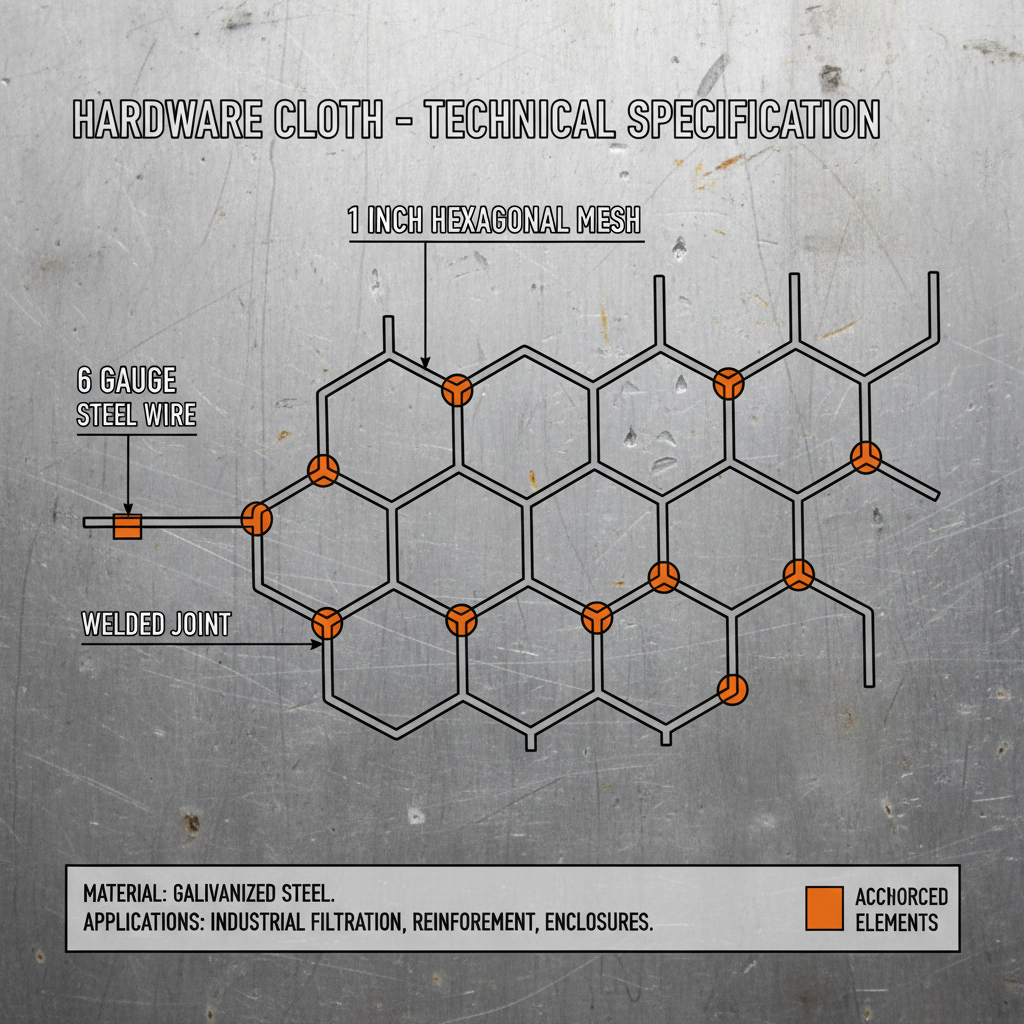
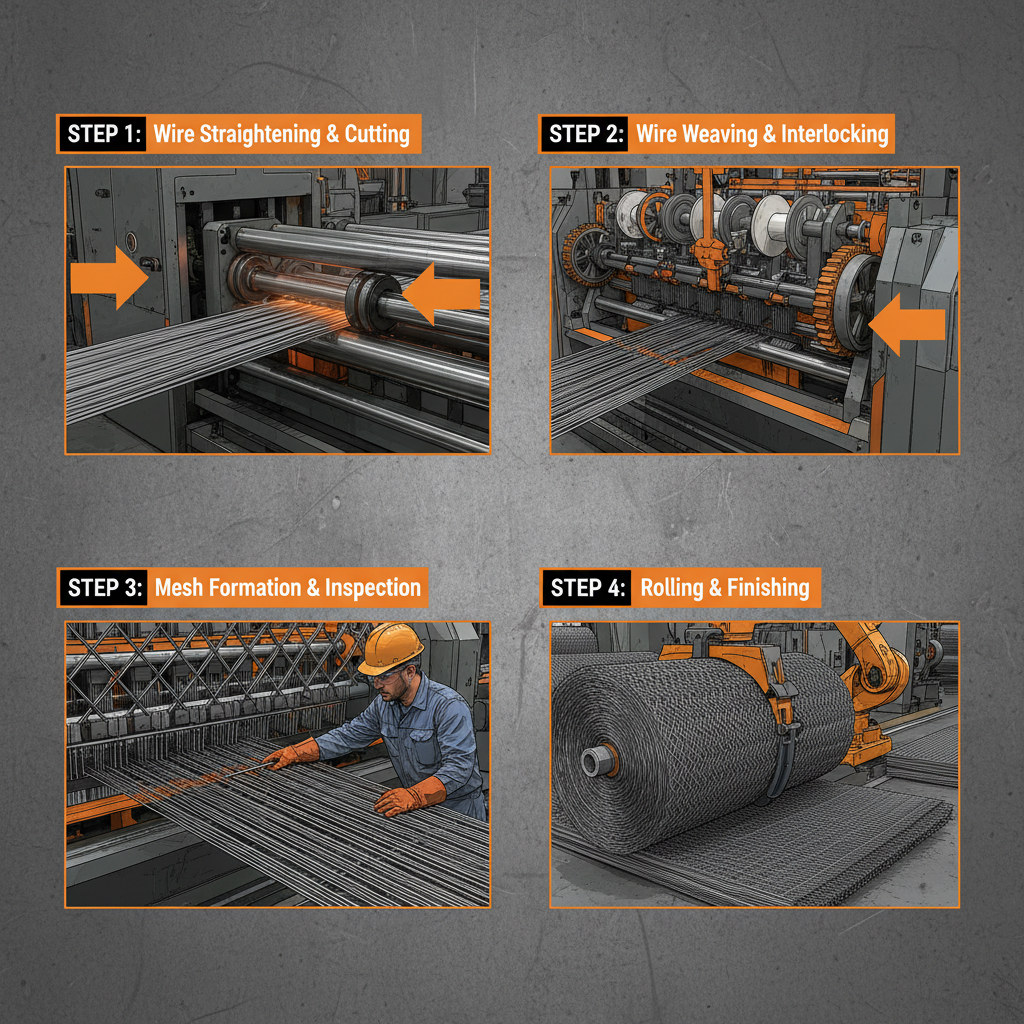
In real terms, PVC wire netting is a mesh made by coating steel wire mesh with a layer of polyvinyl chloride (PVC). This coating doesn’t just add color – it significantly enhances the netting’s durability and resistance to the elements, chemical corrosion, and even some mechanical wear. I’ve noticed that many engineers I’ve worked with really appreciate the combination of strength and flexibility this brings.
Design & Material Insights
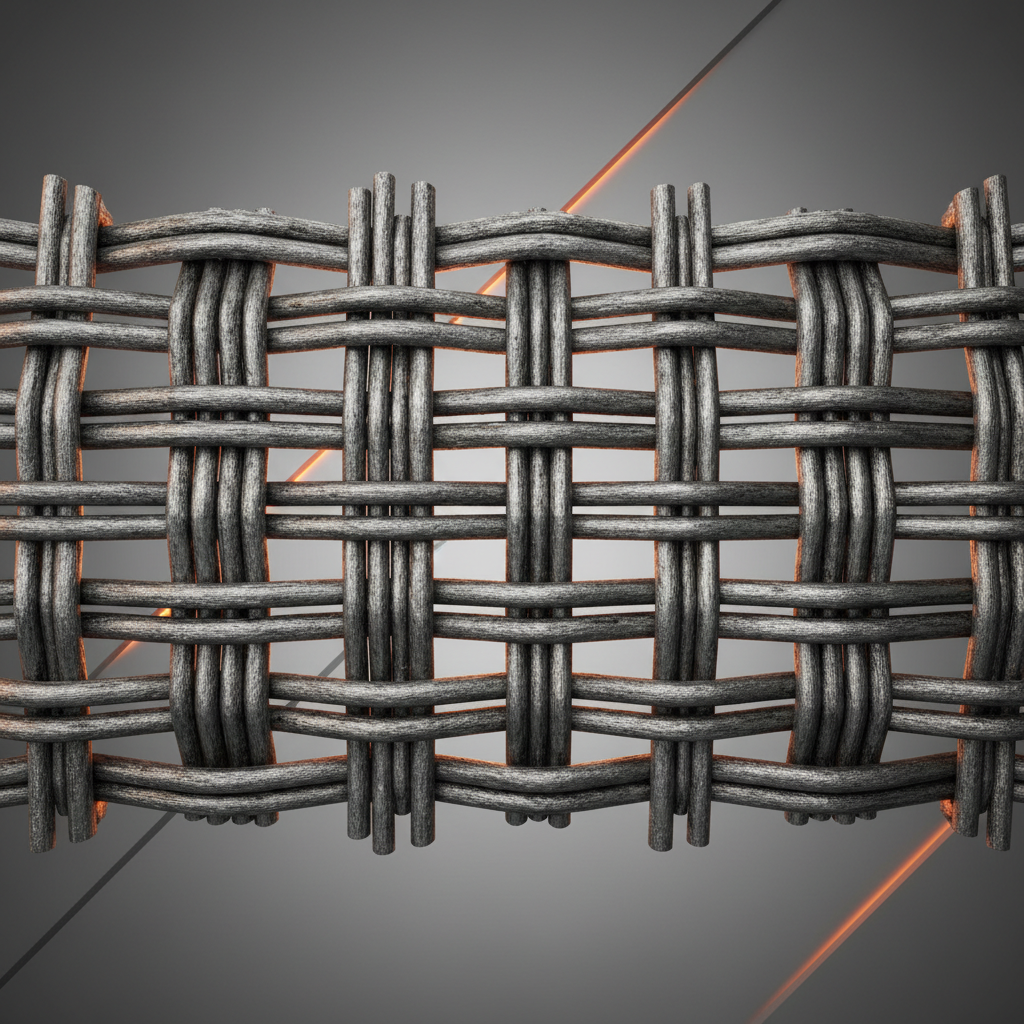
The base wire is typically galvanized steel, which already helps prevent rust. Then comes the PVC coating that snugly wraps the wire. This plastic layer comes in various colors and thicknesses – giving you a lot of options depending on your needs. Thicker coatings obviously mean more protection but can affect the mesh flexibility. Oddly enough, sometimes a slightly thinner coat with a tighter mesh pattern works better in certain installations, especially when airflow is important.
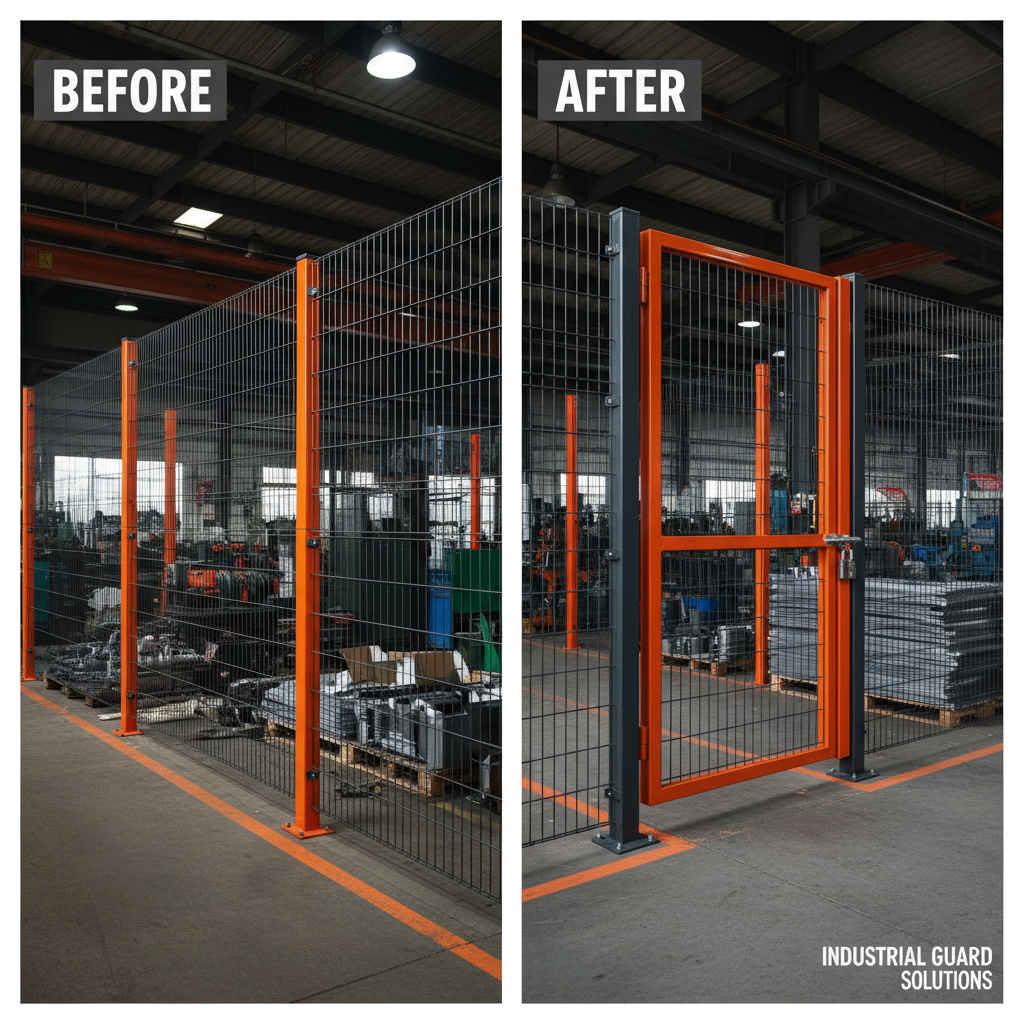
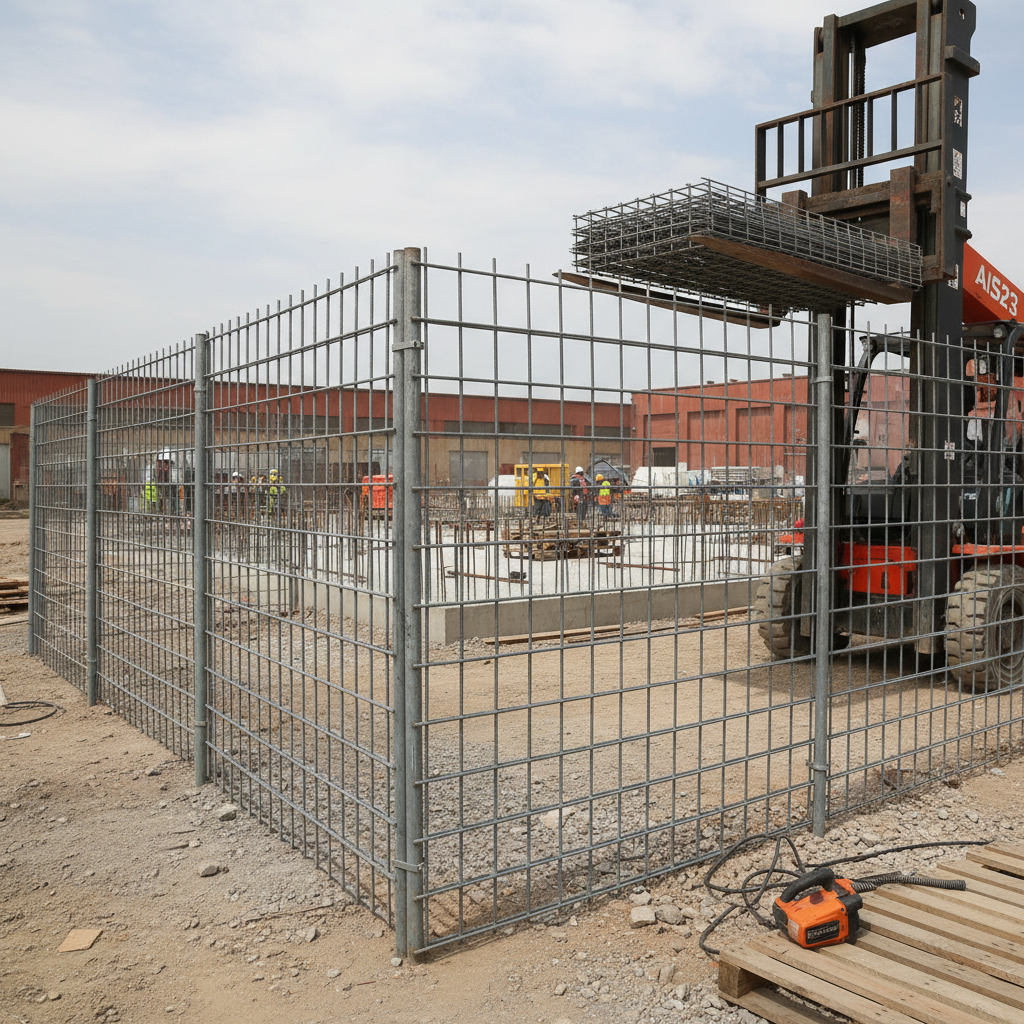
This product is tested to handle different stress levels. For example, in outdoor fencing, it has to resist UV rays and sometimes minor impacts from debris or tools. In some warehouses, it’s used to cage off equipment safely without creating a harsh industrial look. I recall a client once telling me how their PVC-coated wire netting kept their inventory protected while letting supervisors easily see inside – a simple yet effective solution.
Common Applications & Advantages
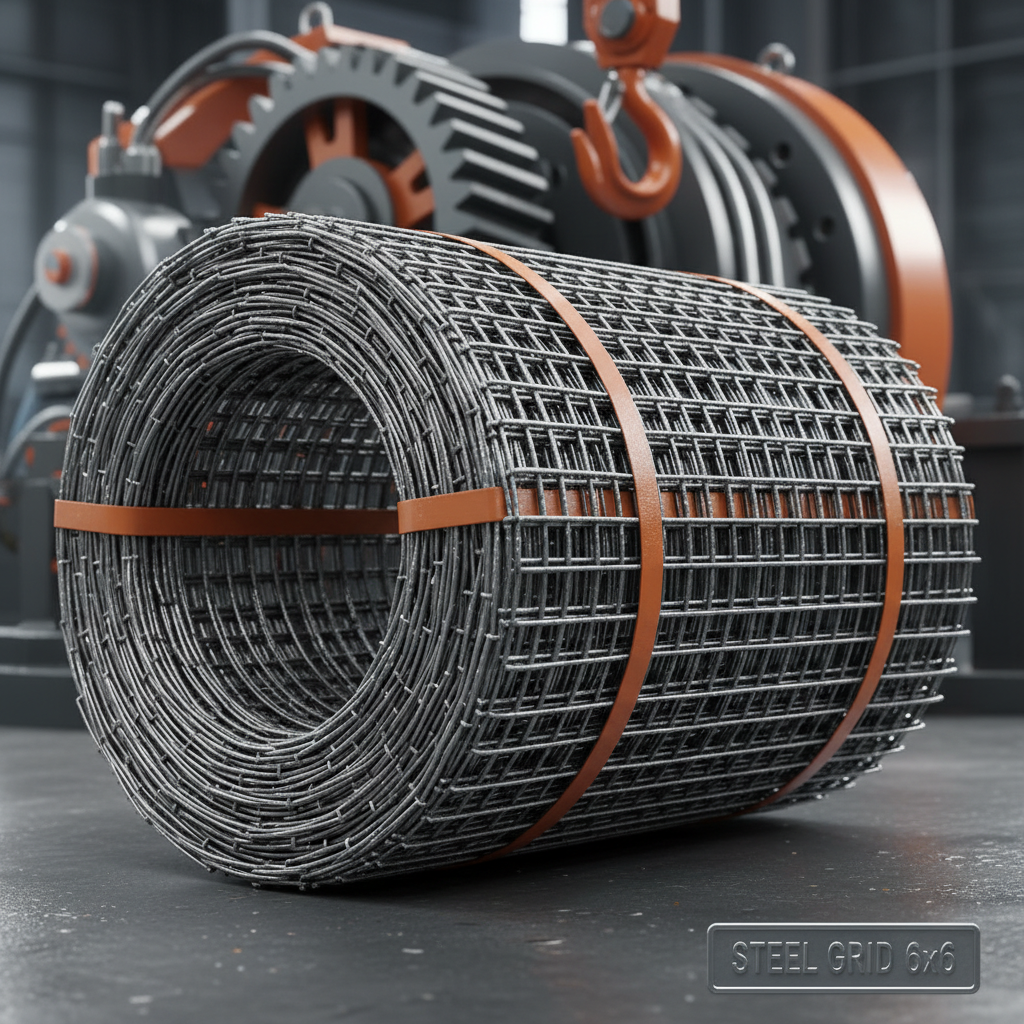
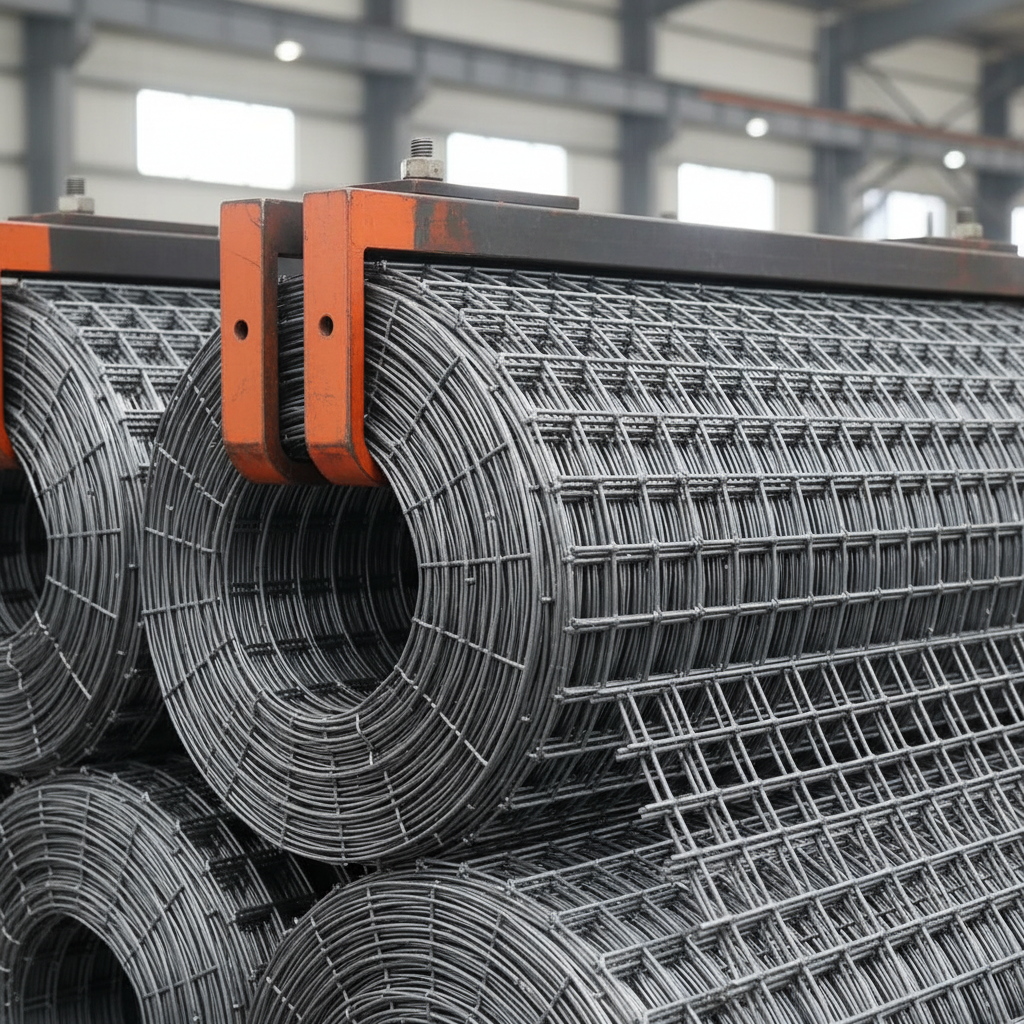
Typically, you’ll spot PVC wire netting in fencing, aviaries, garden enclosures, and industrial shelving cages. More specialized uses include reinforcement for concrete or plaster, and sometimes as a protective barrier in automotive workshops.
The advantages are pretty straightforward:
- Corrosion resistance far surpassing simple galvanized wire.
- Flexibility, making installation easier than rigid metal grids.
- Customizable colors and sizes to match specific industrial standards.
- Lower maintenance – it’s easy to clean and resists dirt accumulation.
I suppose what caught my attention most was how the PVC coating essentially extends the lifespan of the wire netting by several years, especially in harsh environments, which, in the industrial world, translates to big savings.
Product Specifications at a Glance
| Specification | Details |
|---|---|
| Base Wire Material | Galvanized Steel |
| PVC Coating Thickness | 0.3mm - 0.8mm (varies by product) |
| Mesh Size | 10mm x 10mm to 50mm x 50mm |
| Coating Colors | Green, White, Blue, Red, Custom |
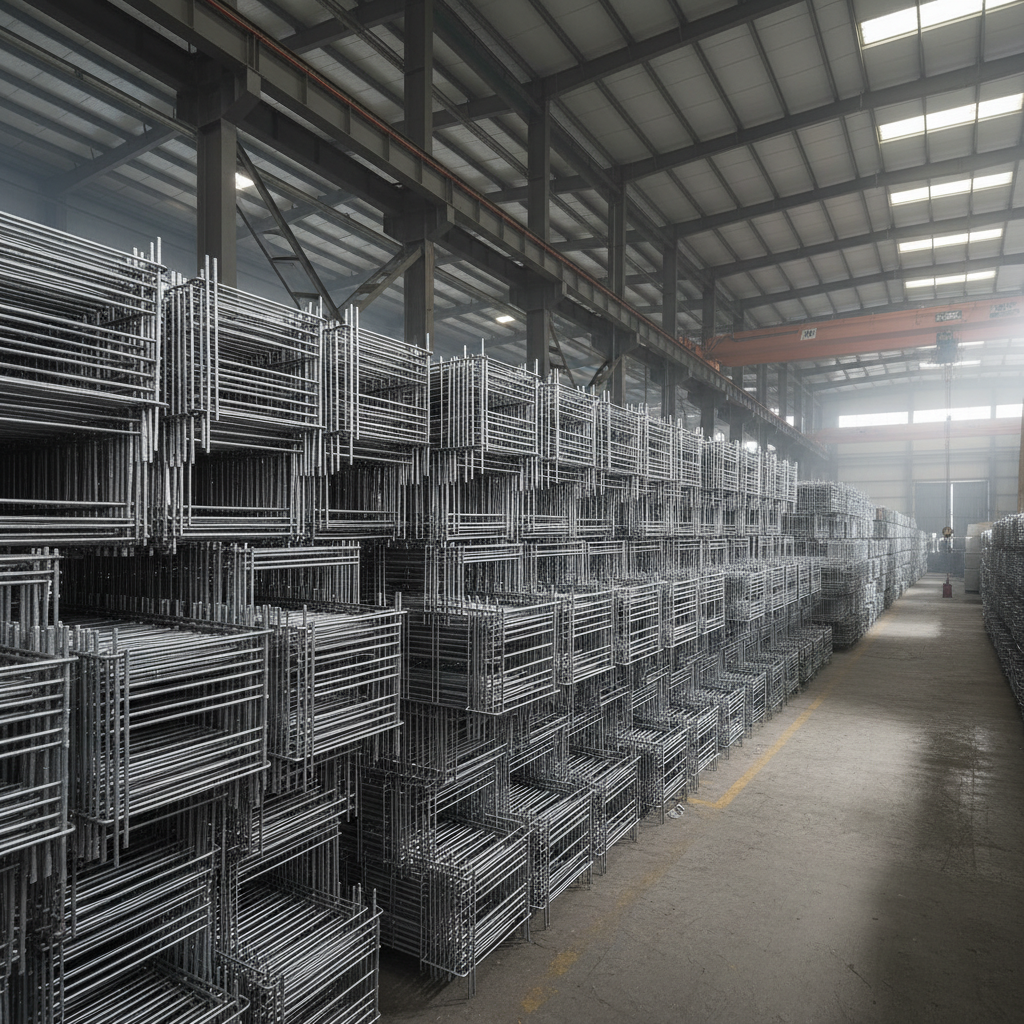
| Standard Roll Length | 30 m |
| Usage Temperature Range | -20°C to 70°C |
Choosing a Vendor: Comparing the Big Players
Picking a good supplier is half the battle. You want consistent quality, timely delivery, and ideally some customization options. Below is a snapshot comparison of three notable PVC wire netting suppliers I’ve encountered:
| Vendor | Quality | Customization | Lead Times | Pricing |
|---|---|---|---|---|
| Lan Ye Wire Mesh | High, consistent coatings | Extensive (colors, thicknesses) | Typically 2-3 weeks | Competitive |
| Supplier B | Medium, occasional variation | Limited colors | 4-6 weeks | Lower |
| Supplier C | High but pricier | Good | 3-4 weeks | Premium |
A Quick Word From Experience
For anyone on the fence about using PVC wire netting, my two cents is this: it pays off, especially if you’re aiming for long-term solutions with minimal fuss. It’s not just a “nice-to-have” but kind of a necessity in many industrial scenarios where corrosion and wear are daily headaches.
Over the years, I’ve seen how something as simple as incorporating this mesh can improve safety, reduce maintenance cycles, and even influence how a facility looks to clients and inspectors alike — it just feels well thought out and professional.
Sometimes, the quietest materials make the loudest impact in the industry.
- Industry durability standards for PVC coatings – ASTM E84-18
- Corrosion resistance comparison studies by NACE International
- Client testimonials from industrial safety audits (2022)