Understanding Reinforced Steel Mesh: A Backbone of Modern Construction
Reinforced steel mesh might sound like a simple term, but it’s actually a cornerstone of modern infrastructure worldwide. Whether you’re walking on a city sidewalk, crossing a bridge, or visiting a remote industrial plant, that robust network of steel wires beneath your feet often goes unnoticed. Yet it plays a vital role, strengthening concrete and other materials to create durable, safe, and economically viable structures. So why does it matter globally? In a world facing rapid urbanization, climate challenges, and the pressing need for resilient infrastructure, understanding reinforced steel mesh is more important than ever.
Global Context: Why Reinforced Steel Mesh Matters Today
Urban populations are booming — the United Nations projects nearly 70% of the world’s population will live in cities by 2050. This accelerated growth demands strong, scalable construction techniques. According to the World Bank, infrastructure investment needs will top $94 trillion globally by 2040, and materials like reinforced steel mesh are foundational to this effort. The challenge? Buildings must not only be cost-effective and sustainable but also resilient to natural disasters and shifting climates.
Here’s where reinforced steel mesh shines as a practical solution. It provides strength, flexibility, and scalability to concrete structures, especially in earthquake-prone or flood-risk regions. Oddly enough, despite its critical role, there’s often little public awareness of how such basic materials support societal safety and development.
What Is Reinforced Steel Mesh?
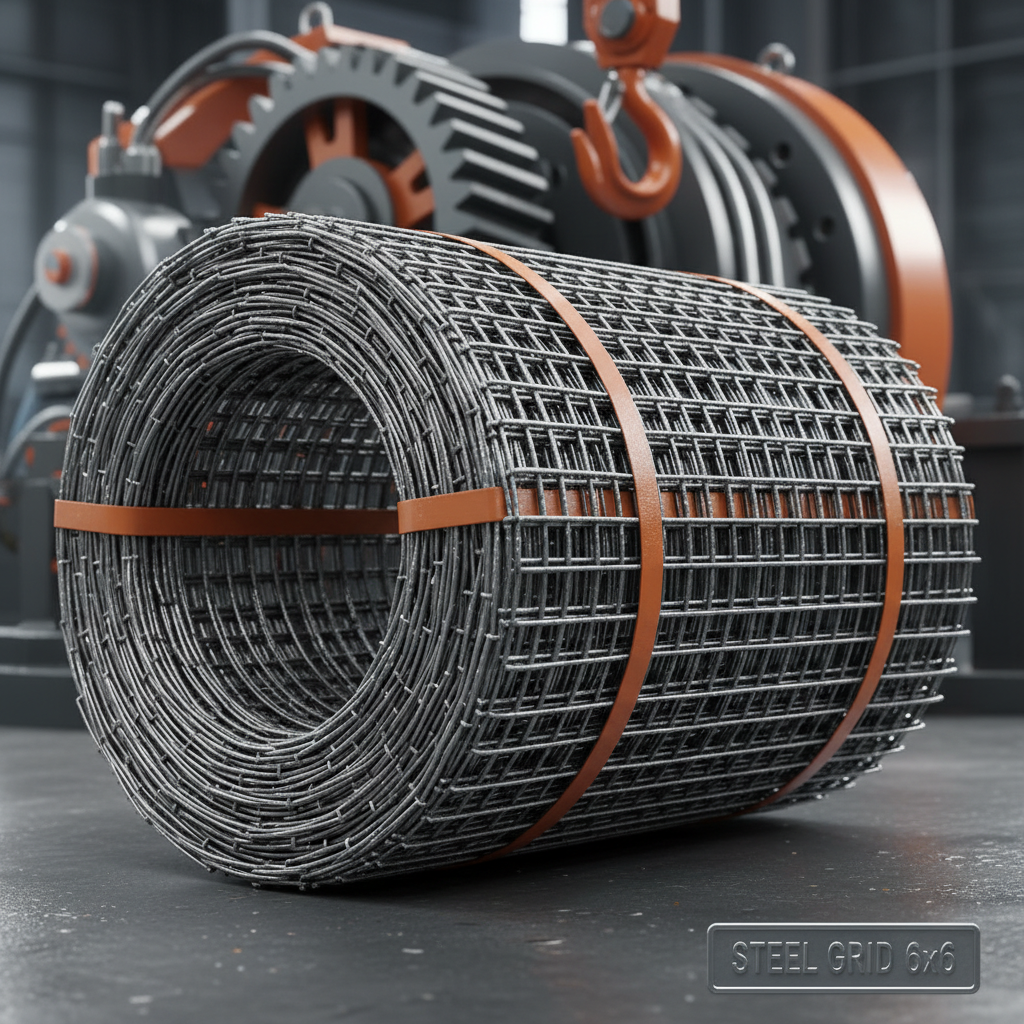
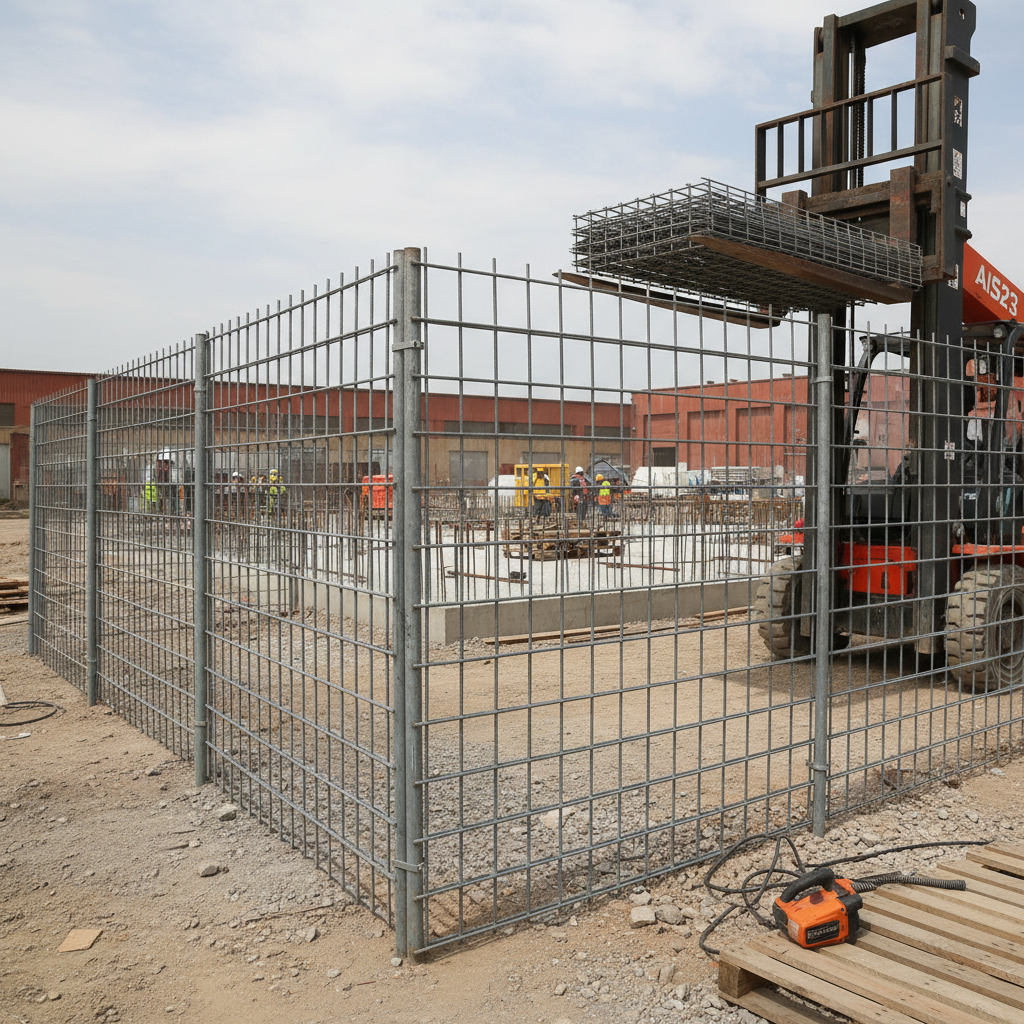
Let’s break it down simply: reinforced steel mesh is a grid-like framework made of steel wires or bars welded or woven together to form sheets or rolls. Embedded inside concrete, it acts as the “skeleton,” distributing loads and improving tensile strength. Think of it as the steel “webbing” that catches cracks before they widen and prevents structural failure.
This technology bridges raw steel properties and modern construction needs, allowing engineers to build bridges, roads, industrial floors, and even precast concrete panels with improved durability. It’s a silent hero in both gigantic skyscrapers and modest community schools.
Core Components and Key Factors
1. Durability
Steel mesh is corrosion-resistant (especially when galvanized), making it ideal for harsh environments — coastal areas, industrial zones, and places with frequent freeze-thaw cycles. This resilience extends the lifespan of concrete structures remarkably.
2. Scalability
Available in various sizes and gauges, reinforced steel mesh can be customized to projects big or small. From residential patios to multi-story airport terminals, its modular nature simplifies installation without sacrificing strength.
3. Cost Efficiency
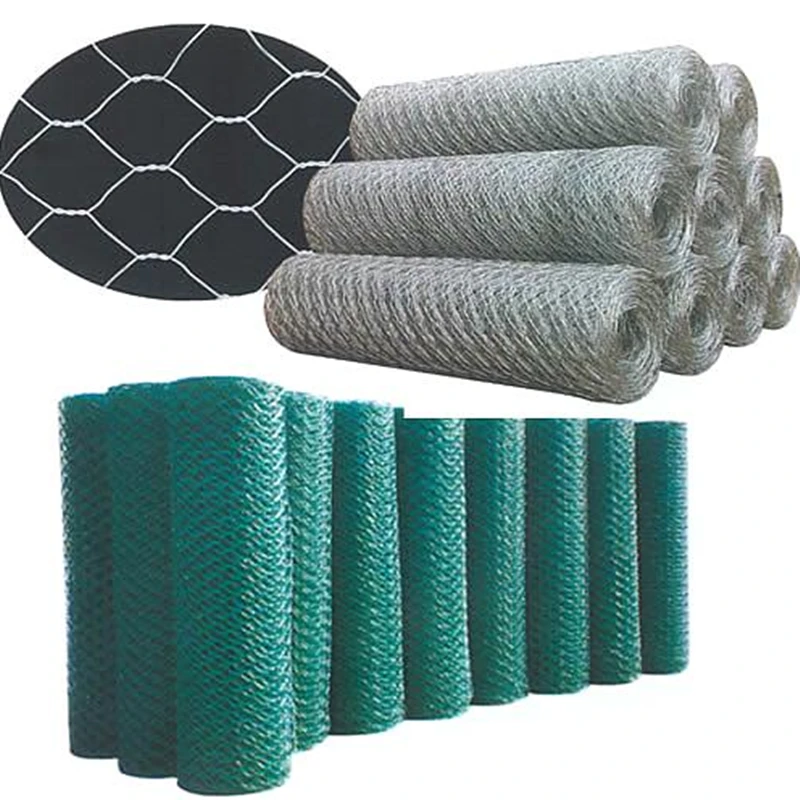
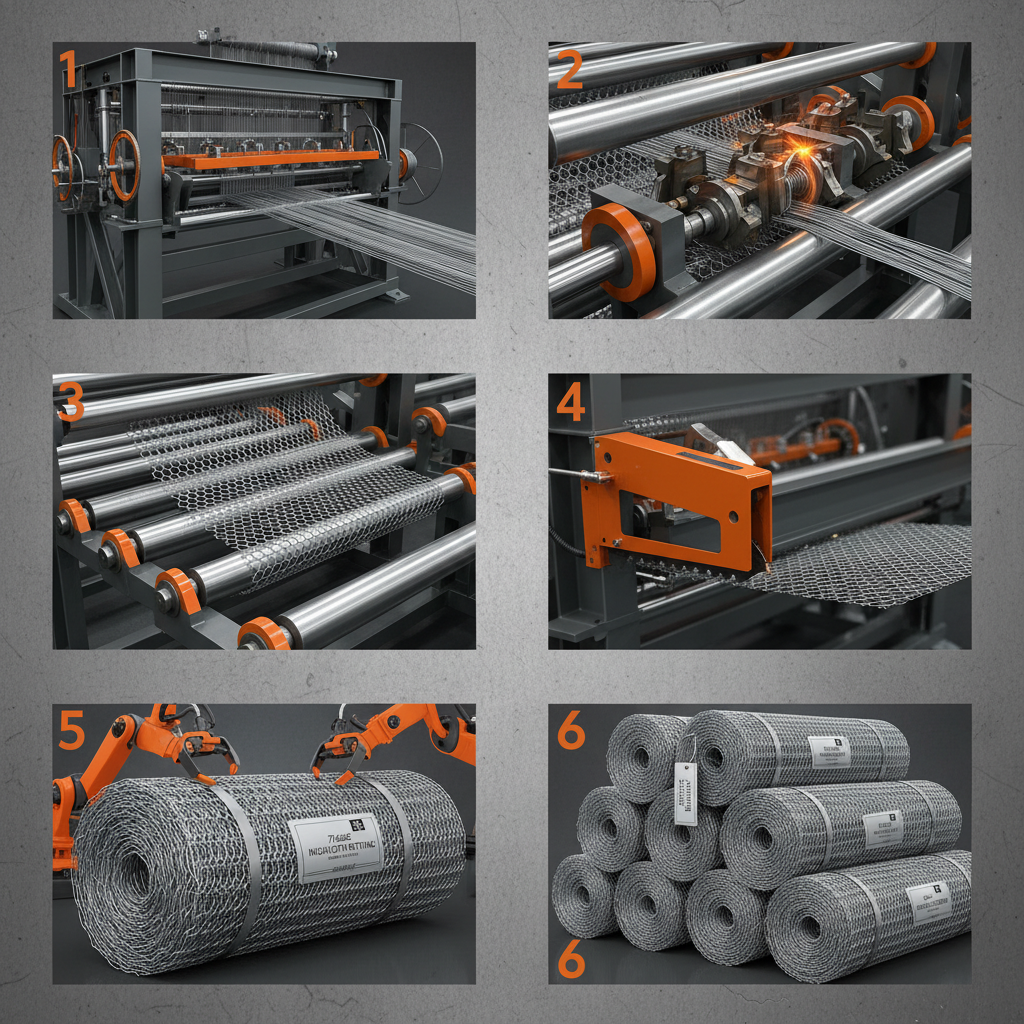
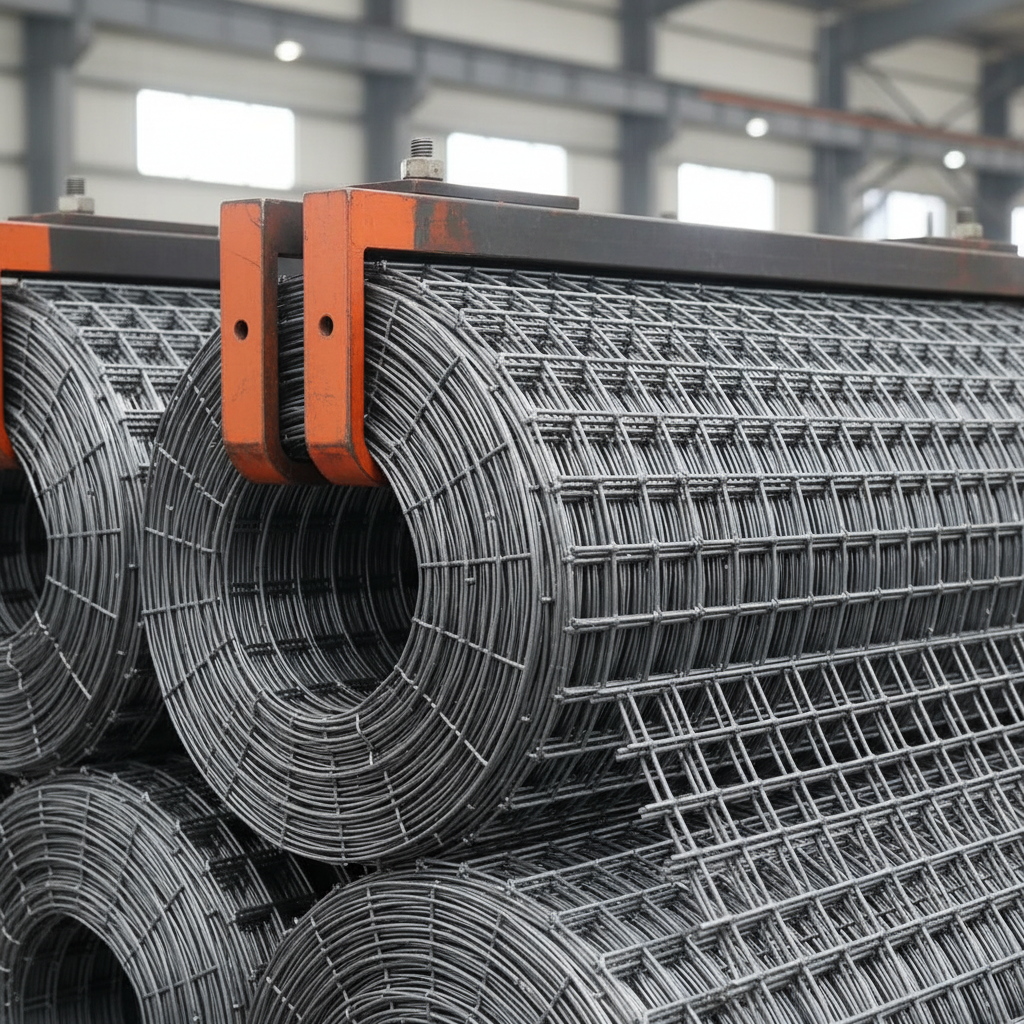
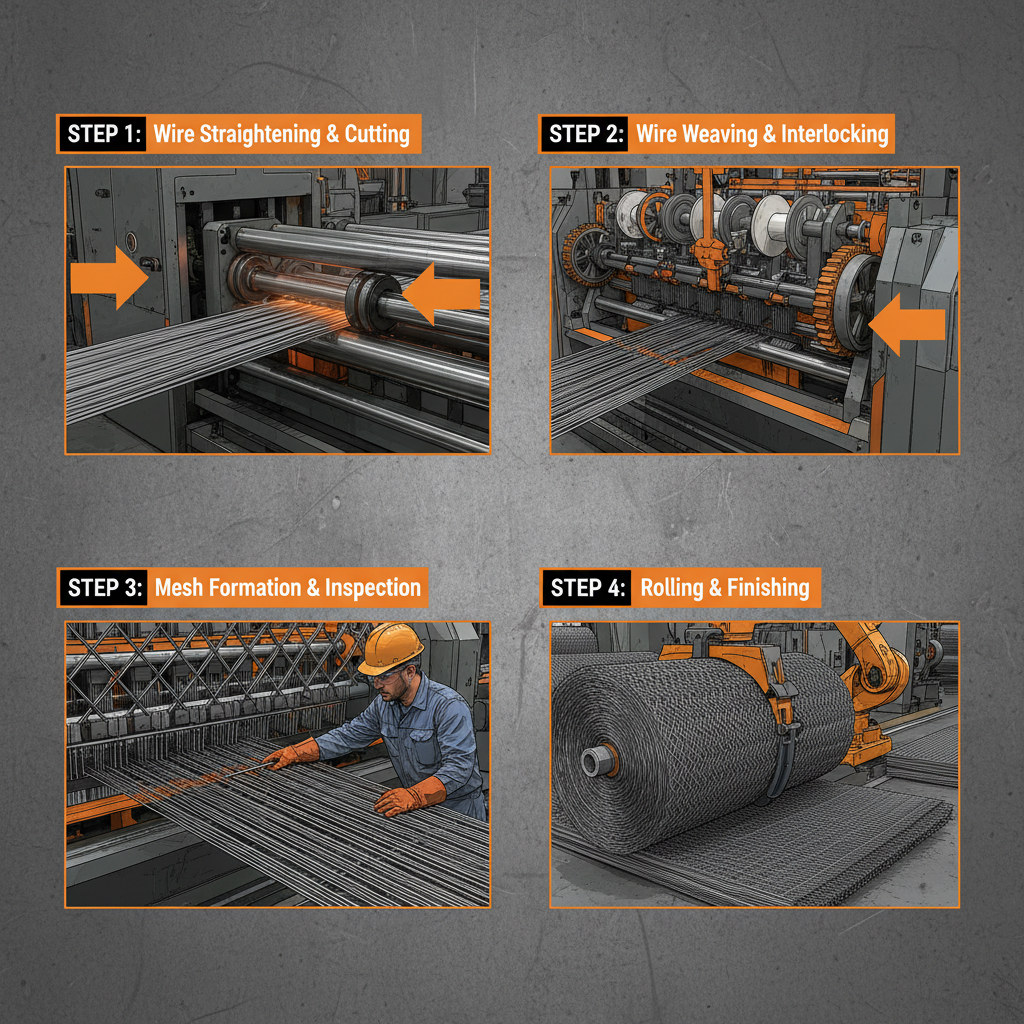
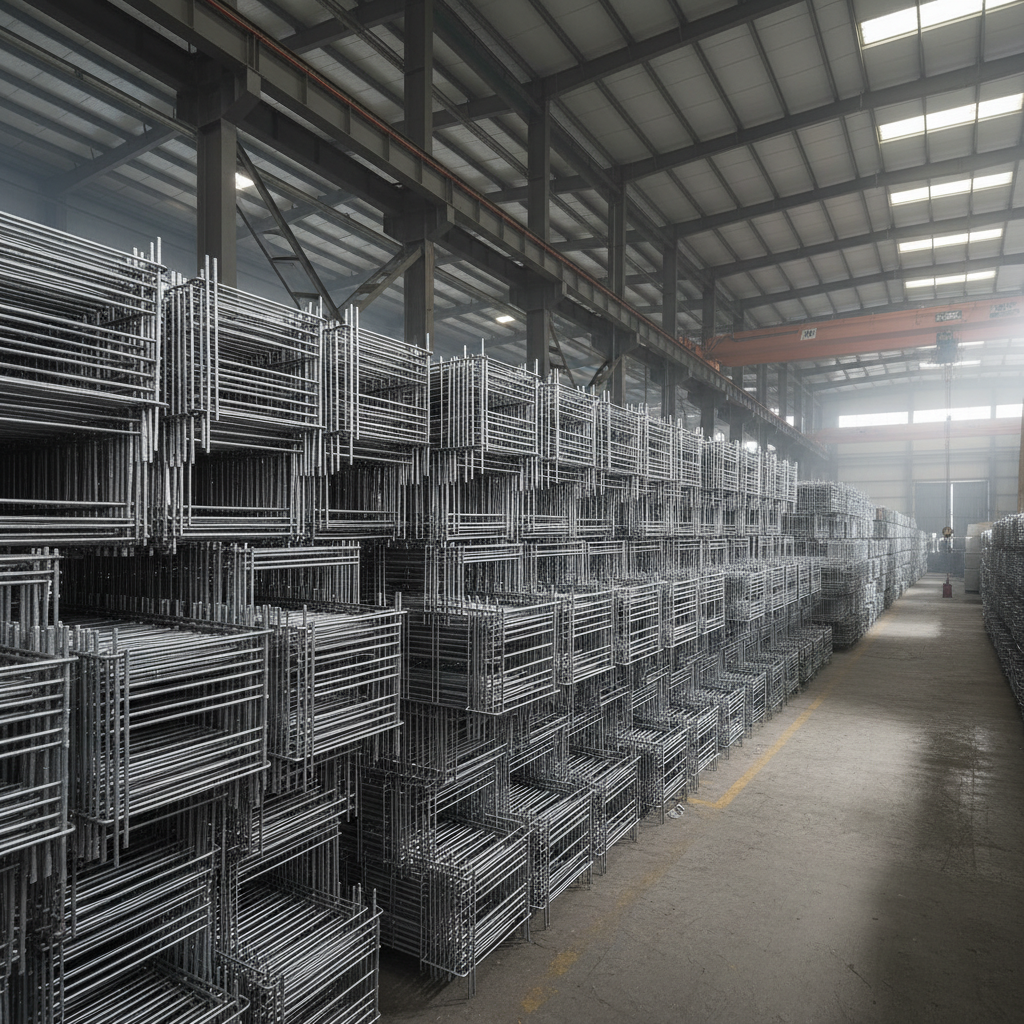
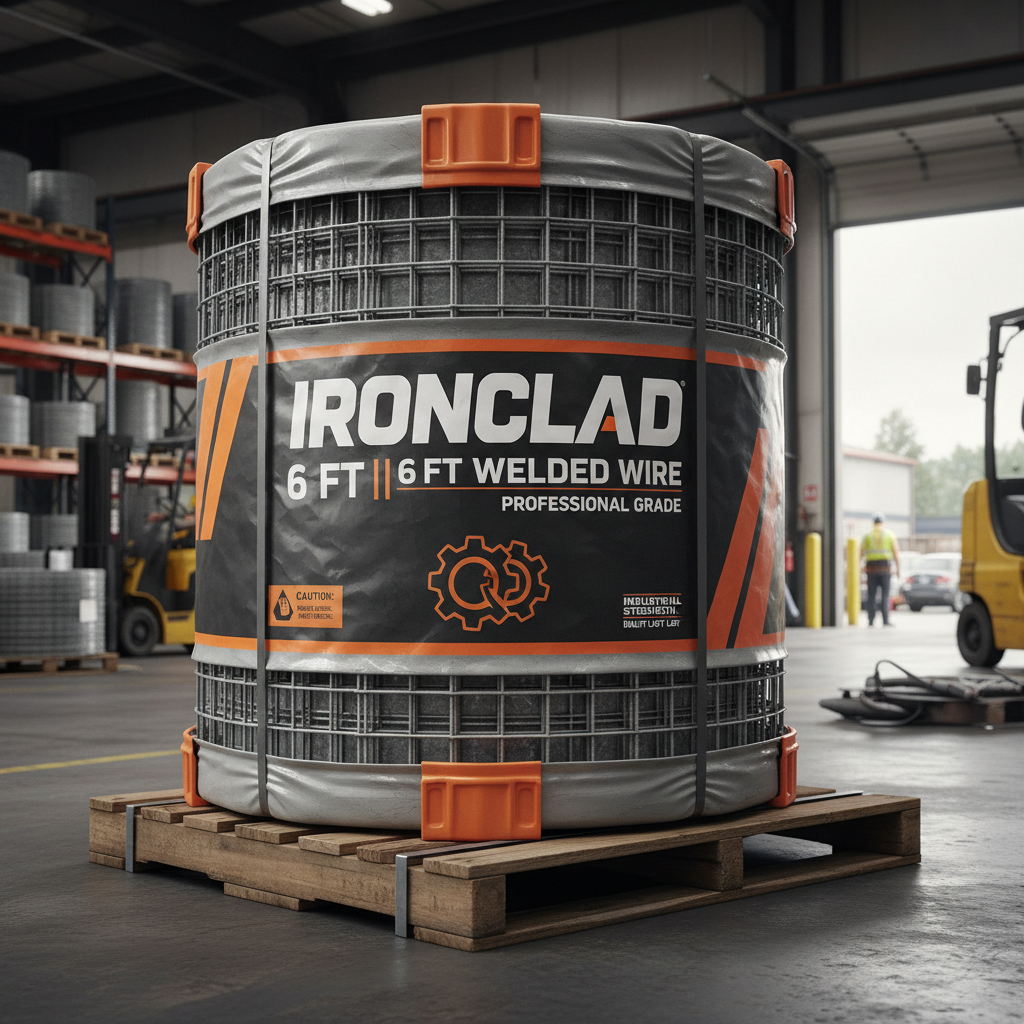
Compared to traditional rebar tying methods, prefabricated steel mesh saves labor and installation time. Manufacturers produce these sheets in large rolls that are easily rolled out and integrated, slashing construction schedules — a win for contractors and developers.
4. Structural Integrity
The grid pattern evenly distributes mechanical stresses, preventing concrete cracks that would otherwise lead to costly repairs or hazards. It enhances flexibility that lets concrete “breathe” in varying temperatures or shifting soils.
5. Sustainability
Steel is recyclable and meshes can incorporate recycled steel fibers. Plus, by extending the life of concrete structures, reinforced steel mesh reduces the need for frequent rebuilding — a small but meaningful contribution toward greener construction.
Global Applications and Use Cases
Everyone from government agencies to private industries relies on reinforced steel mesh. In seismic hotspots like Japan and California, it’s standard in buildings to meet stringent earthquake codes. In rapidly developing regions such as Southeast Asia and Sub-Saharan Africa, it supports new urban infrastructures and affordable housing projects.
- In post-disaster relief efforts, reinforced steel mesh enables rapid and safe rebuilding of critical facilities like clinics and schools.
- Industrial zones use reinforced steel mesh in factory floors, where chemical exposures demand tough, crack-resistant surfaces.
- Transportation infrastructure — roads, tunnels, and bridges — rely heavily on steel mesh for longevity under heavy loads.
Product Specification Table: Common Reinforced Steel Mesh Grades
| Parameter | Description | Typical Value |
|---|---|---|
| Wire Diameter | Thickness of Steel Wire | 4 mm – 12 mm |
| Mesh Size | Distance Between Wires | 50 mm × 50 mm to 150 mm × 150 mm |
| Yield Strength | Tensile Resistance | 460 MPa – 620 MPa |
| Standard Sizes | Sheet/Roll Dimensions | 2 m × 6 m, Rolls up to 30 m |
Vendor Comparison Table: Top Reinforced Steel Mesh Suppliers
| Vendor | Product Range | Price Range (USD) | Customization | Lead Time |
|---|---|---|---|---|
| Lanye Wire Mesh | Wide variety, including galvanized & PVC-coated | $500 – $1200 per ton | Custom sizes and roll lengths | 2-4 weeks |
| Global Steel Supplies | Standard steel mesh sheets | $450 – $1100 per ton | Limited options | 3-5 weeks |
| MegaResist Materials | Heavy-duty meshes with extra corrosion resistance | $600 – $1400 per ton | Highly customizable | 1-3 weeks |
Advantages and Long-Term Value
The benefits of reinforced steel mesh go beyond mere engineering specs — they translate into real human impacts. Cost-wise, the reduced labor and repair needs mean budgets stretch further, enabling governments and companies to invest in broader infrastructure. Sustainability extends the life of concrete installations, lowering environmental footprints by reducing waste and rebuilding frequency.
On a more emotional level, reinforced steel mesh contributes to safety, which is a foundation of community dignity. People sleep easier knowing their homes, schools, and hospitals can withstand nature’s worst. It also fuels innovation; architects and engineers experiment with hybrid materials integrating steel mesh to create lighter, smarter structures.
Future Trends & Innovations
The industry is evolving alongside technology and environmental pressures. Green steel production techniques, including electric arc furnaces running on renewable energy, aim to lower CO₂ emissions. Digital tools like BIM (Building Information Modeling) now integrate reinforced steel mesh data for precise construction planning and monitoring.
Automation in mesh fabrication reduces errors and waste, while advances in composite materials explore steel mesh hybrids that combine durability with corrosion resistance. I suppose we’re on the cusp of a smart-materials revolution where reinforced steel mesh isn’t just static — it might soon respond dynamically to stress or environmental changes.
Challenges & Solutions
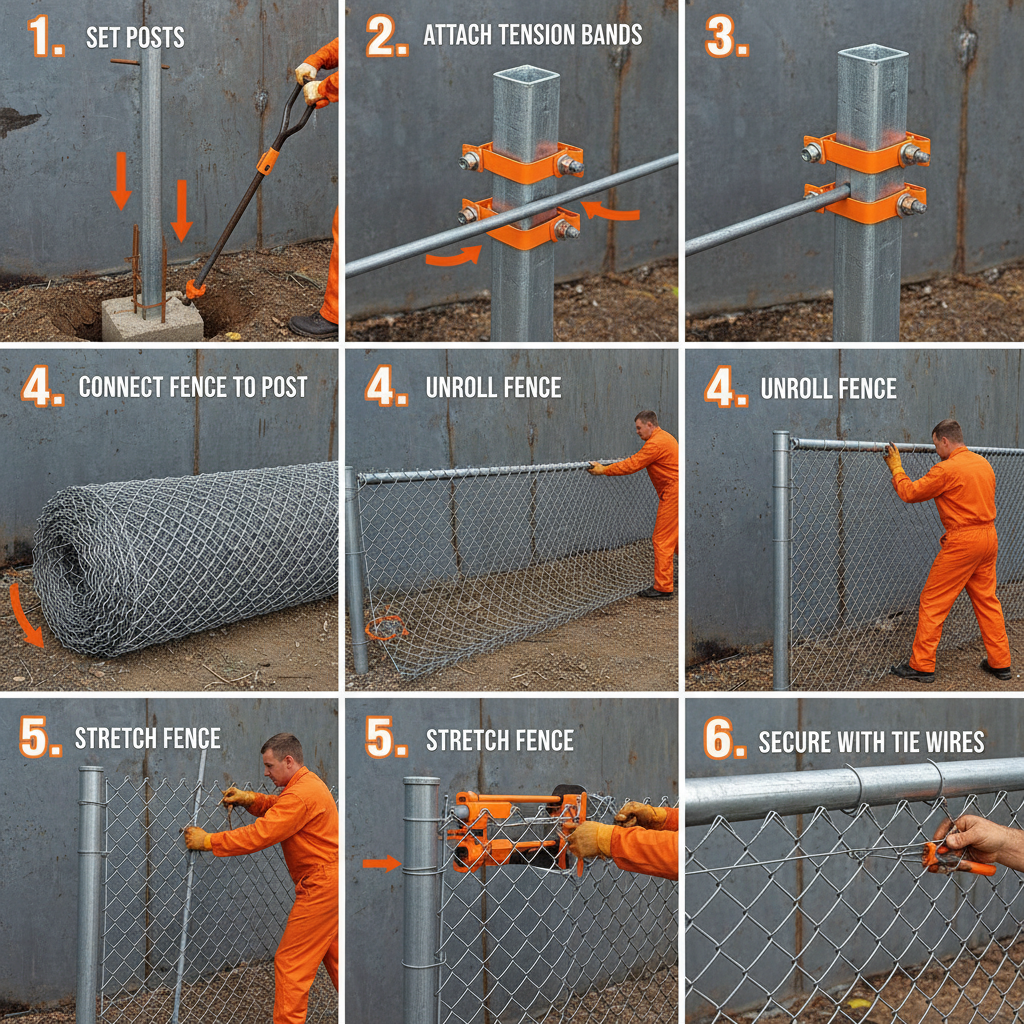
There are hurdles, including susceptibility to corrosion if untreated, which compromises longevity. Transporting large mesh rolls to remote sites can be costly and logistically complicated. Additionally, improper installation reduces effectiveness, which means workforce training is crucial.
Experts recommend galvanized or PVC-coated meshes for corrosive environments, modular packaging for shipping, and robust on-site supervision. Innovative coatings and corrosion inhibitors are becoming more affordable, and drone inspection helps in maintenance checks, cutting down unexpected failures.
FAQ: Frequently Asked Questions About Reinforced Steel Mesh
- What is the typical lifetime of reinforced steel mesh in concrete?
Reinforced steel mesh embedded in concrete can last 50 years or more when properly designed and protected from corrosion. Environmental factors and maintenance levels influence lifespan. - Can reinforced steel mesh be customized for different building requirements?
Absolutely. Sizes, wire thickness, mesh spacing, and coatings can all be tailored to suit the load demands, environmental conditions, and project specifications. - How does reinforced steel mesh improve construction safety?
By evenly distributing stress and preventing cracks, it minimizes structural failures, ensuring buildings and infrastructure remain stable under stress and over time. - Is galvanized steel mesh better than plain steel mesh?
Galvanized mesh has a zinc coating that prevents rust and corrosion, making it far more durable in wet or harsh conditions than plain, uncoated steel. - Where can I source high-quality reinforced steel mesh?
Vendors like Lanye Wire Mesh specialize in a wide range of products with customization options to suit diverse project needs.
Conclusion: The Lasting Impact of Reinforced Steel Mesh
Reinforced steel mesh isn’t just a technical component — it’s an enabler of safe, sustainable, and efficient construction worldwide. Its role in shaping modern cities and facilities quietly empowers billions of people, from everyday pedestrians to emergency responders. Frankly, investing in quality steel mesh technology means investing in the future of infrastructure resilience. So, if you’re looking to build with confidence and durability, explore trusted providers like reinforced steel mesh specialists today. They’re ready to partner on projects that stand strong for generations.
Mini takeaway: Reinforced steel mesh is fundamental to constructing resilient and sustainable infrastructure — a classic yet evolving technology bridging material science and human needs.
References: