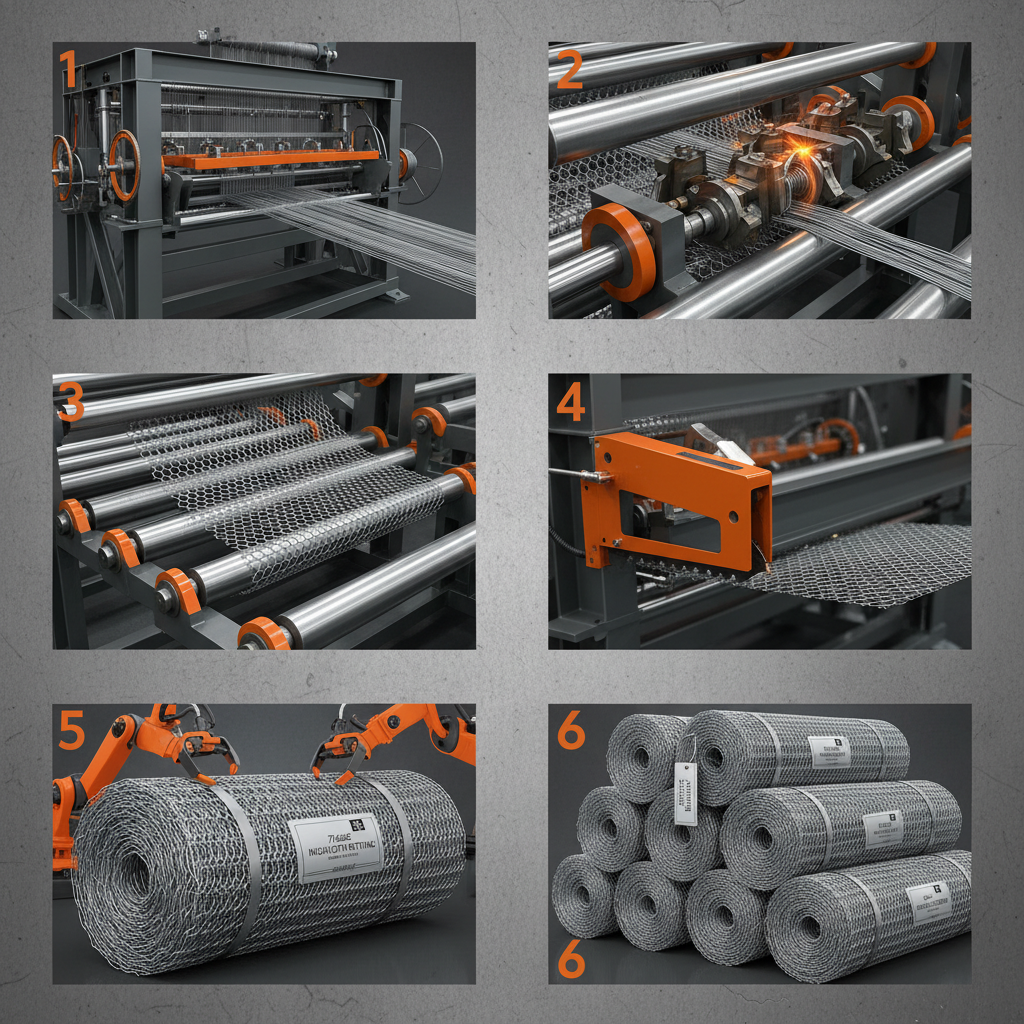
Understanding remesh wire: A seasoned look from the shop floor
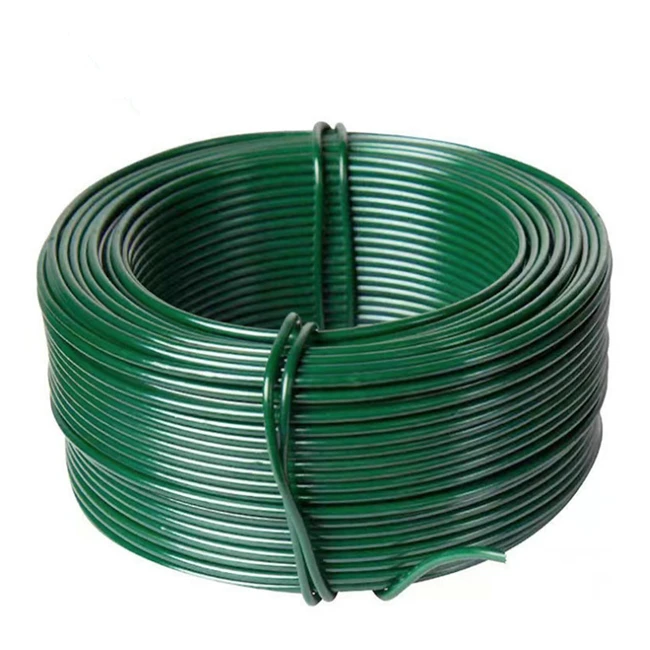
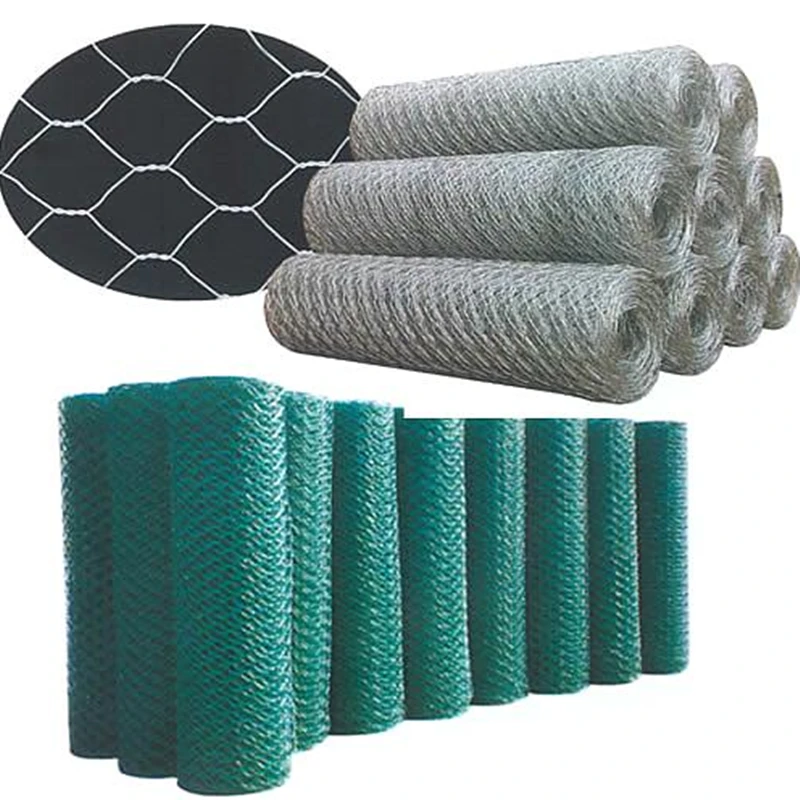
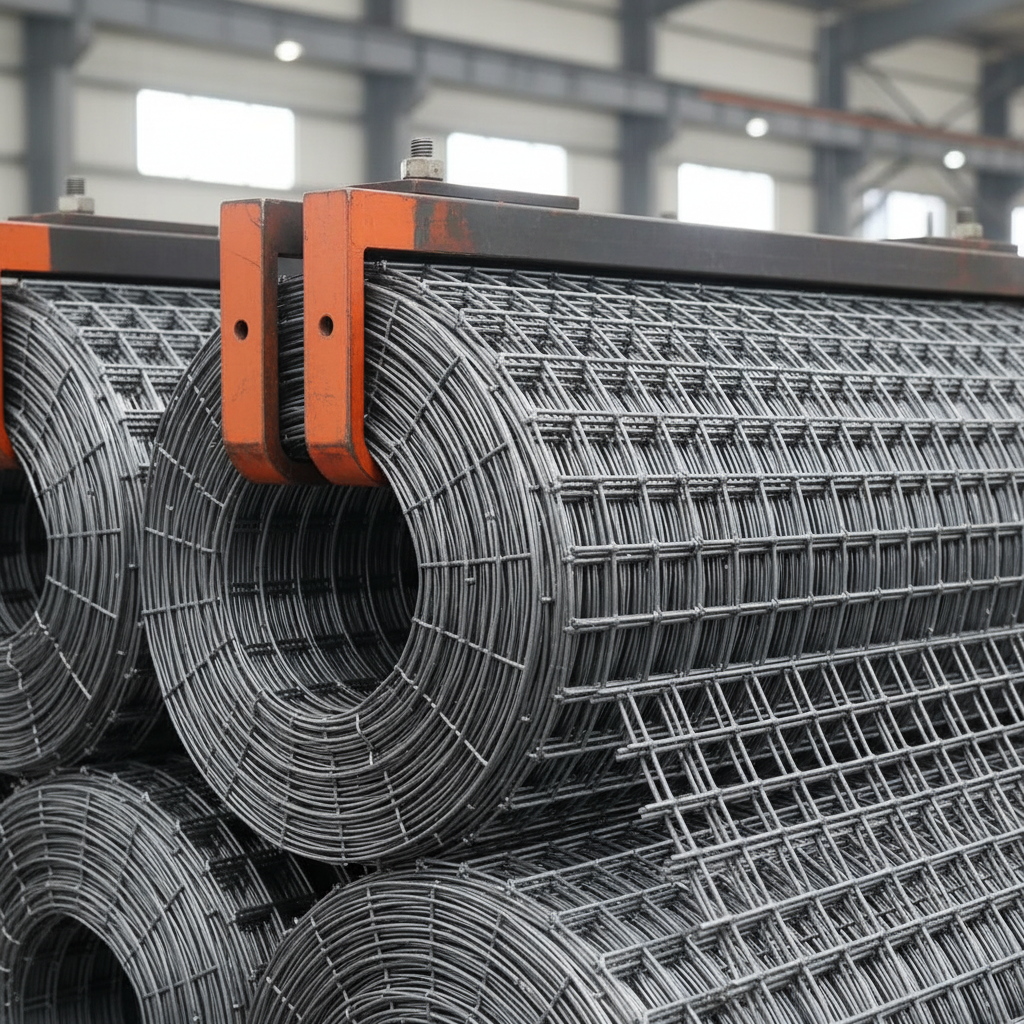
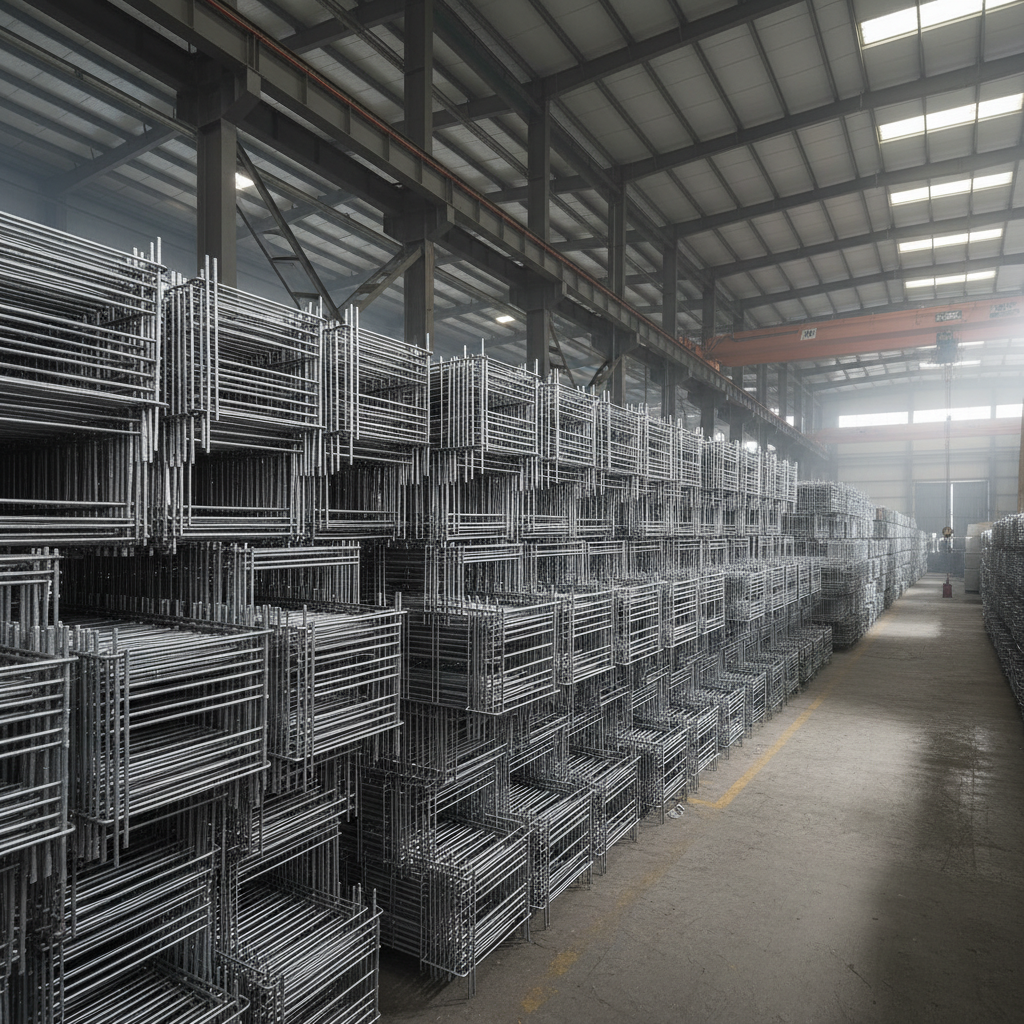
Having spent over a decade in the industrial equipment sector, I can say there’s a particular sort of charm in working with materials that seem simple at first glance but are absolutely vital — like remesh wire. You might be thinking, “Isn’t it just welded wire mesh for concrete?” Well, yes and no. Remesh wire stands apart by its specific role, design, and how it’s tailored for reinforcing concrete structures. I remember early on when I first encountered a heavy roll of remesh — it felt almost like the backbone material for concrete slabs, pavements, and roads. Getting the specs right was crucial, or else your slab might just crack under pressure.
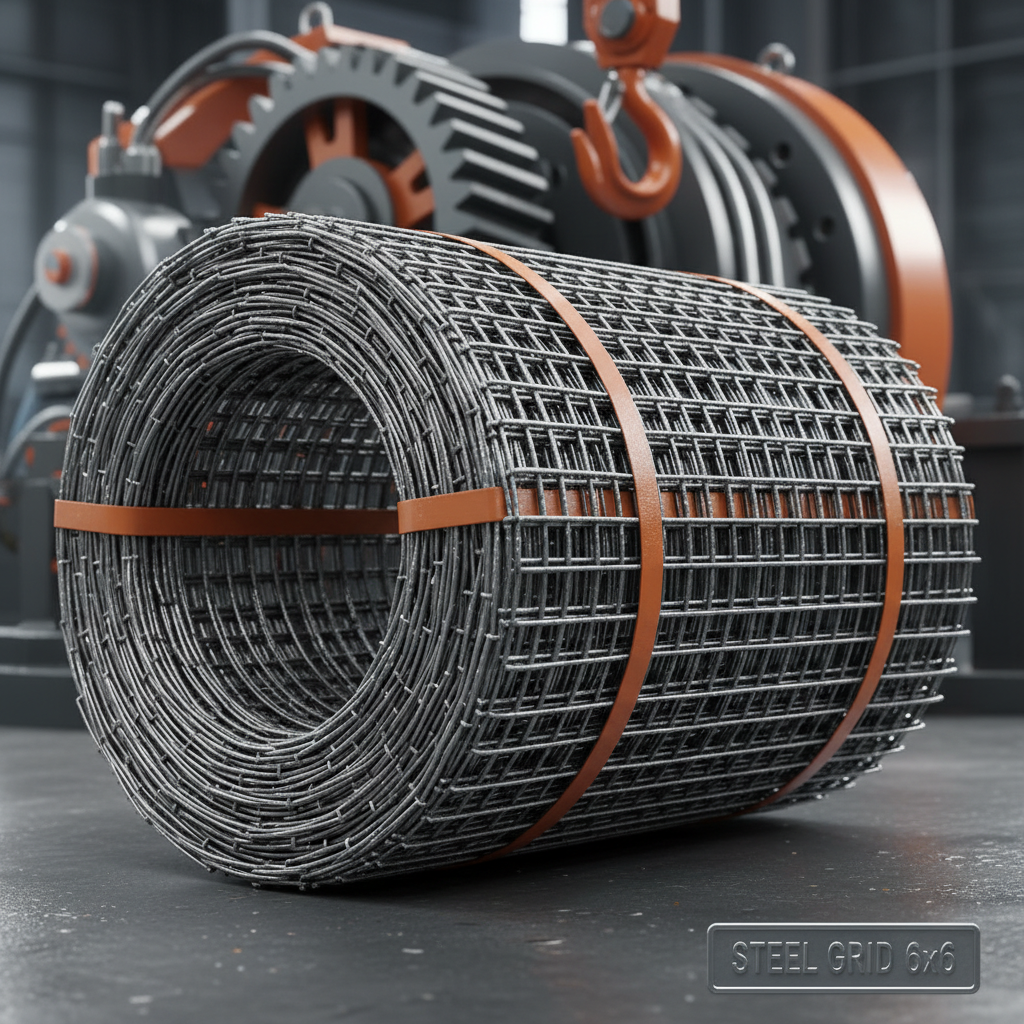
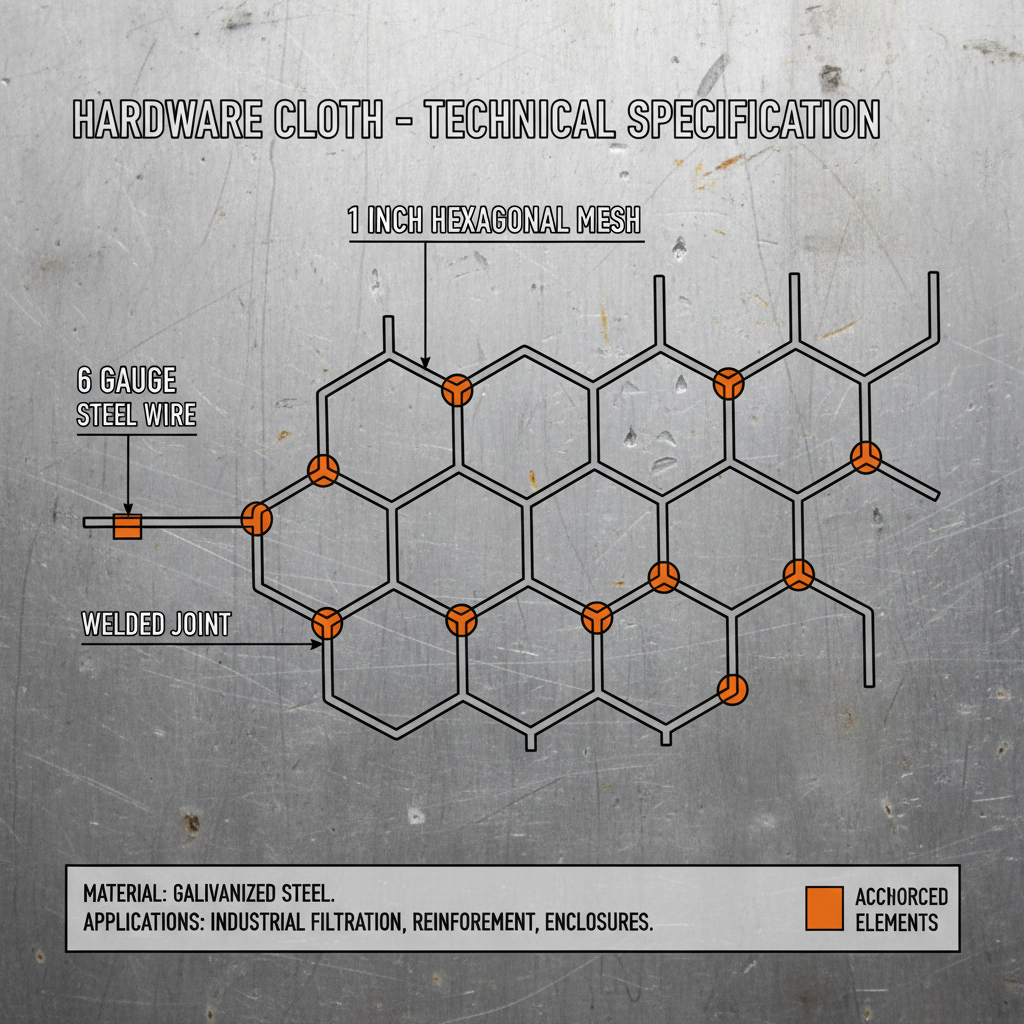
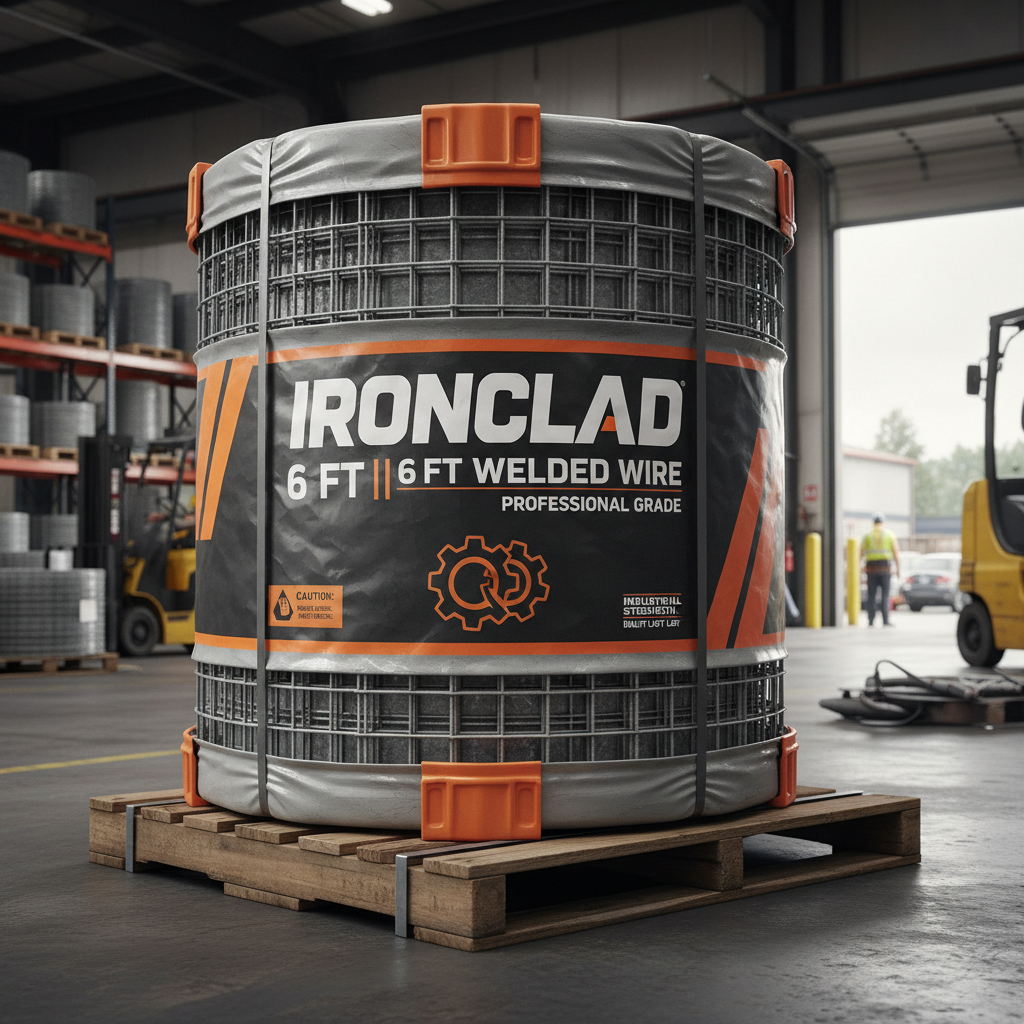
So, what exactly makes remesh wire different? Here’s the deal. Remesh wire typically comes in welded grids, made from high-quality steel wires with consistent spacing — often 6"x6" or thereabouts. The wire diameters vary to suit load requirements, but you want enough tensile strength and ductility to handle stress without snapping. Oddly enough, many engineers will swear by carbon steel remesh coated with epoxy to prevent corrosion, especially in moist environments or near coastal constructions. Trust me, it saves headaches later.
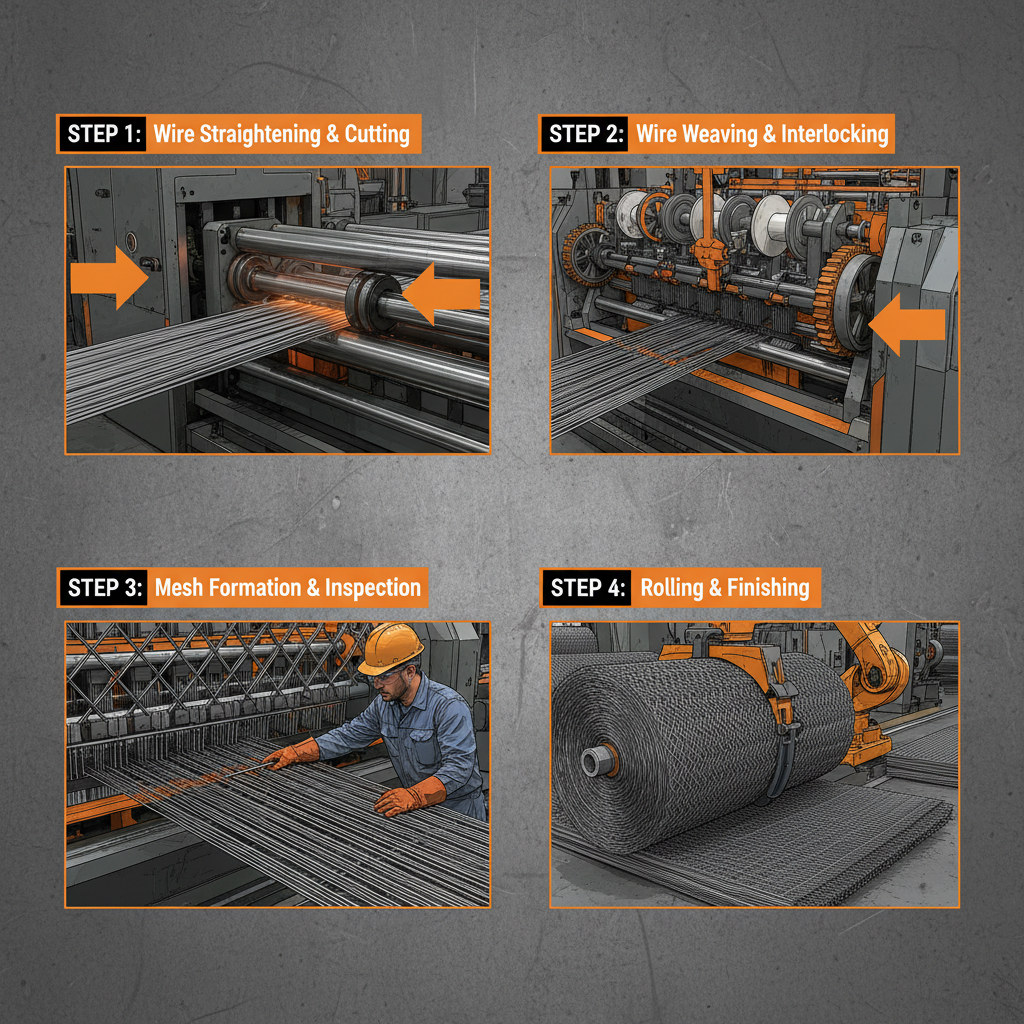
Another thing I’ve noticed: the grade of steel and quality control during manufacturing can vastly affect how your remesh performs in the field. Certified materials tested for yield strength and elongation are essential if you're designing for safety and durability. And from experience, I’ve seen cheaper alternatives can cause delays and rework, which in construction doesn’t just eat up time – it eats up your budget.
| Parameter | Details |
|---|---|
| Wire Diameter | 4mm to 12mm |
| Mesh Opening | 6" x 6", 4" x 4", or custom |
| Material | Cold Drawn High Tensile Steel |
| Finish | Plain, galvanized, or epoxy-coated |
| Standard Length | 1m to 6m sheets or rolls |
Now, when it comes to sources, I’ve worked with quite a few vendors over the years. The choice often boils down to a balance of quality, price, lead times, and reliable documentation. Here’s a quick snapshot comparing a few popular suppliers I’ve evaluated recently:
| Vendor | Quality Certification | Lead Time | Customization | Typical Pricing |
|---|---|---|---|---|
| Lanye Wire Mesh | ISO 9001, ASTM compliant | 2-3 weeks | Wide range available | $$ (mid-range) |
| Global Mesh Co. | CE certified | 4-5 weeks | Limited | $ (budget) |
| SteelWorks Ltd. | ISO 14001 | 1-2 weeks | Custom meshes on demand | $$$ (premium) |
One customer case comes to mind. A mid-sized construction firm faced issues with premature cracking of sidewalks, which naturally was a big hassle during a rainy season. Looking closely, they had used non-certified mesh that rusted prematurely, weakening the slab. After switching to a verified remesh wire supplier with backed test reports, their issues cleared up remarkably. It’s always reassuring when a simple material choice can make such an impact — kind of reminds me why quality materials aren’t just a luxury but a necessity.
To sum it up, remesh wire might not be the flashiest component in your projects, but it’s definitely the unsung hero holding things together. Whether you’re building roads, floor slabs, or heavy-duty industrial bases, choosing the right remesh can save you time, money, and stress. If you need reliable, industry-standard remesh wire, Lanye Wire Mesh tends to be a solid, trustworthy choice from my experience.
In real terms, investing in the right materials upfront pays dividends in longevity and peace of mind — something every engineer quietly appreciates.
References:
1. ASTM A1064 / A1064M - Standard Specification for Carbon-Steel Wire and Welded Wire Reinforcement, Plain and Deformed, for Concrete
2. ISO 9001 Quality Management Systems - Requirements
3. “The Importance of Wire Mesh in Concrete Construction,” Construction Materials Journal, 2021
— End of article —