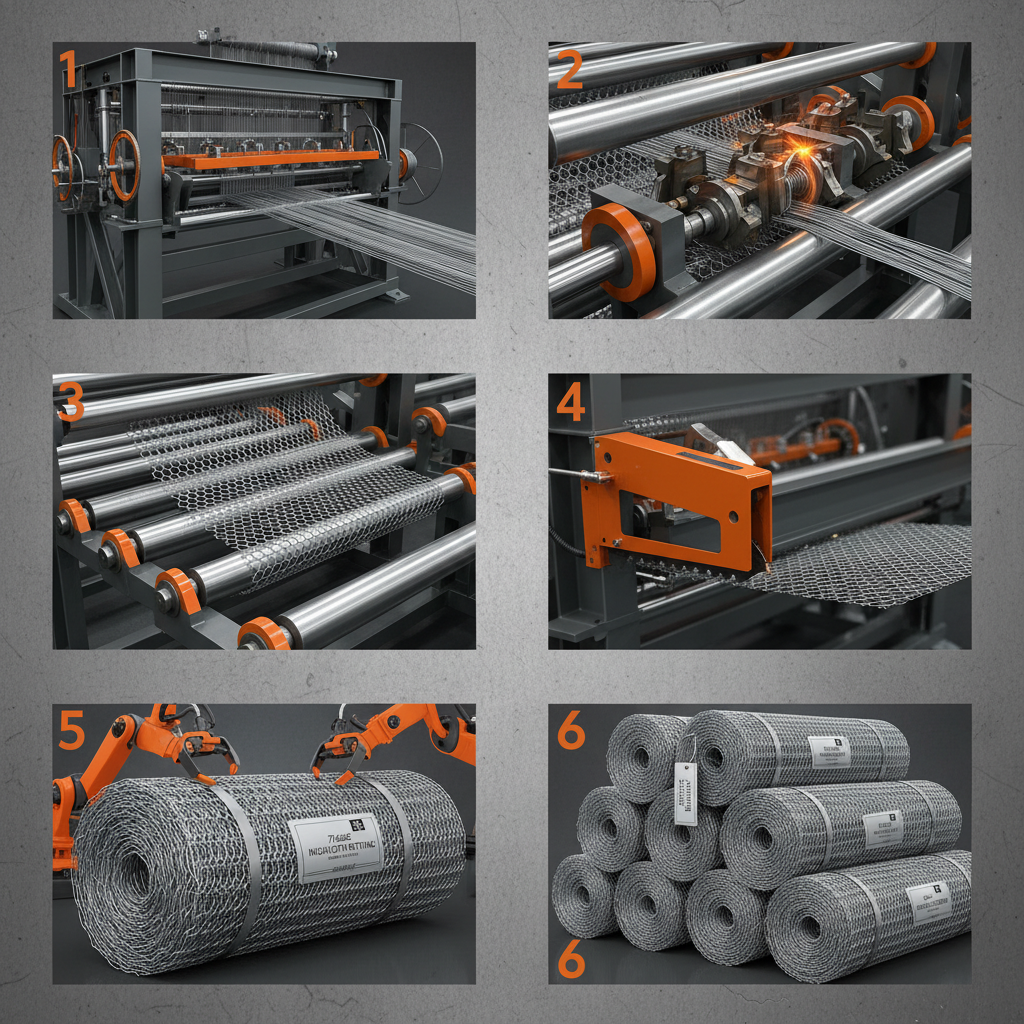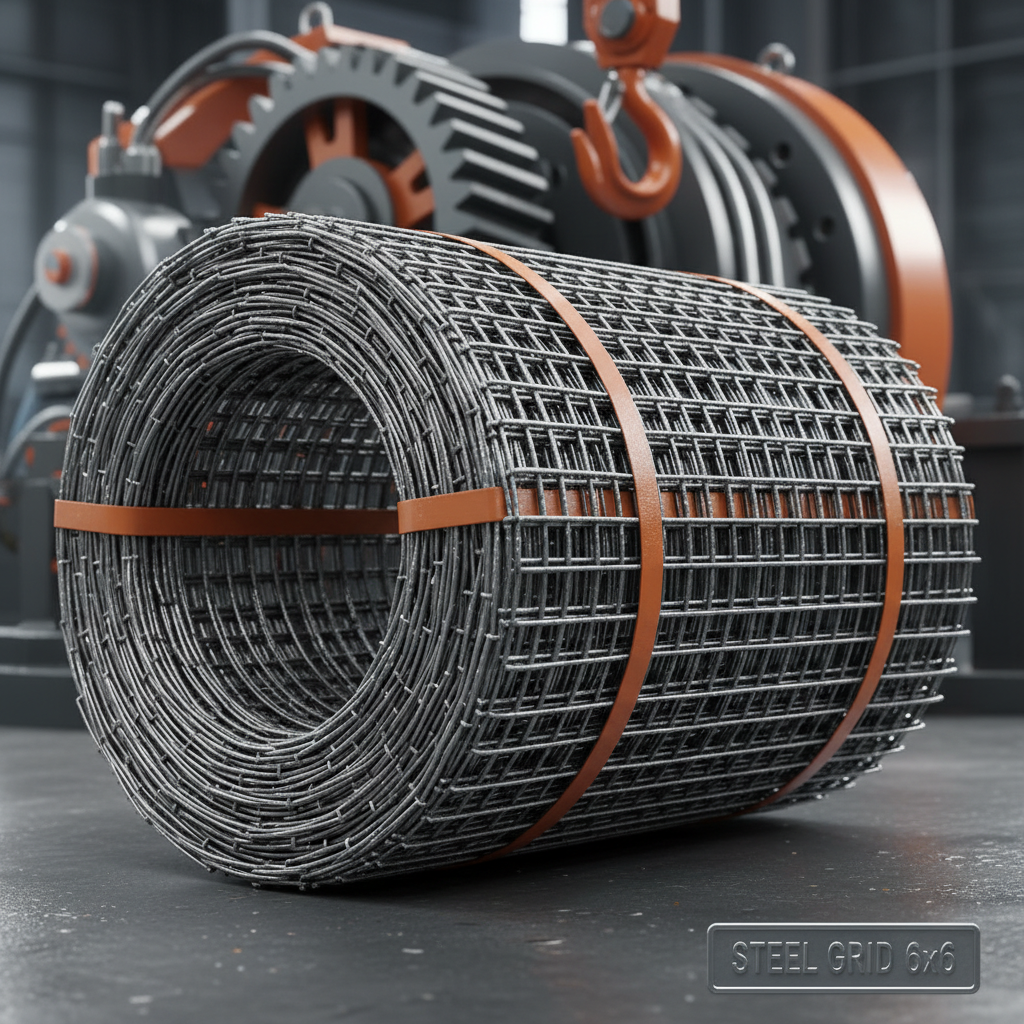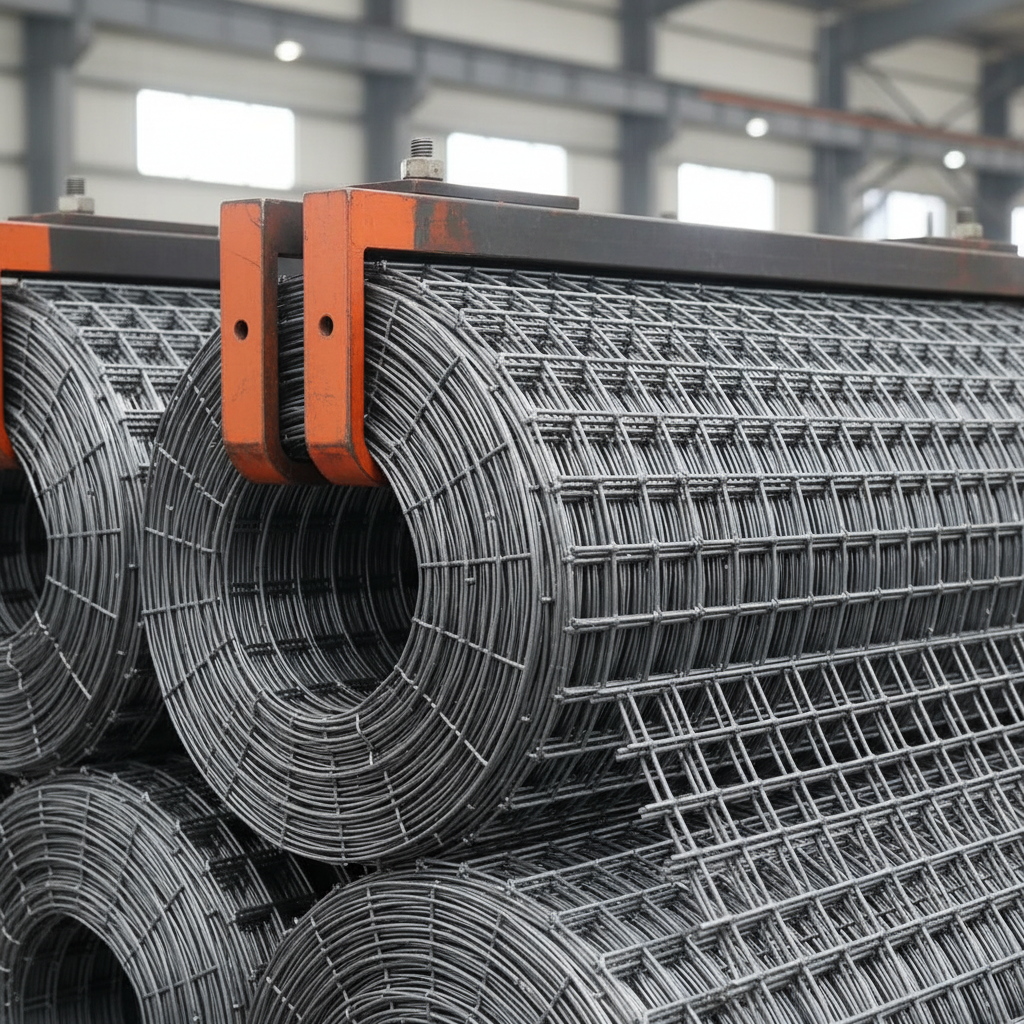
Why small mesh wire netting Still Matters in Industrial Applications
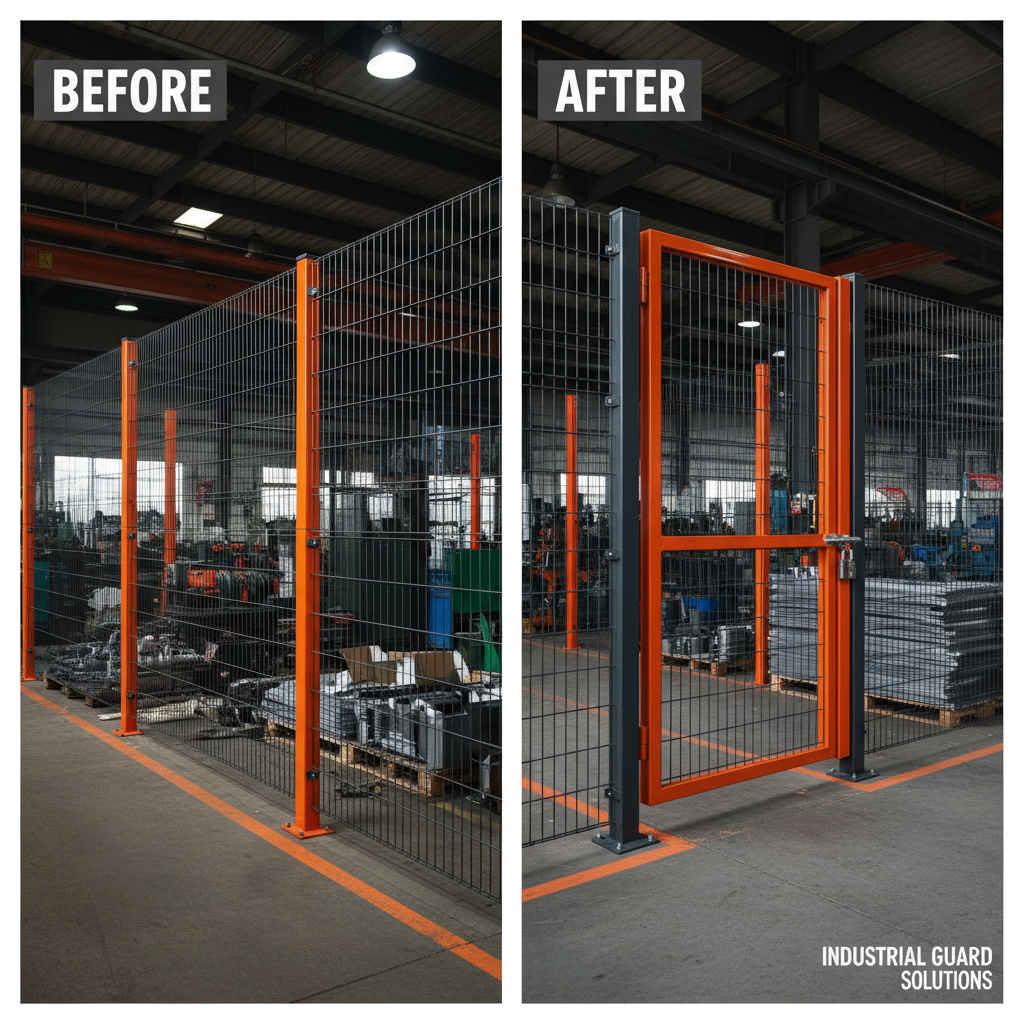
Working in industrial equipment for over a decade, I’ve seen all sorts of materials come and go in popularity. But small mesh wire netting? That’s one of those unsung heroes you barely notice — until you really need it. Whether it’s filtration, screening, or safety guarding, this stuff is everywhere, quietly doing its job.
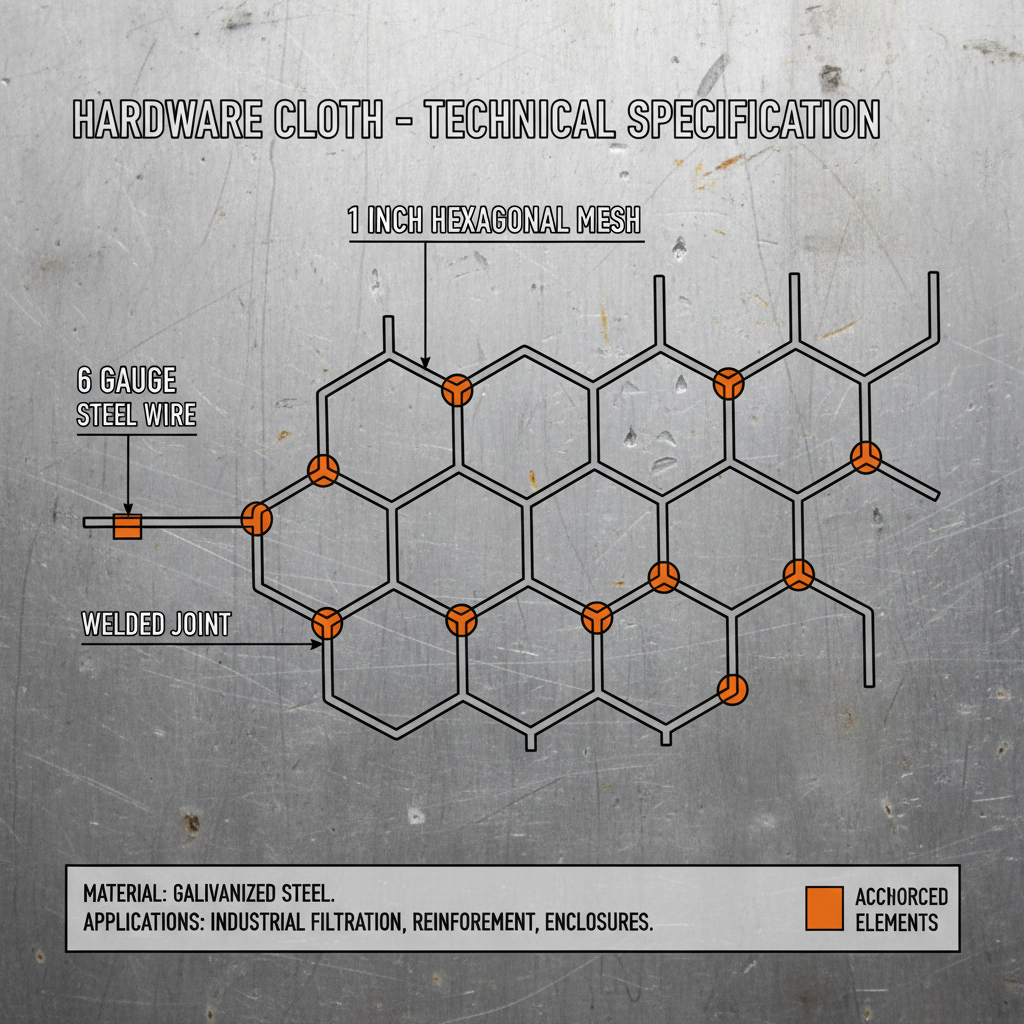
Oddly enough, the basics remain pretty constant even as industries evolve. Stainless steel and galvanized wire remain industry staples for durability and corrosion resistance. You’ll often find meshes ranging from ultrafine microns to several millimeters in aperture, depending on the application. And frankly, the ability to customize these meshes to exact specs is crucial — your filters for chemical plants won’t look the same as those used in food processing or electronics.
Let me share a quick anecdote — a client once asked me about the best wire mesh for a dust filtering system in a cement plant. The key was to balance fine particle retention with airflow. After testing a few options, small mesh wire netting made of stainless steel with a 0.5mm aperture provided the right balance. It was tough, easy to clean, and handled abrasive dust well. That’s why knowing your specs matters — and also working with a reliable vendor.
Typical Product Specifications of Small Mesh Wire Netting
| Feature | Typical Range / Value |
|---|---|
| Material | Stainless steel (304, 316), galvanized steel, brass |
| Mesh Size (Aperture) | 0.05 mm – 5 mm |
| Wire Diameter | 0.03 mm – 0.6 mm |
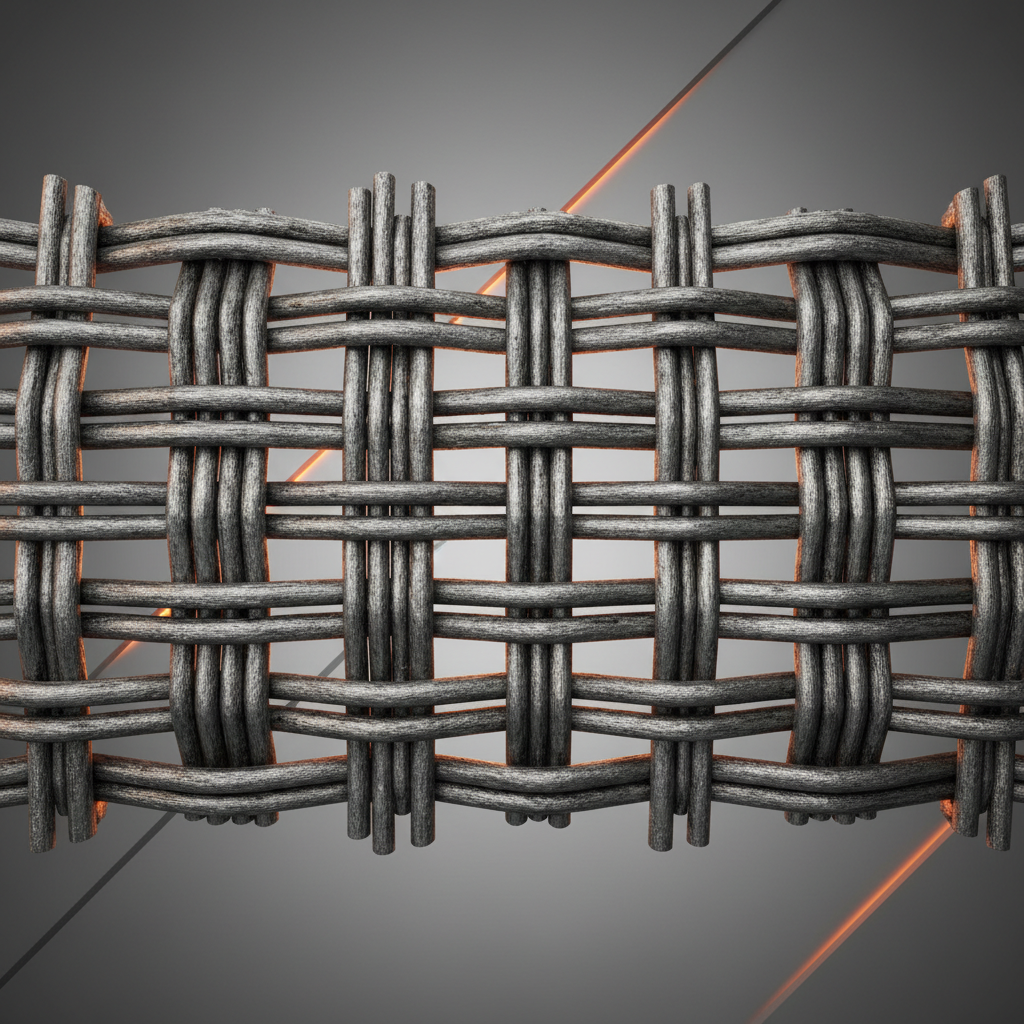
| Weave Types | Plain weave, twill weave, Dutch weave |
| Max Width | Up to 2 meters (varies by vendor) |
| Tensile Strength | 300-800 MPa (depending on wire & weave) |
One thing I often mention in meetings is how important testing and quality assurances are. You can order the “best” wire mesh on paper, but if it’s not tested against your operating environment or standards, you’re setting yourself up for surprises. “ANSI” or “ISO” certifications often come up, but it’s also worth asking for sample batches to run your own trials.
Choosing the Right Vendor for Small Mesh Wire Netting
From my experience, not all suppliers are equal — and their products reflect that. Some specialize in high-precision meshes for electronics, others in bulk supply for agriculture or infrastructure. So depending on your needs — say, needing custom aperture sizes in stainless steel — I’d check a few things:
- Material traceability and certifications
- Customizations and minimum order quantities
- Lead times and delivery reliability
- Customer support and technical assistance
| Vendor | Material Options | Customization | MOQ (Minimum Order Qty) | Typical Lead Time | Technical Support |
|---|---|---|---|---|---|
| Lanye Wire Mesh | SS304/316, galvanized, brass | Custom mesh sizes & thickness | As low as 100m² | 2-4 weeks | Responsive, knowledgeable |
| Industrial Mesh Co. | SS only | Limited custom sizes | 500m² | 3-5 weeks | Moderate support |
| Mesh Solutions Ltd. | Wide variety, incl. plastics | Highly customizable | 200m² | 4-6 weeks | Good tech support |
Some in the field also emphasize aftersales support — you might need quick replacements or advice on mesh maintenance down the line. I suppose that’s part of what separates a supplier from a partner.
In real terms, investing a bit of time upfront to understand these variations can save headaches later. You want consistency and reliability, not sudden downtime or unexpected product failures.
So, if you’re dipping toes into small mesh wire netting for your next project, I'd say start by examining your exact particle size requirements, environmental conditions, and durability needs. From there, check out vendors like Lanye Wire Mesh (a name that’s crossed my desk more than once for good reason).
As I often tell younger engineers: don’t overlook the value of good old wire mesh. It’s not flashy, but it’s reliable, customizable, and – given the right specs – can perform flawlessly even under tough industrial stress.
One final note: If you're ever unsure, don’t hesitate to request a sample. Seeing and testing the mesh yourself beats a thousand datasheet specs.
Takeaway: small mesh wire netting might seem simple, but its right specification and vendor partnership can be a make-or-break detail in industrial operations.
- ASTM International. “Standard Test Methods for Wire Mesh.” ASTM A928-22.
- Engineering Toolbox, “Wire Mesh Sizes & Apertures.”
- Industrial Filtration Guide, 2023 Edition.