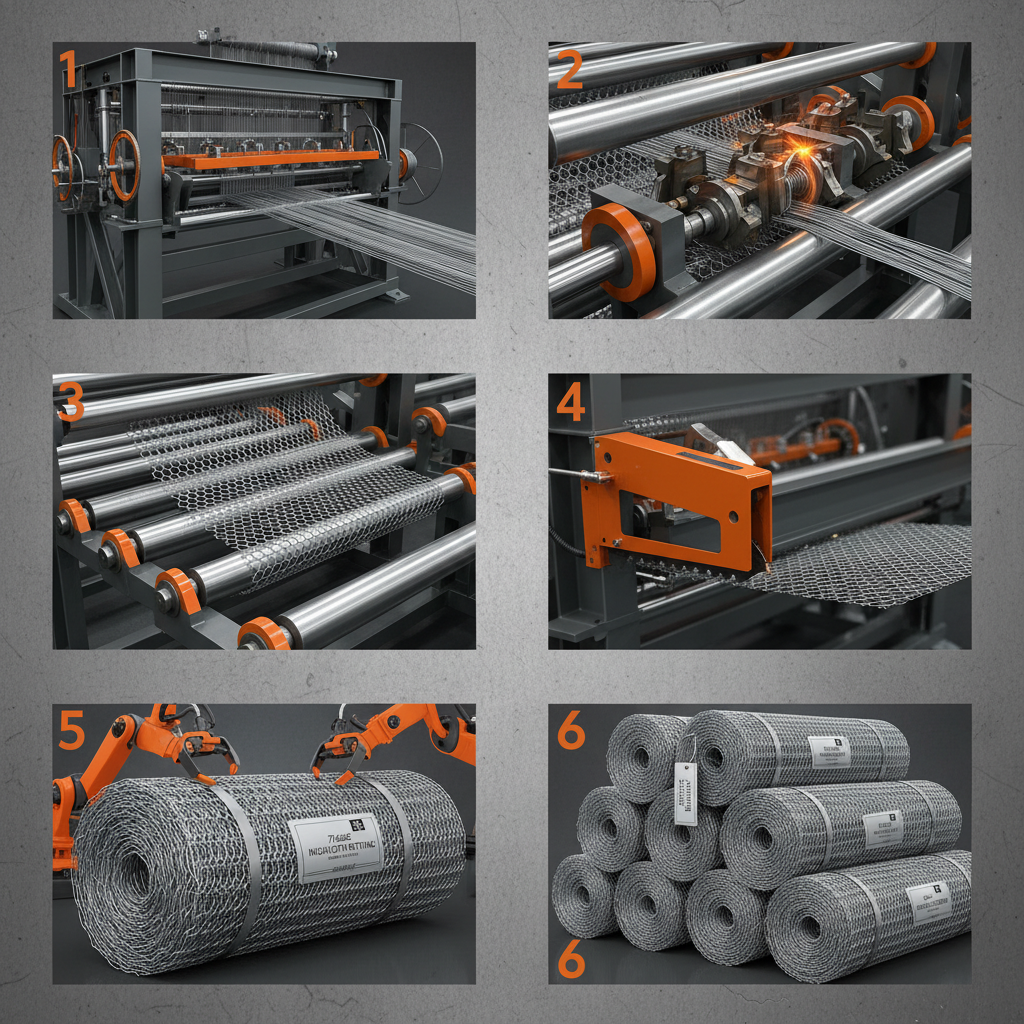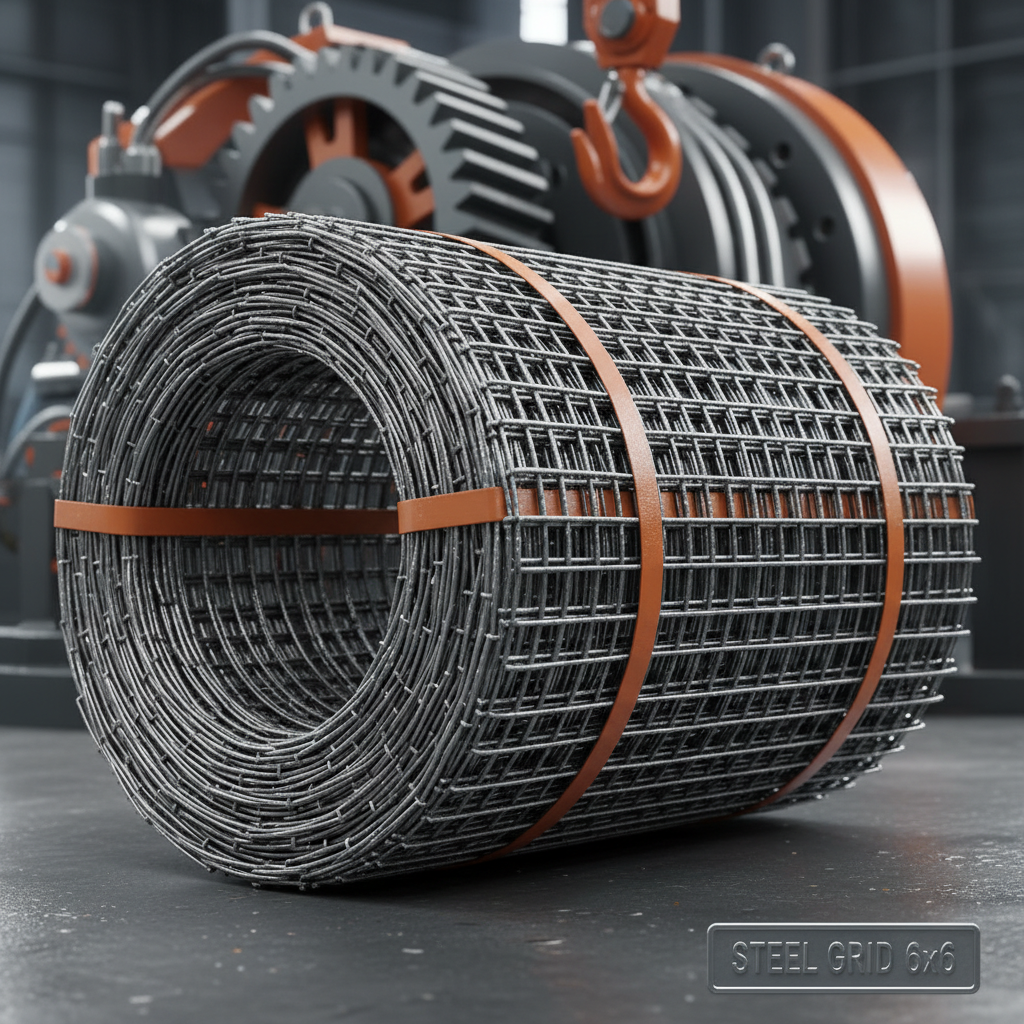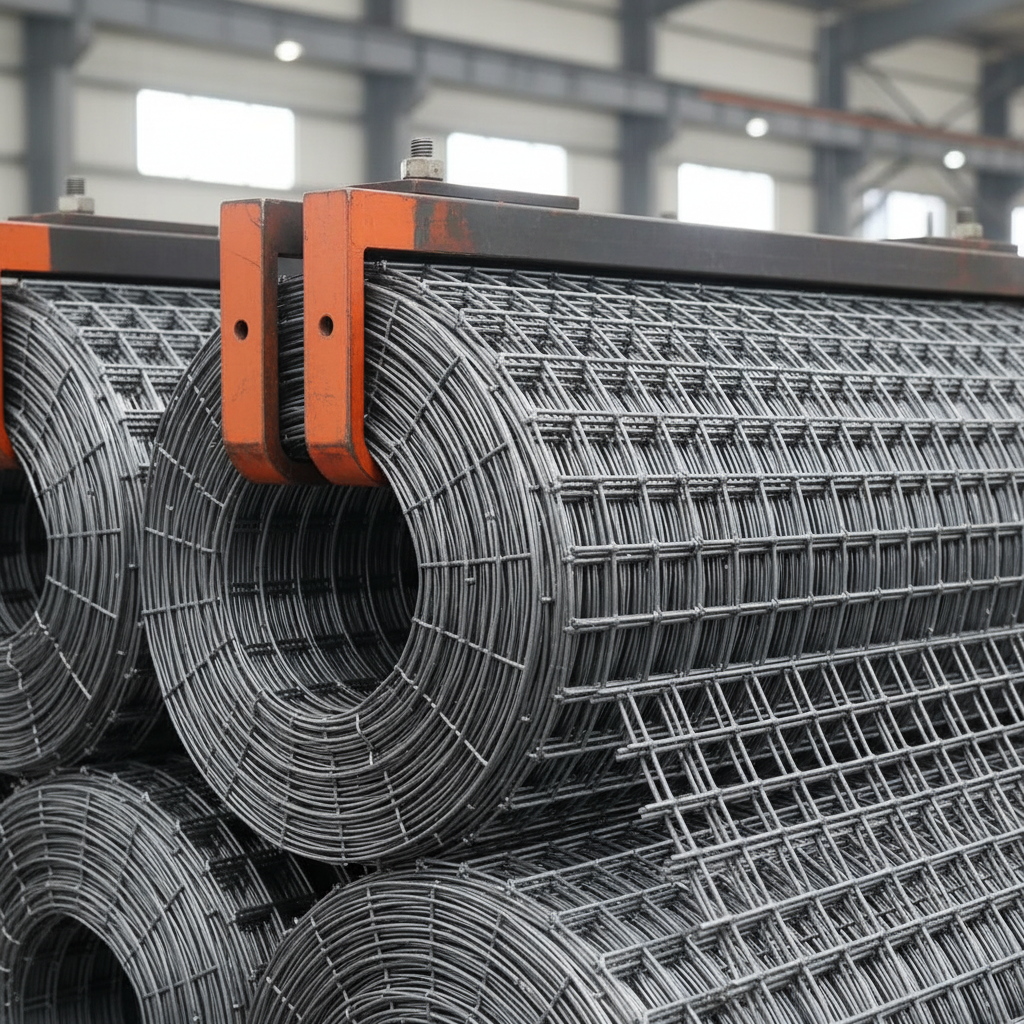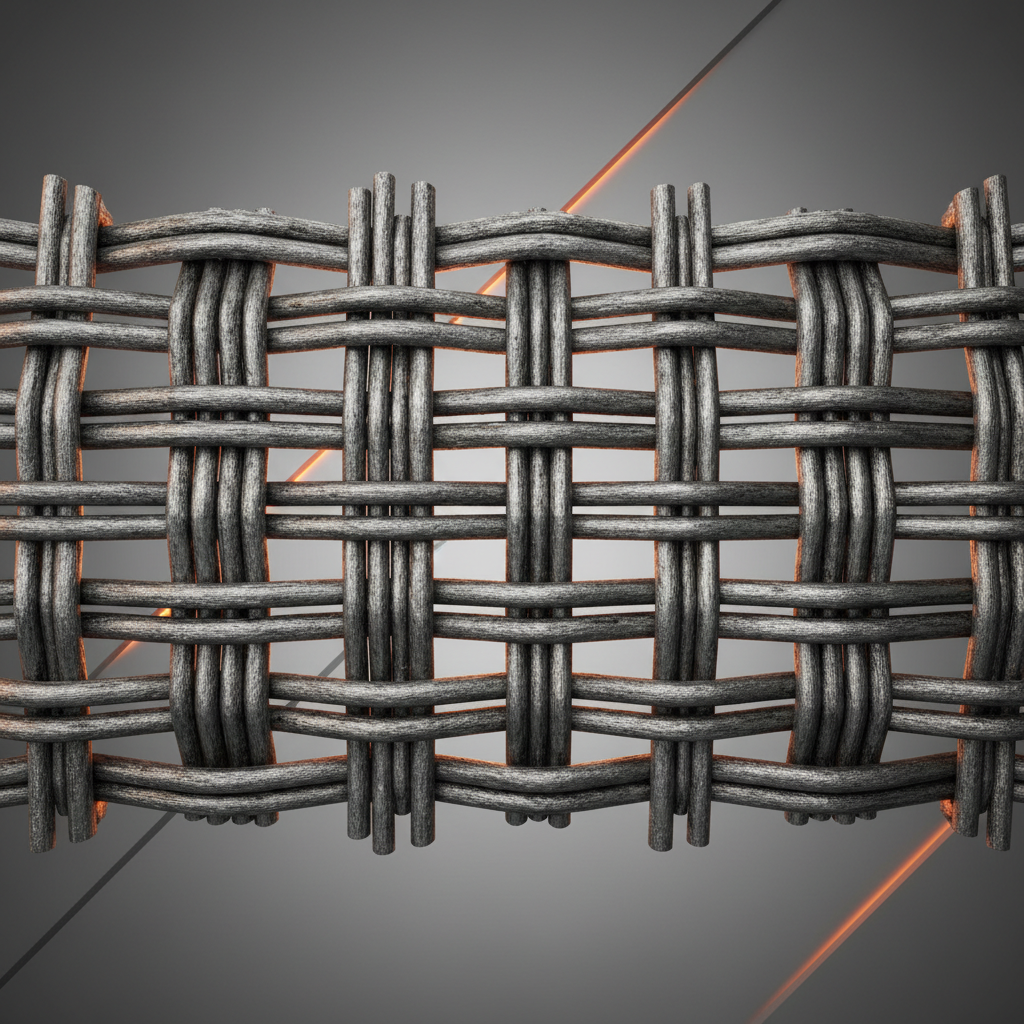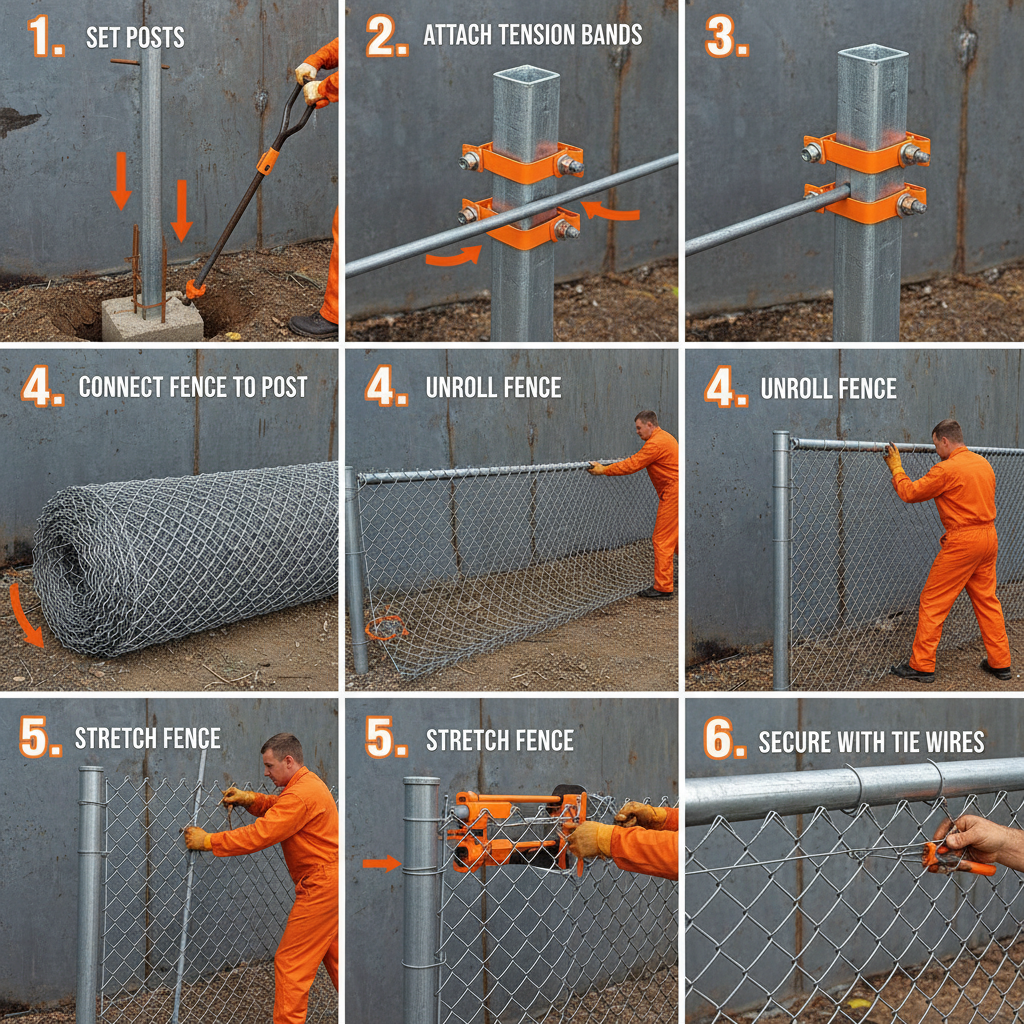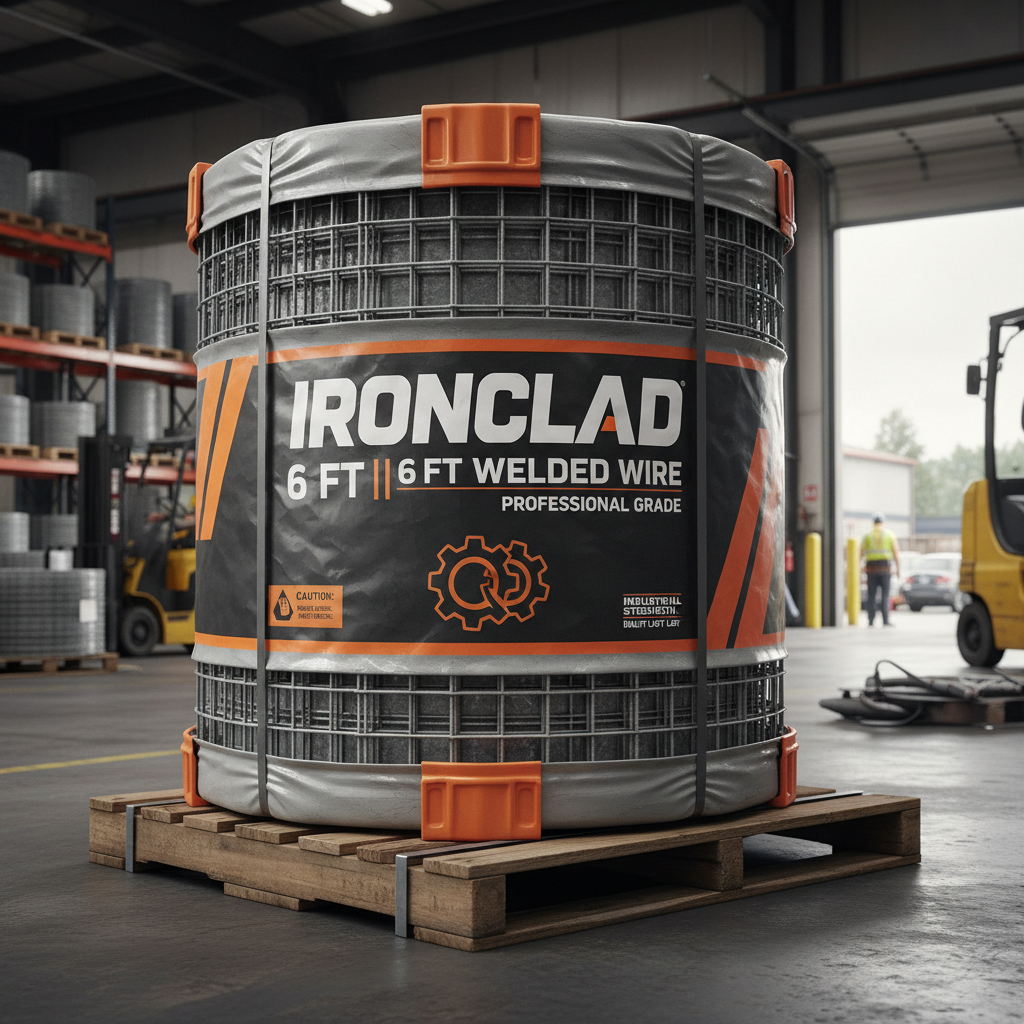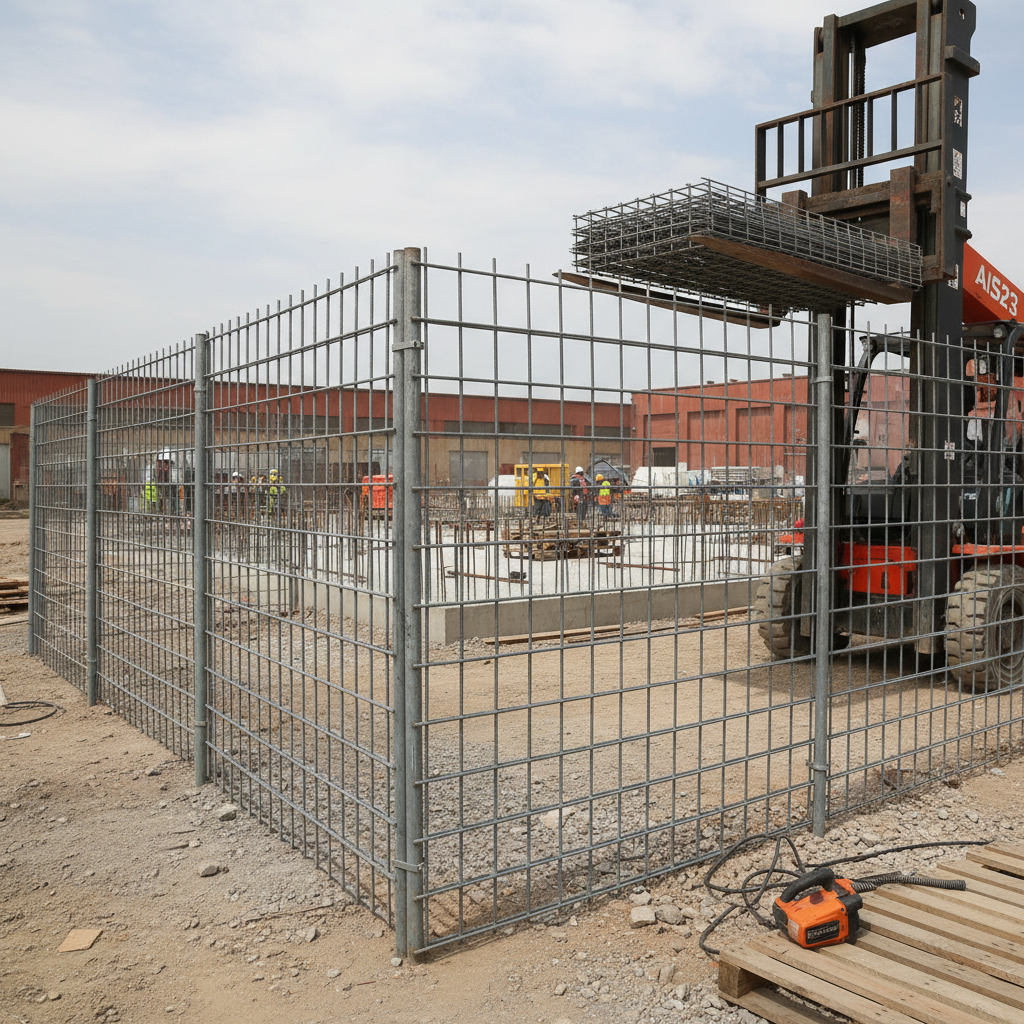
In the realm of modern agriculture, durability, reliability, and cost-effectiveness are paramount for infrastructure like fencing, which protects crops, contains livestock, and defines boundaries. Selecting the right materials is crucial for long-term performance and reduced maintenance. Among the various options, hot galvanized steel wire has emerged as a superior choice, offering exceptional resilience against environmental challenges. Dingzhou Lanye Metal Products Co., Ltd., a large-scale manufacturing factory established in 2005, exemplifies the innovation and quality driving this trend. Composed of a young, energetic team that values product quality and corporate reputation as its core principles, the company continuously innovates and researches to enhance its offerings. With a dedicated R&D team, quality inspection department, and a complete quality control system, every product undergoes strict checks and perfect packaging before reaching customers. Their extensive product range, including galvanized steel wire, annealed wire, and barbed wire, is widely used in agricultural fencing, construction, and other fields, ensuring high performance for large-scale applications. This article delves into the key advantages of using hot galvanized steel wire in agricultural fence construction, highlighting its properties, manufacturing excellence, and practical benefits, backed by the expertise of Dingzhou Lanye Metal Products Co., Ltd.
The Durability and Corrosion Resistance of Hot Galvanized Steel Wire in Fencing
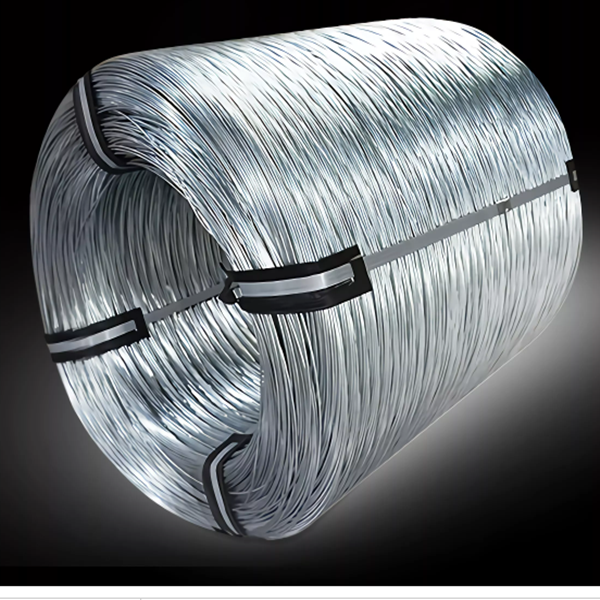
The primary advantage of using hot galvanized steel wire in agricultural fences lies in its exceptional durability and corrosion resistance. Agricultural environments expose fencing to moisture, soil chemicals, and varying weather conditions, which can lead to rapid deterioration if materials are not properly protected.
- Heavy Zinc Coating for Longevity: The hot galvanized steel wireproduced by Dingzhou Lanye Metal Products Co., Ltd. features a robust zinc coating, typically ranging from 50-350g/m² for hot-dipped galvanized variants. This heavy coating acts as a sacrificial layer, preventing rust and corrosion even in humid or rainy climates. For instance, in applications like livestock enclosures or crop protection fences, this ensures the wire remains intact for years without frequent replacements.
- Material Strength and Flexibility: Made from low-carbon steel wire such as Q195 or Q235, this wire combines high tensile strength with flexibility. Gauges from BWG8-25 (0.4-6mm) allow for customization based on fence requirements, whether for lightweight garden strapping or heavy-duty animal pens. The corrosion resistance is further enhanced by the galvanization process, which involves immersing the steel in molten zinc, creating a bond that withstands abrasion and environmental stressors.
- Cost-Efficiency and Low Maintenance: By reducing the need for regular repairs or replacements, hot galvanized steel wirelowers long-term costs for farmers. Dingzhou Lanye's focus on quality ensures that each coil or spool wire is uniformly coated, providing consistent performance across large-scale agricultural projects. This aligns with the company's commitment to innovation, where continuous R&D efforts optimize coating techniques for even better corrosion resistance.
The Manufacturing Process and Strength of Hot Dipped Galvanized Iron Wire
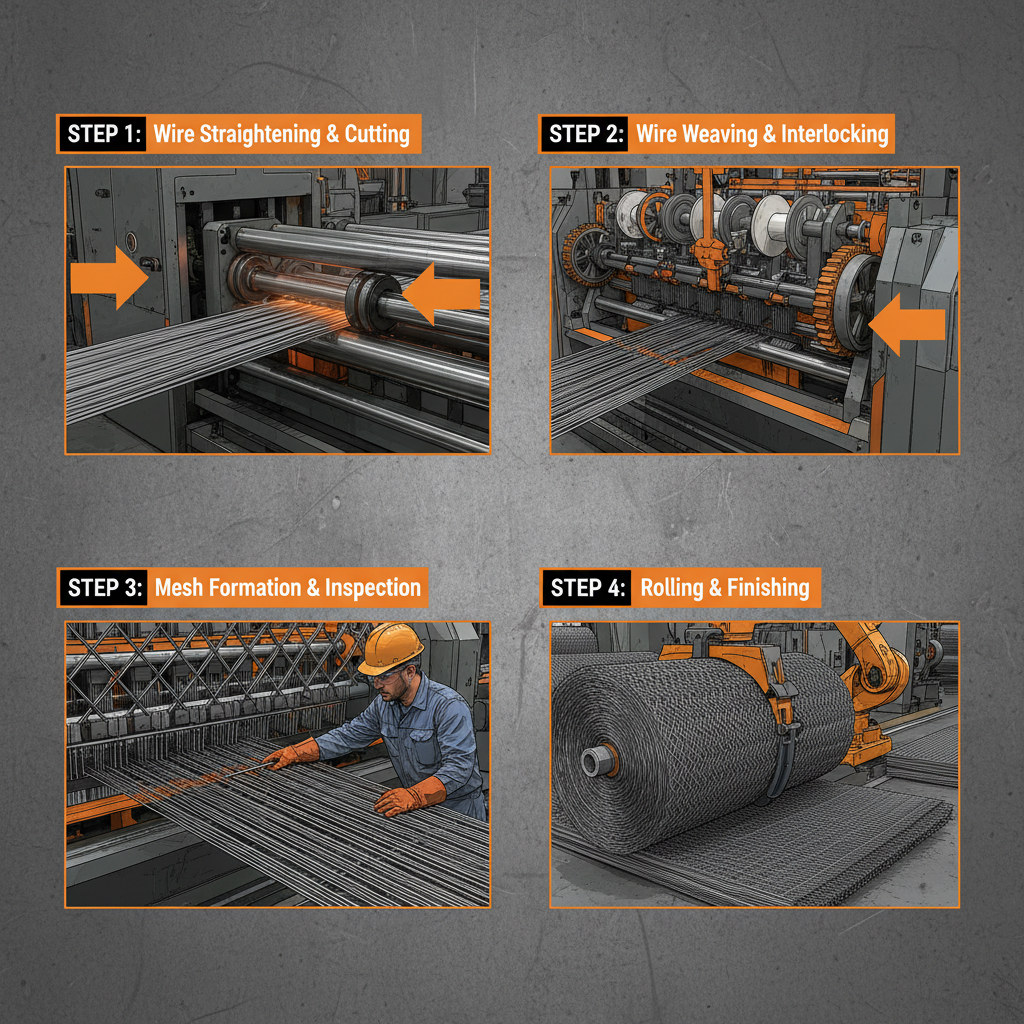
The superiority of hot dipped galvanized iron wire in agricultural fencing stems from its meticulous manufacturing process, which ensures enhanced strength and reliability. Dingzhou Lanye Metal Products Co., Ltd. leverages its young, dynamic team to refine production methods, emphasizing precision and consistency for large-volume outputs.
- Immersion Galvanization for Enhanced Protection: The hot dipped galvanized iron wireis produced by cleaning low-carbon steel wire and immersing it in molten zinc at high temperatures. This results in a thick, adherent coating that provides superior corrosion resistance compared to electro-galvanized options. The zinc coating weight of 50-350g/m² guarantees that the wire can endure harsh agricultural conditions, such as exposure to fertilizers or animal waste, without degrading.
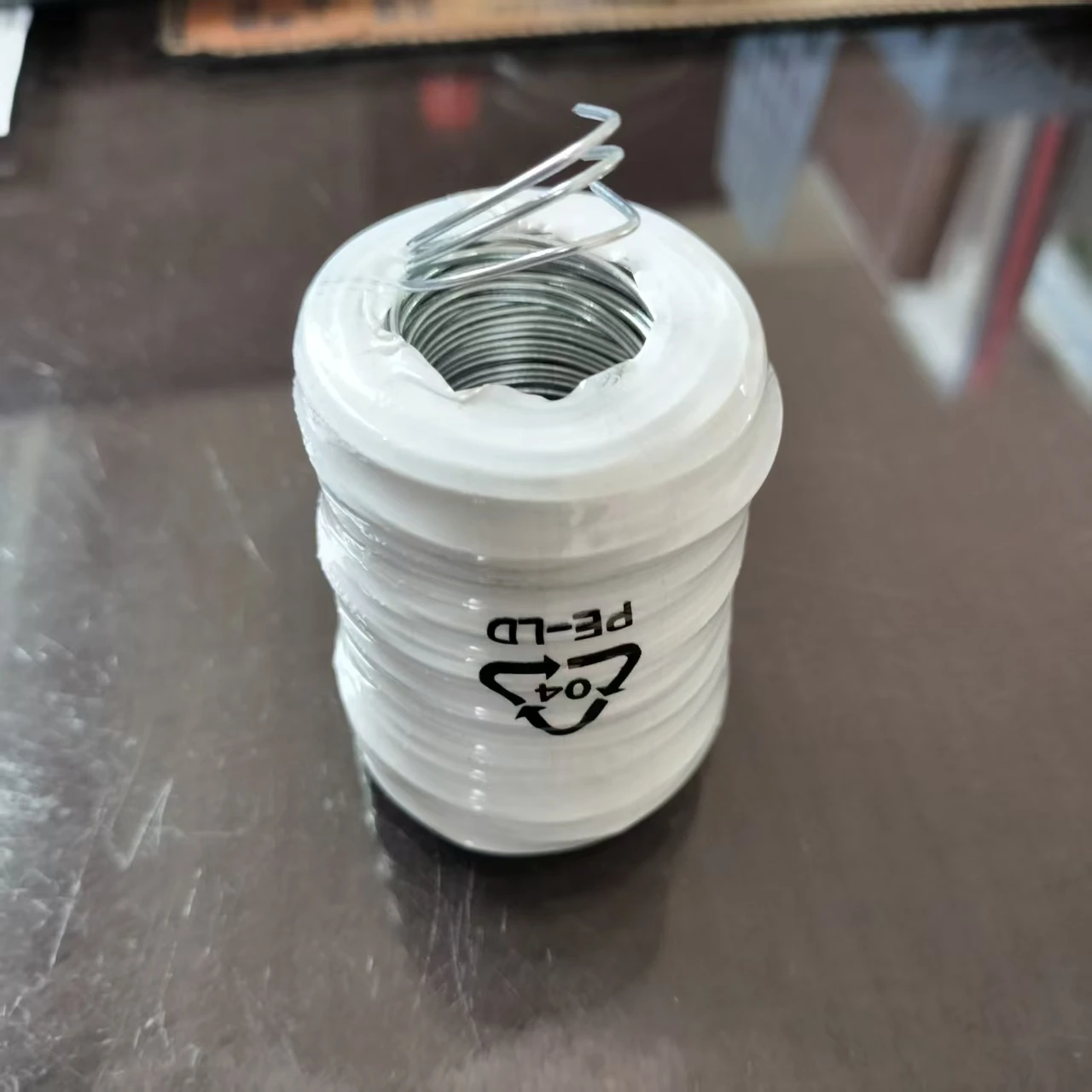
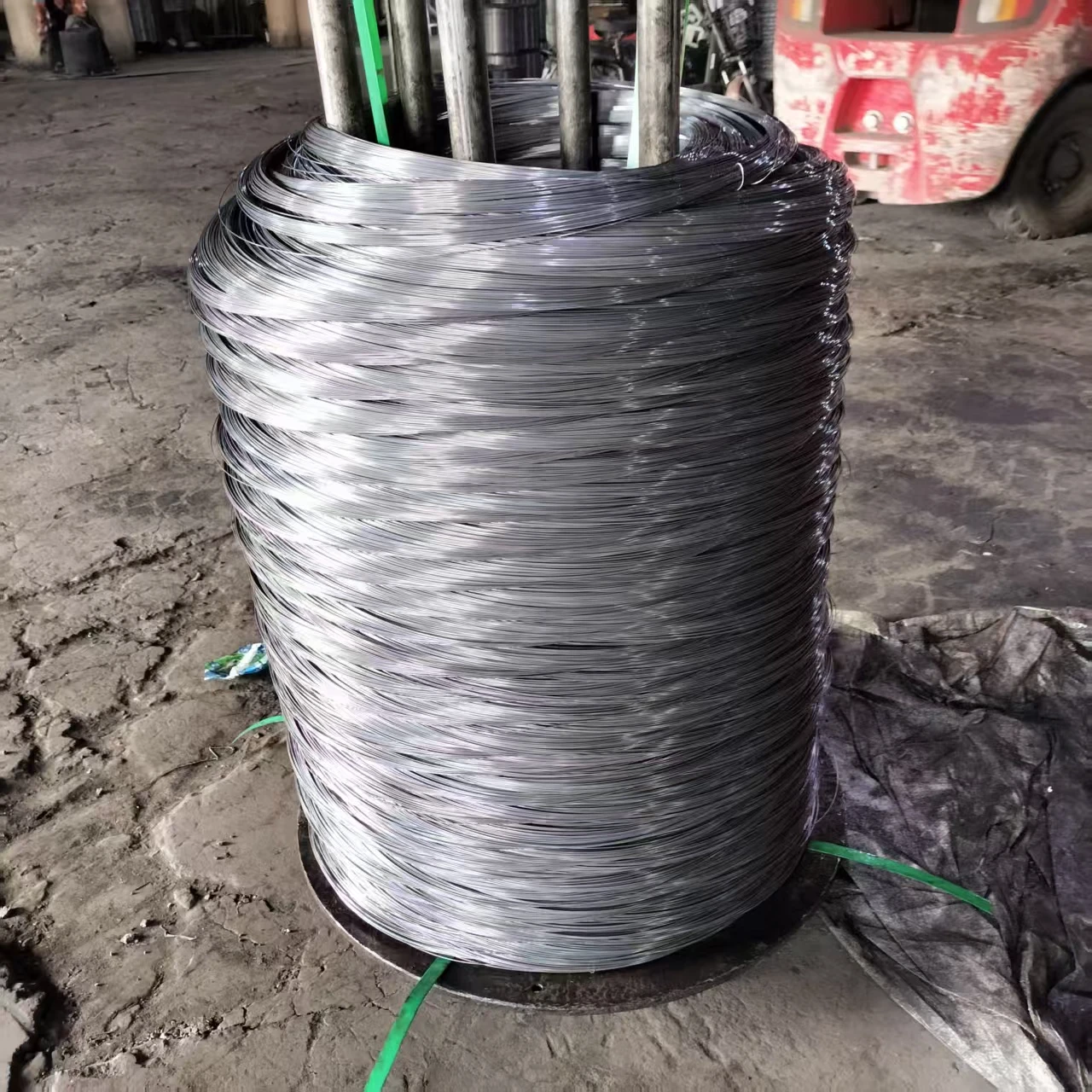
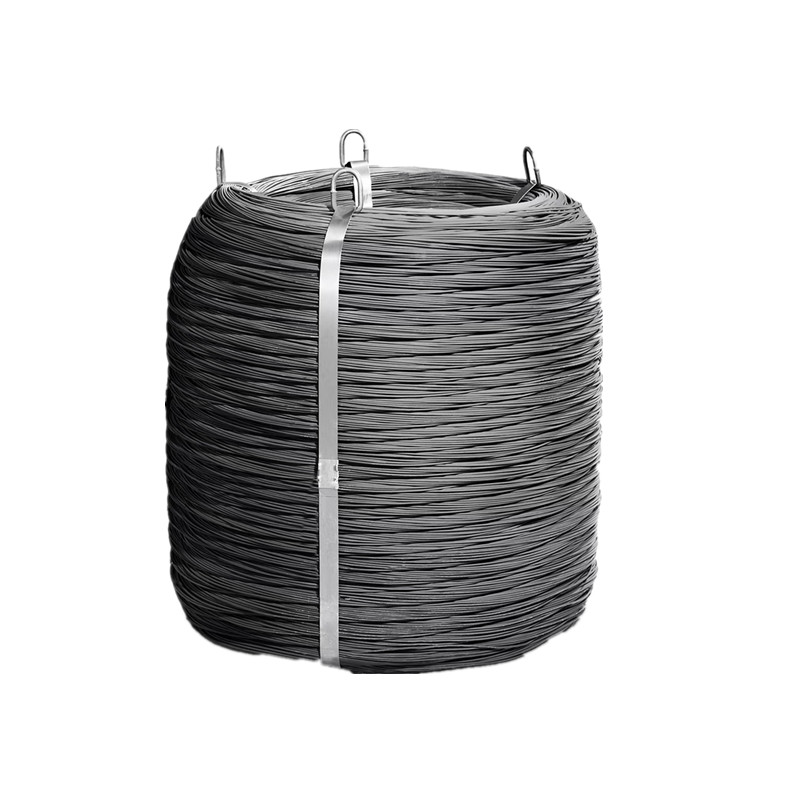
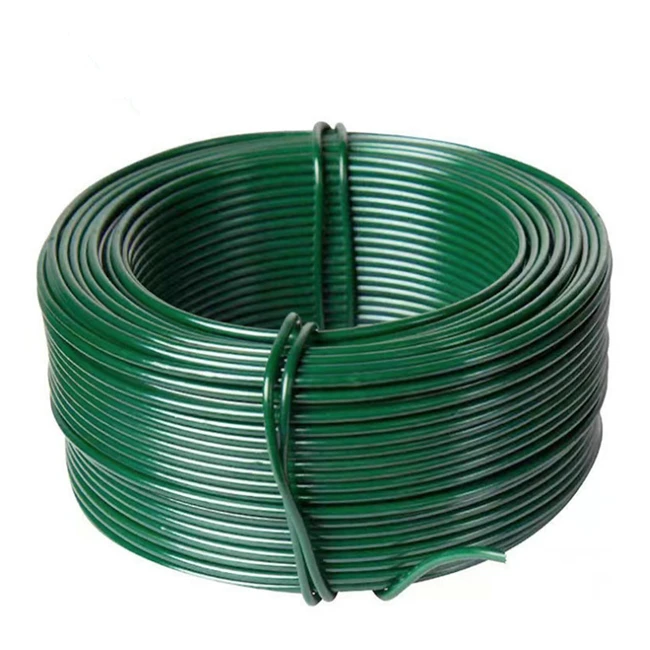
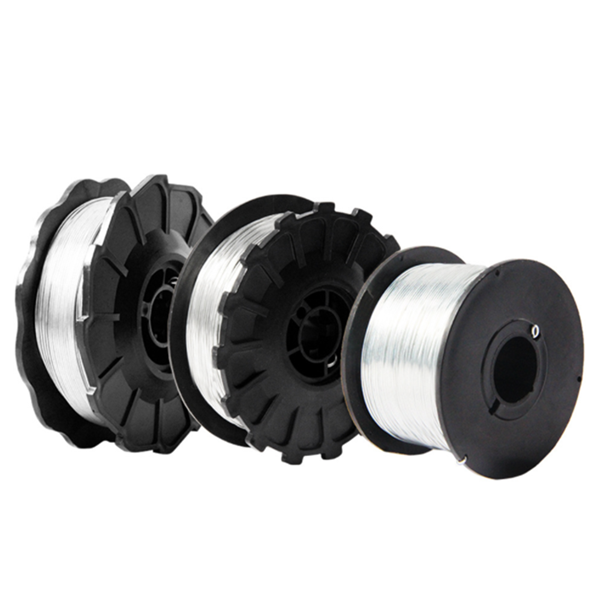
- Versatility in Types and Applications: Available in forms like coil wire, spool wire, cut wire, U-type wire, and tie wire, this wire adapts to various fencing needs. For example, in constructing diamond cyclone mesh fences or barbed wire for pastures, the hot dipped galvanized iron wireoffers the necessary strength and durability. The gauge range of 0.4-6mm allows for seamless integration into different fence designs, from simple boundary markers to secure enclosures.
- Quality Assurance and Innovation: With a complete quality inspection system, Dingzhou Lanye ensures that every batch of hot dipped galvanized iron wiremeets high standards. Their R&D team continuously explores new techniques to improve coating adhesion and wire performance, supporting agricultural clients in achieving sustainable and long-lasting fencing solutions. This process not only enhances the wire's lifespan but also contributes to environmental sustainability by reducing waste.
Applications and Benefits of Hot Dipped Galvanized Wire in Agricultural Settings
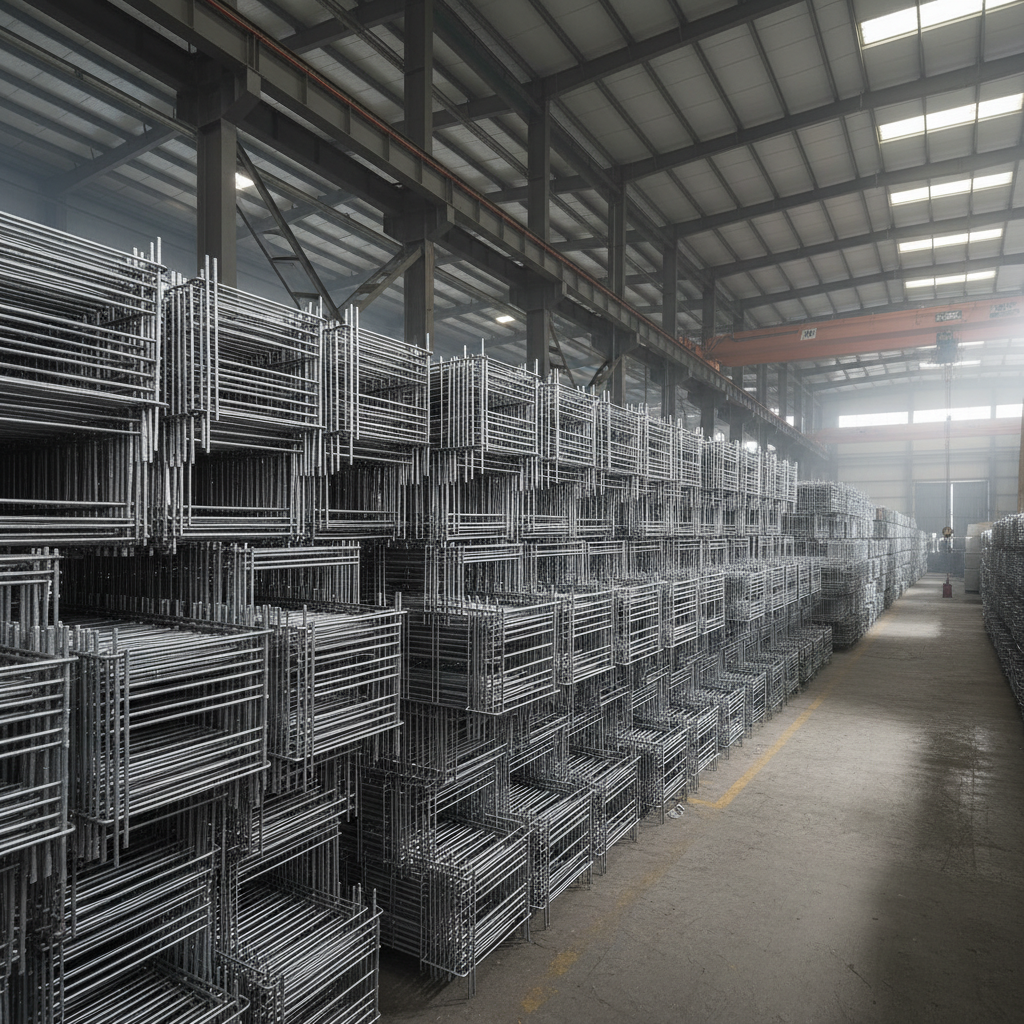
Hot dipped galvanized wire finds extensive applications in agriculture due to its versatility and proven benefits. Dingzhou Lanye Metal Products Co., Ltd. supplies this wire in large quantities, catering to diverse farming needs while maintaining the high quality that defines their corporate reputation.
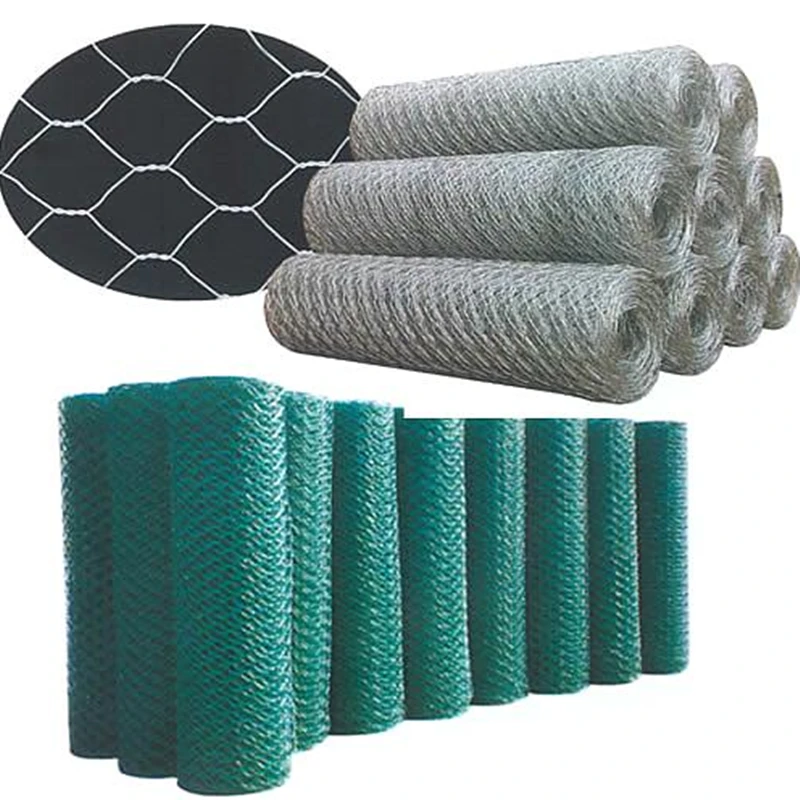
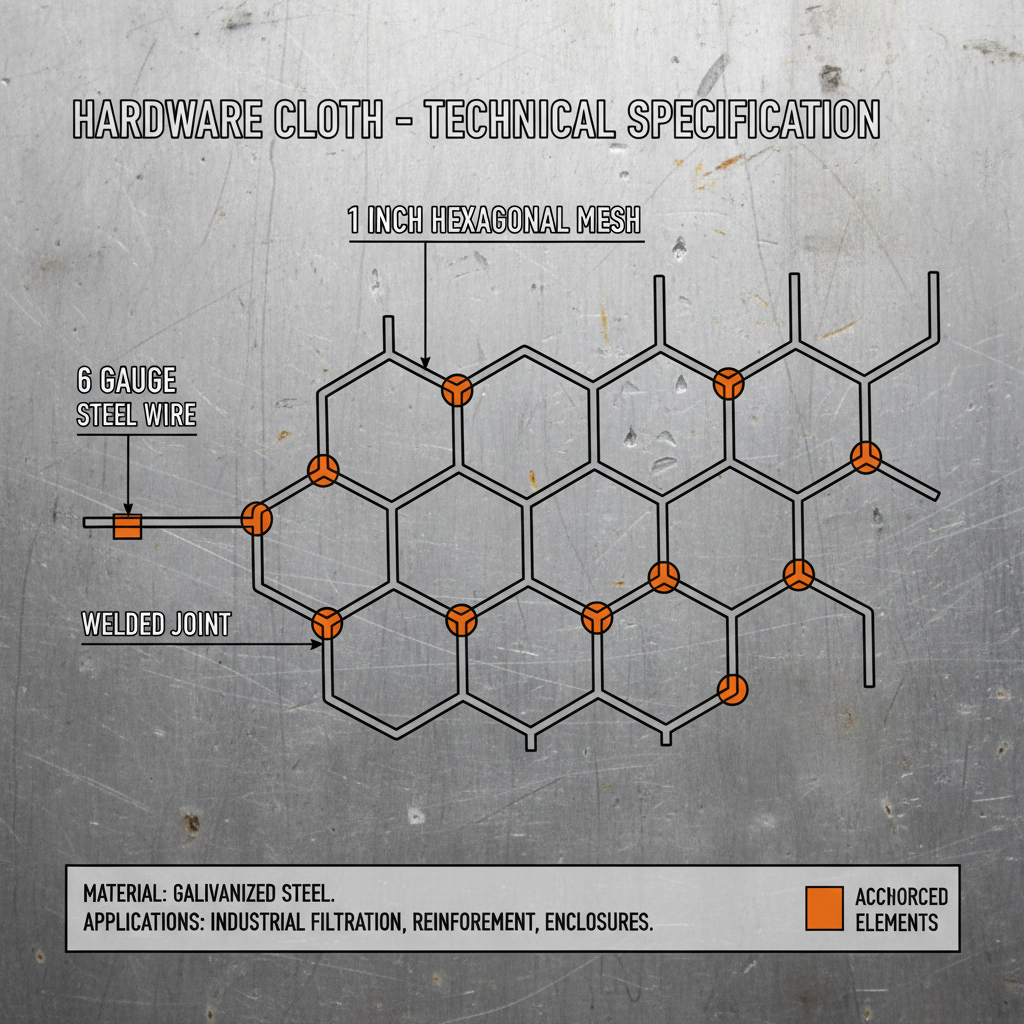
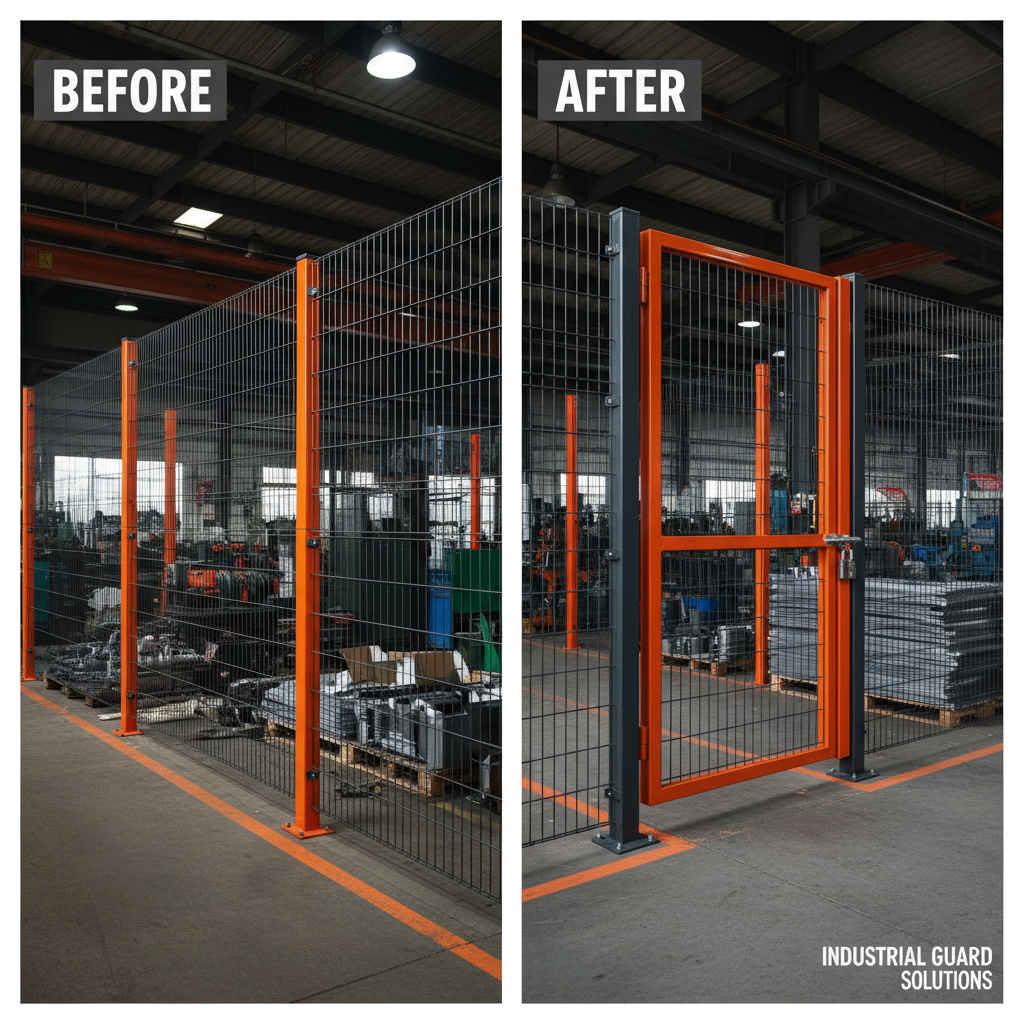
- Multi-Purpose Fencing Solutions: This wire is ideal for constructing various fence types, such as hexagonal wire mesh for poultry enclosures, welded wire mesh for garden protection, and barbed wire for perimeter security. The hot dipped galvanized wire's corrosion resistance ensures it performs well in soil contact or high-moisture areas, preventing rust-induced failures. Its applications extend to weaving wire mesh for trellises in vineyards or reinforcing fences in livestock farms, where strength and durability are critical.
- Ease of Installation and Adaptability: Offered in types like coil wire for continuous runs or cut wire for specific lengths, the hot dipped galvanized wiresimplifies fence assembly. The available gauges and zinc coatings allow farmers to choose the right specification for their terrain and climate. For instance, in regions with heavy rainfall, a higher zinc coating provides extra protection, reducing maintenance efforts and costs.
- Supporting Agricultural Efficiency: By using hot dipped galvanized wire, farmers can enhance productivity through reliable boundaries that minimize animal escapes or crop damage. Dingzhou Lanye's focus on product quality means that each wire is perfectly packaged and inspected, ensuring it arrives ready for large-scale deployment. This reliability, combined with the wire's resistance to corrosion and mechanical stress, makes it a cornerstone of modern agricultural infrastructure.
FAQs About Hot Dipped Galvanized Steel Wire
What makes hot galvanized steel wire highly resistant to corrosion in outdoor agricultural use?
The corrosion resistance of hot galvanized steel wire comes from its thick zinc coating, applied through a hot-dip process that creates a protective barrier against moisture, chemicals, and UV exposure. At Dingzhou Lanye Metal Products Co., Ltd., the coating weight ranges from 50-350g/m² for hot-dipped variants, ensuring long-term durability in harsh environments like farms and pastures.
How is hot dipped galvanized iron wire manufactured to ensure consistent quality?
Hot dipped galvanized iron wire is produced by first drawing low-carbon steel wire (Q195 or Q235) to the desired gauge (0.4-6mm), then immersing it in molten zinc. This hot-dip process forms a uniform coating that is tightly bonded to the steel. Dingzhou Lanye's quality inspection department rigorously tests each batch for coating adherence and strength, ensuring consistent performance for large-scale agricultural fencing projects.
What are the common applications of hot dipped galvanized wire in agriculture?
Hot dipped galvanized wire is widely used in agricultural fencing for constructing mesh fences, barbed wire, and trellises, as well as in binding and strapping applications. Its versatility allows it to be formed into coils, spools, or cut lengths, making it suitable for enclosing livestock, protecting crops, and supporting garden structures. The wire's corrosion resistance and strength make it ideal for long-term use in varied farm conditions.
What gauges and types of hot galvanized steel wire are available for fencing?
Dingzhou Lanye Metal Products Co., Ltd. offers hot galvanized steel wire in gauges from BWG8-25, which corresponds to 0.4-6mm in diameter. Types include coil wire, spool wire, cut wire, U-type wire, and tie wire, allowing for customization based on specific fencing needs. This range ensures that farmers can select the appropriate wire for everything lightweight garden fencing to heavy-duty animal enclosures.
How does the zinc coating on hot dipped galvanized wire enhance its lifespan in agricultural fences?
The zinc coating on hot dipped galvanized wire acts as a sacrificial layer that corrodes before the underlying steel, significantly extending the wire's lifespan. With coating weights of 50-350g/m², it provides robust protection against rust and abrasion. This is particularly beneficial in agriculture, where fences are exposed to soil, water, and mechanical stress, reducing the frequency of replacements and maintenance costs.
In summary, the key advantages of using hot galvanized steel wire in agricultural fence construction revolve around its unmatched durability, corrosion resistance, and adaptability, all of which are backed by the rigorous standards of Dingzhou Lanye Metal Products Co., Ltd. Their commitment to quality, innovation, and customer service ensures that farmers and agricultural professionals have access to reliable, long-lasting fencing solutions. By integrating advanced manufacturing techniques and a focus on large-scale production, hot dipped galvanized iron wire and hot dipped galvanized wire provide cost-effective and sustainable options for modern farming needs. As agriculture continues to evolve, these materials will remain essential for building resilient infrastructures that support productivity and growth.