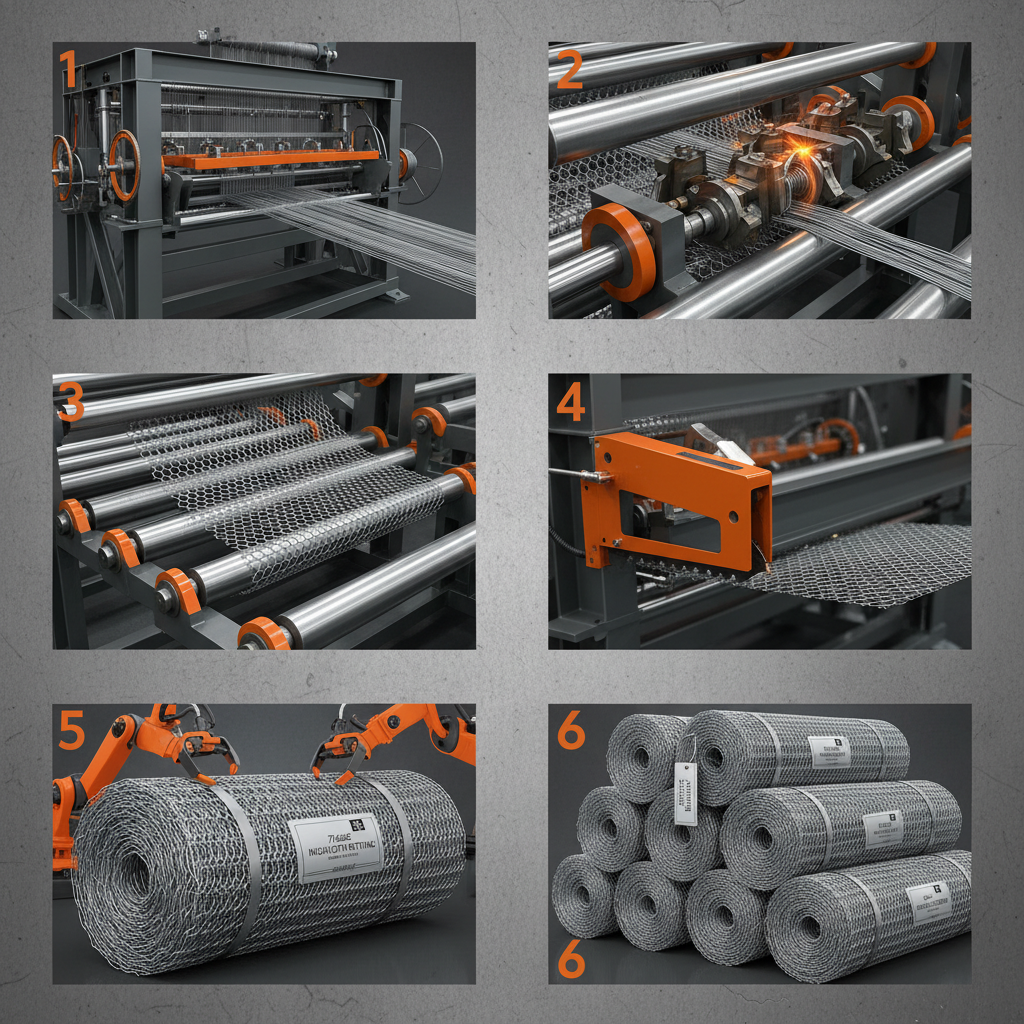
Understanding wire gauze mesh: an insider’s view
Having clocked more than a decade working in the industrial equipment sector, I’ve come across quite a few materials that either make your day easier or drive you nuts in terms of performance. Wire gauze mesh definitely falls into the former category — it’s one of those deceptively simple components that frankly, don’t get the praise they deserve. Often tucked away inside complex machinery, it quietly plays a big part in filtration, shielding, or supporting tasks.
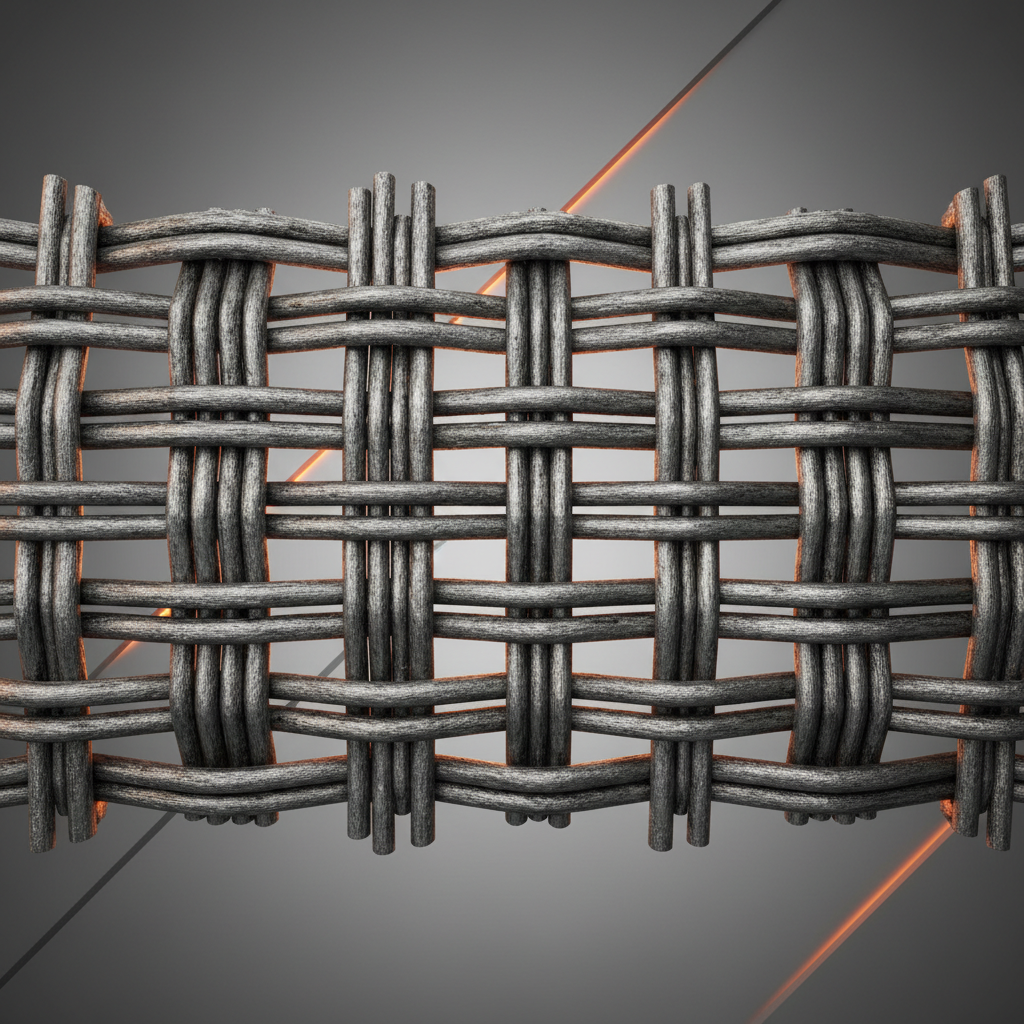
Now, I suppose some people might see wire gauze mesh as just basic grid-like metal, but there’s really more nuance behind the scenes. The mesh’s flexibility, strength, and material quality make a huge difference in real-world usage. You know, it’s not just about punching holes in a sheet; it’s about precision, durability, and fit-for-purpose design.
To give you an example, I remember a project where we swapped out some older wire gauze screens for a finer stainless steel mesh from a trusted supplier — the difference in filtering tiny particulates was night and day. It felt like upgrading your glasses prescription, suddenly everything became clearer.
Key specs to watch in wire gauze mesh
| Specification | Details |
|---|---|
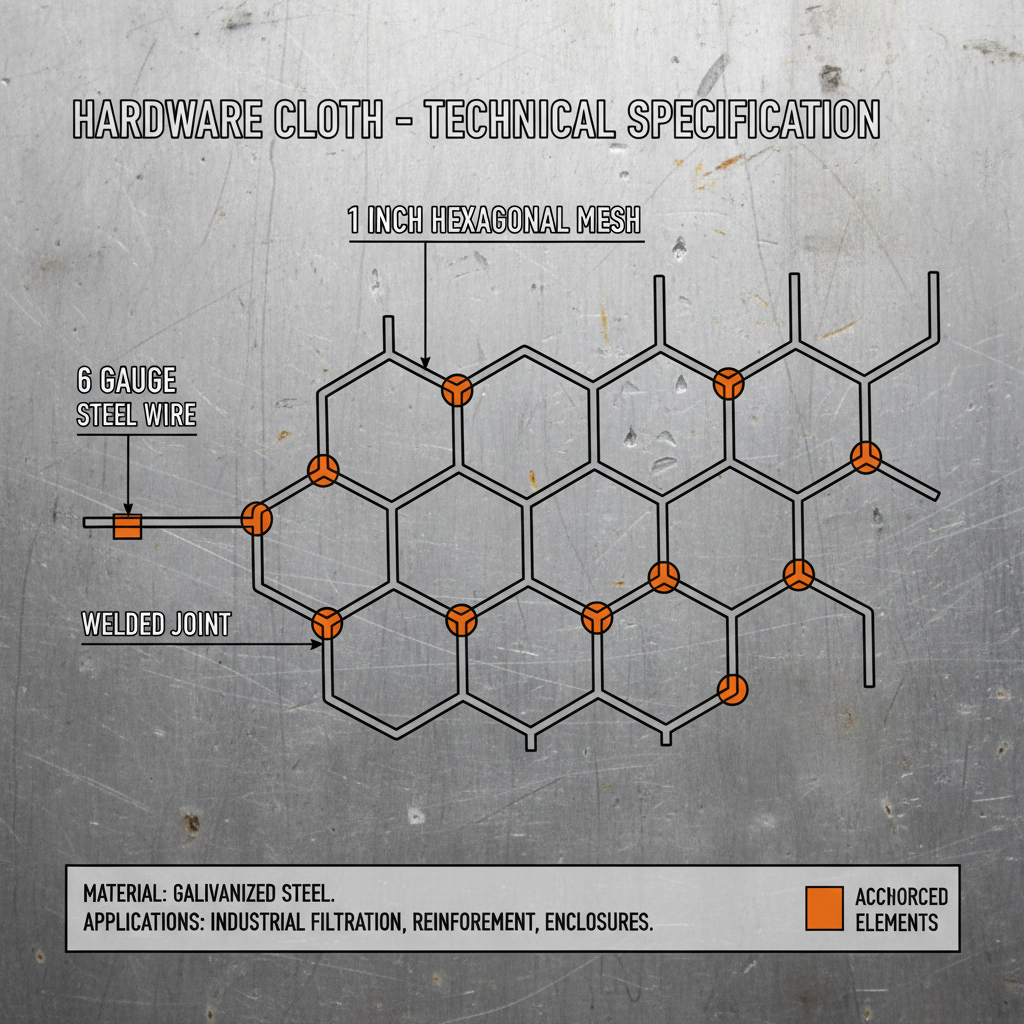
| Material Types | Stainless Steel, Brass, Aluminum, Galvanized Steel |
| Mesh Opening Size | From 10 mesh (2 mm openings) up to 400 mesh (0.04 mm openings) |
| Wire Diameter | 0.02 mm to 2 mm, depending on mesh size |
| Standard Weave Types | Plain weave, Twill weave |
| Common Thickness | 0.1 mm – 3 mm |
| Applications | Filtration, Shielding, Sieving, Support Structures |
These specs may sound like dry figures, but in practice, they translate to selecting the right mesh to withstand chemical corrosion, mechanical wear, or even high temperature. For example, stainless steel mesh will obviously outshine brass in aggressive environments, though brass might be preferred for anti-magnetic properties or conductivity.
Comparing wire gauze mesh vendors: why it matters
| Vendor | Quality Consistency | Customization Options | Delivery Time | Price Competitiveness |
|---|---|---|---|---|
| Lanye Wire Mesh | Excellent (ISO certified) | Wide variety, custom sizing & finishes | Fast (usually 1-2 weeks) | Competitive pricing for quality |
| Vendor B | Good, but occasional batch variance | Limited to standard mesh sizes | 3-4 weeks | Lower prices, less consistent |
| Vendor C | Fair, occasional defects reported | Custom orders possible but costly | 2-3 weeks | Mid-range prices |
So why does this vendor comparison even matter? In my experience, the long-term reliability of your equipment often hinges on how consistent and specialized your wire gauze mesh supplier is. It’s odd but true that something as ‘simple’ as mesh quality can cause downtime or quality issues otherwise. For many engineers I know, picking a vendor like Lanye Wire Mesh — known for quality and customization — has saved headaches down the road.
To wrap this up, the world of wire gauze mesh might seem small in the grand scheme, but frankly, that tiny grid has outsized influence in many industrial applications. Whether you’re filtering air, sieving powders, or shielding sensitive electronics, the right mesh can be a game changer. So next time you see a sheet of wire gauze mesh, you might appreciate the engineering and real-world testing behind it a little more.
References:
1. Industry standards on wire mesh (ISO 9044)
2. “Metal Mesh Guide,” Industrial Filters Handbook, 2019
3. Personal project logs & field experience, 2010-2023